
Category
Science & Tech
81 articles
Science and technology told with clarity: discoveries, ideas and advances that change how we understand the world.
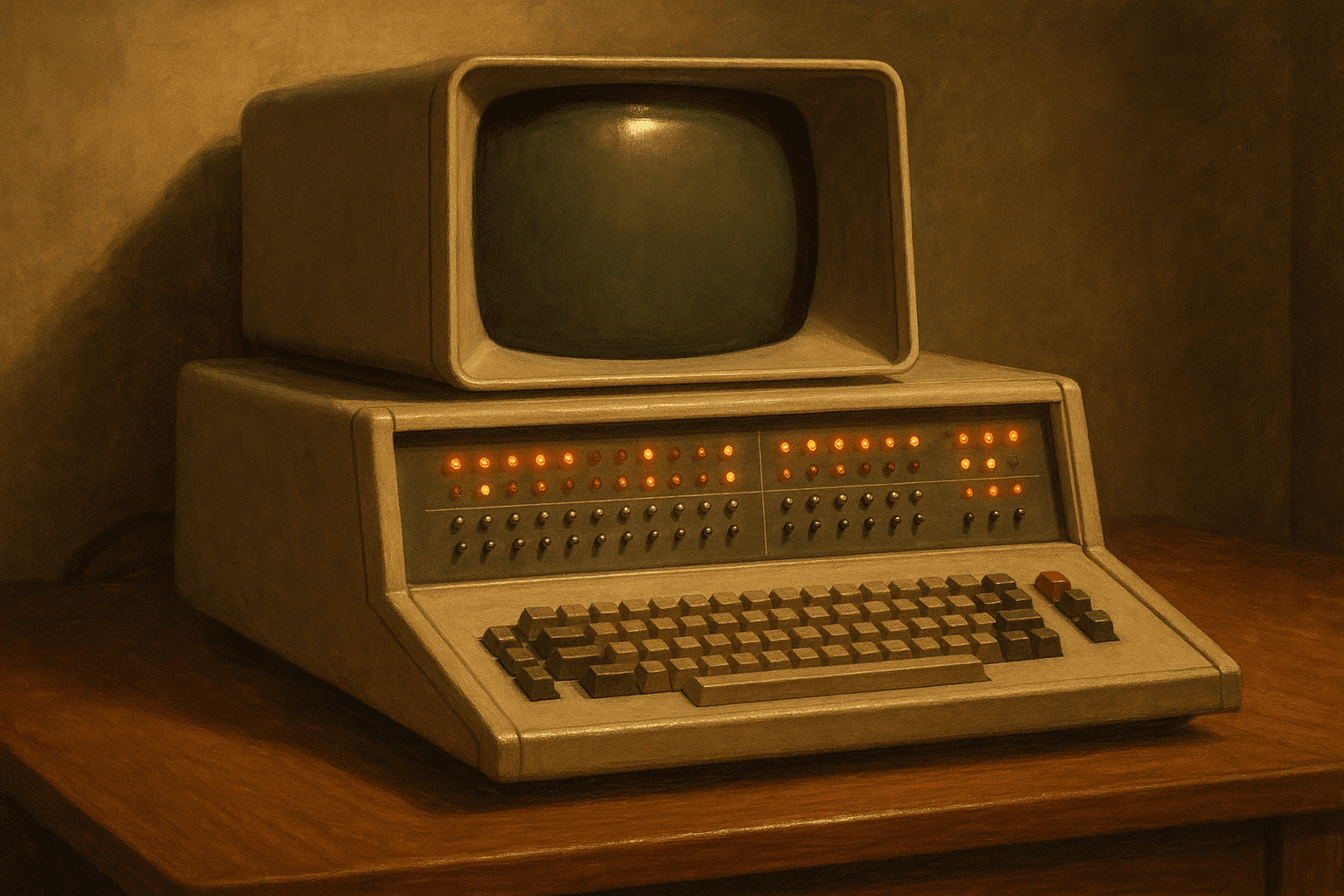
The First Personal Computer Wasn't the One You Think
Almost everyone credits the 1975 Altair as the first personal computer, but several came earlier: from Olivetti in 1965 to the Kenbak-1 in 1971.
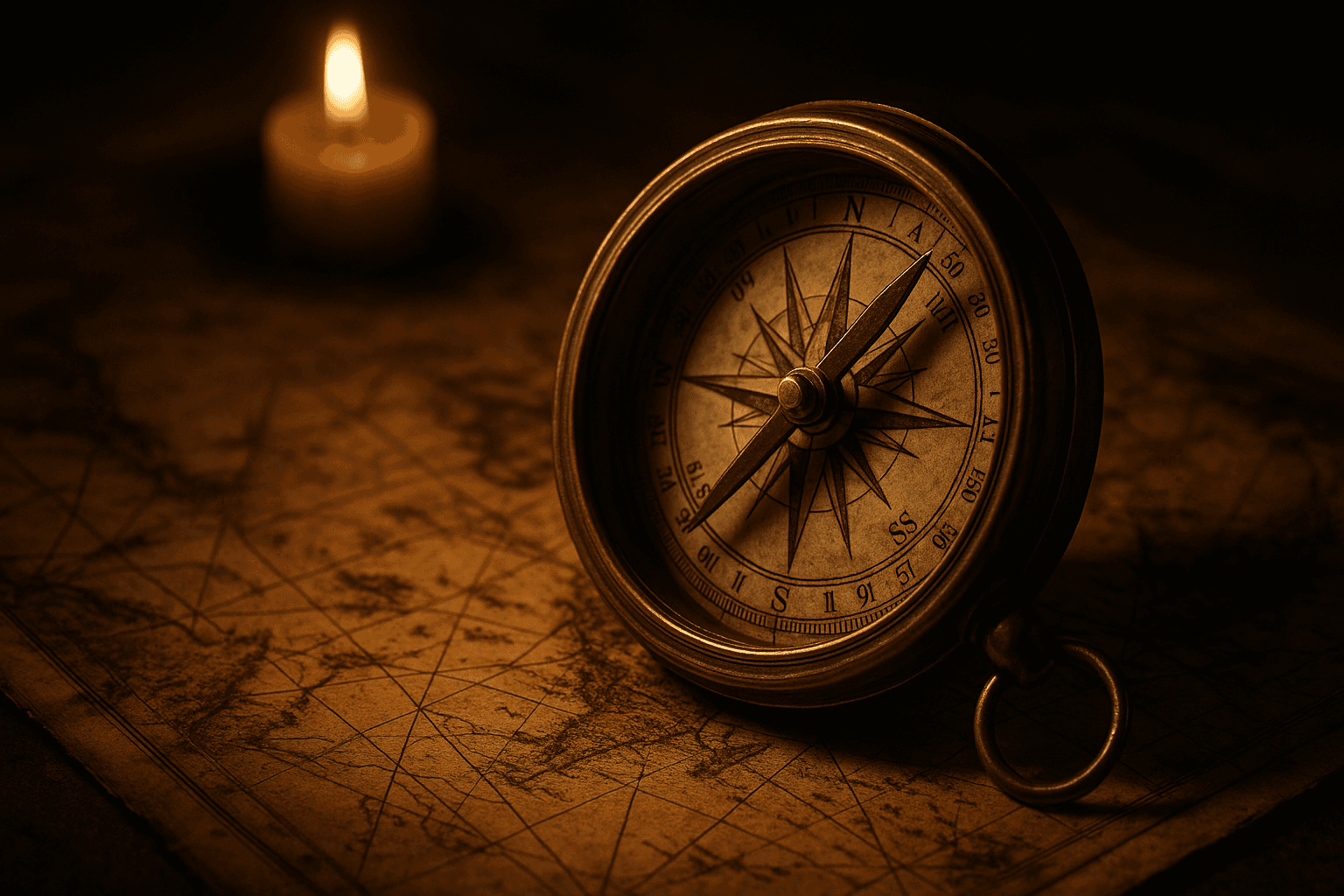
The History of the Compass: From Lodestone to GPS
The history of the compass, from the Chinese lodestone that pointed south to the GPS in your phone: how we learned to find our way without the sky.
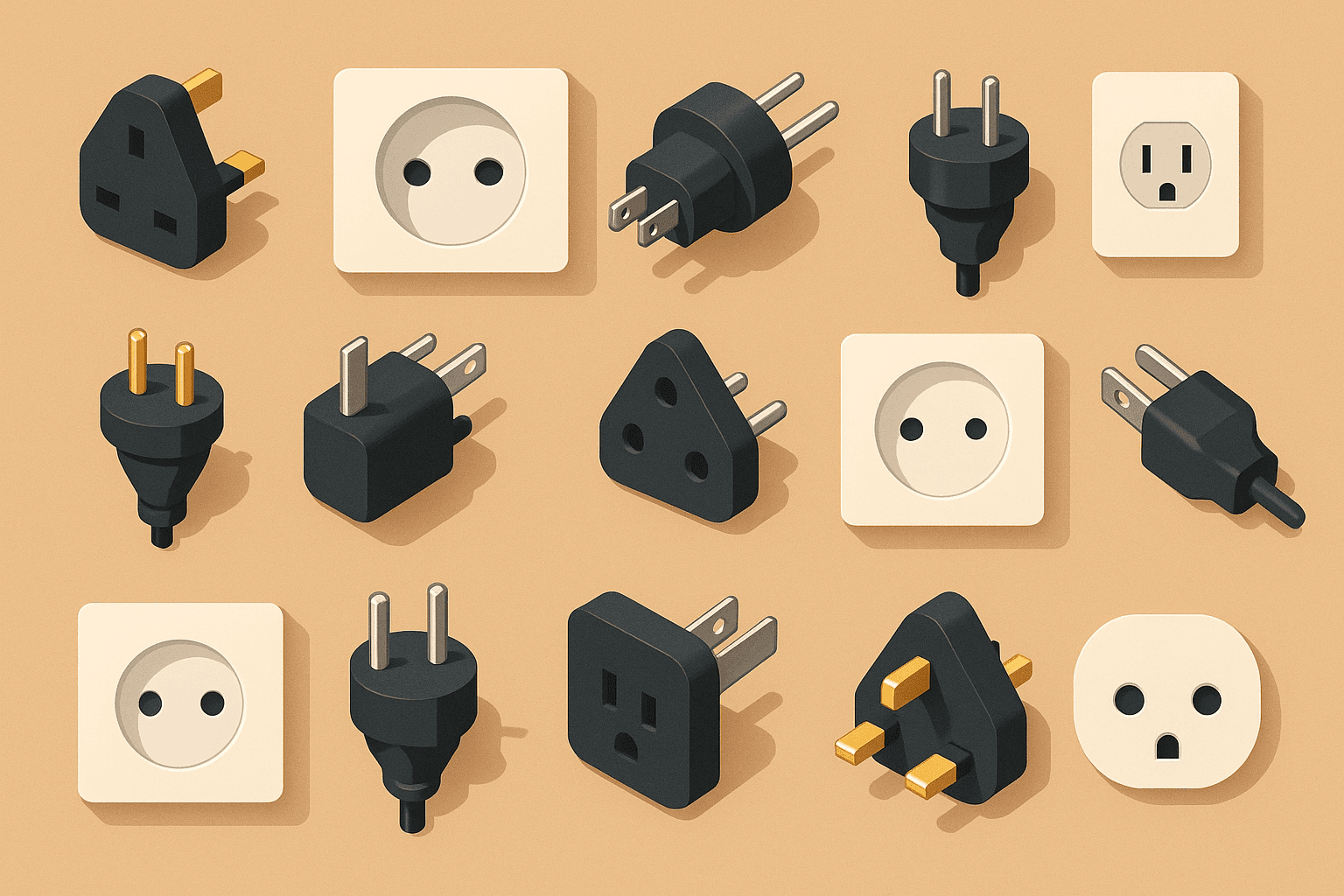
Why Power Plugs Are Different in Every Country
There are about 15 plug types worldwide and voltages from 110 to 240 V. Here is why power plugs are so different from one country to the next.
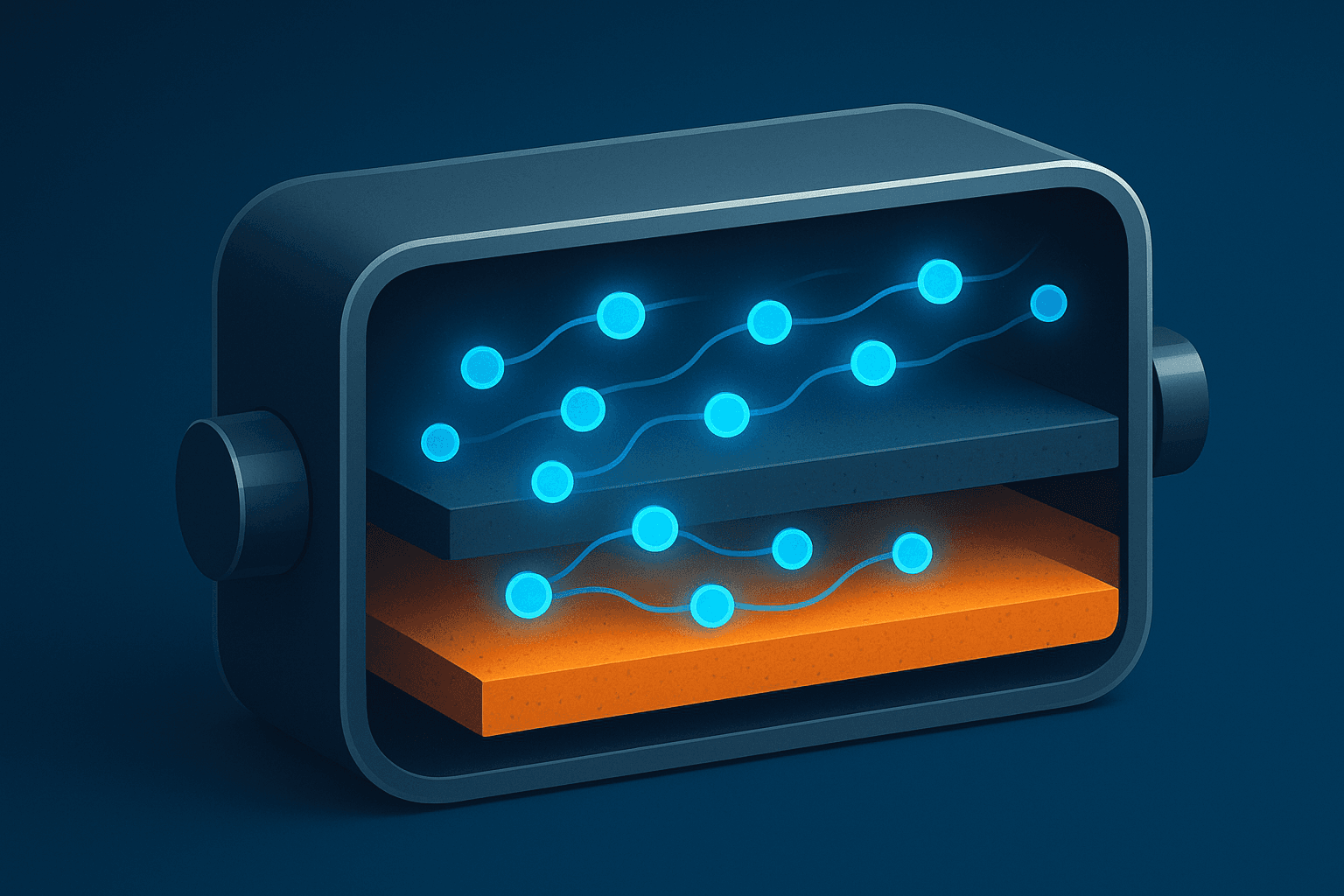
How a Lithium Battery Works and the 1% Myth
The lithium battery powers your phone and your electric car. Here is how it works inside and why the percentage you see is never quite exact.
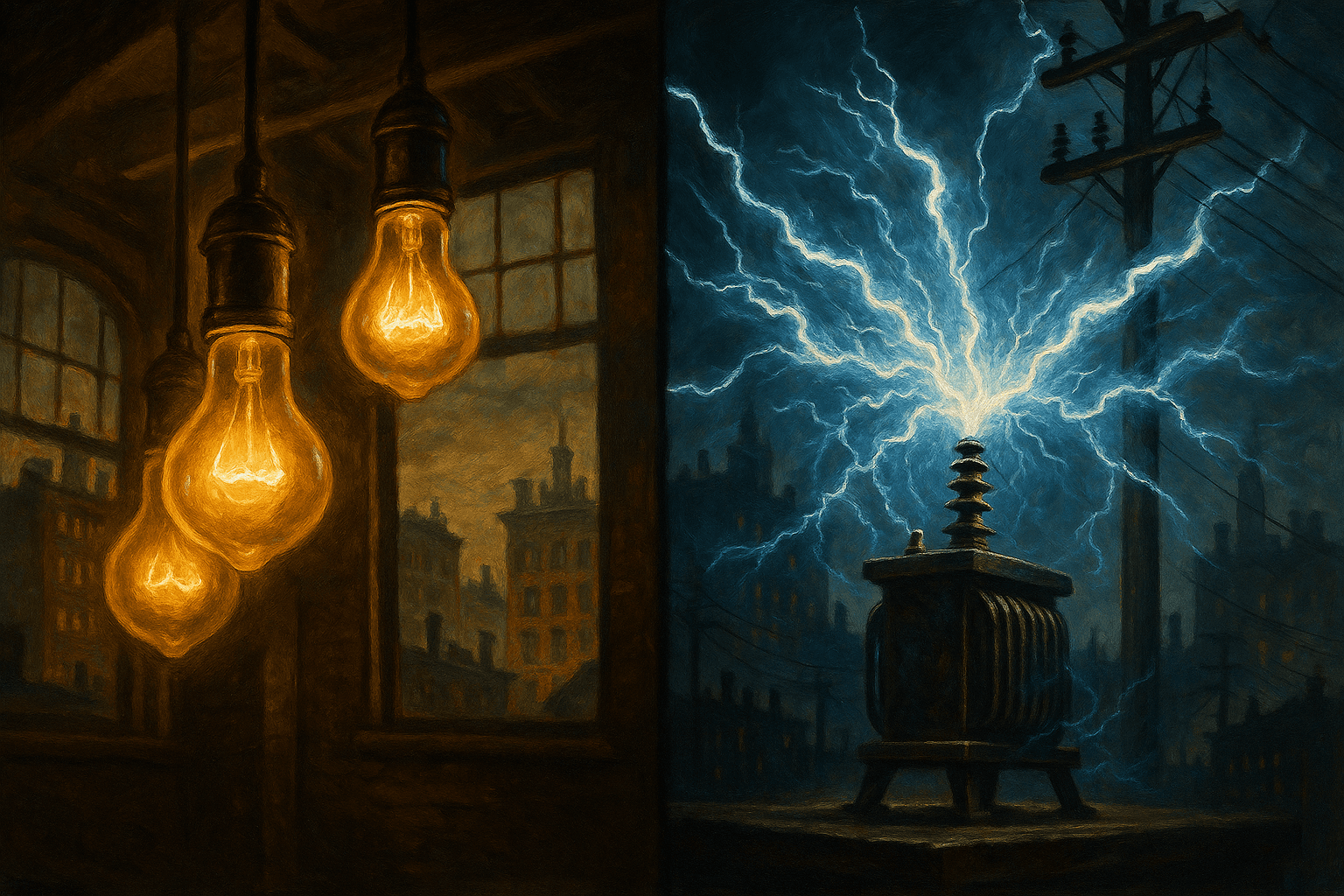
The War of the Currents: Edison vs. Tesla
In the late 19th century Edison, Tesla and Westinghouse fought the war of the currents to decide whether the world would run on direct or alternating current.
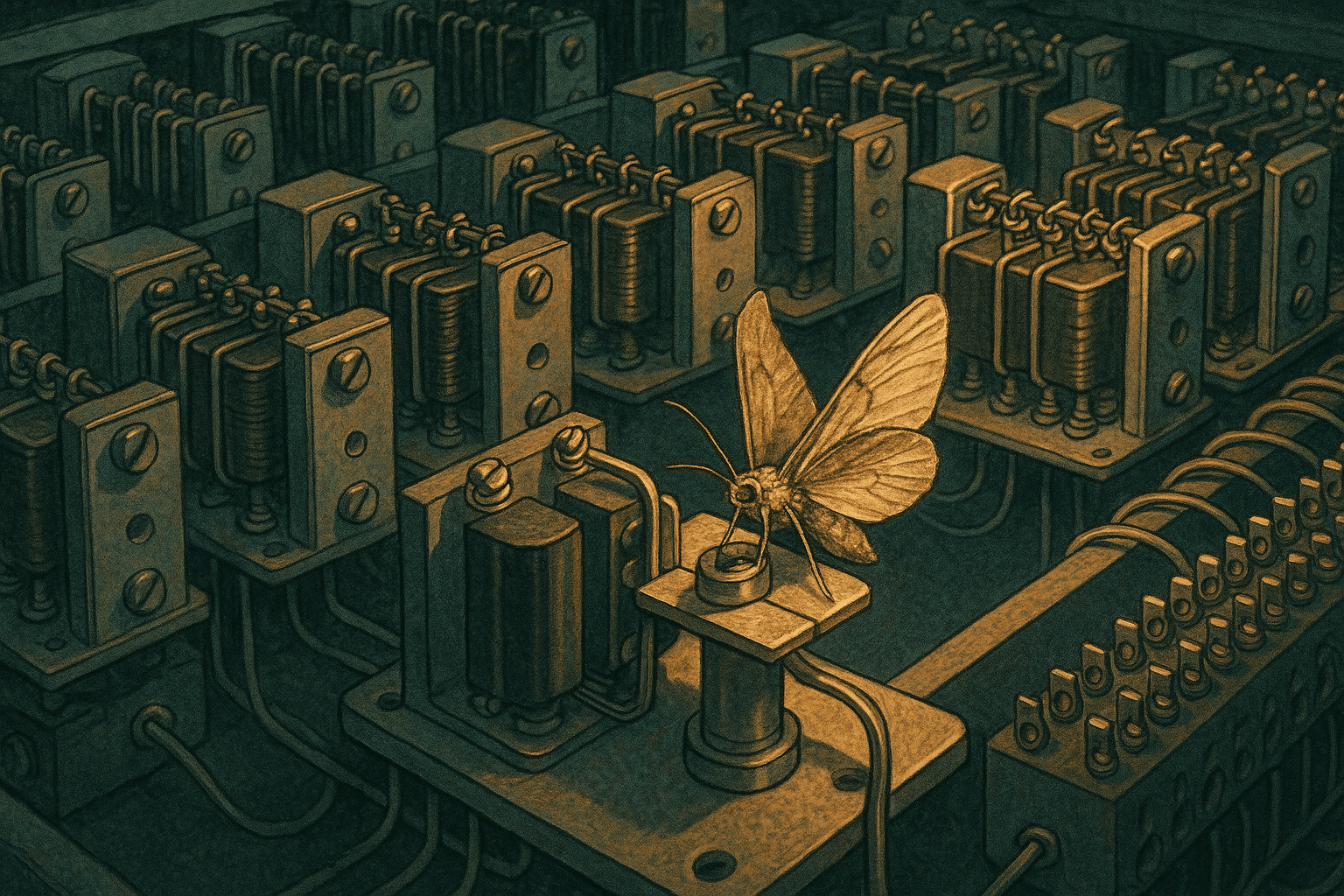
Grace Hopper and the True Origin of the Computer Bug
On September 9, 1947 a moth got stuck in the Mark II. But Grace Hopper didn't coin the word bug: Edison was already using it back in 1878.
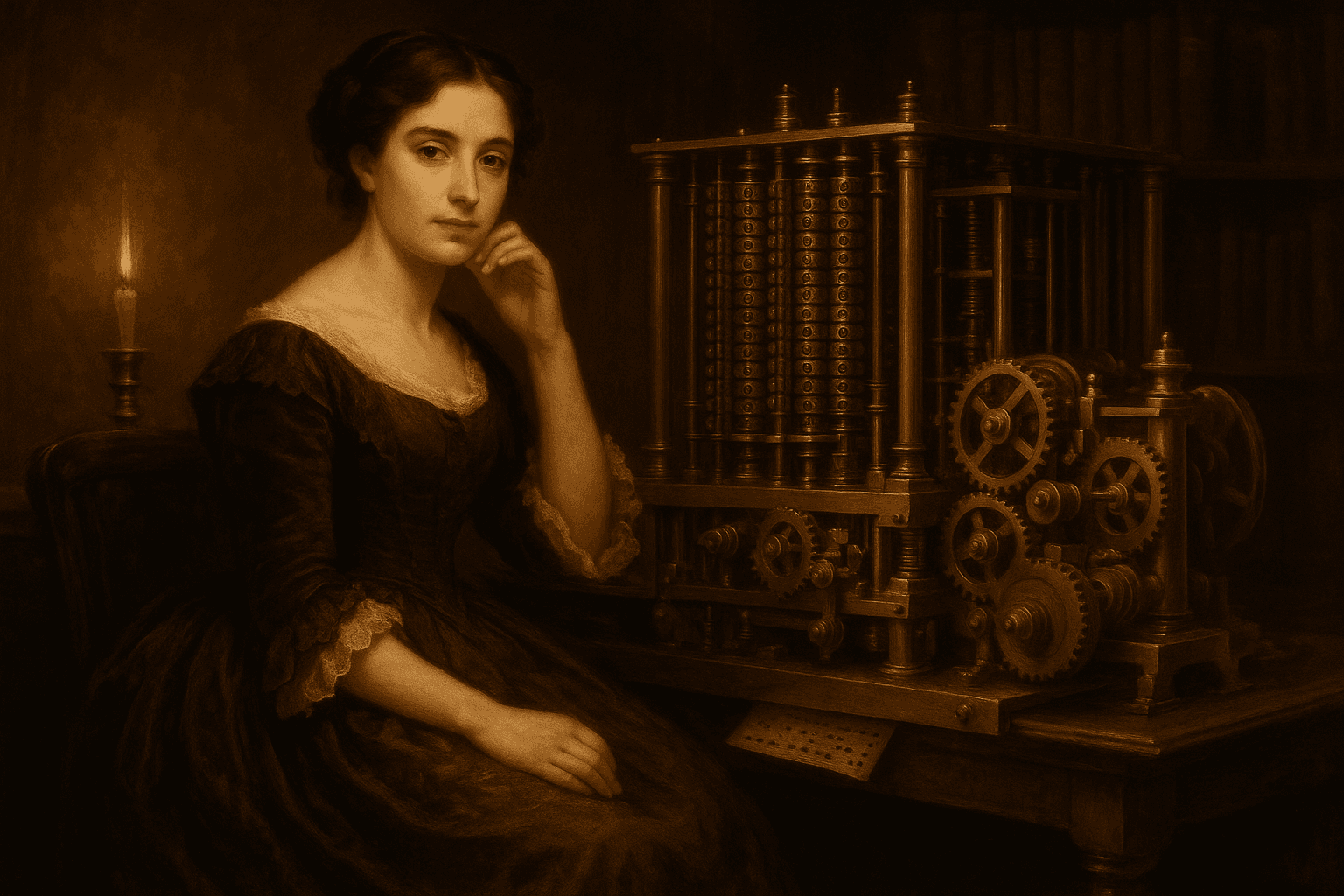
Ada Lovelace and the First Program Never Run
In 1843 Ada Lovelace wrote history's first algorithm for a machine that was never built. This is the story of the first computer program, a century early.
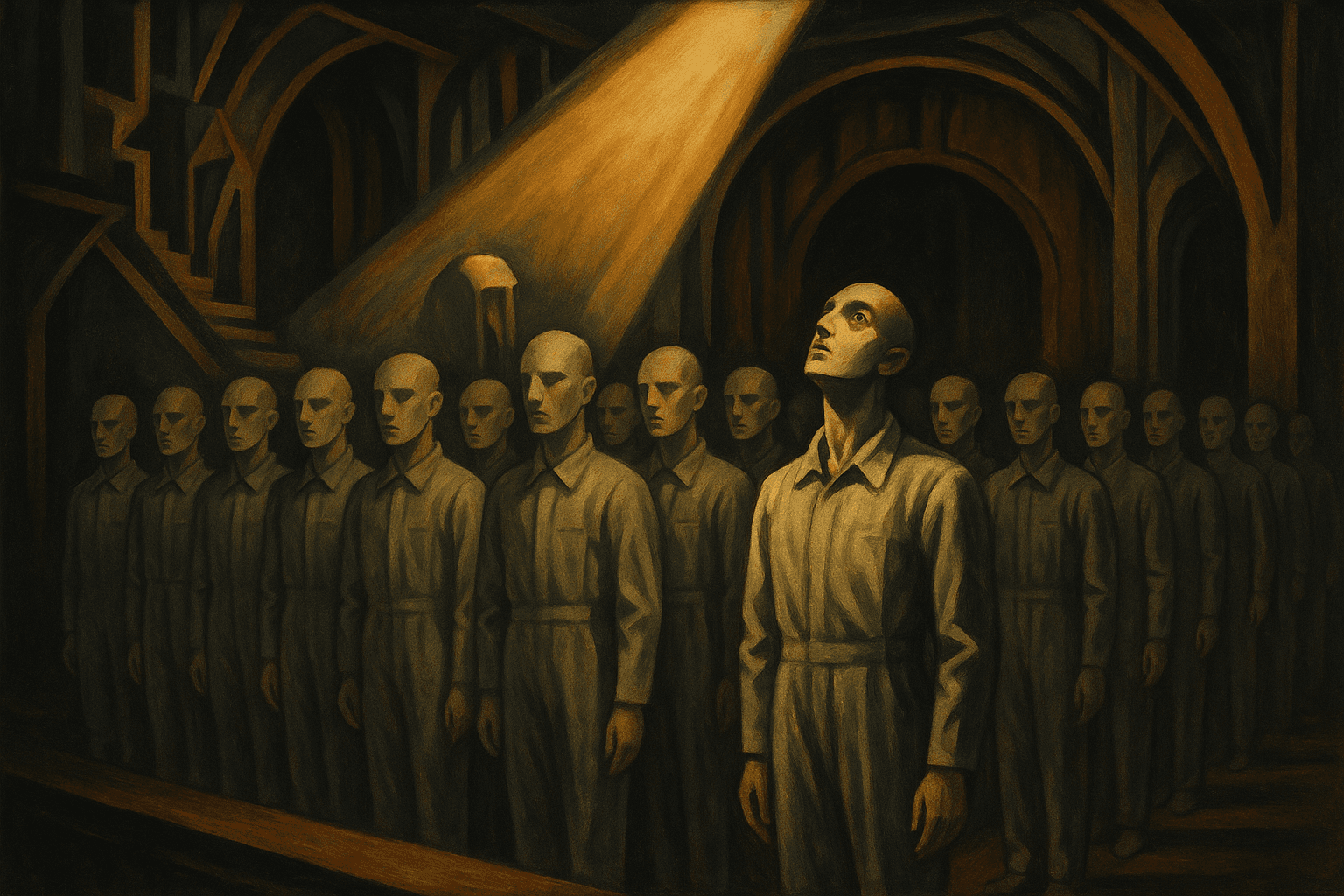
The Origin of the Word “Robot”: Born in a Czech Play
Where does the word robot come from? Czech writer Karel Čapek coined it in 1920 from robota, forced labor; and the idea was actually his brother Josef's.

Why Planes Don't Fly in Straight Lines on Maps
On a flat map a plane's route looks curved and bent. Here is why the shortest line between two cities is not a straight line at all.
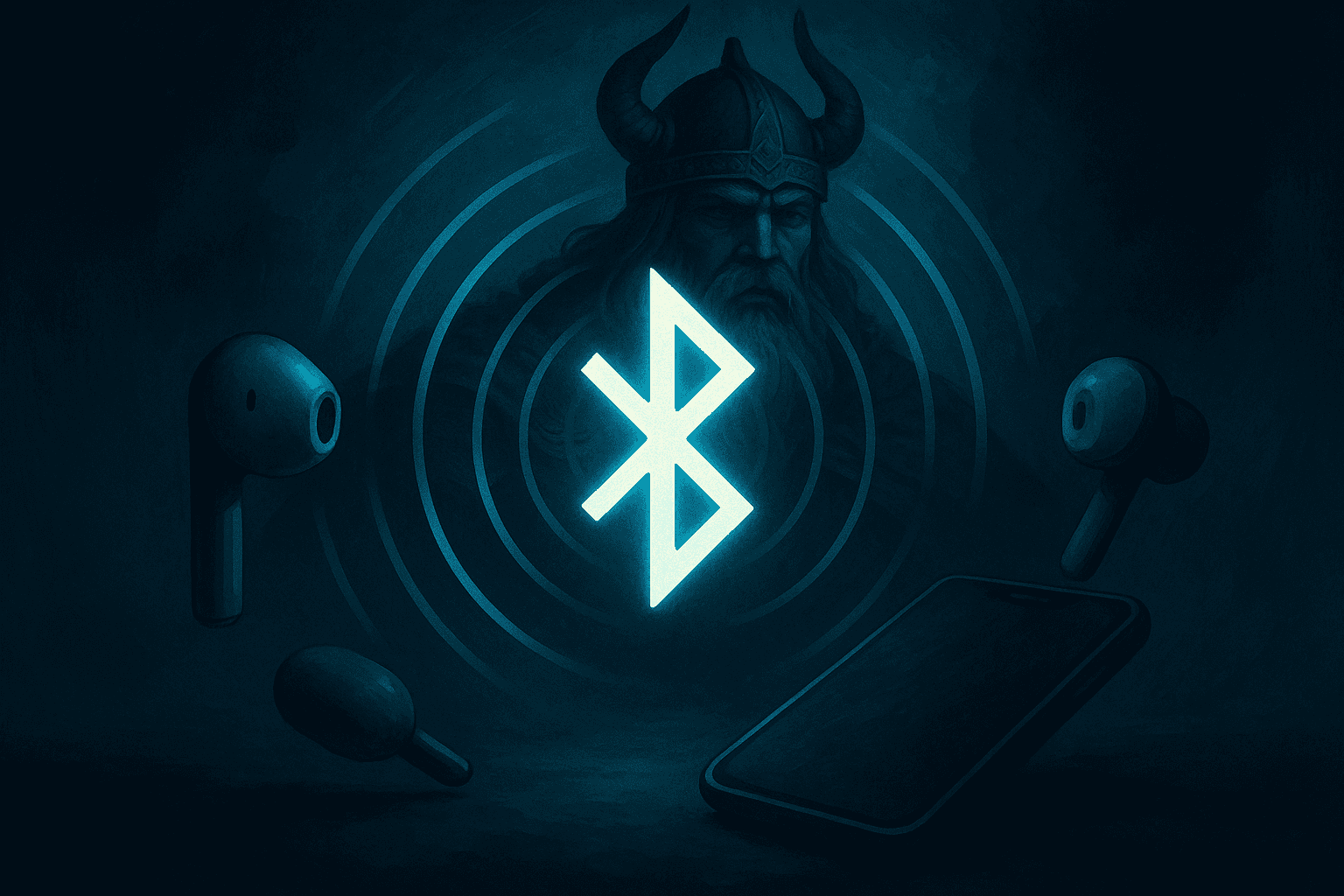
How Bluetooth Works and the Viking King Behind It
Bluetooth links your earbuds, car and keyboard with no cables. Here is how that invisible radio works and why it is named after a Viking king.
When Lead Was in Gasoline, Paint and Almost Everything
For centuries lead was in wine, paint, gasoline and even makeup. The story of the toxic metal it took humanity millennia to finally give up on.
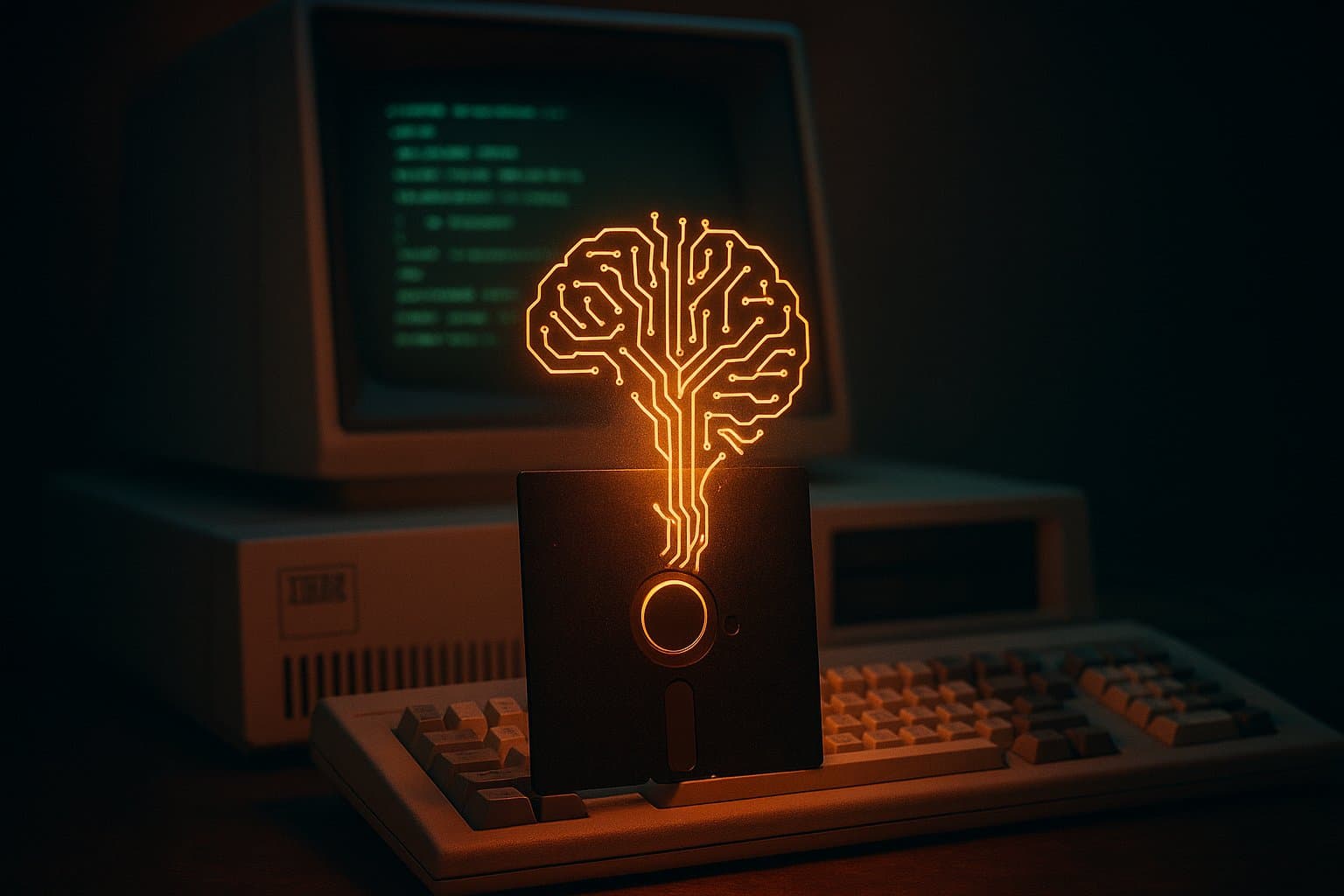
The first computer virus was called Brain
In 1986, two brothers in Lahore wrote Brain, the first PC virus. It destroyed nothing: it guarded their software and left their name, address and phone.
Vaccine: the word that hides a cow
The word «vaccine» comes from the Latin vacca, «cow». Edward Jenner coined it after finding that cowpox protected people against the deadly smallpox.
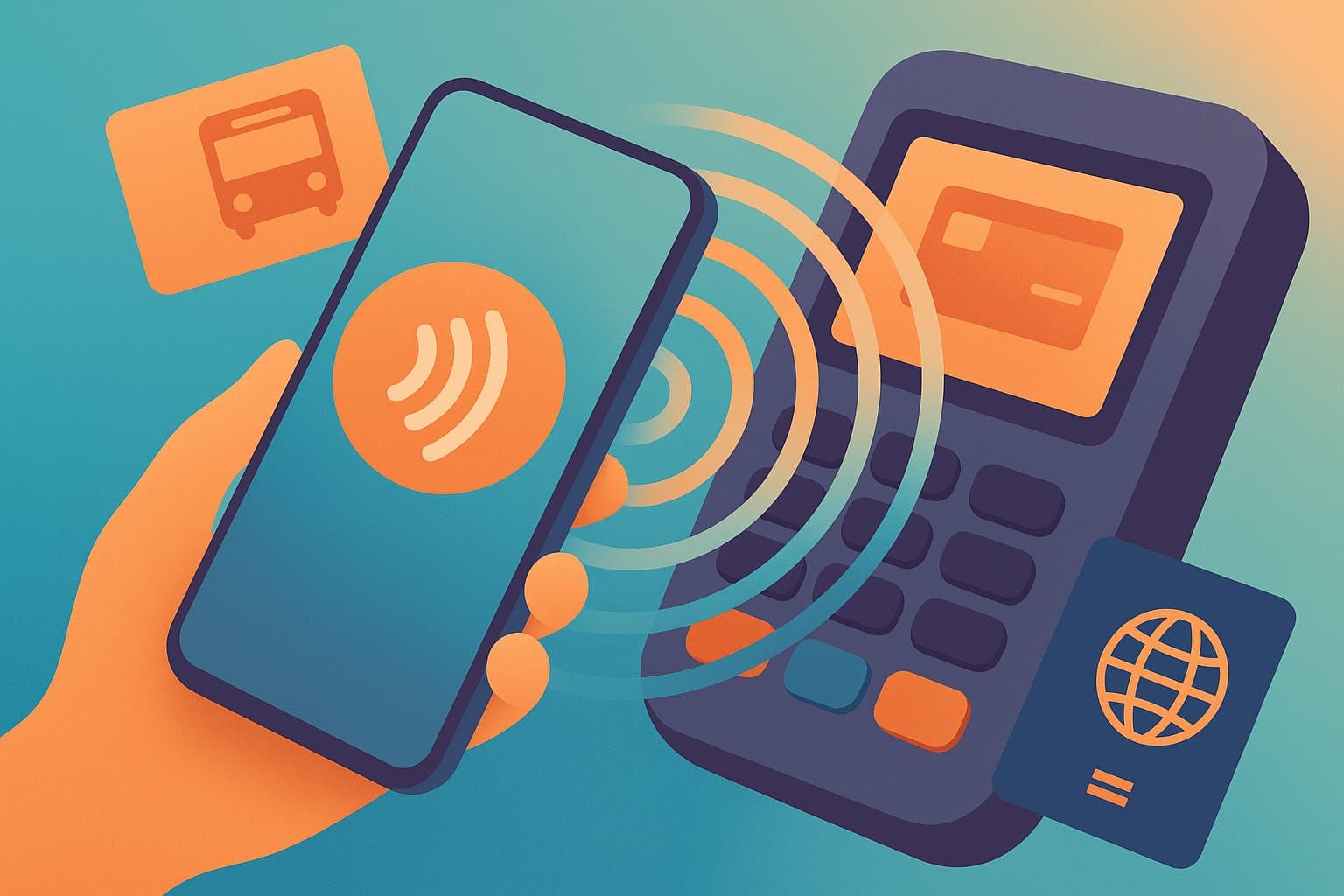
NFC: The Invisible Tech in Cards, Phones and Passports
NFC powers contactless payments, transit cards and passports with a tap. Here is how near field communication works and where this invisible tech came from.
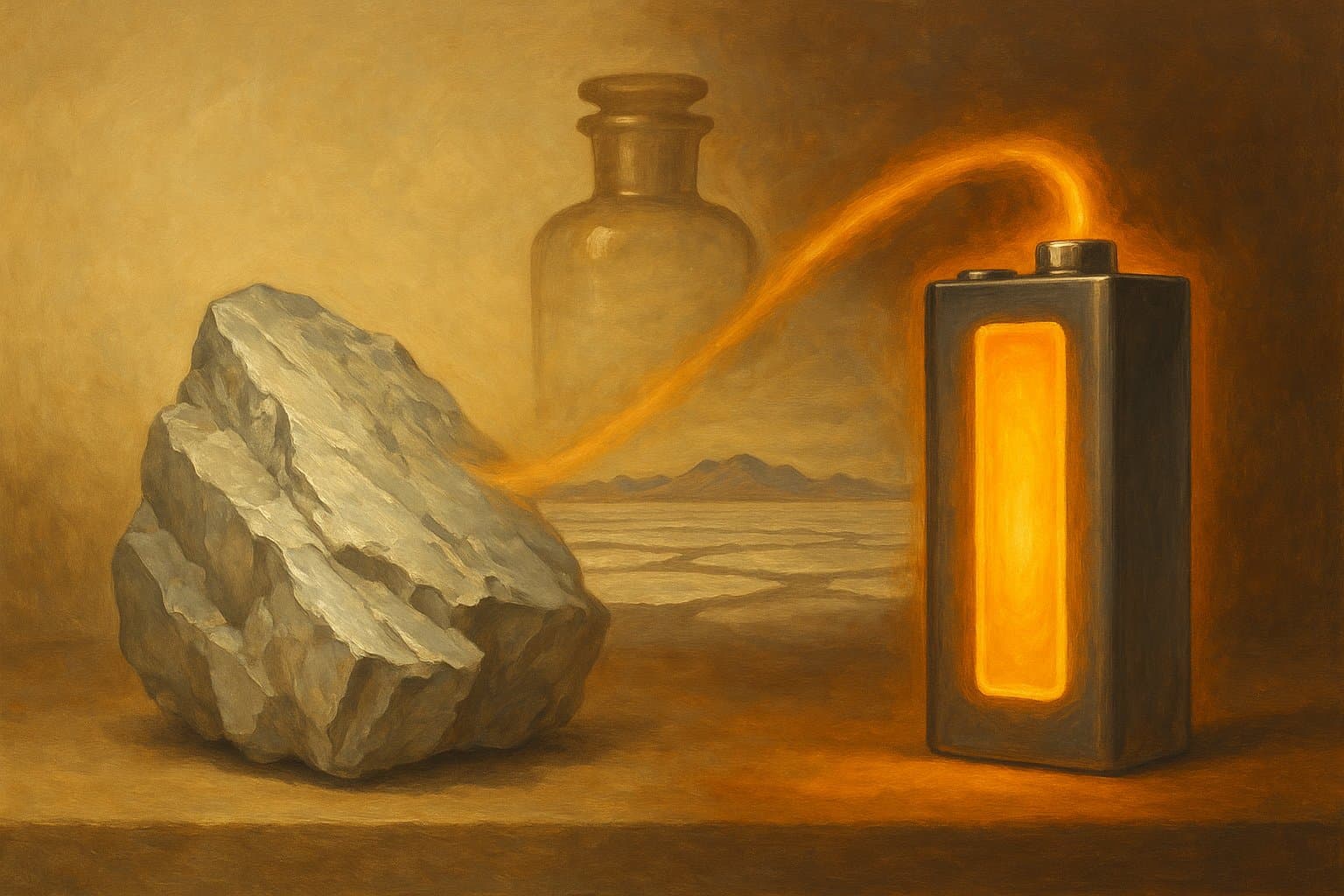
Lithium: From Medicine to the Battery of the Modern World
Lithium went from miracle cure and soft drink to mood stabilizer and battery of the modern world. This is the story of the lightest metal, from medicine to power.
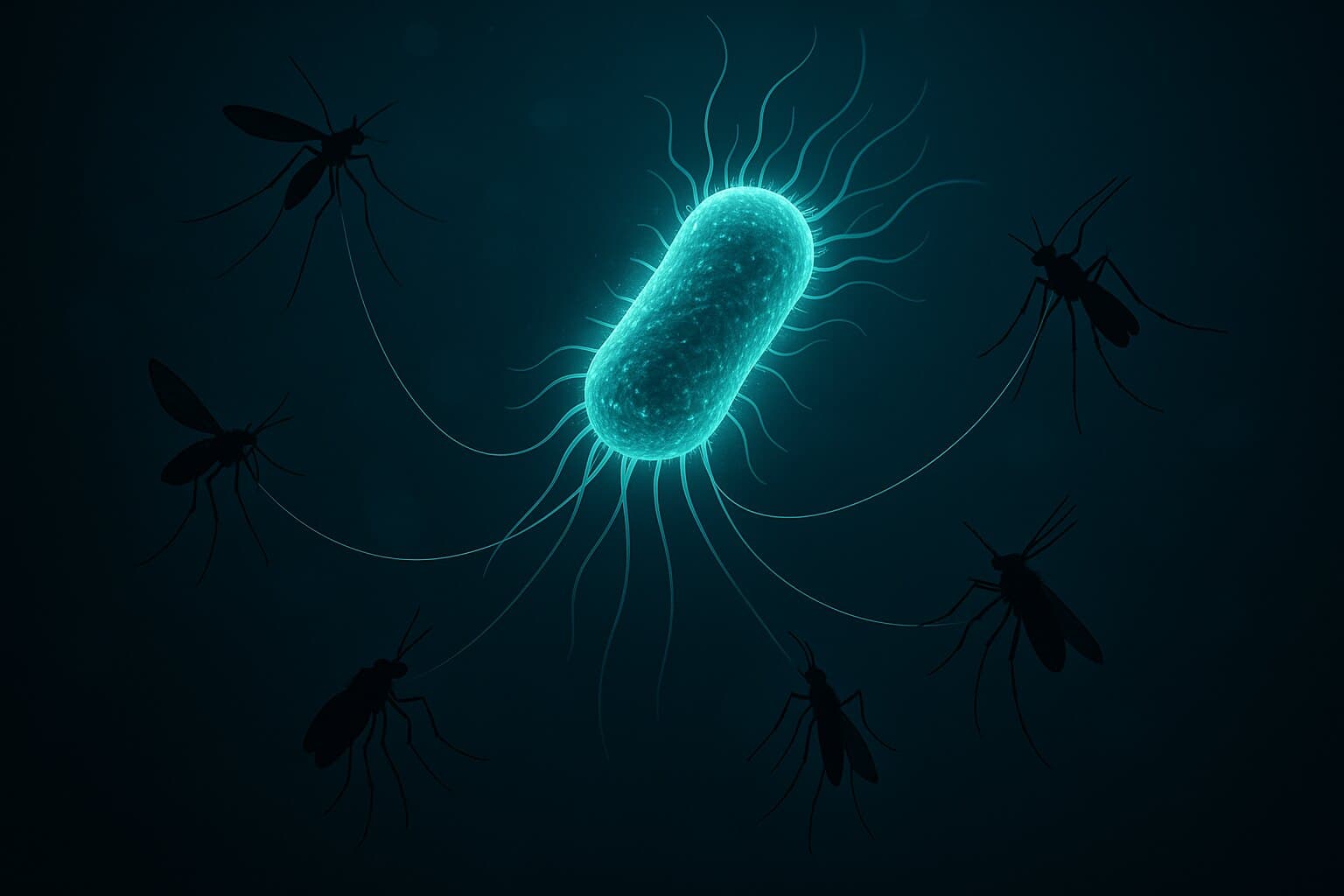
Wolbachia: the bacterium that bends sex and kills males
Wolbachia infects half the world's insects and hijacks their reproduction: it feminizes males, kills them off, and is now used to stop dengue.
RISC-V: the free chip that could be hardware's Linux
RISC-V is the open, royalty-free chip architecture challenging ARM and x86. What it is, why it's growing so fast, and where you already use it without knowing.
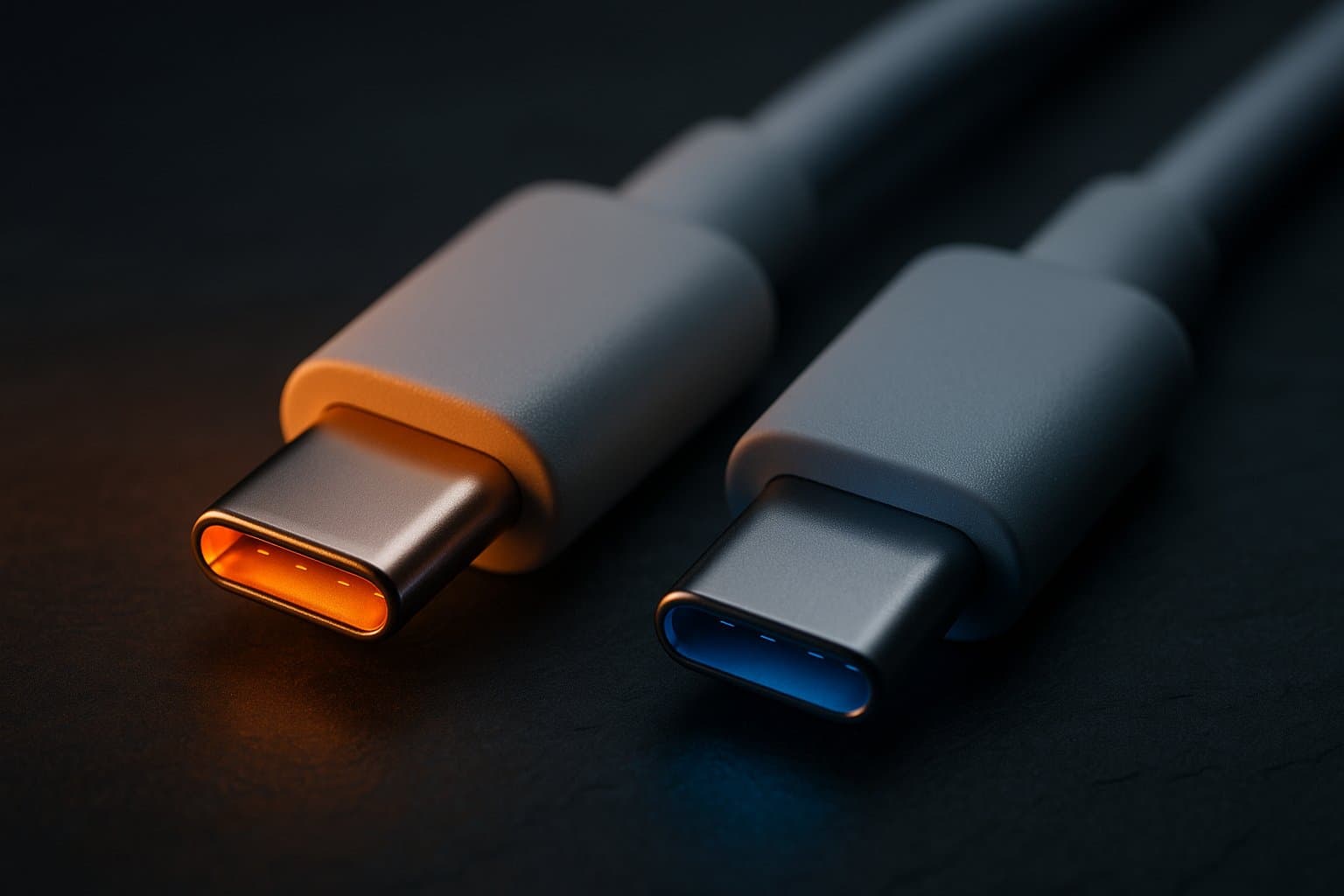
How USB-C works and why one cable charges fast
All USB-C cables look the same, but they aren't: we explain the e-marker chip and why one charges at 240W while another barely reaches 15W.
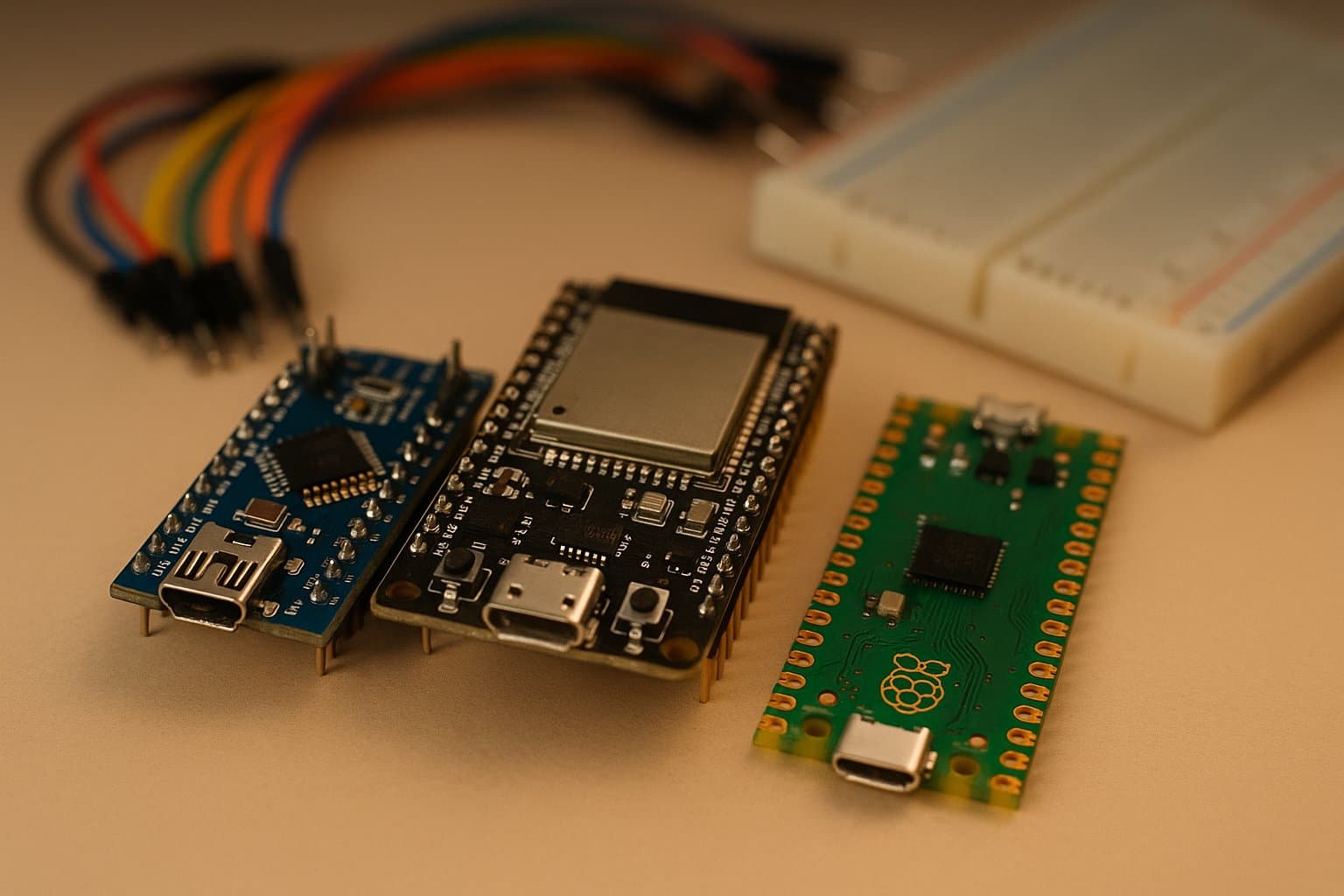
ESP32 vs Arduino vs Raspberry Pi Pico: which to choose
A clear comparison of the ESP32, Arduino and Raspberry Pi Pico: how they differ, which one fits your project and what each board actually costs.
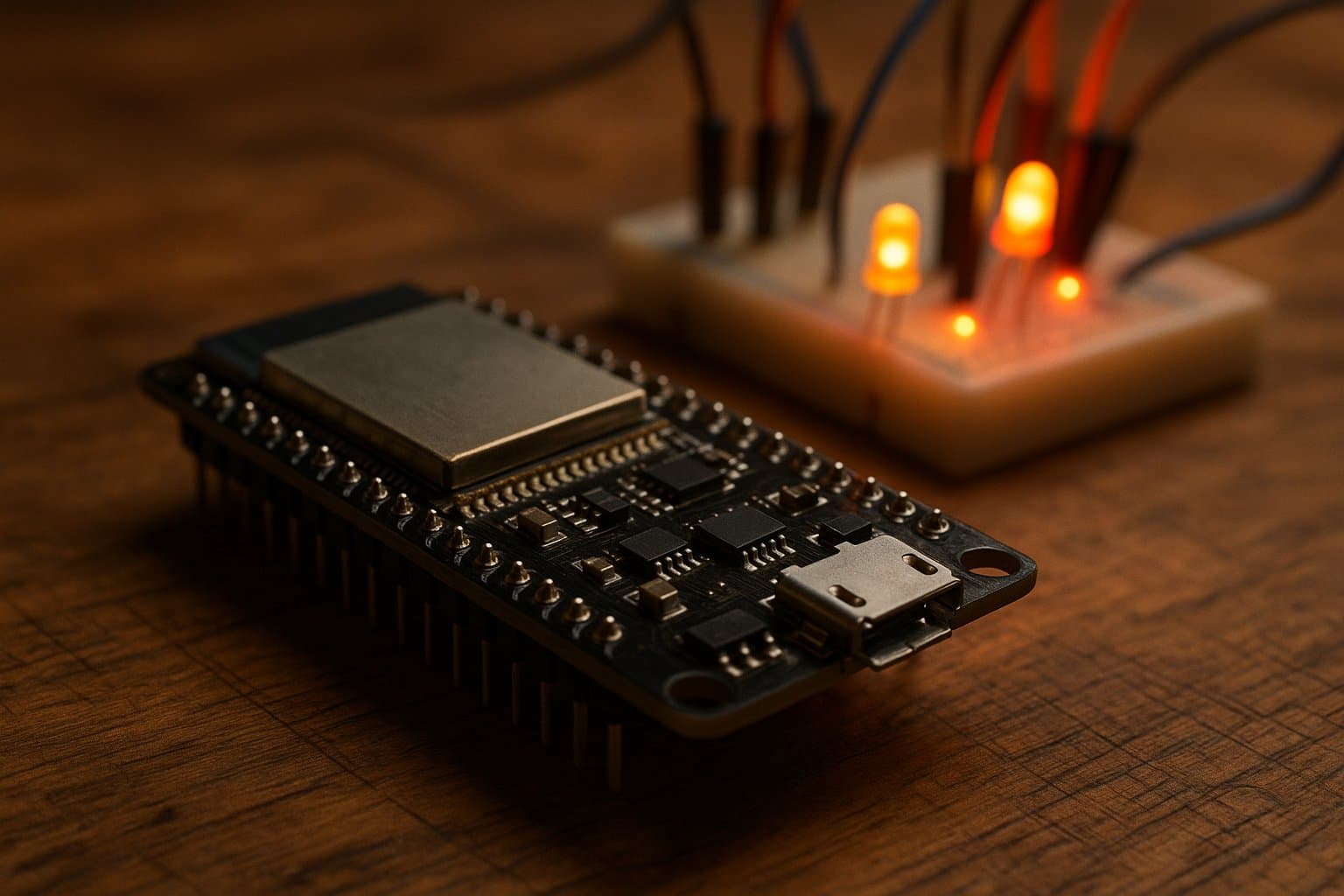
ESP32 from scratch: which board to buy and what to build
A beginner's guide to the ESP32: which board to buy for your project, how the S3, C3 and C6 models differ, and what you can actually build with each.
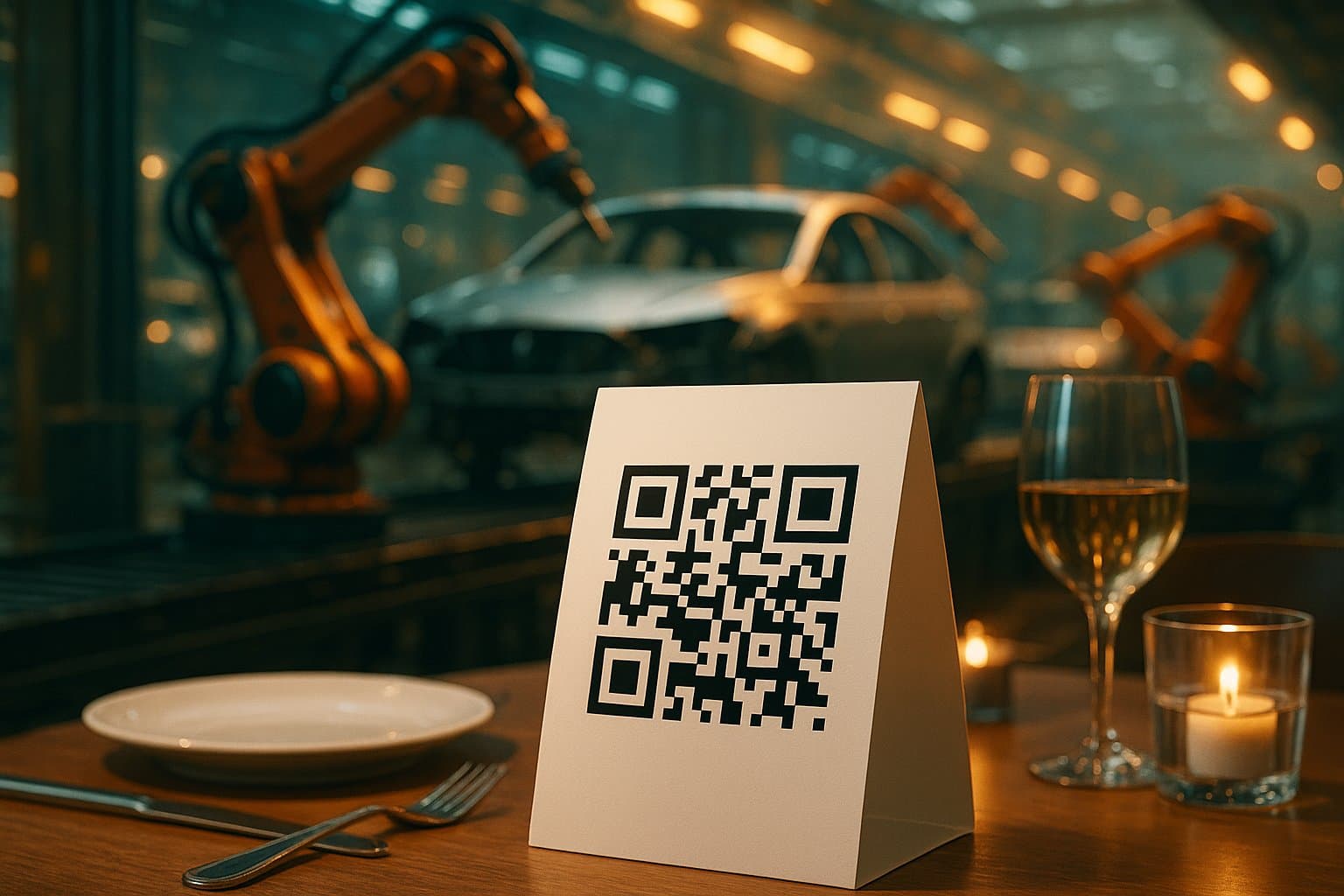
The QR code story: from Toyota to the restaurant menu
The QR code was born in 1994 to track car parts at Toyota. Thirty years later it took over restaurant menus. This is its unlikely history.
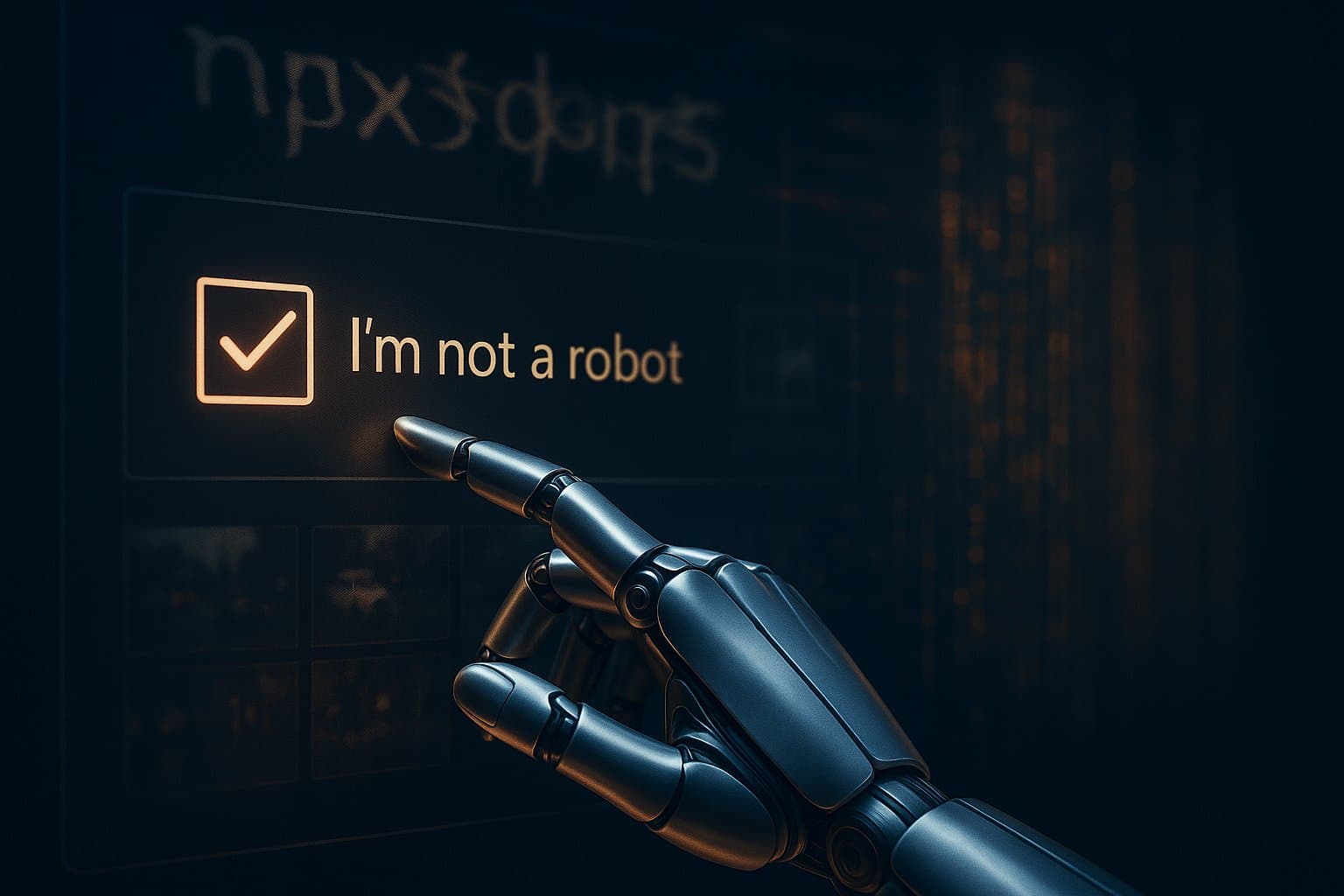
CAPTCHA: the test that lost to AI
For twenty years the CAPTCHA told humans from bots. Today artificial intelligence solves it better and faster than we do. This is its downfall.
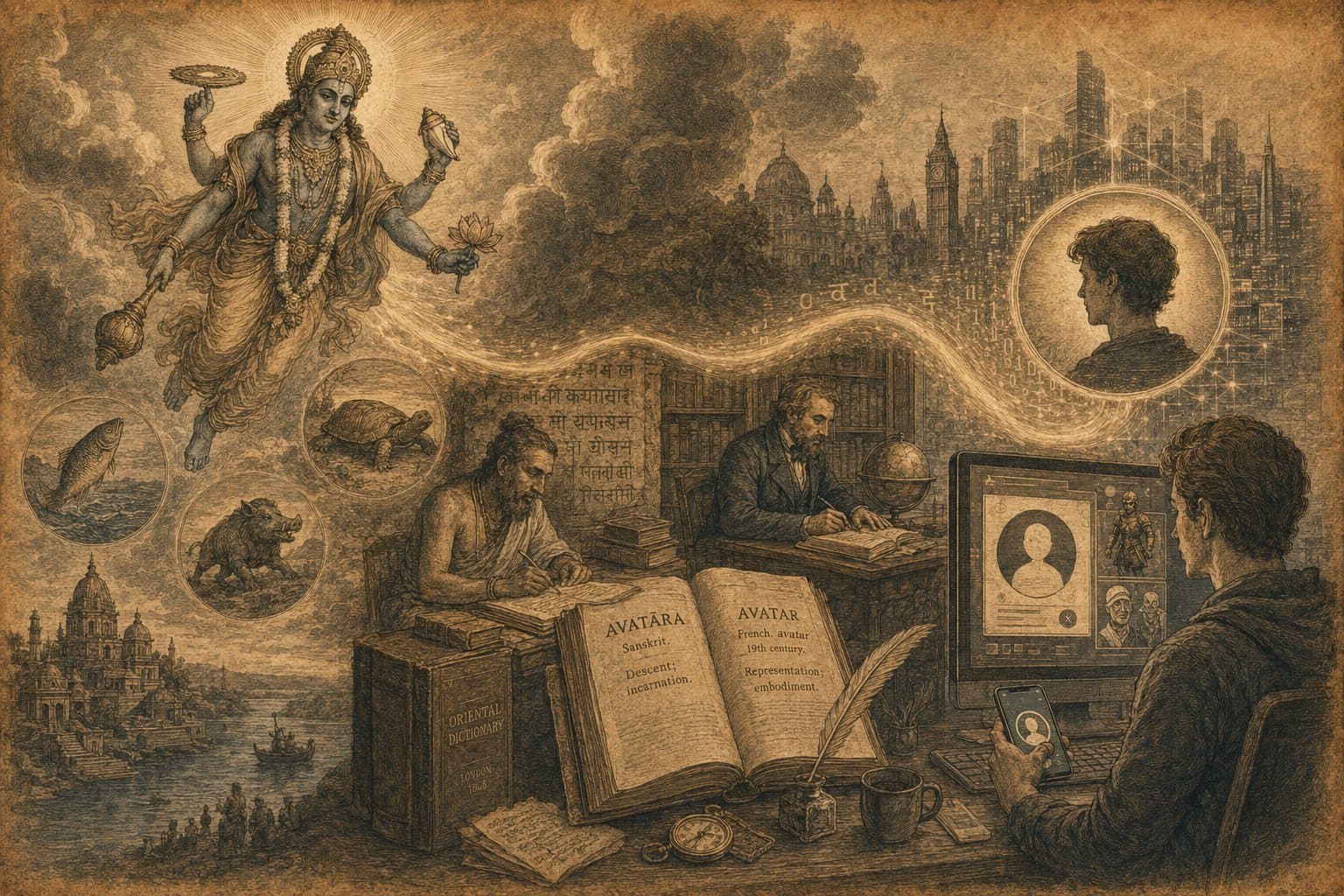
Avatar: From a God's Descent to Your Profile Picture
The word avatar comes from Sanskrit and named the earthly incarnation of a Hindu god. That is how it travelled from Vishnu to your profile picture online.
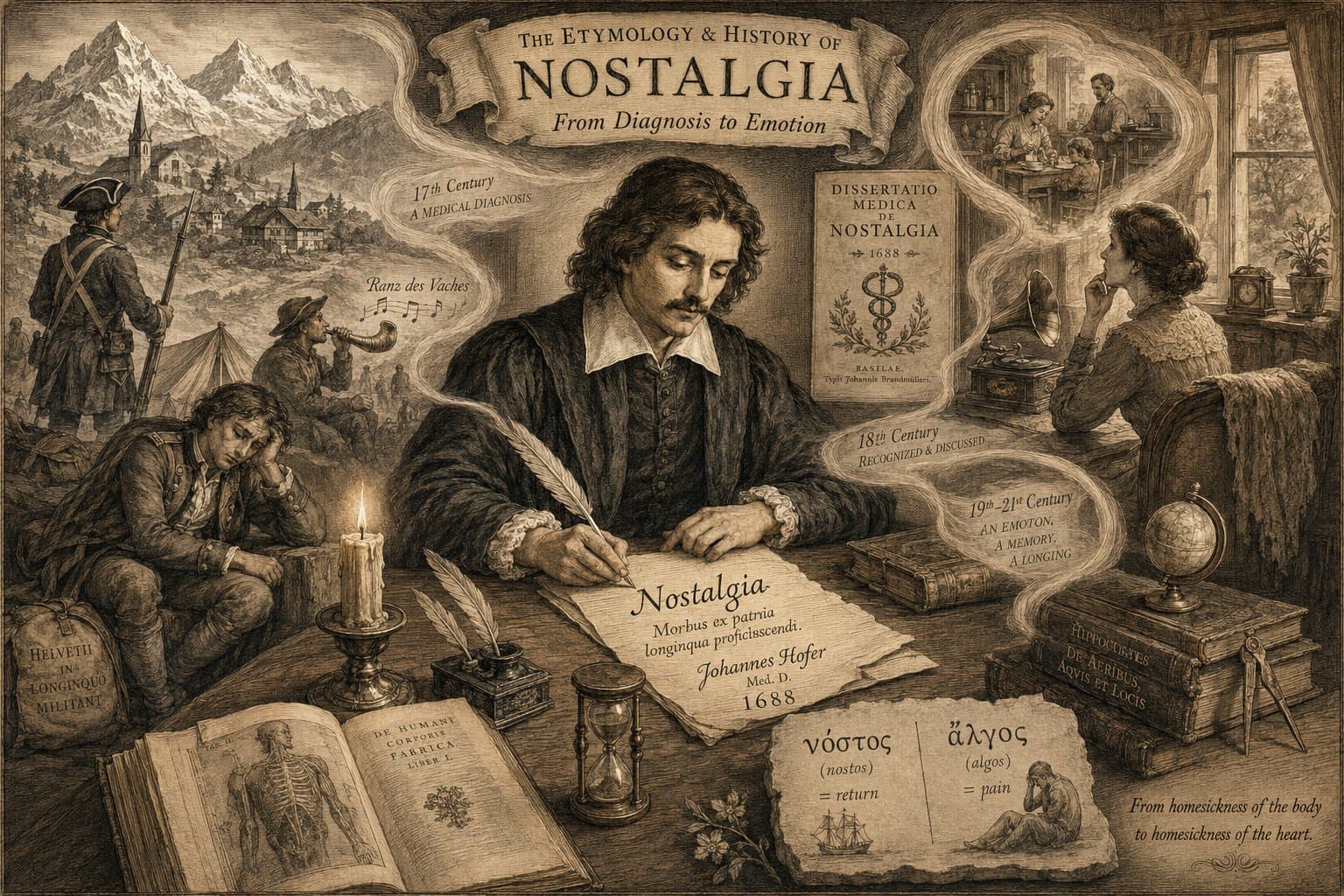
Nostalgia: The Word That Was a Medical Diagnosis
Nostalgia was born in 1688 as a deadly disease: a Swiss student invented it to name the illness suffered by soldiers who longed for their homeland.
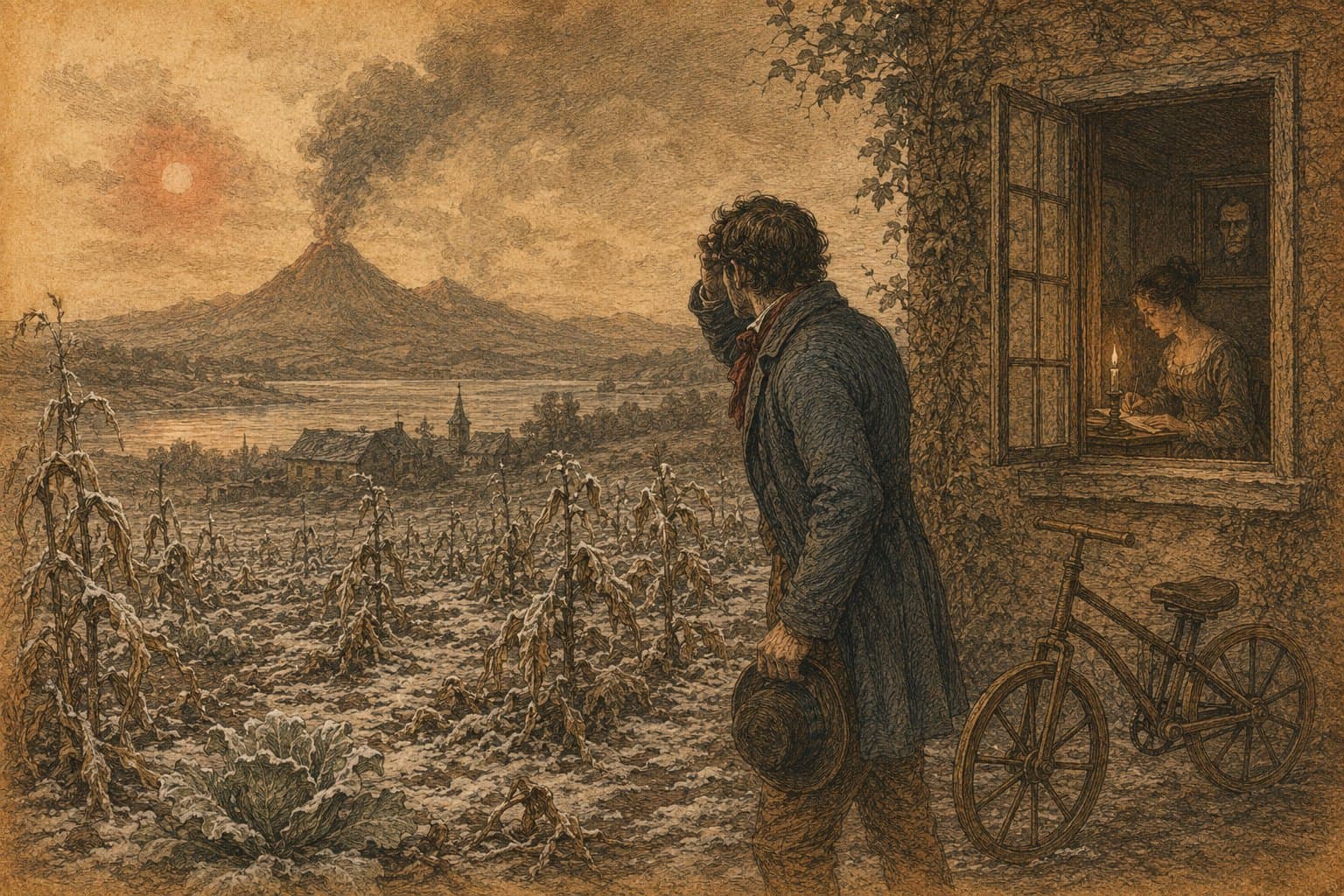
The Year Without a Summer of 1816
In 1815 Mount Tambora erupted and darkened the planet. 1816 became the year without a summer: failed crops, famine and the birth of Frankenstein.

Stockholm Syndrome Was Born to Silence a Hostage
The famous syndrome didn't come from a study: the police's own psychiatrist coined it to discredit a hostage who criticized him. It isn't in the DSM.

When the Amazon Was the Richest Place on Earth
The rubber boom raised an opera house in the jungle and delirious fortunes in Manaus and Iquitos. Then 70,000 seeds wiped it off the map.
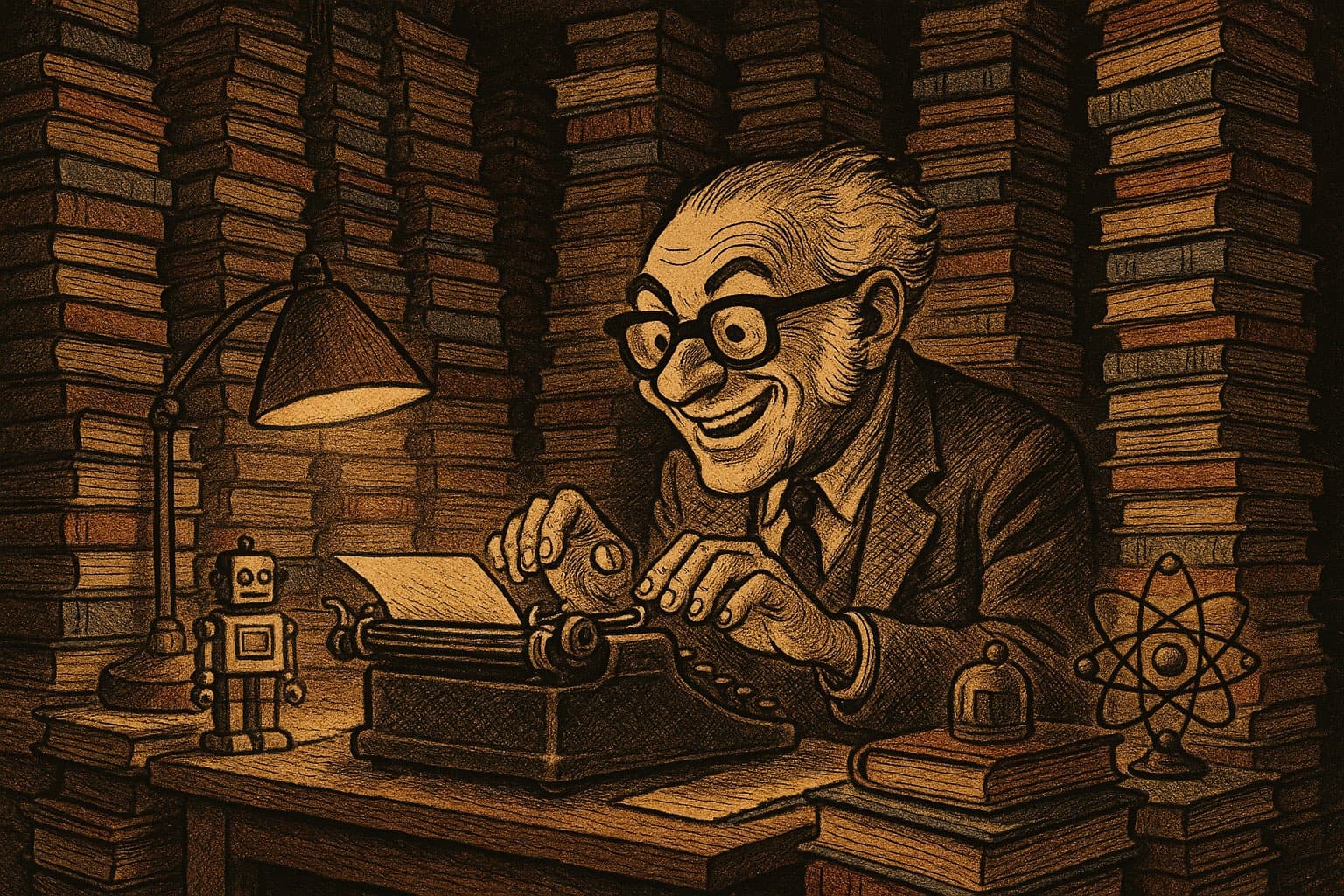
Asimov: The Man Who Wrote About Everything (Literally)
Isaac Asimov published some 500 books: science fiction, yes, but also history, chemistry, Shakespeare, the Bible and even humor. This is his story.
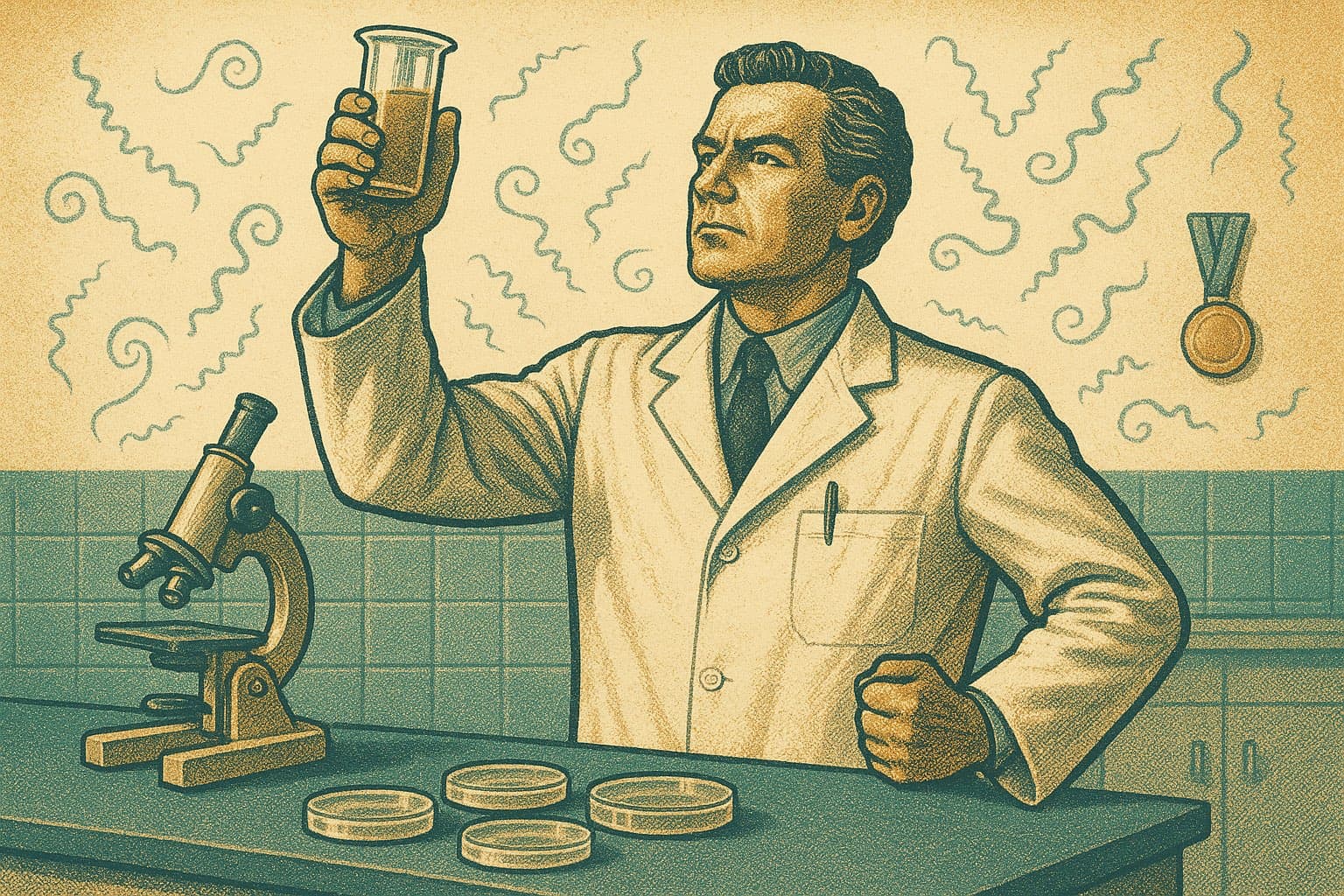
The Doctor Who Toasted With Bacteria and Won a Nobel
Nobody believed a bacterium caused ulcers. Fed up, Barry Marshall drank a culture of it, made himself sick on purpose, and changed medicine.
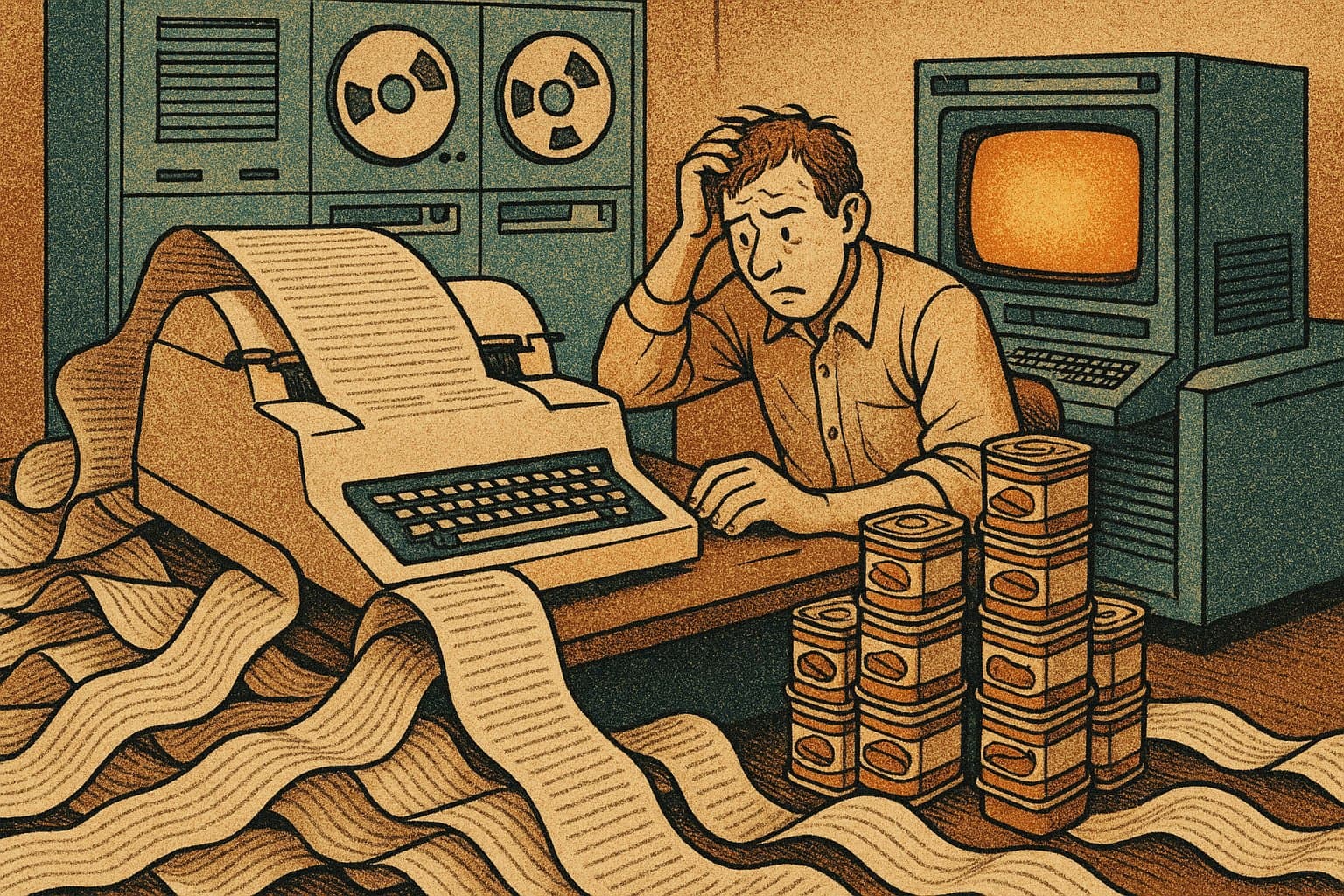
Spam: The First Junk Email in History
On May 3rd, 1978, a salesman sent the first unsolicited mass email to 400 people. That we call it “spam” is the fault of a can of ham.

The Fifth Sleep: when we slept in two shifts
For centuries we did not sleep eight hours straight, but in two sleeps with a waking hour in between. The history of segmented sleep, from Cervantes to science.
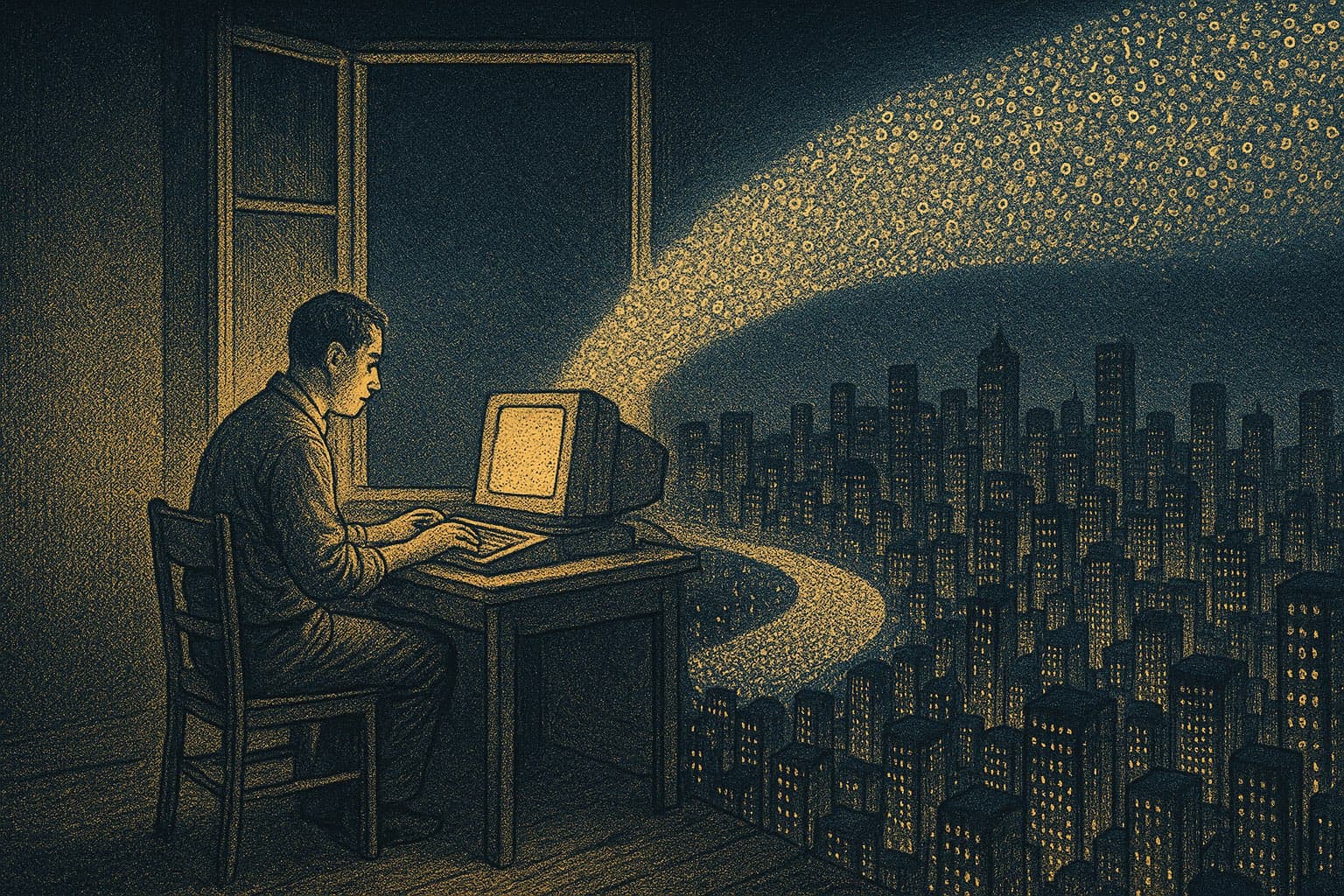
The Programmers Who Gave Away Empires
Torvalds, Bellard, Hipp: they wrote the software the modern world runs on, it was worth trillions, and they chose to give it away for free.
The Man Who Has Edited a Third of Wikipedia
Steven Pruitt has made nearly 7 million Wikipedia edits without earning a cent. The story of the most generous obsession on the internet.
The Origin of the Word “Petrichor”
The smell of rain has had a name since 1964: petrichor, “the blood of the gods flowing from stone”. This is its story — and its science.
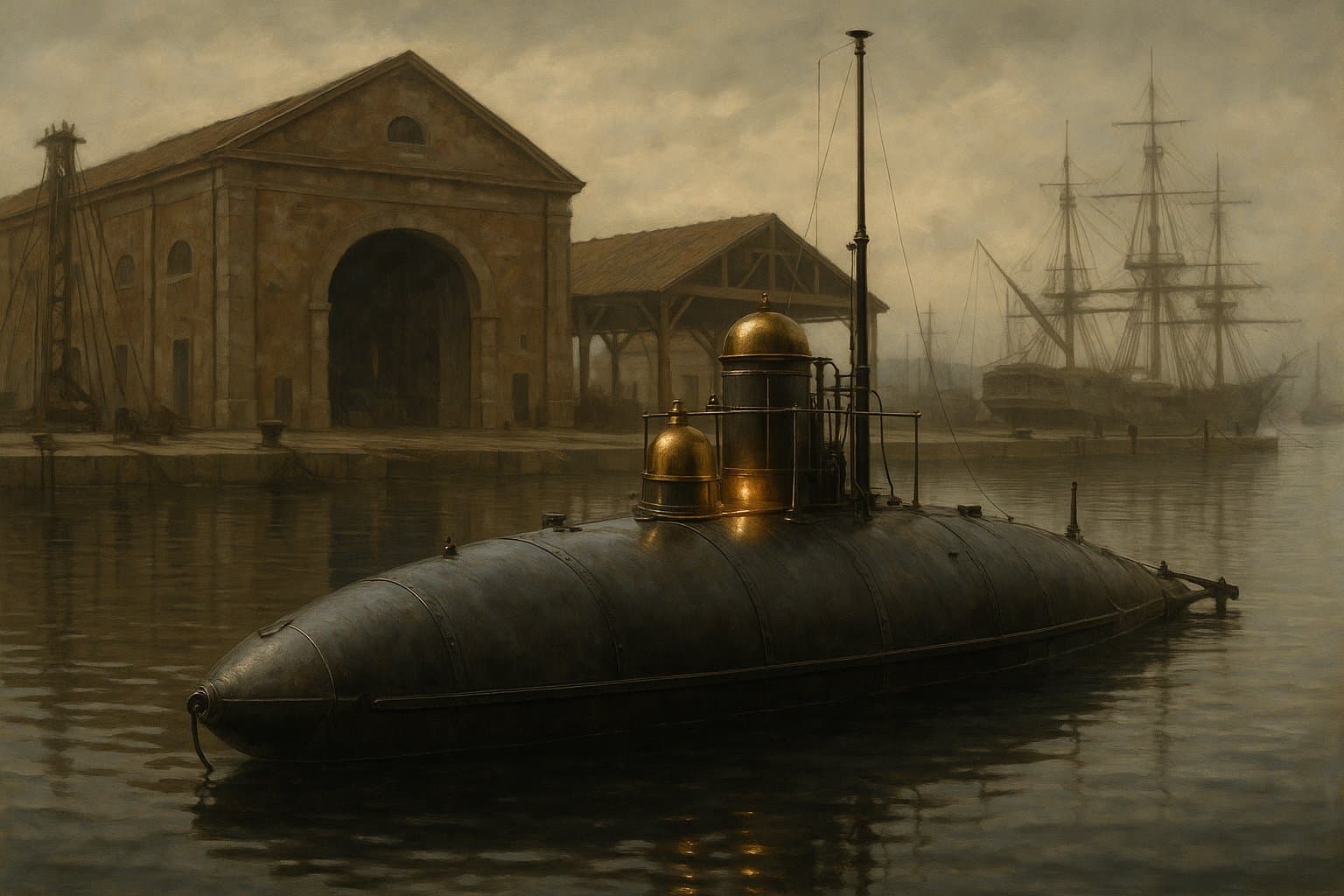
Isaac Peral's 1888 Electric Submarine (and Its Sad End)
In 1888, Isaac Peral built an electric submarine that sailed underwater and fired torpedoes, yet Spain buried this future in paperwork.

Project Huemul: the secret Argentine experiment that promised to master nuclear fusion
How a physicist convinced Perón he could tame nuclear fusion on a Patagonian island, and how a young Balseiro exposed the spectacular fraud.

Why I Think an Internet Blackout Is Coming Soon
The day the internet forgets its own name, the roads will still exist but no one will reach them: why a DNS blackout may be closer than you think.
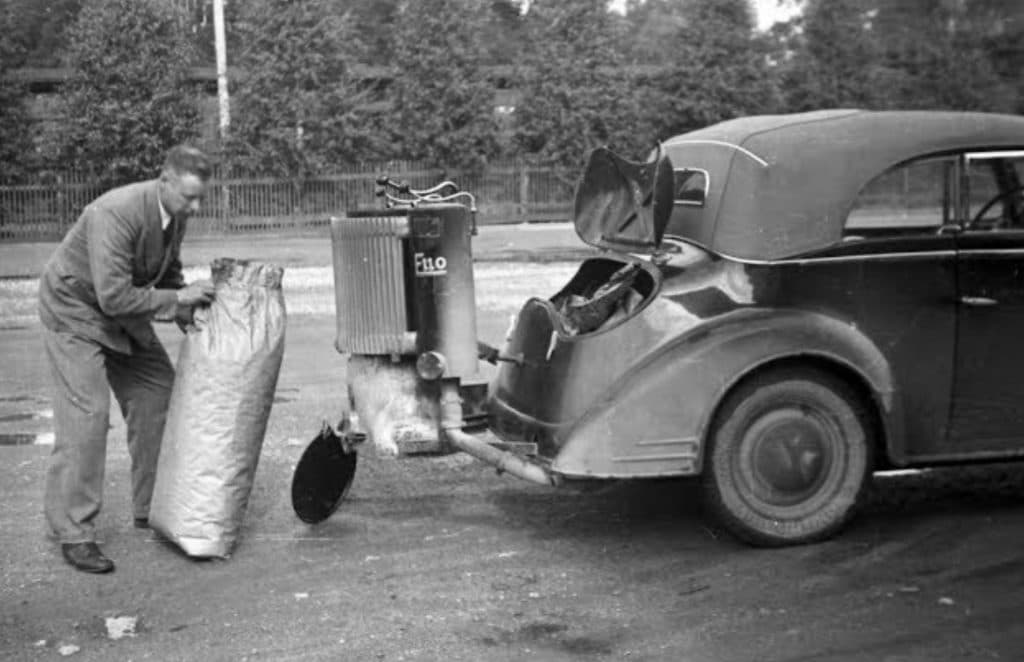
The Car That Runs on Firewood: Old Technology Cuba Is Reviving Out of Necessity
A Cuban mechanic runs his Fiat on charcoal, reviving the century-old gasifier that powered half a million cars in WWII, now reborn out of necessity.

I'm Obsessed with a Song That Doesn't Exist! …Or Does It?
I fell in love with a Paul McCartney song in English, until I discovered it never existed and AI had written every note of it.

Fiction or Prophecy? 20 Cartoons and Films That Predicted Our Present
From the Jetsons to Blade Runner, 20 cartoons and films predicted smartwatches, video calls and AI decades before they became part of daily life.
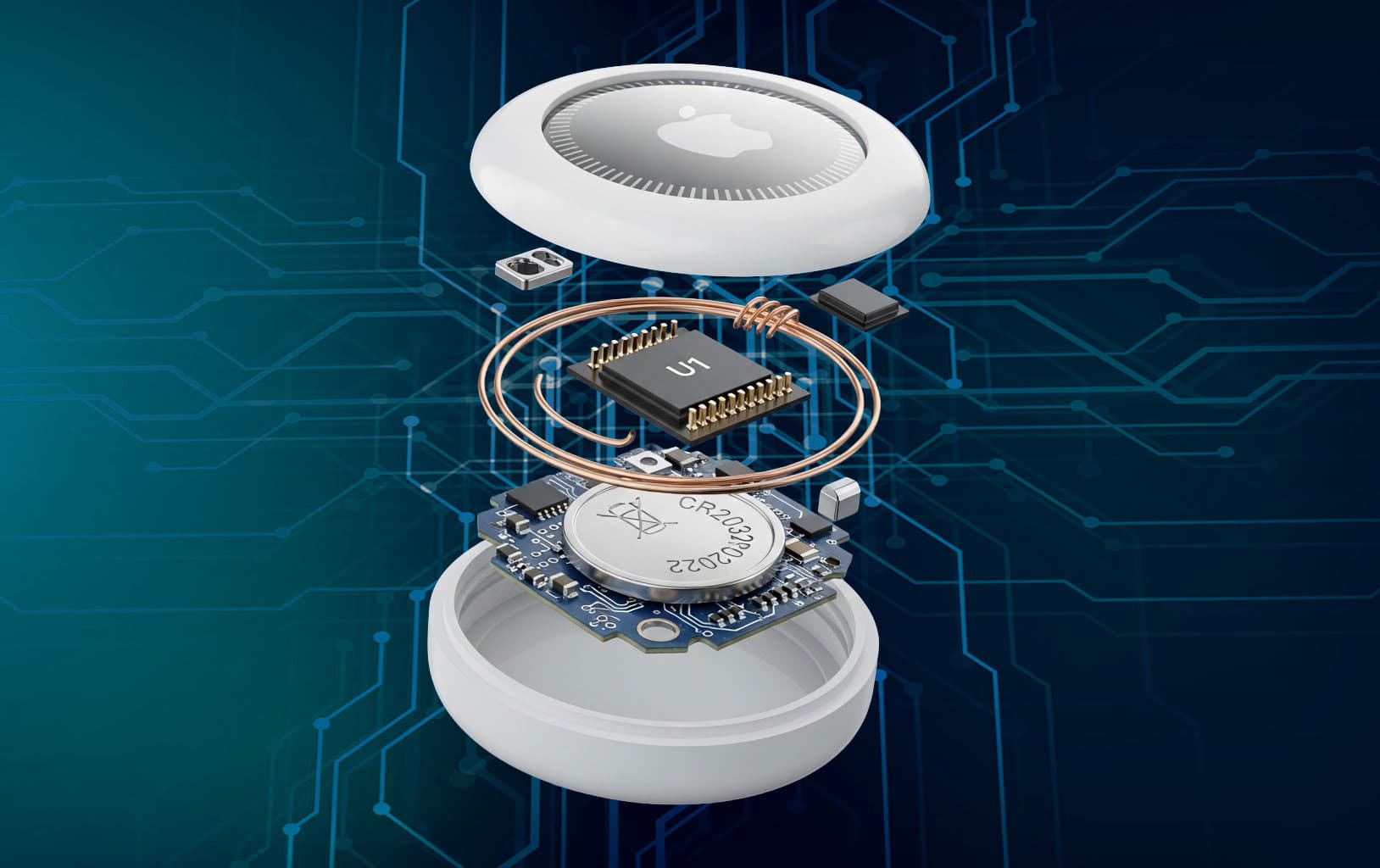
How Apple's AirTag ACTUALLY Works
Apple's AirTag doesn't transmit over long distances like many believe; here's how it really finds lost items using BLE and a vast Find My network.

The Awakening: The Day Machines Become Conscious
Could an artificial intelligence ever become conscious? A look at artificial brains, integrated information theory and the crucial role of memory.

The Invisible Giants and Their Shoulders of Concrete: The Story of Forgotten Brilliant Minds
Behind 20 famous inventions stand forgotten brilliant minds who nearly got the credit, the real giants on whose shoulders history's stars stood.

The Priest Who Hunted Supernovas
Robert Evans, an Australian priest with a homemade cardboard telescope, spotted more supernovas than anyone, a record astronomers still can't explain.

What is LoRaWAN and Why Does It Matter for Smart Cities?
LoRaWAN is the long-range, low-power wireless protocol quietly powering smart cities, connecting thousands of IoT sensors across miles for next to nothing.
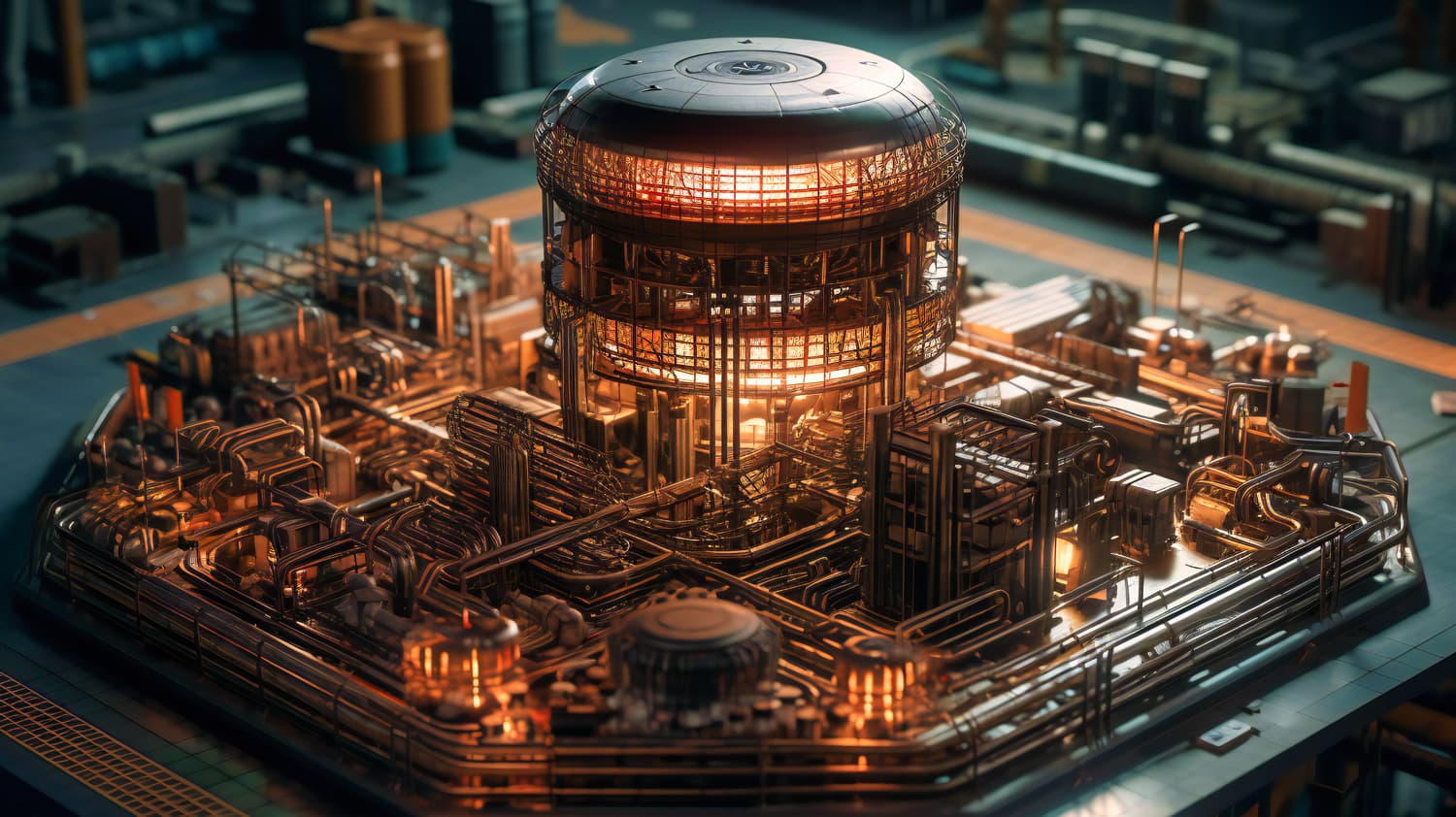
Could a Quantum Computer Crack All Our Passwords?
Could a quantum computer crack all our passwords? The short answer is yes, and even the NSA warns it could break today's encryption.

Can AI Predict Earthquakes in the Near Future?
Could AI predict earthquakes and let us evacuate cities days in advance? A look at how far science has come toward forecasting the unforeseeable.
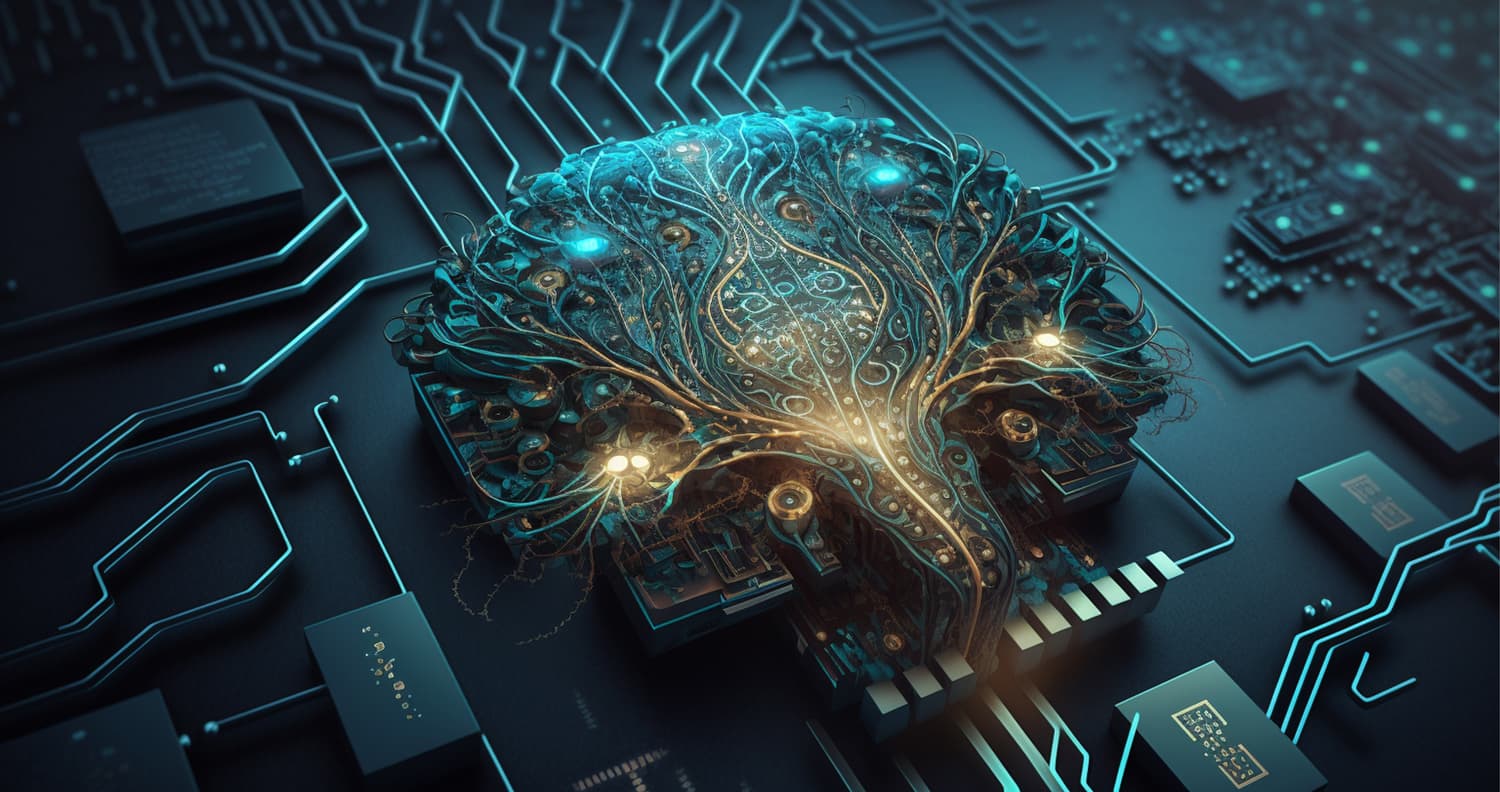
What Is a Digital Brain and Why Should You Have One?
A digital brain stores and organizes everything you learn so nothing slips away: here's why you need one and how to start building your own today.
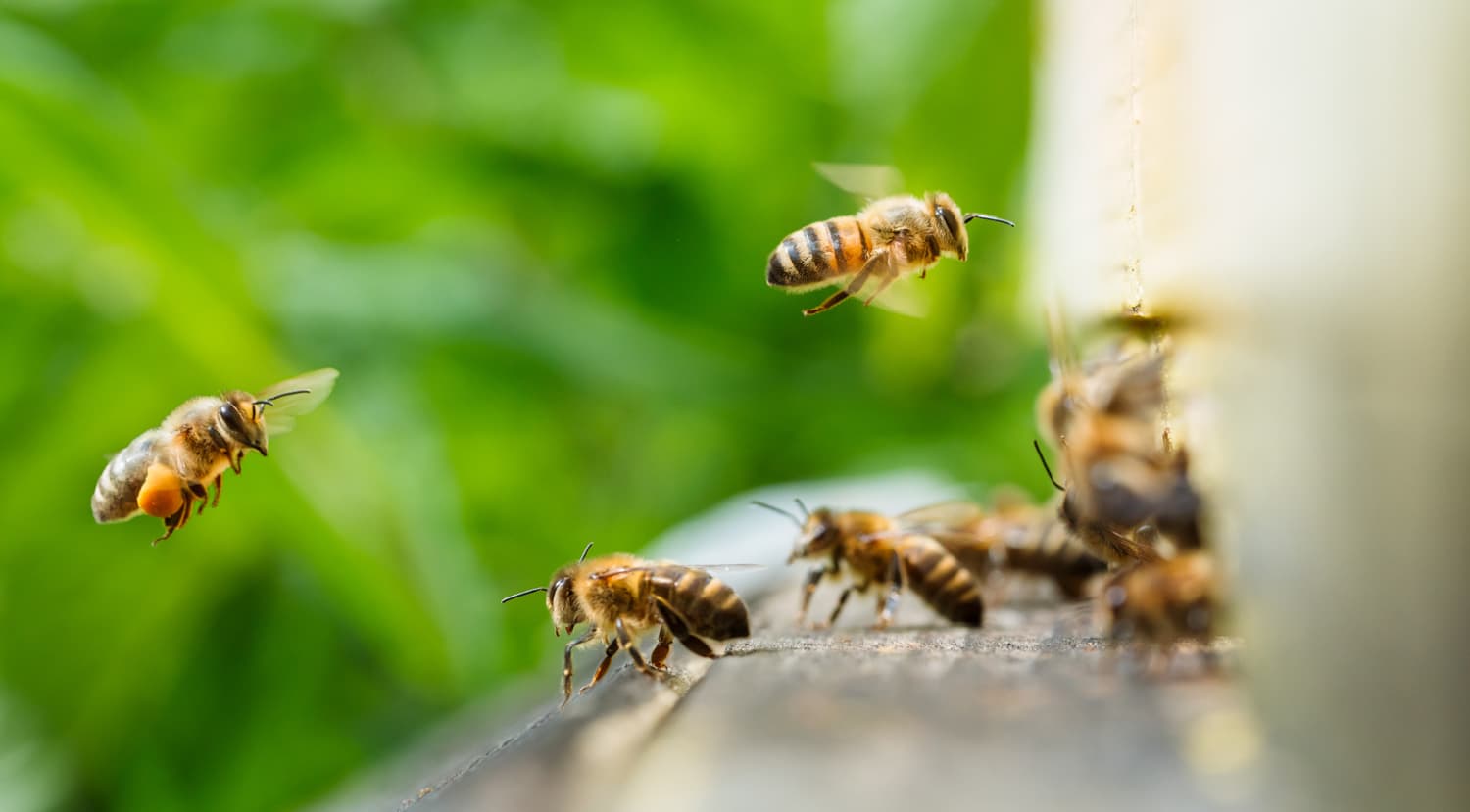
The Democracy of Bees
The democracy of bees is real: through the waggle dance, the hive votes on its new home, proving group decisions beat the queen's command.

Sleep Apnea: The Syndrome of a Thousand Faces
Sleep apnea wears a thousand faces: why you wake up exhausted after a full night, and how this overlooked disorder quietly endangers your health.
Your Next Hard Drive Will Be Made of DNA!
Scientists already stored video, books, and a GIF inside DNA, and one gram could hold 215 petabytes: your next hard drive may be biological.
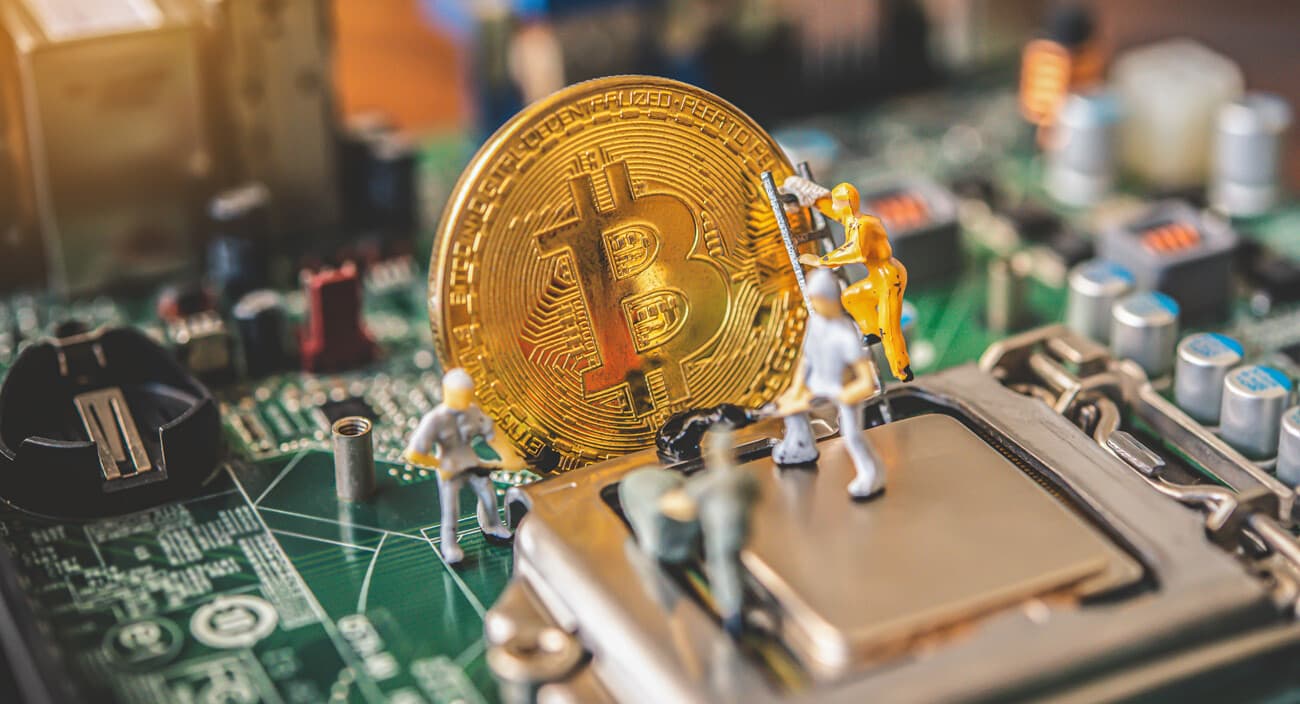
Cómo minar Dogecoins en tu pc o laptop. Directo al grano. 2021.
Guía completa, paso a paso, de cómo minar la criptomoneda Dogecoin desde nuestra PC o laptop, ya sea Windows, Linux o Mac.
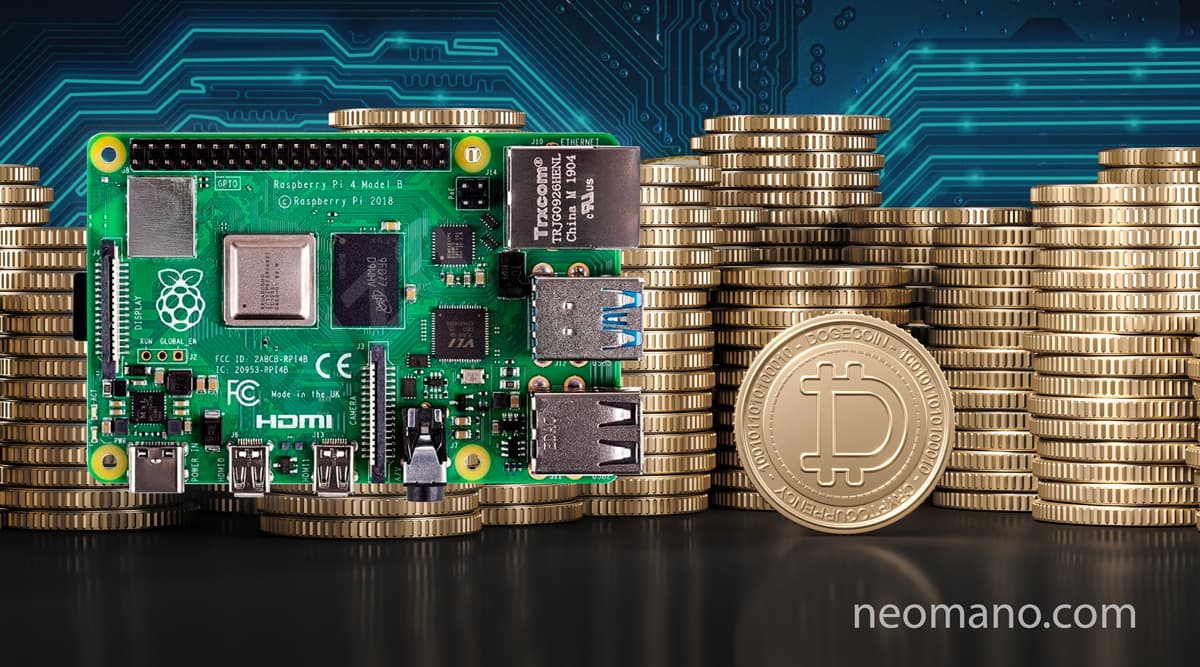
How to mine Dogecoins on Raspberry Pi 4? Straight to the point.
Can a tiny Raspberry Pi 4 actually mine Dogecoin? A hands-on, step-by-step experiment with Ubuntu and XMRig that proves it for pennies.
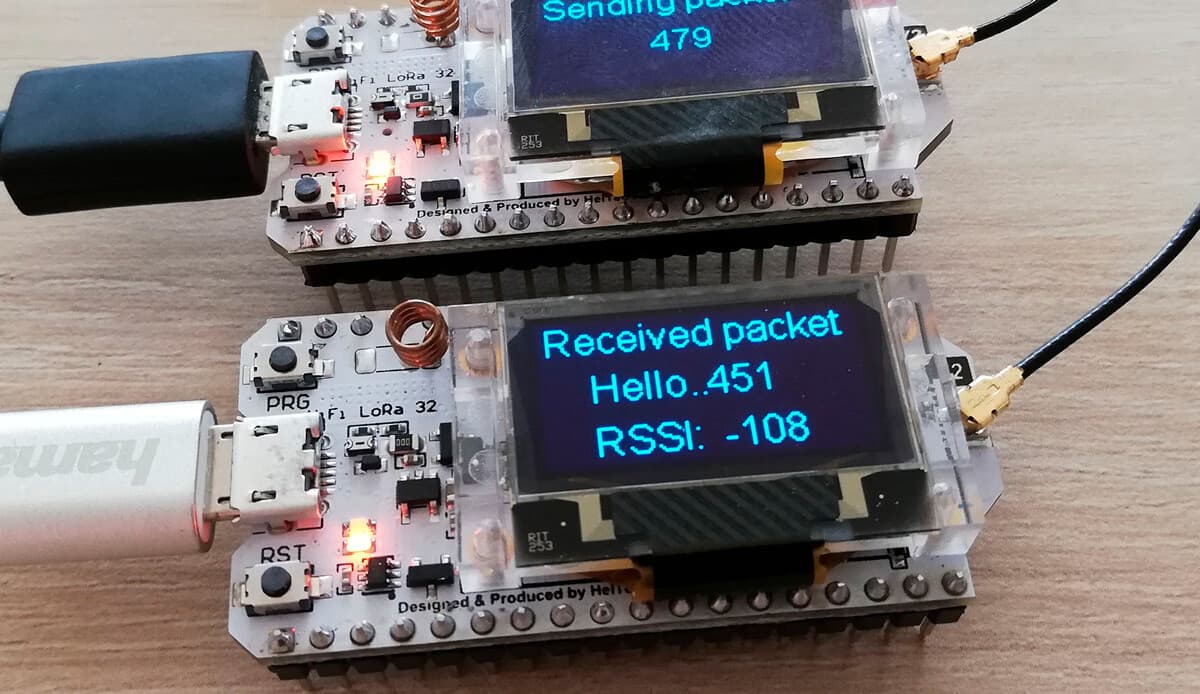
YuboxNow: equip your ESP32 board with its own LoRaWAN configuration and support Web interface
Embed a configuration web interface on your ESP32 just like a router, with built-in WiFi and LoRaWAN support for your next open-source IoT project.

Predictive vs progressive vs automatic scoreboard. Call center concepts.
Predictive, progressive, or automatic dialer: understand how each call center dialing mode works and why the right one saves real money.

CO2 monitoring, the key to return to normal after the pandemic
CO2 monitoring may be the key to safely reopening after the pandemic, since indoor carbon dioxide levels closely track the airborne viral load.
Telecommuting and other post-pandemic technological trends (2022-2023). Analysis.
The post-pandemic tech trends reshaping 2022-2023: remote work, video calls, CO2 monitoring, telemedicine, online learning and purpose-driven crypto.
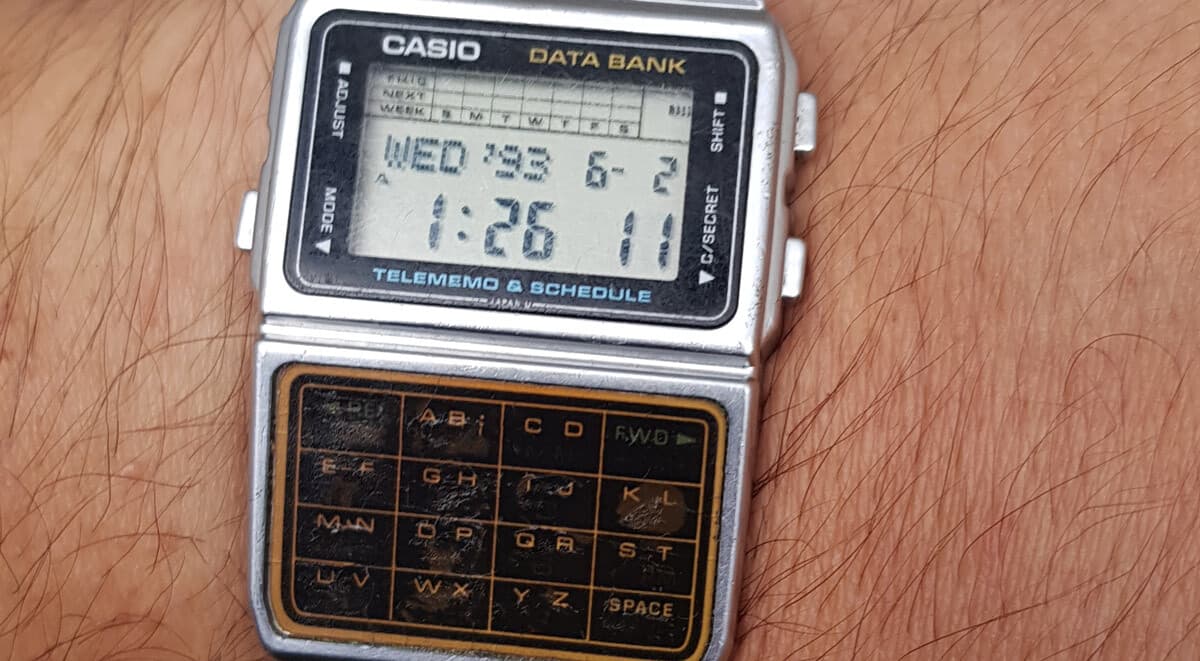
The "smart" watches of yesteryear
The Casio Databank, an 80s wristwatch many call the first smartwatch, sparked a wave of nostalgia when readers shared their own forgotten gems.
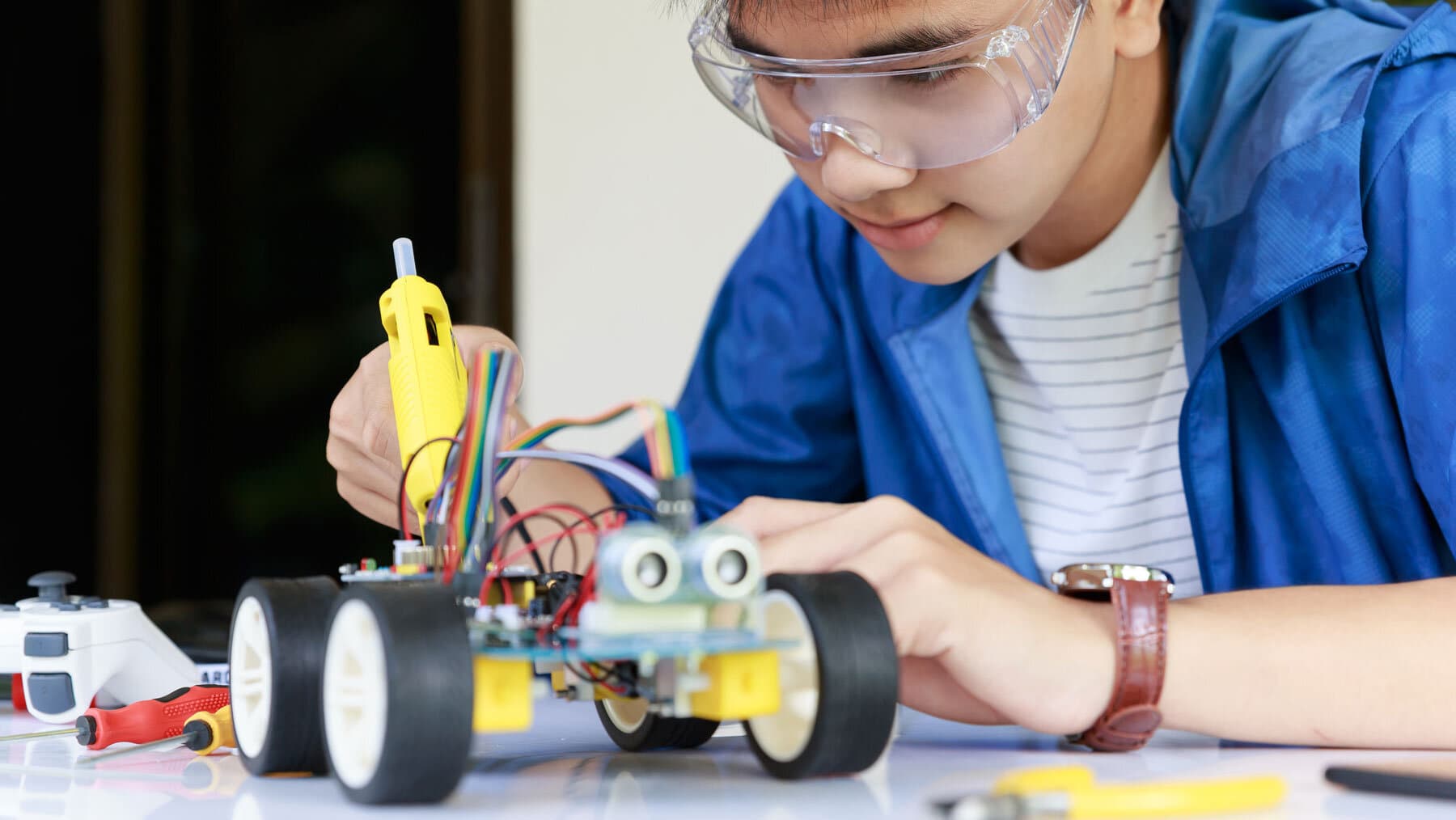
Raspberry Pi vs Arduino. Which is better?
Differences between Arduino and Raspberry Pi. When to use one or the other? We explain here the pros and cons of each of them.

Open source vs free software. Their differences and which one is better?
Open source vs free software: a founder who built Elastix and met Stallman explains the real difference and why it still matters today.

If we didn't iron our clothes, how much energy does the planet save?
How much energy would the planet save if we stopped ironing our clothes? The surprising math rivals a whole country's yearly consumption.
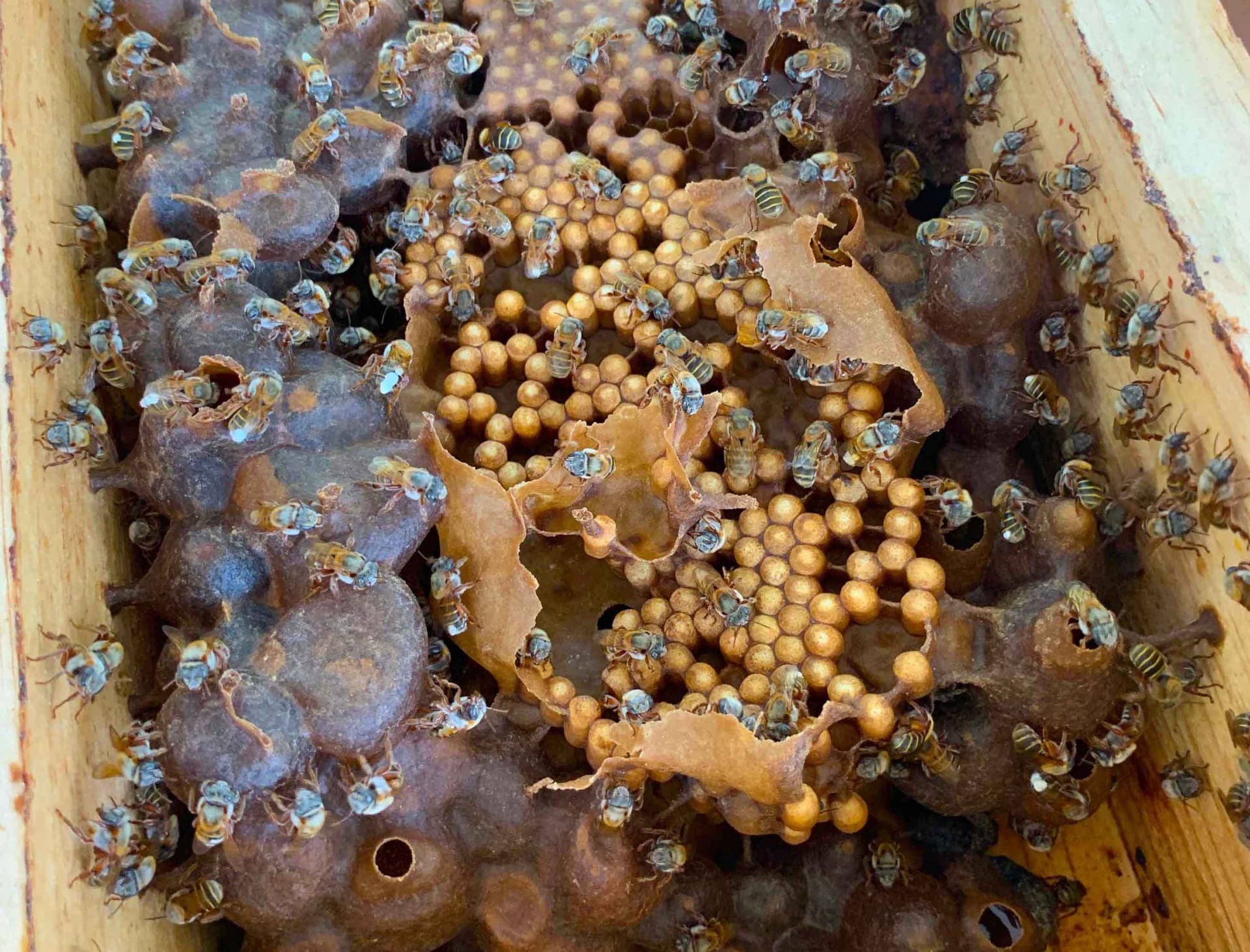
How to catch a swarm of melipon bees, also called "stingless bees".
How to catch a swarm of stingless melipona bees, which lack a sting but bite fiercely, plus what meliponiculture beginners must know first.
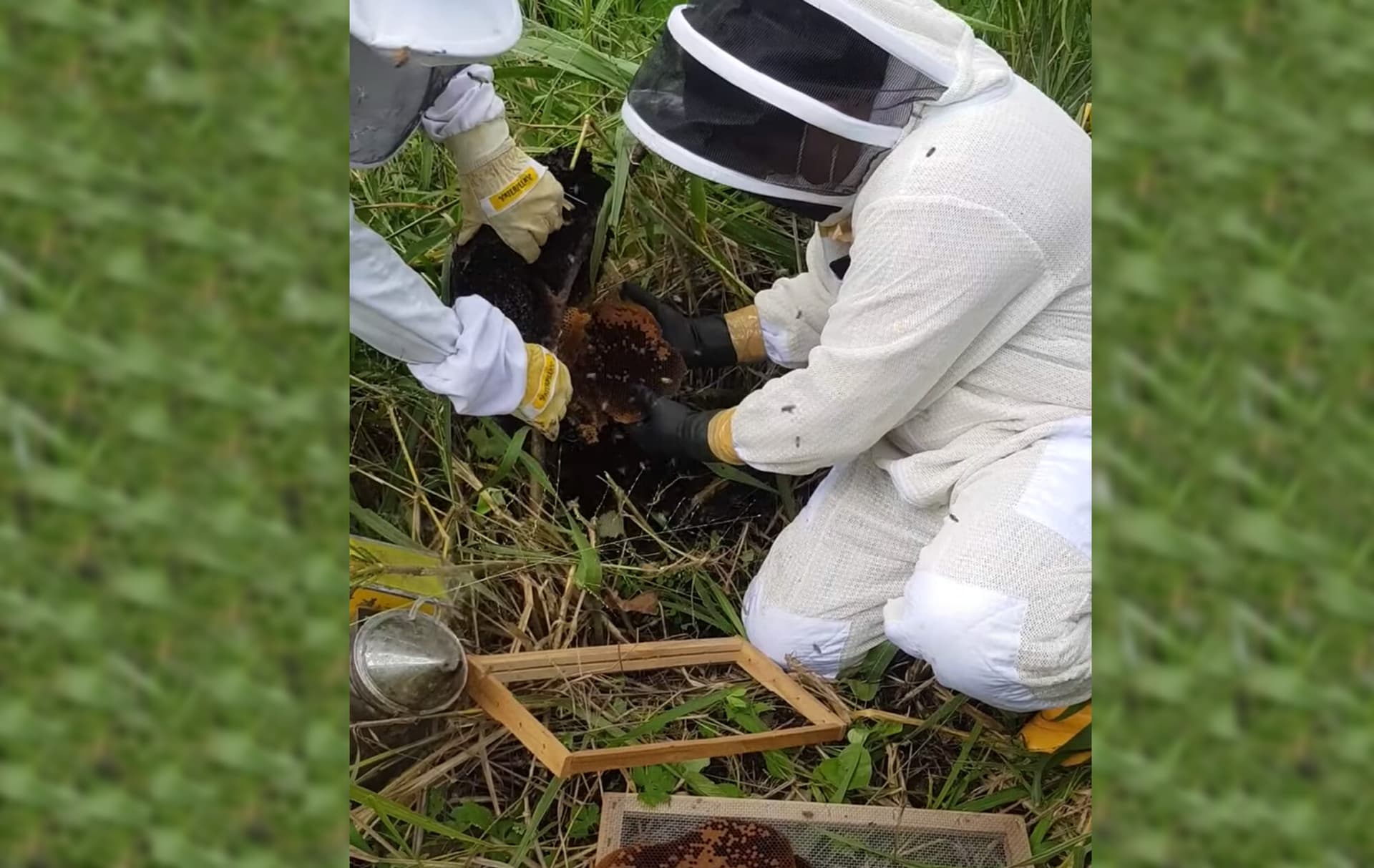
How to catch swarms of wild bees, without getting hurt?
How to catch a swarm of wild bees without getting hurt, where the real trick is making absolutely sure you have captured the queen first.
The strange case of Satoshi Nakamoto. Who is behind the most wanted character in the world and father of cryptocurrencies?
He convinced cryptographers, handed over the code, registered the domain, then vanished without a trace: who is really behind Bitcoin's father?
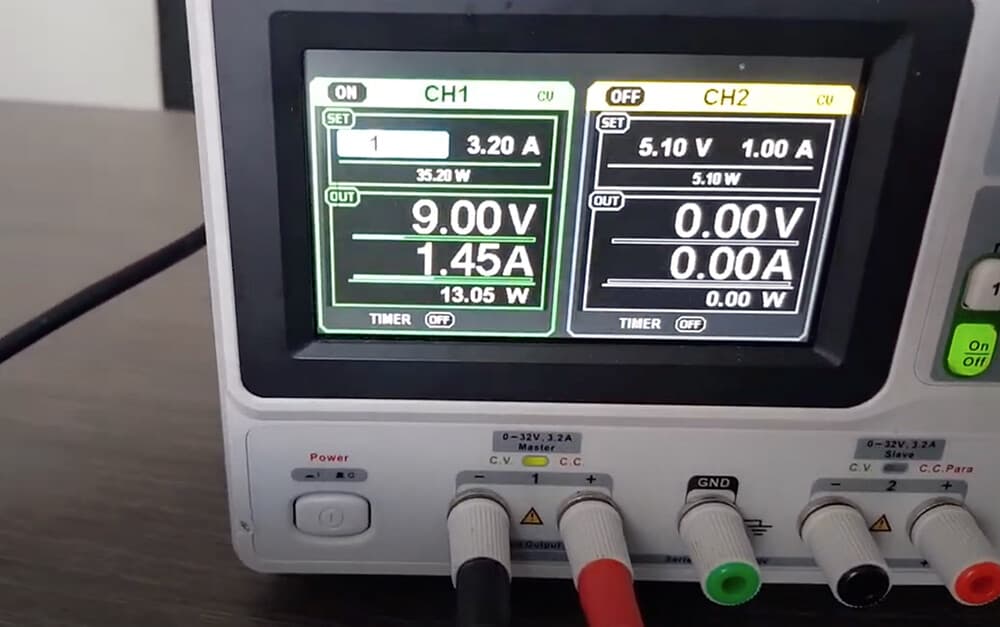
Emergency charger for Macbook Pro. In case you lost the original.
Forgot your MacBook Pro charger? I reverse-engineered the USB-C voltage trick that tricks the laptop into charging from a lab power source.

Are We Raising an Overstimulated Generation?
Are we raising an overstimulated generation? A look back at childhoods full of empty hours, boredom, and the lost art of inventing your own fun.
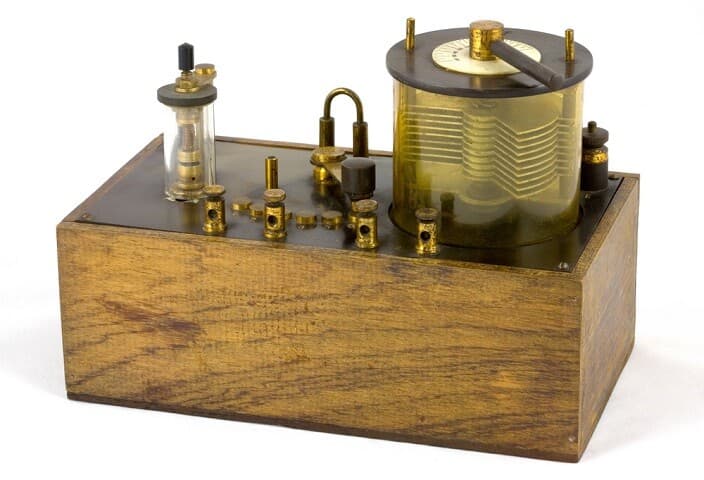
Harvesting energy from radio waves (Energy harvesting). A technology that we already used more than a century ago.
Harvesting energy from radio waves sounds like the future, yet a battery-free crystal radio was already doing it back in the 19th century.
Interview Entrepreneurship, Innovation and Technology
I leave you my last interview talking about various topics, from entrepreneurship and innovation, to technology and artificial intelligence.
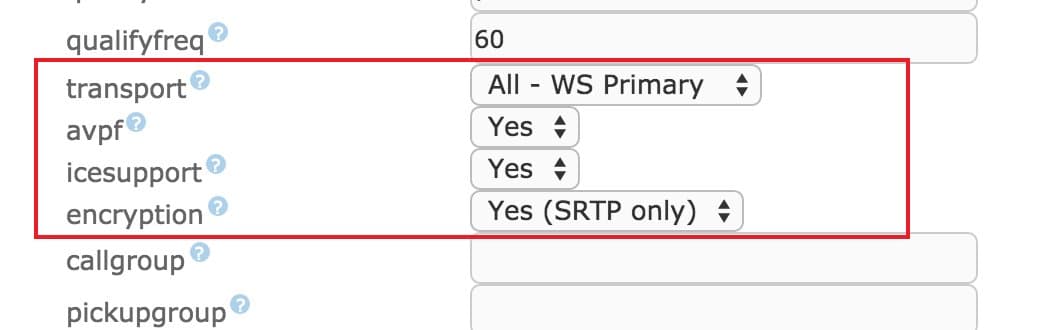
Testing WebRTC on Elastix 4 (step by step)
A hands-on, step-by-step guide to getting WebRTC working on Elastix 4, from installing the PBX to running a real softphone right inside your browser.
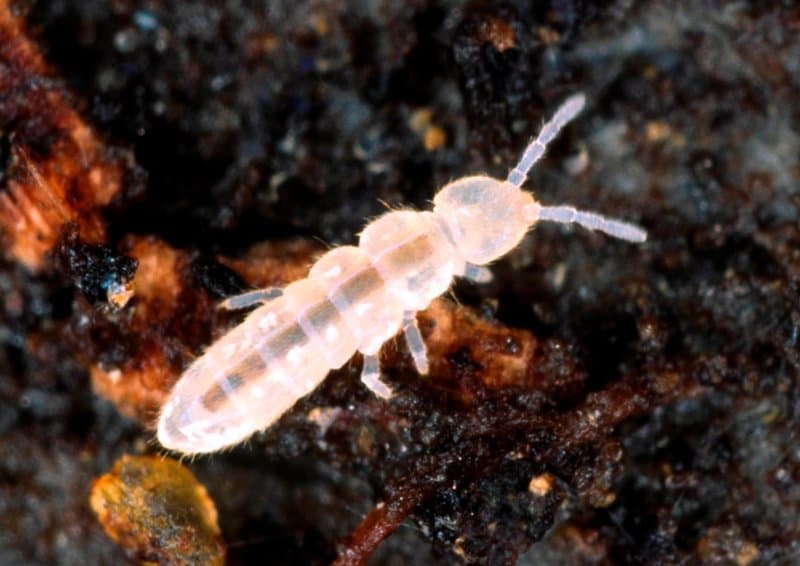
The most numerous animals on the planet are also the least known. The infamous case of krill and springtails.
The most numerous animals on Earth aren't ants or mosquitoes but krill and springtails, tiny creatures that quietly hold the food chain together.
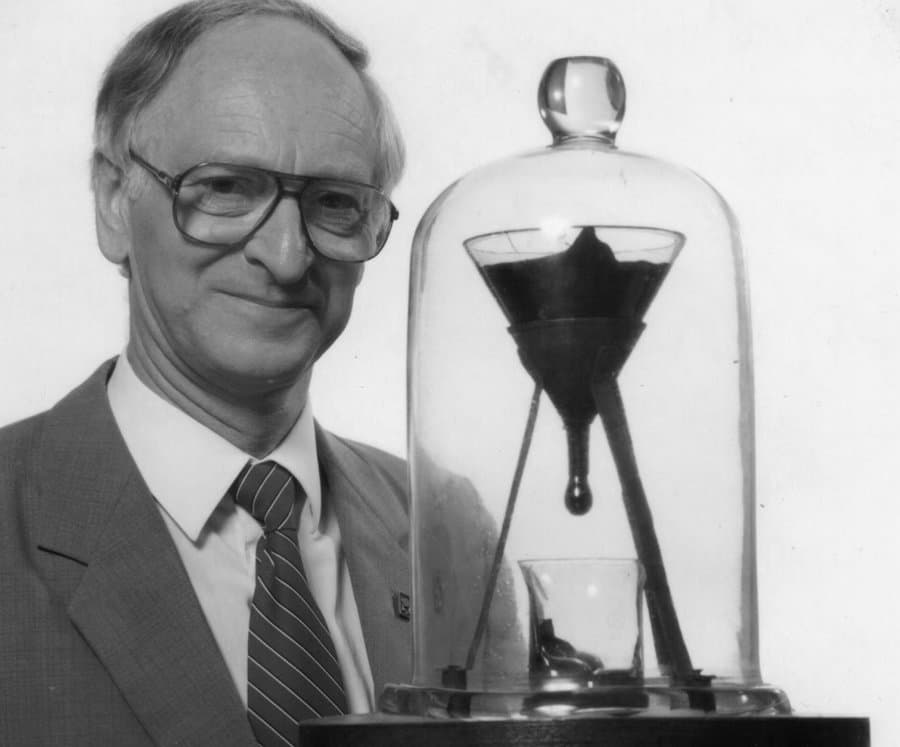
Mysteriously endless experiments. Can they work indefinitely? One of them has been in operation since the 19th century.
A bell ringing nonstop since 1840 and a tar drop falling once a decade: two stubborn experiments that have outlived the scientists who began them.
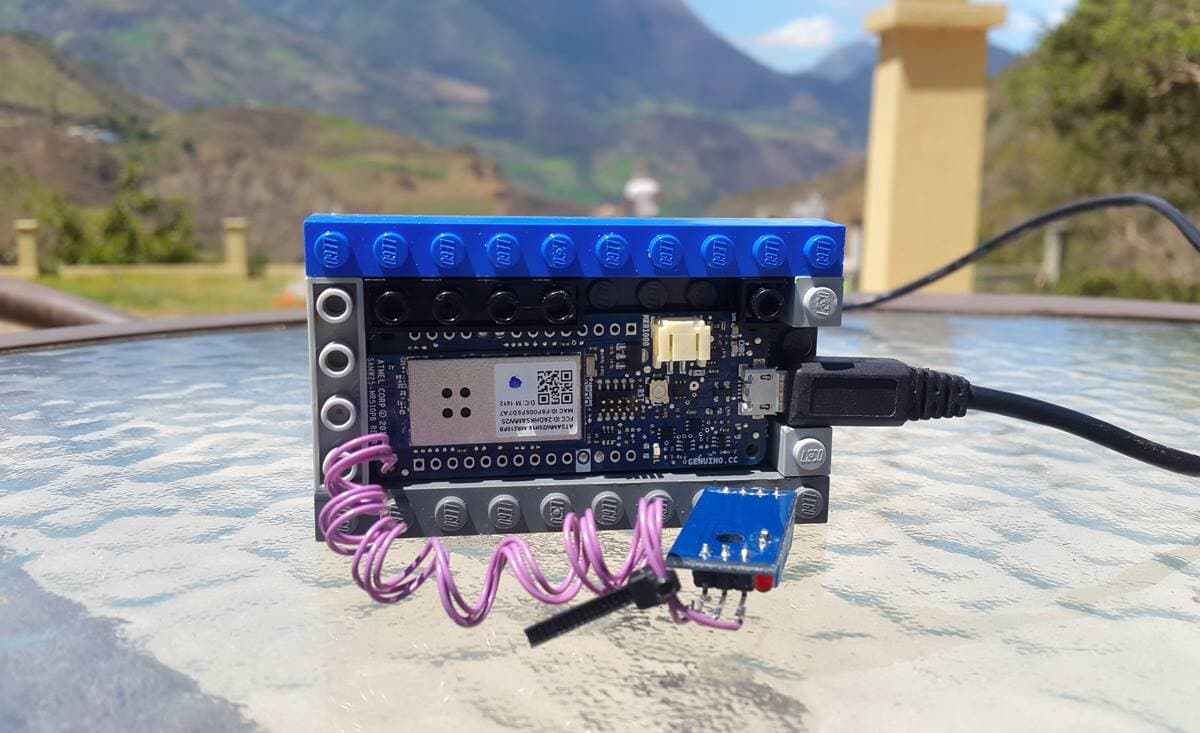
Weather station with Arduino MKR1000
Build a DIY weather station with the Arduino MKR1000 to publish real-time temperature, humidity, and pressure to the web over WiFi from anywhere.

How to make a USB car charger (car) and how a DC voltage reducer works
When my car charger died, I took it apart to show how to build a USB car charger and how a DC voltage reducer works using the MC34063 chip.

Is Facebook Violating My Privacy to Show Me Ads?
I searched one website at the office, then saw its ad on Facebook at home from a different device. Is this a real privacy violation?
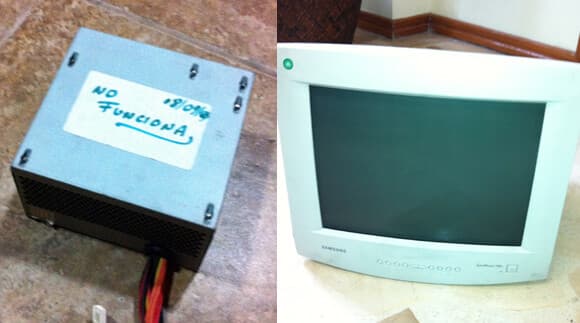
High voltage source with recycled parts
Building a high voltage source of tens of thousands of volts from recycled parts, salvaging a flyback transformer out of a dead CRT monitor.
How to Make a Vacuum Tube by Hand!
Can you make a vacuum tube by hand? Watch Claude Paillard craft his own tubes, and even his machines, with astonishing patience and skill.
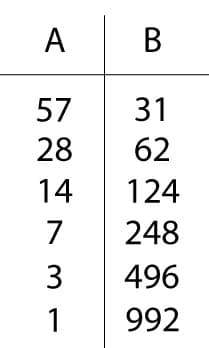
How to Multiply Two Numbers If You Only Know How to Multiply and Divide by Two
Multiply any two numbers knowing only how to double and halve, an ancient column trick that feels like a magic shortcut hiding in plain sight.
Remembering Yubox: Ecuador's First Linux Distribution
Yubox was Ecuador's first Linux distribution, built from 2004 and abandoned by 2006, yet its story quietly helped give birth to Elastix.
Our contextual reasoning doesn't always help
I couldn't recognize a familiar face at a distant airport for weeks, a true story revealing how much context shapes the way our brain reasons.
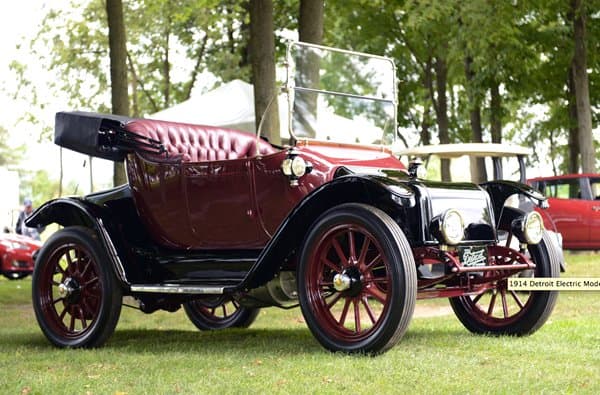
Electric vehicles, an invention that we forget, because of oil, but they have existed since the 19th century.
Electric cars aren't new: a 1927 guide reveals models from the 1890s with a 100-mile range, an invention oil made the world forget for a century.

Dangerous pharmaceutical patents and the most hated man in the world. Are we turning to generic drugs?
Pharmaceutical patents explain why a forest plant that cures can never beat a lab-made pill, and why Martin Shkreli became the world's most hated man.