
Punta de Piedras and the Oyster Sauté
A pirate-era fort in the Guayas delta and a forgotten oyster sauté that once tempted river travelers, rediscovered through old chronicles and photos.
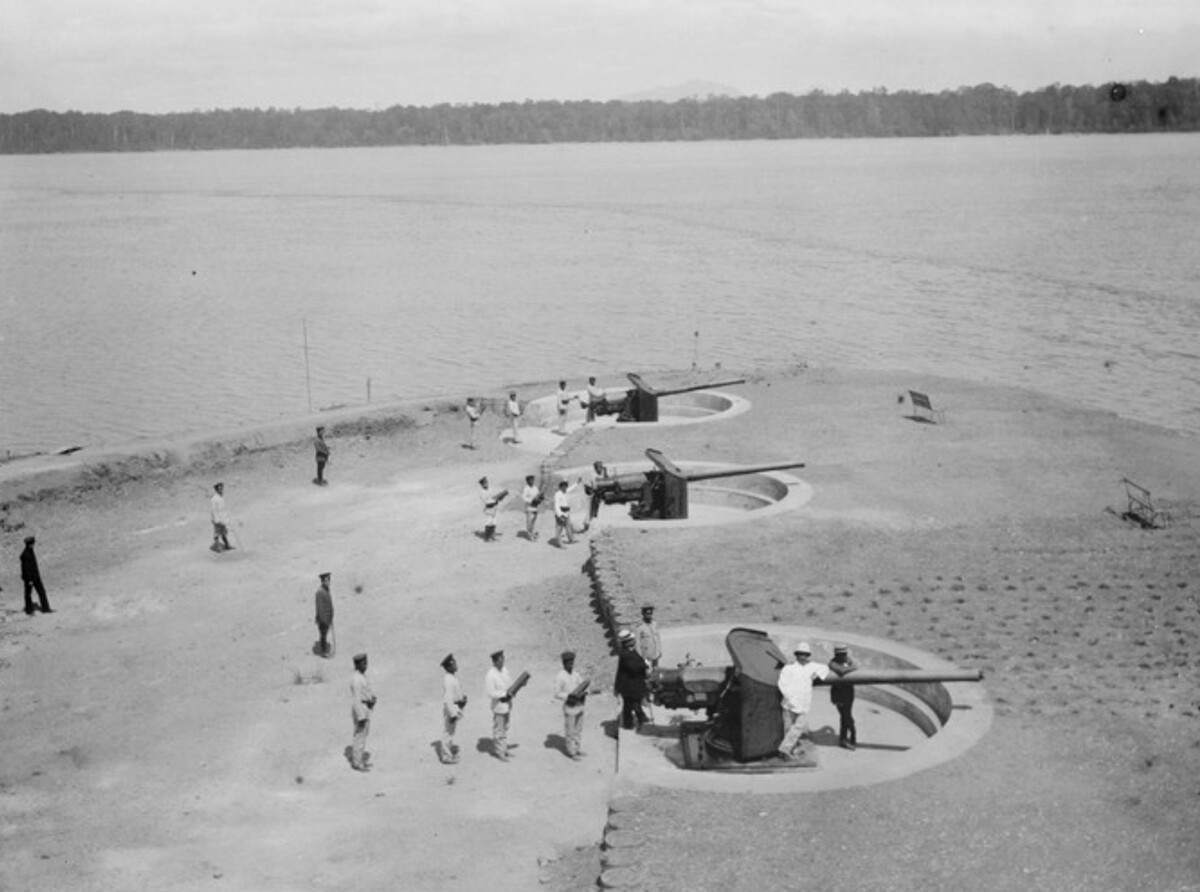
Not so long ago, just a few handfuls of decades, the city was besieged by pirates. They stole the ladies' jewels and the churches' ornaments, set fire to what they could, took what they wanted, even the women. So the city built several forts, among them, one downriver, in the Guayas delta, called Punta de Piedras.
It was a walled fort among the rocks and equipped with cannons, to fend off the pirates. It was the city's first point of defense against the raiders, many of them pirates financed by the European monarchy of the time.
While I was working on the book "Guayaquil, Historias a Color" I stumbled upon a photo of this place and made a first attempt at colorizing it. At the time there wasn't enough consensus to include it in the book, but someday I'll finish coloring it and publish it here. Of course, it's a somewhat more modern view, but still a hundred years old, and you can still see the cannons, probably from 1910 or 1920. Let's see its black-and-white version, taken from the INPC archive.
This ancestral place came back to my mind for two more reasons—aside from the previous photo. The first is that I began reading one of those old chronicles of adventurers who sailed the Guayas (yes, yes, there are several) and the other is that I came across an article in Diario Expreso that recounts the abandonment and neglect of the place today. Sometimes I think that when a subject keeps crossing your path repeatedly, it's for a reason, so that's why I started writing these lines.
During the nineteenth century, river transport on the Guayas was much more active. Vessels spent all day transporting people, cattle, cacao, provisions, merchandise, and much more. Fleets of steamships made trips from Guayaquil to other points on the coast or even to Peru or Colombia. At certain stops, travelers took advantage to delight in the local gastronomic delights and thus entertain the digestive apparatus during the journey. So I came across an interesting paragraph in the book Riquezas Peruanas from 1884.
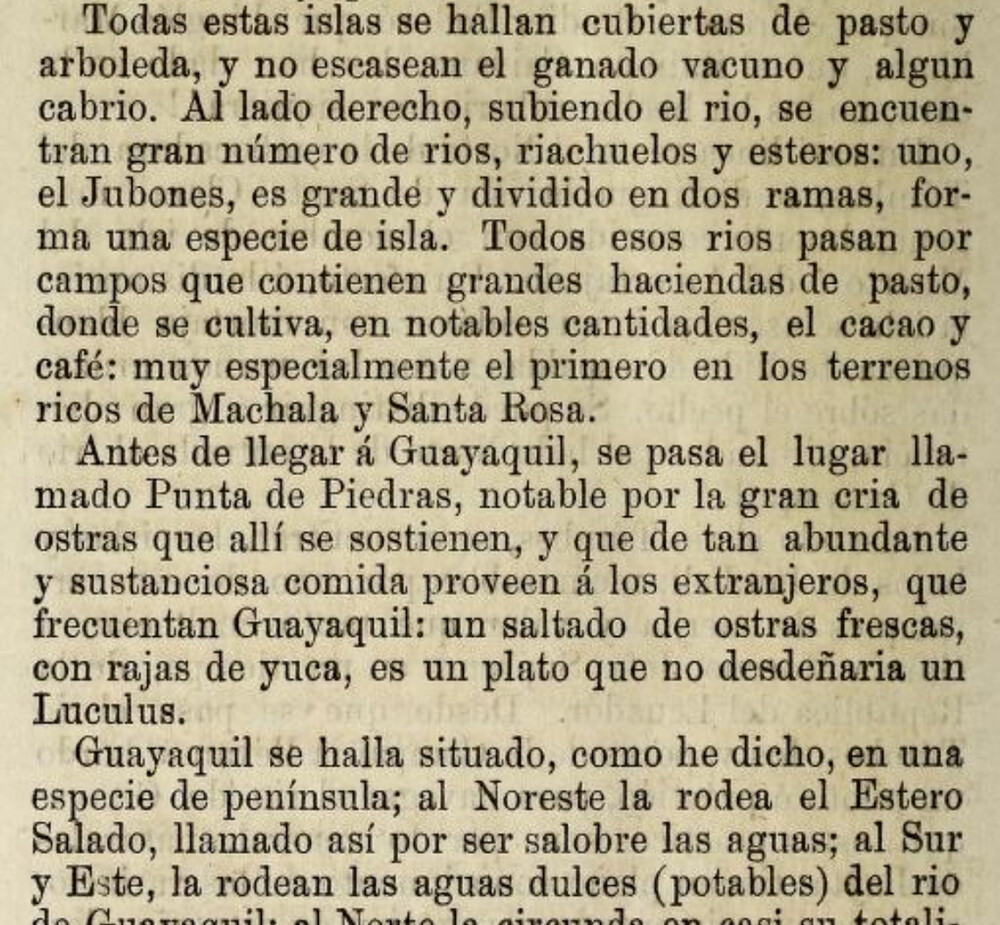
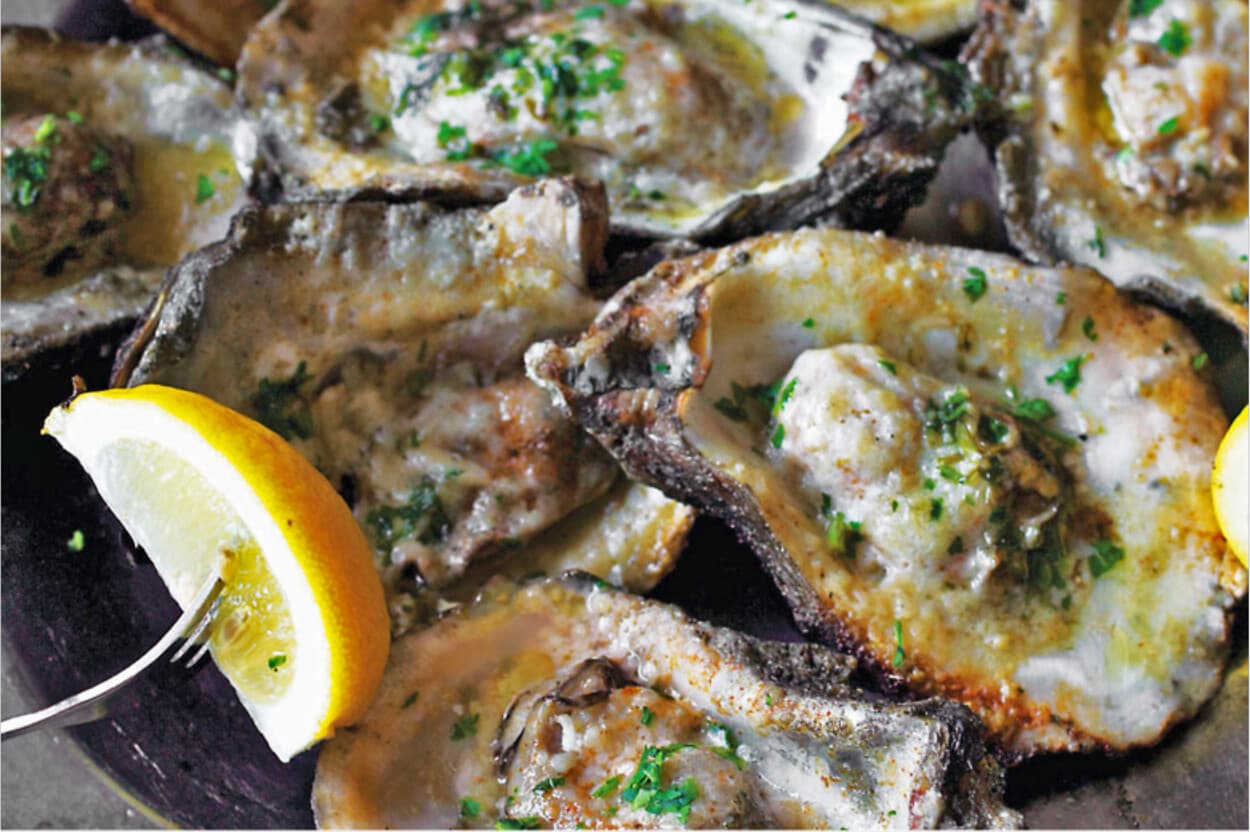
Apparently it was a delicious dish, surely due to the size and freshness of the oysters, plus some perfectly fried yucca. I think I got hungry. Someday I'll take a launch and go see what's left of the place and the oysters.
Categories
The books · born from this blog
Atahualpa con su abrigo de pelo de murciélago
y otras 49 historias verdaderas que parecen mentira
Available on Amazon
Tocar madera
Pequeña historia de las supersticiones que el mundo no ha podido soltar
Available on Amazon
100 futuros
Cien escenarios del mundo que viene con la inteligencia artificial
Available on AmazonYou may also like
Hidden details in the photograph of a Guayaquil tram
A century-old photo of a Guayaquil tram hides clues that reveal its exact corner, its Belgian car and a surprising link to a famous soccer club.
Looking for the lost Eiffel bridge in Ecuador
A forgotten Eiffel bridge built in Ecuador in 1886 sparks a real-life hunt to find whether the lost railway structure still survives today.

Why One CD Lasts Decades and Another Dies
Some compact discs survive 30 years while others die on their own in a few. Disc rot, CD bronzing and why manufacturing — not age — decides everything.