
Category
History
184 articles
Chronicles and characters from history: little-known episodes from Ecuador and the world, told with rigor and curiosity.
Morse Code: How It Works and Why It Saved Lives
Morse code turns letters into dots and dashes that travel down a wire or a flash of light. Here is how it works, where it came from and why it is still used.
The Telegraph: The Victorian Internet
The telegraph shrank weeks of mail into minutes of cable. How Morse, Cooke and a wire under the Atlantic built the Victorian internet and shrank the world.

The Airship: The Elegant Future That Burned
The airship promised to cross oceans in silent luxury. From Giffard to the Hindenburg, the story of an elegant future that ended in flames.
The Bicycle: The Machine That Freed the City
In 1817 Karl Drais built a running machine with no pedals. A century later the bicycle had reshaped cities and helped set women free.
The Airplane Before the Wrights: Who Almost Won
Before the Wright brothers flew in 1903, pioneers nearly got there first: Cayley, Lilienthal, Ader and Santos-Dumont. This is their untold story.
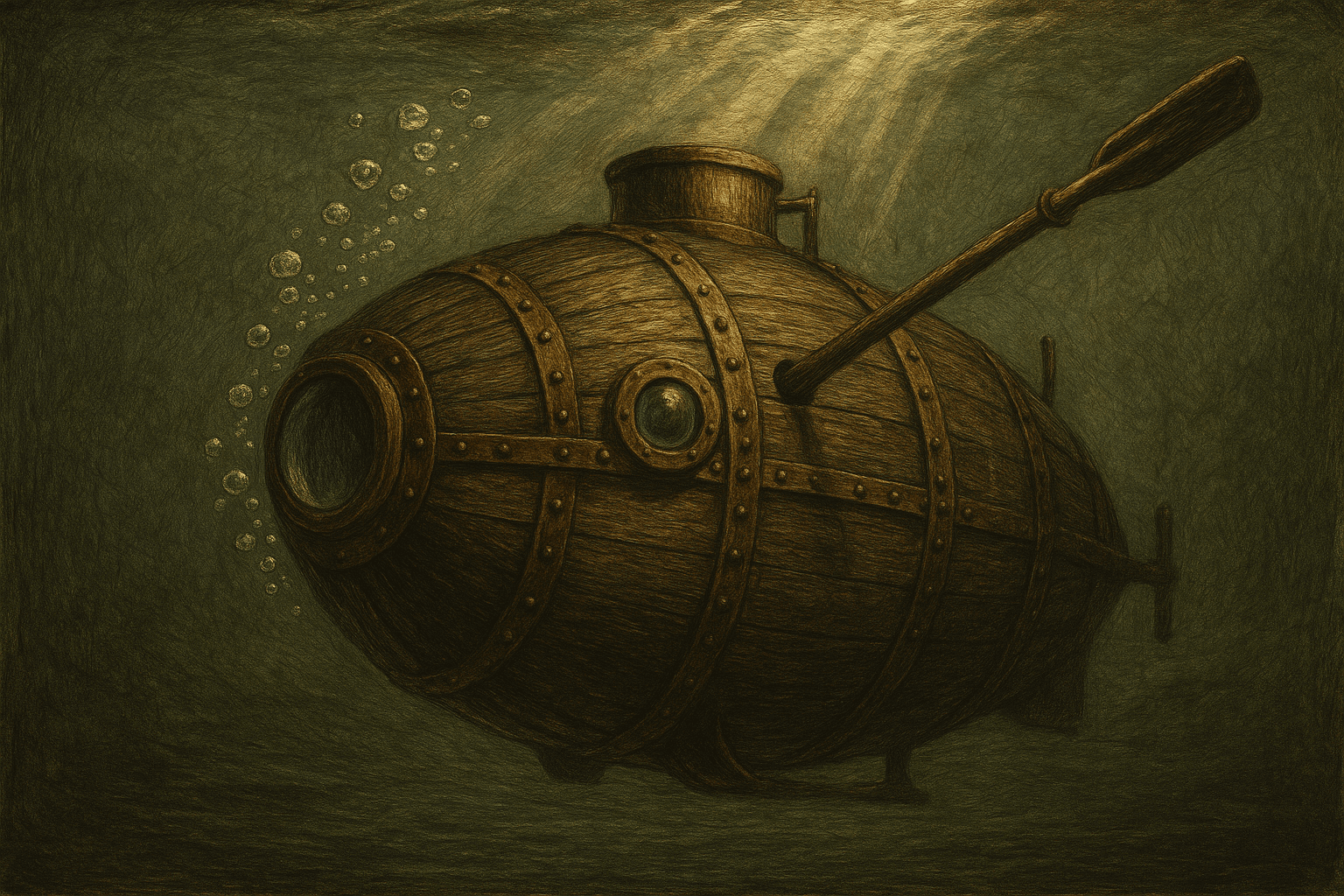
The First Submarine Was Built Centuries Before You Think
Before Isaac Peral's electric submarine came centuries of trying: Drebbel under the Thames, the Turtle of 1776 and the deadly Hunley of 1864.
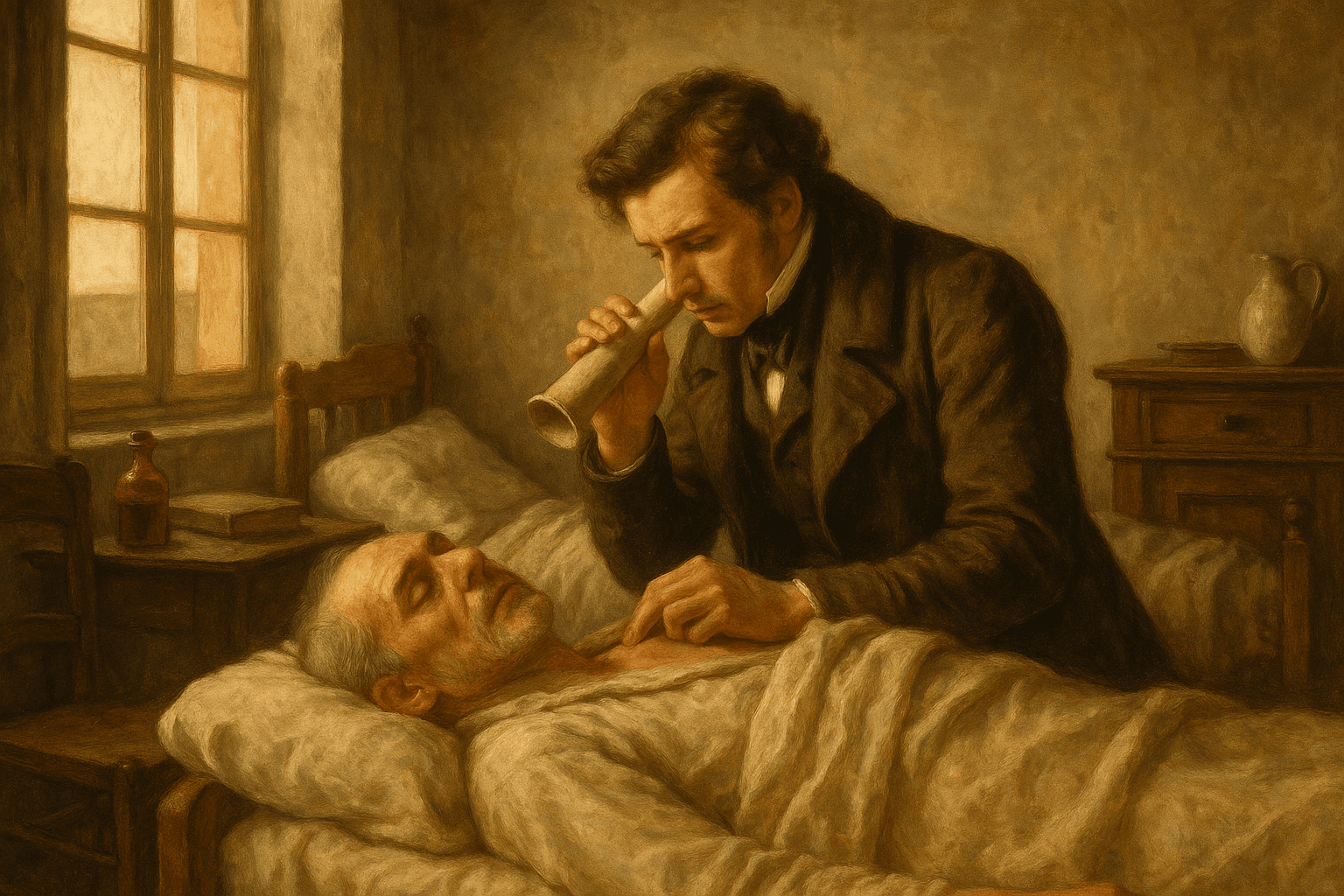
The history of the stethoscope and Laennec's modesty
In 1816 a French doctor felt too awkward to press his ear to a patient's chest, so he rolled up paper — and the stethoscope was born.

The nocebo effect: when expecting harm creates it
The nocebo effect is the placebo's dark twin: believing a treatment will hurt can make it hurt. Its origin, real cases and what science says.
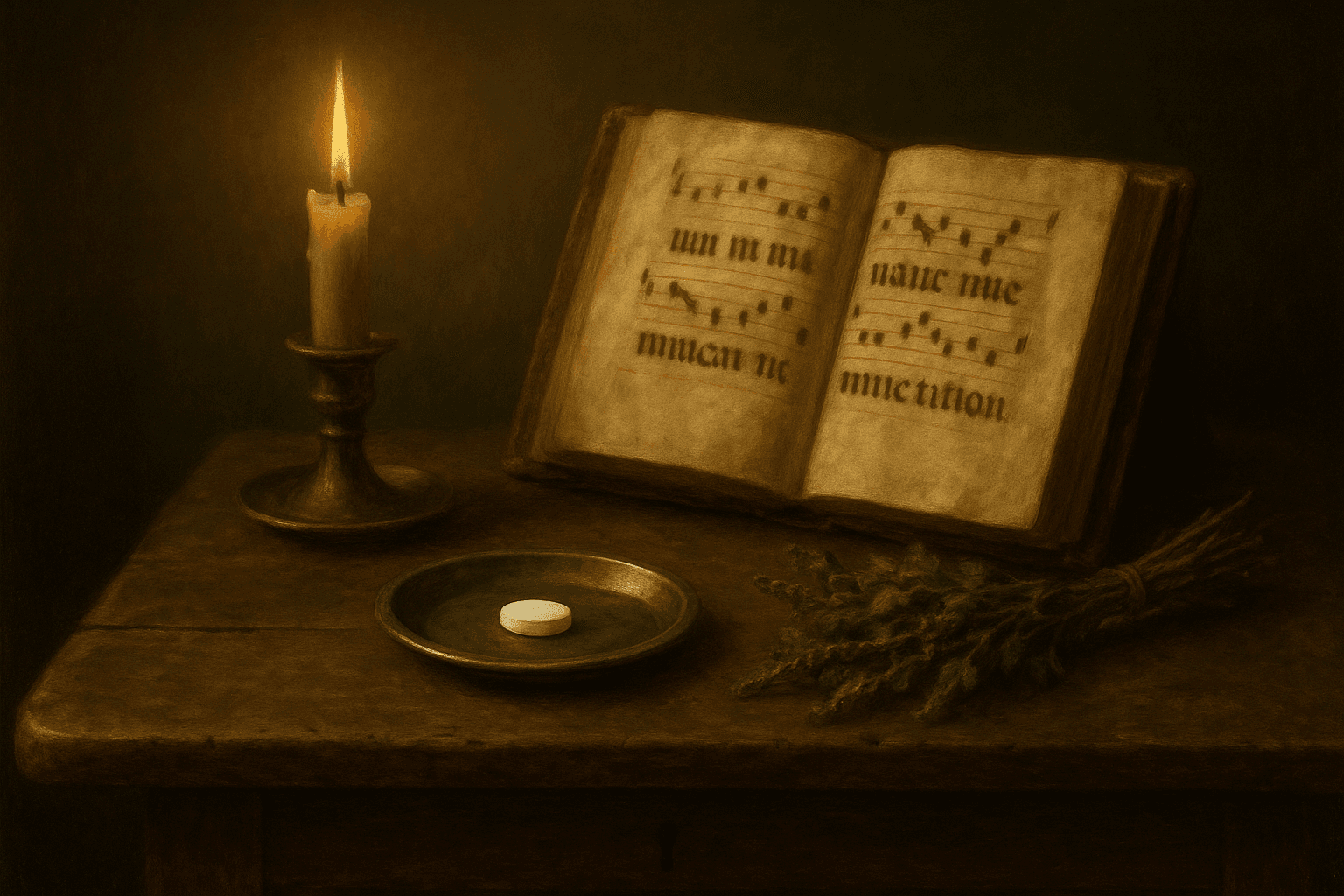
Placebo: the Latin word that means «I shall please»
«Placebo» means «I shall please» in Latin and began as a medieval funeral chant. Here is how it jumped from the church to medicine and its famous effect.
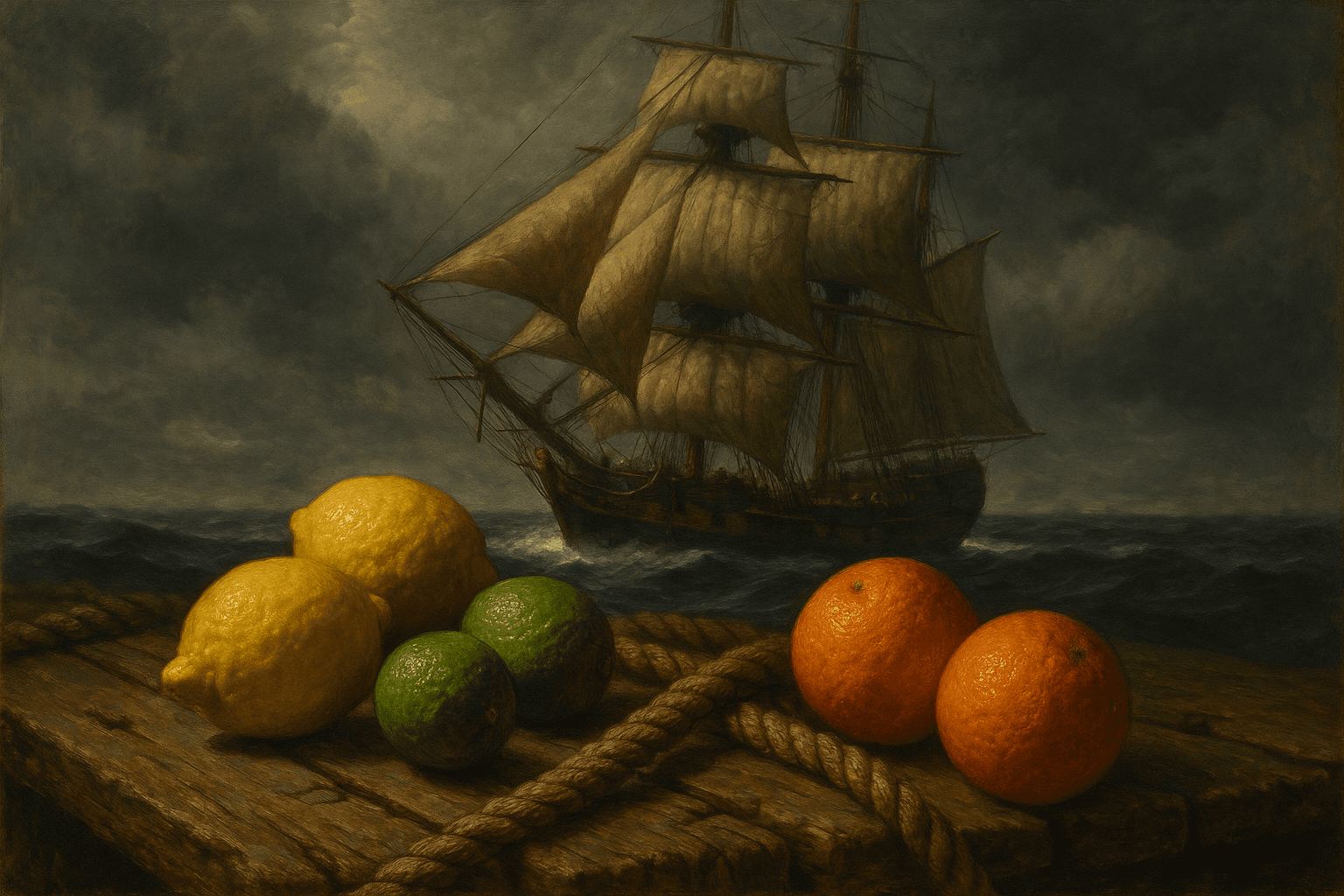
Scurvy: the disease that killed more sailors than storms
Scurvy killed more sailors than battles and shipwrecks combined. Its cure was discovered, forgotten, and rediscovered over and over for centuries.
Anesthesia: when surgery was pure torture
Before 1846, surgery meant sheer agony and surgeons who amputated a leg in 30 seconds. This is how anesthesia was born and transformed medicine.
Smallpox: the disease that changed empires
Smallpox killed some 300 million people in the 20th century, helped topple empires, and became the first human disease ever fully eradicated.
Rubber Before Goodyear: The Gum That Melted
Before vulcanization, rubber was a gum that melted in summer and cracked in winter. From the Maya to Goodyear, here's how it was finally tamed.
Porcelain: the Chinese secret Europe tried to steal
For centuries Europe paid fortunes for Chinese porcelain without knowing how it was made. This is the story of a hundred-year industrial espionage.
The Origin of the Word “Quarantine”: 40 Days in Venice
Where does the word quarantine come from? From the 40 days that Venice and Ragusa forced ships to wait during the Black Death. Here is its story.
The History of Glass: The Material That Changed the World
Glass went from Egyptian luxury to everyday object thanks to Roman glassblowers, and later gave science its telescope and microscope.

Gunpowder Before Cannons: Alchemy, Fire and War
Chinese alchemists chasing eternal life invented gunpowder by accident. Before cannons came fireworks, fire lances and centuries of fire medicine.

The History of the Match: Fire in Your Pocket
The friction match was born by accident in 1826, poisoned thousands of factory women, and only later became the safe fire we carry in our pocket.
Salt, Taxes, and the Revolutions It Sparked
For centuries the salt tax filled the coffers of kings and empires—until it triggered smuggling, riots and even Gandhi's famous march to the sea.
Why Money Is Called “Plata” in Latin America
Why do so many Latin Americans call money “plata” (silver)? The answer lies in a metal, the mountain of Potosí, and coins that once circled the whole globe.
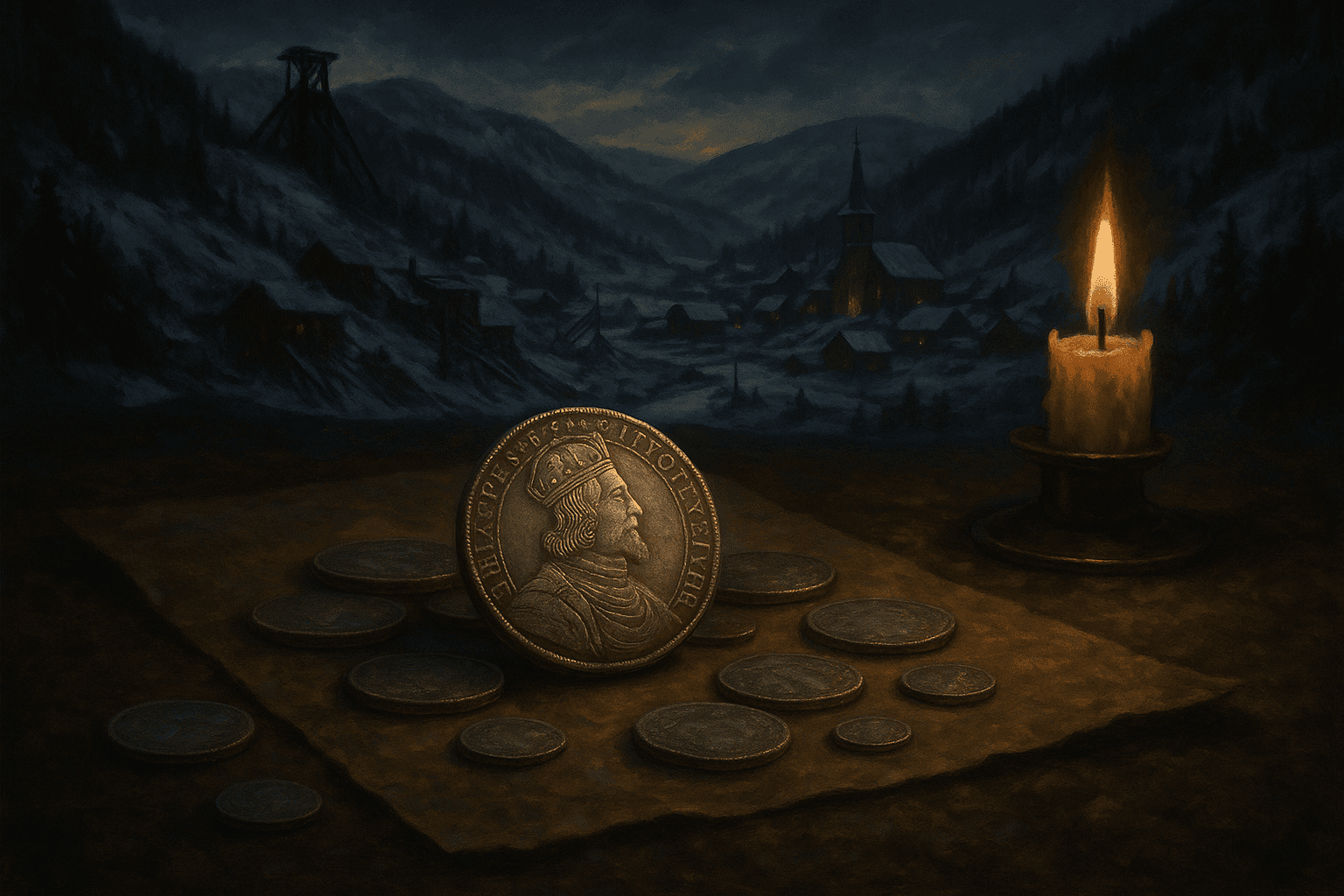
The Origin of the Word “Dollar”: a Bohemian Valley
Where does the word dollar come from? From a silver-mining valley in Bohemia and a 16th-century coin. The story of the thaler that conquered the world.
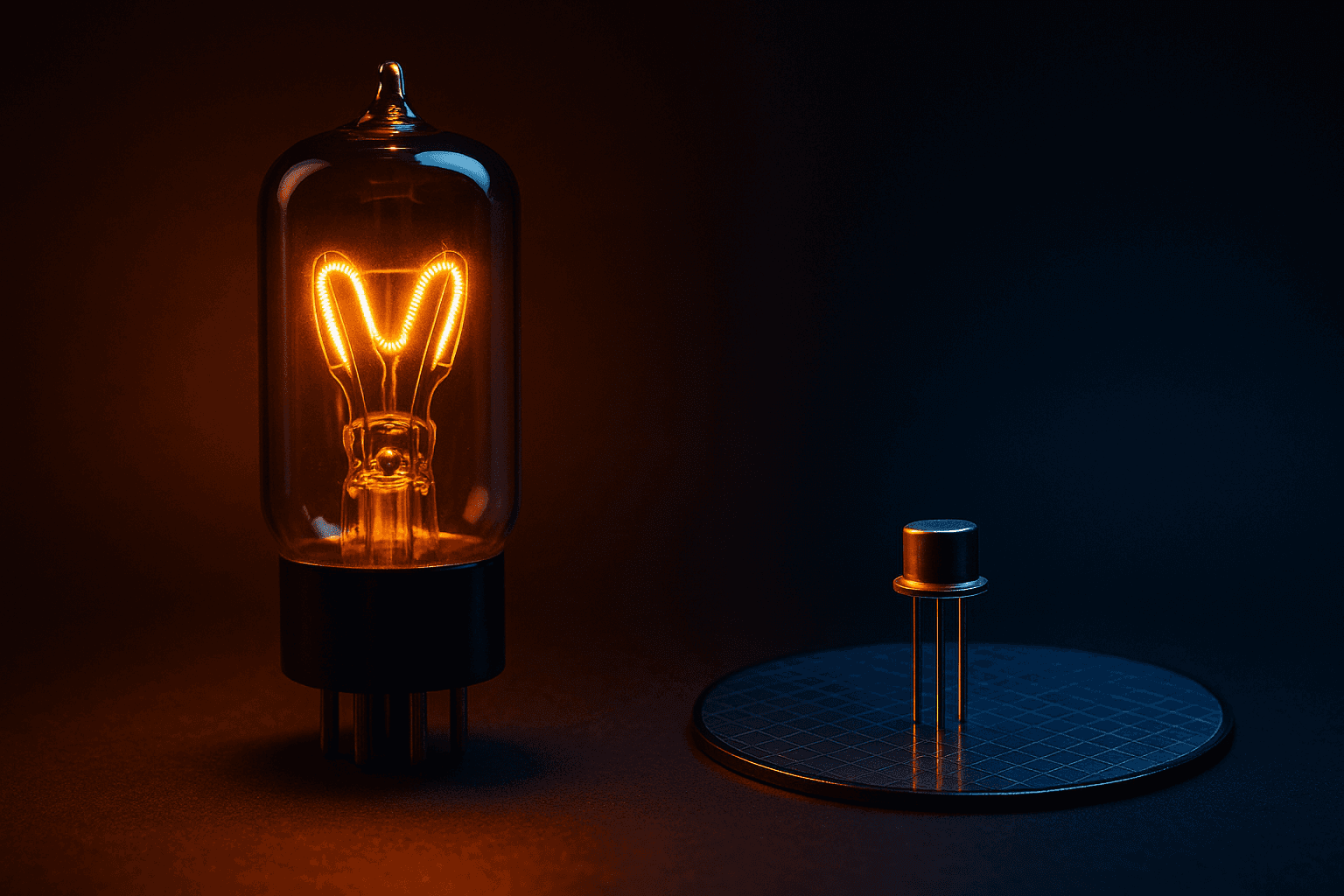
Vacuum Tube vs Transistor: The Battle for Electronics
For decades the vacuum tube ruled electronics, until a tiny chip of metal dethroned it. The story of the battle that shrank technology into your pocket.
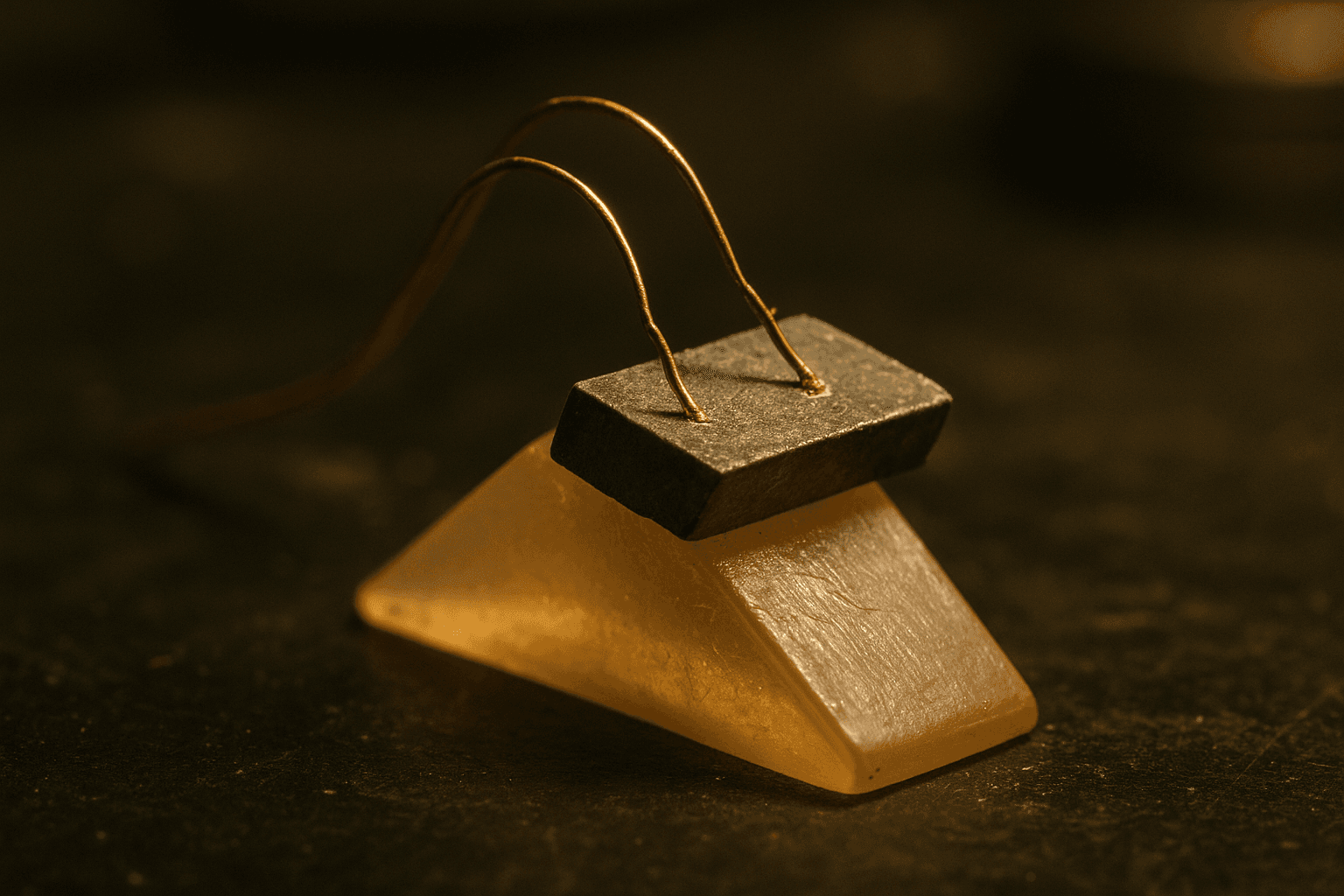
The Transistor: The Tiny Switch That Built the Digital Age
In 1947, three Bell Labs physicists invented the transistor and shrank electronics forever. The story of the tiny switch that built the digital age.
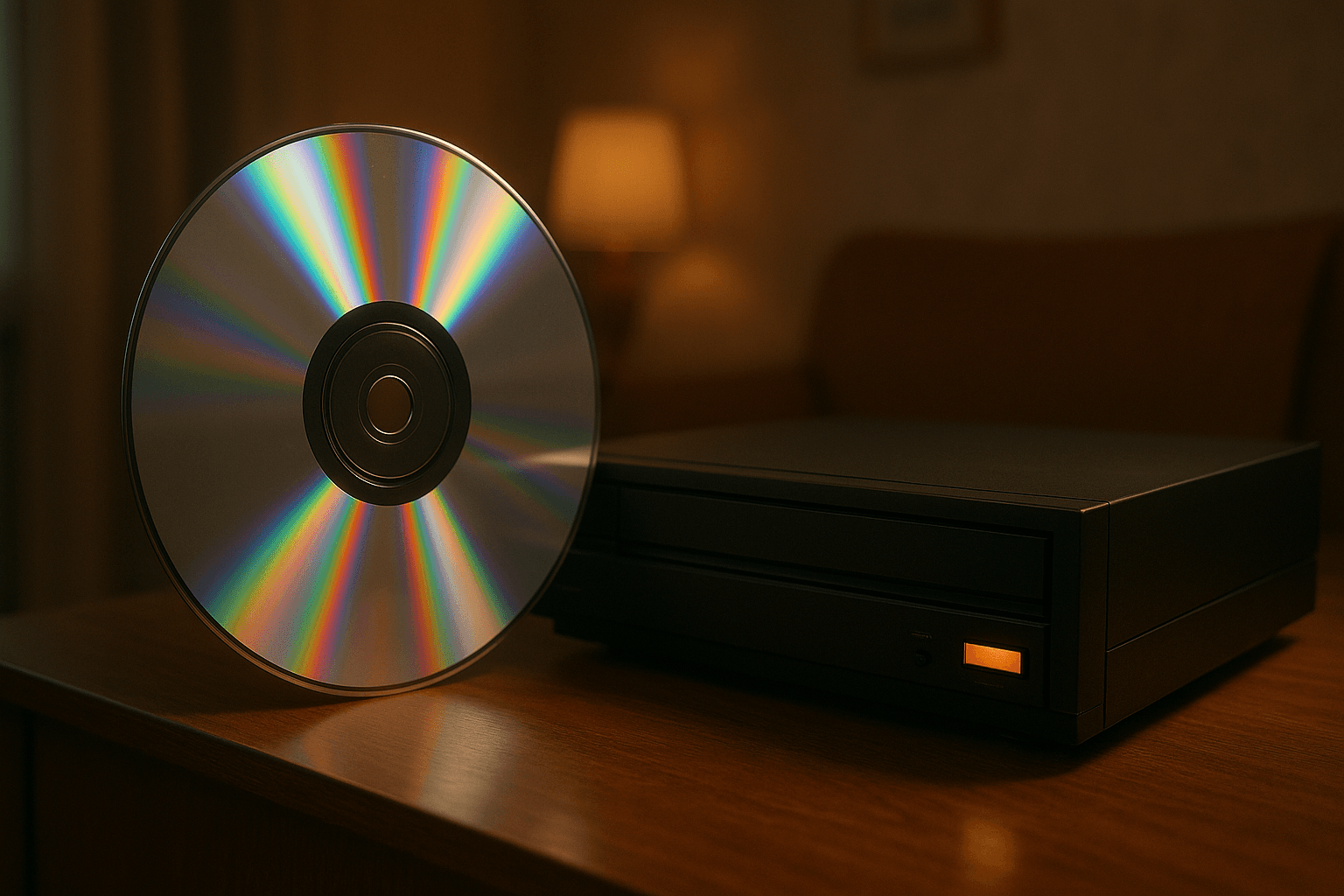
The LaserDisc: The Future That Came Too Early
In 1978 the LaserDisc already offered sharp images, instant access and digital sound — everything DVD would bring twenty years later. It came too early.

The Forgotten War Between VHS and Betamax
Betamax was technically better and still lost. This is the story of the format war between Sony and JVC that decided how we would watch movies at home.
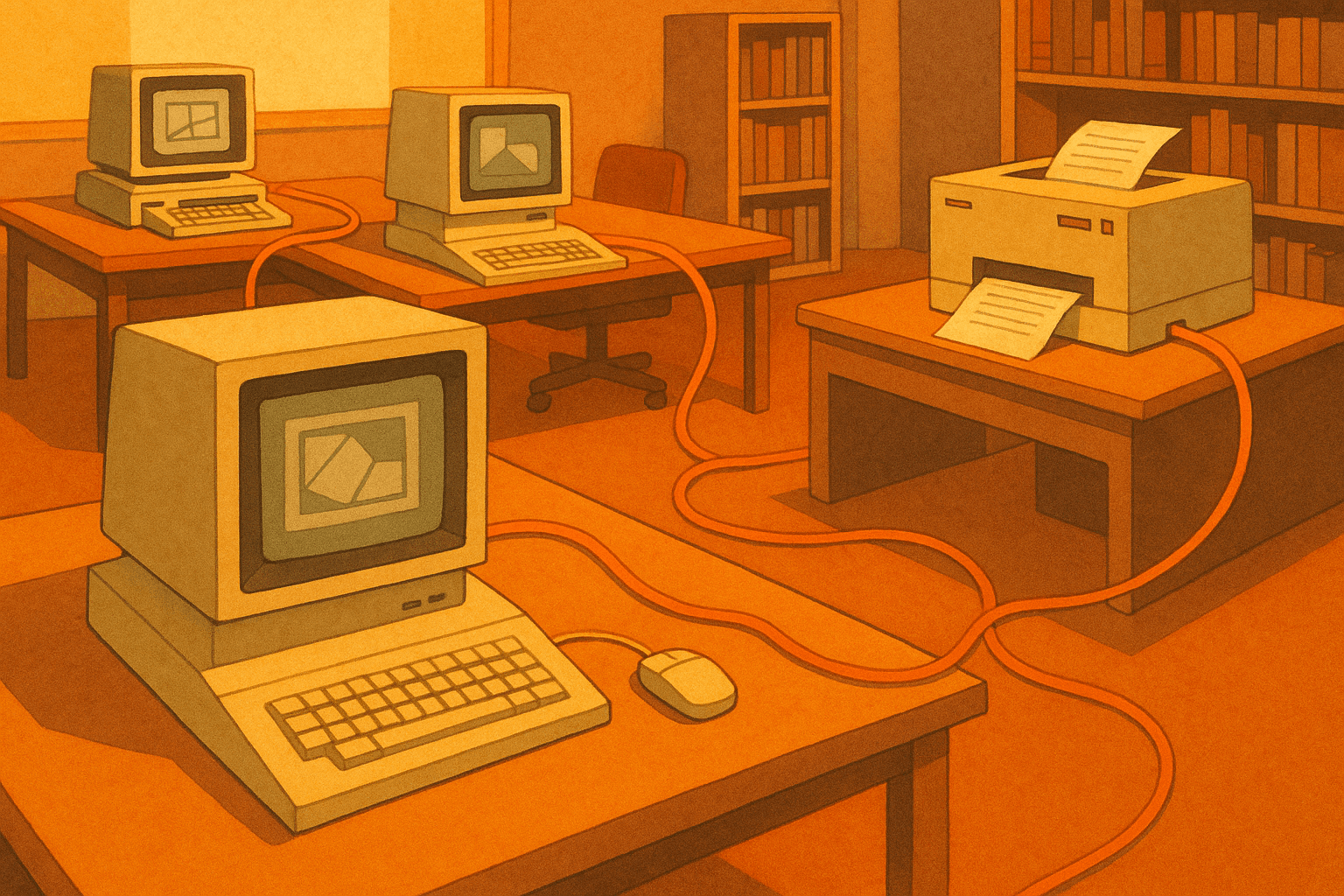
The History of Ethernet: How an Office Learned to Share
In 1973, at Xerox PARC, an engineer wired an office's computers to a laser printer. That was the birth of Ethernet, the network we still use today.
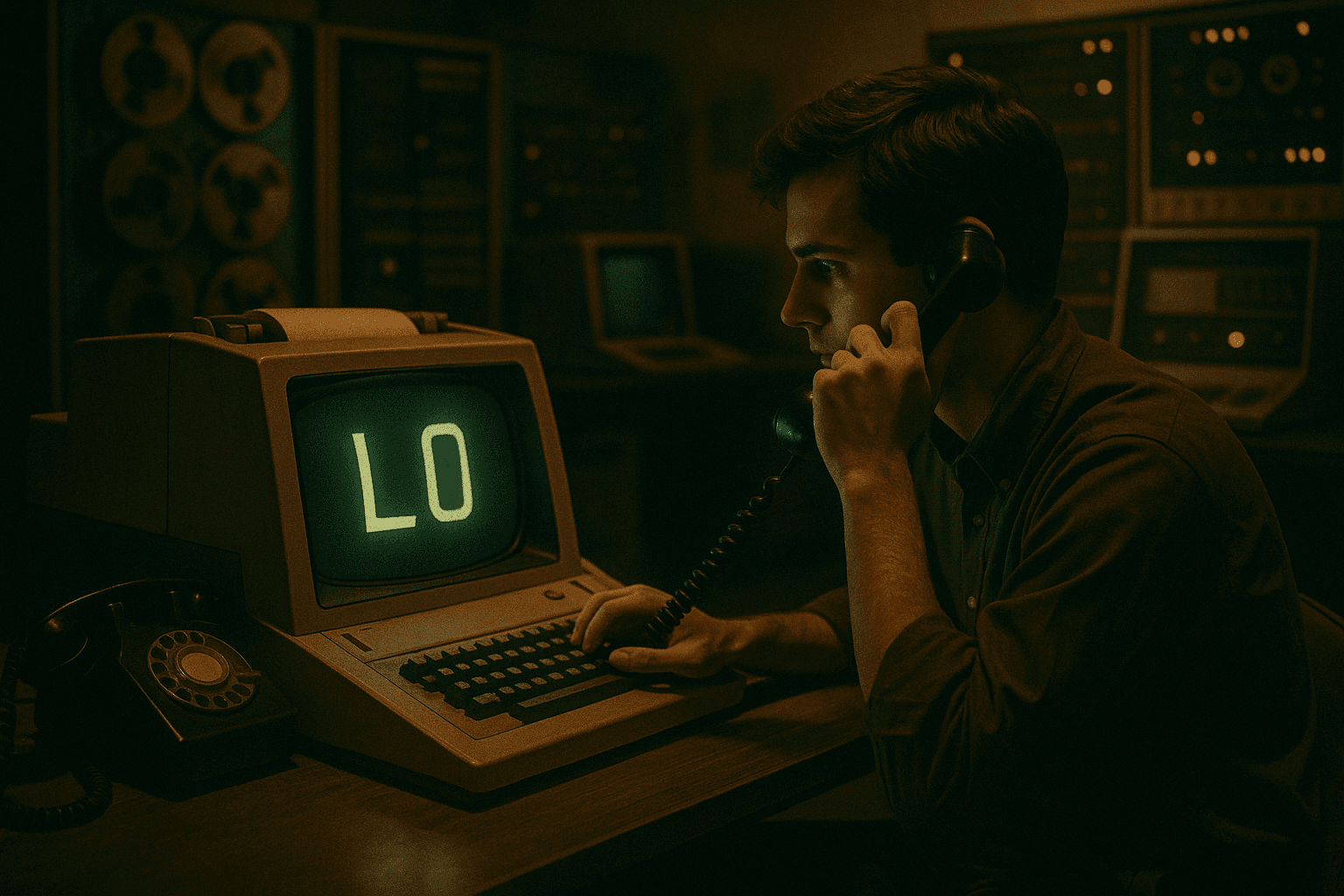
The First Message Ever Sent Over the Internet Was 'LO'
On October 29, 1969, the first message in internet history was meant to be 'login', but the network crashed after just two letters: 'LO'.
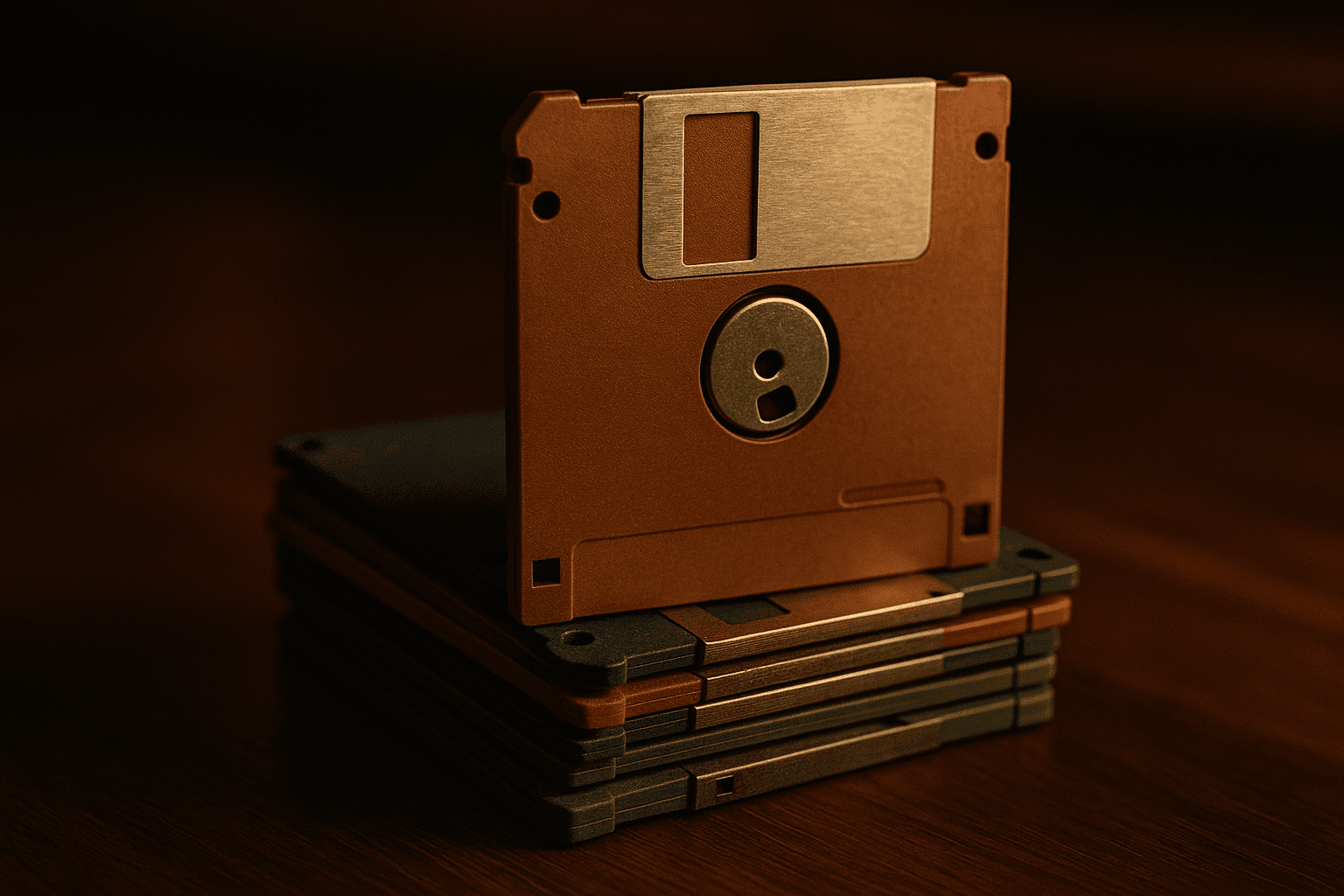
The History of the Floppy Disk and the Save Icon
The floppy disk held 80 KB in 1971 and survives today as the «save» icon many young people never touched. This is the full history of the floppy disk.
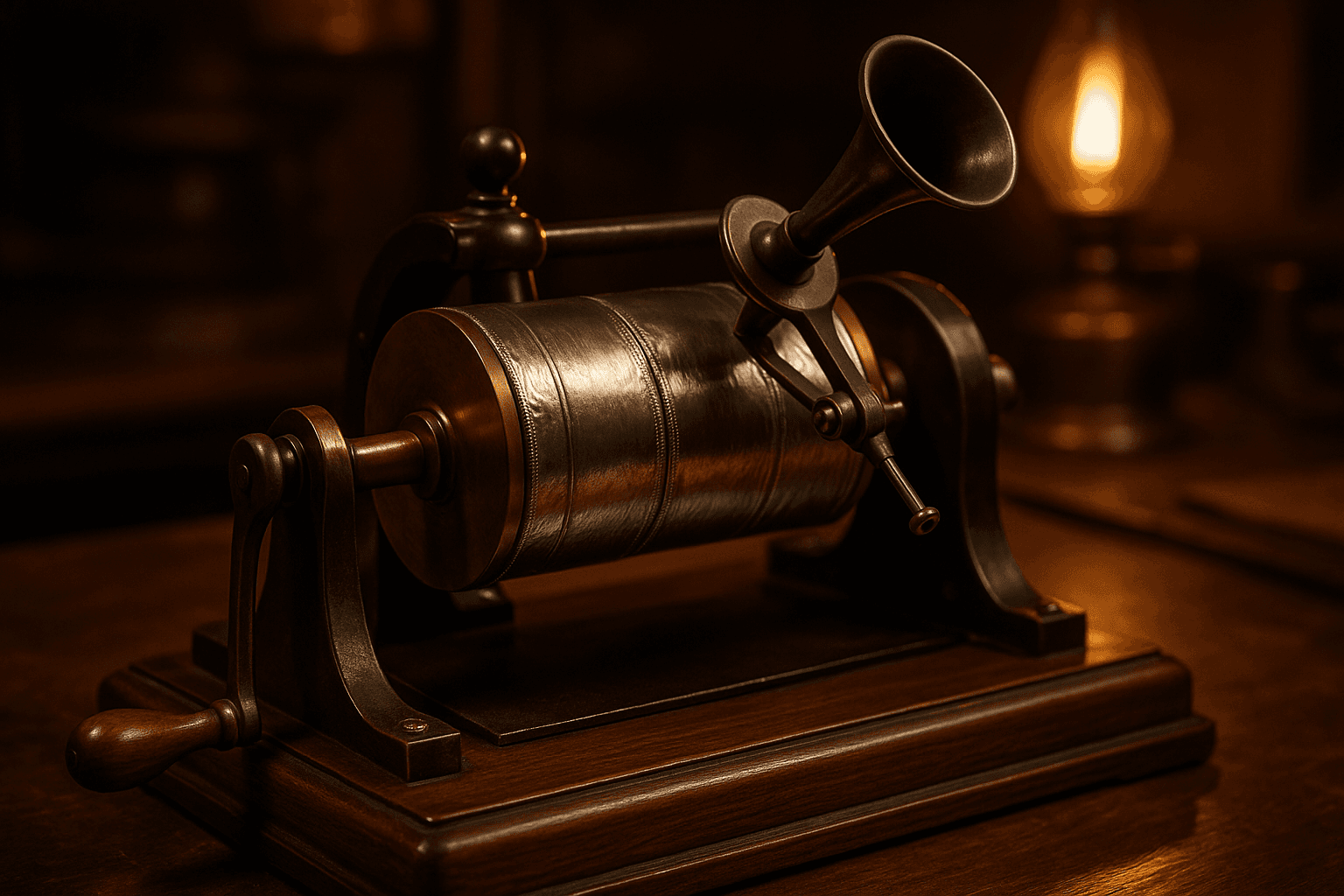
Edison's Phonograph: The First Machine That Talked
In 1877 Thomas Edison built the phonograph, the first machine that could record the human voice and play it back. A machine had finally spoken aloud.
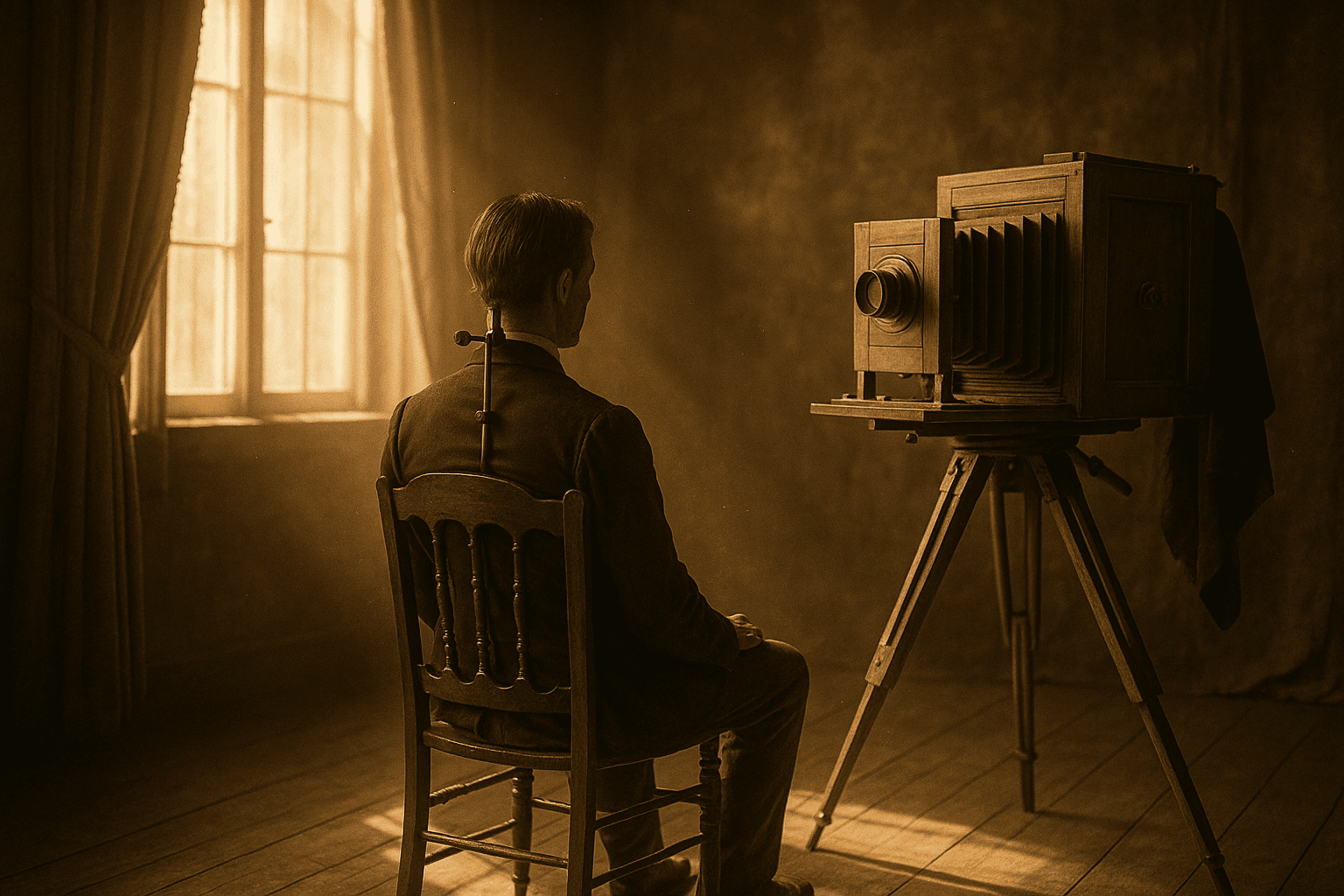
The Daguerreotype: The Photo That Demanded Stillness
The daguerreotype was the first photograph you could buy: silver plates, mercury vapor and long minutes holding perfectly still before the camera.
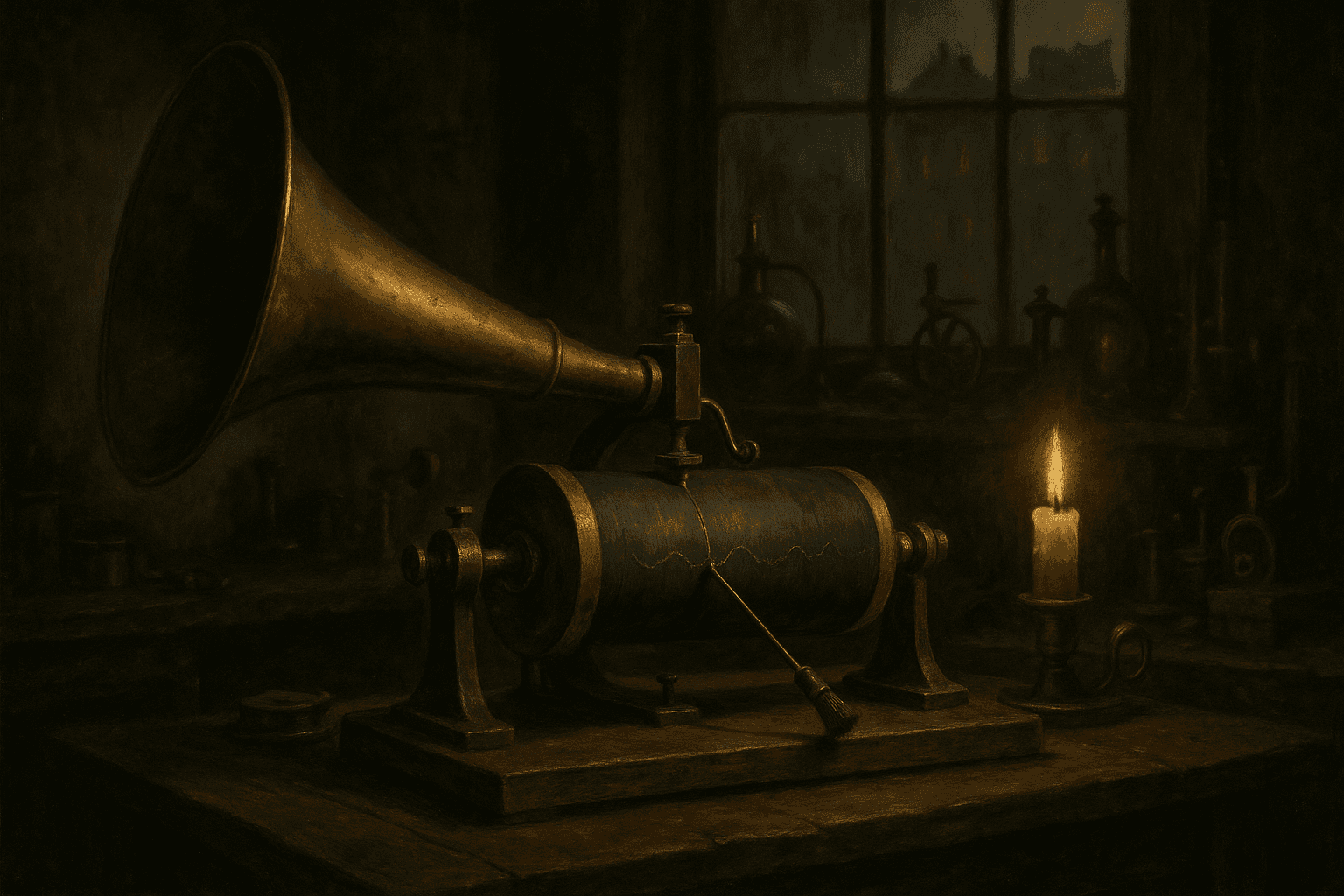
The oldest recorded voice: sound before Edison
In 1860, 17 years before Edison, a French typesetter recorded the oldest human voice we can hear today. This is how we finally heard the past.
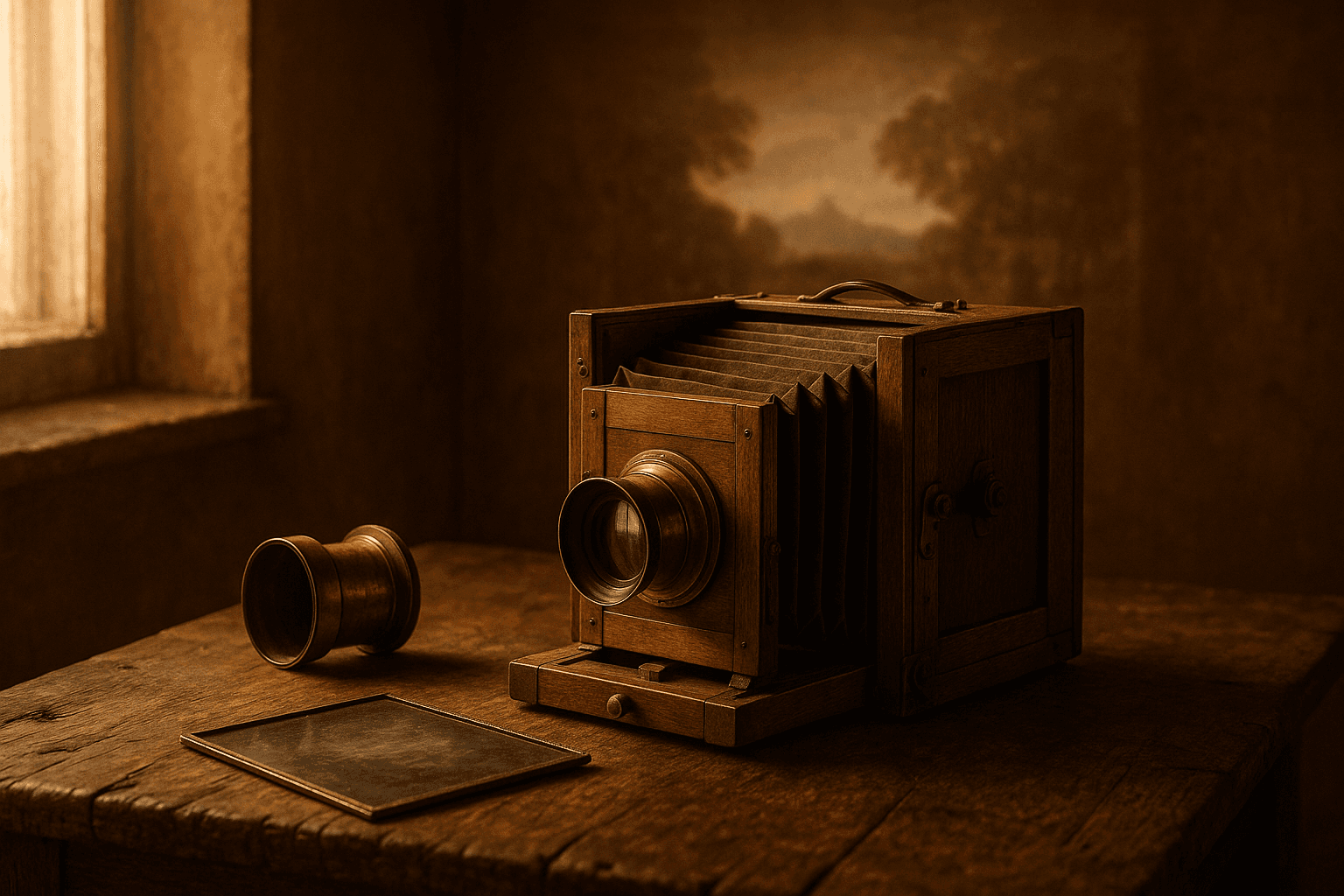
How the First Cameras Worked: Dark Room to Kodak
From Ibn al-Haytham's camera obscura to Niépce's first photo and the 1888 Kodak: how the earliest photographic cameras actually worked and evolved.

The History of Zero: The Number We Took Ages to Accept
The history of zero: from a dot in an Indian manuscript to Brahmagupta's rules and the Florence ban. How we finally learned to write nothing down.
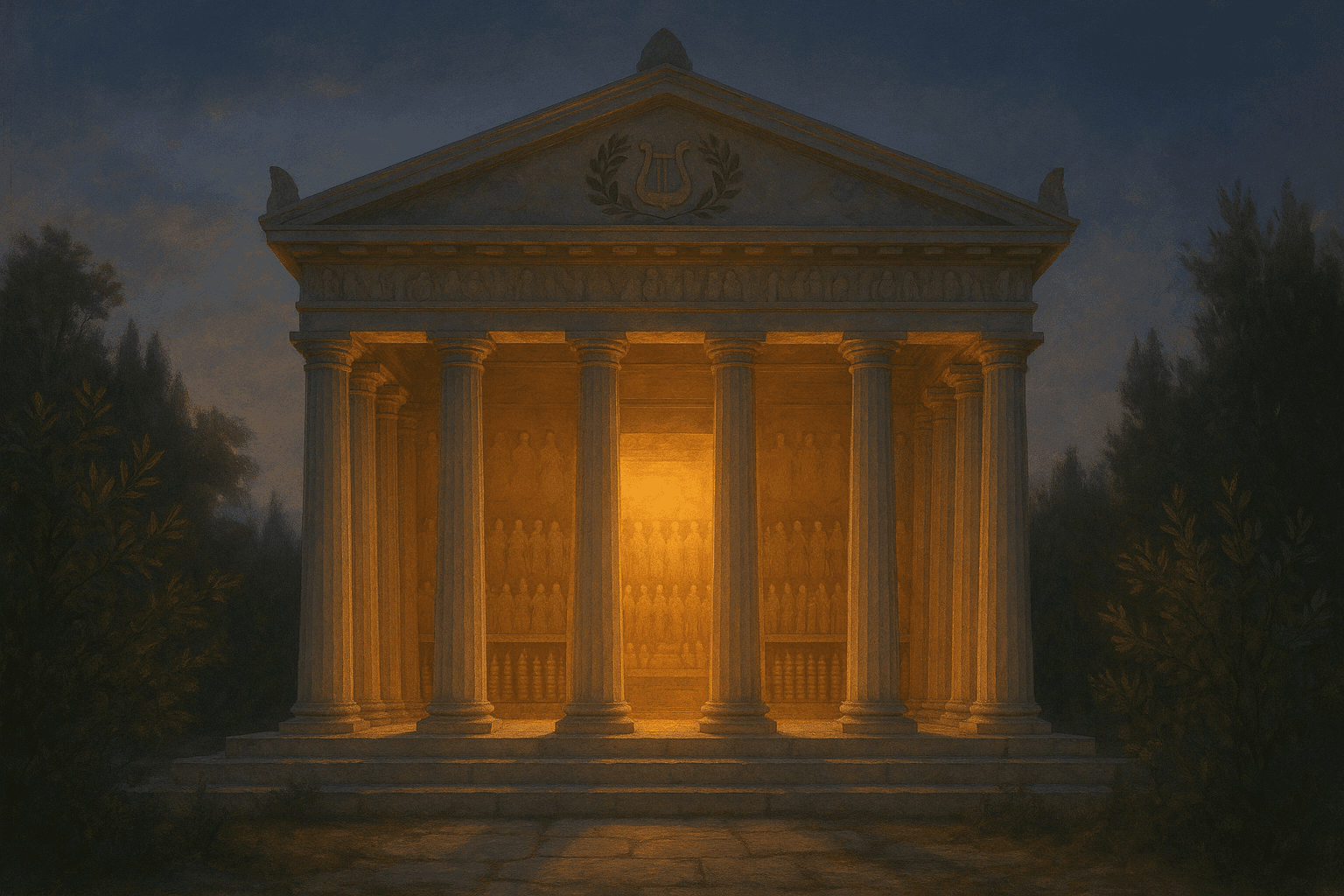
The Origin of the Word “Museum”: House of the Muses
Where does the word museum come from? From mouseion, the temple of the Greek Muses and the great center of learning in Alexandria, long before glass cases.
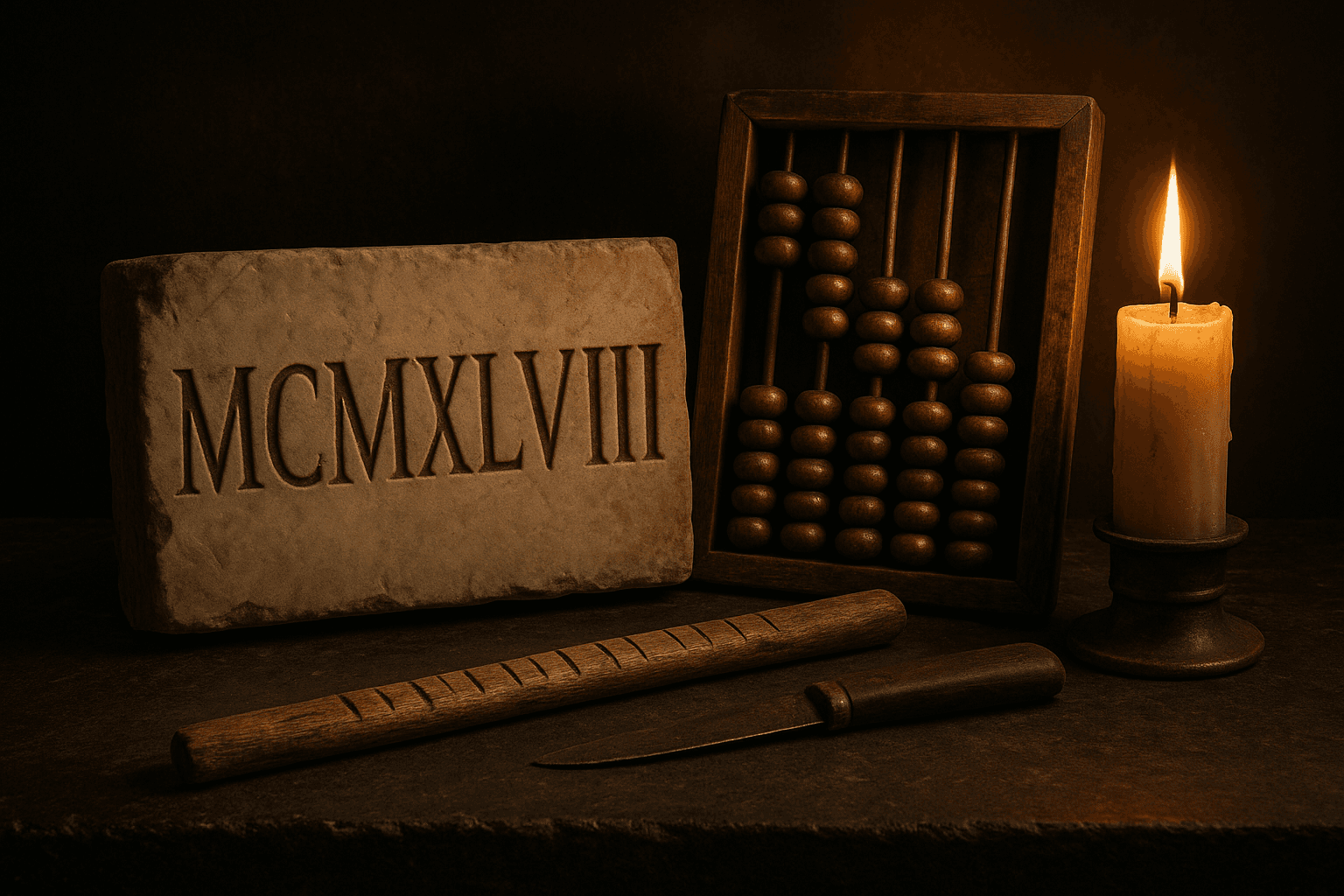
Why Roman Numerals Are So Clumsy for Arithmetic
MCMXLVIII does not lend itself to adding or multiplying. Why Roman numerals, so good for carving in stone, were a disaster for calculation.
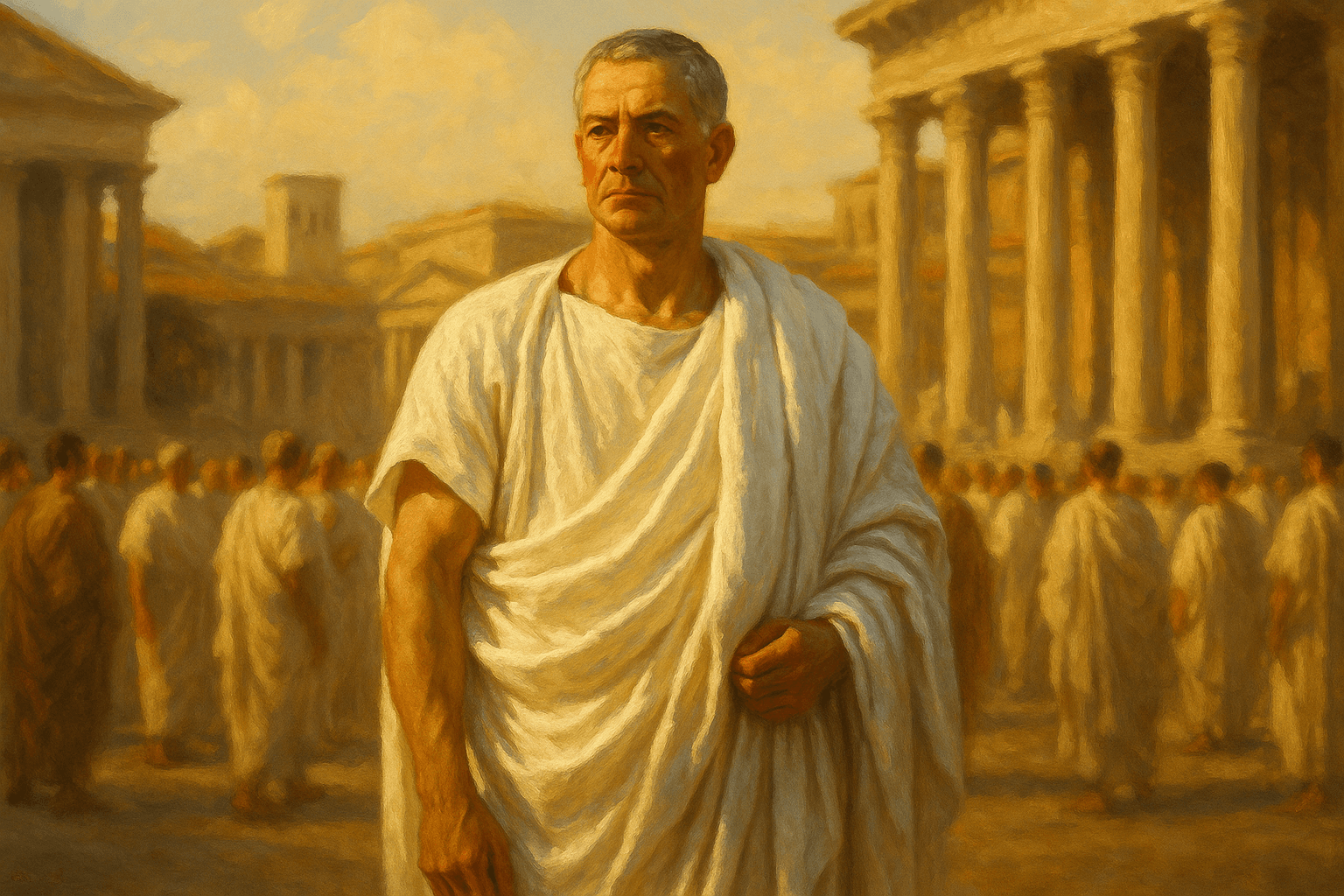
The Origin of the Word “Candidate”: Togas and Chalk
Where does the word candidate come from? From the chalk-whitened toga that Roman office-seekers wore to look pure before the voters.
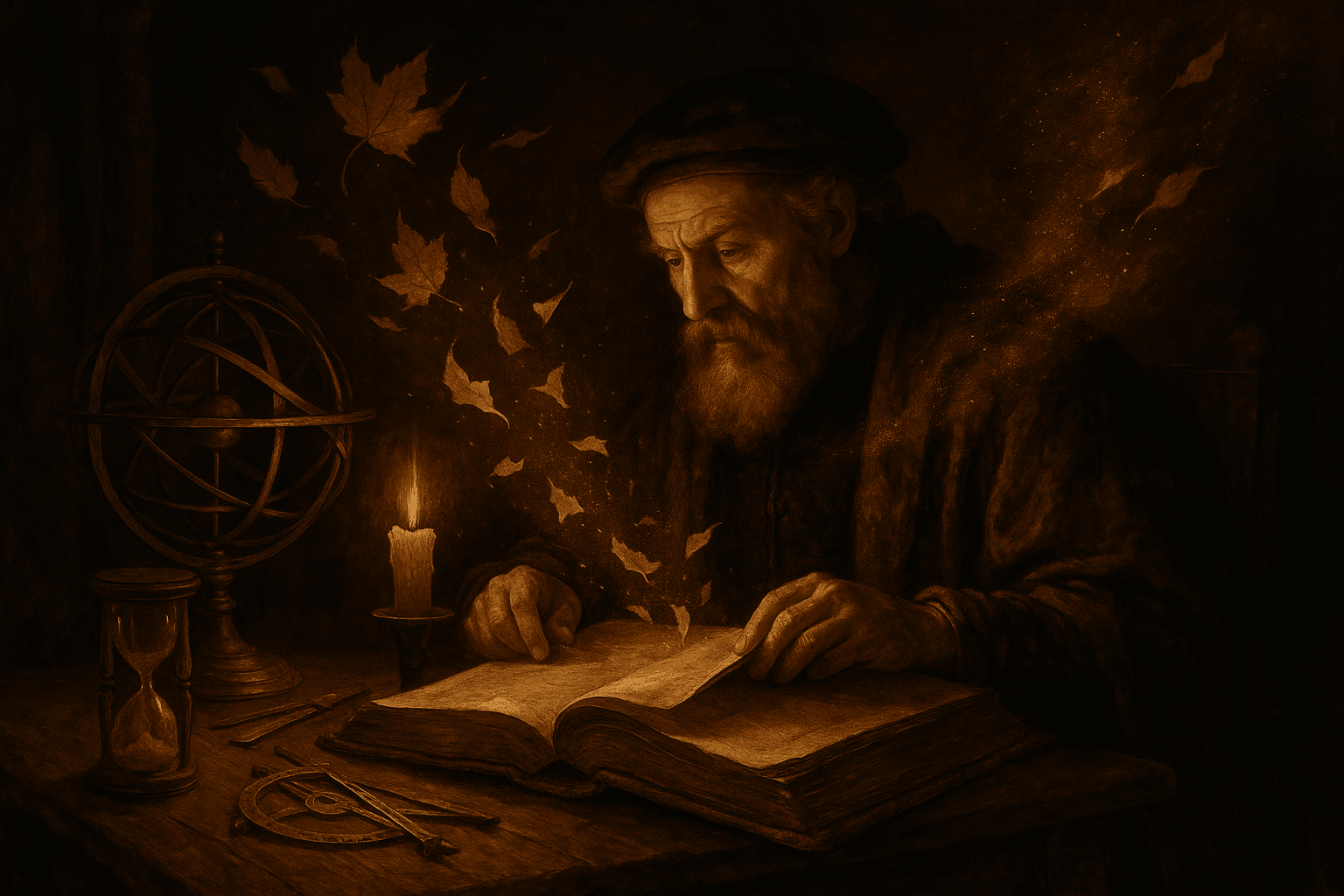
The Ten Days of October That Never Existed
In 1582 Pope Gregory XIII erased ten days: October 4 was followed by October 15. Here is why the Julian calendar failed and the Gregorian took its place.
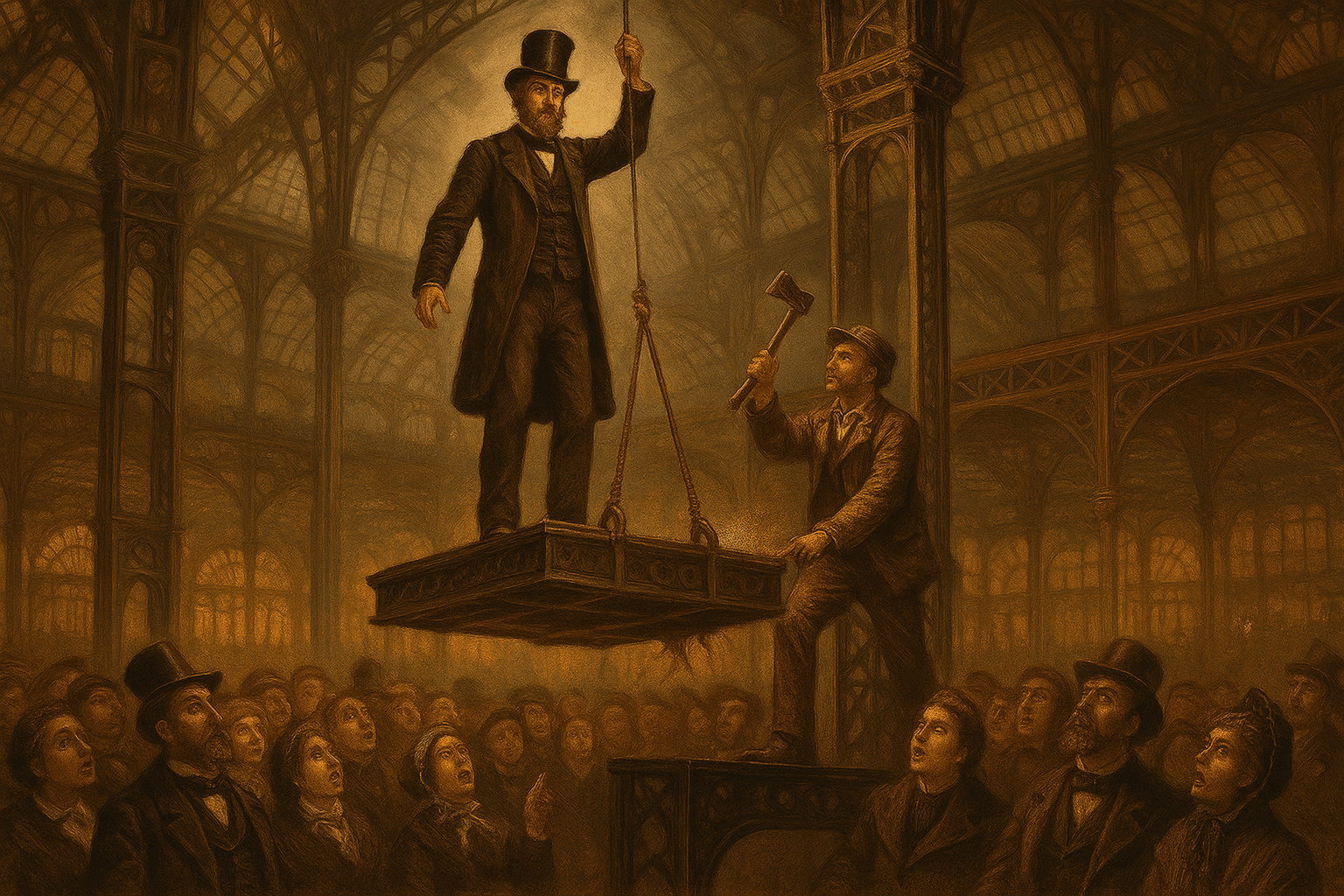
The History of the Elevator and the Vertical City
The history of the elevator: from Elisha Otis's 1854 safety brake to the invention that made skyscrapers and the modern vertical city possible.
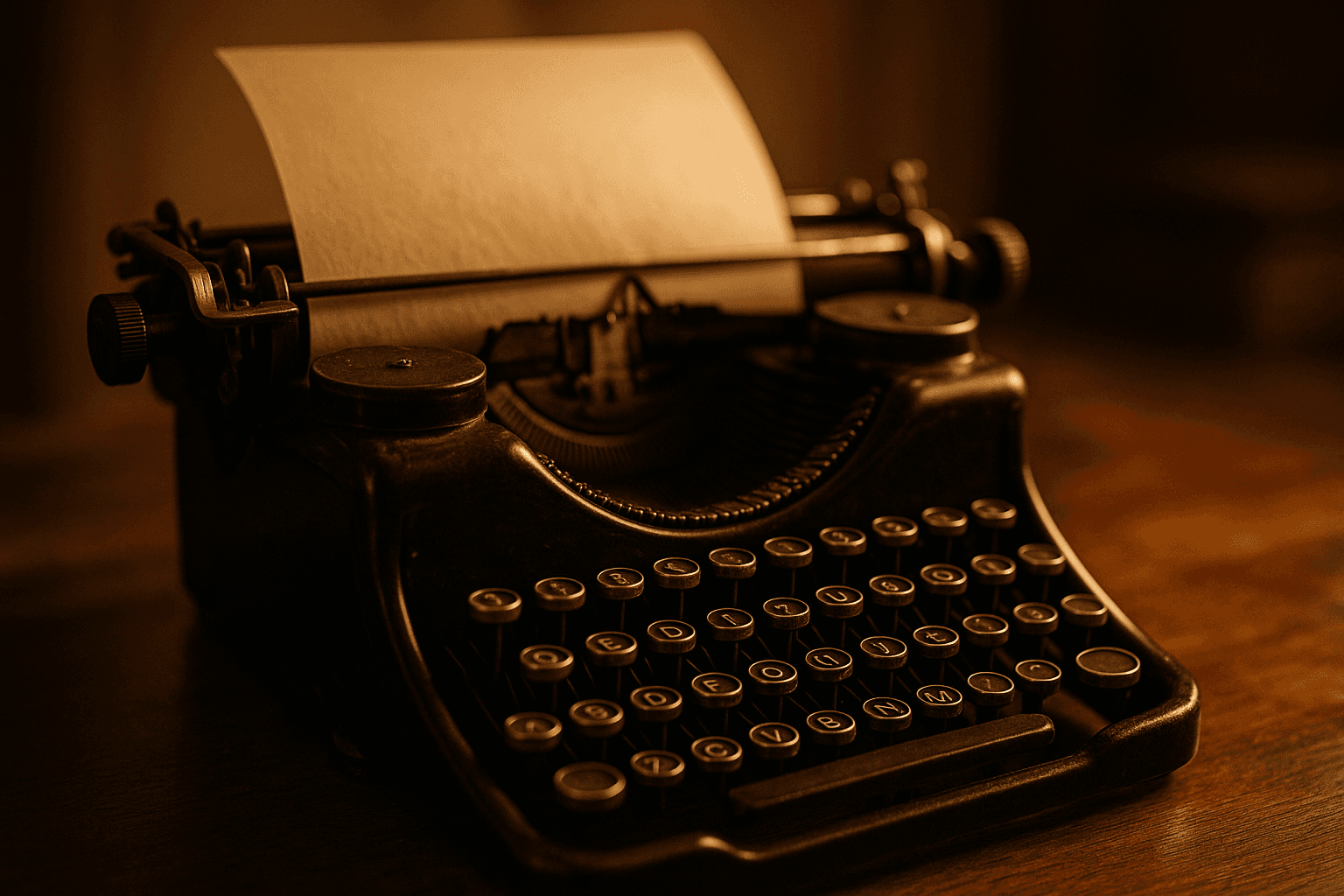
The Typewriter and the War on Bad Handwriting
The typewriter was born to defeat illegible handwriting. The story of the machine that standardized the office and brought women into the workforce.
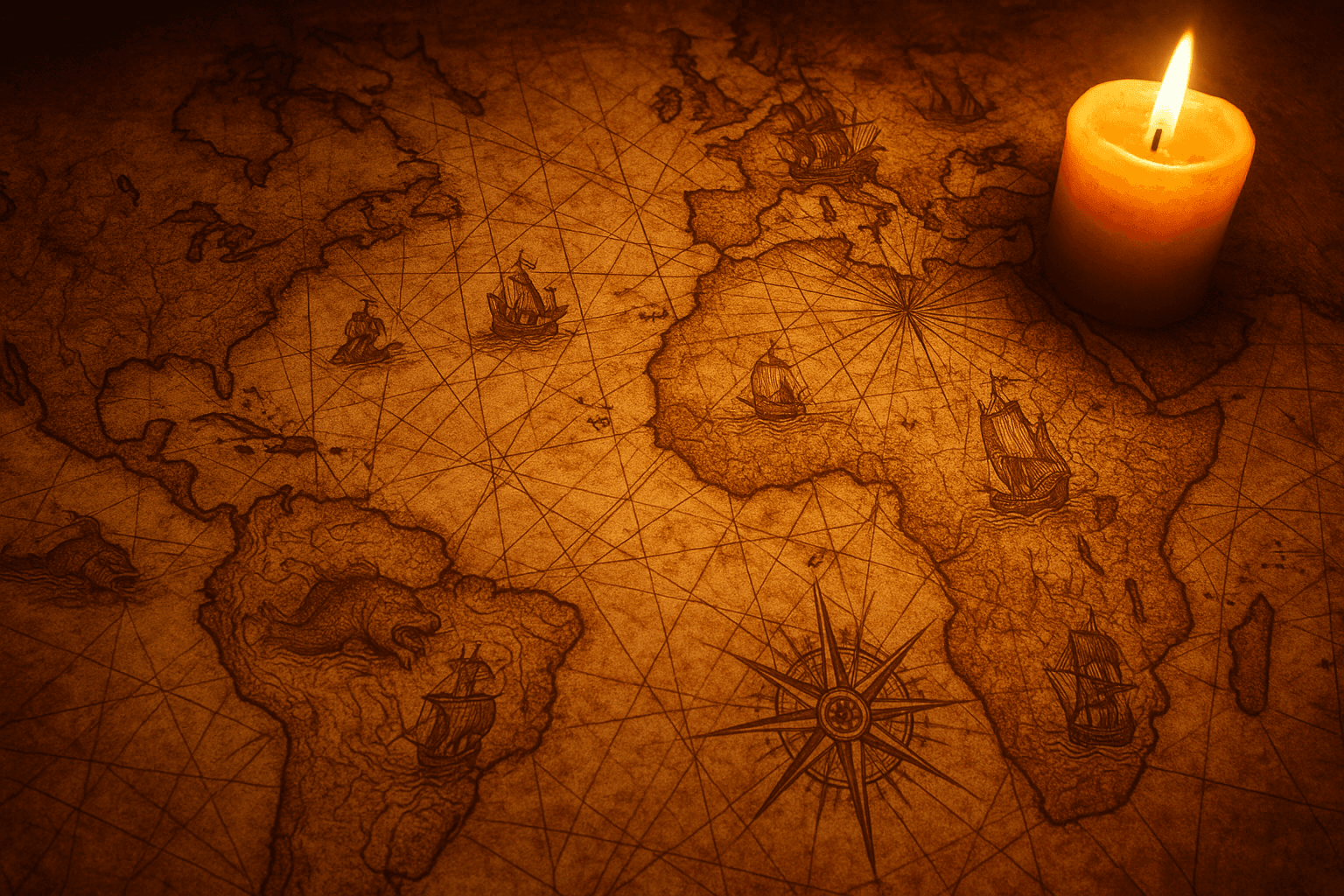
The Piri Reis Map: What It Really Shows, and What It Doesn't
The 1513 Piri Reis map is cited as proof of an ice-free Antarctica. What an Ottoman admiral actually drew is more interesting than the myth.
Tires before rubber: the hard history of bumpy travel
Before the air-filled tire, travel meant wooden wheels with iron rims that jolted every bone. This is the story of rubber, from Goodyear to Michelin.
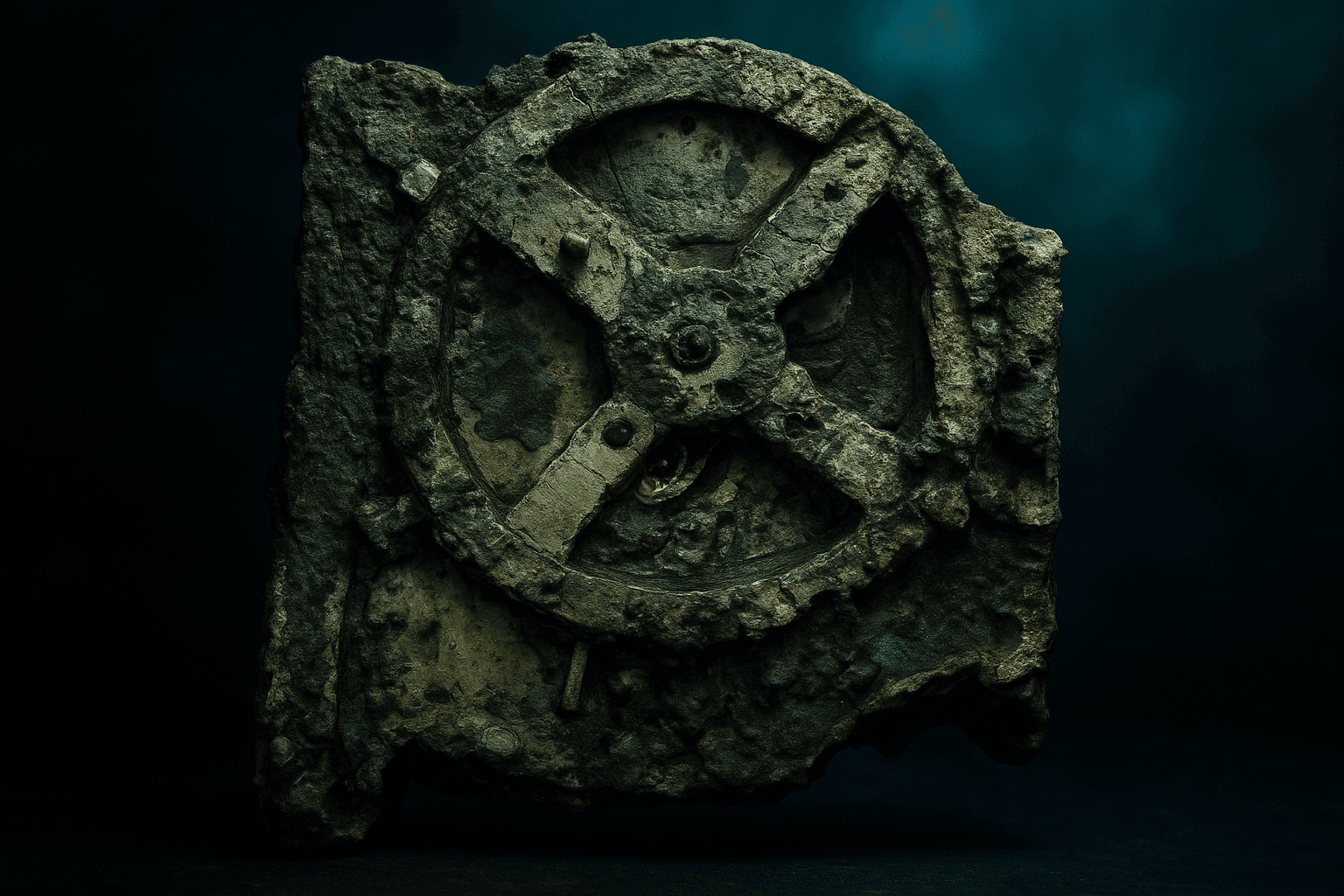
The Antikythera Mechanism: A 2,000-Year-Old Computer
The Antikythera mechanism is the oldest known analog computer: a bronze Greek machine, found in a shipwreck, that could predict eclipses 2,000 years ago.
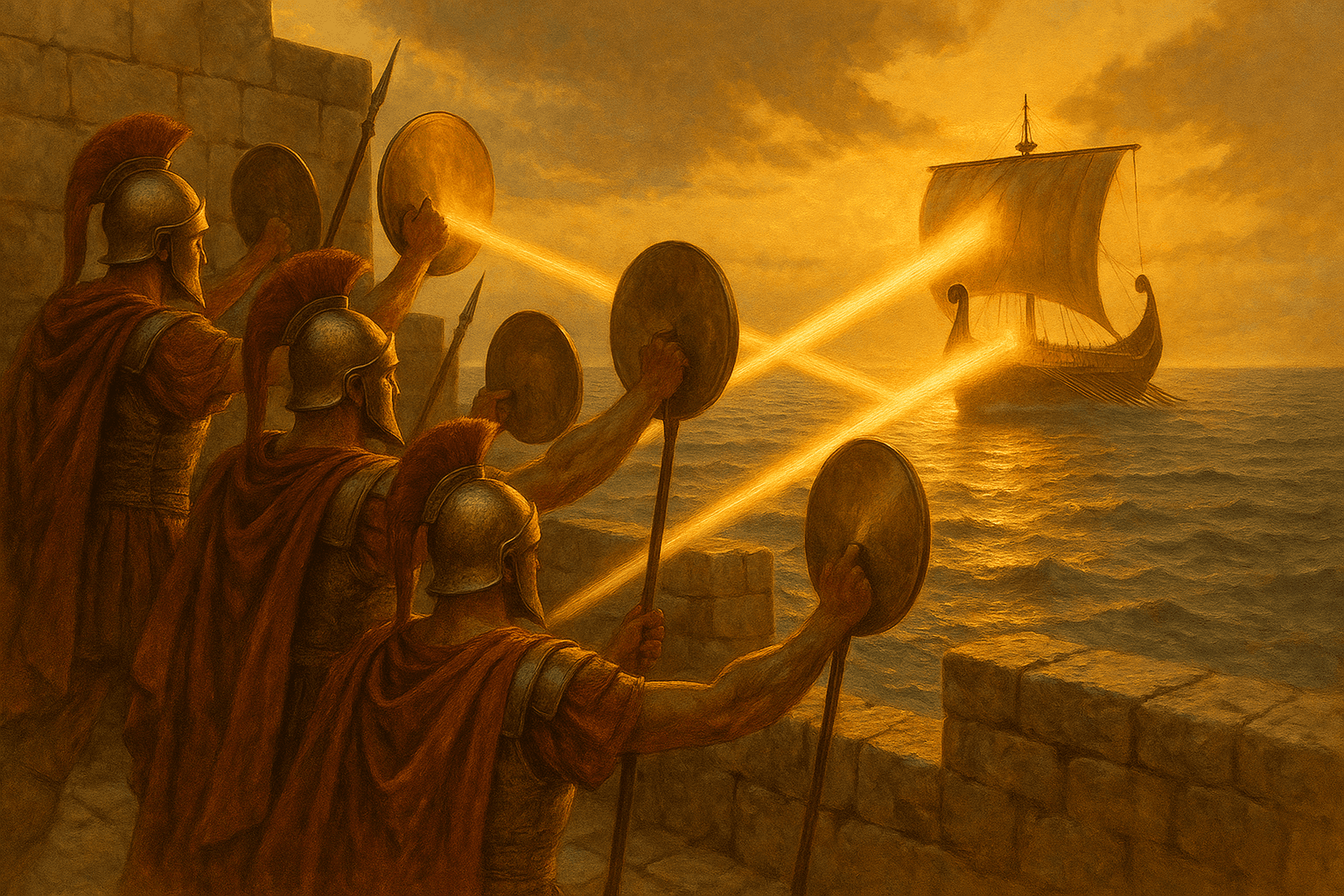
Archimedes' Death Ray: Myth or Real Weapon?
Did Archimedes really set the Roman fleet ablaze with mirrors at Syracuse? What the ancient sources and the MIT and MythBusters experiments reveal.

History of encebollado, Ecuador's fish stew
Encebollado was born on Guayaquil's docks as fishermen's food and is now Ecuador's national dish and the coast's most trusted hangover cure.
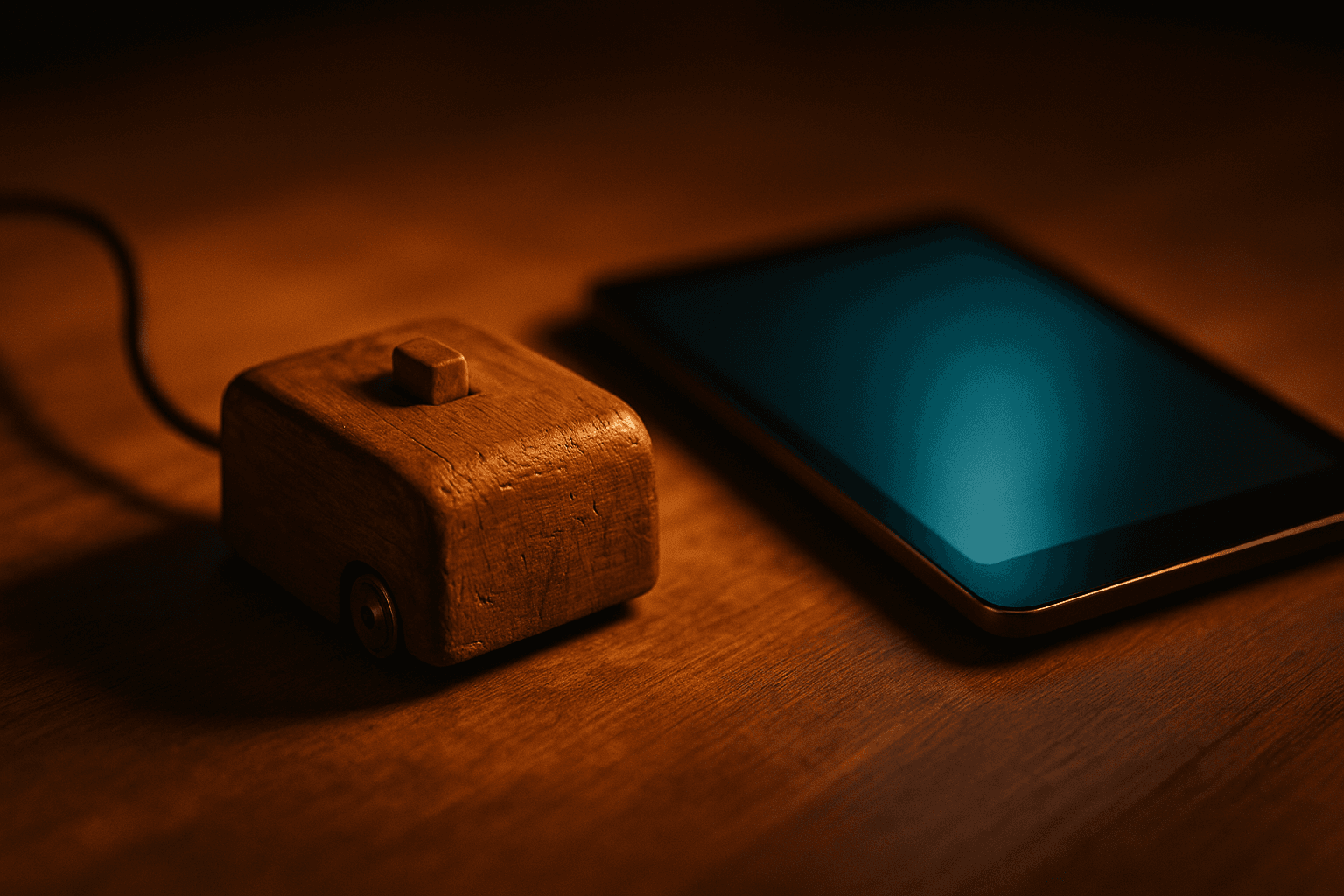
The History of the Mouse: From Wood Block to Gesture
The mouse was born in 1964 as a wooden block with two wheels. This is the story of how it went from a lab bench to your desk and then vanished.
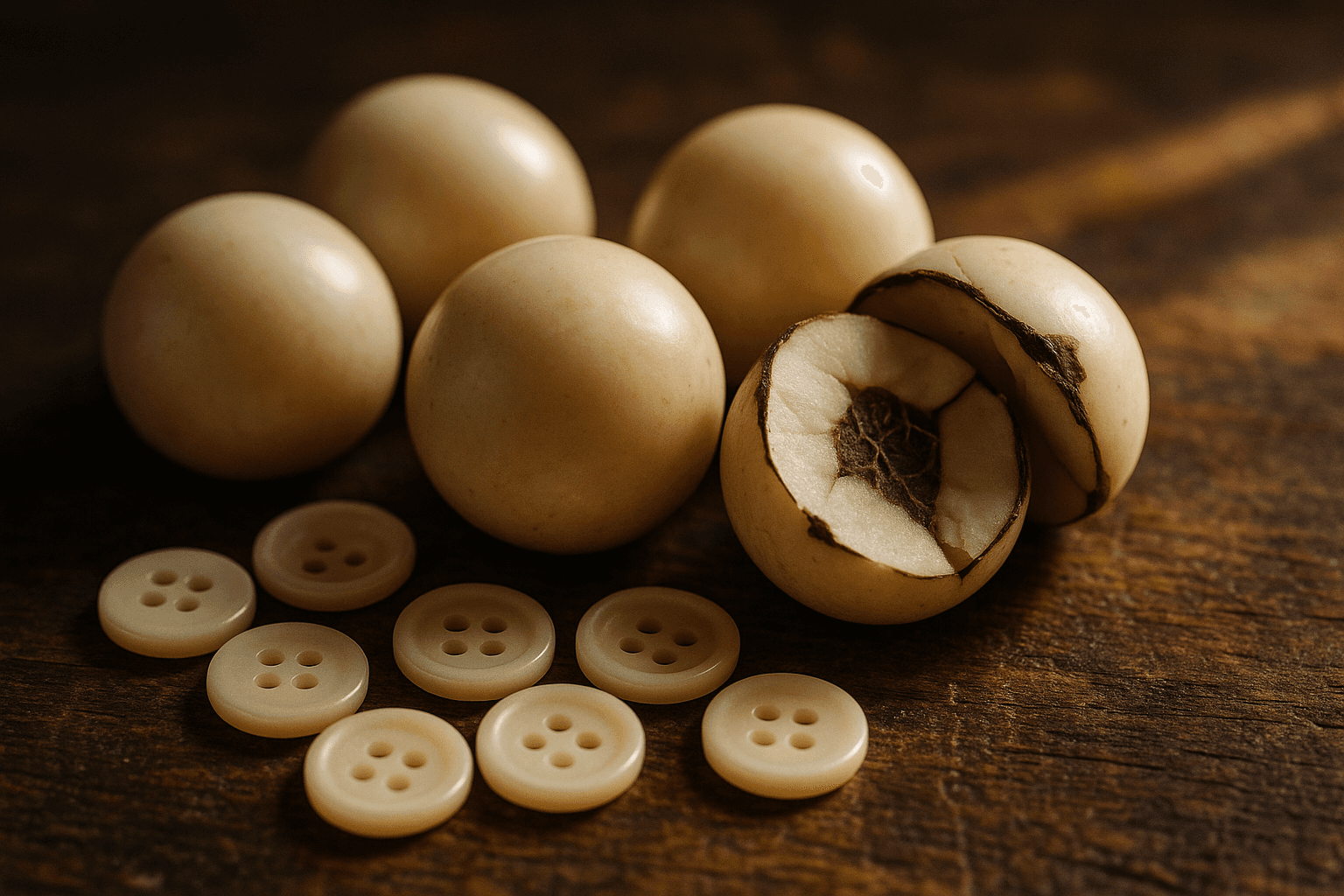
Tagua: the Vegetable Ivory That Buttoned Europe
Tagua, the seed of an Ecuadorian palm, mimicked ivory and buttoned the world's clothes for decades, until cheap plastic pushed it aside almost overnight.
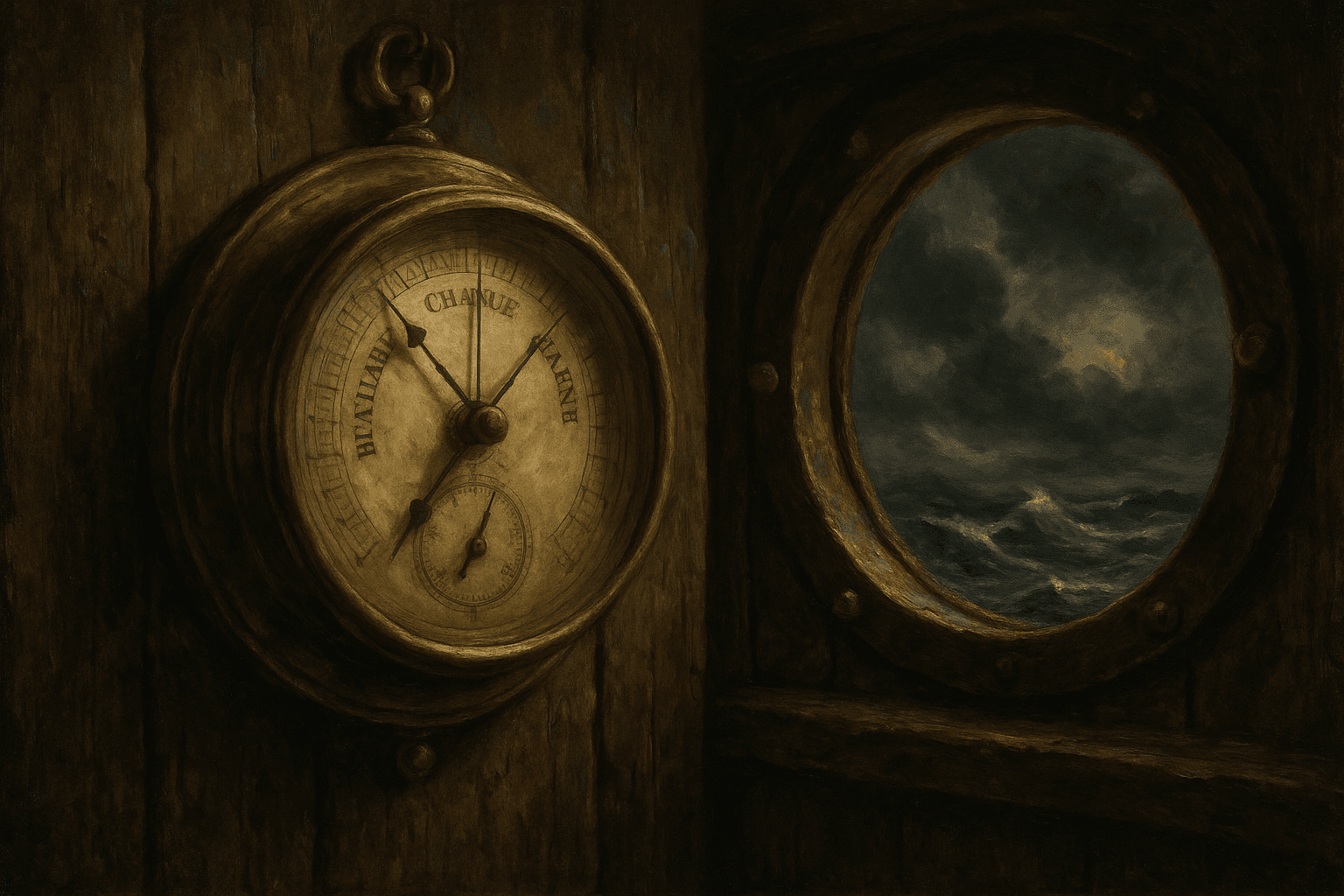
The Barometer and the Storm: How We Weigh the Air
The barometer was born to prove that air has weight and ended up predicting storms. The story of Torricelli, Pascal and FitzRoy against bad weather.
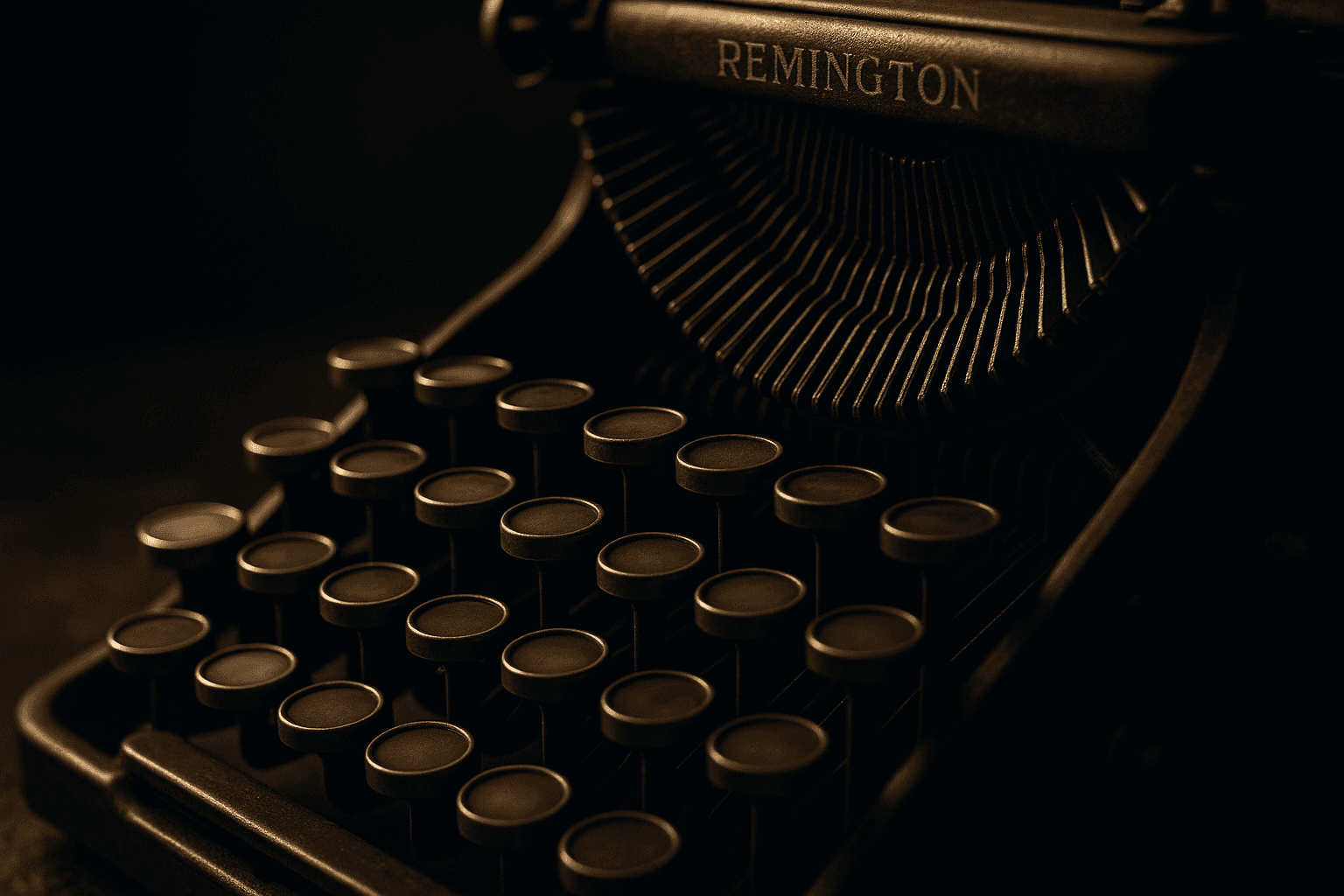
Why the QWERTY Keyboard Outlived All Its Rivals
The QWERTY keyboard was fixed in 1873 for typewriters that no longer exist. This is the story of why we still use it despite everything.
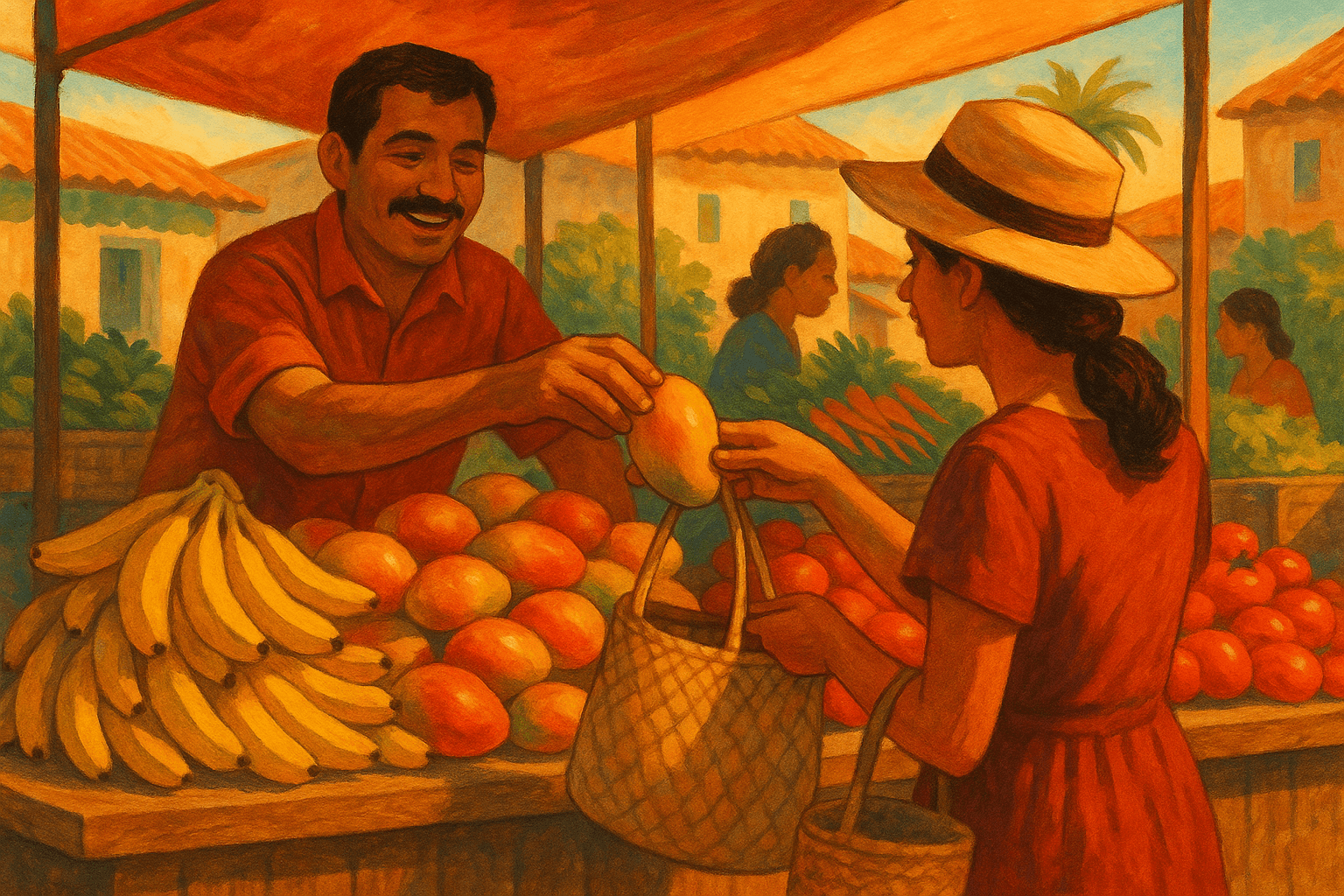
The Origin of “Ñapa”: From Quechua to Lagniappe
Where does the word ñapa come from? From Quechua yapa, “something added.” The story of the market freebie that traveled to Louisiana and became lagniappe.
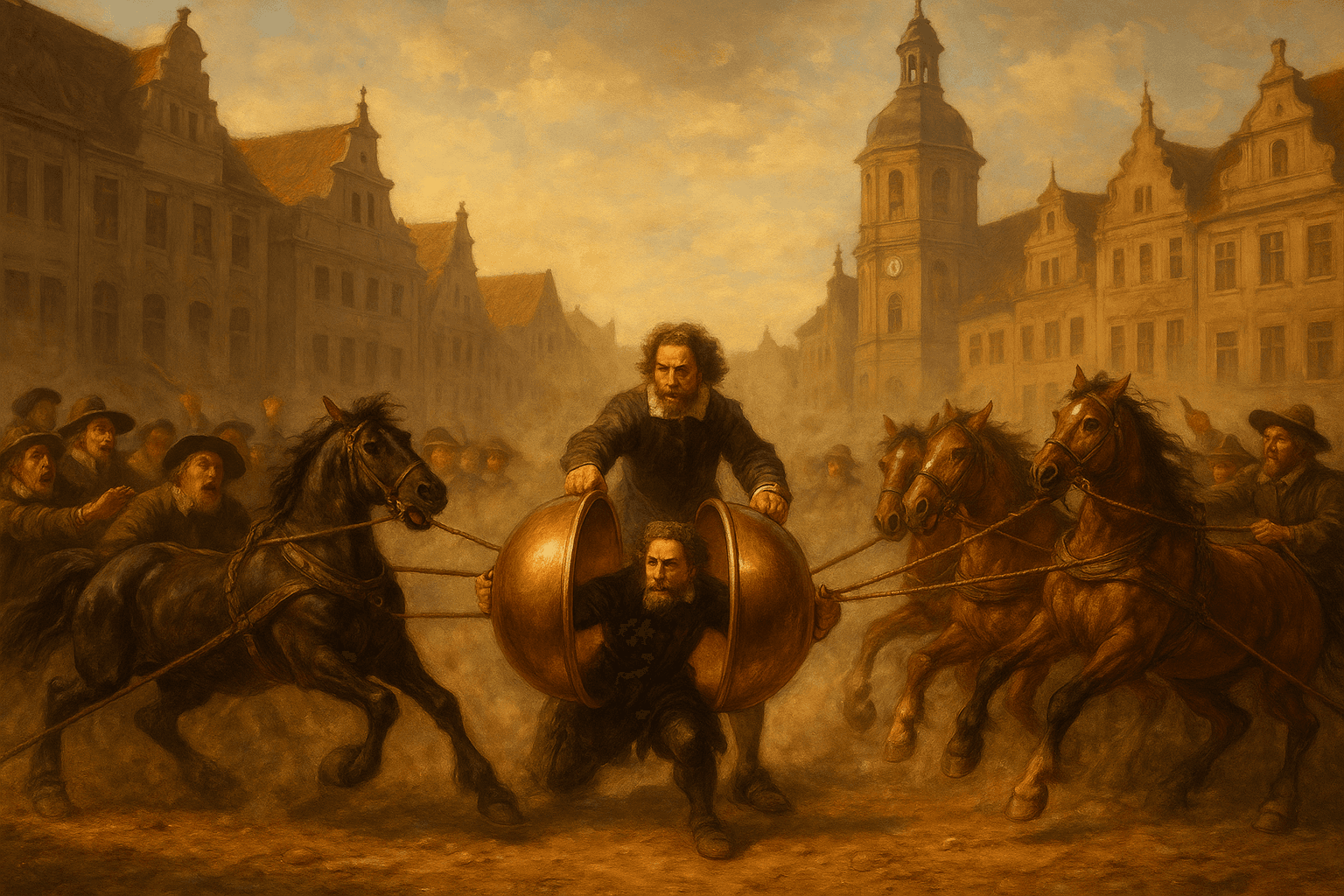
The Vacuum Pump That Made Modern Science Possible
Otto von Guericke's vacuum pump proved air has weight with horses that couldn't pull two hemispheres apart. How the modern vacuum was born.

The Origin of Unix: Why It Lives in Your Phone
Unix was born in 1969 on a forgotten Bell Labs computer. Today its descendants run your phone, your Mac and nearly every server on Earth.
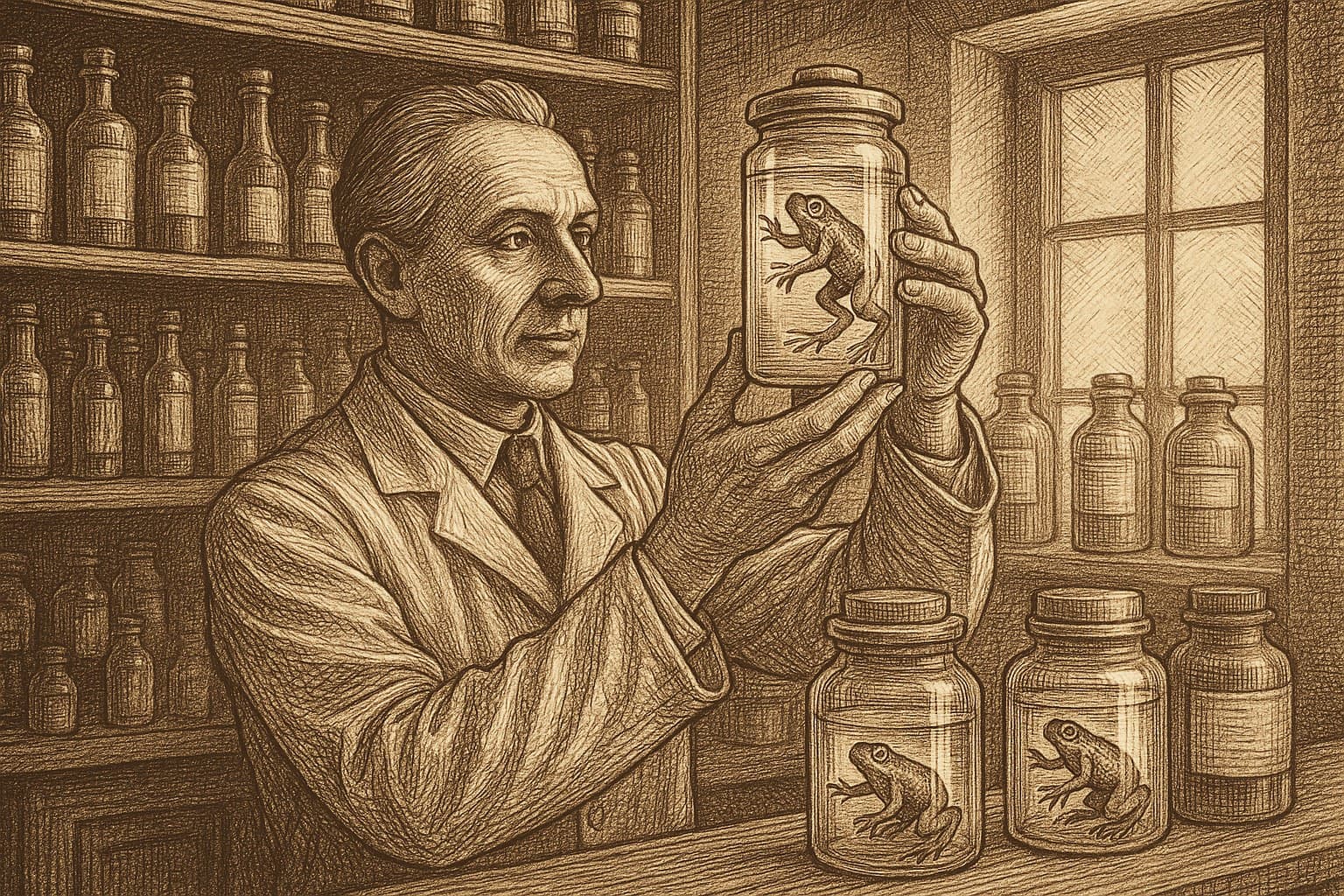
When the Pregnancy Test Was a Frog
For decades, pharmacies kept their own frogs: if a client's urine made one ovulate, she was pregnant. And it worked 95% of the time.
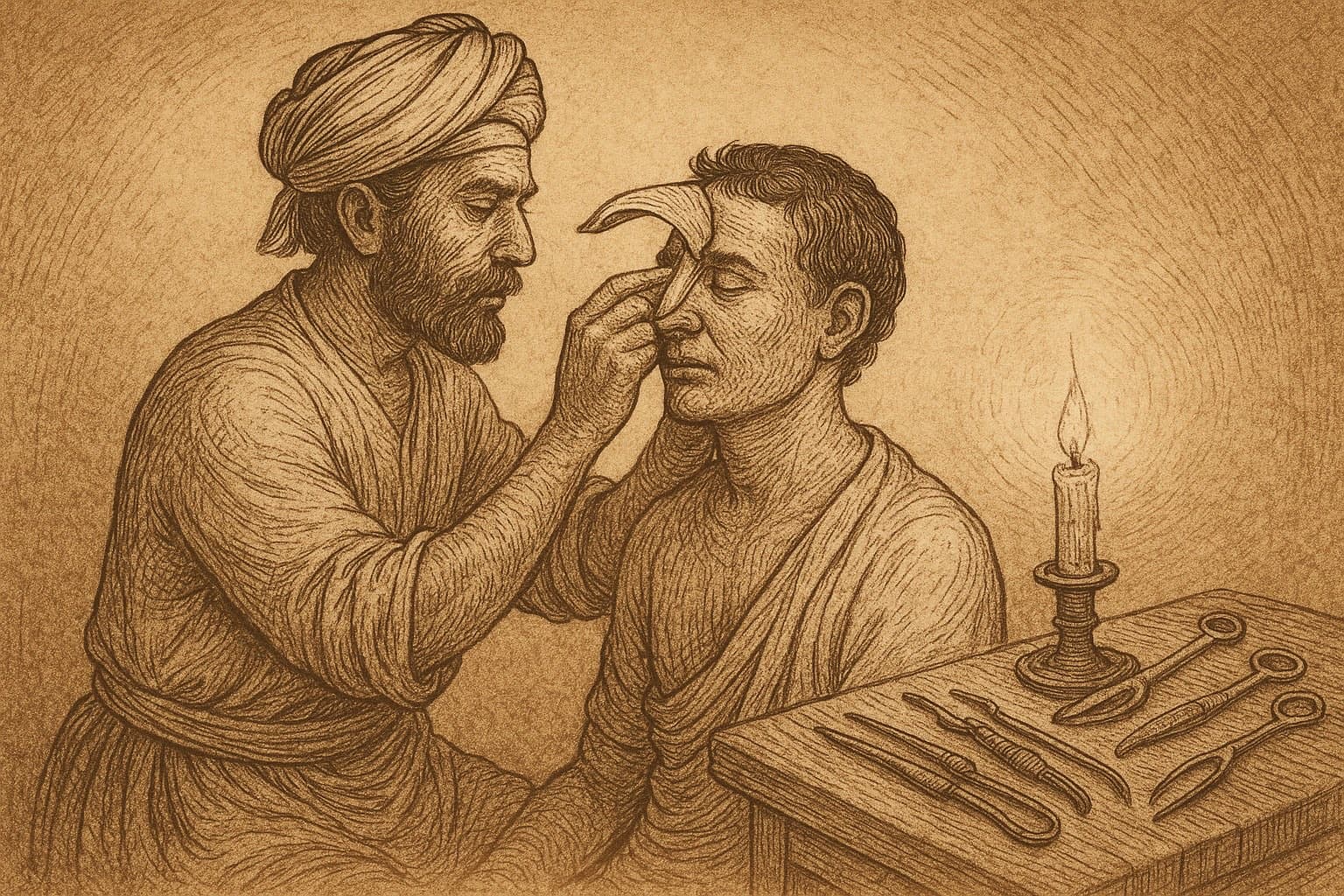
Rhinoplasty: Plastic Surgery Is Older Than You Think
Rhinoplasty was born in India more than 2,500 years ago to rebuild noses cut off as punishment. That is how plastic surgery began.
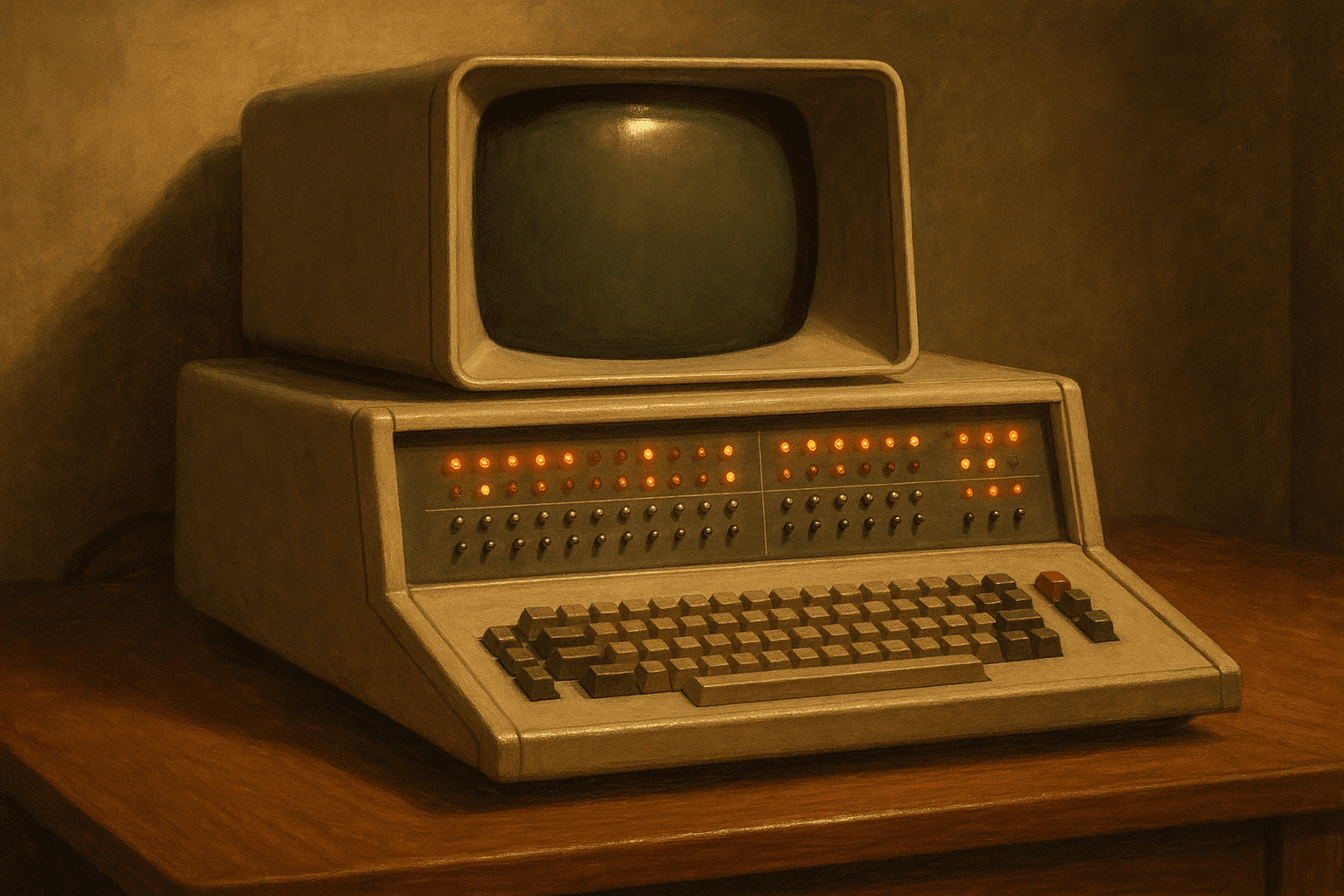
The First Personal Computer Wasn't the One You Think
Almost everyone credits the 1975 Altair as the first personal computer, but several came earlier: from Olivetti in 1965 to the Kenbak-1 in 1971.
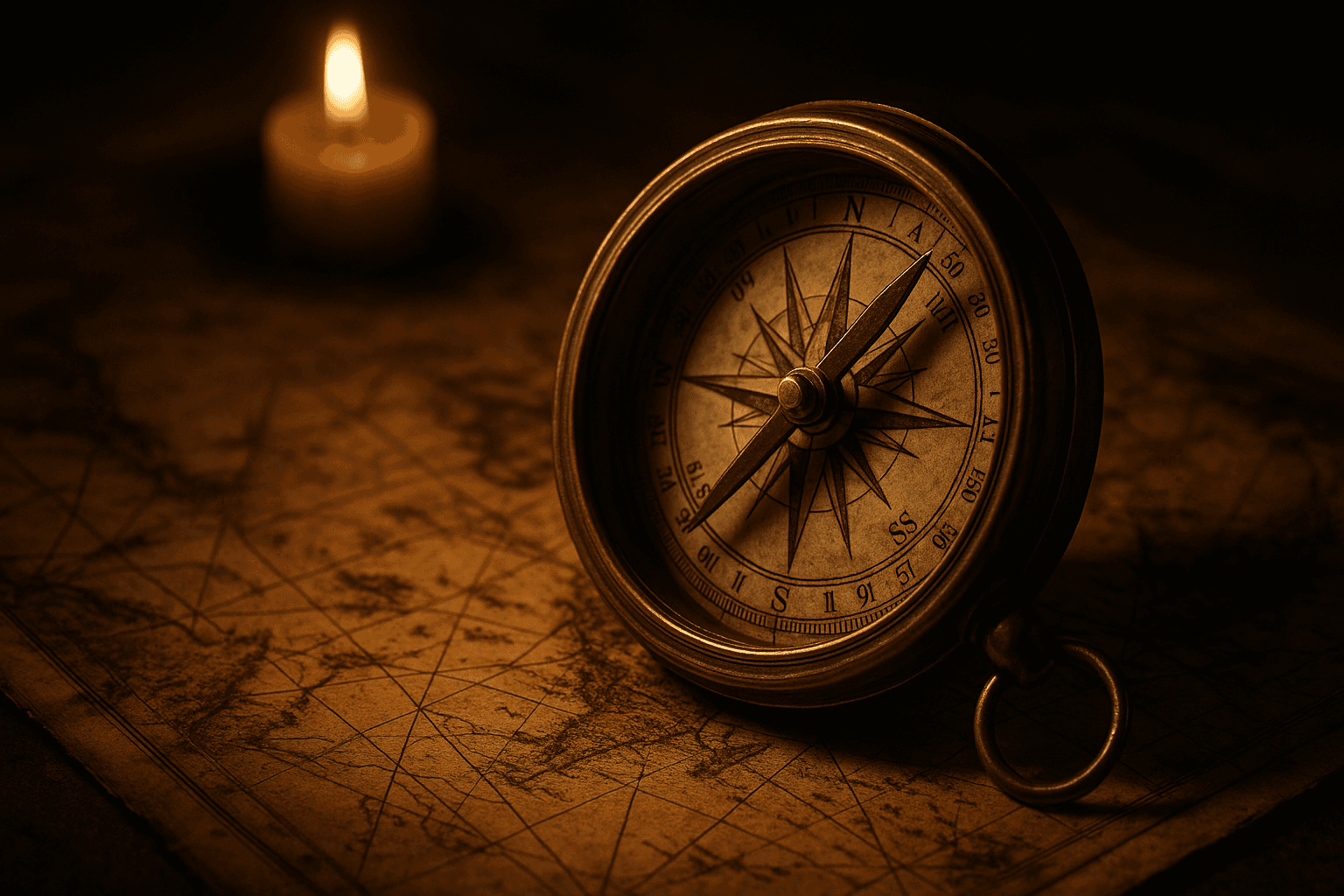
The History of the Compass: From Lodestone to GPS
The history of the compass, from the Chinese lodestone that pointed south to the GPS in your phone: how we learned to find our way without the sky.
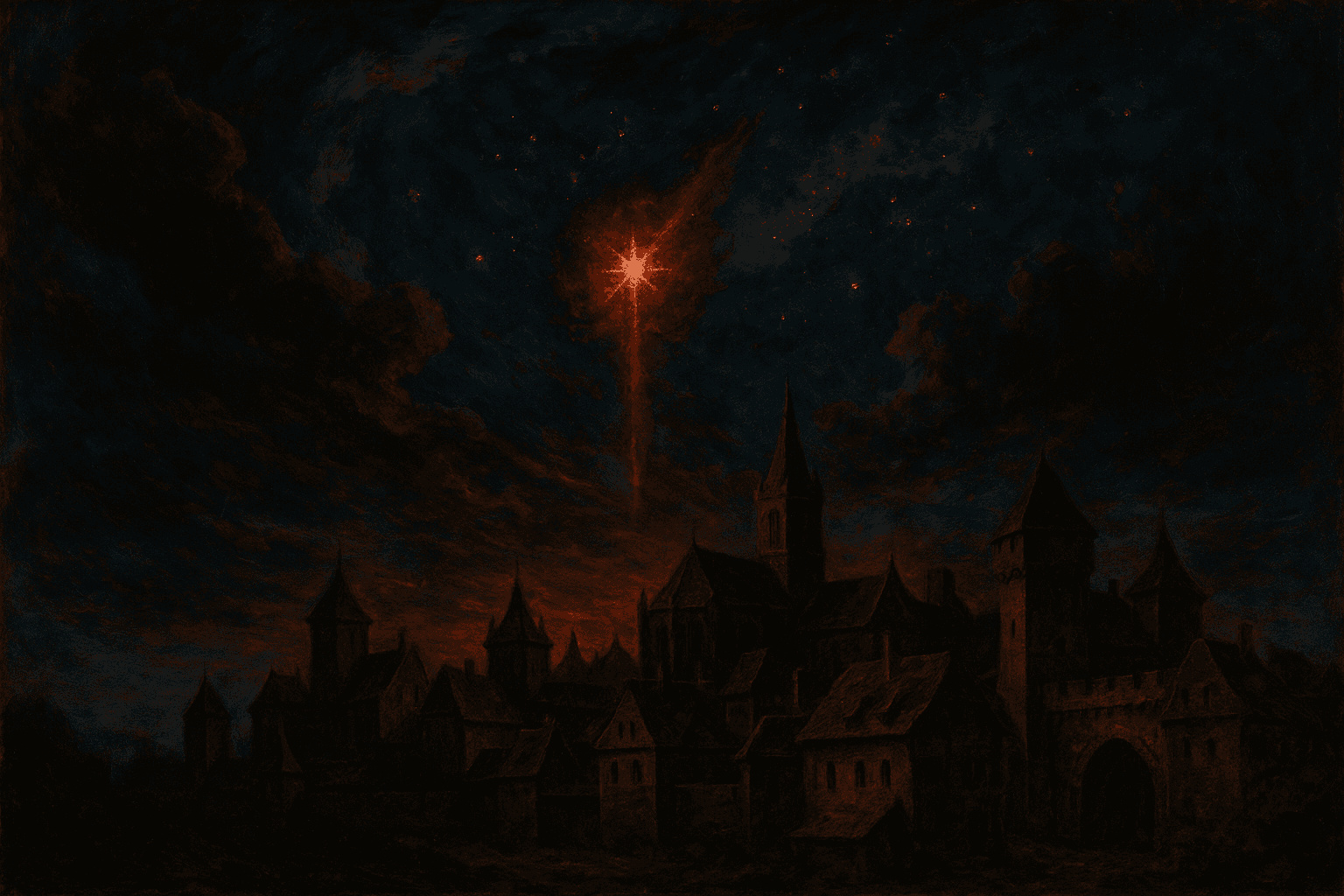
The Origin of the Word “Disaster”: A Bad Star
Where does the word disaster come from? From astrology: dis- “bad” plus astrum “star.” A disaster was, literally, the fault of an ill-placed star.
The Origin of “Ojalá”: God Willing, in Arabic
Where does the Spanish word ojalá come from? From Andalusi Arabic law šá lláh, “if God wills it.” A Muslim prayer hidden inside everyday Spanish.
The Origin of the Word “Salary”: Salt and Soldiers
Where does the word salary come from? From Roman salt. But the idea that soldiers were paid in salt is more myth than actual history.
The War of the Currents: Edison vs. Tesla
In the late 19th century Edison, Tesla and Westinghouse fought the war of the currents to decide whether the world would run on direct or alternating current.
Grace Hopper and the True Origin of the Computer Bug
On September 9, 1947 a moth got stuck in the Mark II. But Grace Hopper didn't coin the word bug: Edison was already using it back in 1878.
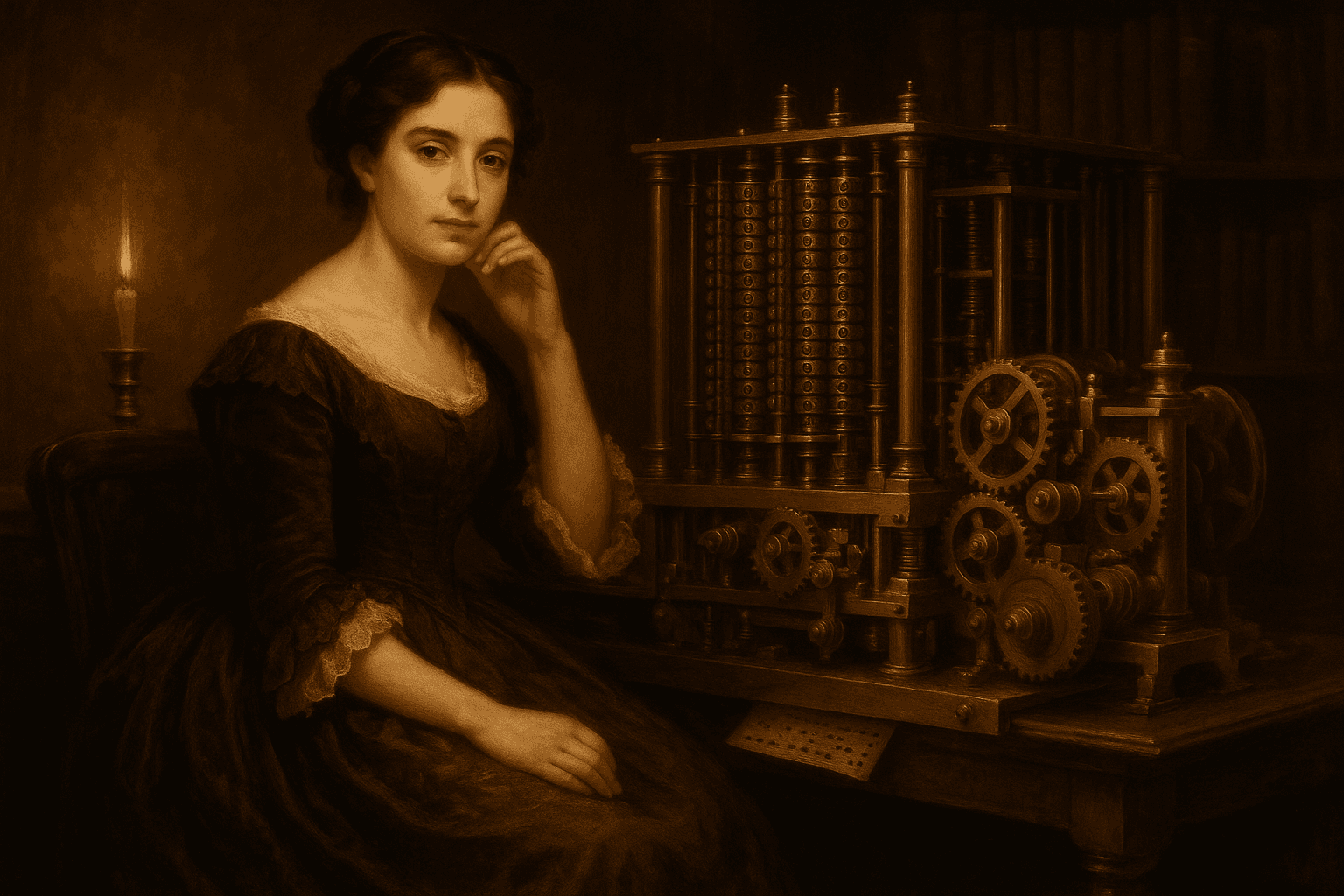
Ada Lovelace and the First Program Never Run
In 1843 Ada Lovelace wrote history's first algorithm for a machine that was never built. This is the story of the first computer program, a century early.

Alfonso Graña, the Spaniard who became king of an Amazon tribe
Alfonso Graña fled hunger in Galicia, vanished into the Amazon and ended up crowned king of the Jívaros of the Upper Marañón. The true story of Alfonso I.
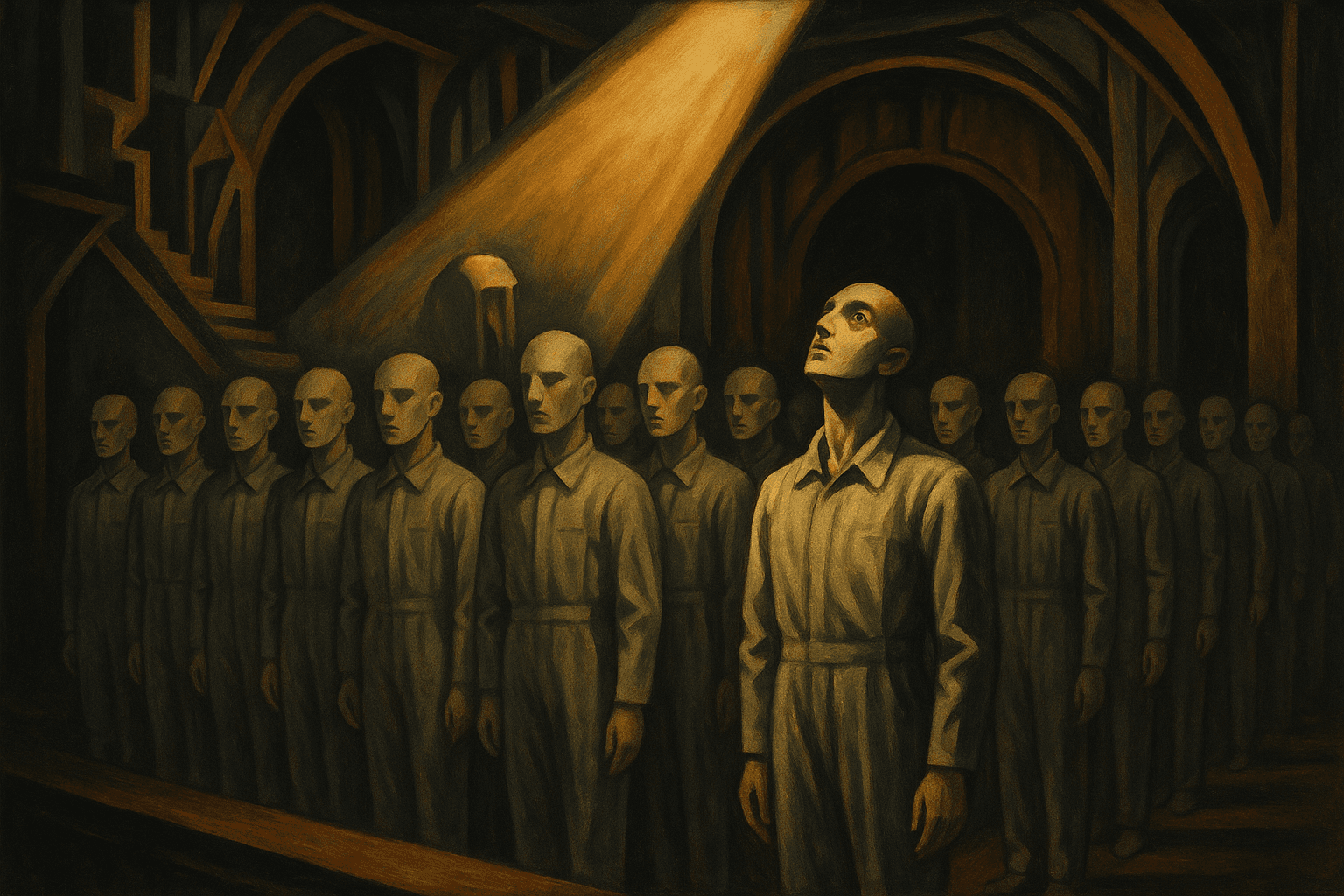
The Origin of the Word “Robot”: Born in a Czech Play
Where does the word robot come from? Czech writer Karel Čapek coined it in 1920 from robota, forced labor; and the idea was actually his brother Josef's.
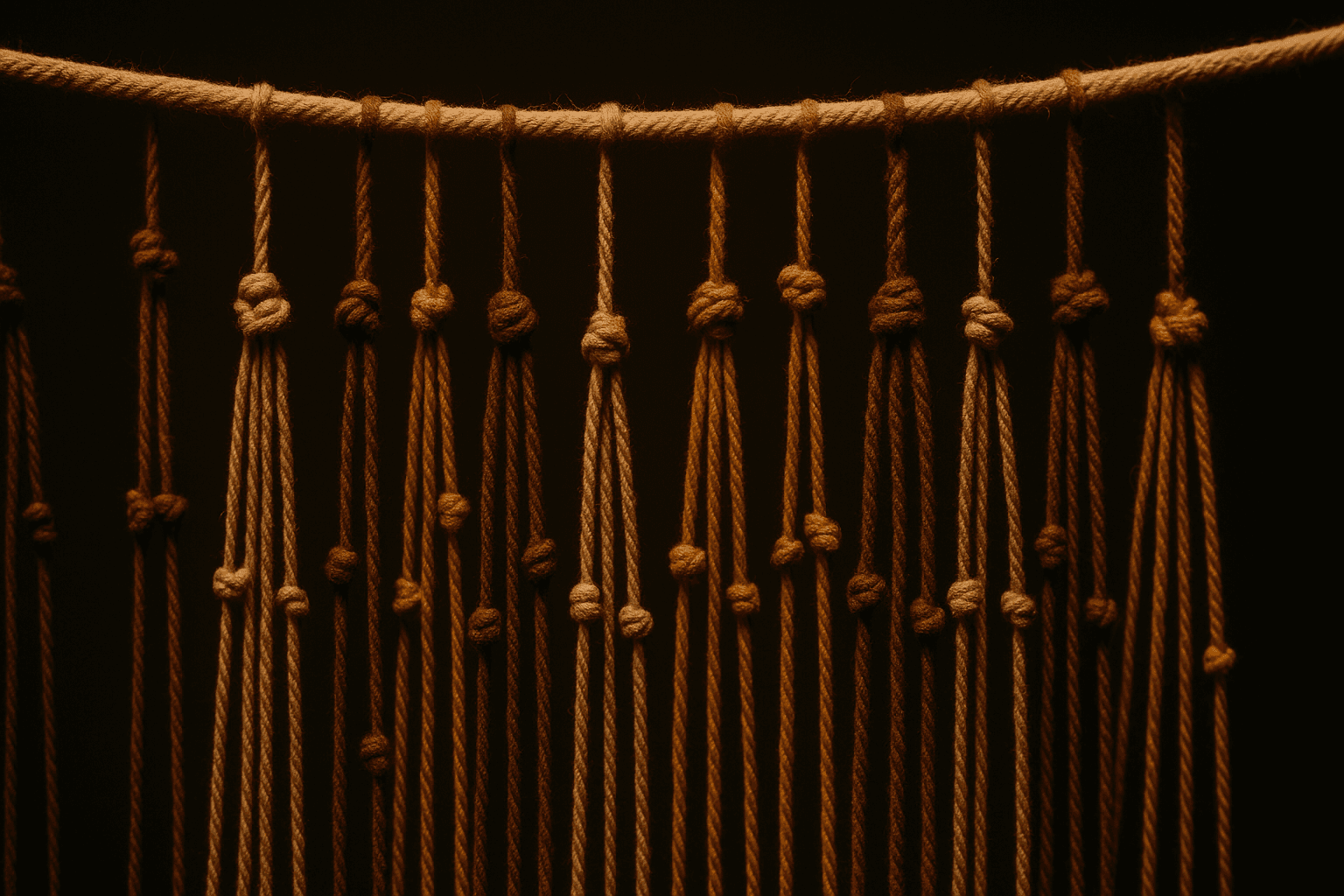
Inca Quipus: Accounting, Memory or Writing?
Inca quipus recorded data with knotted cords. Were they just accounting, a memory aid or a form of writing? Here is what scholars actually know today.
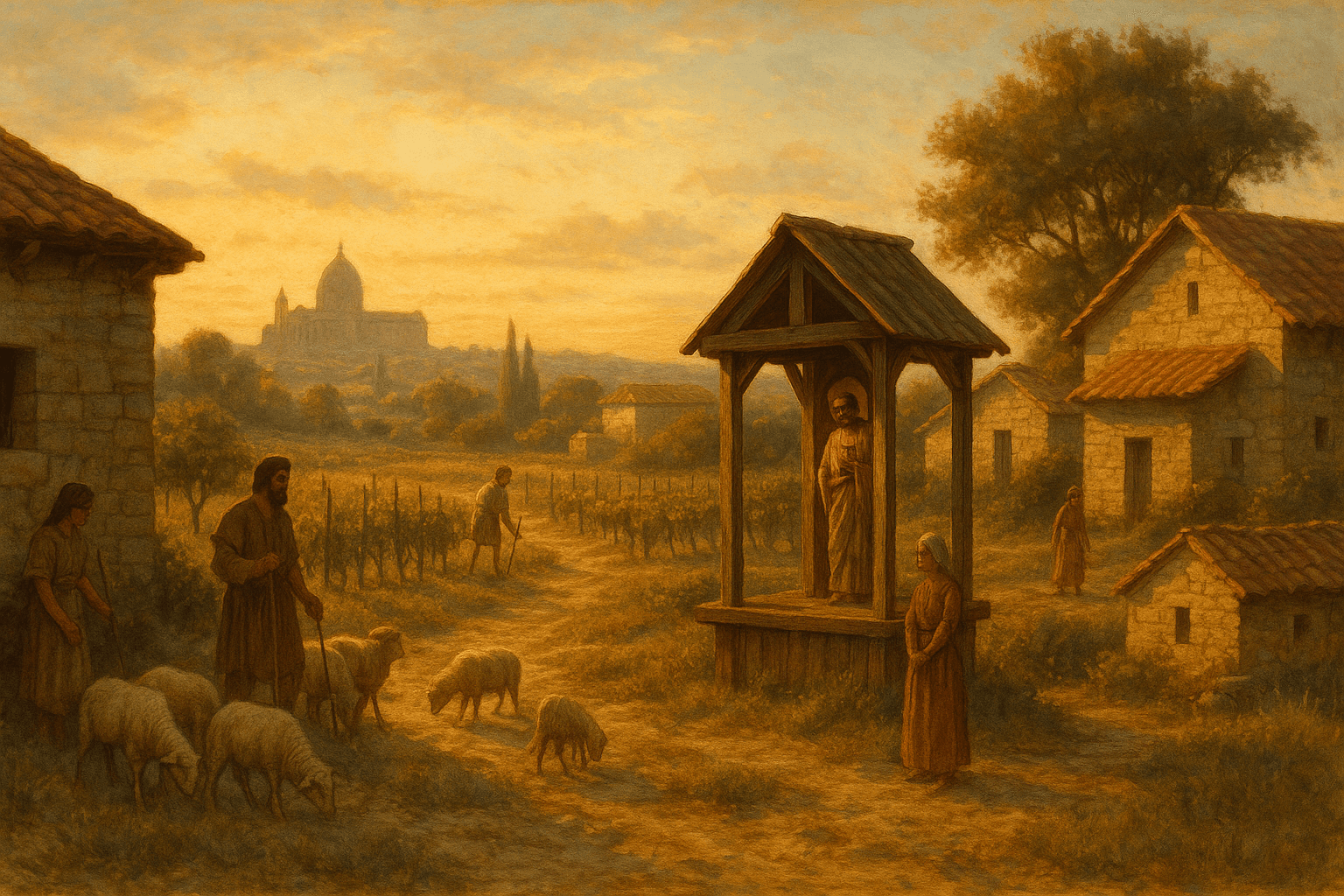
The Origin of the Word “Pagan”: From Villager to Heathen
Where does the word pagan come from? From Latin paganus, villager: the country folk who kept the old gods after the cities had turned Christian.
The Origin of the Word “Cretin”: From Christian to Insult
Where does the word cretin come from? From Latin christianus: it named the goitre sufferers of the Alps, a reminder that they were still people.
The Origin of “OK”: The World's Most Famous Abbreviation
Where does “OK” come from? The world's most-used word was born in 1839 as a newspaper joke in Boston: an abbreviation of “oll korrect.”
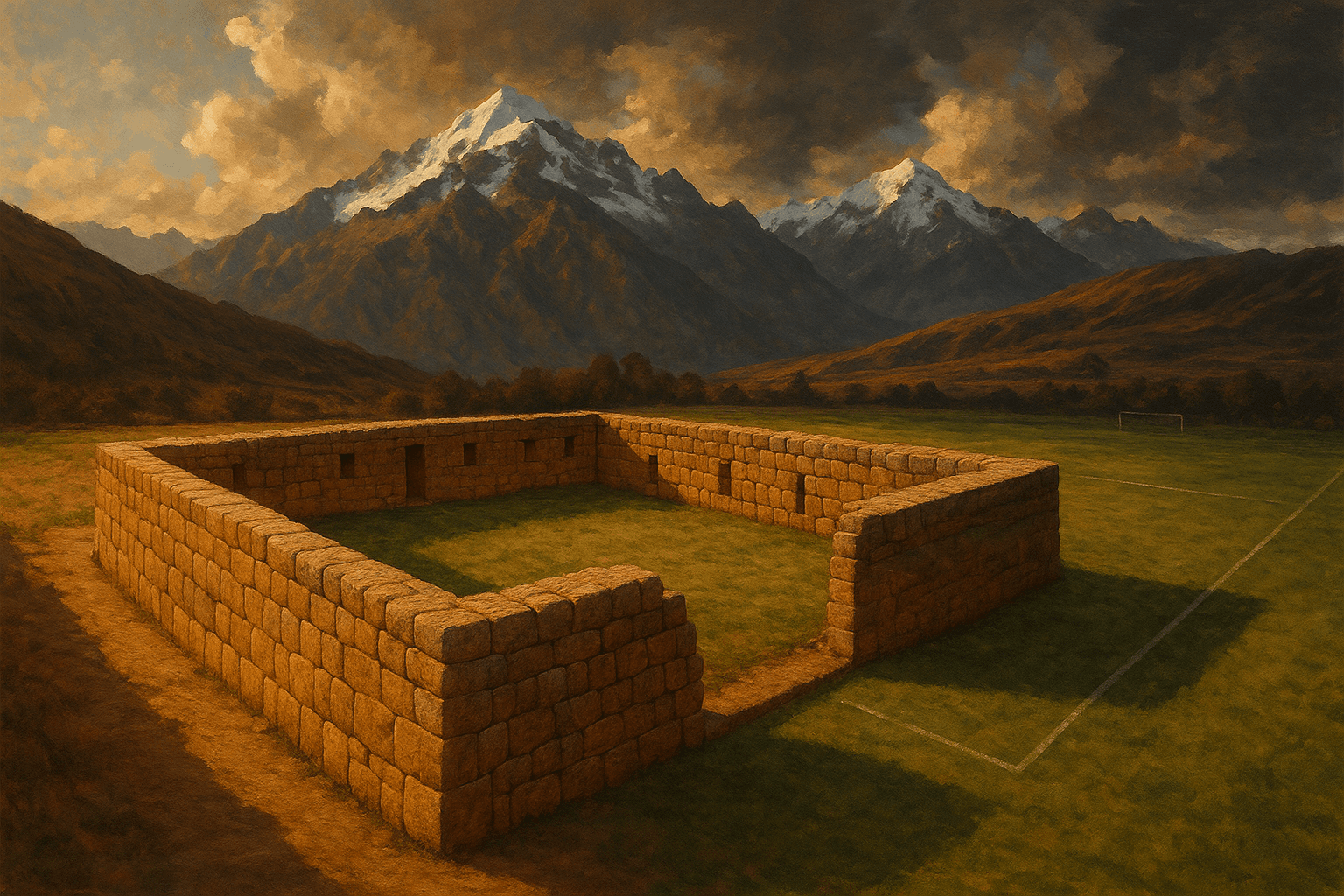
Cancha: from Inca enclosure to soccer field
«Cancha» comes from the Quechua kancha, the walled enclosure of the Incas. Here is how it went from temples and corrals to naming soccer fields across half the world.

Condor, puma and pampa: the Quechua we speak
Condor, puma and pampa come from Quechua, the language of the Incas. Here is how these and other Andean words reached Spanish, English and everyday speech.
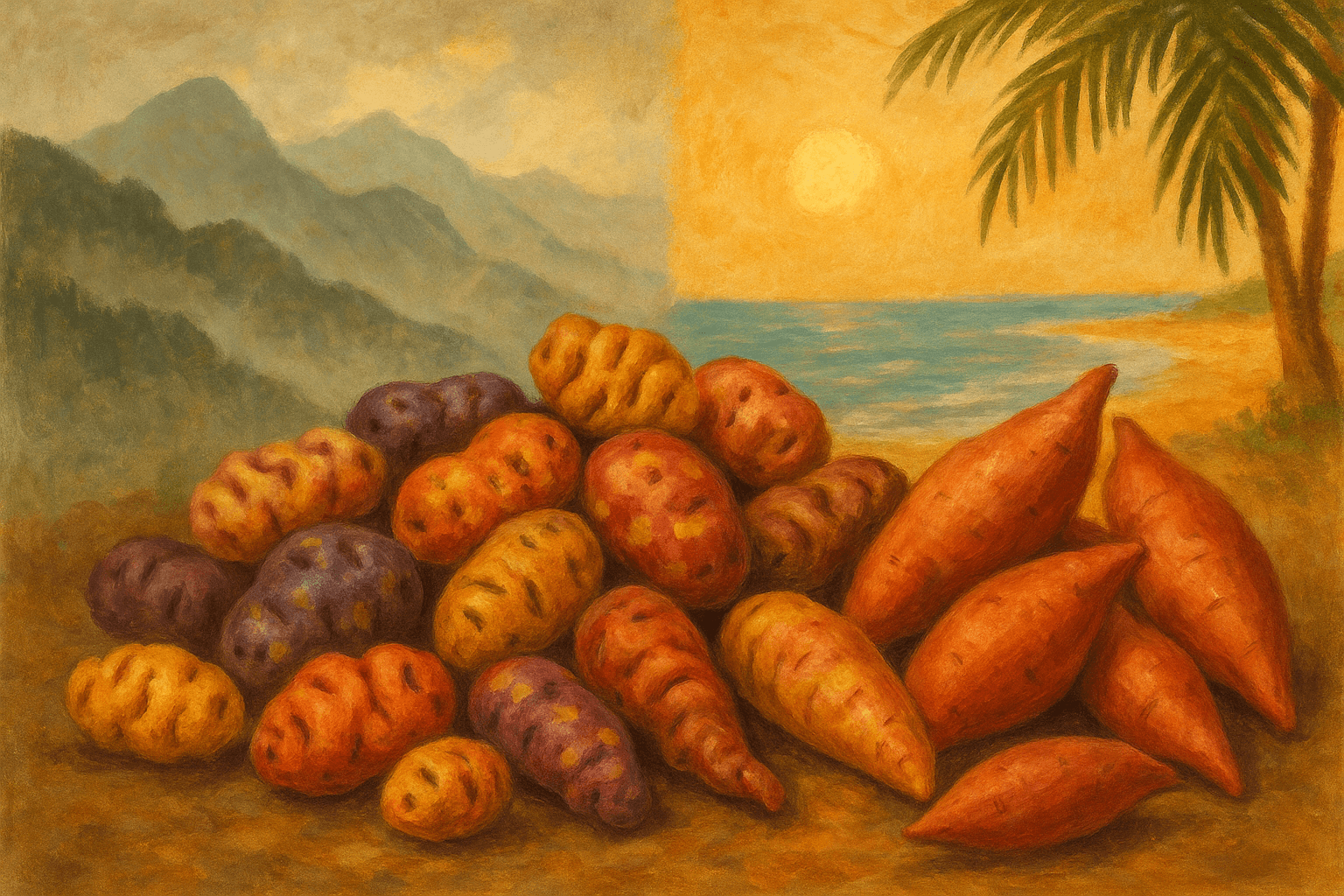
Potato, papa and batata: the great tuber mix-up
«Papa» comes from Andean Quechua and «batata» from Caribbean Taíno: two unrelated tubers that Europe blended into one word, potato.
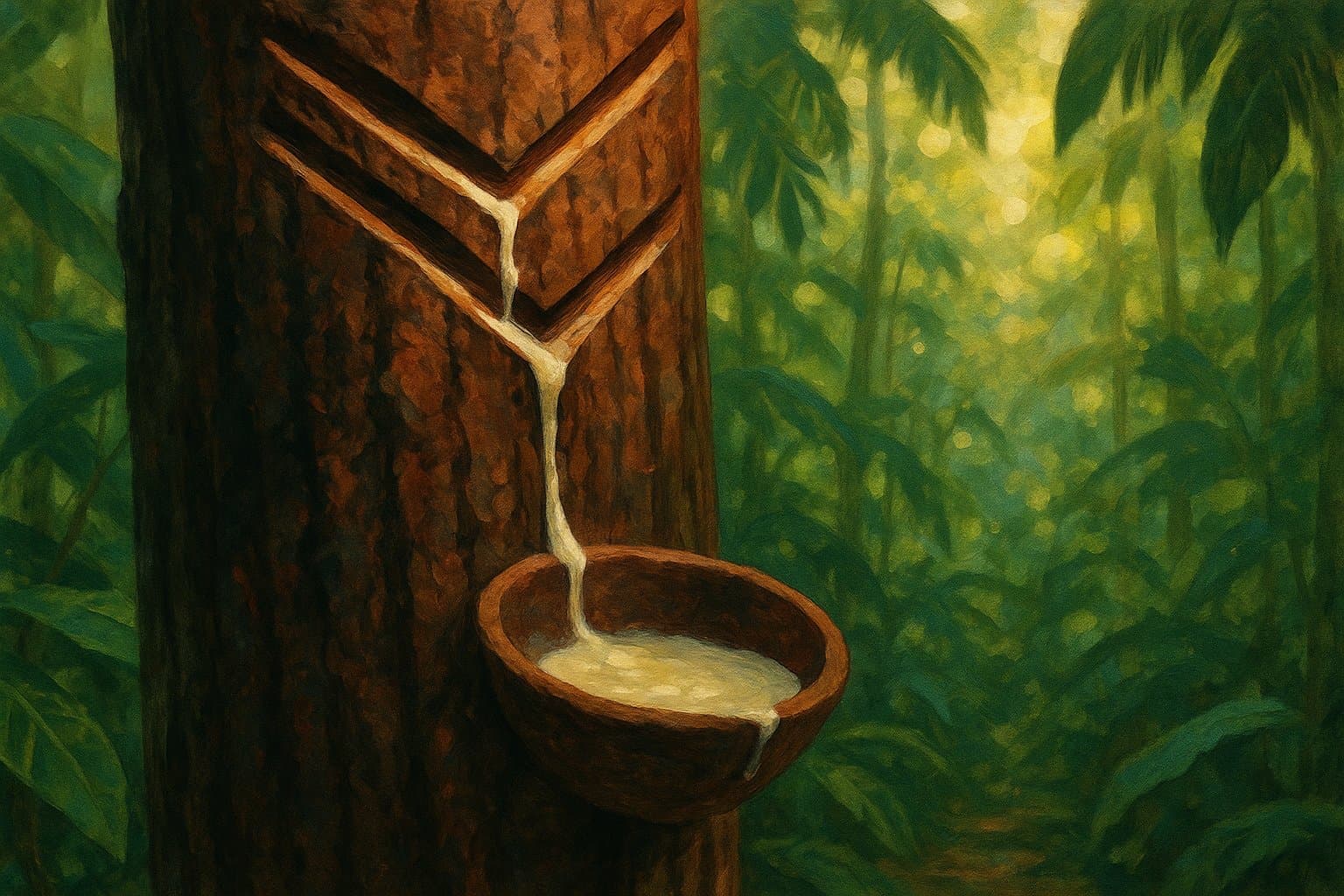
Chicle: the Maya resin behind your chewing gum
Chewing gum wasn't born in a factory: chicle was tree sap the Maya and Aztecs chewed for centuries before Wrigley ever wrapped it in pink paper.
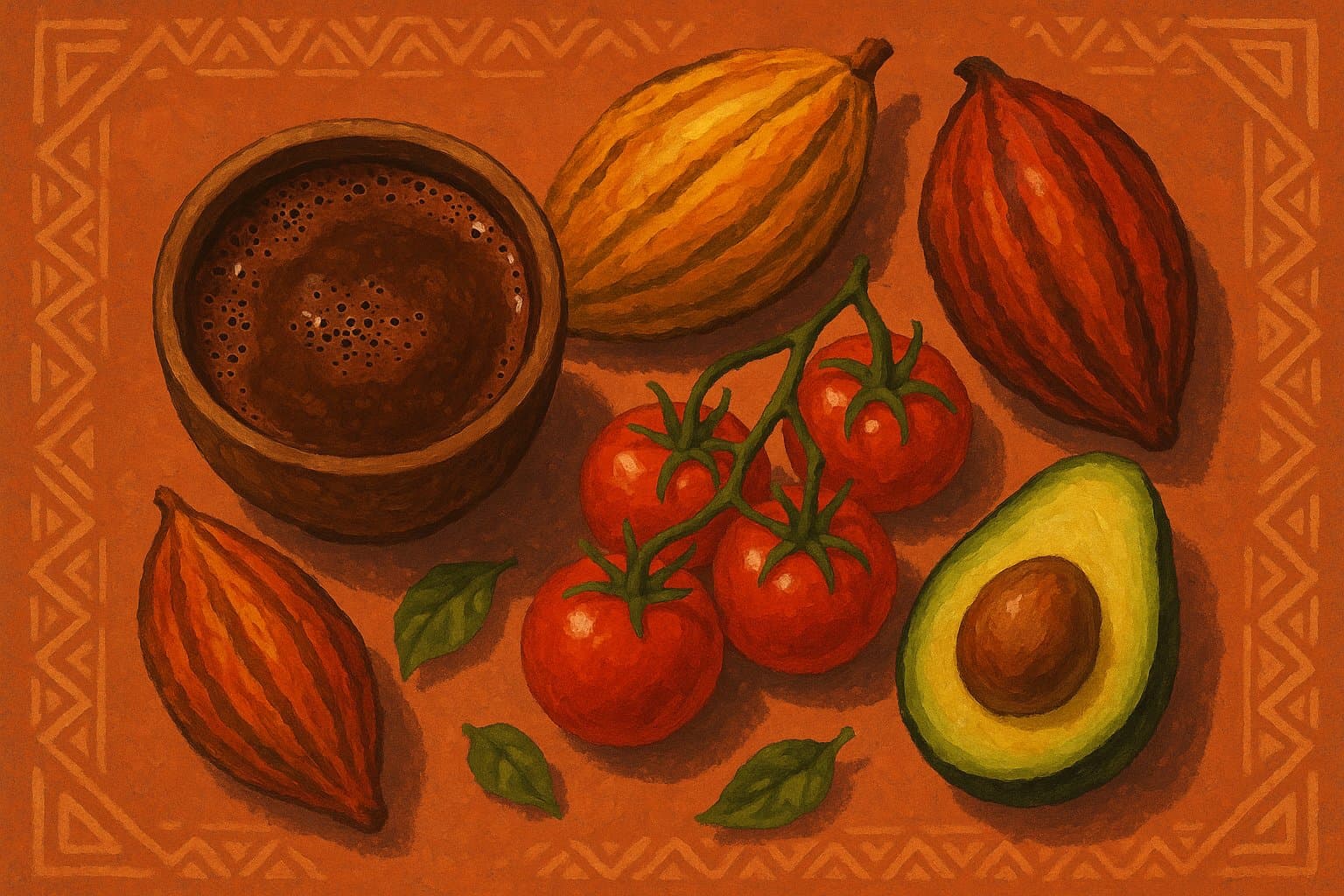
Chocolate, tomato, avocado: the Nahuatl we eat every day
Chocolate, tomato and avocado were born in Nahuatl, the language of the Aztecs. Here is how the words we eat every day reached your table and English.
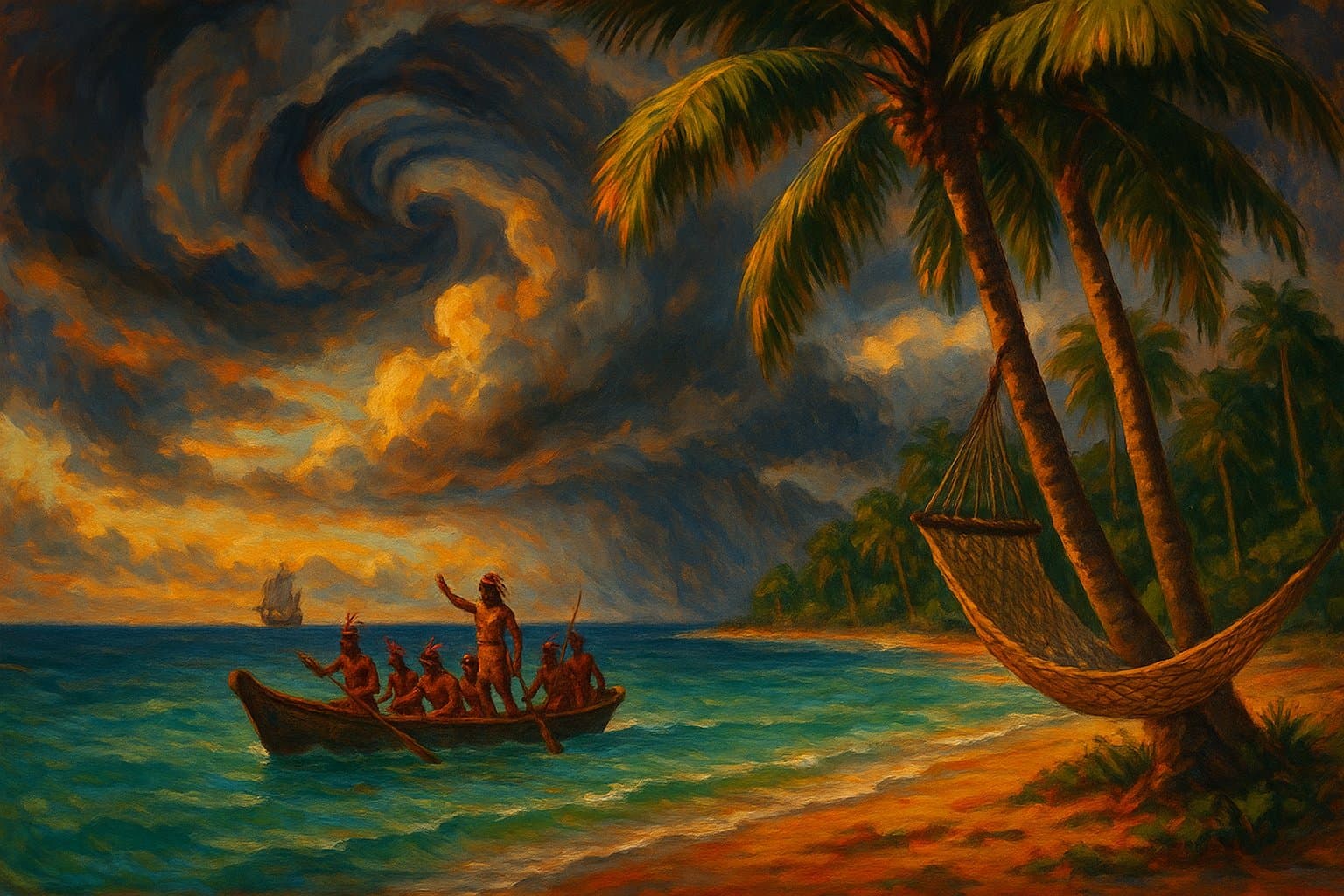
Hurricane, hammock, canoe: the first American words
Canoe, hurricane and hammock were the first words the Americas gave to Spanish and English. All three were born in Taíno, a now-extinct Caribbean tongue.
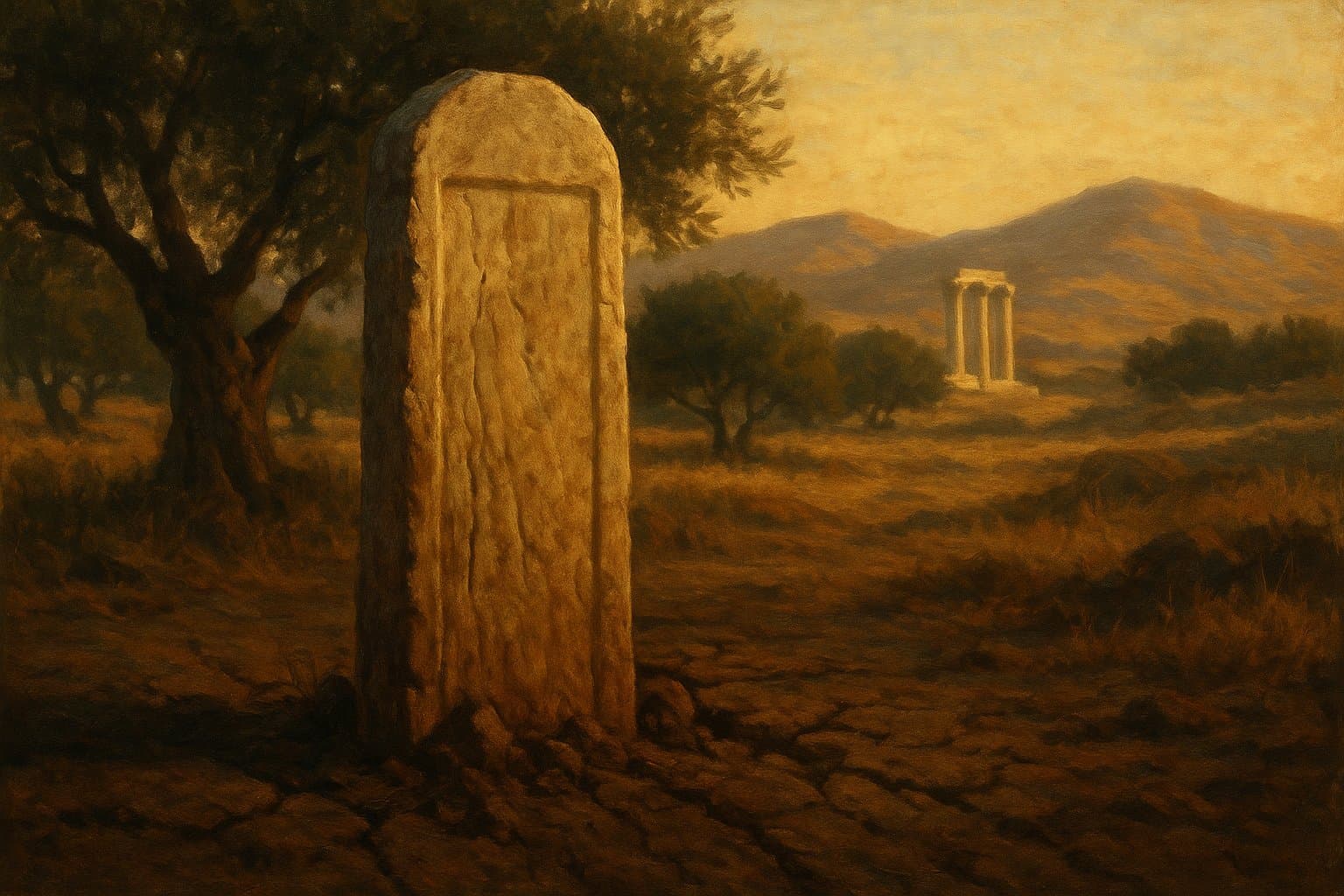
The Origin of the Word “Mortgage”: the Debtor’s Stone
Where does the word mortgage come from? From a French “dead pledge” and, further back, a Greek stone driven into a debtor’s land to mark the debt.

The Maya and Aztecs Made Paper Before Columbus
Centuries before Columbus, the Maya and Aztecs were making bark paper: amate, the skin of the codices the conquistadors would later burn.

Dog Days: the Sky-Dog That Brings the Heat
Where do the 'dog days' come from? From Latin canicula, 'little dog': the name of Sirius, the Dog Star the Romans blamed for summer's fiercest heat.
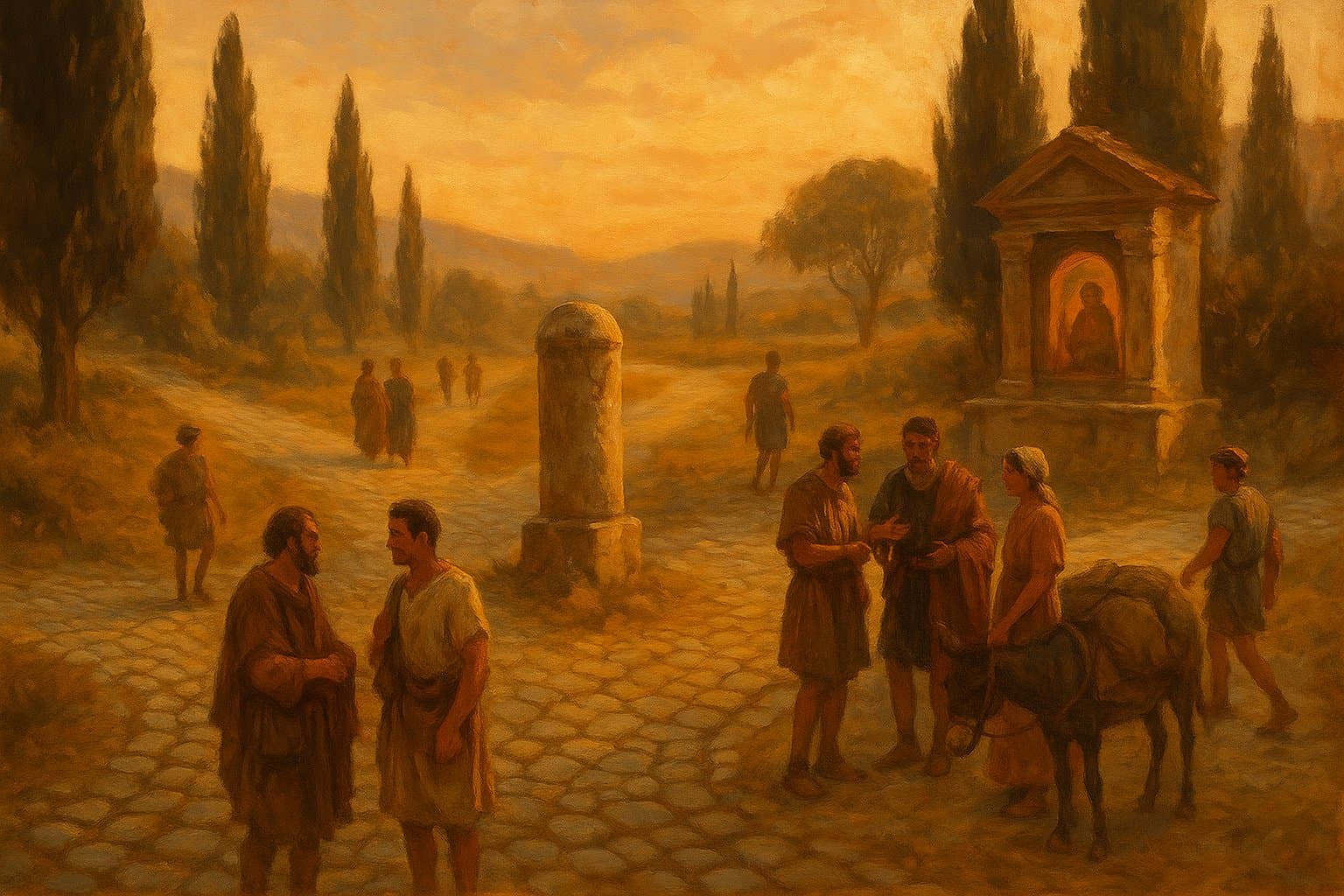
The Origin of the Word “Trivial”: Where Three Roads Met
Where does the word trivial come from? From Latin trivium, the meeting of three roads where people gathered to chat about common, everyday things.
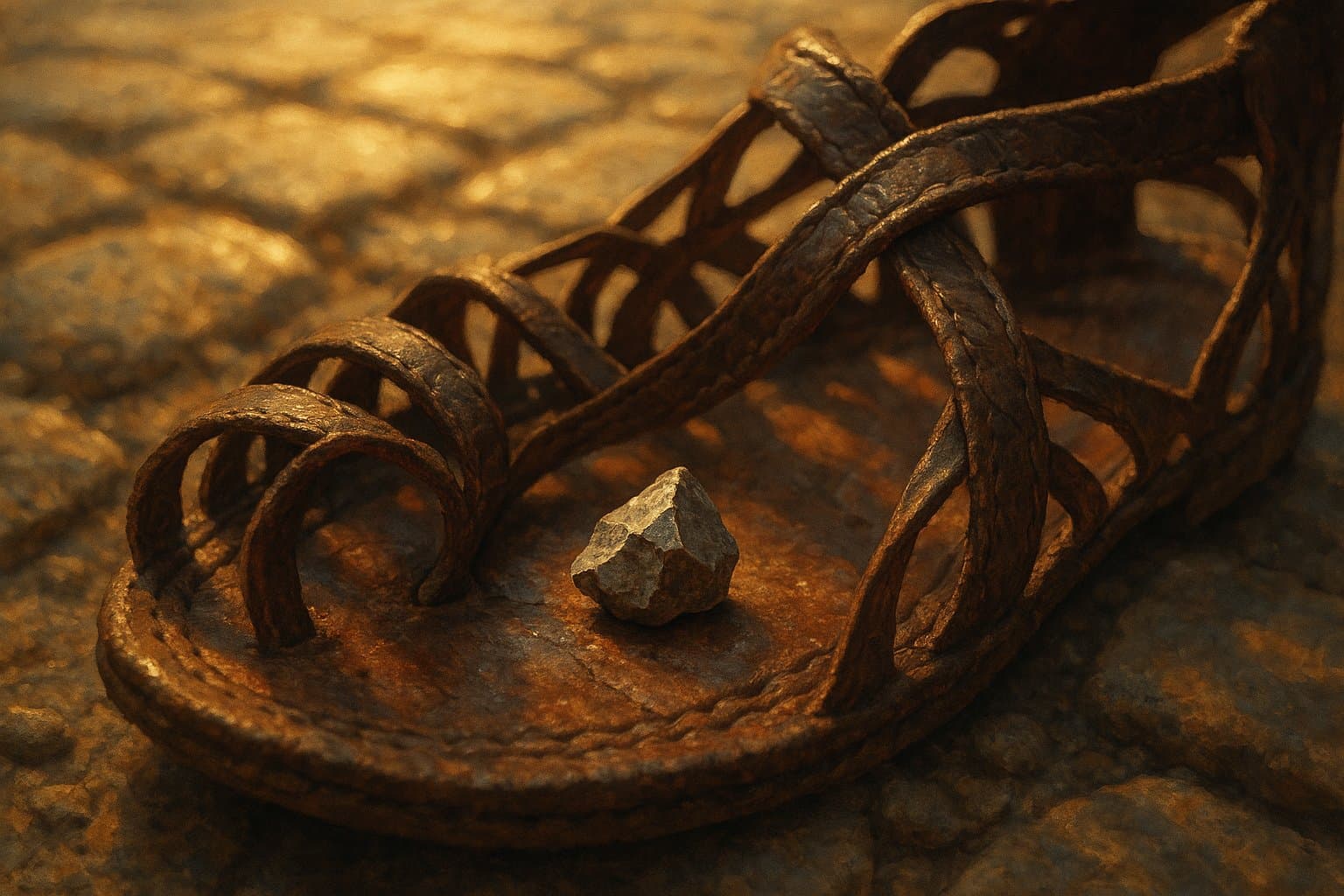
The Origin of the Word “Scruple”: a Pebble in the Shoe
Where does the word scruple come from? From Latin scrupulus, the sharp little pebble that lodged in a Roman sandal and would not let you walk on.
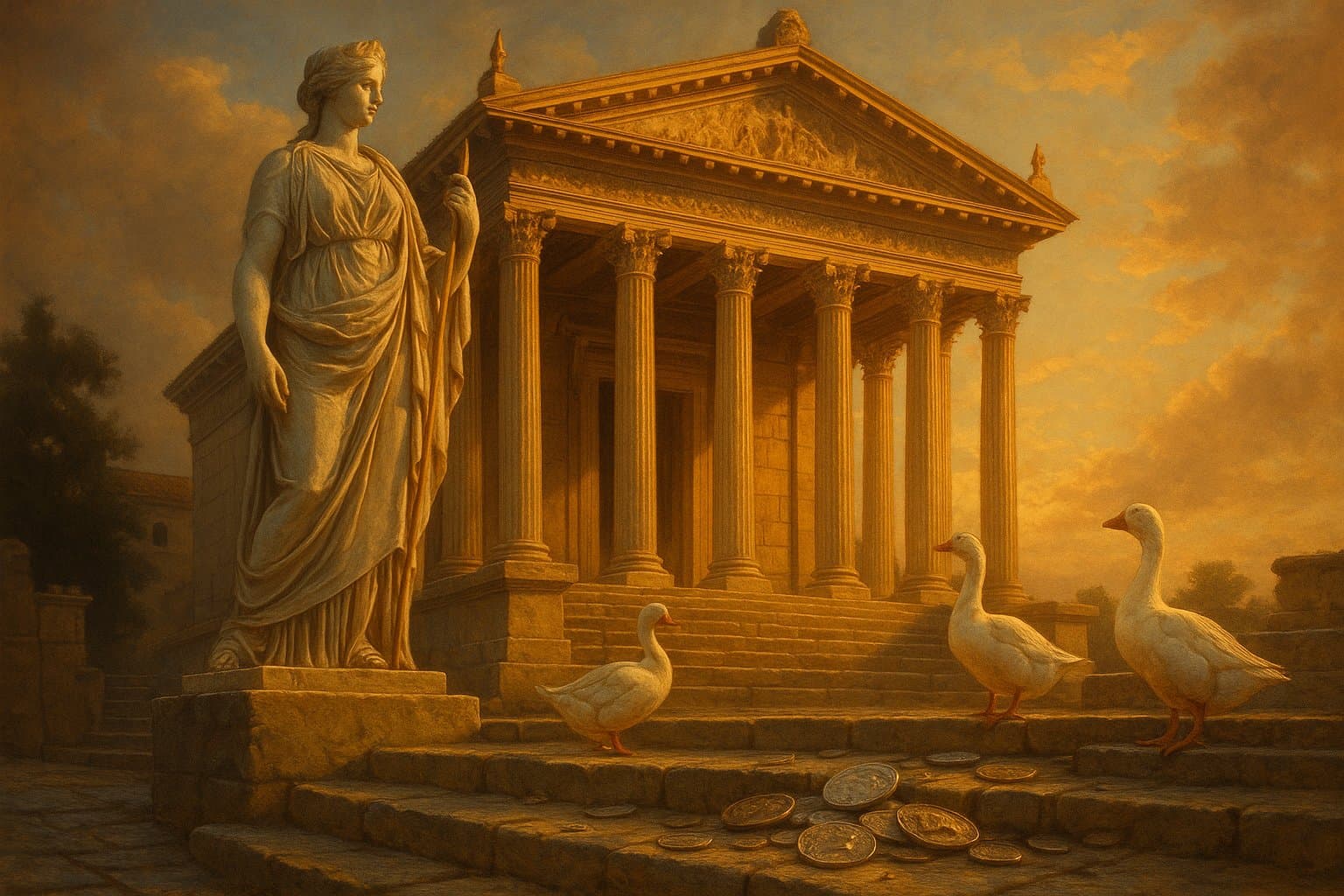
The Origin of the Word “Money”: the Goddess Juno
Where does the word money come from? From a temple of Juno in Rome where the first coins were struck. The story of a goddess who warned.
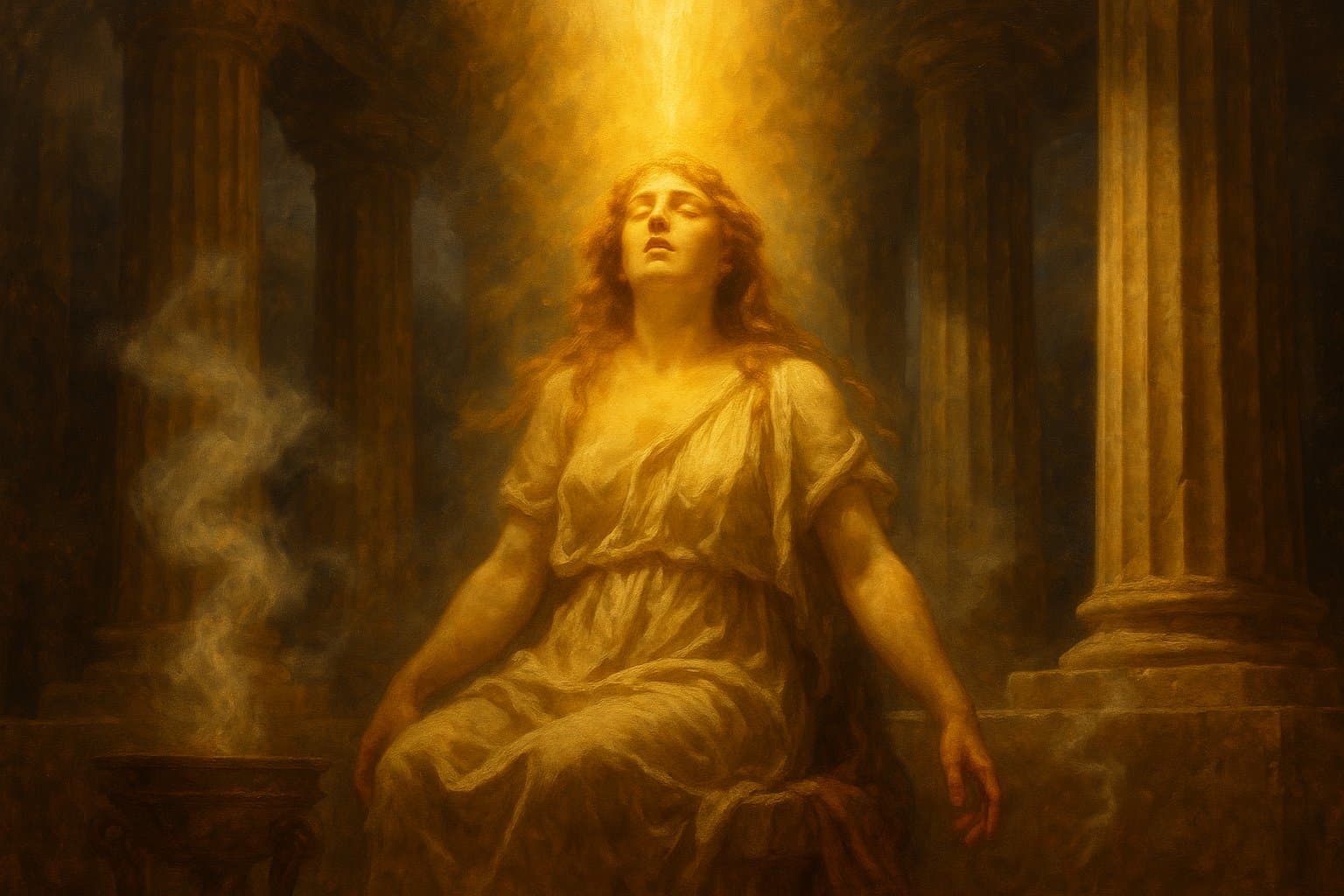
The Origin of the Word “Enthusiasm”: A God Within
Where does enthusiasm come from? To the Greeks, enthusiasm meant having a god inside your body. The story of a word that began as sacred possession.
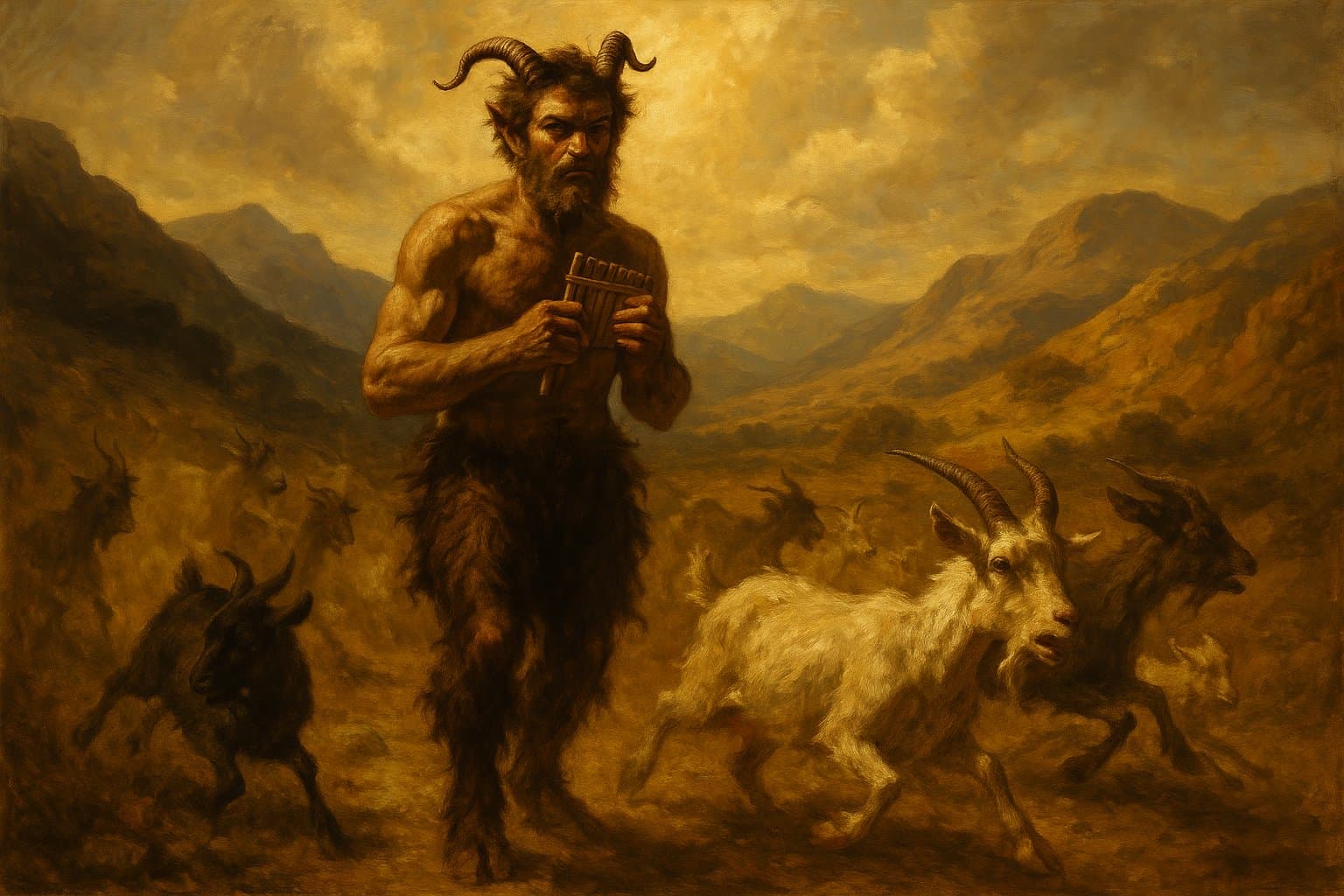
Panic: the god who terrified shepherds at high noon
The word “panic” comes from the god Pan, who struck shepherds and armies with a sudden, causeless fear. This is the story behind the terror.
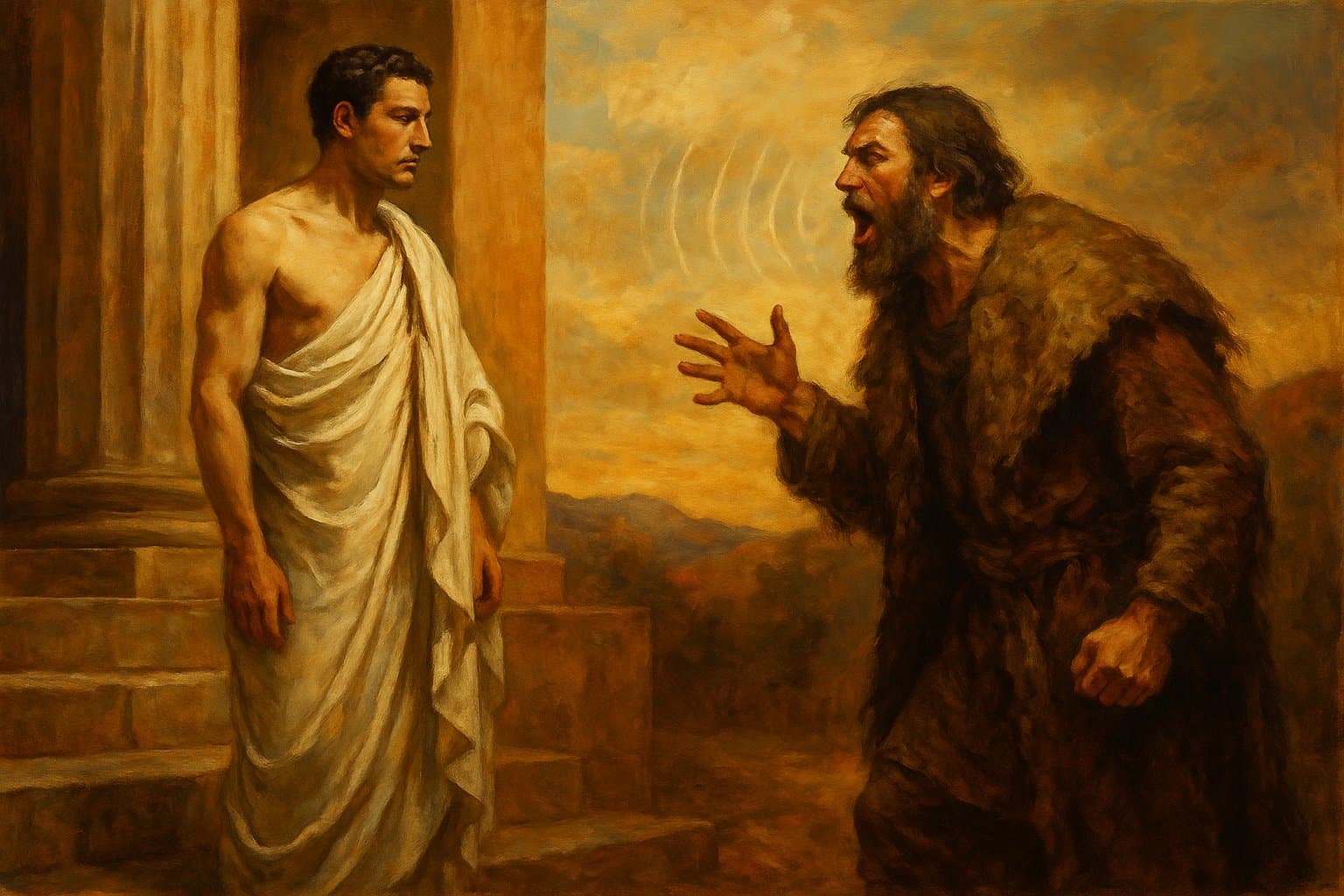
The Origin of the Word “Barbarian”
Where does barbarian come from? To Greek ears, foreigners who didn't speak Greek just went “bar bar”. The story of a word that changed meaning.

The origin of the word gas: the alchemist and chaos
The word «gas» was invented by a 17th-century alchemist from the Greek «chaos». How one man single-handedly named an entire state of matter.
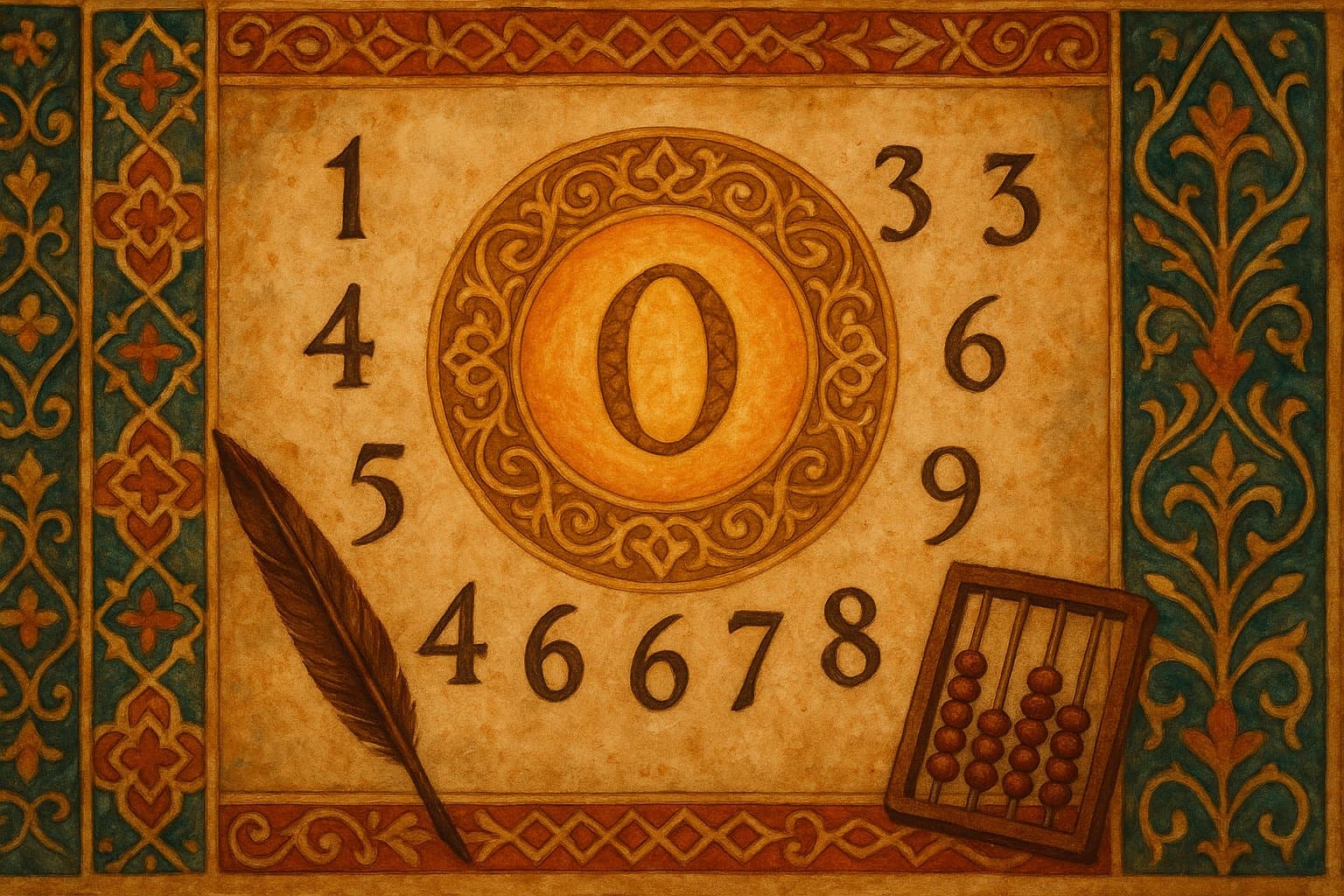
Cipher and zero: two words born from the same void
«Cipher» and «zero» come from the same Arabic word, sifr, meaning «empty». How one void gave us two words that today seem like opposites.
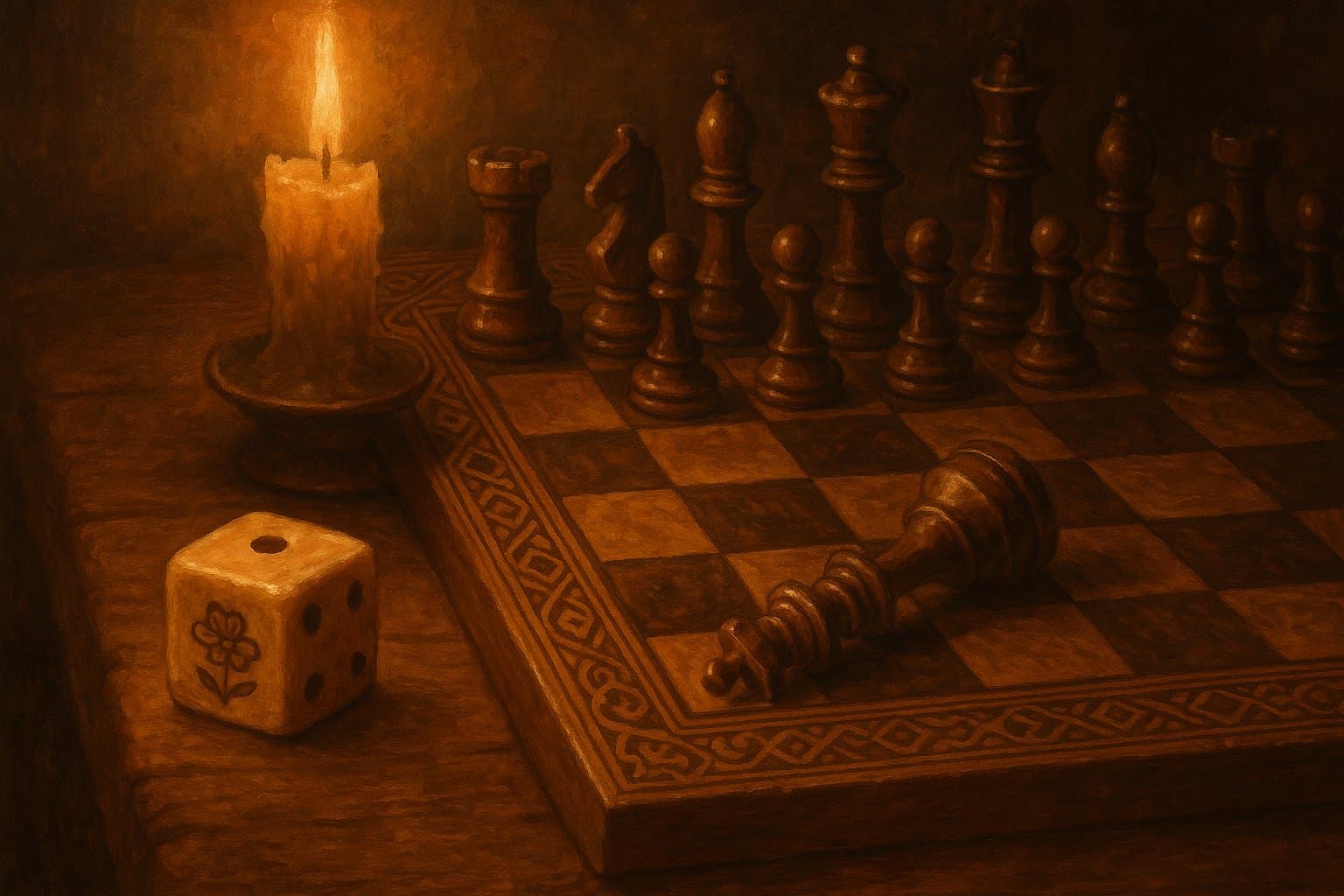
Hazard, chess and checkmate: words from dice and the board
«Hazard» comes from Arabic az-zahr, the die; «chess» and «checkmate» from Persian shah. Three everyday words that arrived with medieval board games.
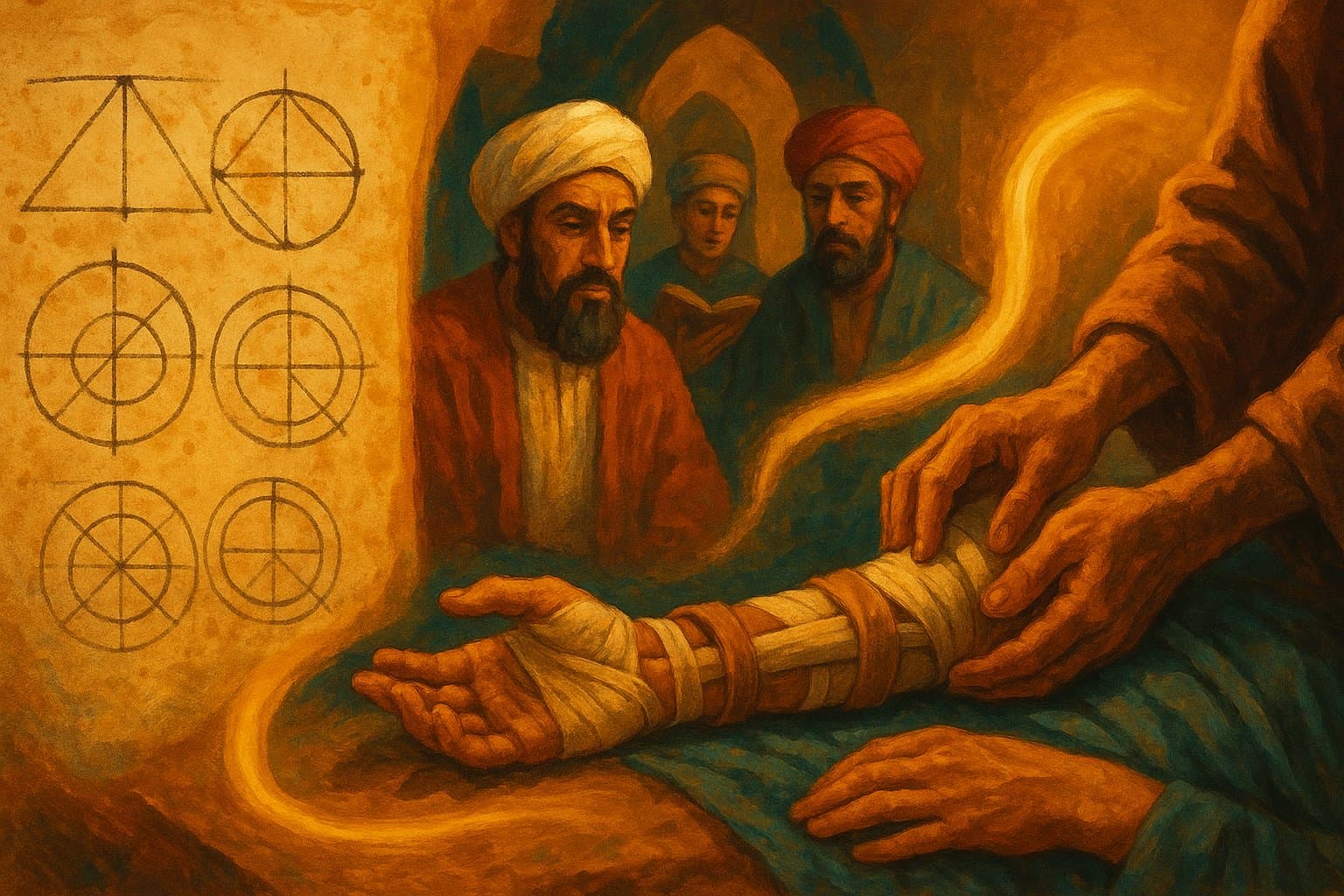
Algebra: the Arabic word that also set broken bones
«Algebra» comes from the Arabic al-jabr, «to reunite broken parts». A book by Al-Khwarizmi gave birth to a science, and in medieval Spain an «algebrista» set bones.
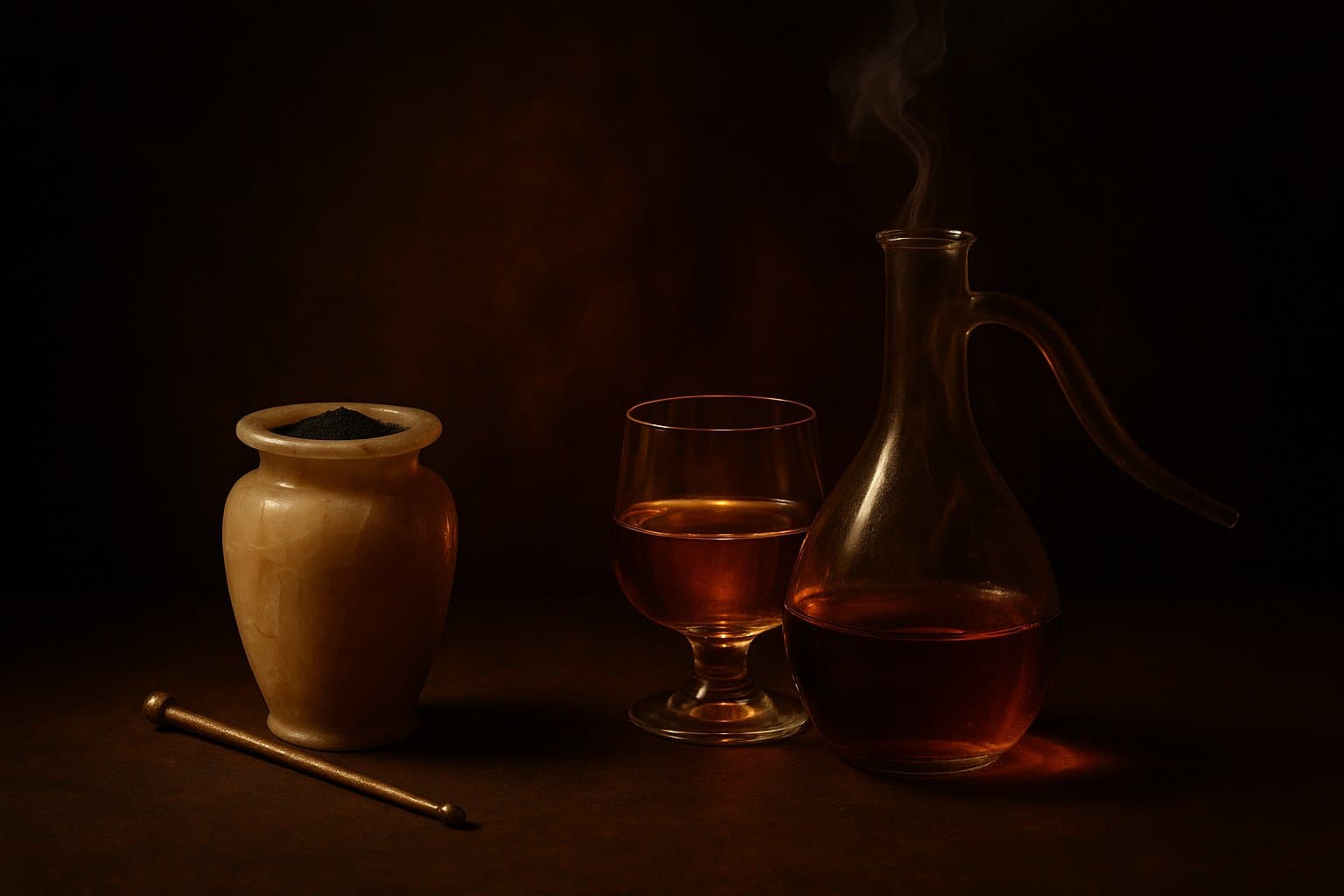
The origin of the word alcohol: from makeup to the glass
«Alcohol» comes from the Arabic «al-kuhl», a black powder used as eye makeup. How a cosmetic ended up naming the most famous drink in the world.
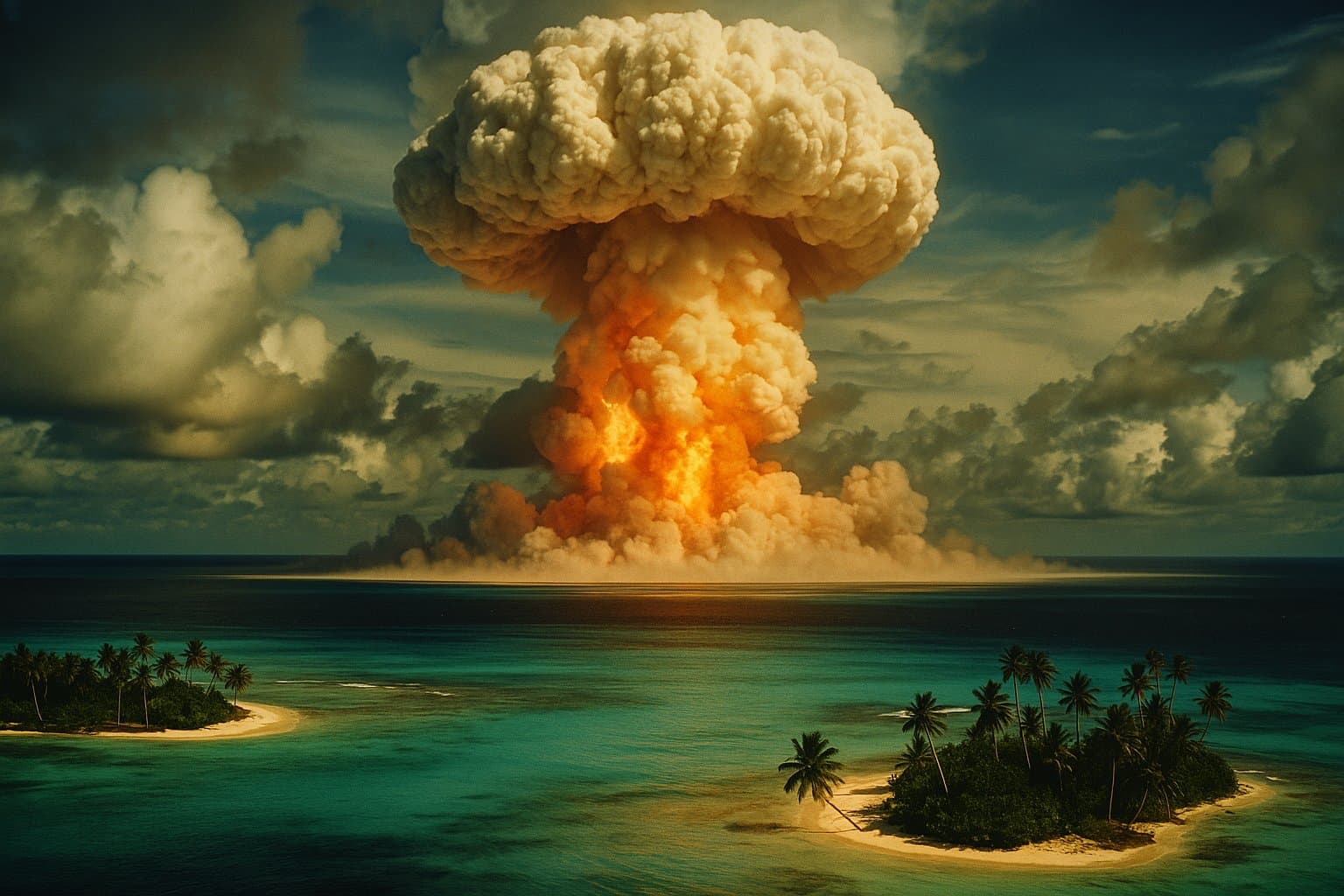
The origin of the word bikini: a nuclear explosion
«Bikini» comes from the Pacific atoll where the U.S. tested atomic bombs in 1946. A French designer named his swimsuit that way so it would be «explosive».
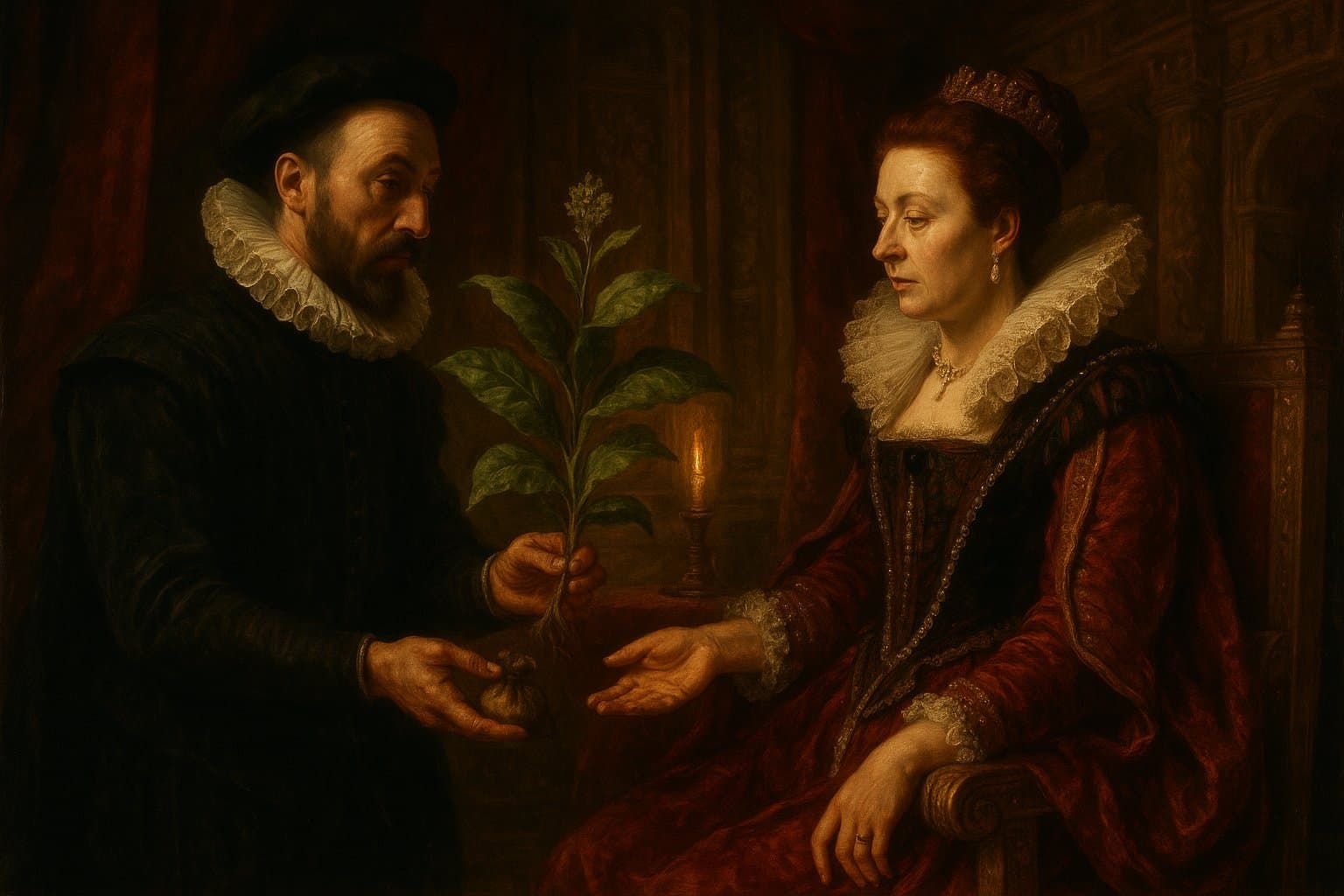
The origin of the word nicotine: a French ambassador
«Nicotine» comes from Jean Nicot, the ambassador who sent tobacco to Catherine de' Medici in 1560. How a surname ended up naming an addictive molecule.
The origin of the word sandwich: an earl and a table
«Sandwich» comes from the title of an 18th-century English noble. Legend says it was to keep playing cards; history hints at something duller.
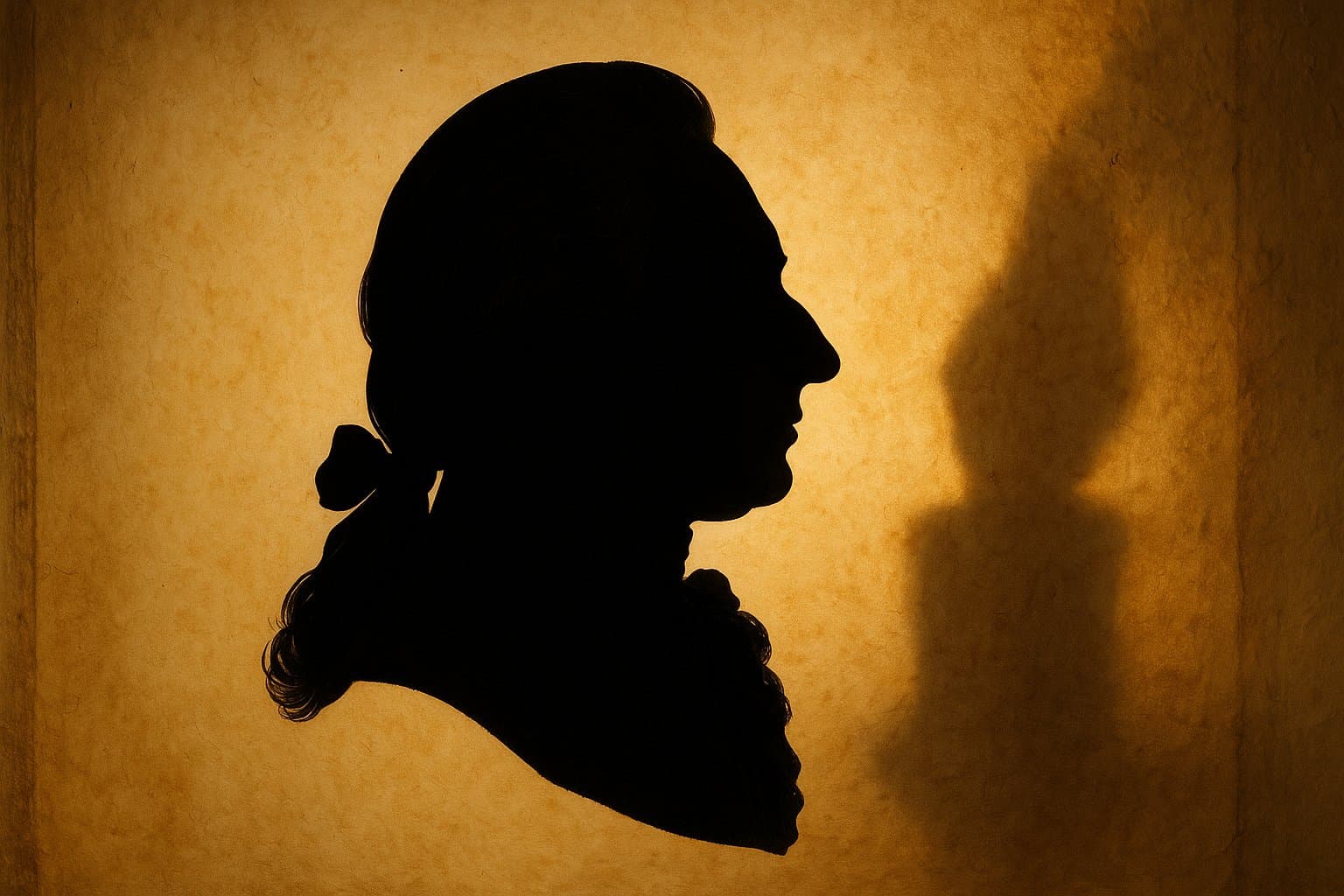
The origin of the word silhouette: a stingy minister
«Silhouette» comes from the surname of a French minister so austere his name turned into a synonym for «cheap»: hence the shadow portraits.
The origin of the word lynch: a Virginia judge
«Lynch» comes from Charles Lynch, a Virginia judge who in 1780 flogged suspects without trial. At first the word had nothing to do with killing.
The origin of the word sabotage: the clog myth
«Sabotage» does not come from throwing clogs into machines: that is the legend. The real word was born from the clatter of wooden shoes.
The origin of the word slave: a whole people's name
«Slave» comes from «Slav»: so many Slavic people were captured and sold in the Middle Ages that the name of the people became the word for bondage.
Assassin: the mountain sect and the hashish myth
«Assassin» comes from the Arabic hashshashin, «hashish users»: the nickname of a medieval sect led by Hasan-i Sabbah from the fortress of Alamut.
When Lead Was in Gasoline, Paint and Almost Everything
For centuries lead was in wine, paint, gasoline and even makeup. The story of the toxic metal it took humanity millennia to finally give up on.
The first computer virus was called Brain
In 1986, two brothers in Lahore wrote Brain, the first PC virus. It destroyed nothing: it guarded their software and left their name, address and phone.
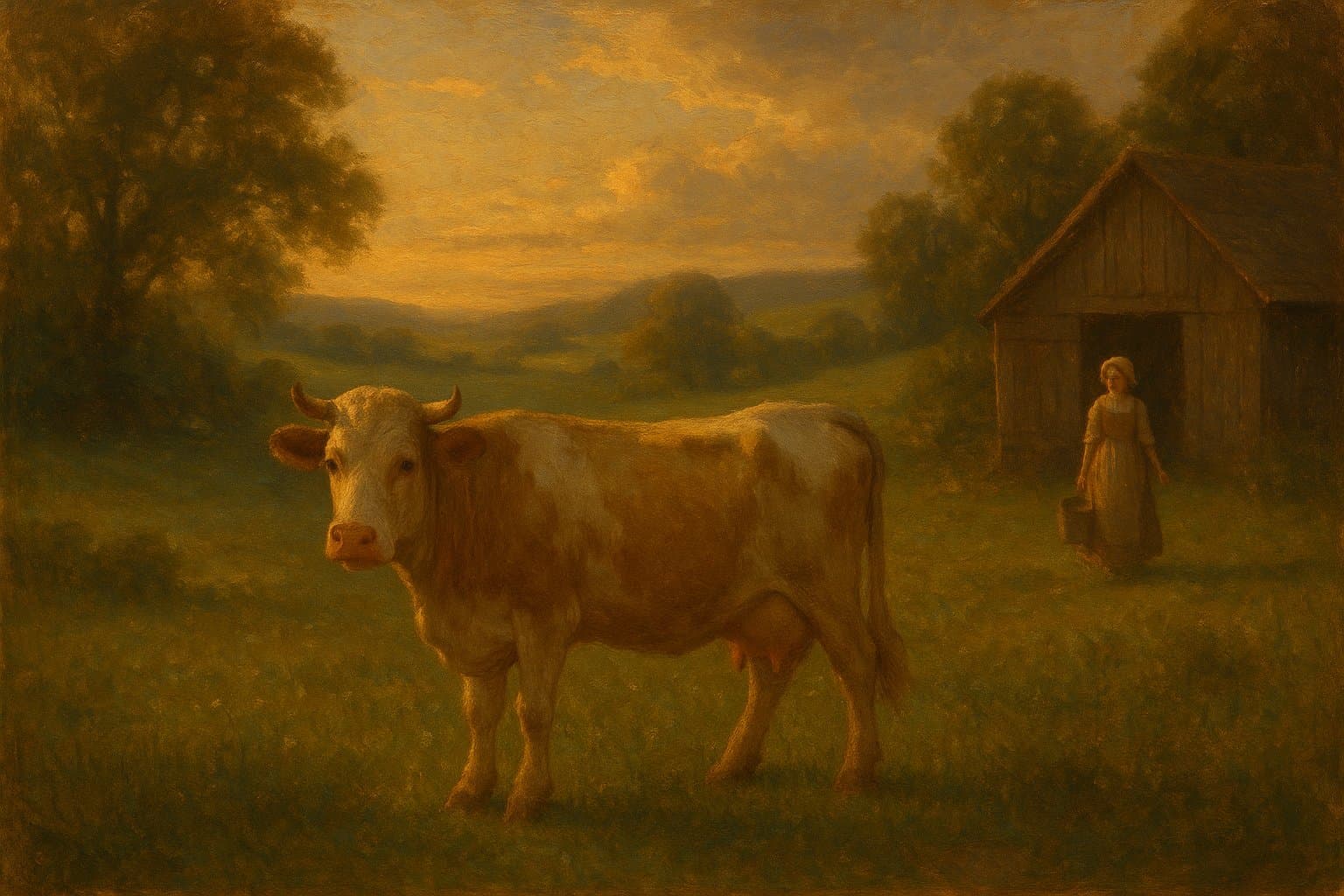
Vaccine: the word that hides a cow
The word «vaccine» comes from the Latin vacca, «cow». Edward Jenner coined it after finding that cowpox protected people against the deadly smallpox.
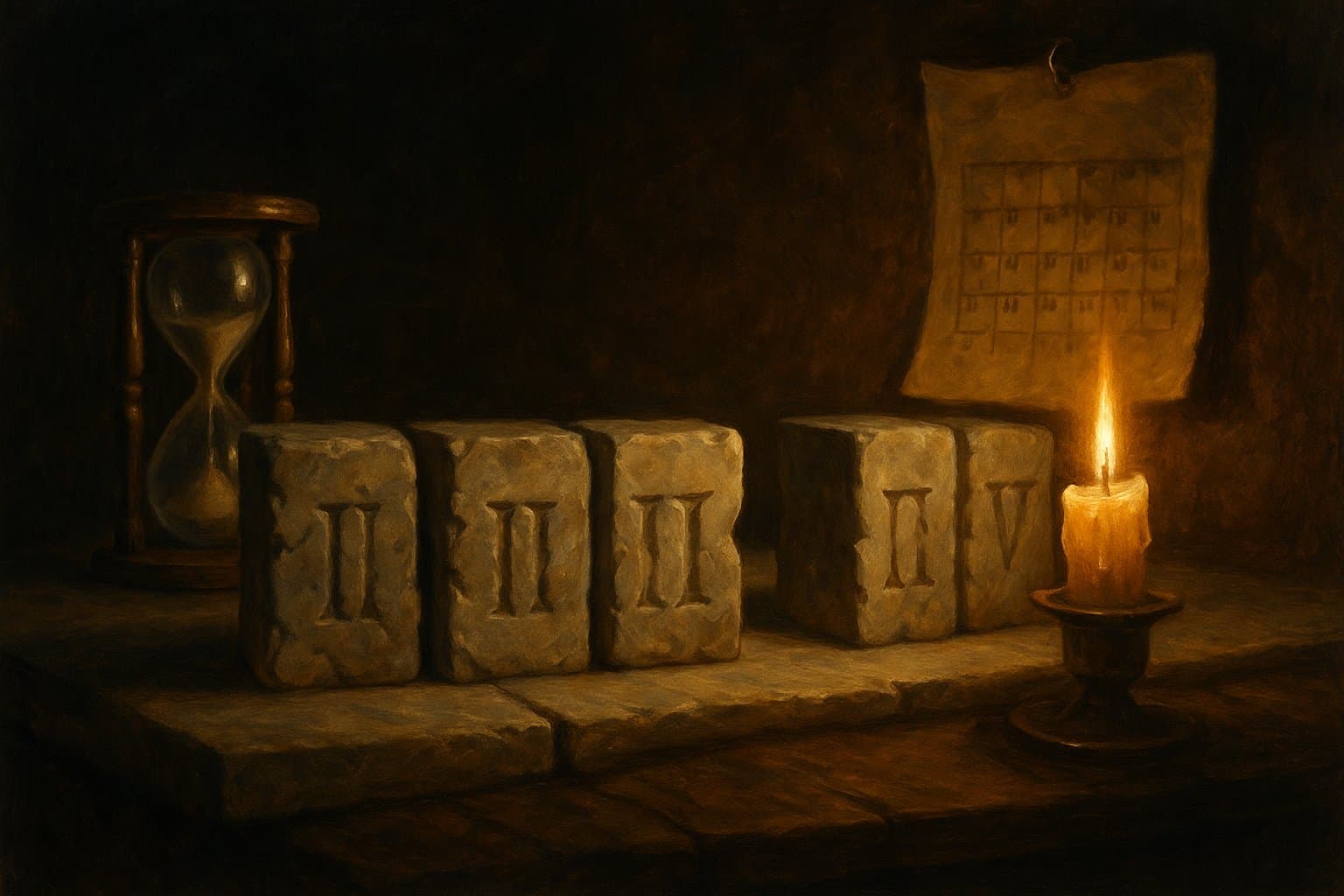
There Is No Year Zero, and It Still Confuses Centuries
Between 1 BC and AD 1 there is no year zero: a sixth-century monk left it out, and ever since our centuries begin a year earlier than we tend to celebrate.
Why Does February Have Only 28 Days?
February is the shortest month thanks to Roman number superstition, an impossible sum, and a phantom month that was inserted inside it. Here's the story.
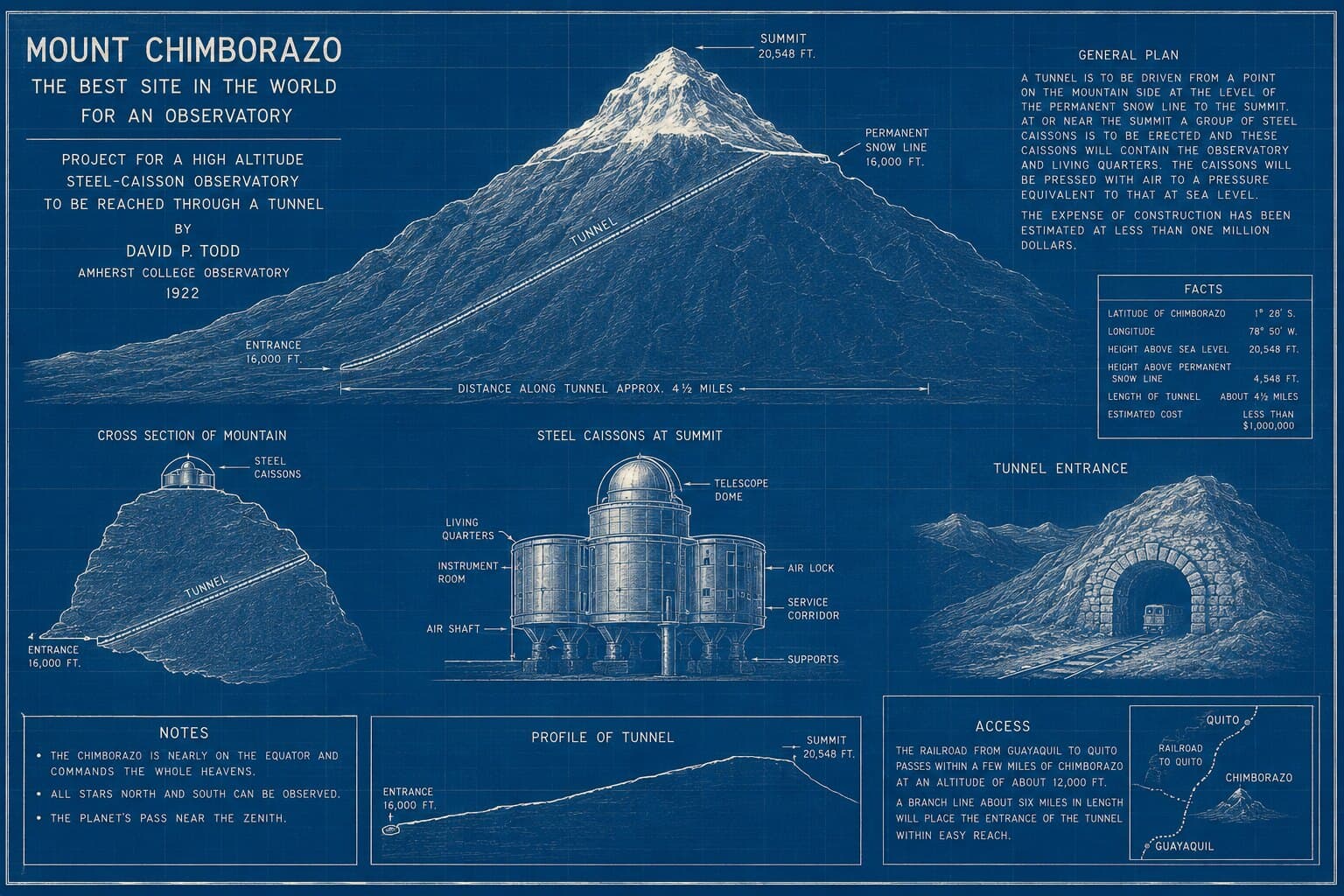
David Todd and his tunnel to the top of Chimborazo
In 1922 astronomer David P. Todd proposed boring a tunnel into Chimborazo all the way to the summit to build a pressurized steel observatory inside it.
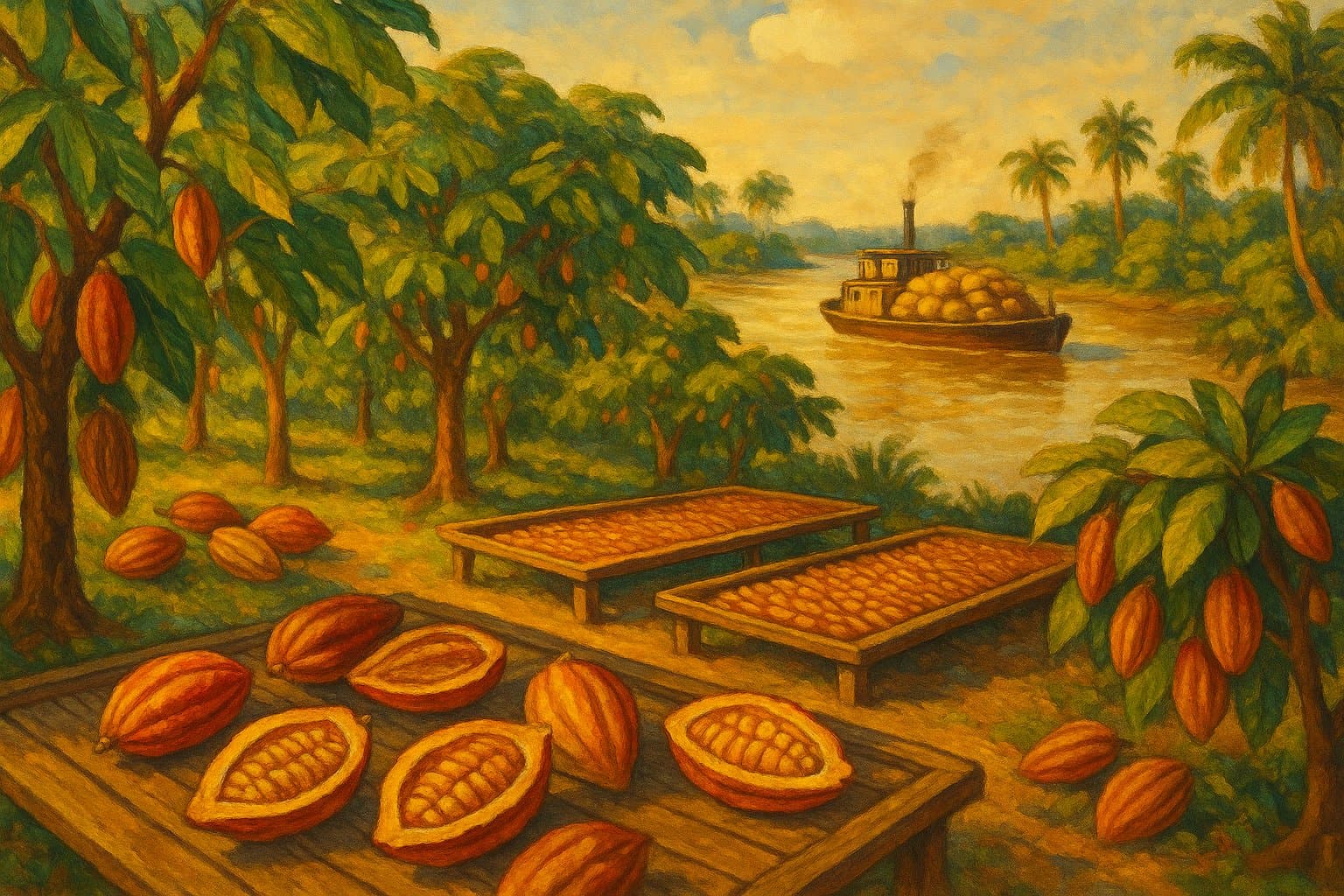
Ecuador's Cacao Boom: When the Golden Bean Ruled
Between 1880 and 1920 Ecuador was the world's top cacao exporter. The «golden bean» built fortunes in Guayaquil until a silent plague brought it all down.
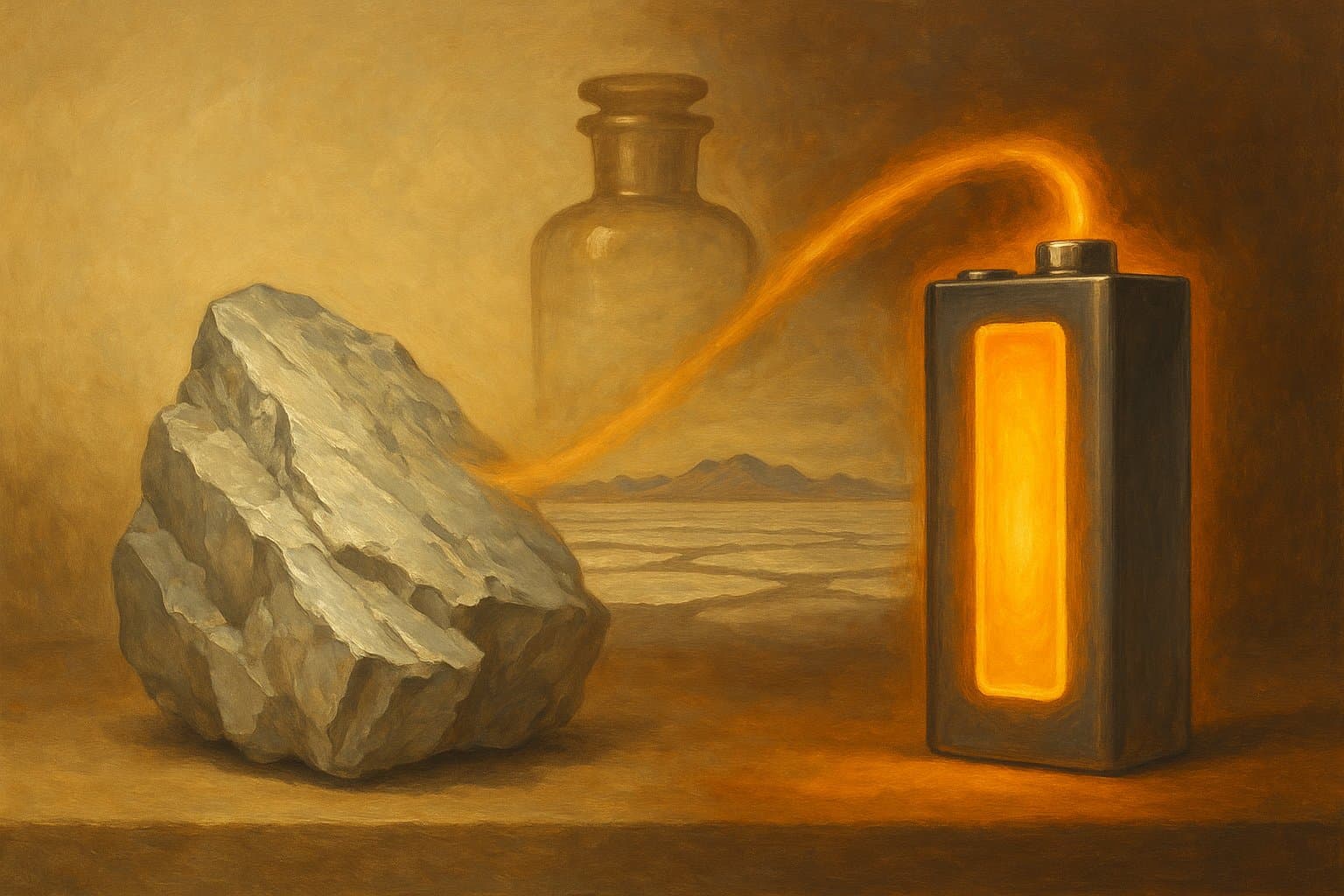
Lithium: From Medicine to the Battery of the Modern World
Lithium went from miracle cure and soft drink to mood stabilizer and battery of the modern world. This is the story of the lightest metal, from medicine to power.
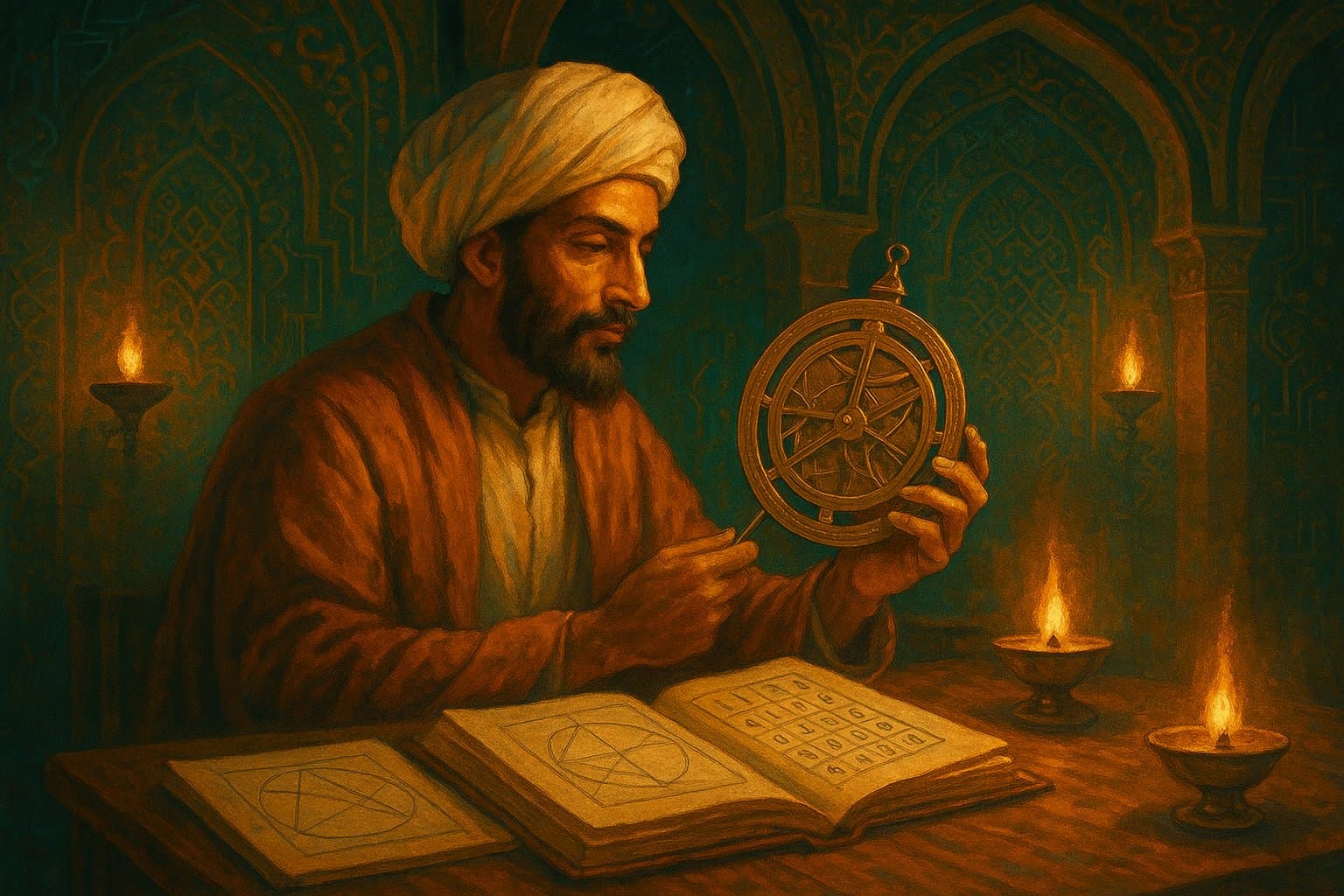
Algorithm: From Baghdad to ChatGPT, a Word's Journey
«Algorithm» comes from al-Khwarizmi, a 9th-century mathematician in Baghdad. This is how his name traveled from the House of Wisdom to the apps of today.
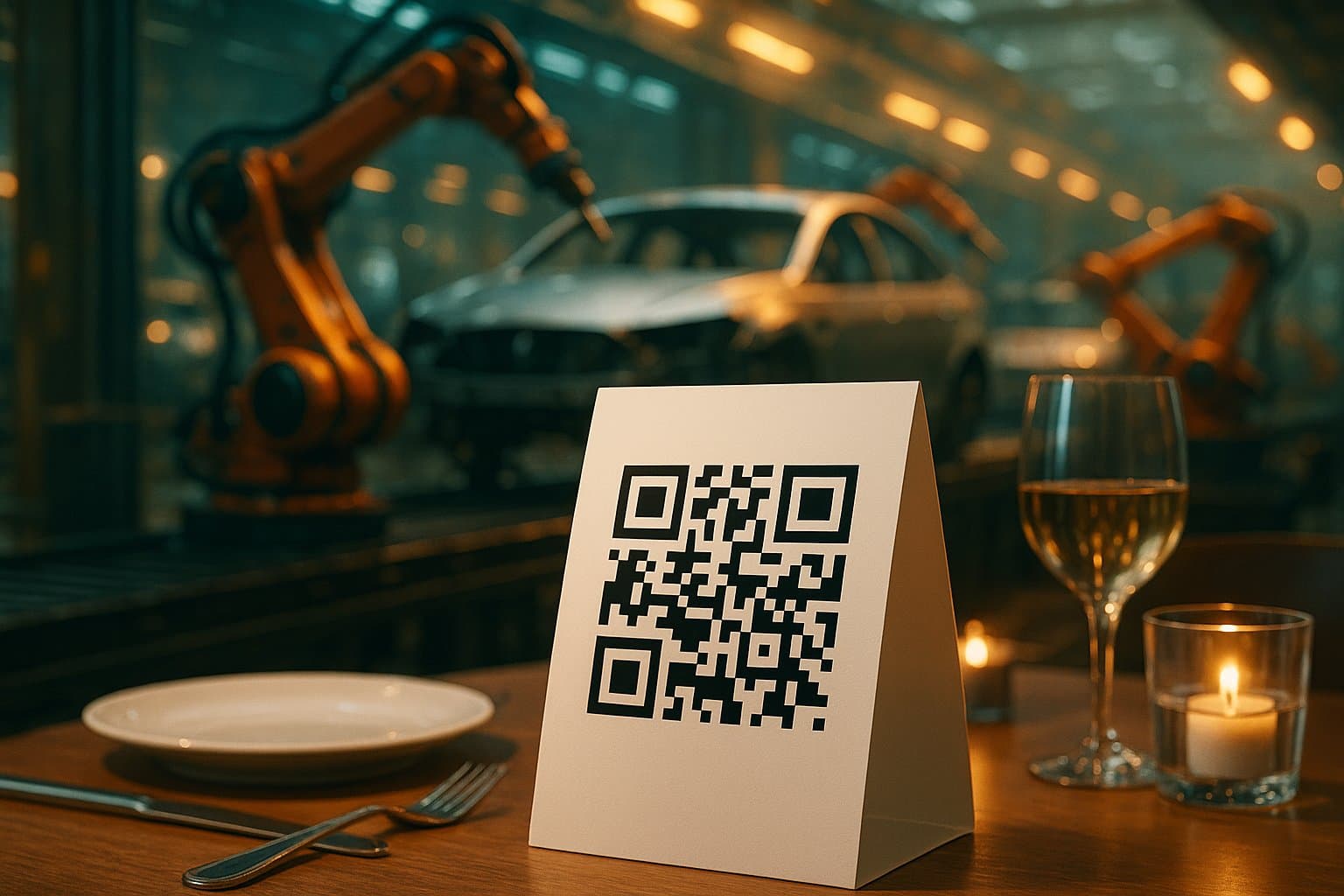
The QR code story: from Toyota to the restaurant menu
The QR code was born in 1994 to track car parts at Toyota. Thirty years later it took over restaurant menus. This is its unlikely history.
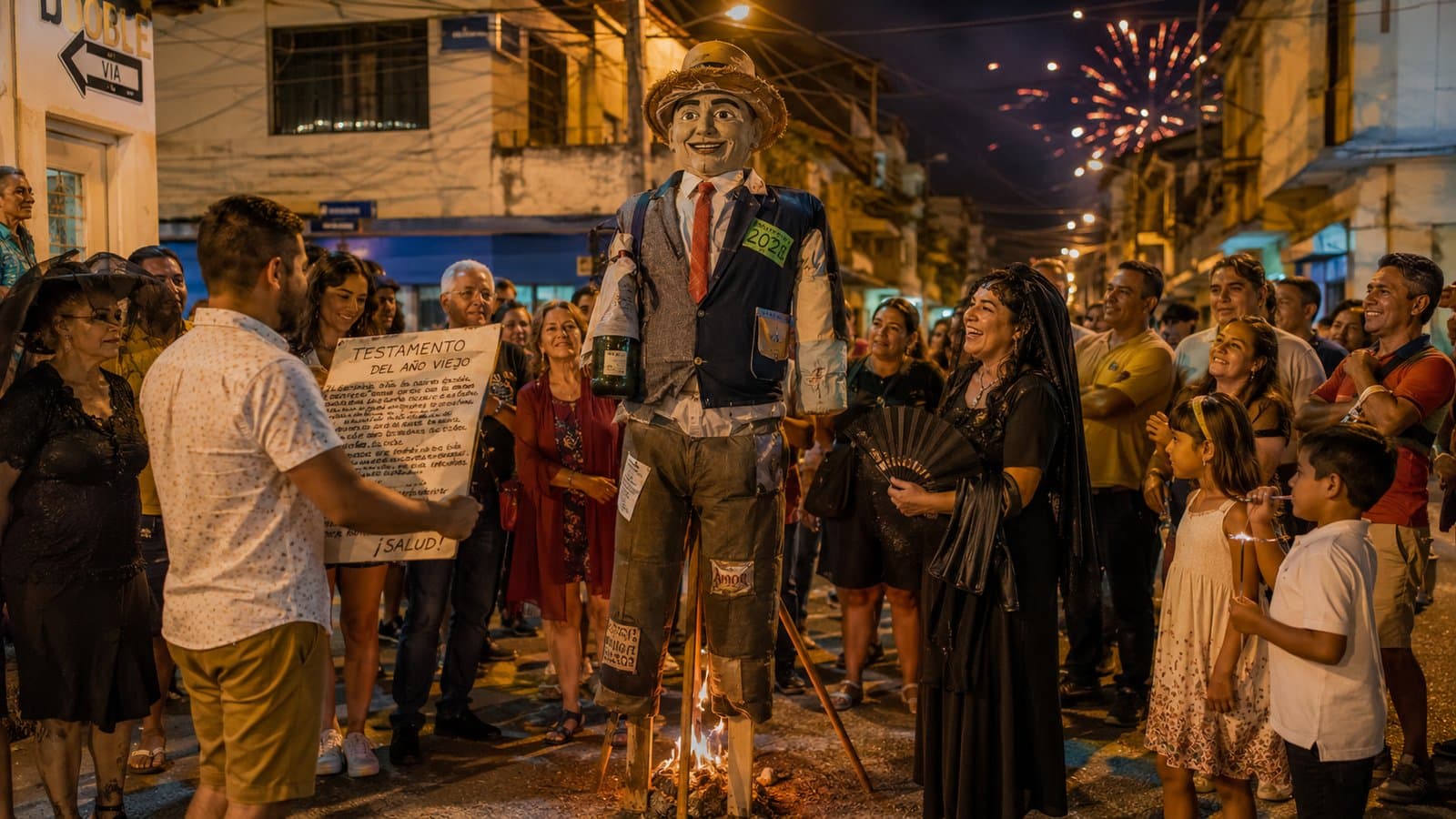
Ecuador's Año Viejo: The Myth and the Real History
Everyone repeats that Ecuador's Año Viejo burning began in an 1895 epidemic. The historical evidence tells a different and more curious story.
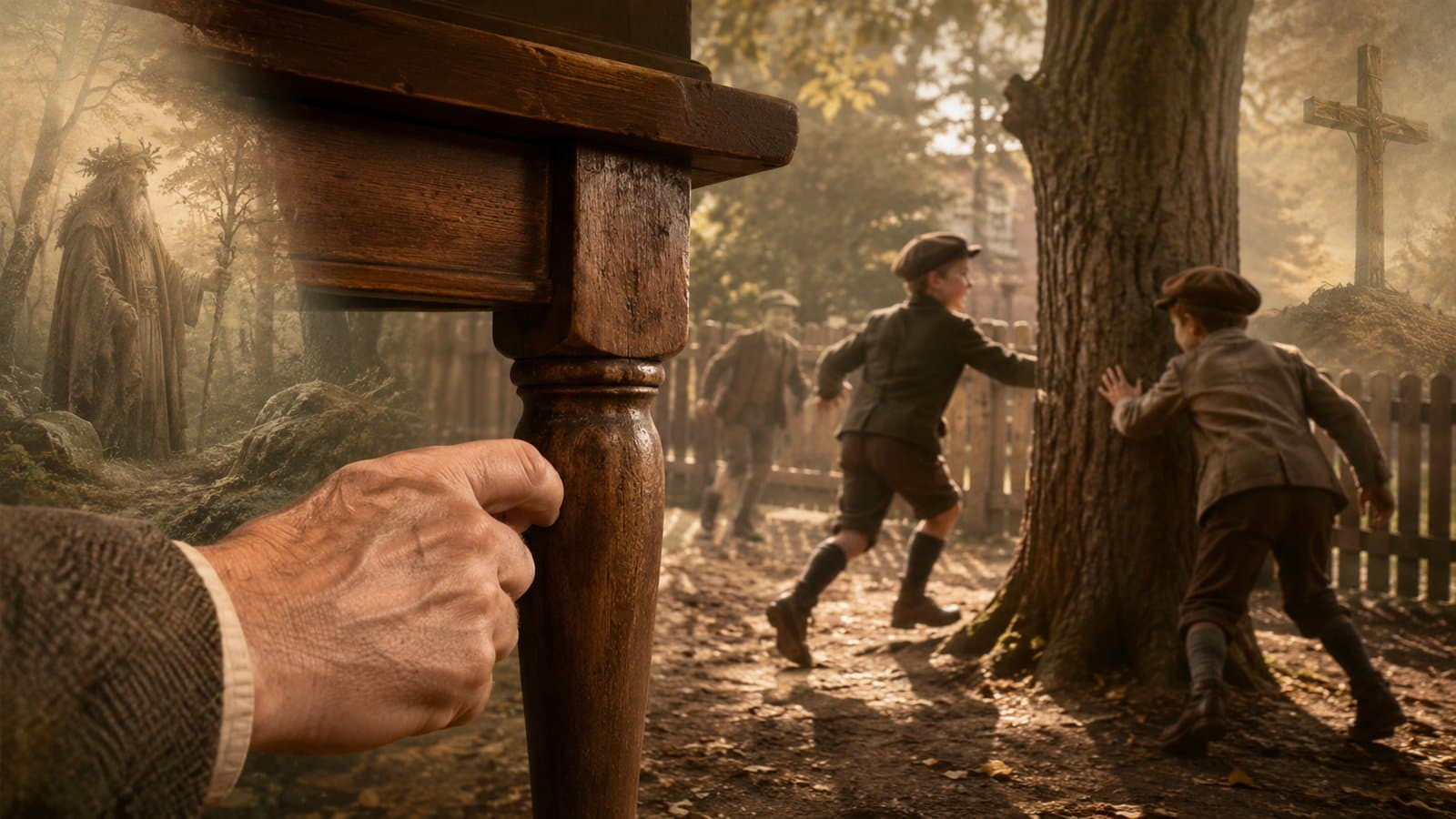
Knock on Wood: The Real Origin of the Superstition
Almost everyone thinks knocking on wood comes from Celtic tree worship. But the documented trail leads to a far more recent origin: a children's game.
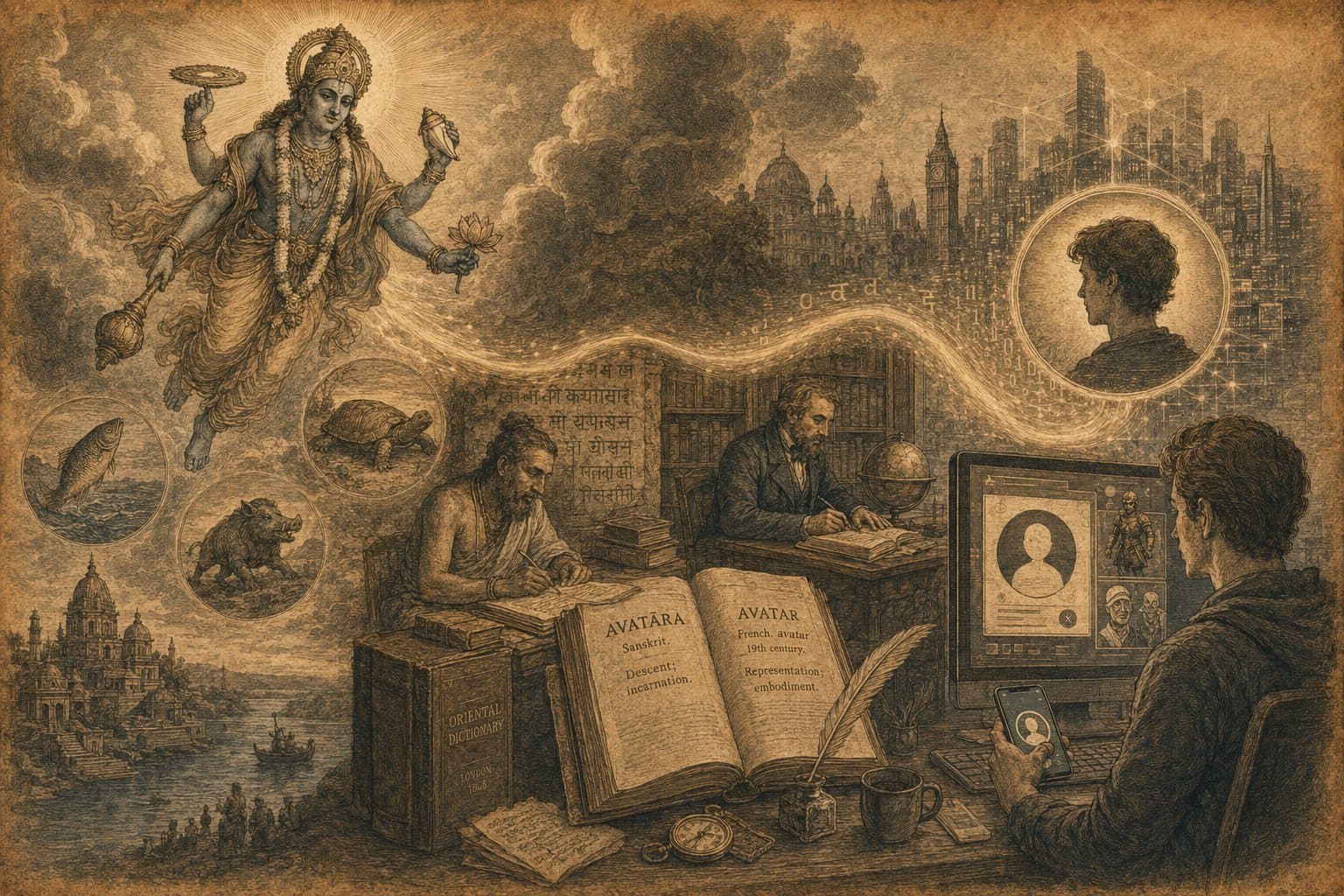
Avatar: From a God's Descent to Your Profile Picture
The word avatar comes from Sanskrit and named the earthly incarnation of a Hindu god. That is how it travelled from Vishnu to your profile picture online.
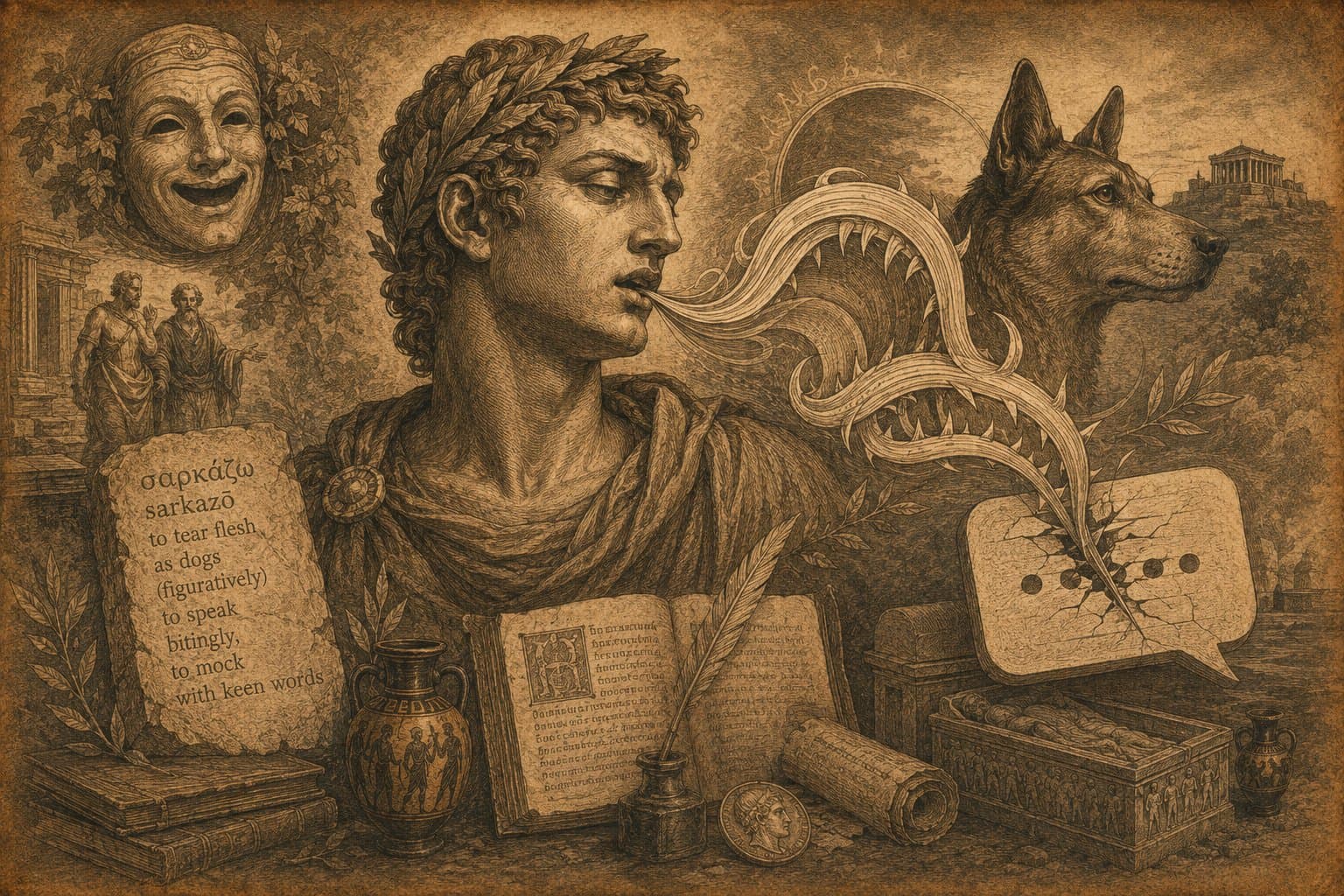
Sarcasm: The Word That Means “to Tear the Flesh”
Sarcasm comes from the Greek “sarkázein”: to bite or tear the flesh. The same root as sarcophagus. An irony that, quite literally, bites.
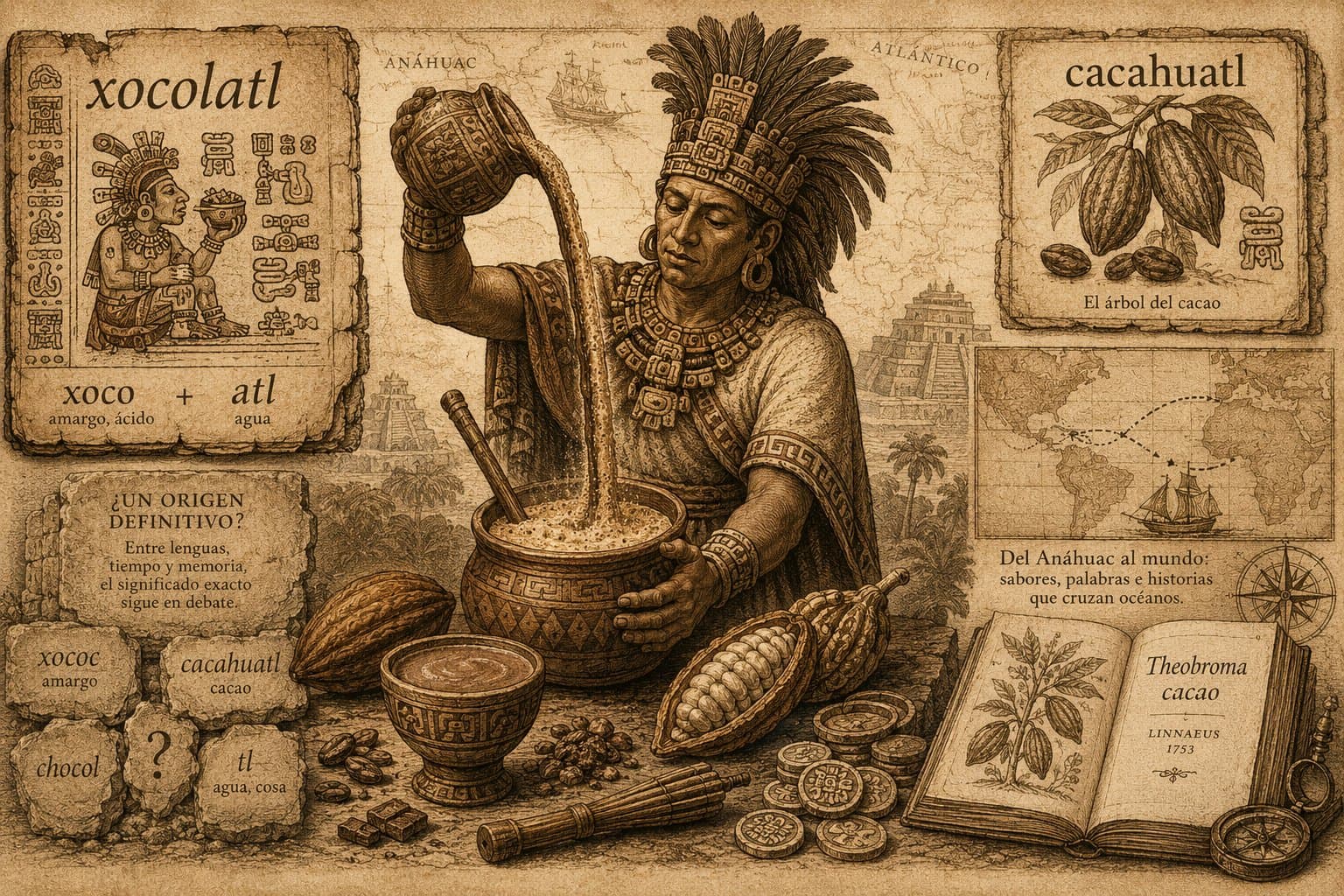
The Delicious Origin of the Word “Chocolate”
The word chocolate comes from Nahuatl, though its exact origin is still disputed between “bitter water,” “hot water” and a blend with Mayan.
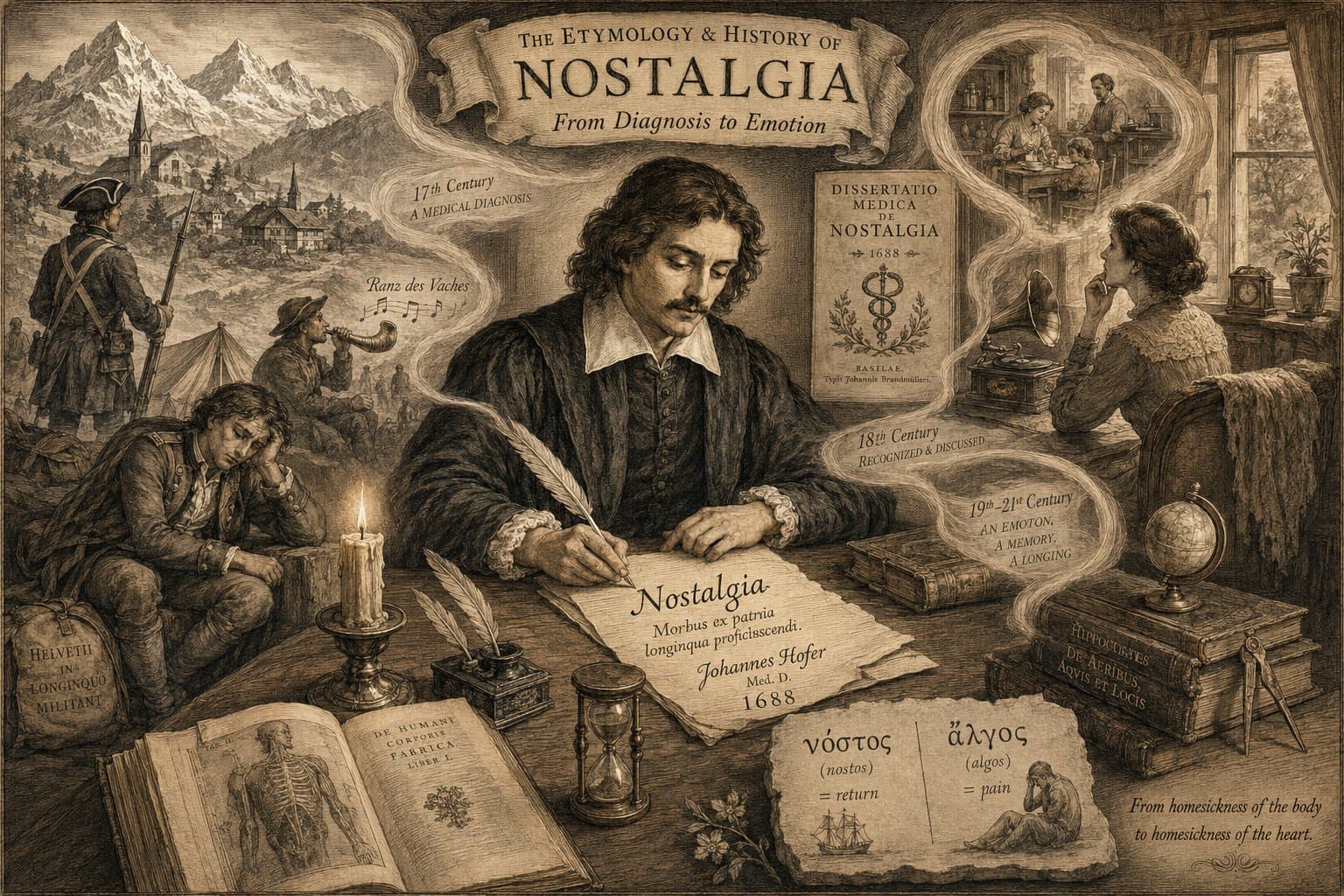
Nostalgia: The Word That Was a Medical Diagnosis
Nostalgia was born in 1688 as a deadly disease: a Swiss student invented it to name the illness suffered by soldiers who longed for their homeland.
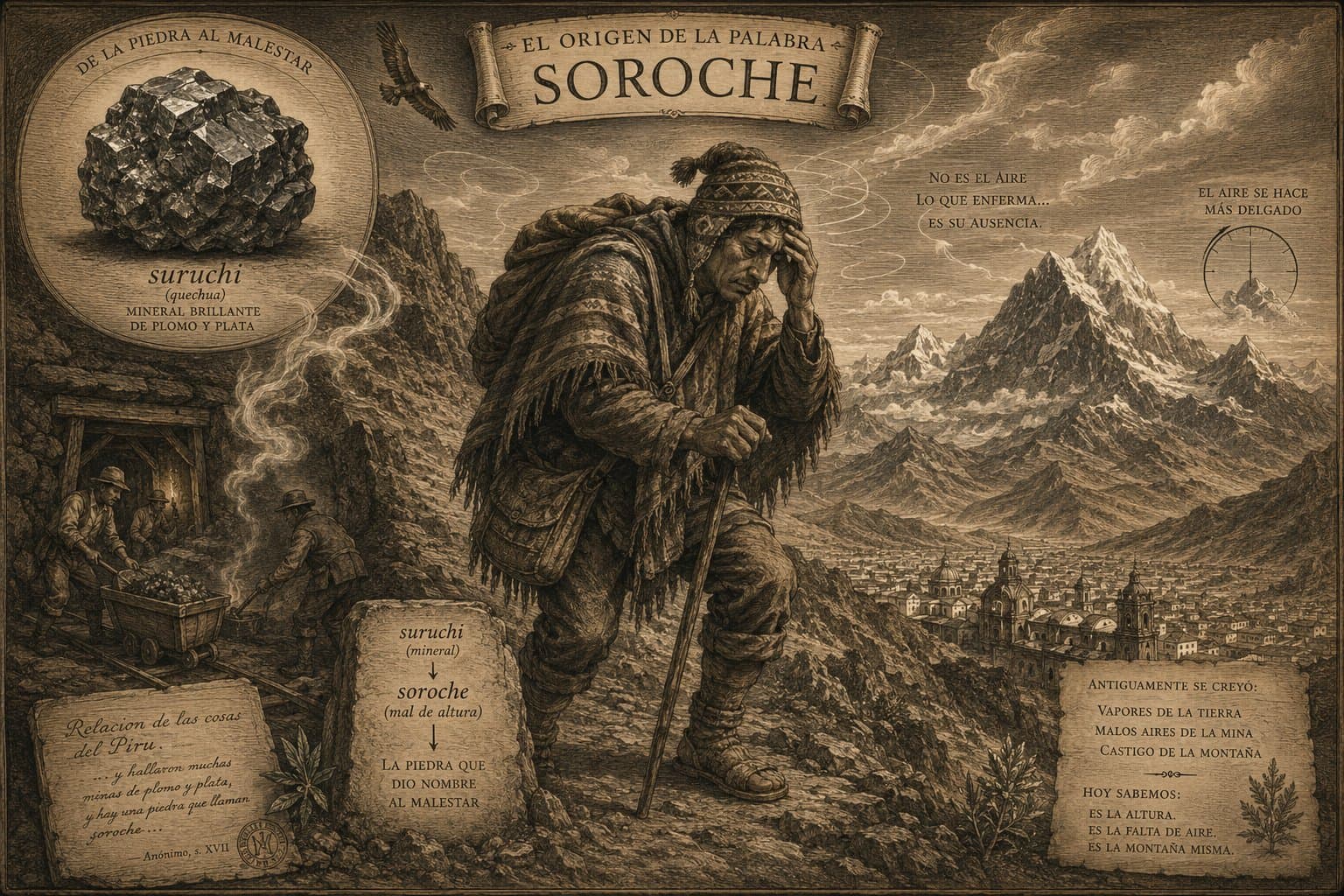
The Origin of the Word “Soroche”
Soroche, the altitude sickness of the Andes, owes its name not to the air but to a mineral: for centuries its vapours were blamed for sickening travellers.
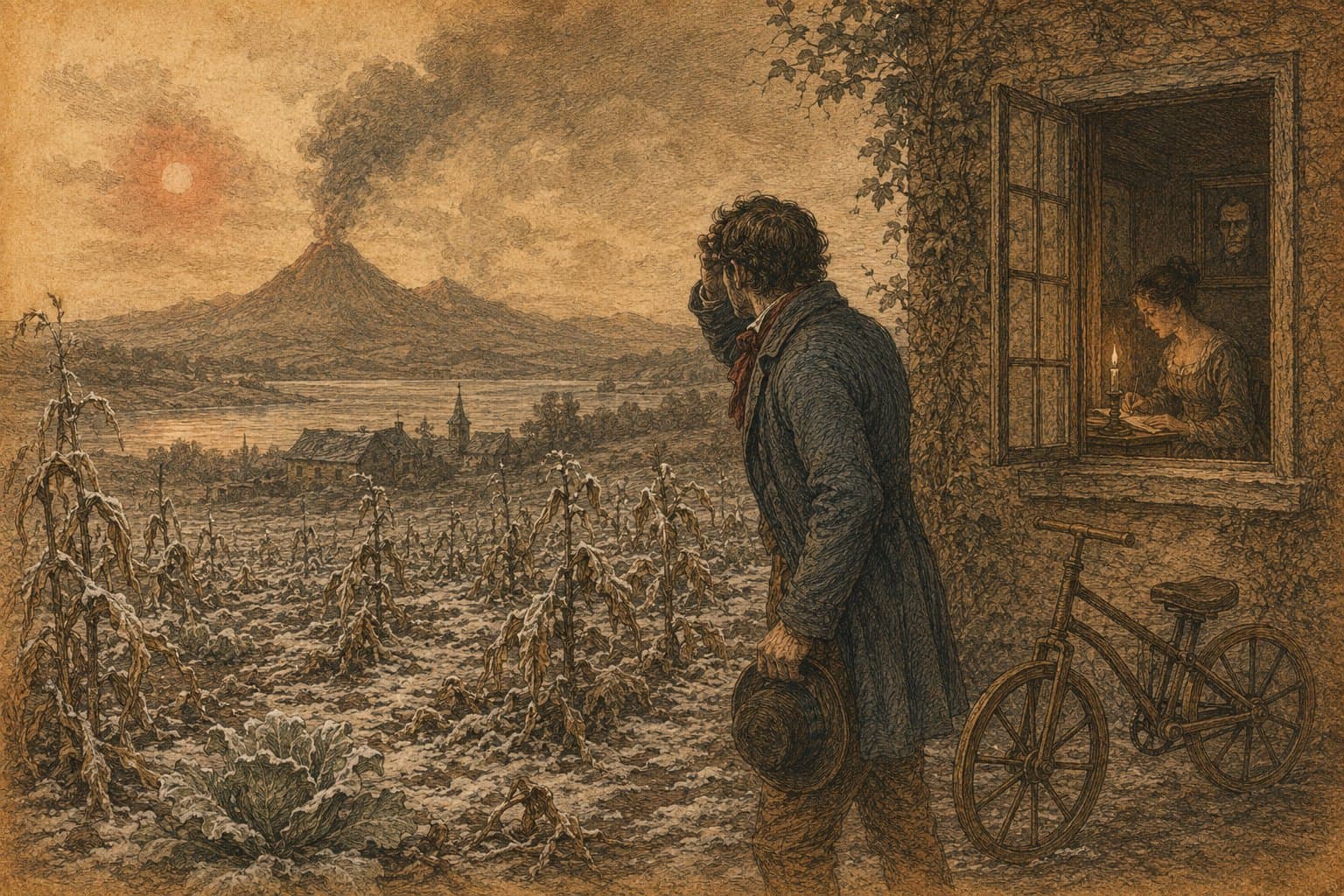
The Year Without a Summer of 1816
In 1815 Mount Tambora erupted and darkened the planet. 1816 became the year without a summer: failed crops, famine and the birth of Frankenstein.
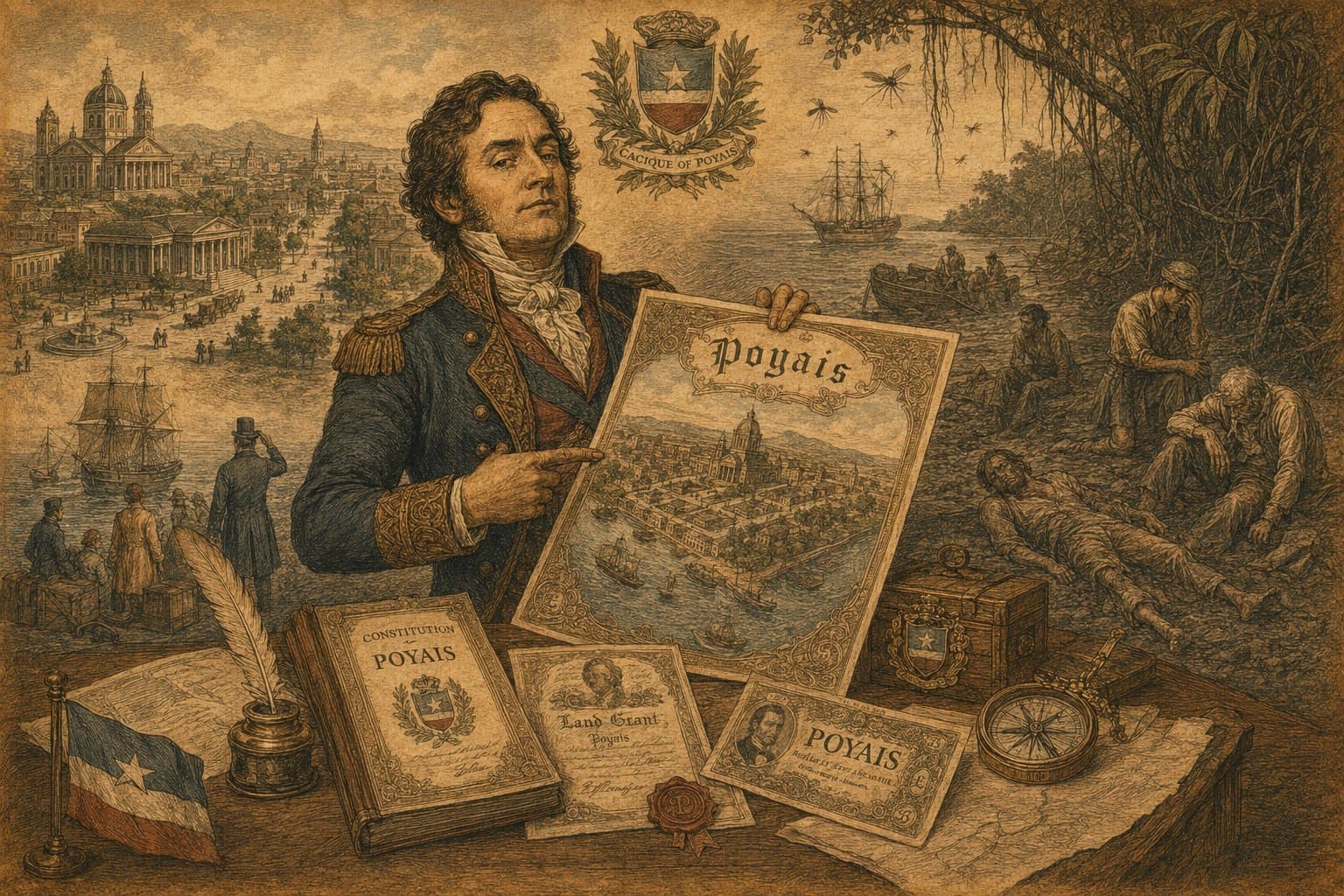
Poyais: The Country That Never Existed
Gregor MacGregor invented a Central American country, Poyais, and sold bonds and land to hundreds of Britons who sailed off to a nation that never existed.
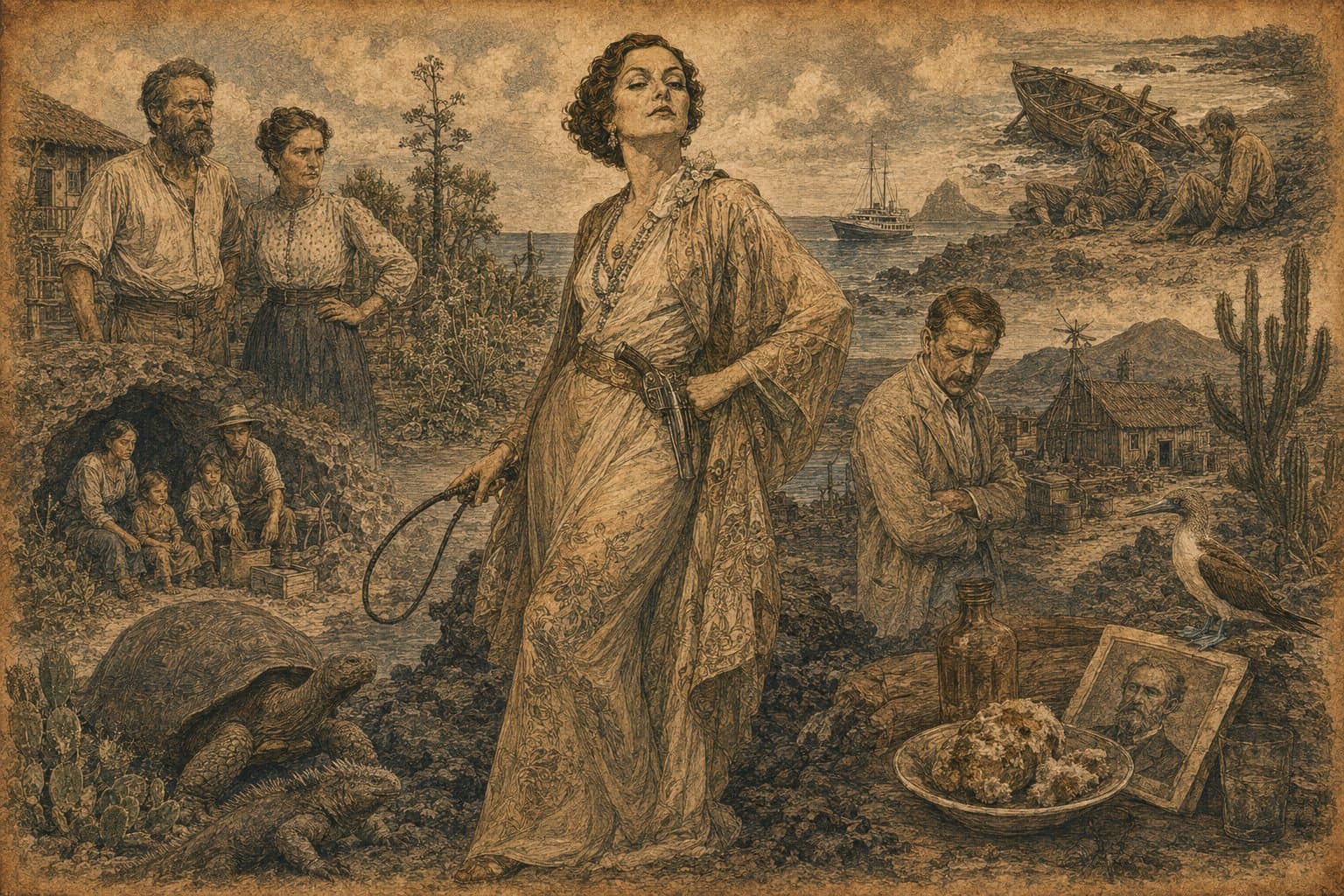
The Baroness of Galápagos and the Floreana Mystery
In the 1930s, an Austrian baroness tried to rule over Floreana island in the Galápagos. Her disappearance remains an unsolved mystery to this day.
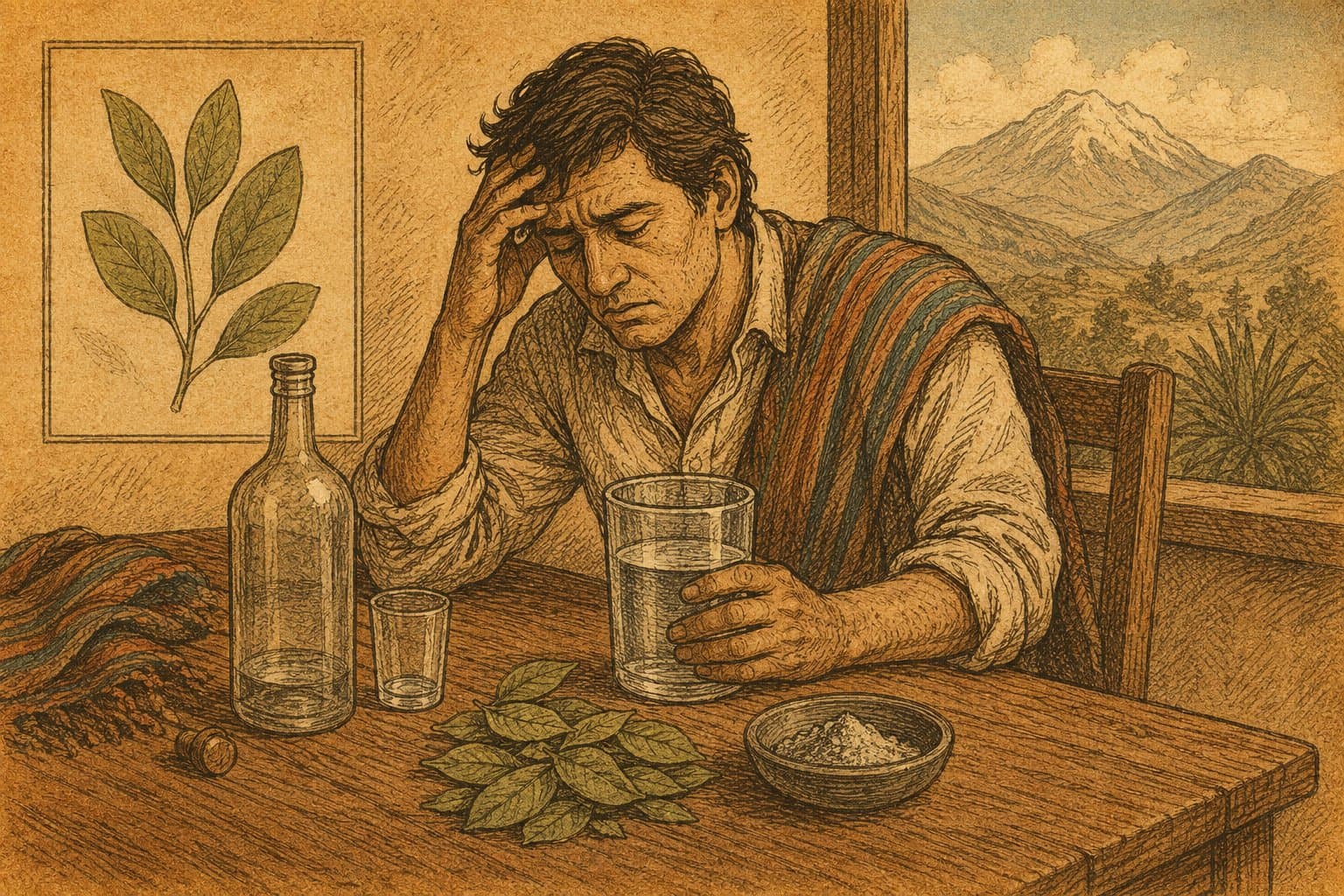
The Origin of “Chuchaqui”, the Ecuadorian Hangover
“Chuchaqui” is the hangover the Ecuadorian way, a word almost nobody understands across the border. Its origin lies in Quichua and the coca leaf.
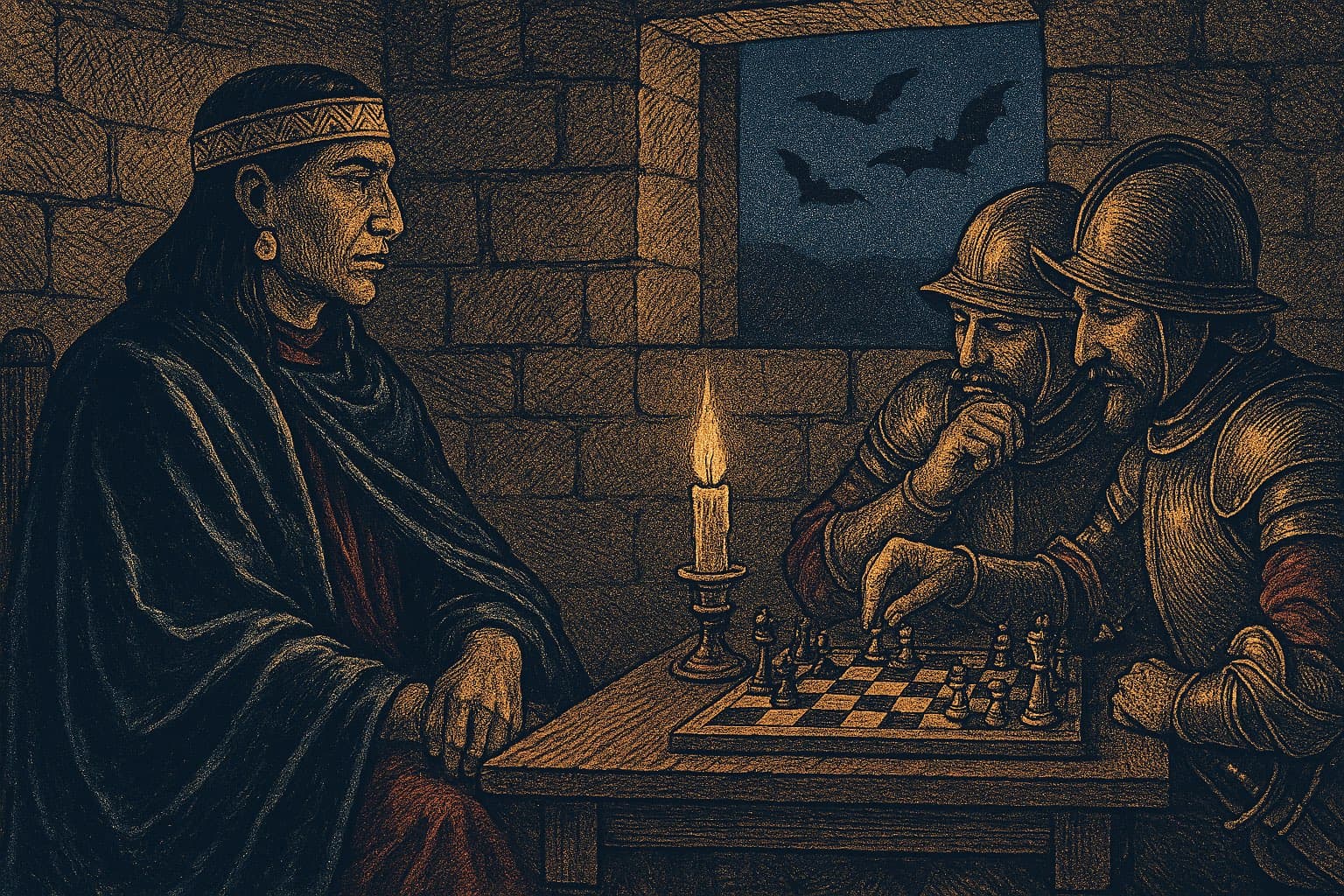
Atahualpa's Chess Game Is Legend; His Bat-Hair Cloak Is Not
Two stories from Atahualpa's captivity: the chess game everyone cites and a cloak woven from bat hair. Only one of them is documented.
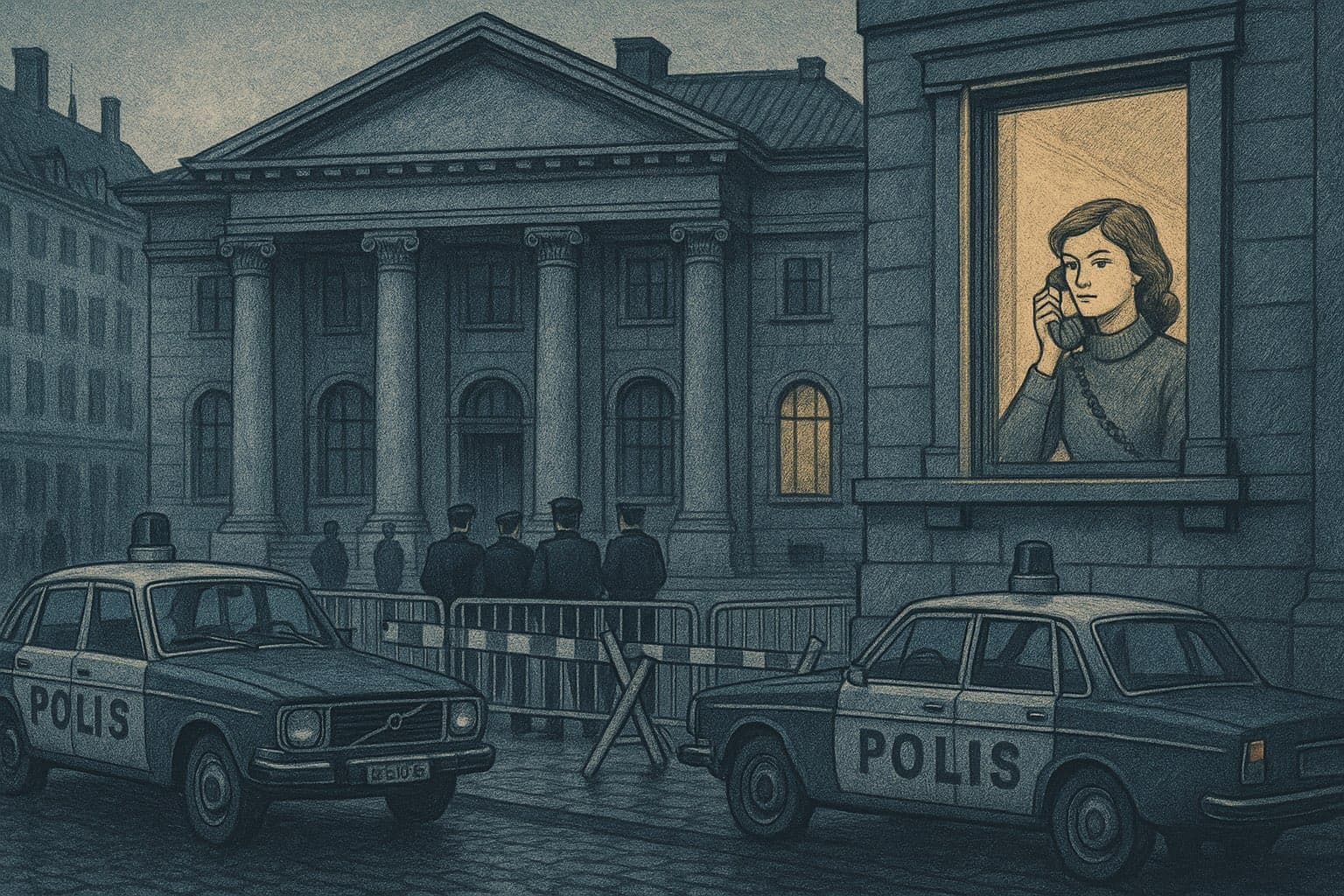
Stockholm Syndrome Was Born to Silence a Hostage
The famous syndrome didn't come from a study: the police's own psychiatrist coined it to discredit a hostage who criticized him. It isn't in the DSM.
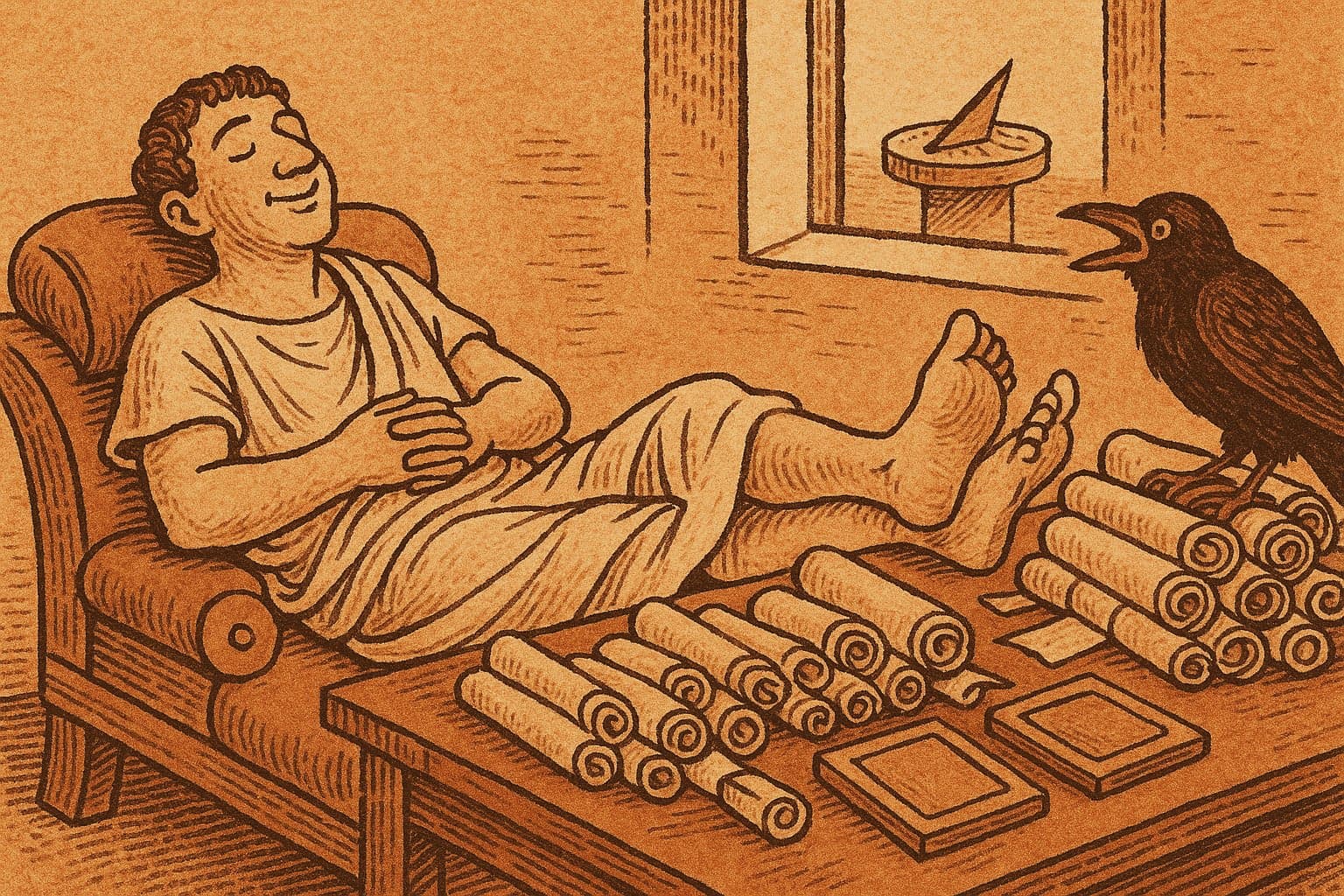
Procrastination: The Vice That Infuriated the Romans Who Coined the Word
Procrastination comes from the Latin «cras», tomorrow. Hesiod scolded procrastinators 2,700 years ago and Cicero declared it hateful. We're not the first.
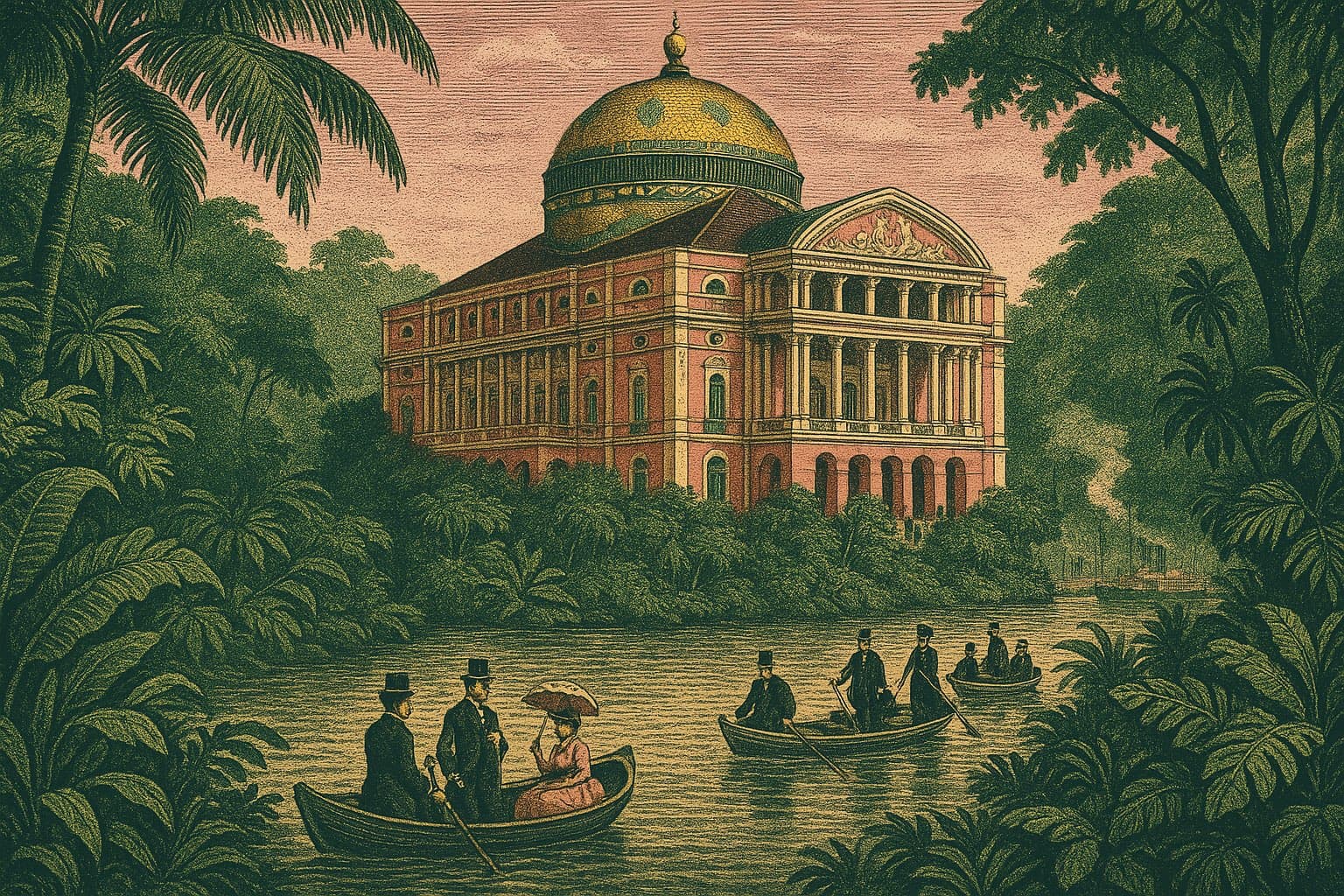
When the Amazon Was the Richest Place on Earth
The rubber boom raised an opera house in the jungle and delirious fortunes in Manaus and Iquitos. Then 70,000 seeds wiped it off the map.
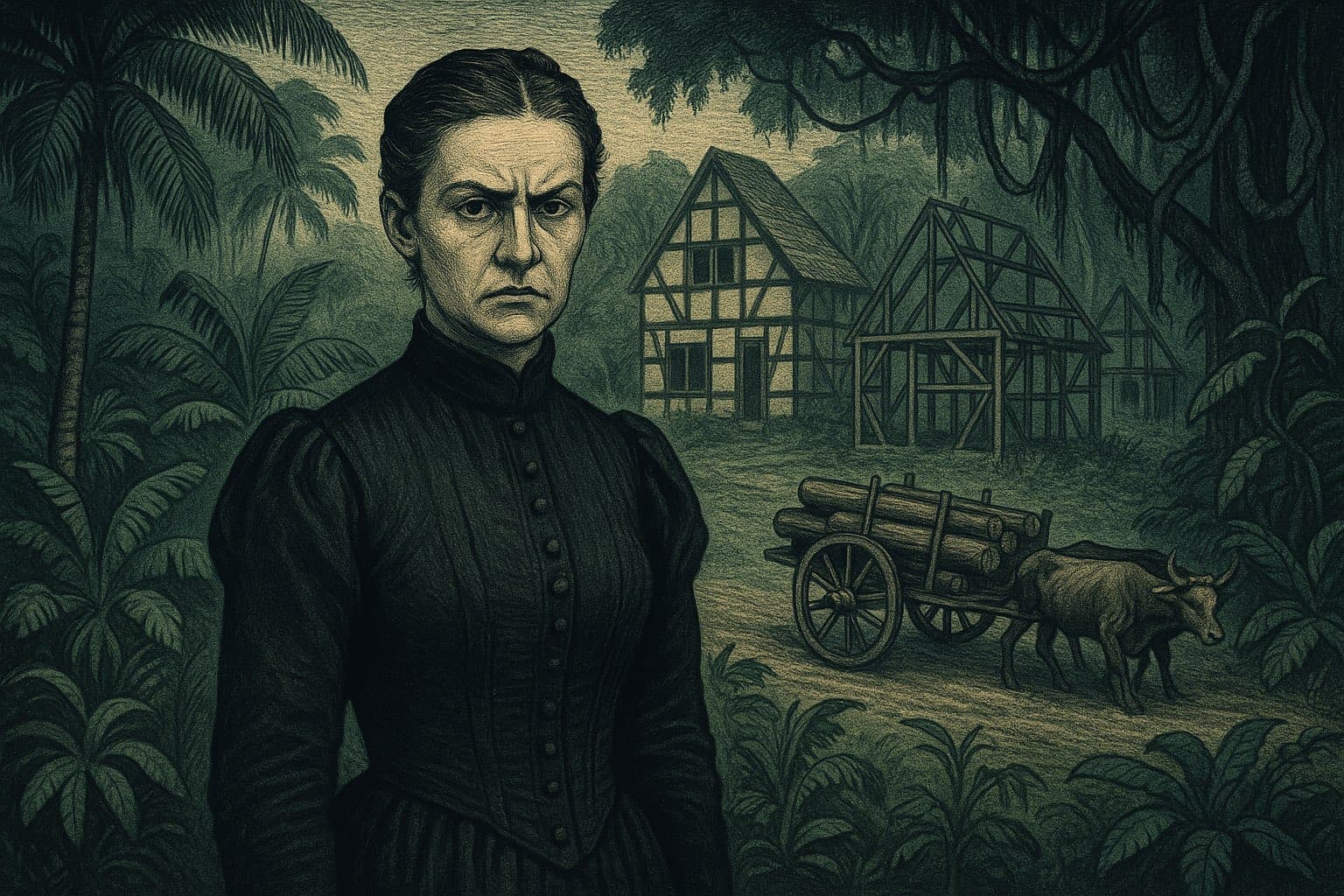
Nietzsche's Sister Founded an Aryan Colony in Paraguay
In 1886, Elisabeth Nietzsche and her antisemitic husband took 'pure' German families into the Paraguayan jungle. It went exactly as it deserved.
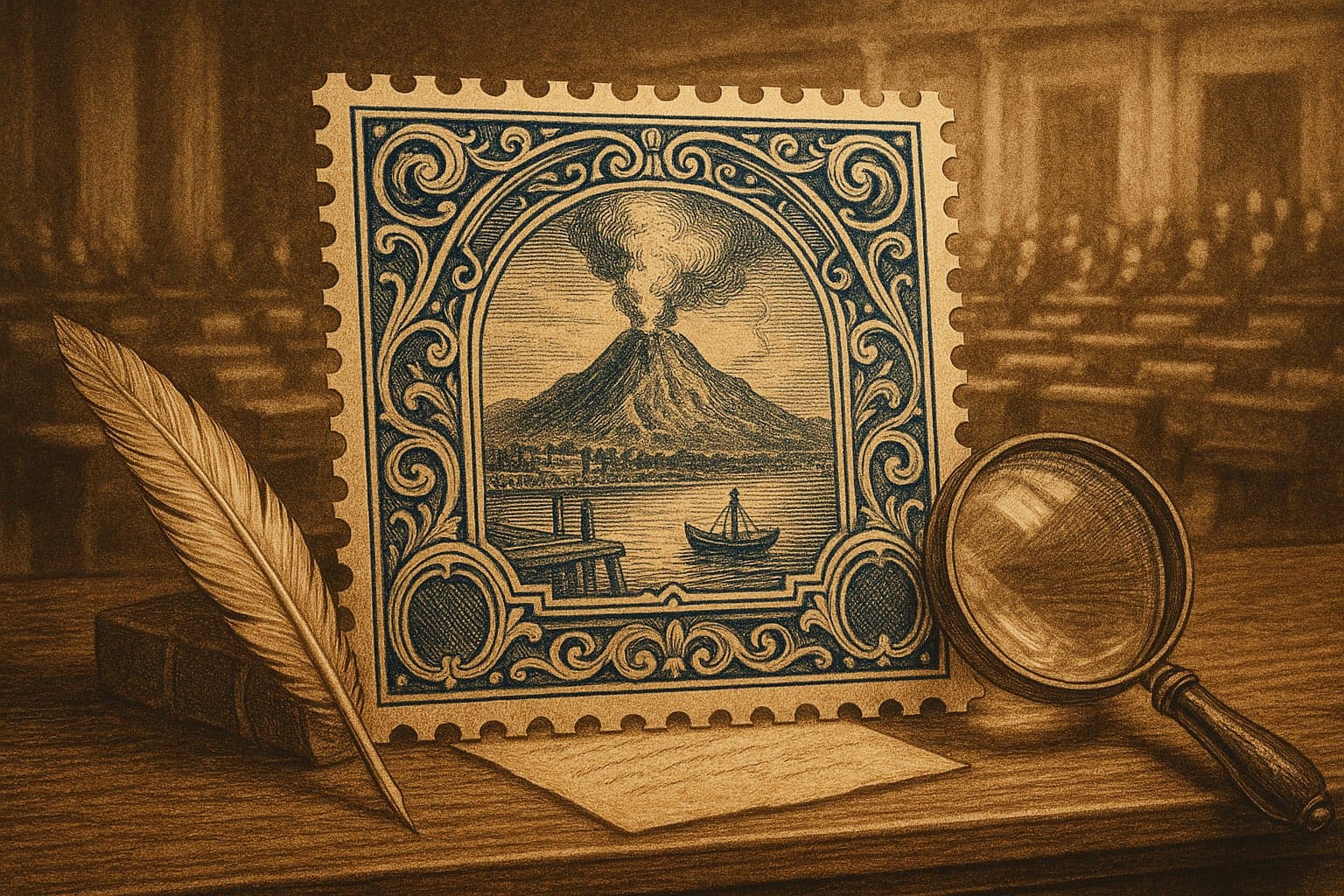
The Canal Was Built in Panama Thanks to a Postage Stamp
In June 1902, every U.S. senator received a Nicaraguan stamp showing a smoking volcano. Three days later, the canal went to Panama.
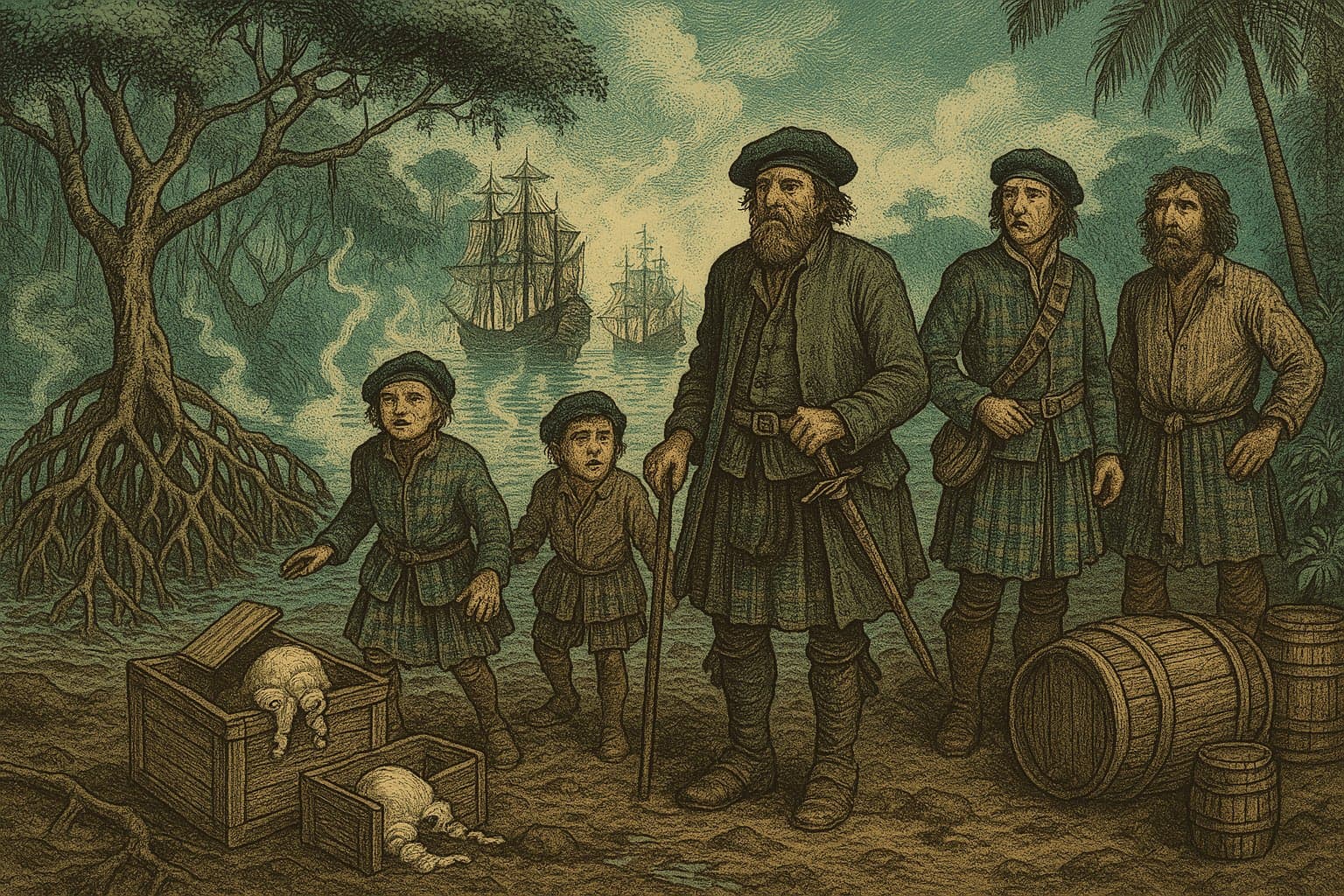
The Panamanian Swamp That Nearly Bankrupted Scotland
In 1698, Scotland bet a national fortune on founding a colony in Panama's Darién. Two years later it had no colony, no money — and no independence.
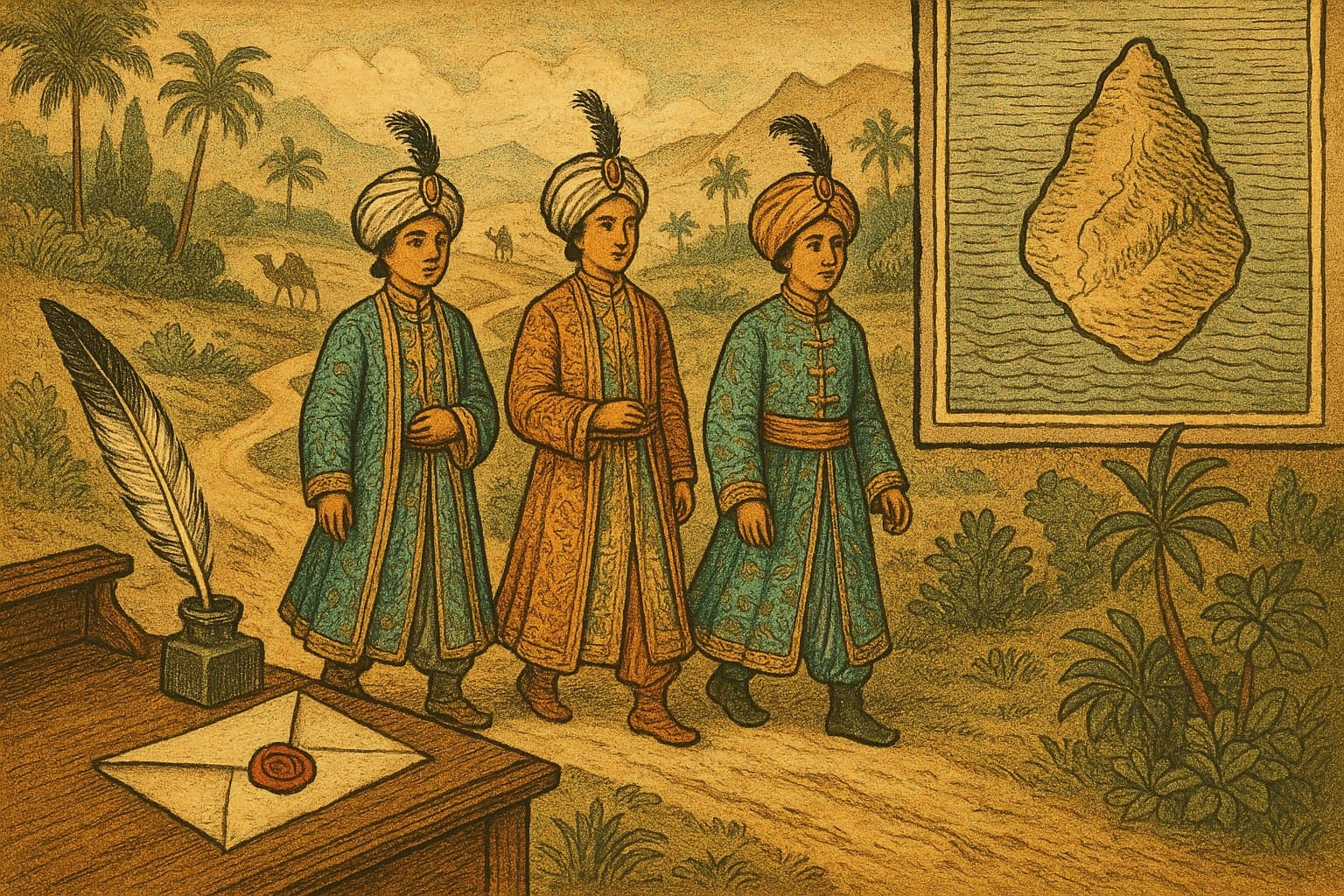
Serendipity: The Word Born in a Letter From 1754
Few words have an exact birth certificate. Serendipity was born on January 28th, 1754, in a private letter — and its root is the old name of Sri Lanka.
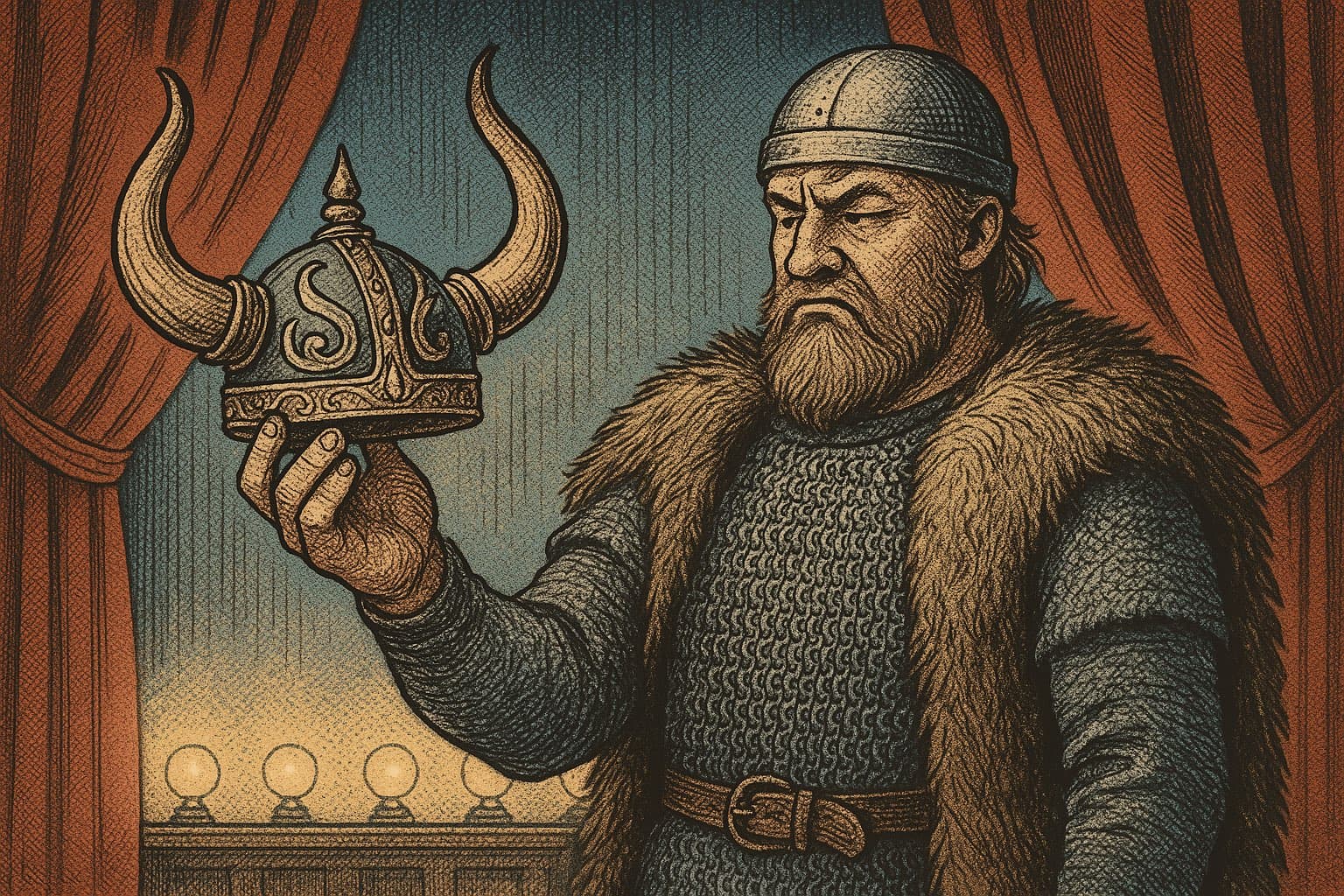
Vikings Never Wore Horned Helmets
Not a single horned Viking helmet exists in all of archaeology. The myth was invented by the costume designer of a Wagner opera in 1876.
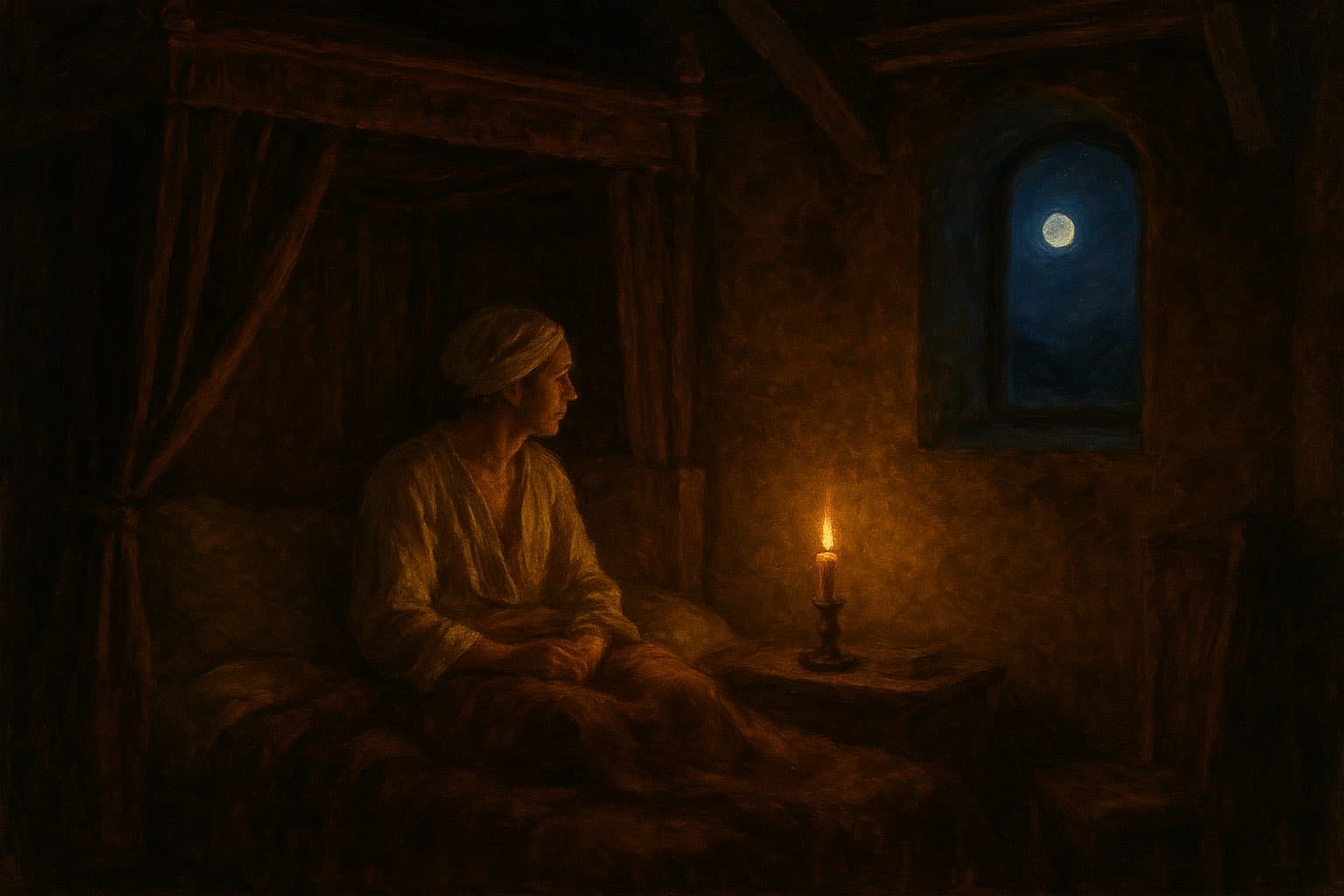
The Fifth Sleep: when we slept in two shifts
For centuries we did not sleep eight hours straight, but in two sleeps with a waking hour in between. The history of segmented sleep, from Cervantes to science.
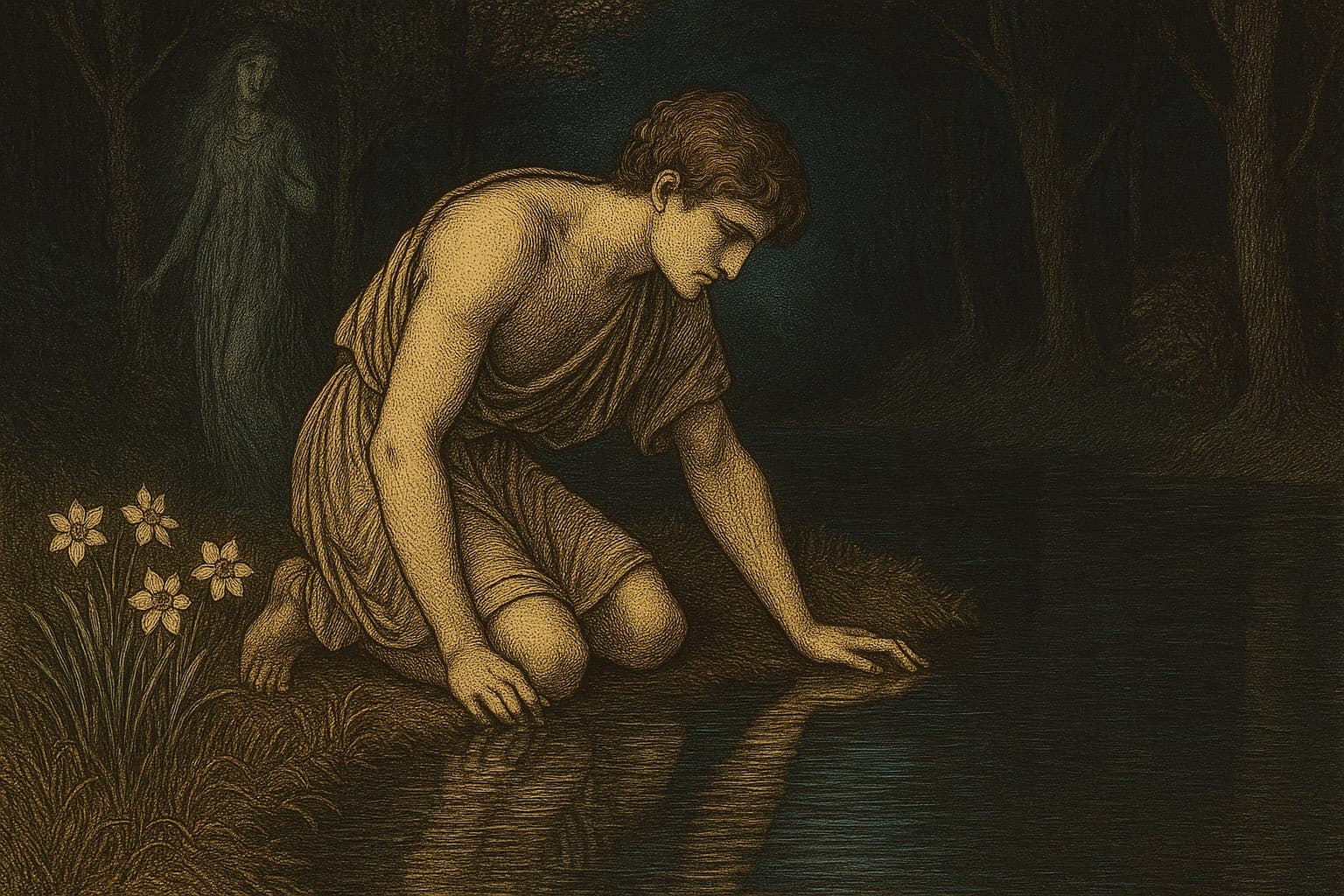
Narcissus Didn't Fall in Love With Himself: The Myth Behind “Narcissist”
Half the internet wants to know what a narcissist is. The Greek myth that named the word doesn't tell the story you think — and it's far better.
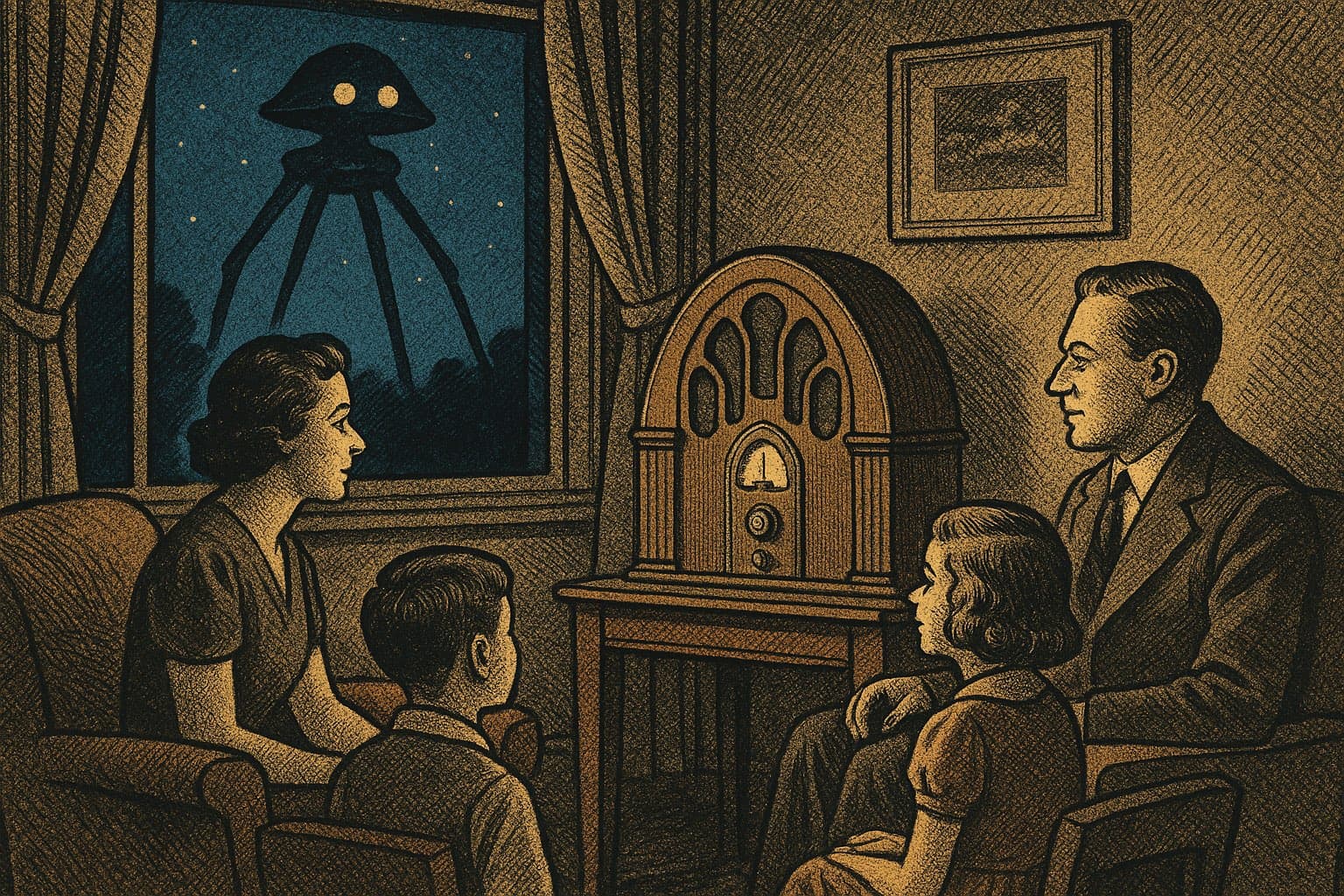
The War of the Worlds Panic Never Happened
The night Orson Welles terrified America is a myth manufactured by the press. The real panic came eleven years later — in Quito, Ecuador.
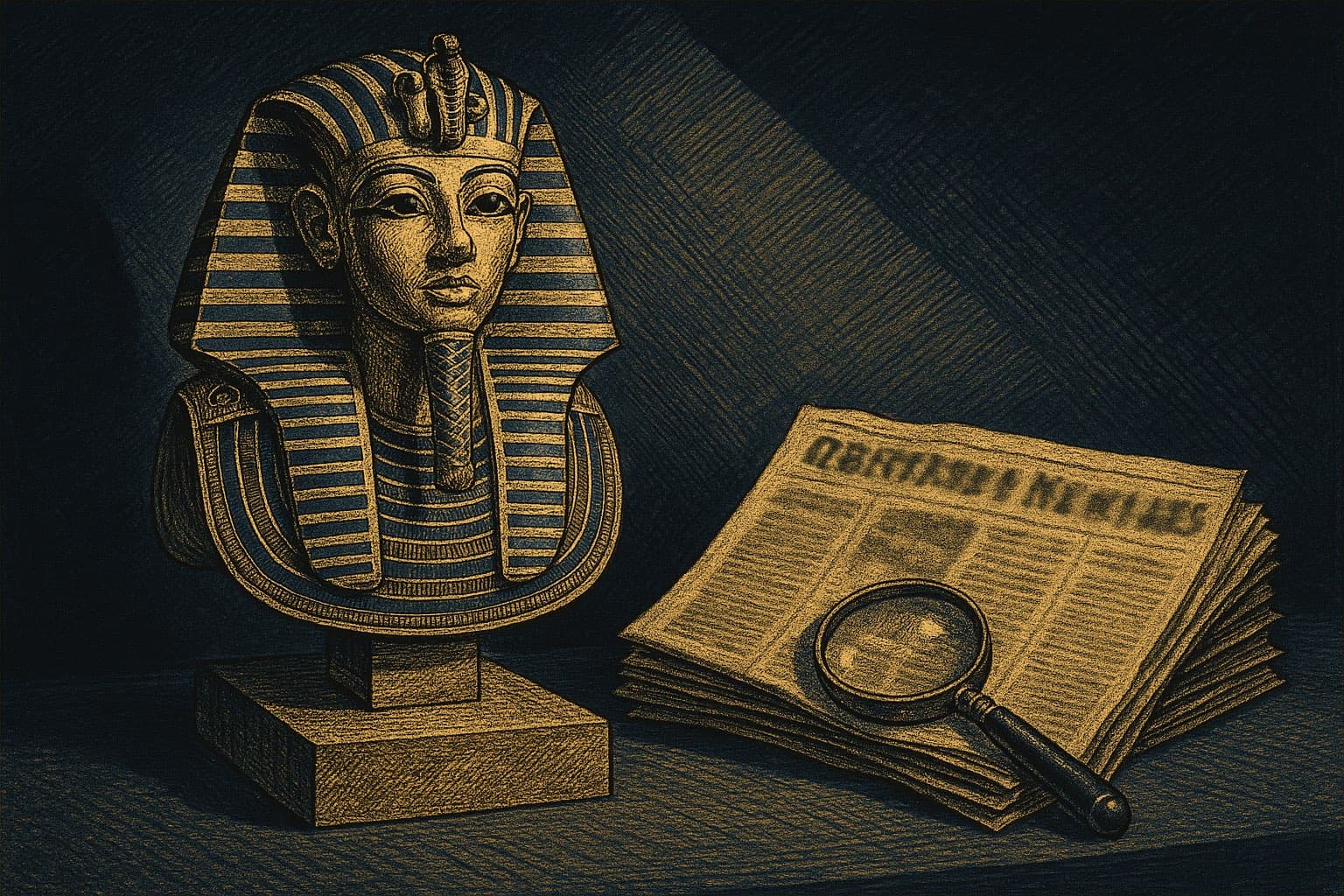
The Curse of Tutankhamun: The Numbers Don't Add Up
Of those present at the tomb's opening in 1922, the vast majority lived for decades. The pharaoh's curse was real — but the press invented it.
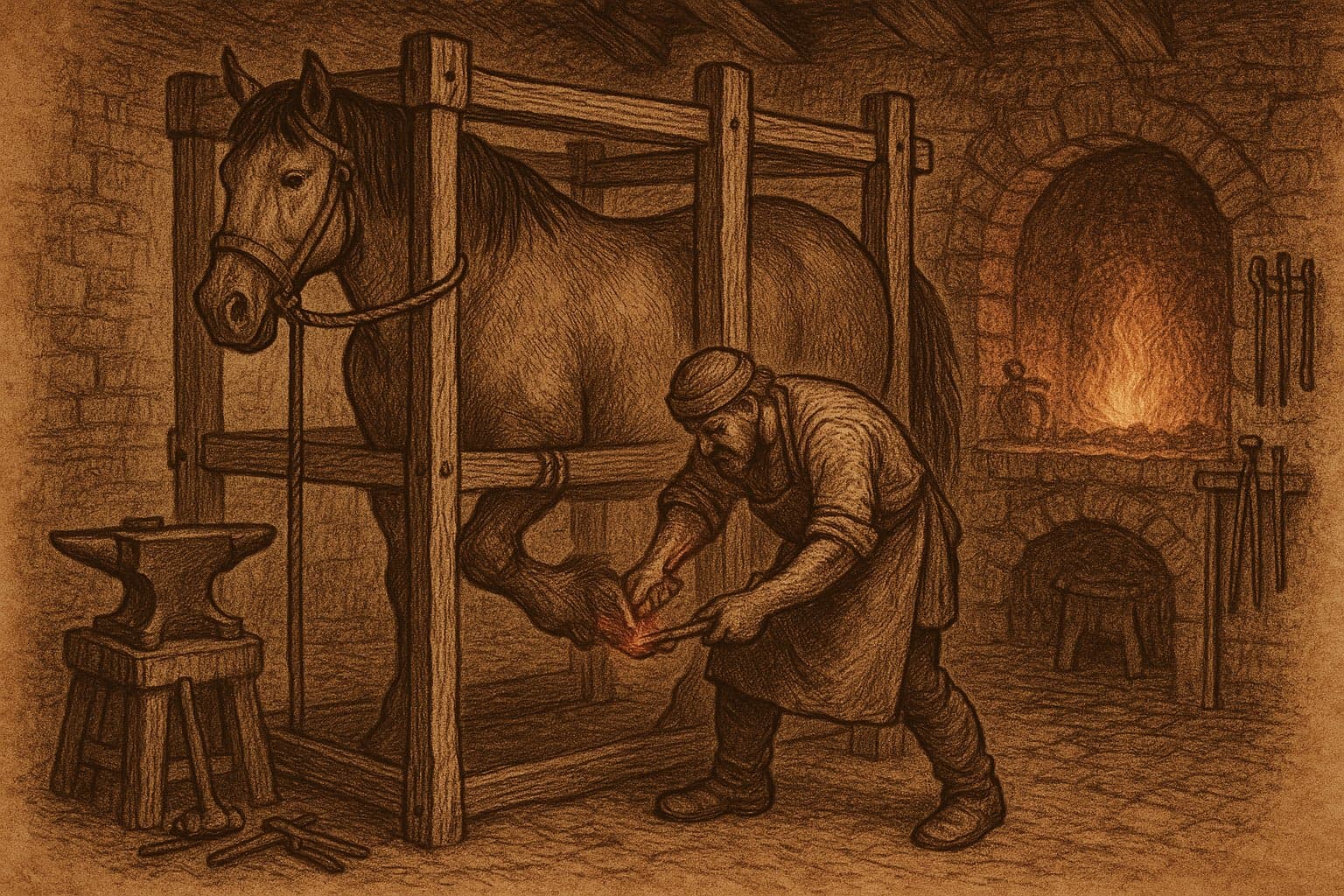
Does the Word “Travel” Really Come From a Torture Device?
Viral etymology says “travel” (and Spanish “trabajo”) comes from the tripalium, a Roman torture device. Short answer: sort of. The long one is better.
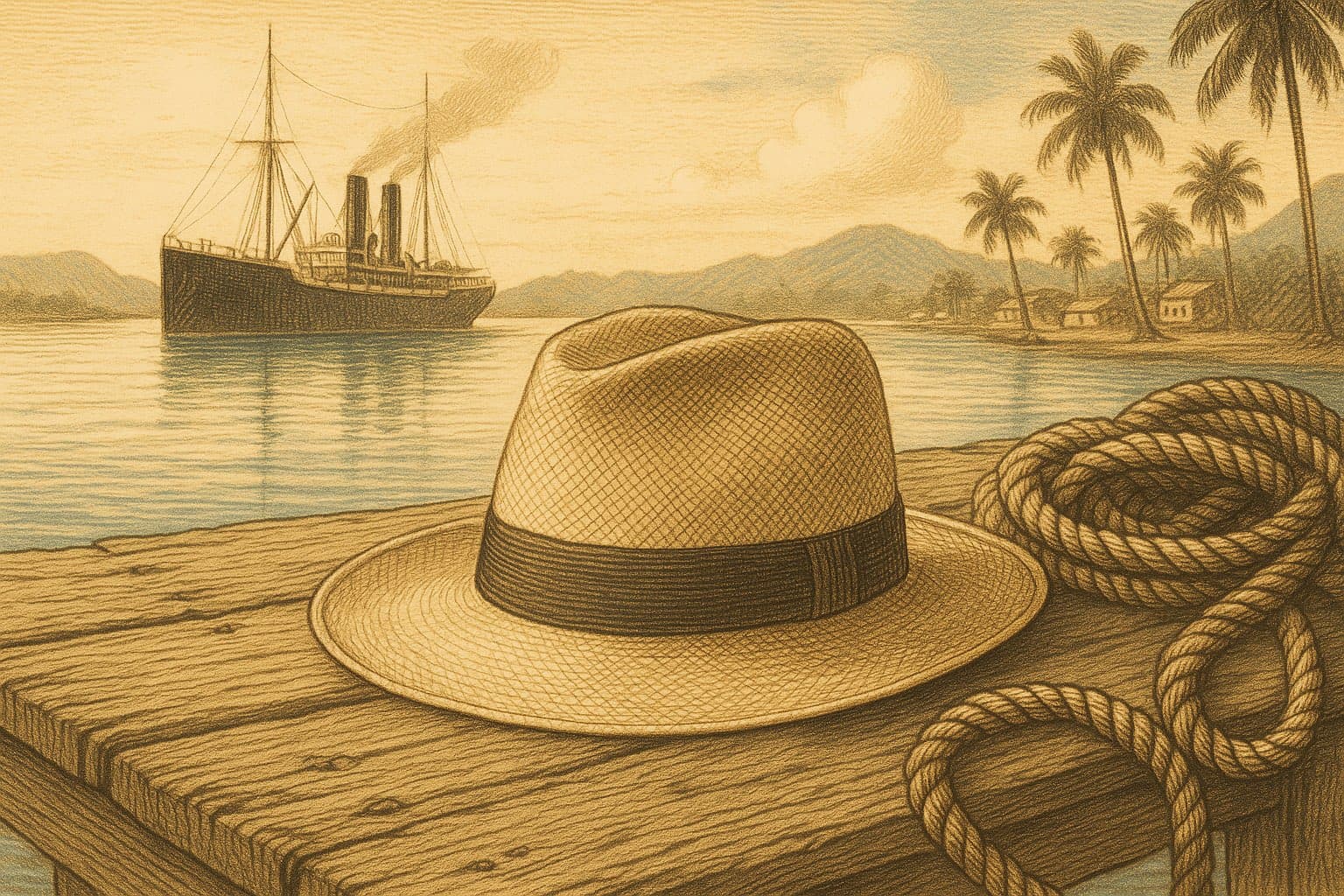
Why Is the Panama Hat Called Panama If It Was Born in Ecuador?
The world's most famous hat is woven in Montecristi and Cuenca, yet it bears another country's name. The story of a stylish injustice.
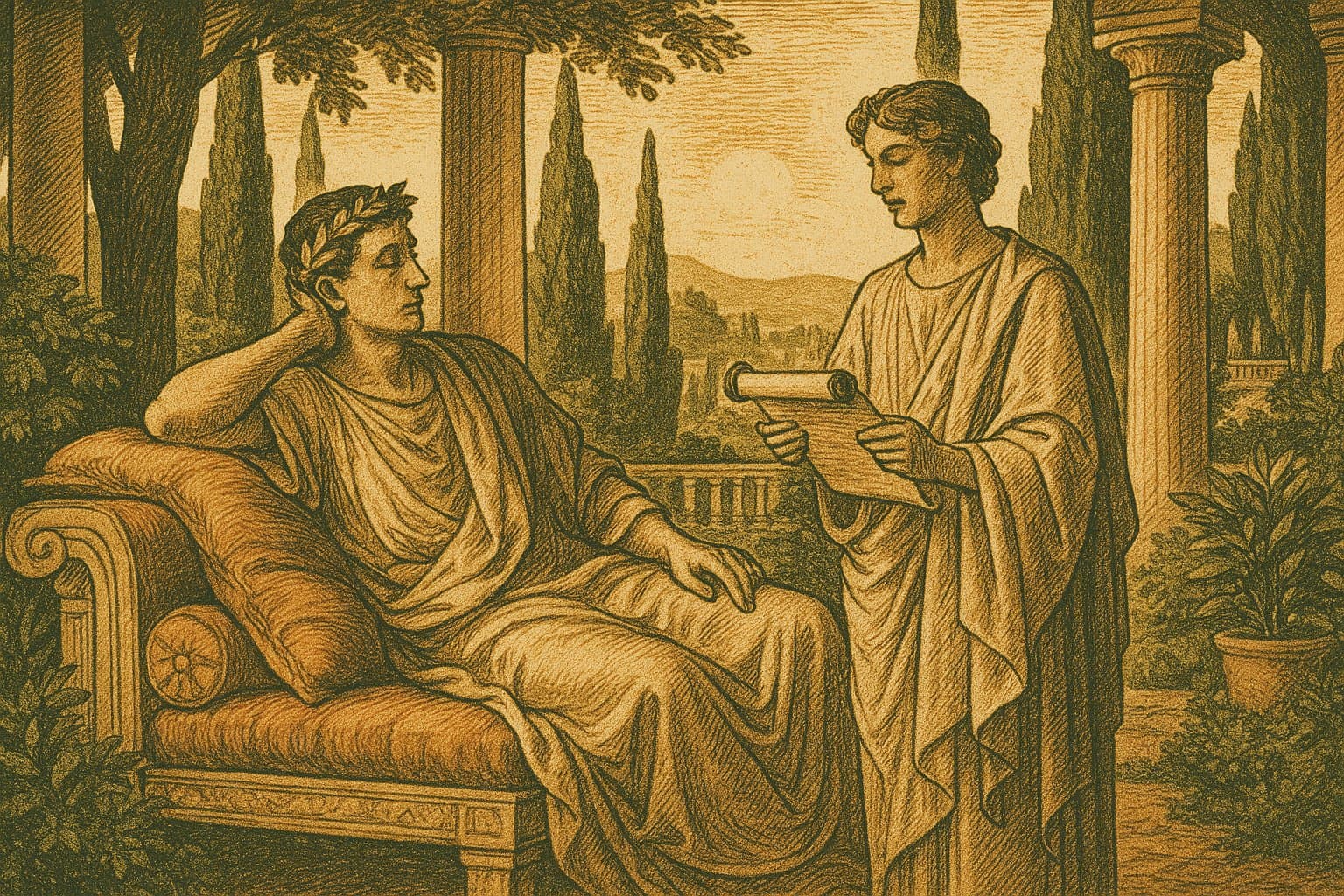
Maecenas Was Not a Word: He Was a Man
Behind every patron of the arts stands a real man: Gaius Maecenas, Augustus' millionaire friend who paid poets — and changed history doing it.
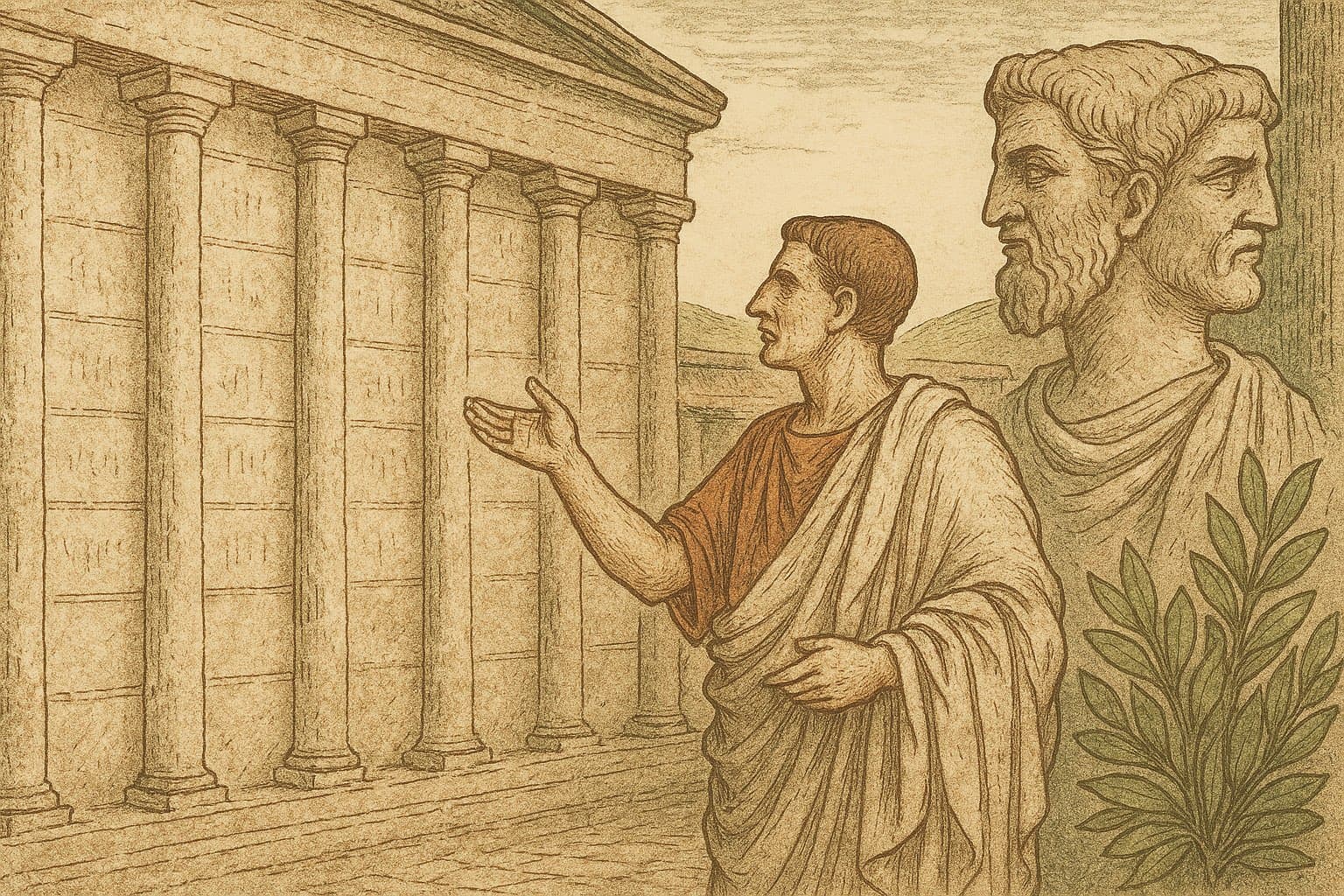
Why Does September Mean Seven If It's the Ninth Month?
September comes from septem, seven — yet it's the ninth month. Neither Julius Caesar nor Augustus is to blame: the story is older and stranger.
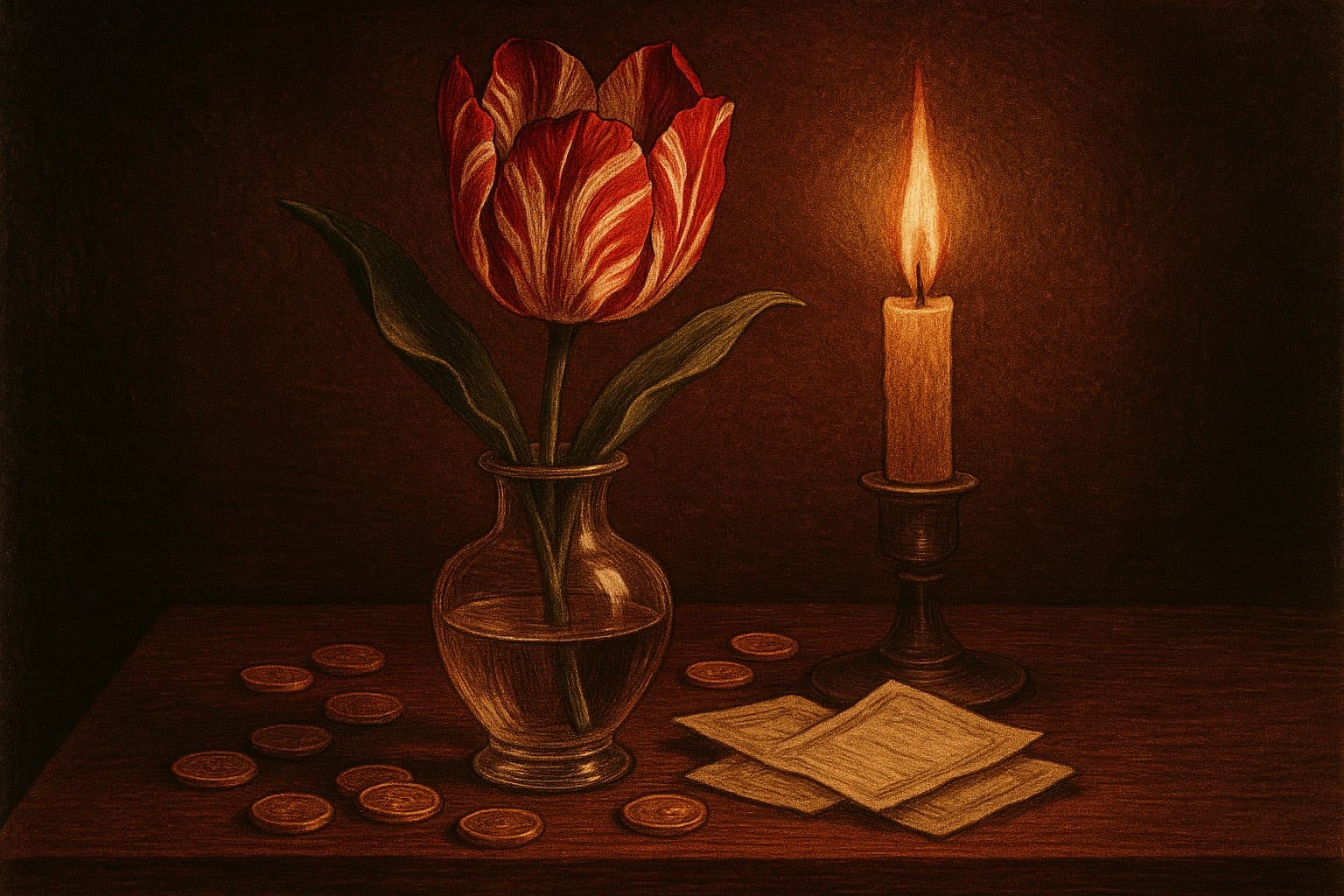
Tulip Mania: When a Flower Became a Financial Bubble
In the Holland of 1637, a single tulip bulb came to be worth more than an Amsterdam canal house. The story of the first great financial bubble.

The Origin of the Word “Sybarite”
Sybaris was the richest, most luxurious city of ancient Greece — until its dancing horses doomed it. This is how the word sybarite was born.

The Origin of the Word “Ostracism”
In classical Athens, scratching a name on a piece of broken pottery could banish a man for ten years. This is how ostracism was born.

The Real Origin of the Word “Gringo”
Everyone repeats that “gringo” comes from “green go home”, but the word already existed in Spain in 1787. This is the real story behind the term.
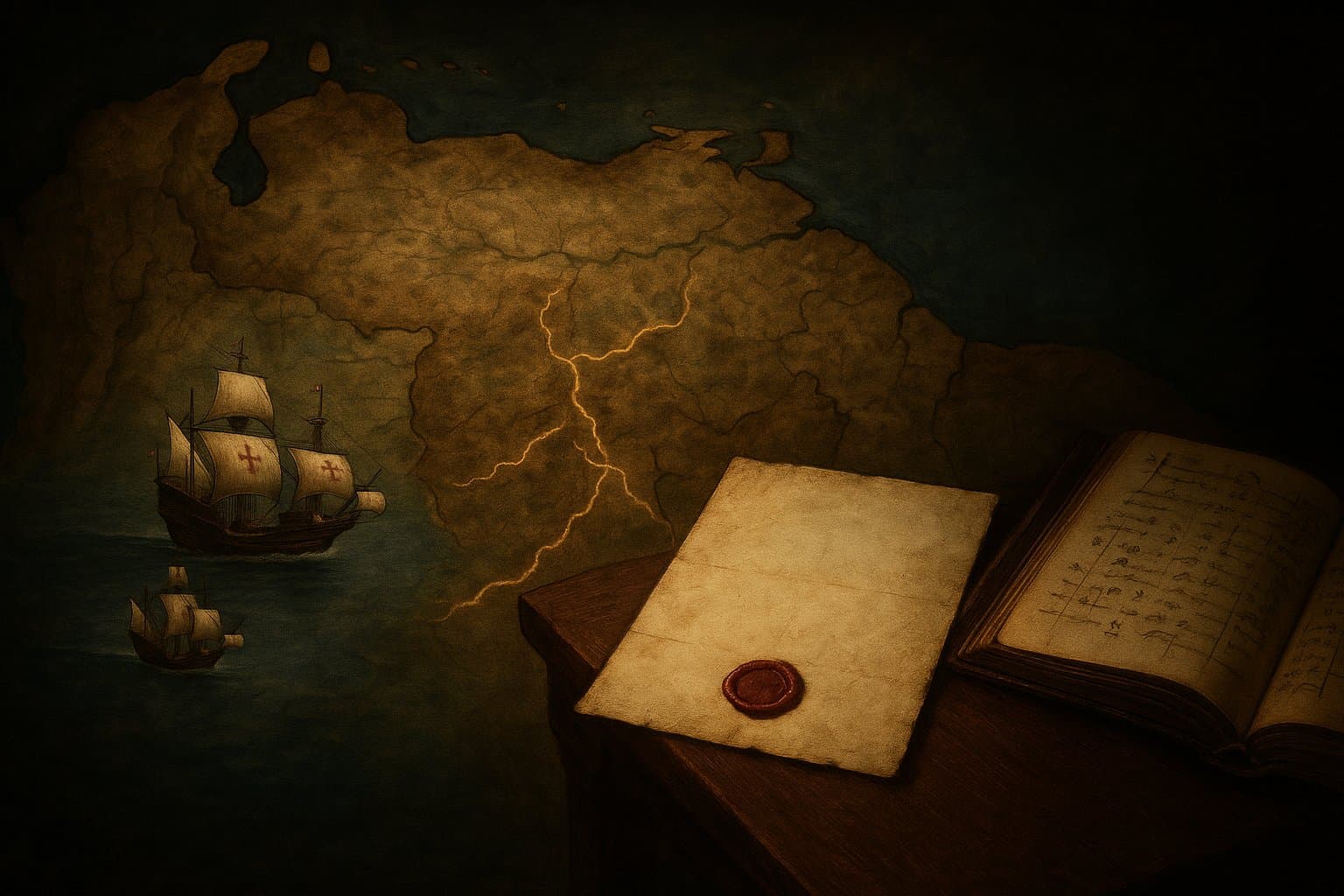
Klein-Venedig: The German Colony in Venezuela
For nearly two decades, part of Venezuela was administered by German bankers under the Spanish Crown. A province turned into a contract.
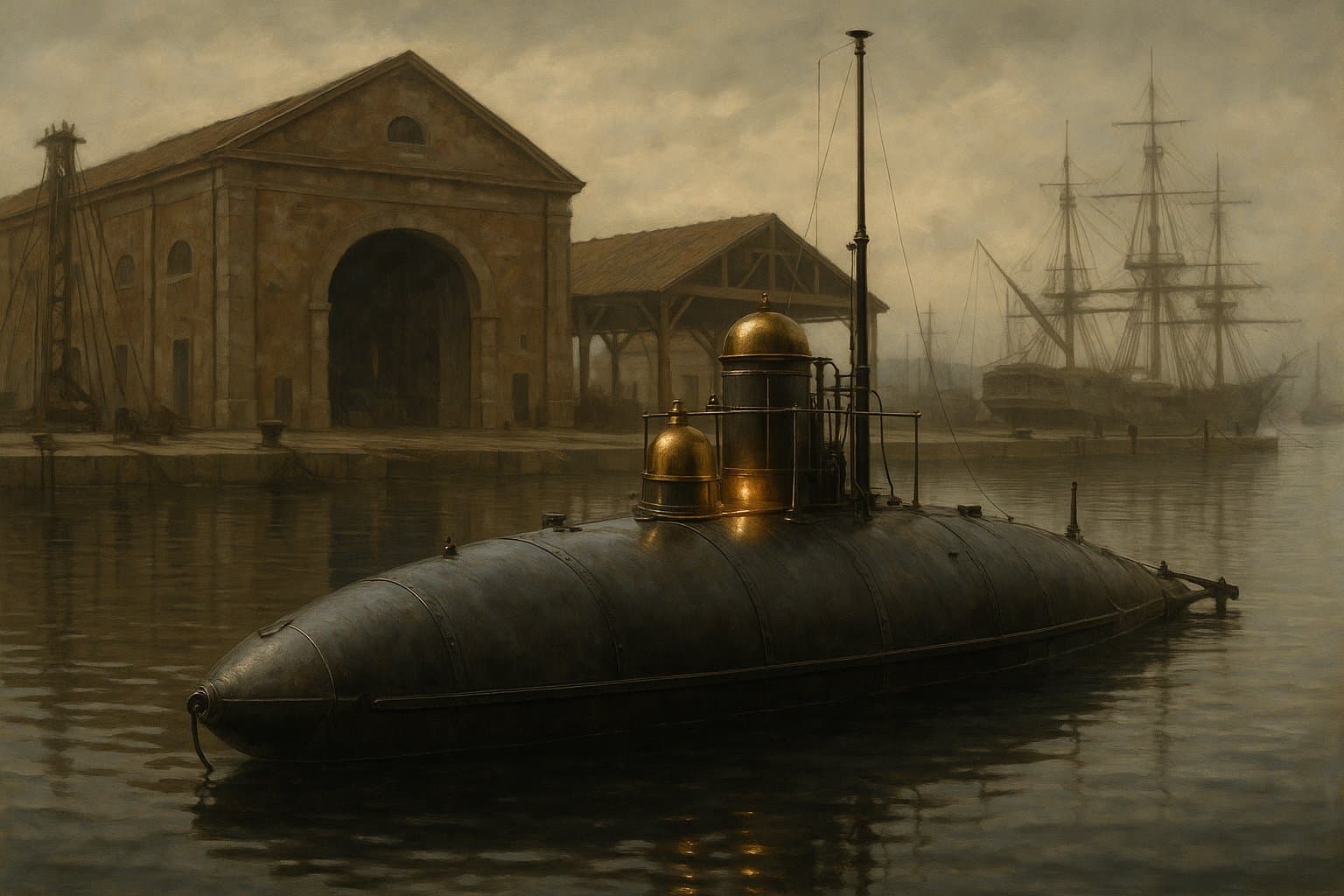
Isaac Peral's 1888 Electric Submarine (and Its Sad End)
In 1888, Isaac Peral built an electric submarine that sailed underwater and fired torpedoes, yet Spain buried this future in paperwork.

Project Huemul: the secret Argentine experiment that promised to master nuclear fusion
How a physicist convinced Perón he could tame nuclear fusion on a Patagonian island, and how a young Balseiro exposed the spectacular fraud.
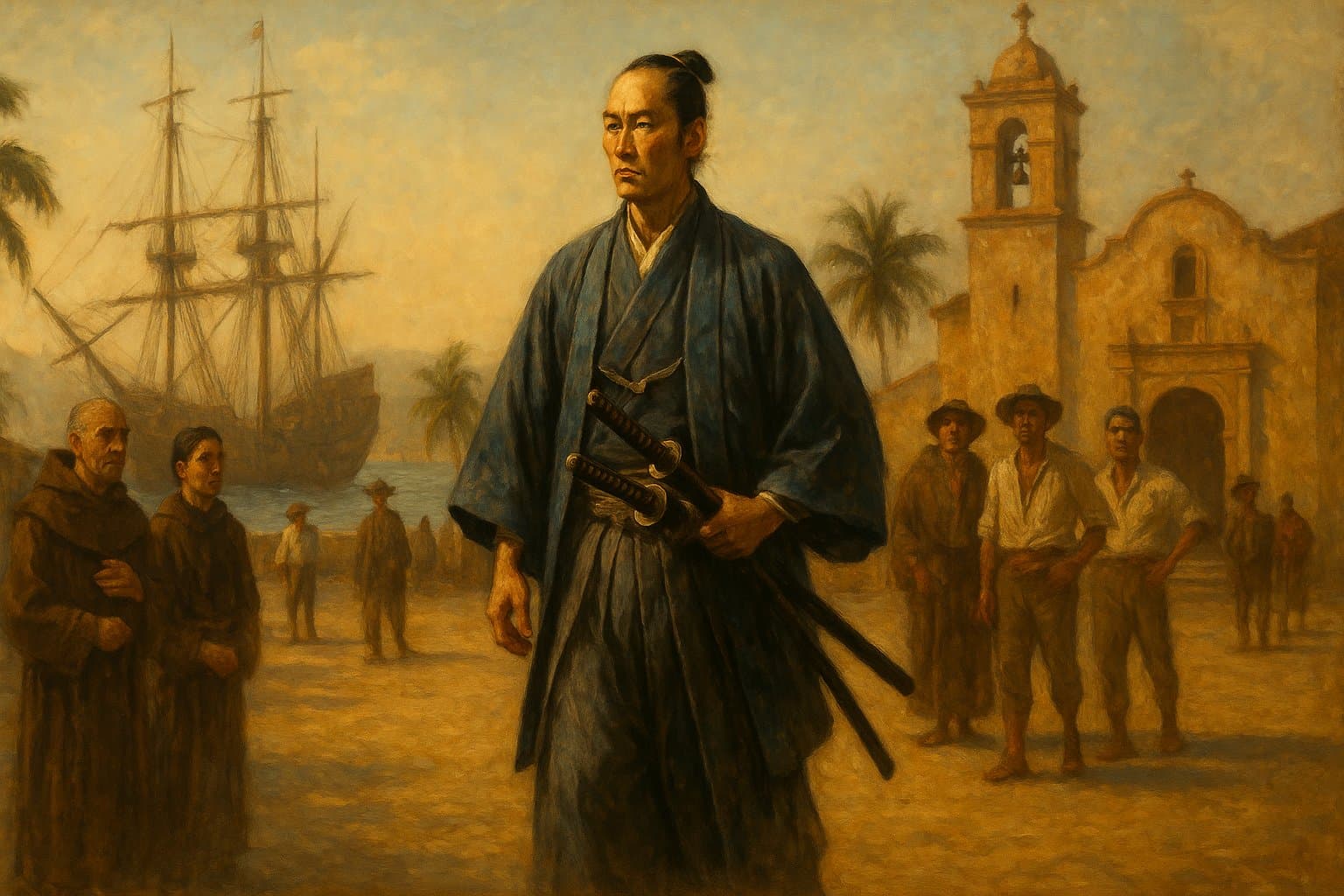
The samurai who arrived in Acapulco
In 1614 a Japanese galleon brought a samurai ambassador to Acapulco; he crossed Mexico to Rome, and his crew still has descendants near Seville.
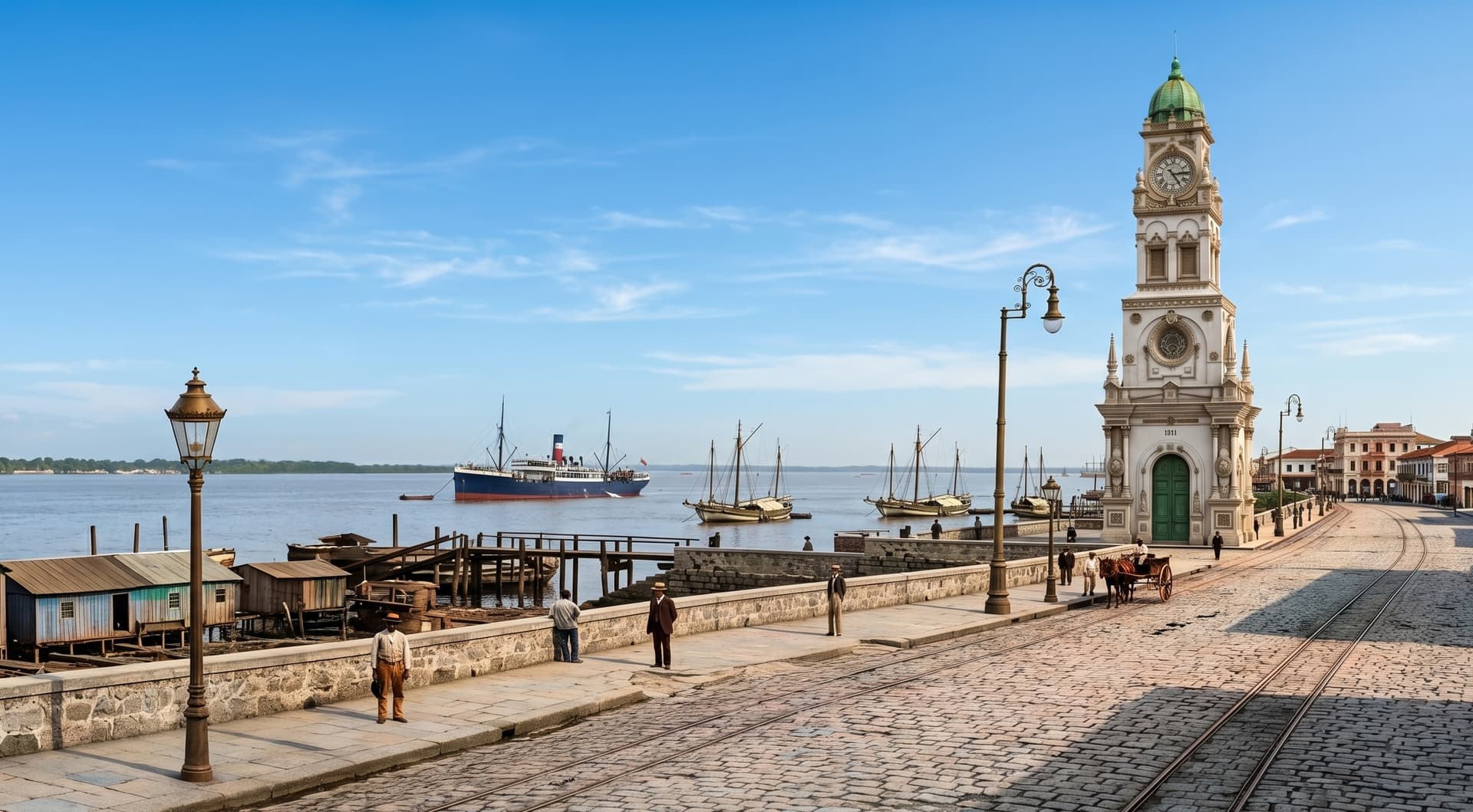
Rescuing the Bardellini Tower
It stood on Guayaquil's Malecón for only four years before falling to a structural miscalculation. I rebuild in 3D the clock tower the city almost forgot.
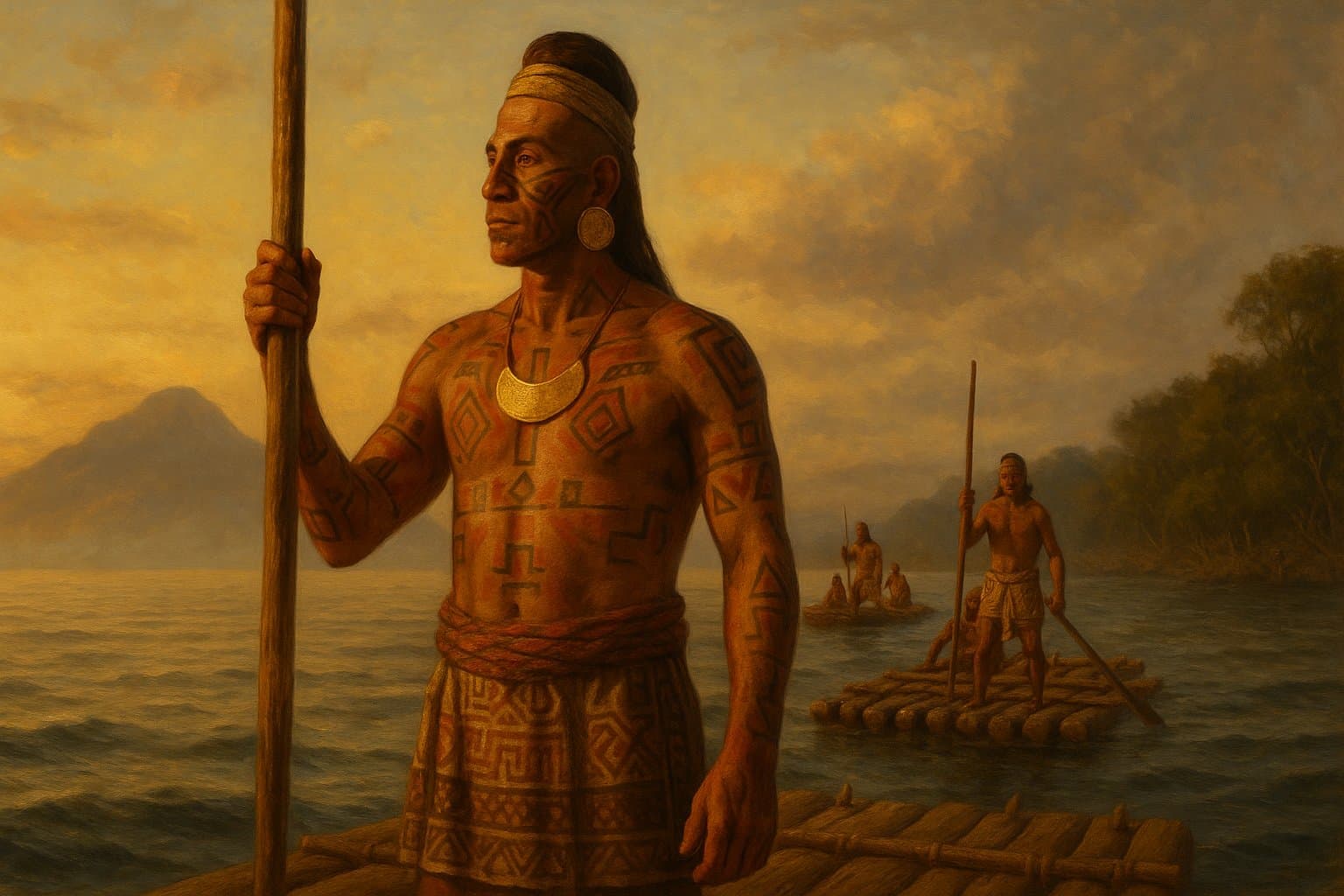
The History and Origin of All the Tomalás
The Tomalá surname hides a saga of balsa rafts and defiant caciques: the chief of Puná Island who refused to bow to Huayna Cápac or the colonizers.
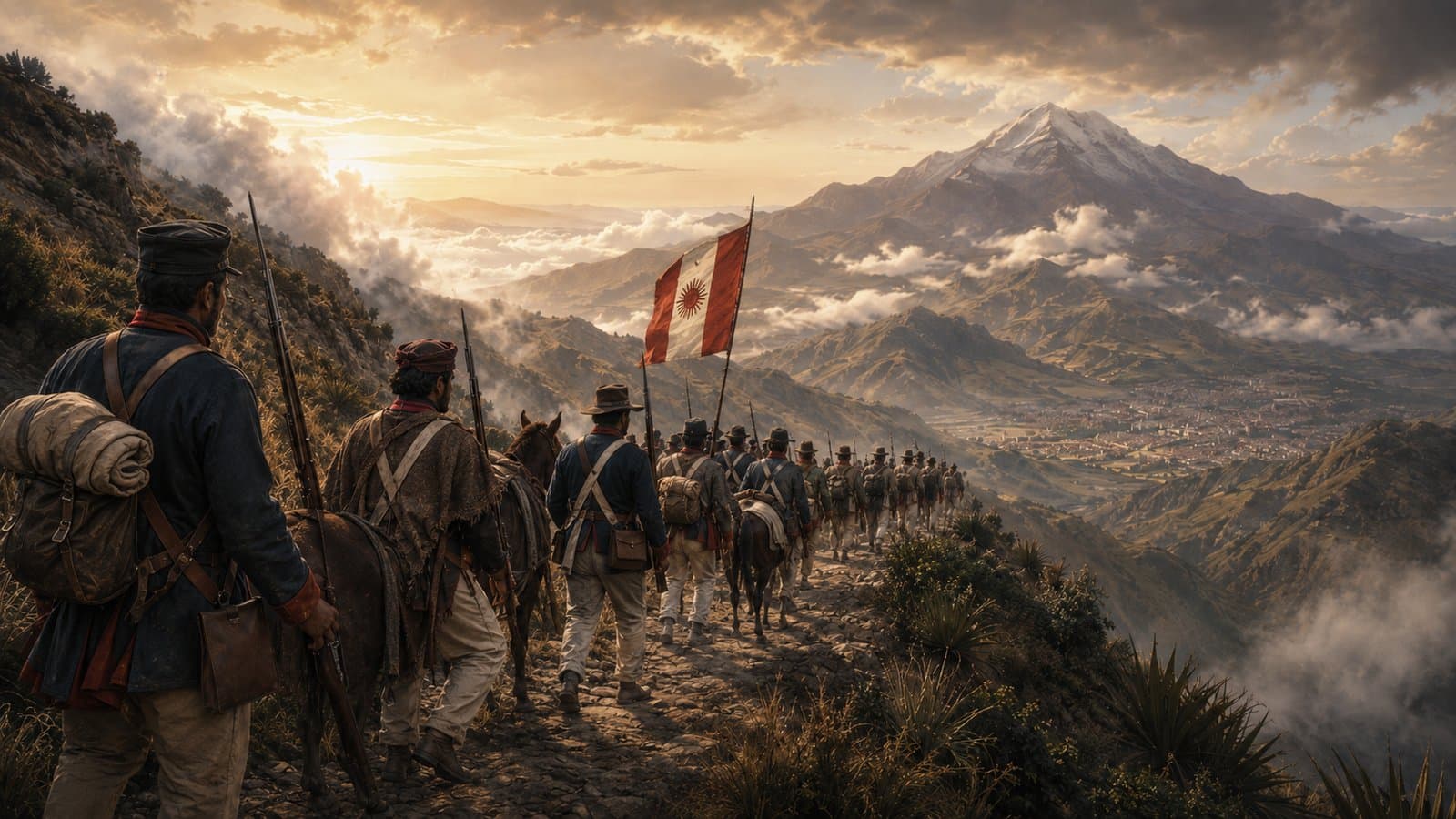
Why did so many Peruvians fight the Battle of Pichincha? An essay and chronicle of the Santa Cruz Expedition
On May 24, 1822, the freedom of Quito was decided. But a huge part of the patriot army did not come from Ecuador: it came from Peru.
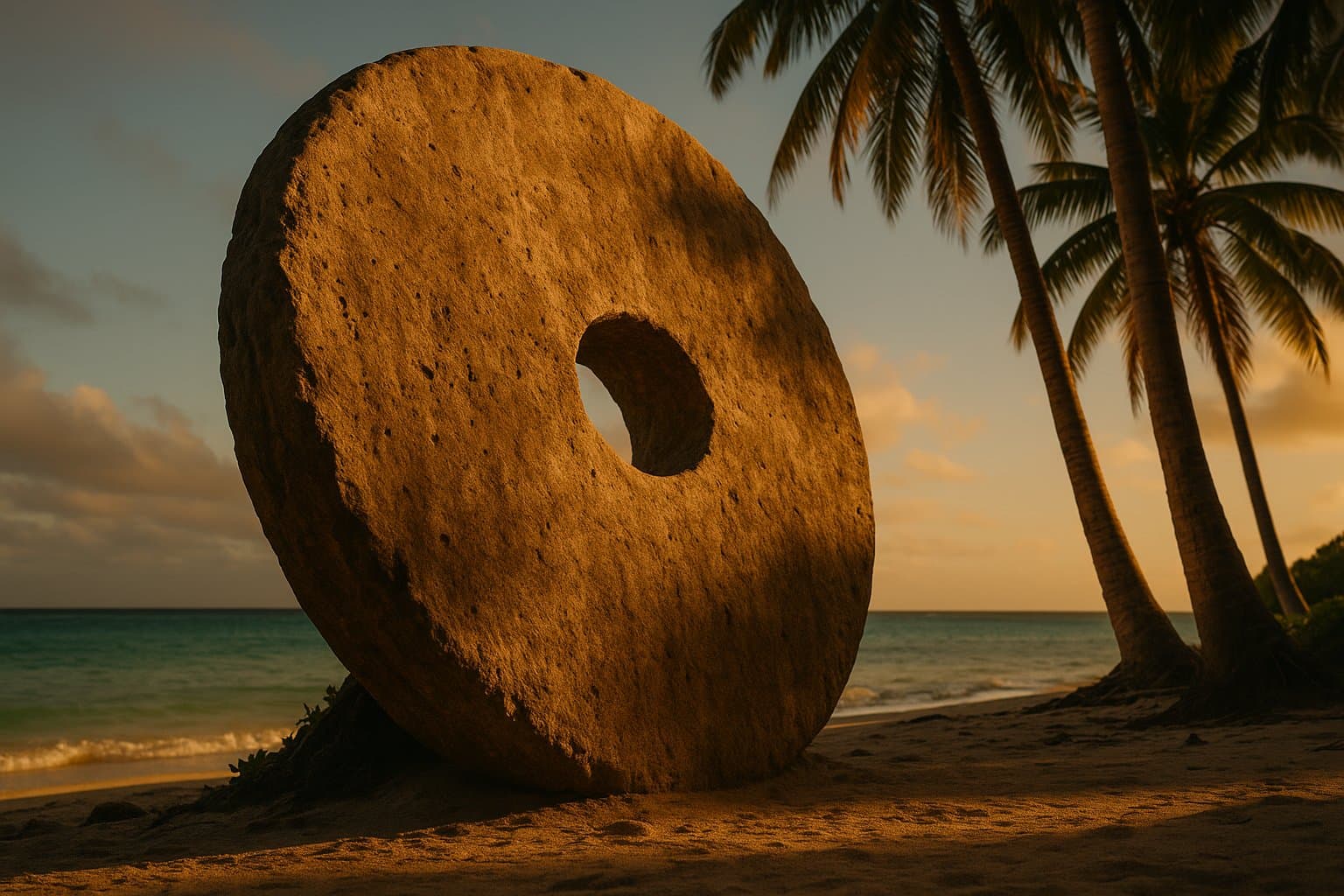
The Giant Stones of Yap and What Money Really Is
On a tiny Pacific island, money was made of giant stones — some so heavy they never moved, and one of them sat at the bottom of the sea.
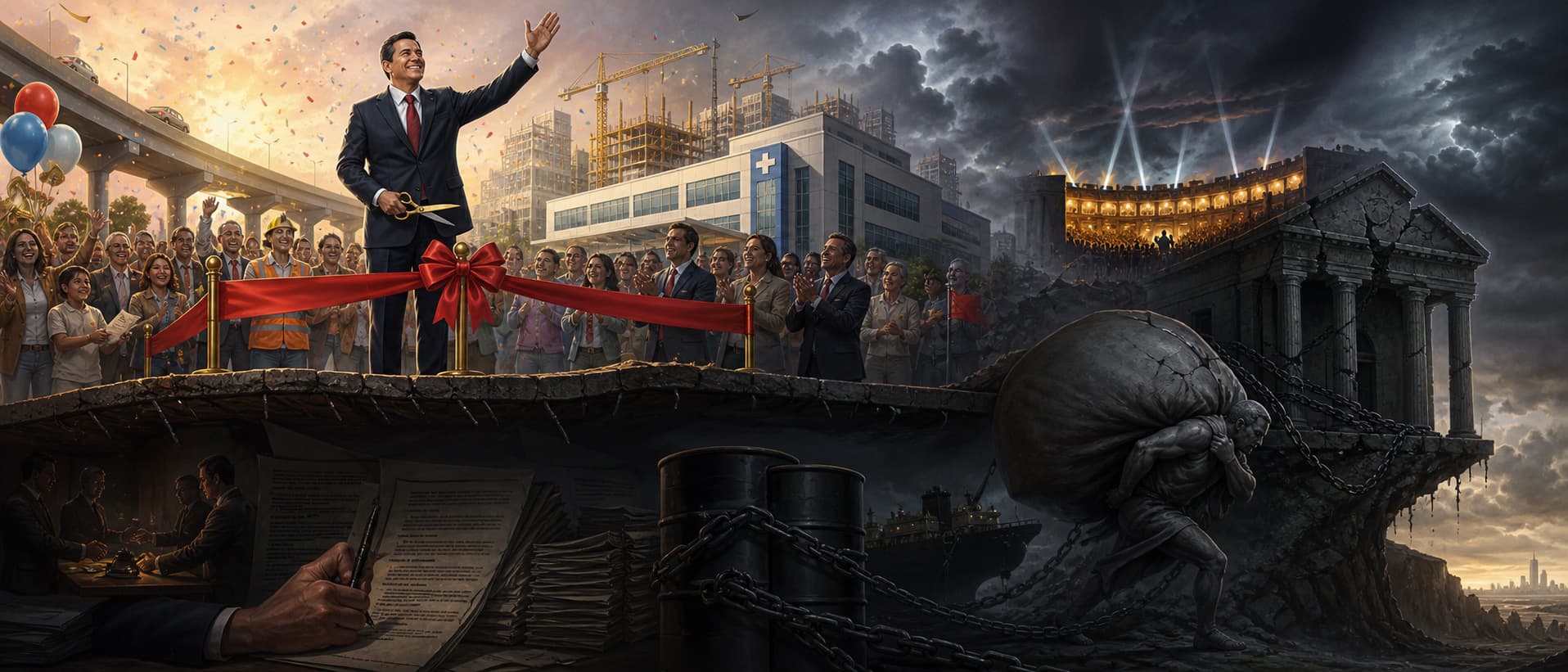
A Foolproof and Irresponsible Strategy for Governing and Being Loved
The oldest political trick for governing and being loved: spend lavishly today and quietly leave the bill for whoever comes next to pay.
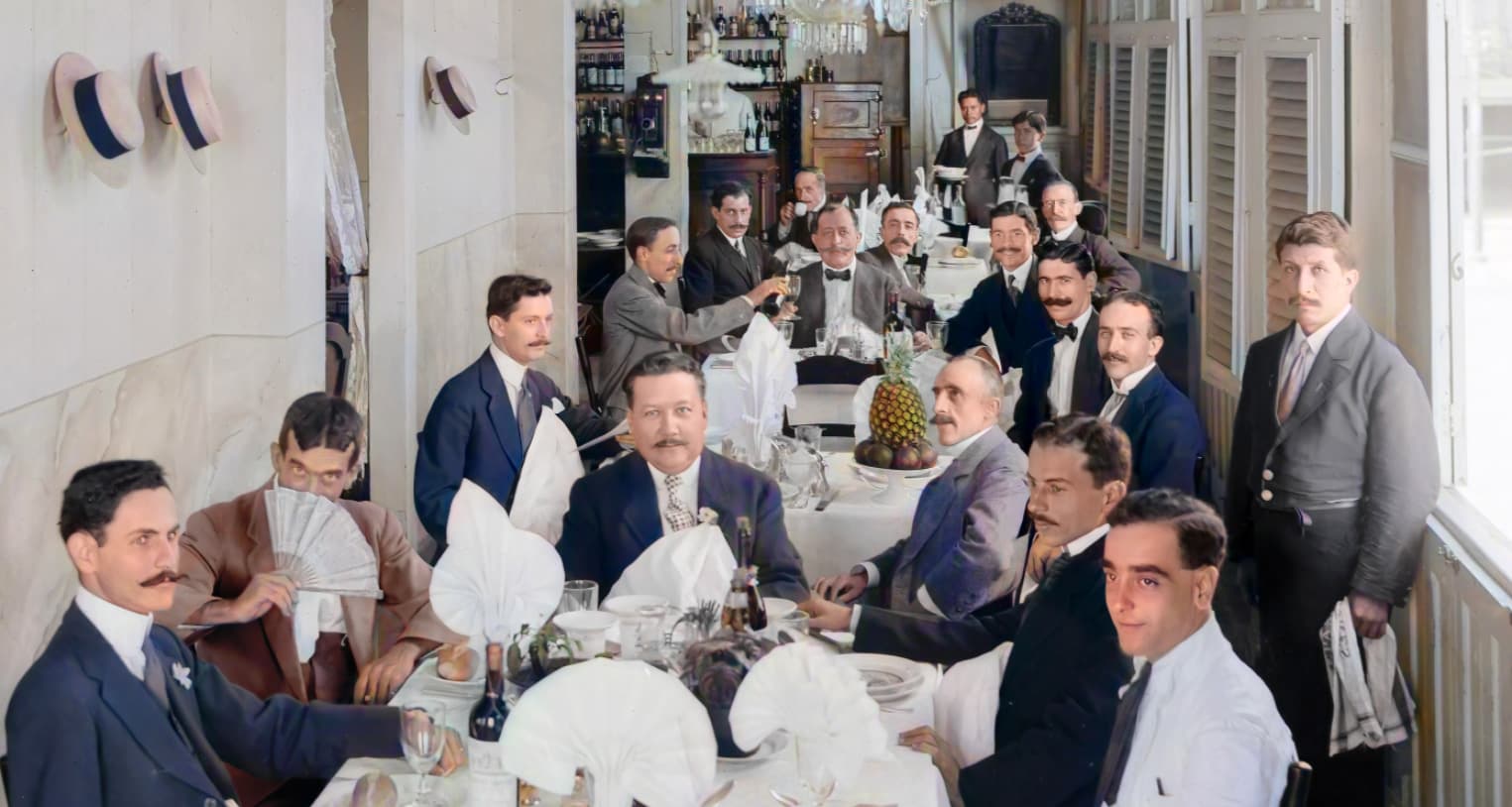
The Story of a Fruit That Was Rented
The pineapple was once so rare and prized that it crowned gala banquets as a status symbol, and was rented out rather than eaten. Here's its story.
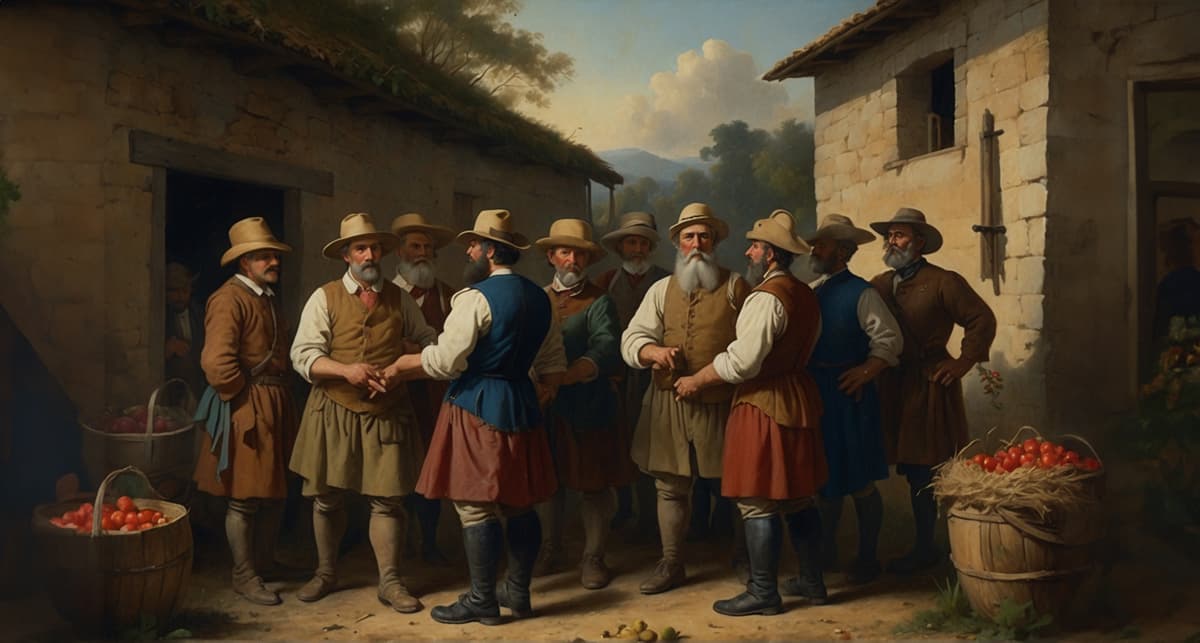
The Origin of the Word "Boycott"
The word boycott comes from a real man, Charles Boycott, an English land agent in Ireland whom an entire community refused to serve in 1880.
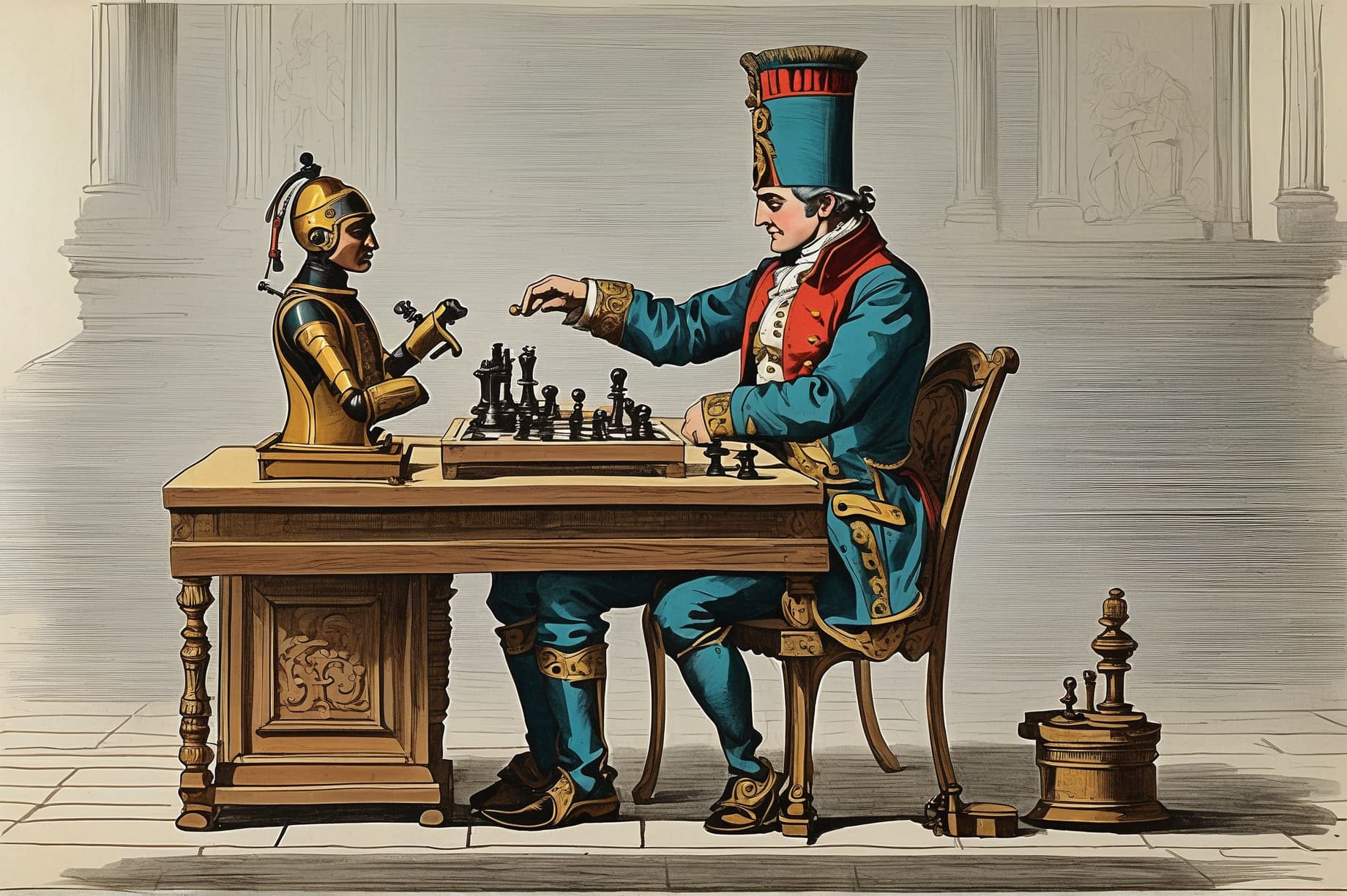
The Robot That Defeated Napoleon
The Mechanical Turk, an 18th-century chess automaton, dazzled Europe and even beat Napoleon, hiding a secret that fooled the world for decades.
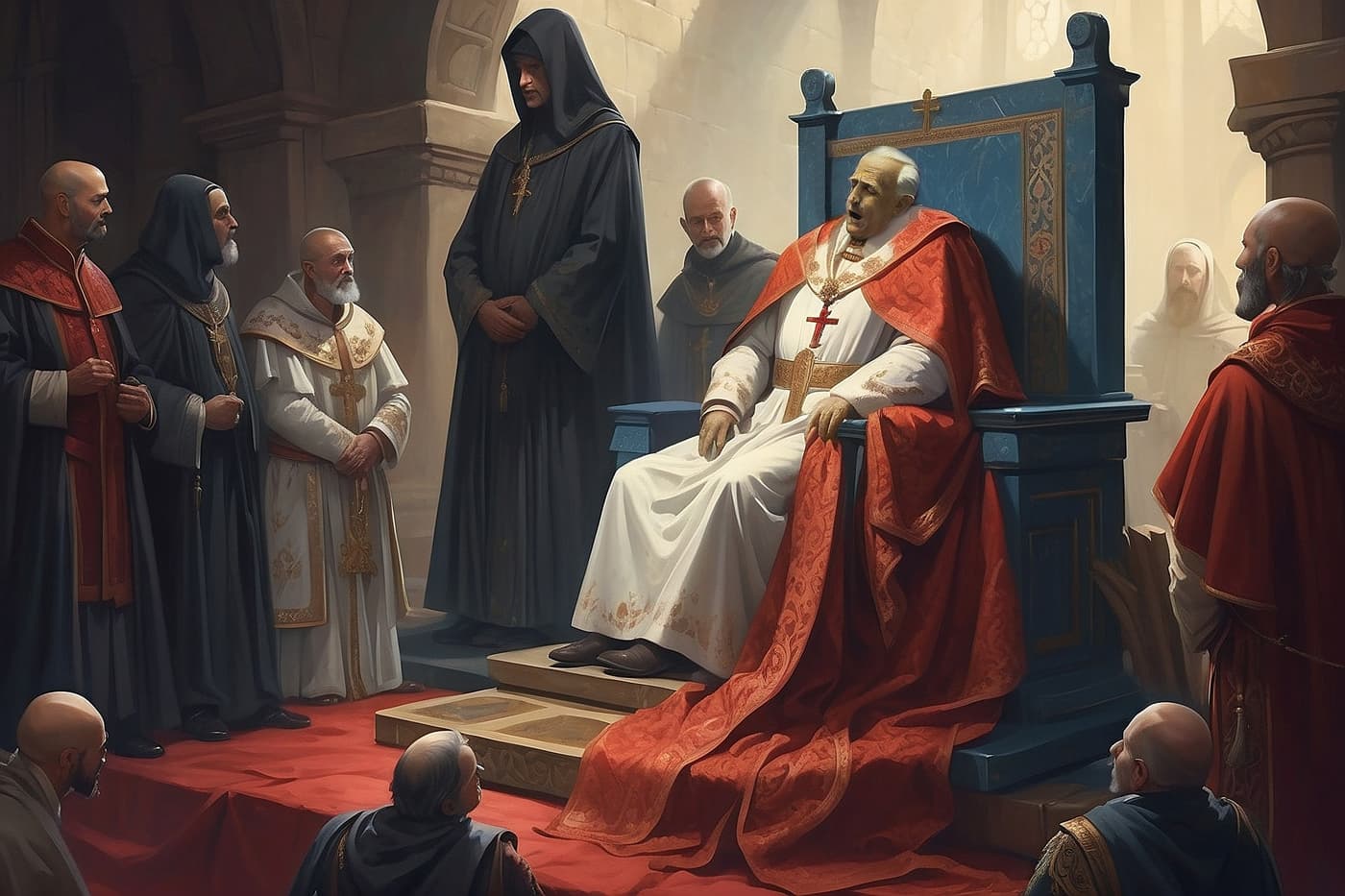
The Pope's Corpse That Was Put on Trial
In 897 a pope dug up his predecessor's rotting corpse, dressed it in vestments and put it on trial, the macabre episode known as the Cadaver Synod.

The Story Behind the Name of Isla de la Plata and the Treasure It Still Hides
Why is it called Isla de la Plata? A real pirate's chronicle reveals the truth behind the name, once Drake's Island, and the treasure it may still hide.
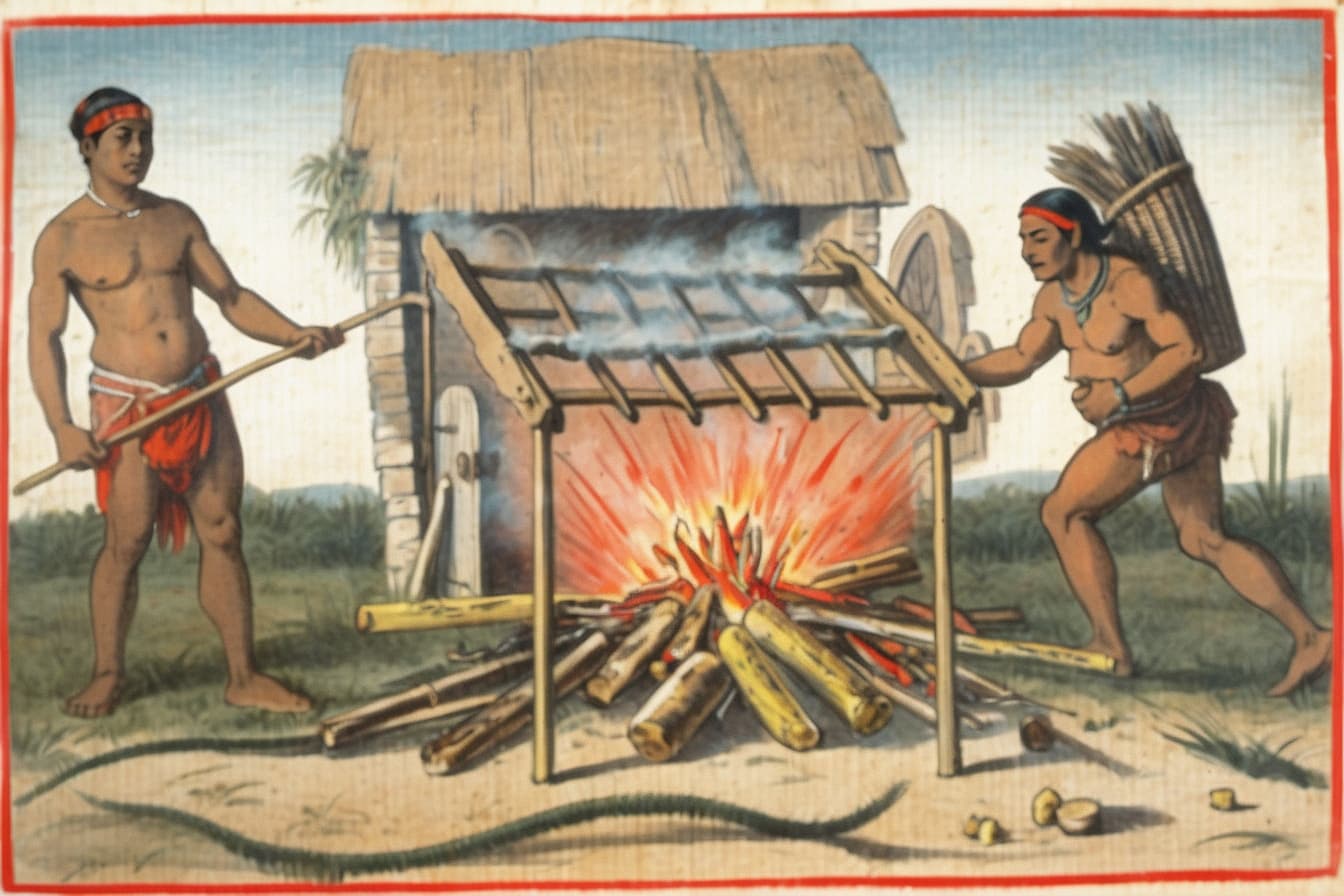
Barbecued Meat and the Origin of the Buccaneers
How did barbecued meat give the buccaneers their name? The surprising tale of ruthless pirates who learned to smoke meat the Taíno way on Hispaniola.
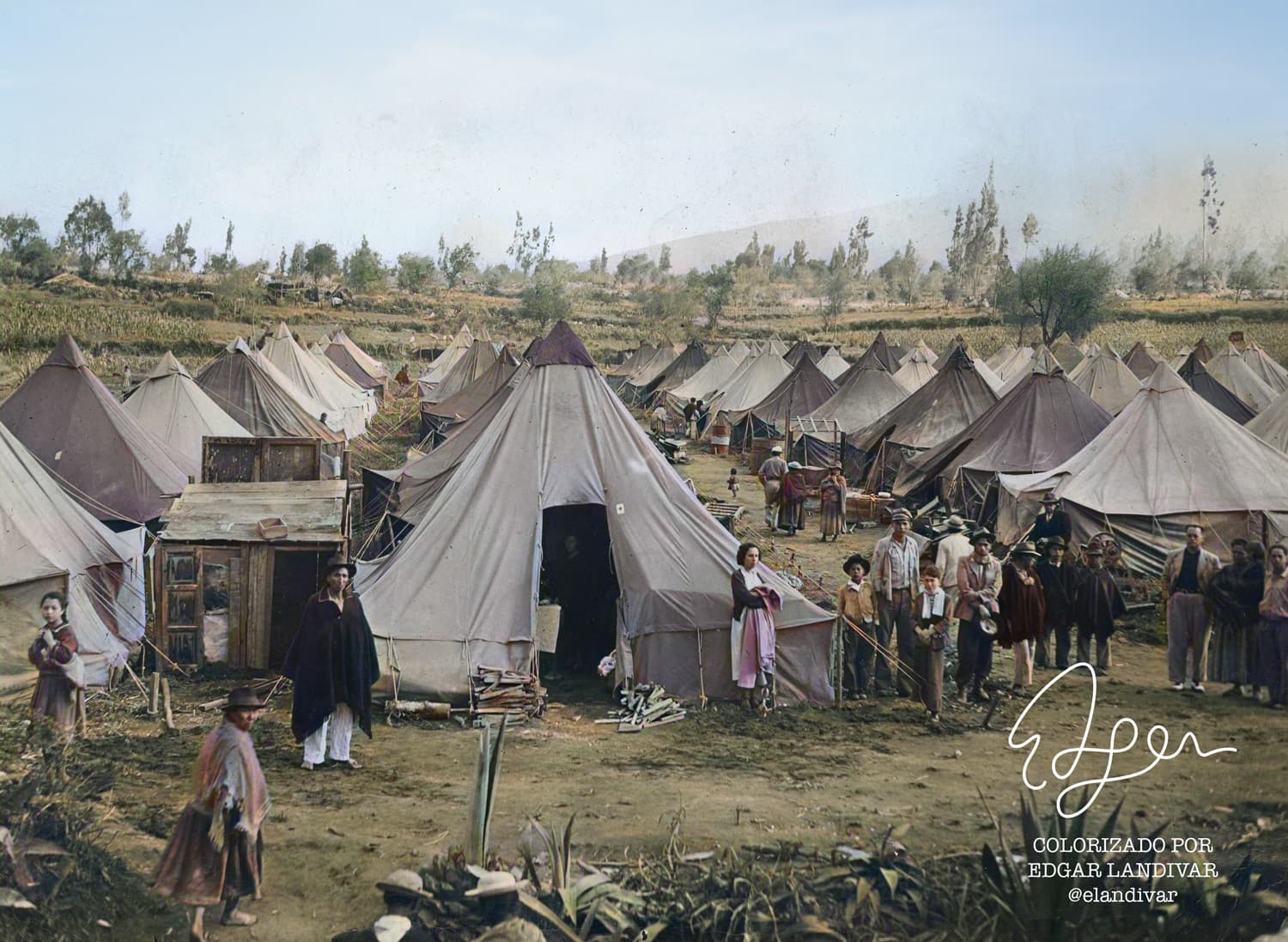
The 1949 Ambato Earthquake: One of Ecuador's Most Devastating Disasters
On August 5, 1949, a 6.8 quake flattened Ambato and Pelileo, killing thousands and leaving cities in ruins in one of Ecuador's deadliest disasters.
The Invisible Giants and Their Shoulders of Concrete: The Story of Forgotten Brilliant Minds
Behind 20 famous inventions stand forgotten brilliant minds who nearly got the credit, the real giants on whose shoulders history's stars stood.
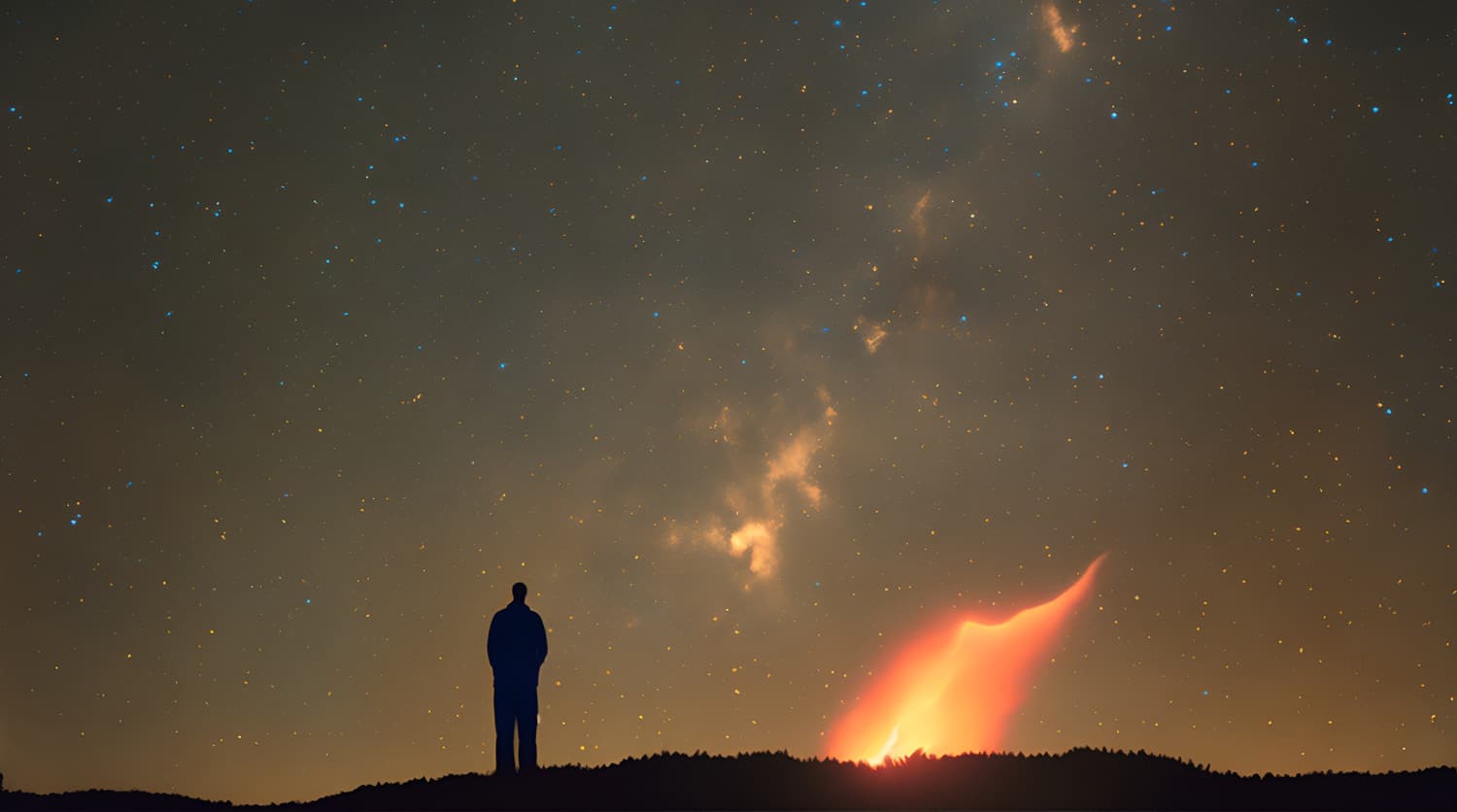
The Priest Who Hunted Supernovas
Robert Evans, an Australian priest with a homemade cardboard telescope, spotted more supernovas than anyone, a record astronomers still can't explain.
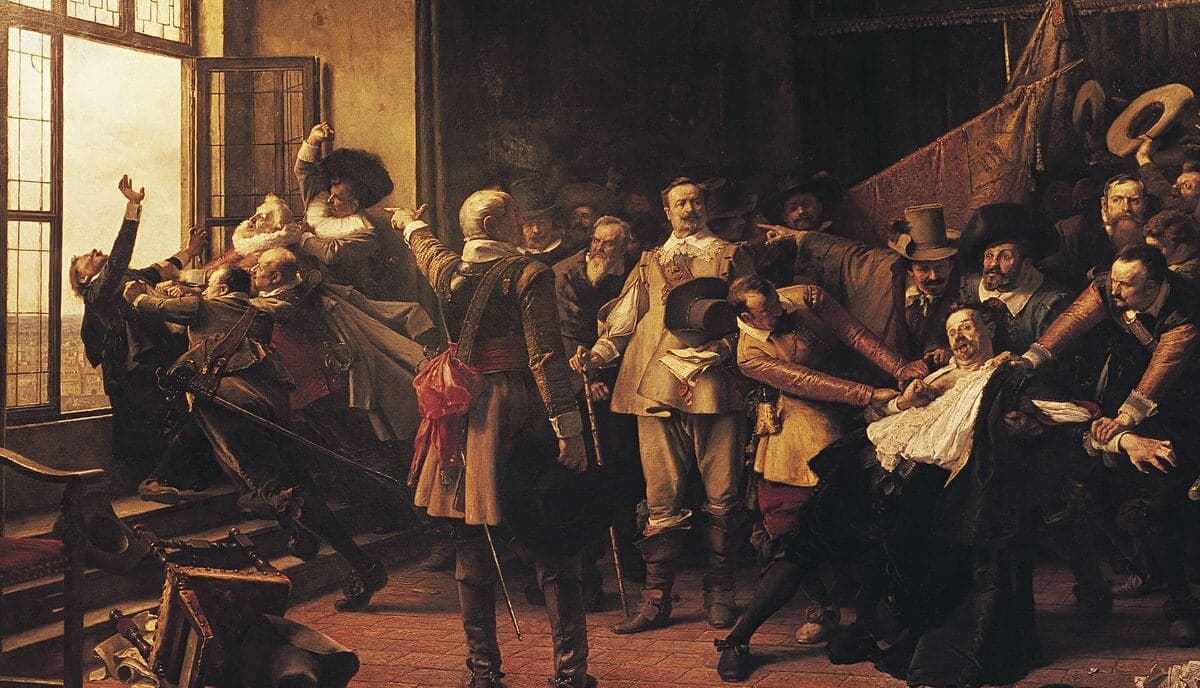
The Chilling Origins of the Word Defenestrate
To defenestrate now means to oust an official, but the word was born from a brutal Prague custom: literally hurling councilmen out of windows.

Máchica and Pinol: The Ancestral Energy Bars of the Indigenous Americas. Recipe Included.
Máchica and pinol were the original energy bars, fueling Inca messengers and Aztec warriors long before modern snacks; recipe included.
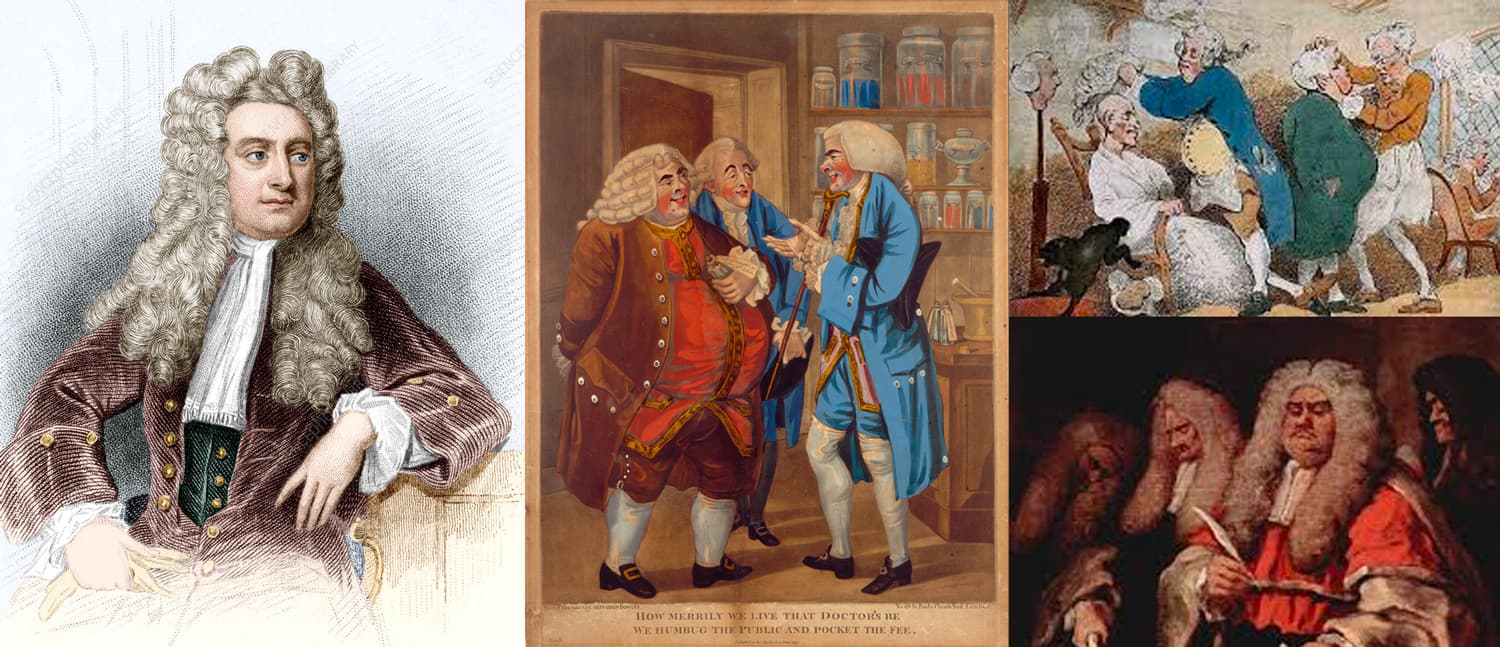
A Brief Study on the Origin of the Term "Pelucón"
The origin of «pelucón» runs from Renaissance wigs and English bigwigs to Chilean royalists, long before Correa revived it in Ecuador.

The Astonishing Love Story of Isabel de Godín
Isabel de Godín crossed the Andes and the Amazon, survived her entire party dying, and walked alone through the jungle to reunite with her husband.
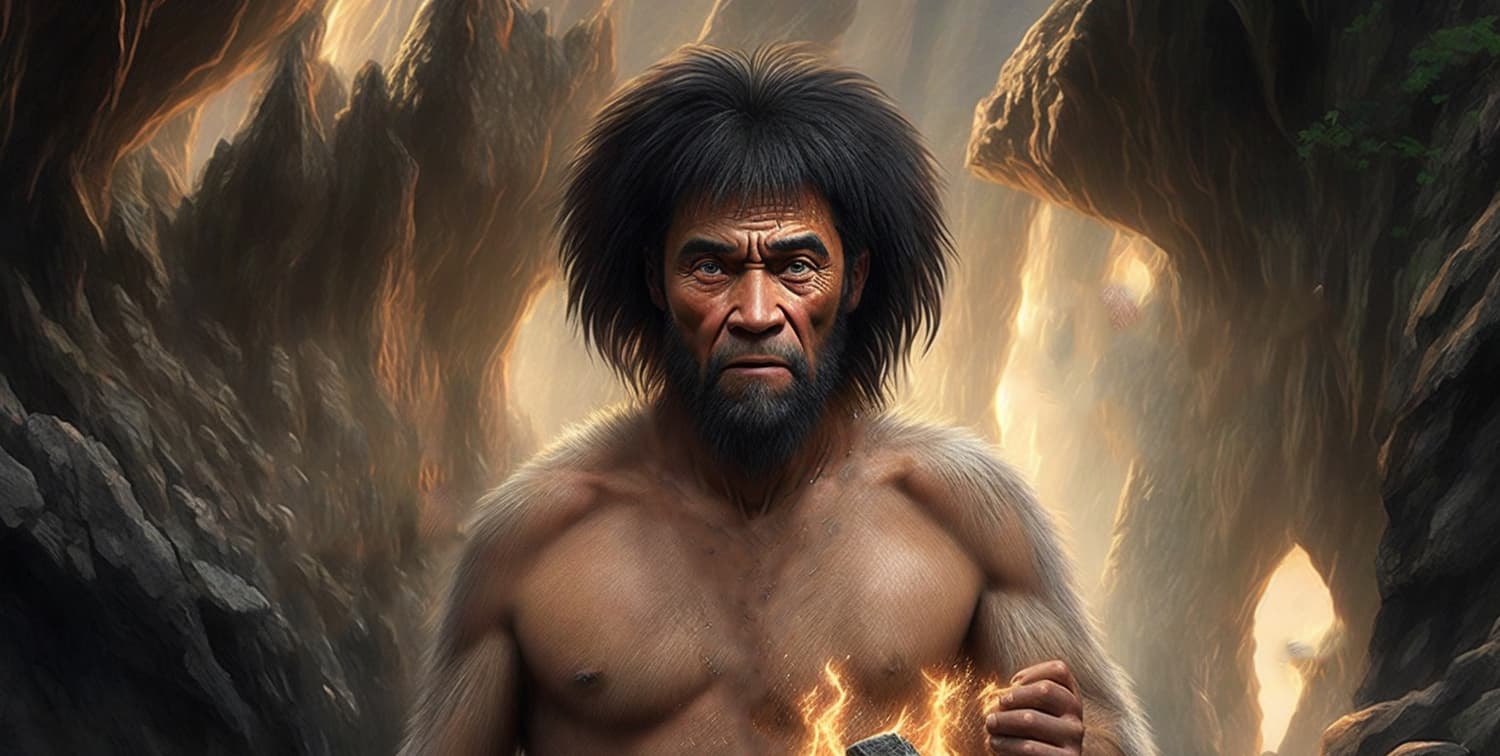
Did Cavemen Cut Their Hair?
Did cavemen cut their hair? Bone combs, stone blades, and tribal rituals offer surprising clues about Paleolithic grooming and what hair really meant.

Everest Is NOT the World's Tallest Mountain!
First, let's be clear: Mount Everest is the world's tallest mountain—as long as you measure from sea level, which has been the custom.
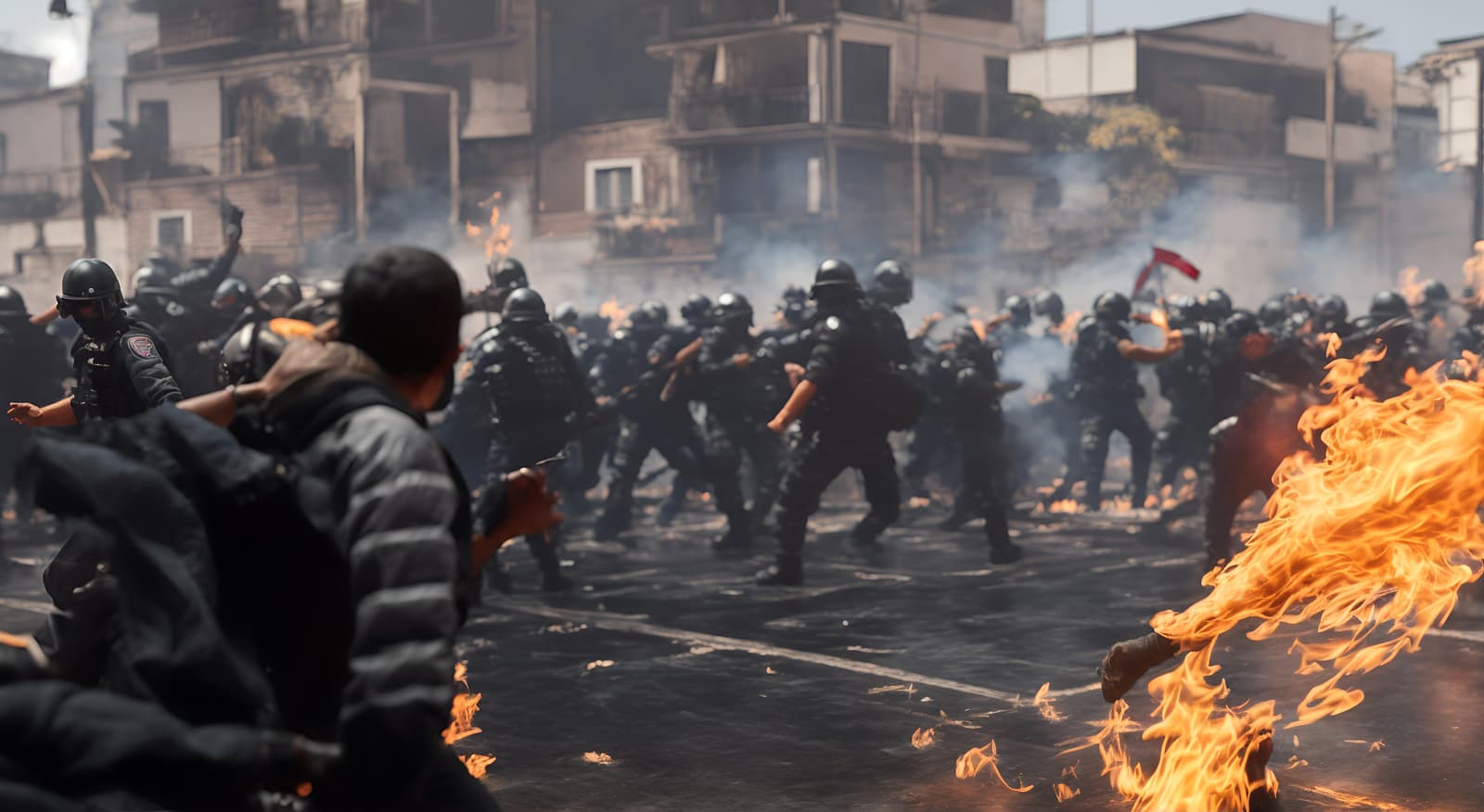
Ecuador: An Ungovernable Eden. A Chronicle of Political Instability
Ecuador's history is riddled with coups d'état, and I'm not just referring to the relatively recent period of instability...
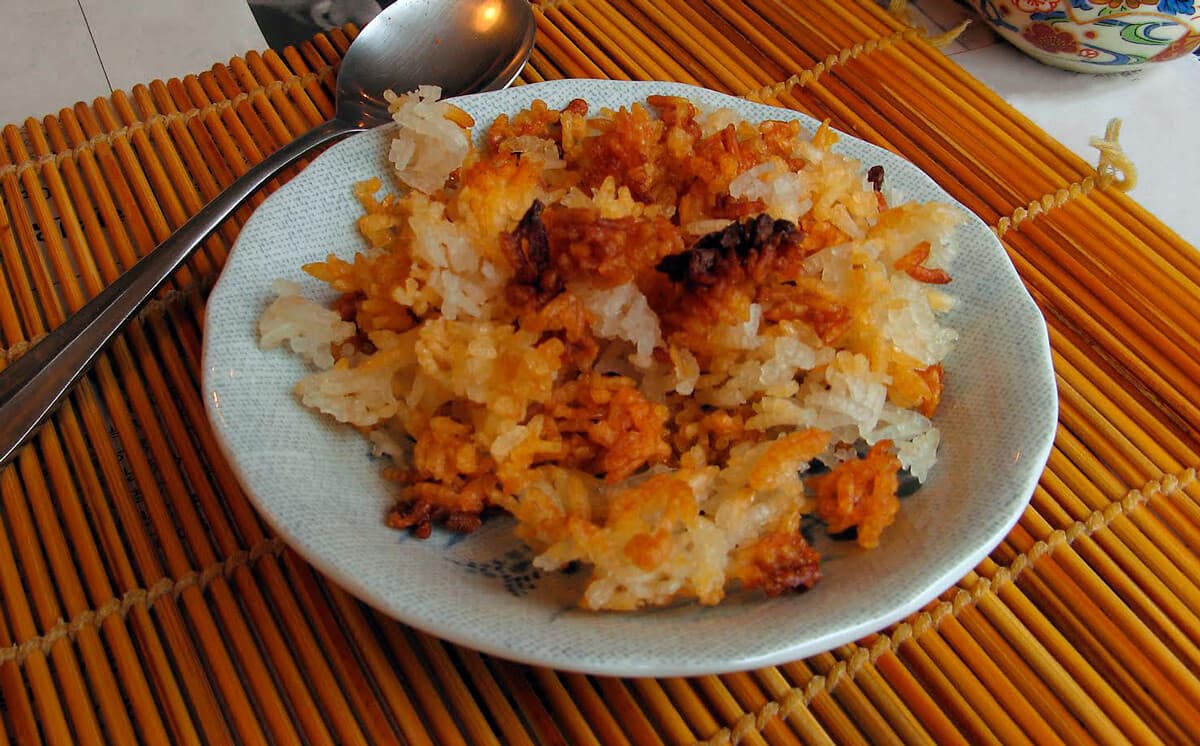
Origins of the word cocolón and no, it does not come from "cook too long"
Does the word «cocolón» really come from the English «cook too long»? A 1922 Ecuadorian etymology book debunks this popular urban legend.
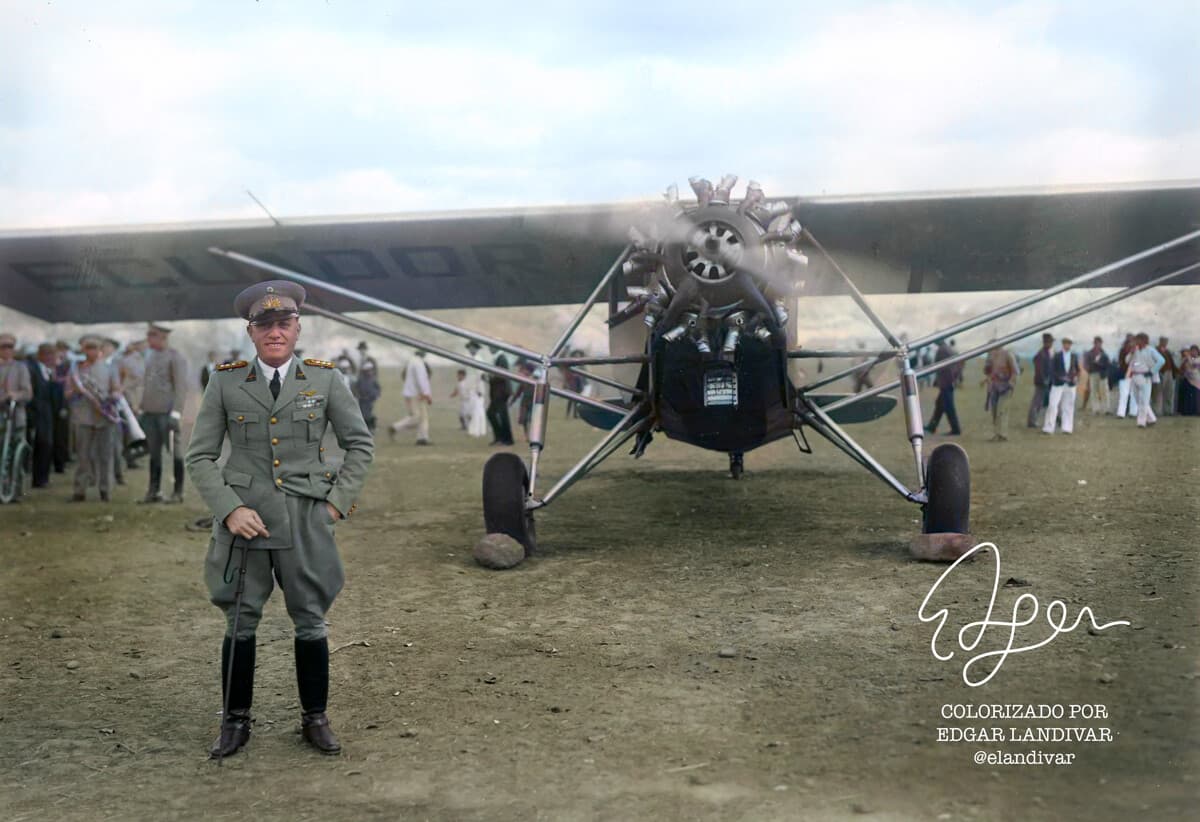
A window to Ecuador from a century ago. Photo restoration.
Restored and colorized photos open a vivid window onto Ecuador a century ago, from presidents and earthquakes to long-vanished railways.
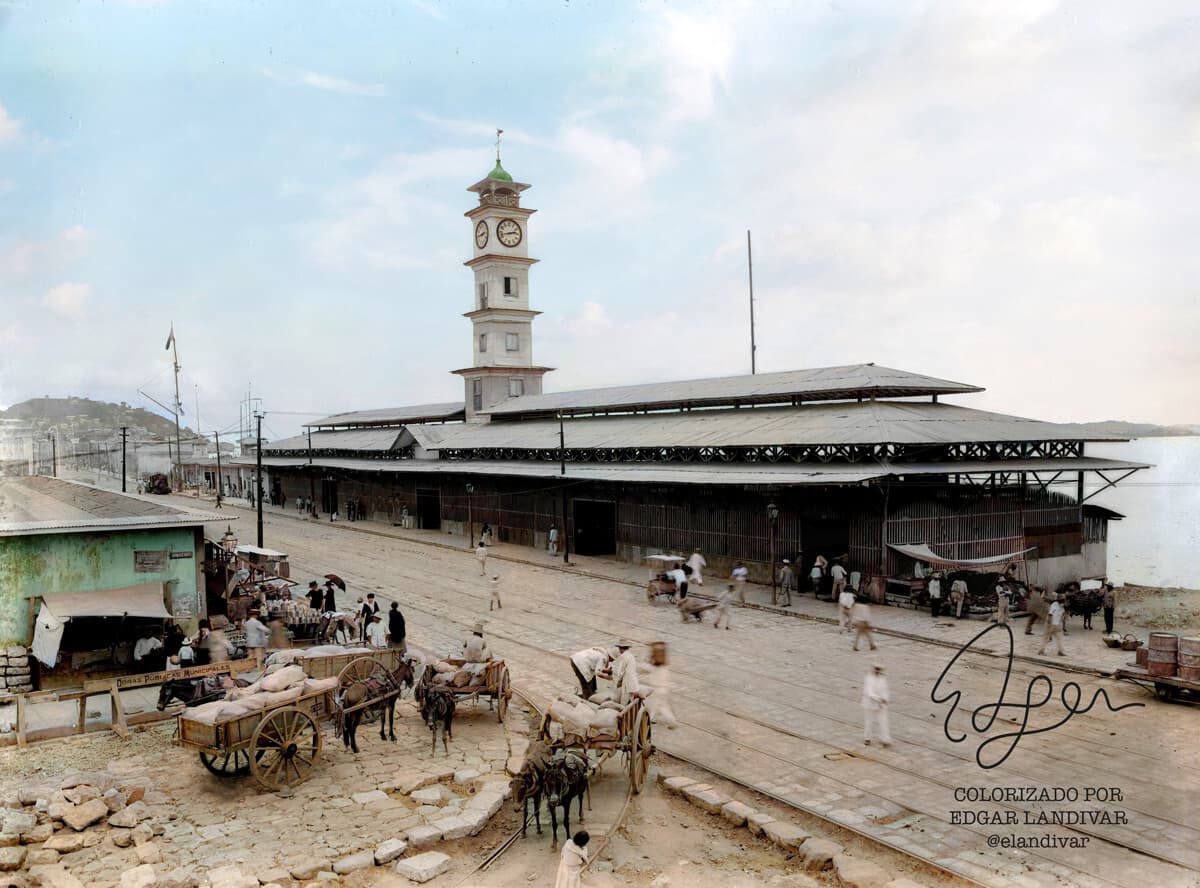
Old Guayaquil in video
Old Guayaquil comes alive in 1920s footage restored and colorized with AI, revealing its tram, the Malecón and real people from a century ago.
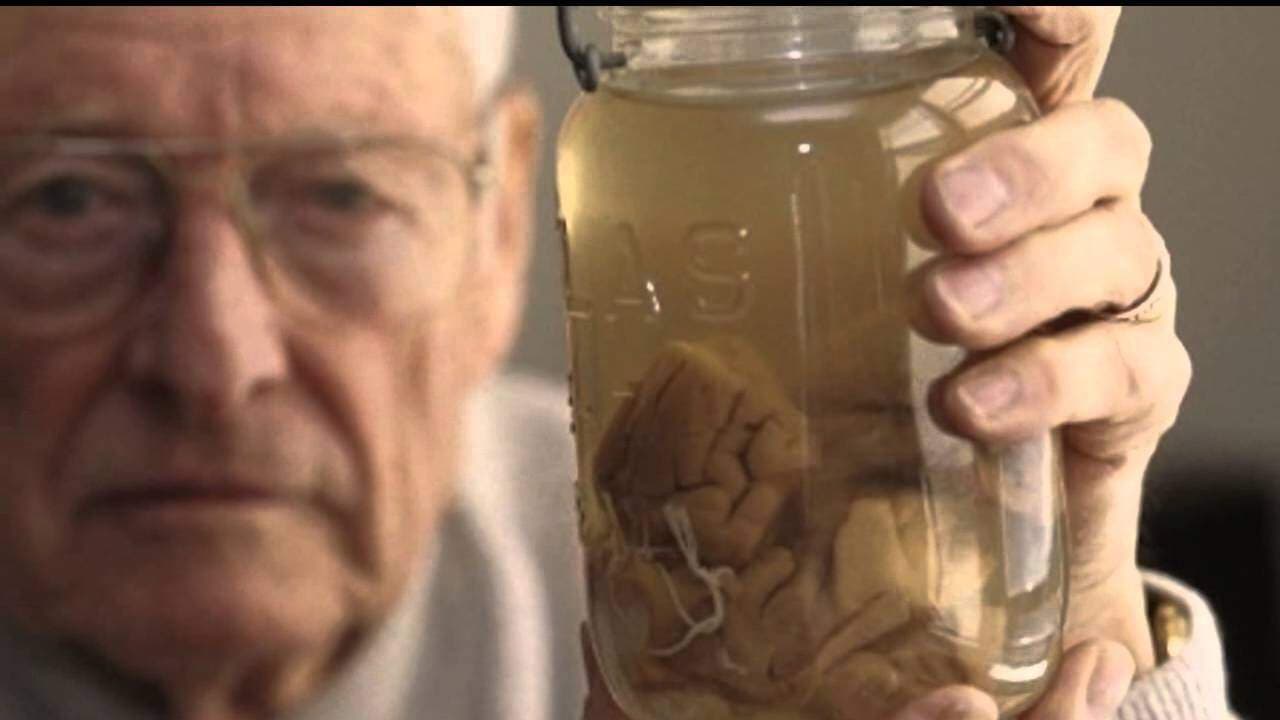
Who stole Einstein's brain and then walked it around in the trunk of his car?
When Einstein died he asked to be cremated and forgotten, but the pathologist stole his brain and drove it around in his trunk for decades.
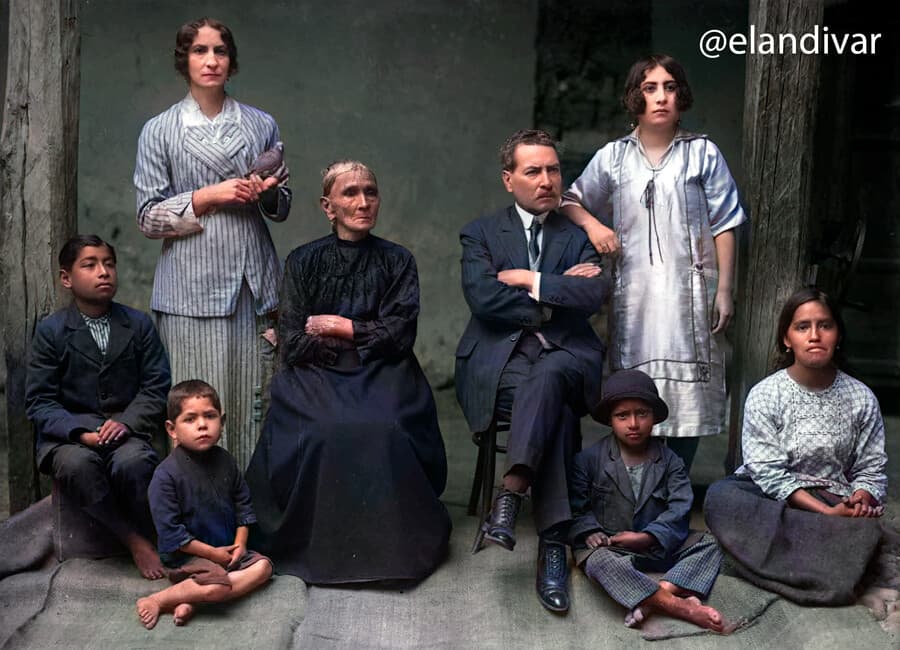
The History of Smiling in Photographs: From the Mona Lisa to Digital Cameras
Why nobody smiled in old photographs: a journey from long exposures and the Mona Lisa's enigma to the digital cameras that made grinning effortless.
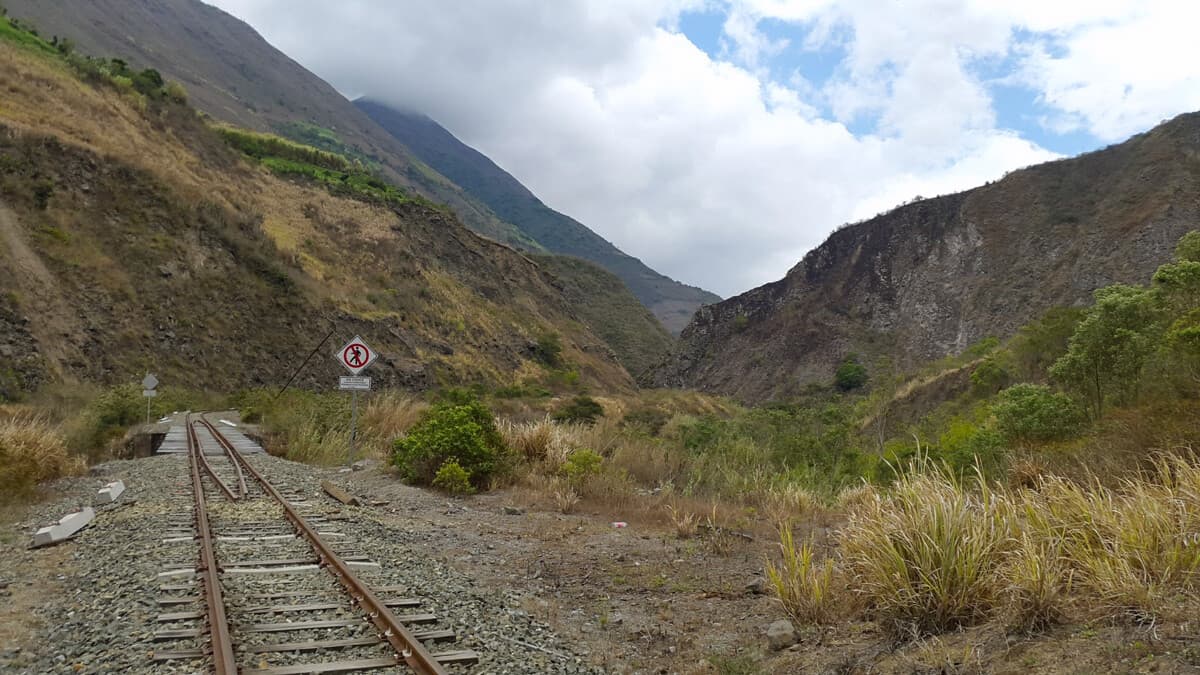
Historic Routes of Ecuador's Railroad: Alfaro's Train and Many Other Paths
Old maps and weathered books led me to retrace Ecuador's forgotten railways by GPS, mapping abandoned yet beautiful routes steeped in history.
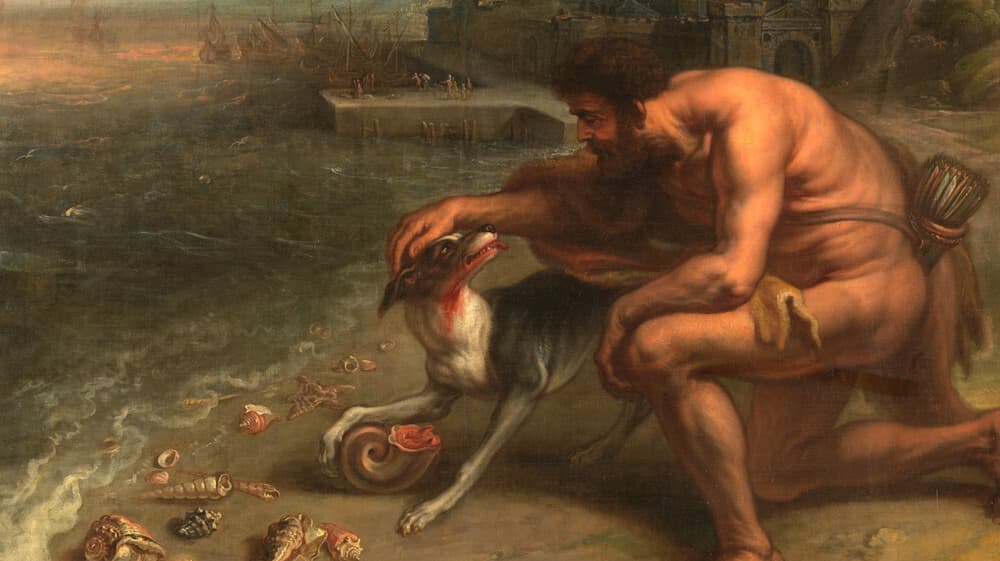
The last purple on the planet
Tyrian purple, the dye drawn from thousands of sea snails, was so coveted it defined emperors, then vanished when its secret was lost forever.
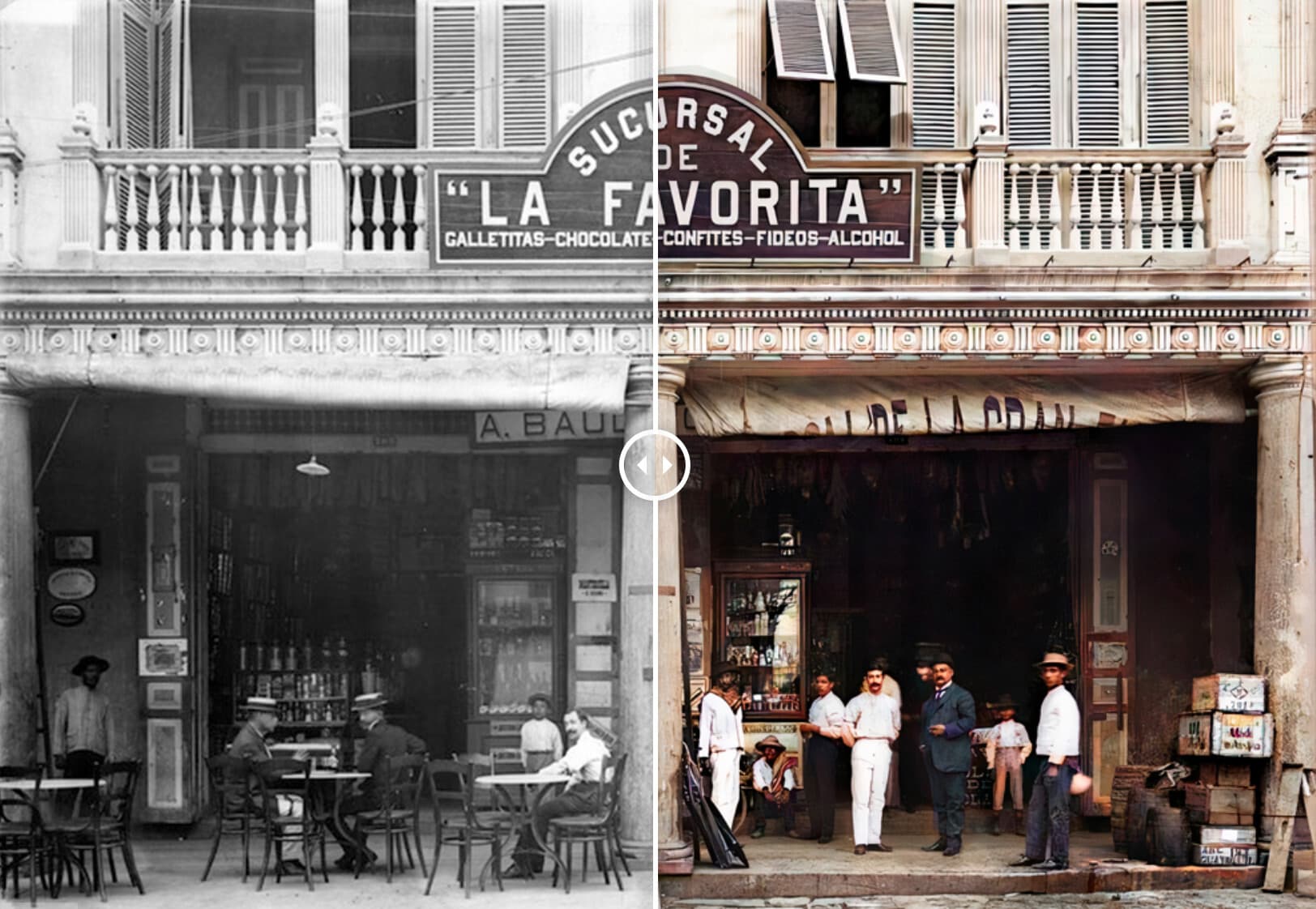
The before and after of a restoration of old photographs with artificial intelligence and Photoshop
Watch century-old photos of Guayaquil come back to life, colorized and repaired with artificial intelligence and Photoshop in striking before-and-afters.
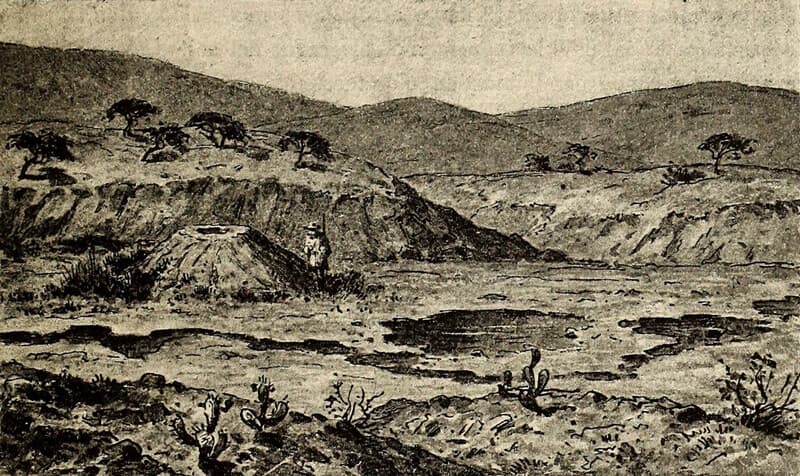
The Volcano of San Vicente
A tiny mud volcano once spat geysers of salty water on Ecuador's coast, and forgotten 19th-century writings reveal the wild site before tourism erased it.
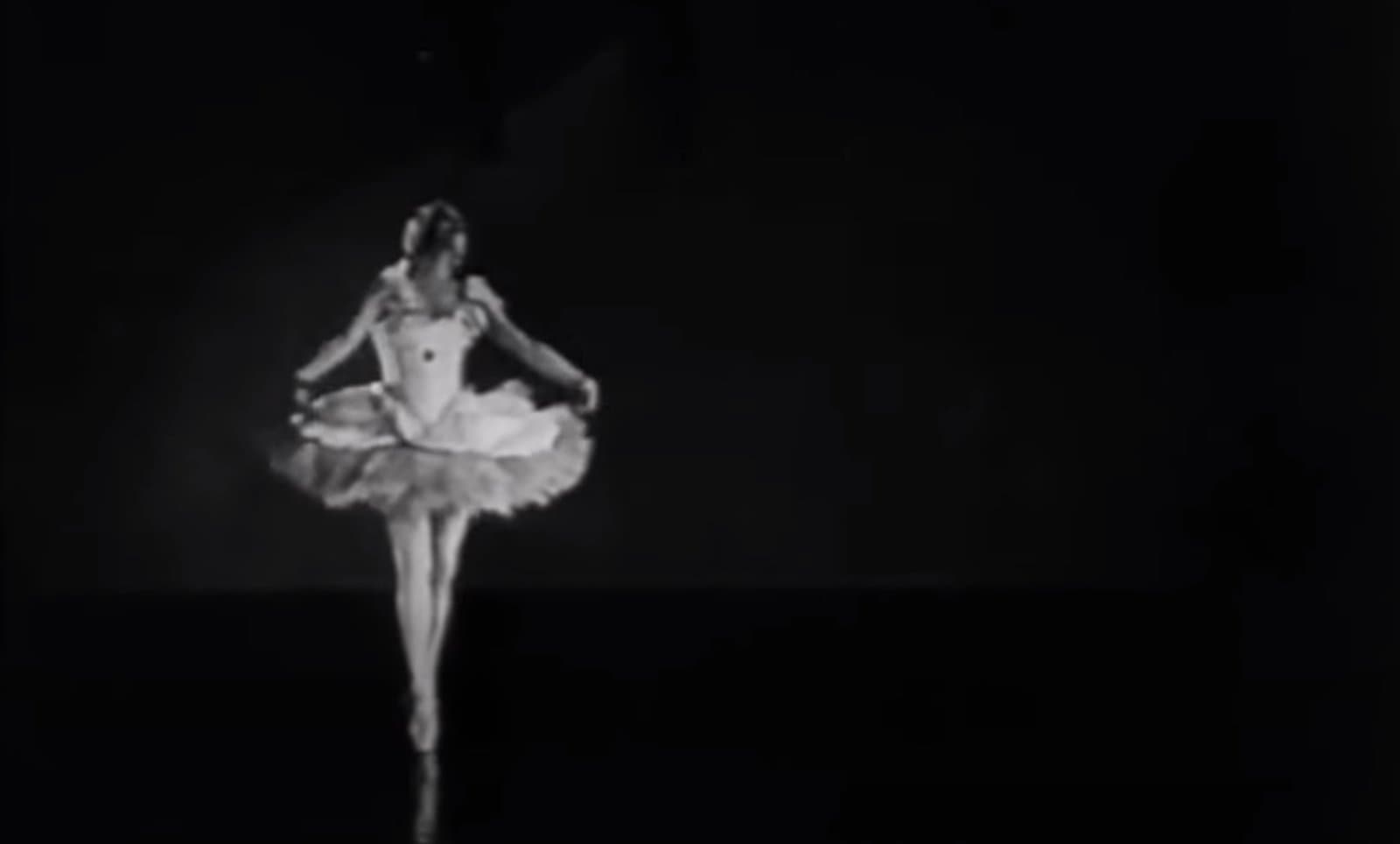
Medardo Ángel Silva and Pavlova's Dance
Anna Pavlova's Dying Swan so moved poet Medardo Ángel Silva in 1917 Guayaquil that he wrote his celebrated poem from behind the curtains.
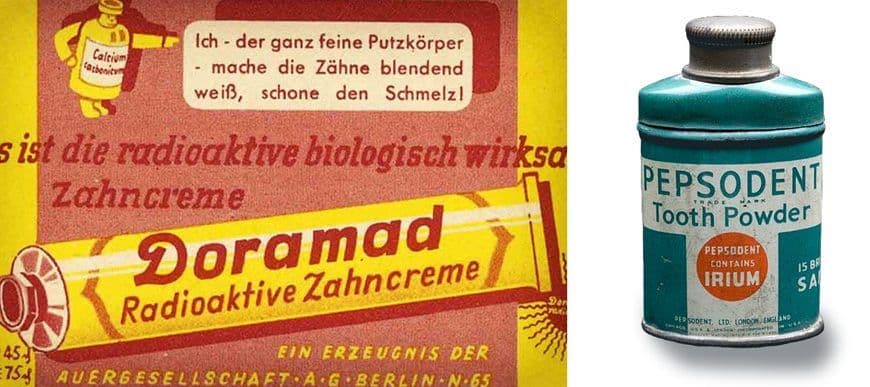
When We Brushed Our Teeth with Radioactive Toothpaste and Drank Coca-Cola with Cocaine
From radioactive toothpaste to cocaine-laced Coca-Cola and leaded gas, history is full of everyday products that quietly poisoned us all.
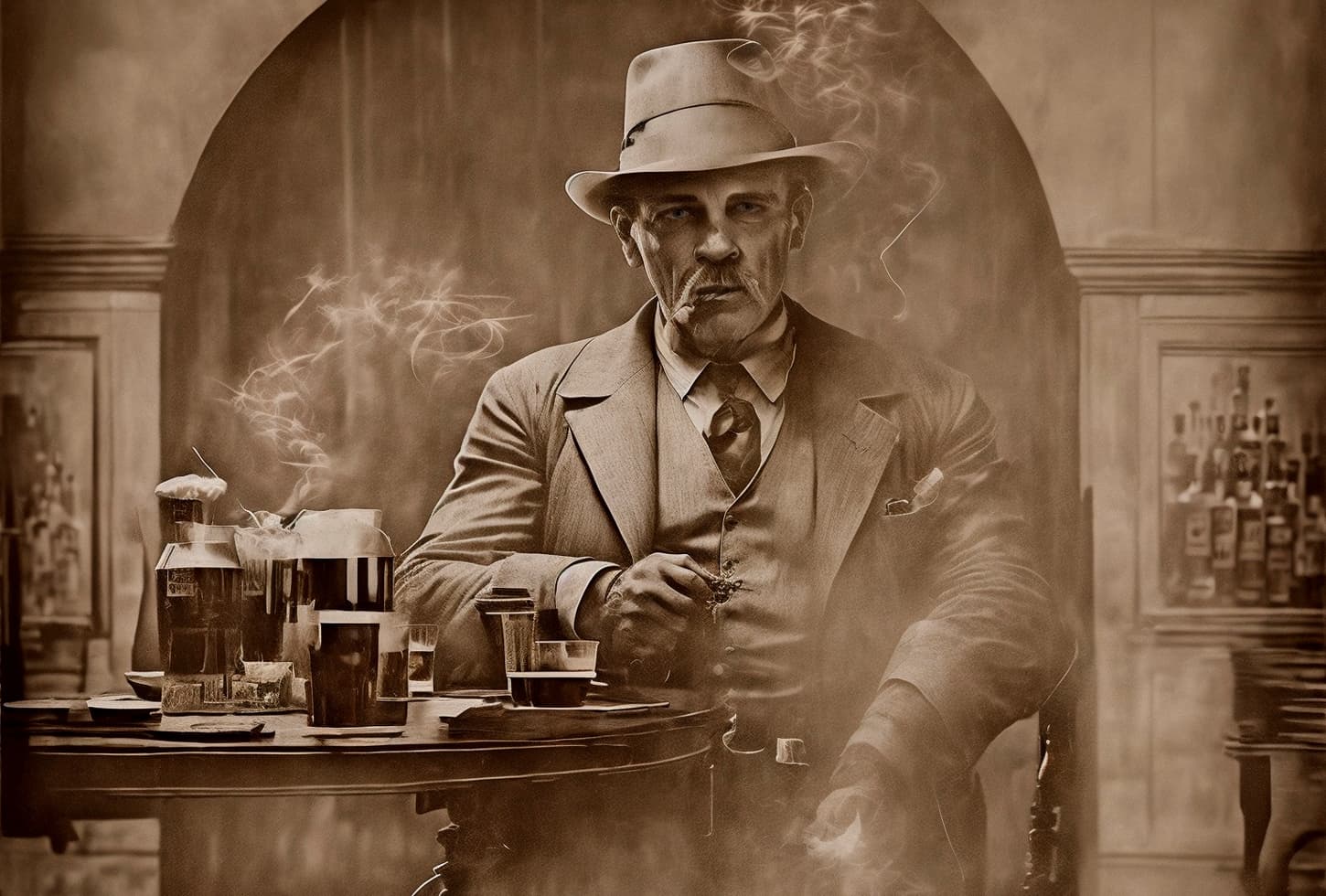
The Count of Monte Cristo
The Count of Monte Cristo was the prize a boy won in a composition contest, then was denied, in a vivid memoir of a tiny Ecuadorian railway town.

The miraculous malaria cure that became a gin and tonic
The malaria cure born from Andean cinchona bark became quinine, then tonic water, and finally the gin and tonic we still raise in our glasses.

The Men Who Carried Cuenca's Light on Their Shoulders
Electric light, the first car and even a protest jeep all reached Cuenca carried on human shoulders. The most epic isolation story in the Andes.

The strange parties to inhale anesthesia of the early 19th century
Nitrous oxide was one of the first effective anesthetics discovered, but it did not always have that important use.
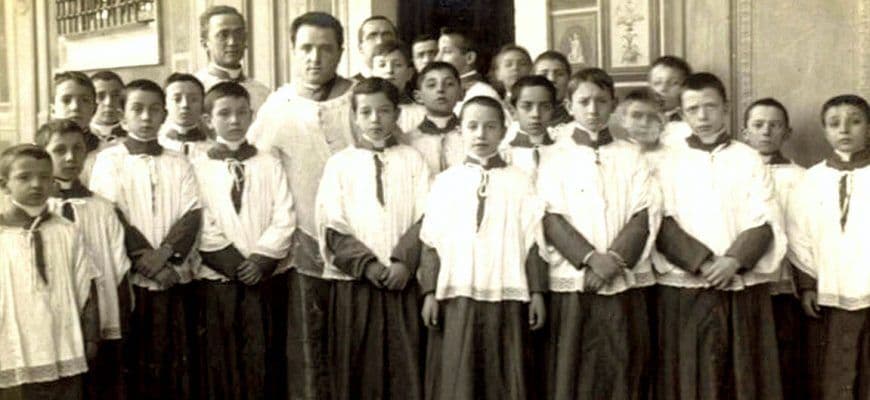
The Voice of the last Castrato. The only known recording of the famous singer Alessandro Moreschi.
Boys were castrated for centuries to keep their angelic voices, and one chilling recording lets you hear the very last of them sing before he died.
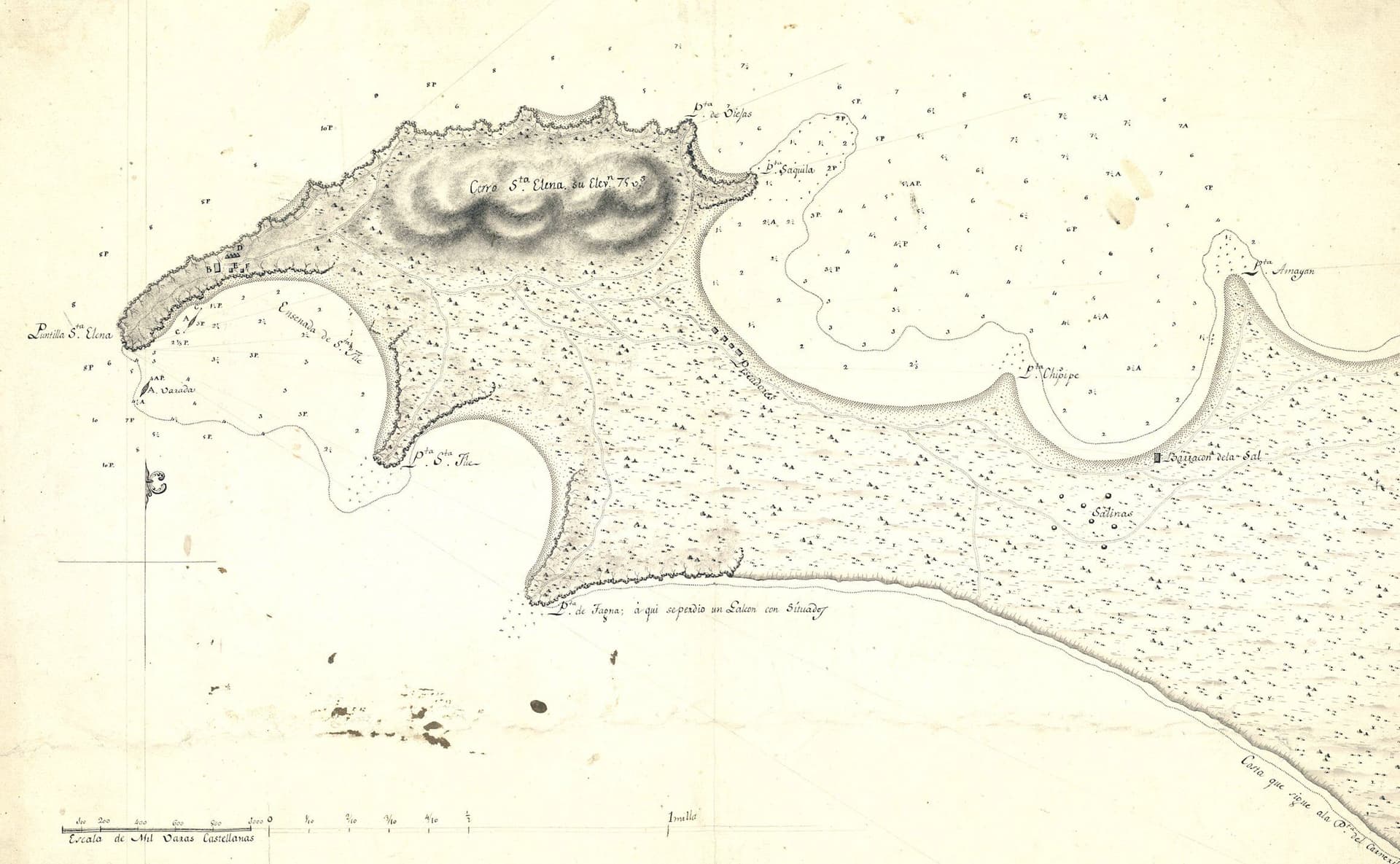
Chipipe is not Shit Pipe
Did Chipipe beach really get its name from an English «shit pipe»? A 1924 dictionary debunks the viral rumor that even fooled Wikipedia.
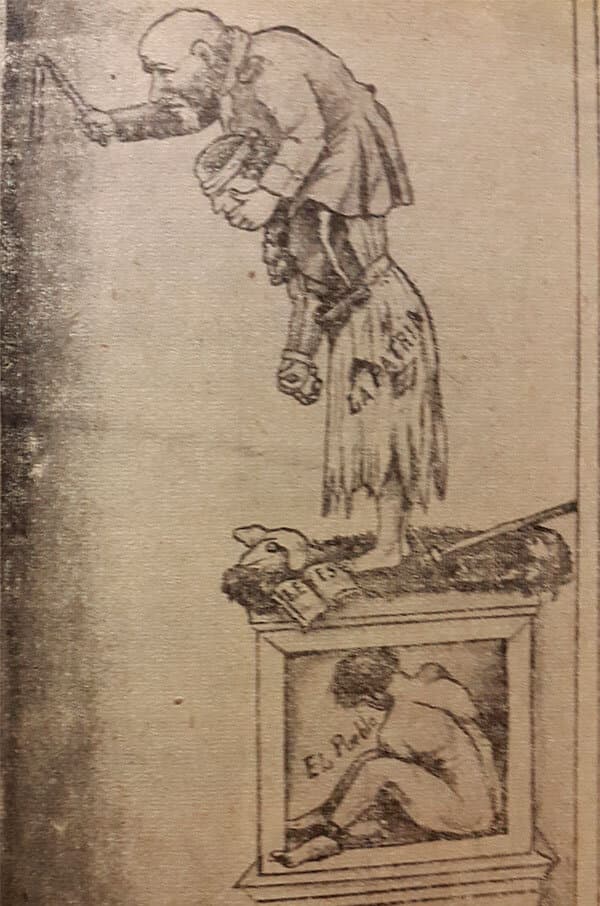
Eloy Alfaro wanted to die?
Did Eloy Alfaro choose martyrdom? An essay arguing the Ecuadorian leader refused rescue, seeking through his death to make his ideals immortal.
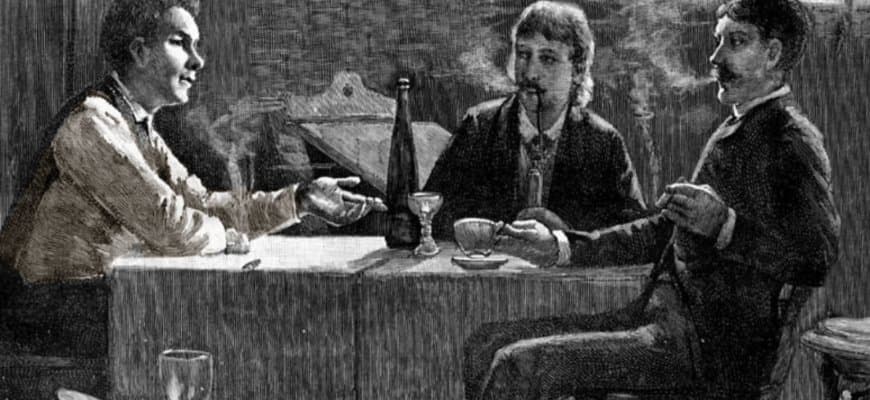
The almost unknown bet that changed the history of humanity.
A 40-shilling bet between Halley, Hooke and Wren one winter night in 1684 pushed a reclusive Newton to unveil gravity and change history forever.
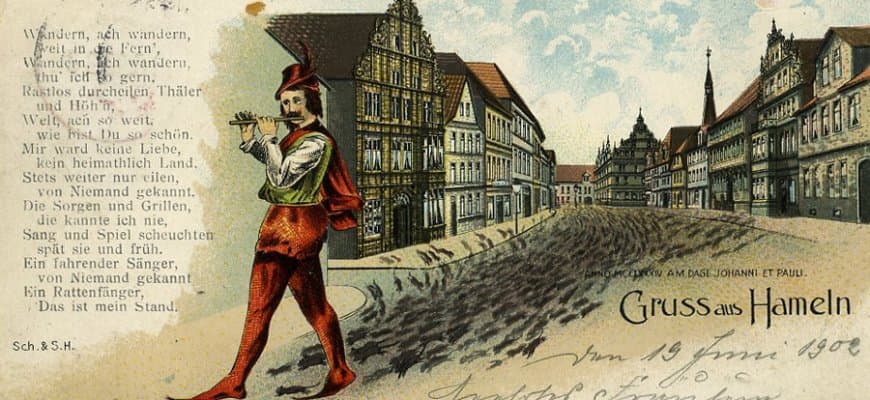
The dance plague of 1518, the Pied Piper of Hamelin and the tarantulas
In 1518 Strasbourg, dozens danced themselves to death in a plague no one can explain, a mystery tangled with tarantulas and the Piper of Hamelin.
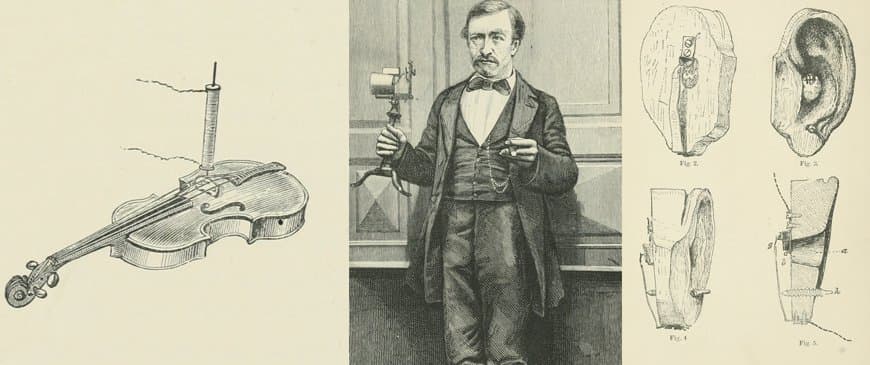
Who was the true inventor of the telephone? The controversy surrounding Graham Bell.
We credit Graham Bell with the telephone, but Meucci, Bourseul, and Reis got there first in a frantic race that Congress would rule on a century later.
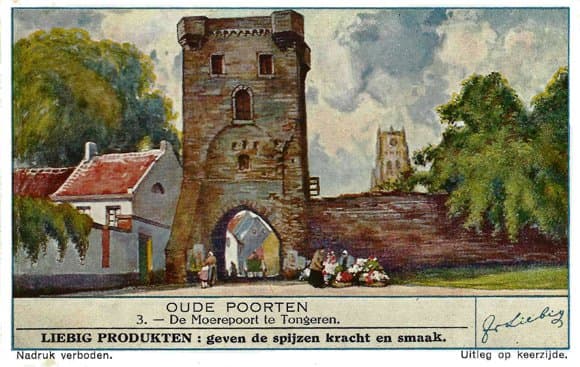
A 19th-Century Marketing Strategy: The Beautiful Collectible Cards of Liebig Meat Extract
A 19th-century marketing trick: how a meat extract turned a dreaded children's syrup into a craze with beautiful collectible art cards.