
Category
Curiosities
122 articles
Surprising facts, historical coincidences and oddities of the world that deserve to be told with care and detail.
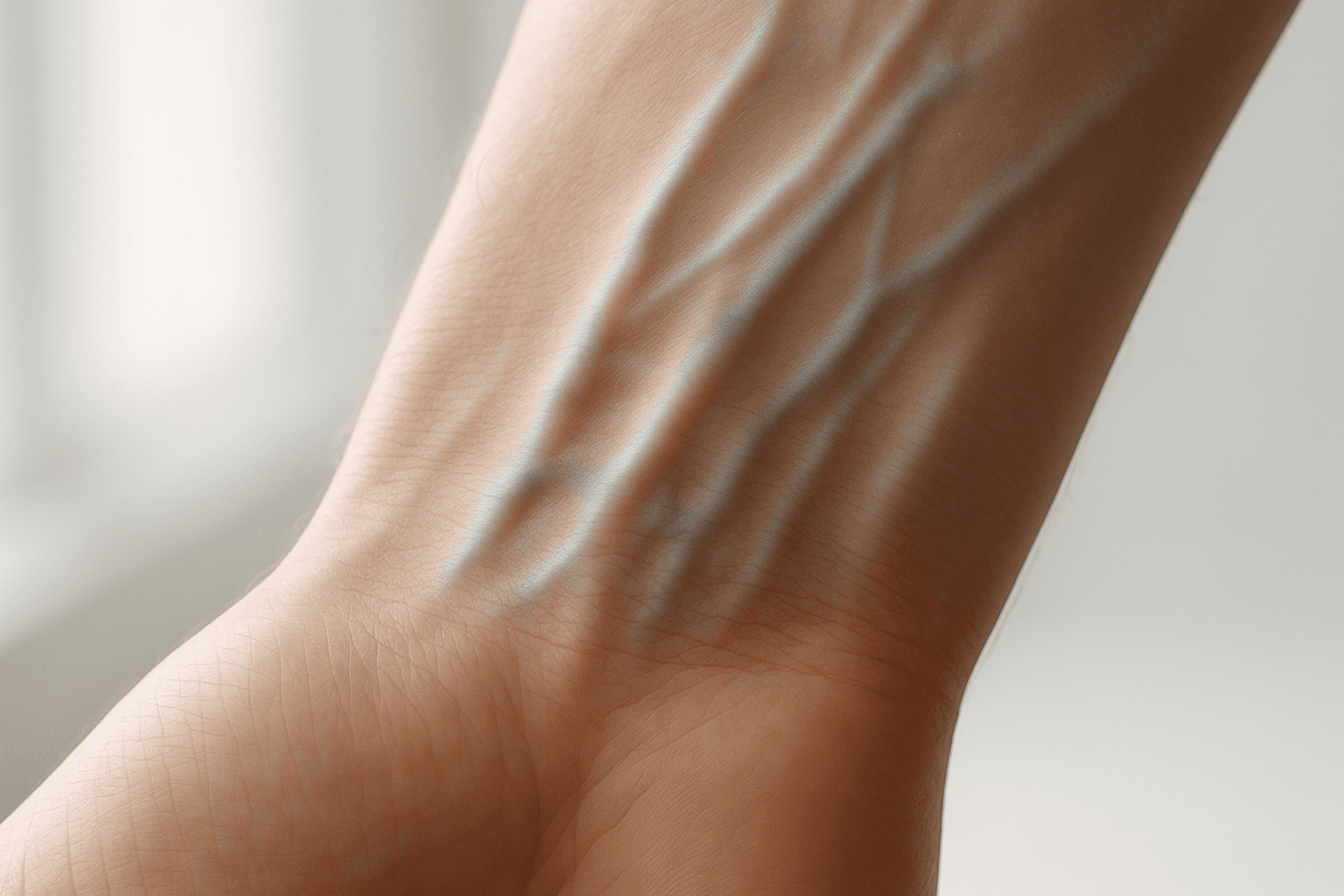
Why veins look blue when your blood is red
Human blood is never blue—it is always red. So why do veins look blue under the skin? The answer lies in how light travels through your body and how you see.

The nocebo effect: when expecting harm creates it
The nocebo effect is the placebo's dark twin: believing a treatment will hurt can make it hurt. Its origin, real cases and what science says.
Rubber Before Goodyear: The Gum That Melted
Before vulcanization, rubber was a gum that melted in summer and cracked in winter. From the Maya to Goodyear, here's how it was finally tamed.
Porcelain: the Chinese secret Europe tried to steal
For centuries Europe paid fortunes for Chinese porcelain without knowing how it was made. This is the story of a hundred-year industrial espionage.
The History of Glass: The Material That Changed the World
Glass went from Egyptian luxury to everyday object thanks to Roman glassblowers, and later gave science its telescope and microscope.
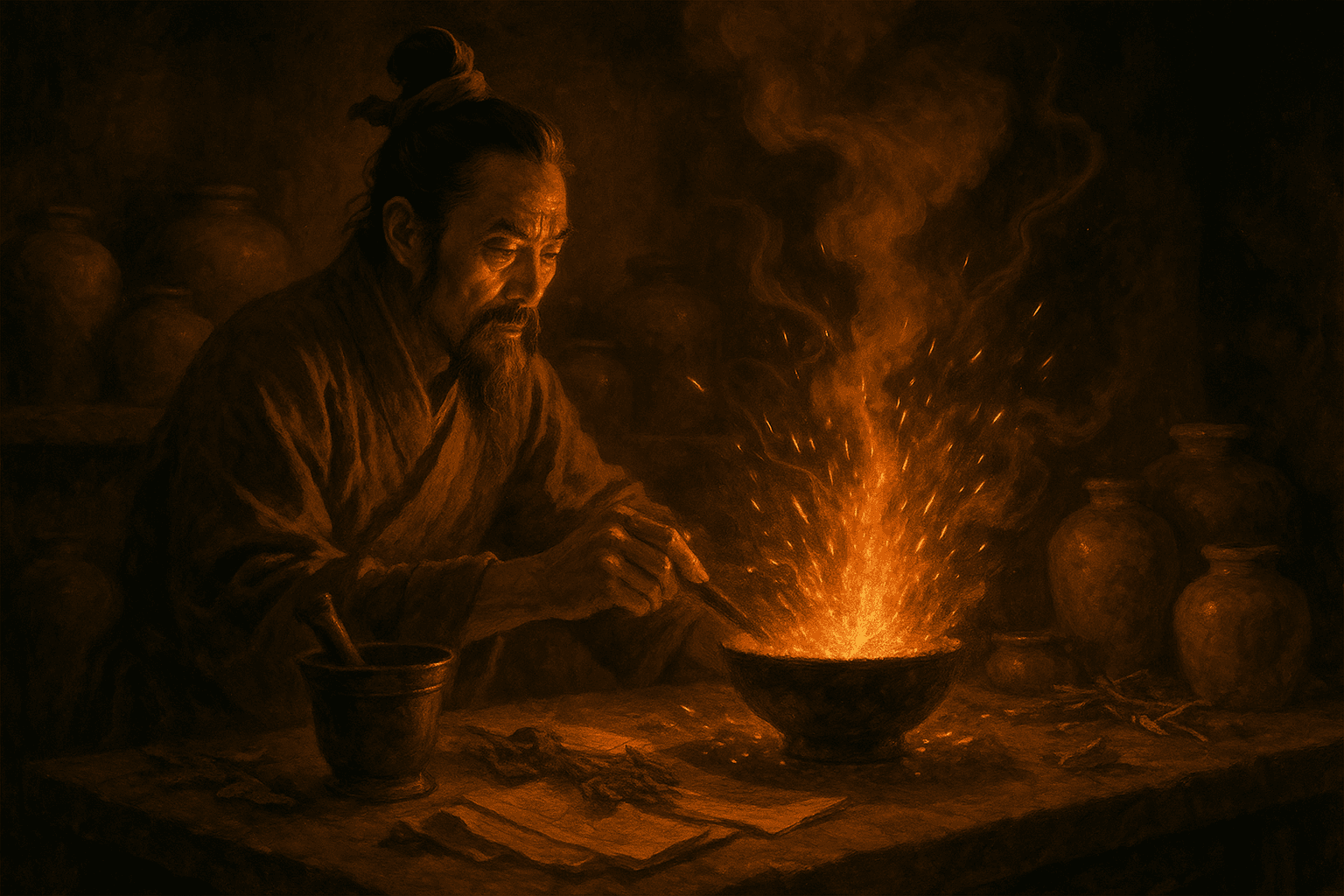
Gunpowder Before Cannons: Alchemy, Fire and War
Chinese alchemists chasing eternal life invented gunpowder by accident. Before cannons came fireworks, fire lances and centuries of fire medicine.

The History of the Match: Fire in Your Pocket
The friction match was born by accident in 1826, poisoned thousands of factory women, and only later became the safe fire we carry in our pocket.
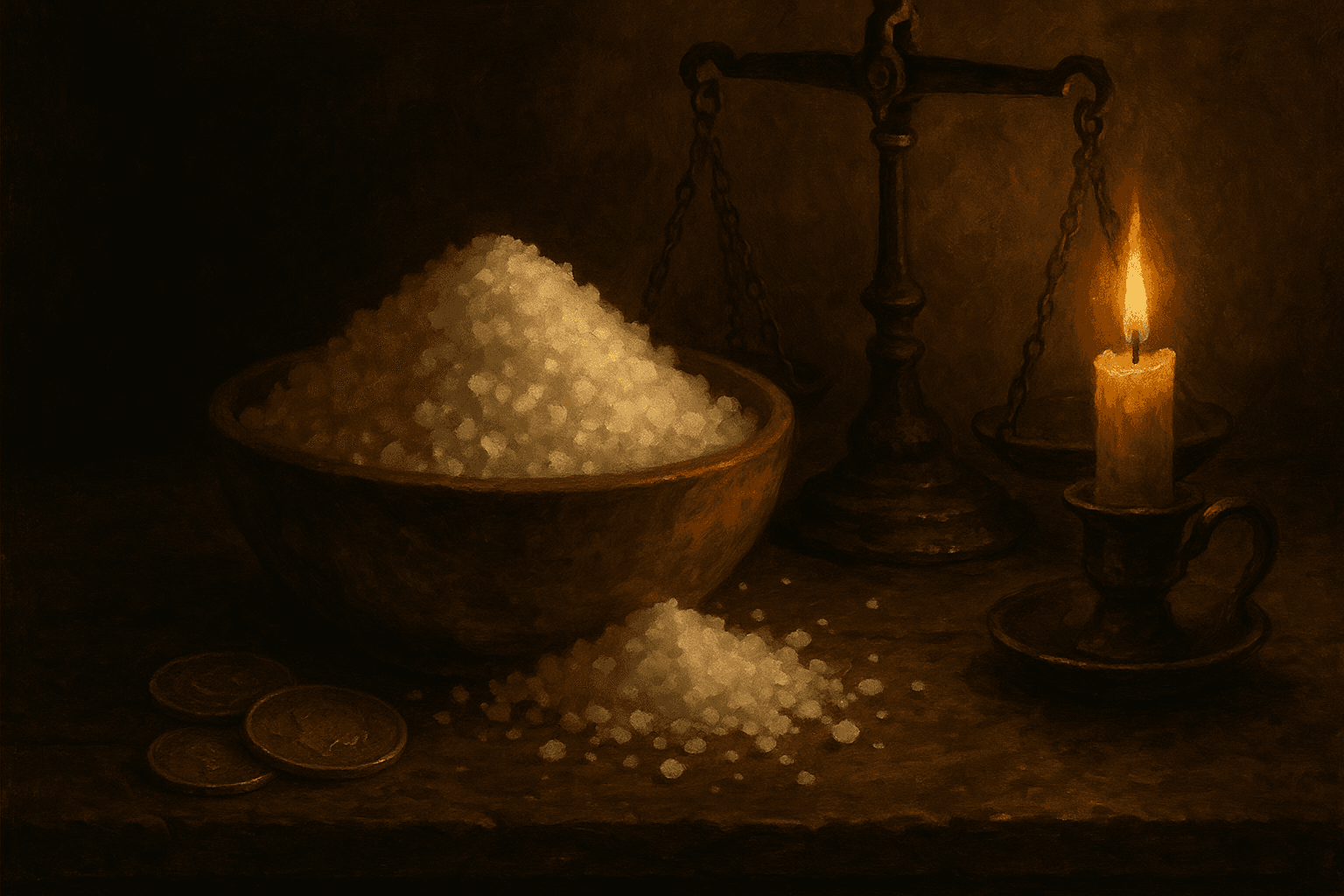
Salt, Taxes, and the Revolutions It Sparked
For centuries the salt tax filled the coffers of kings and empires—until it triggered smuggling, riots and even Gandhi's famous march to the sea.
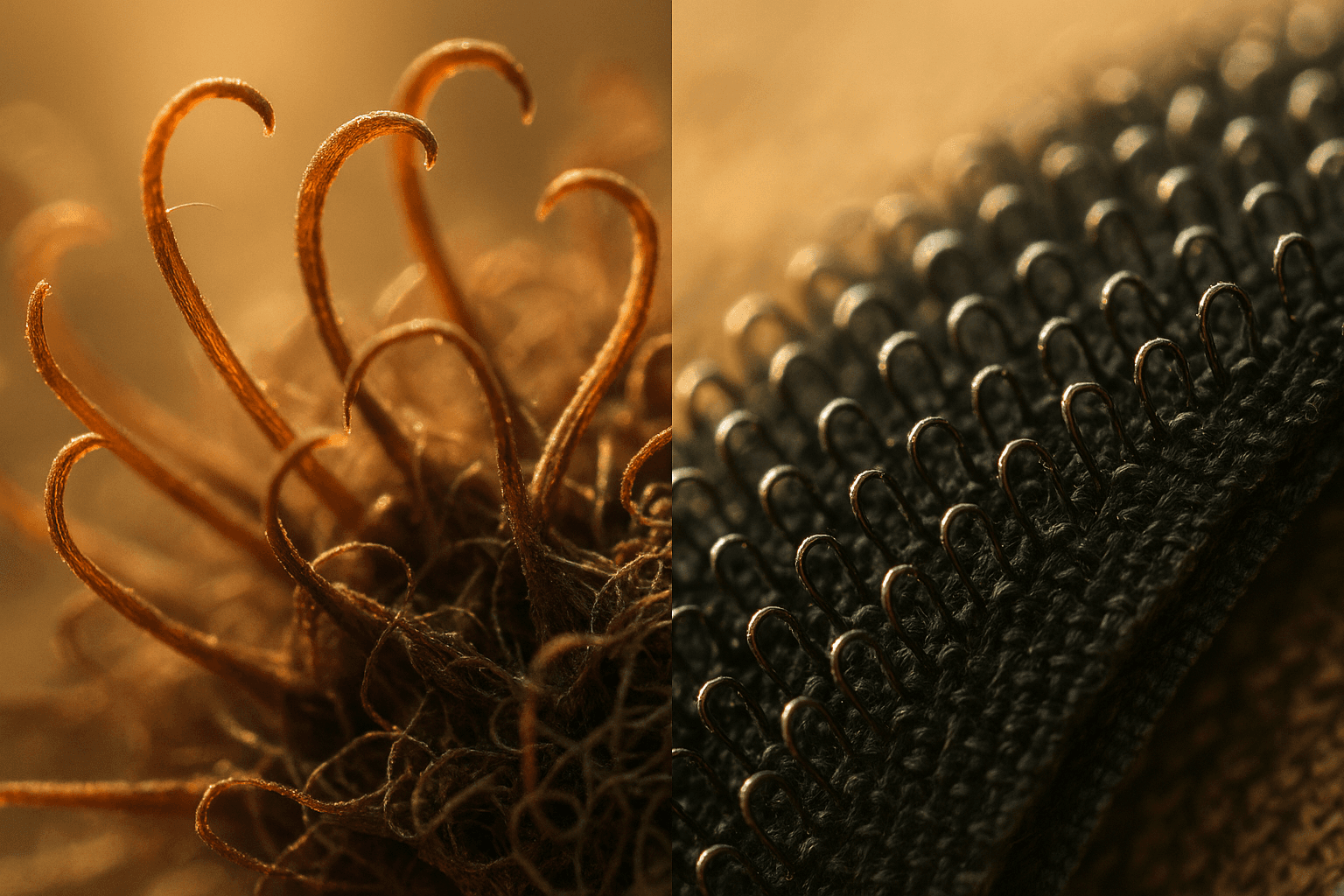
Velcro: The Story of an Invention Copied From a Plant
George de Mestral invented Velcro in 1941 after seeing burrs cling to his dog. The story of the fastener copied straight from nature.
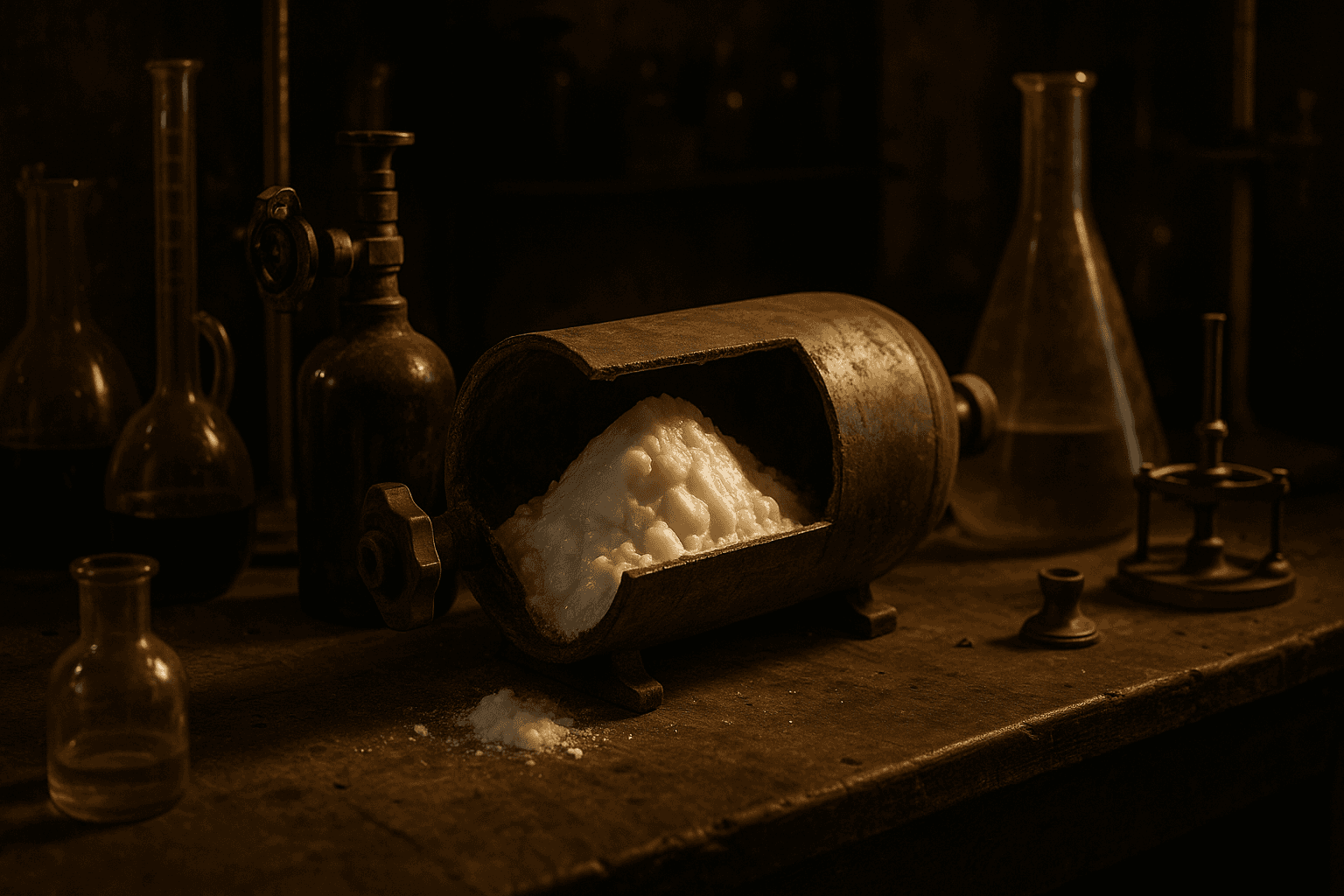
Teflon: The Lab Accident That Ended Up in Your Kitchen
Teflon was born from a failed DuPont experiment in 1938, served in the atomic bomb, and ended up on your nonstick pan. This is its story.
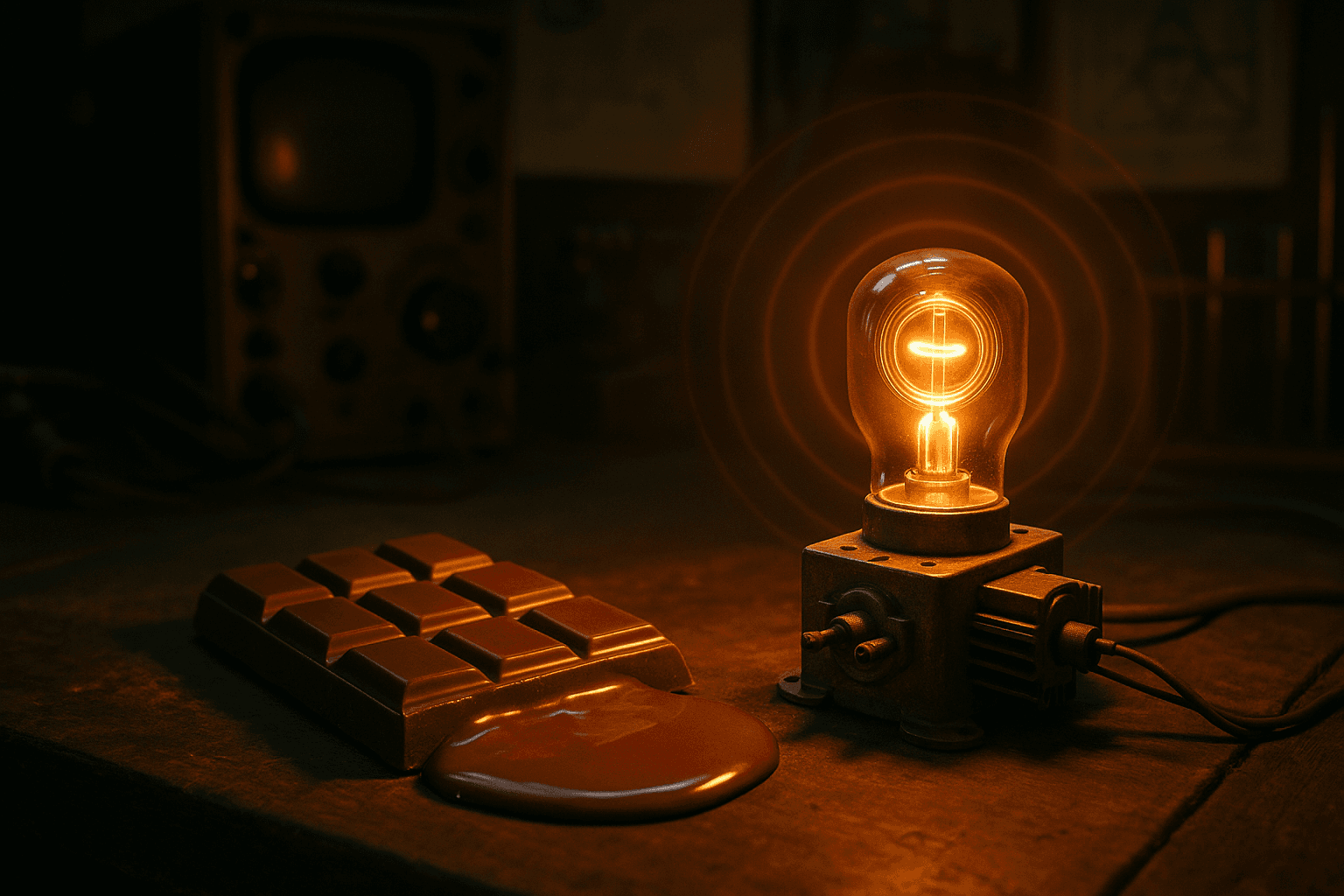
How a Microwave Works, and Why Not from Inside Out
How does a microwave work? It doesn't cook from the inside out; it heats the water in your food. The story began with a melted chocolate bar.
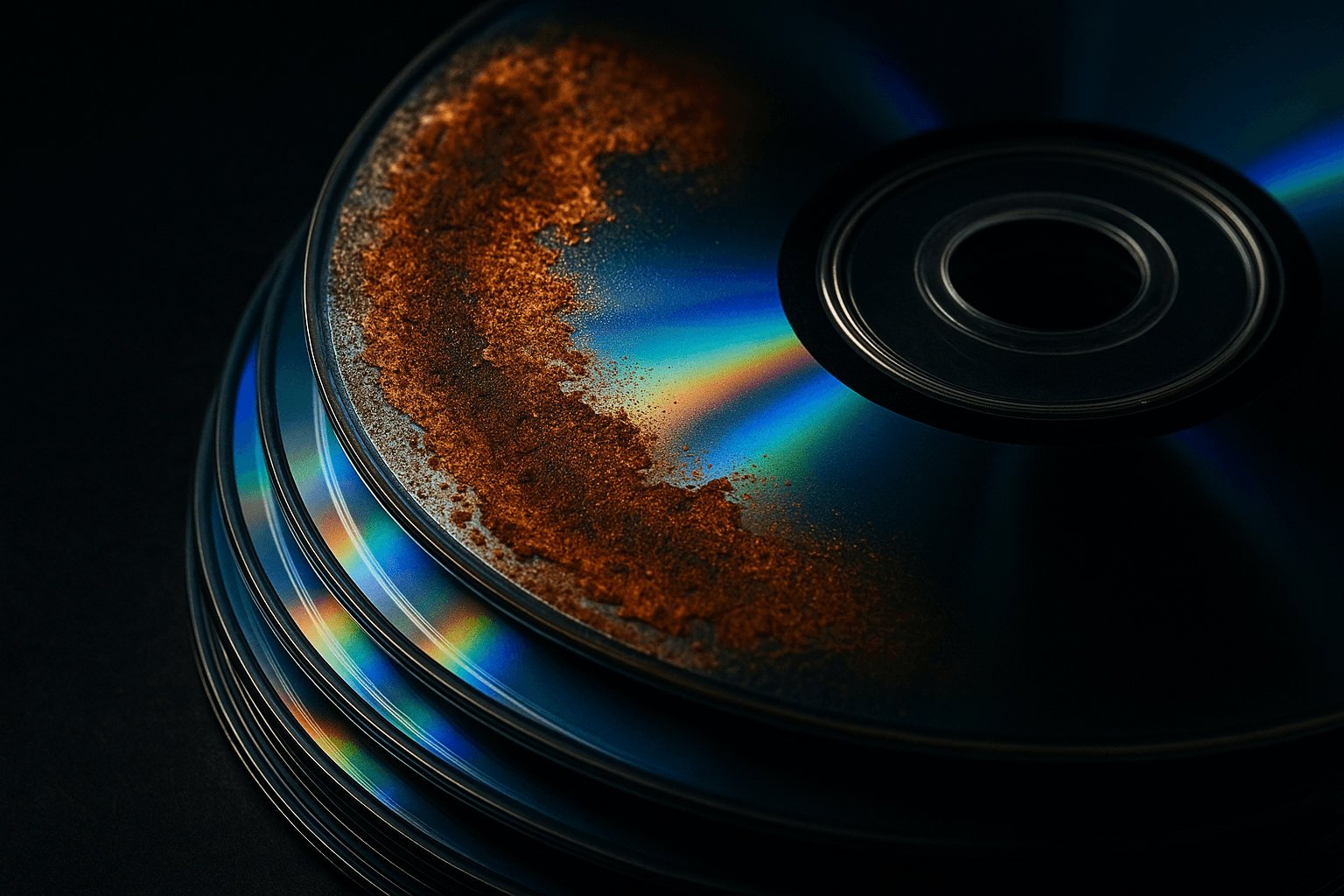
Why One CD Lasts Decades and Another Dies
Some compact discs survive 30 years while others die on their own in a few. Disc rot, CD bronzing and why manufacturing — not age — decides everything.
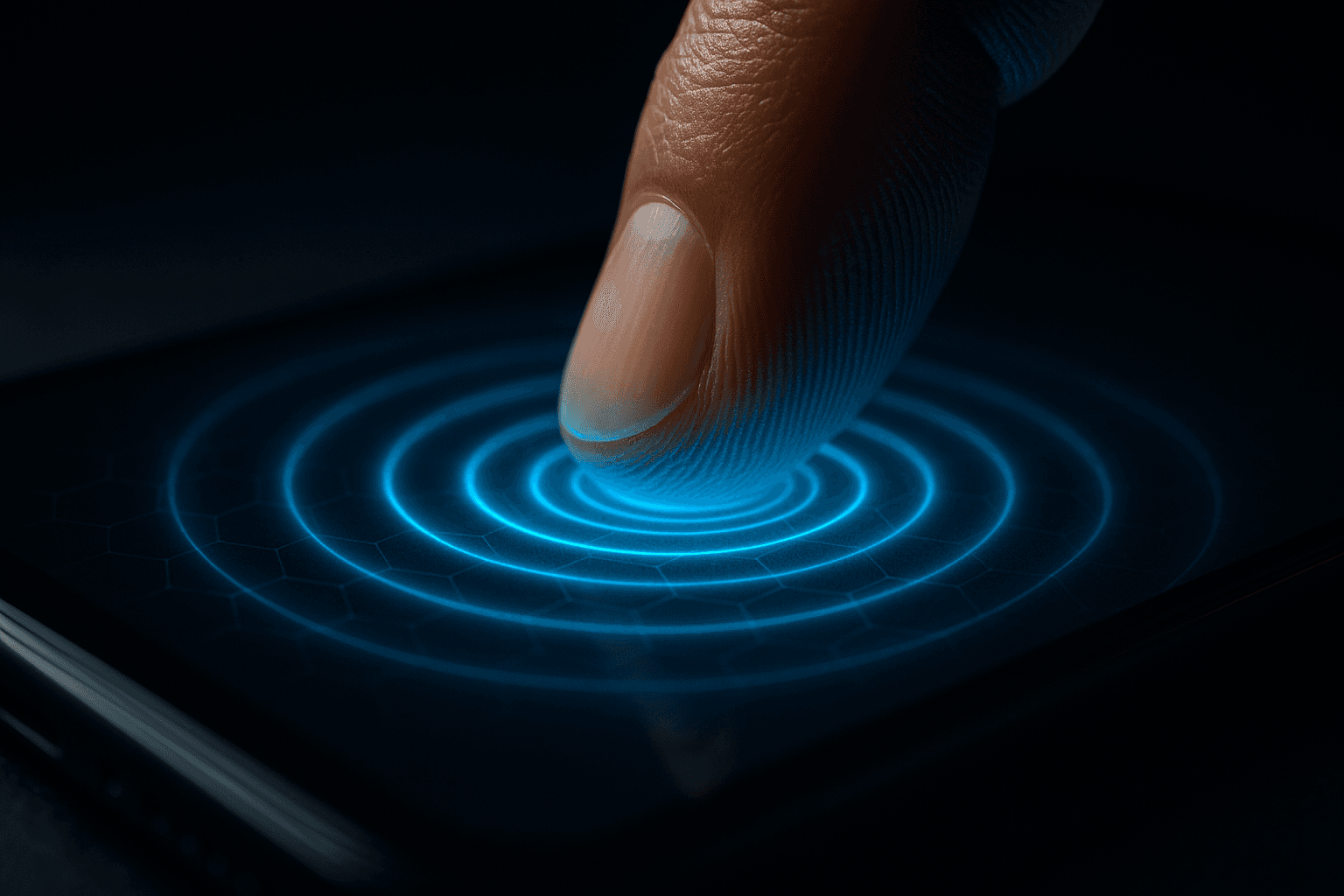
How a Touchscreen Works
How does a touchscreen work? Your finger alters an invisible electric field in the glass. The story runs from the first 1965 prototype to the iPhone.
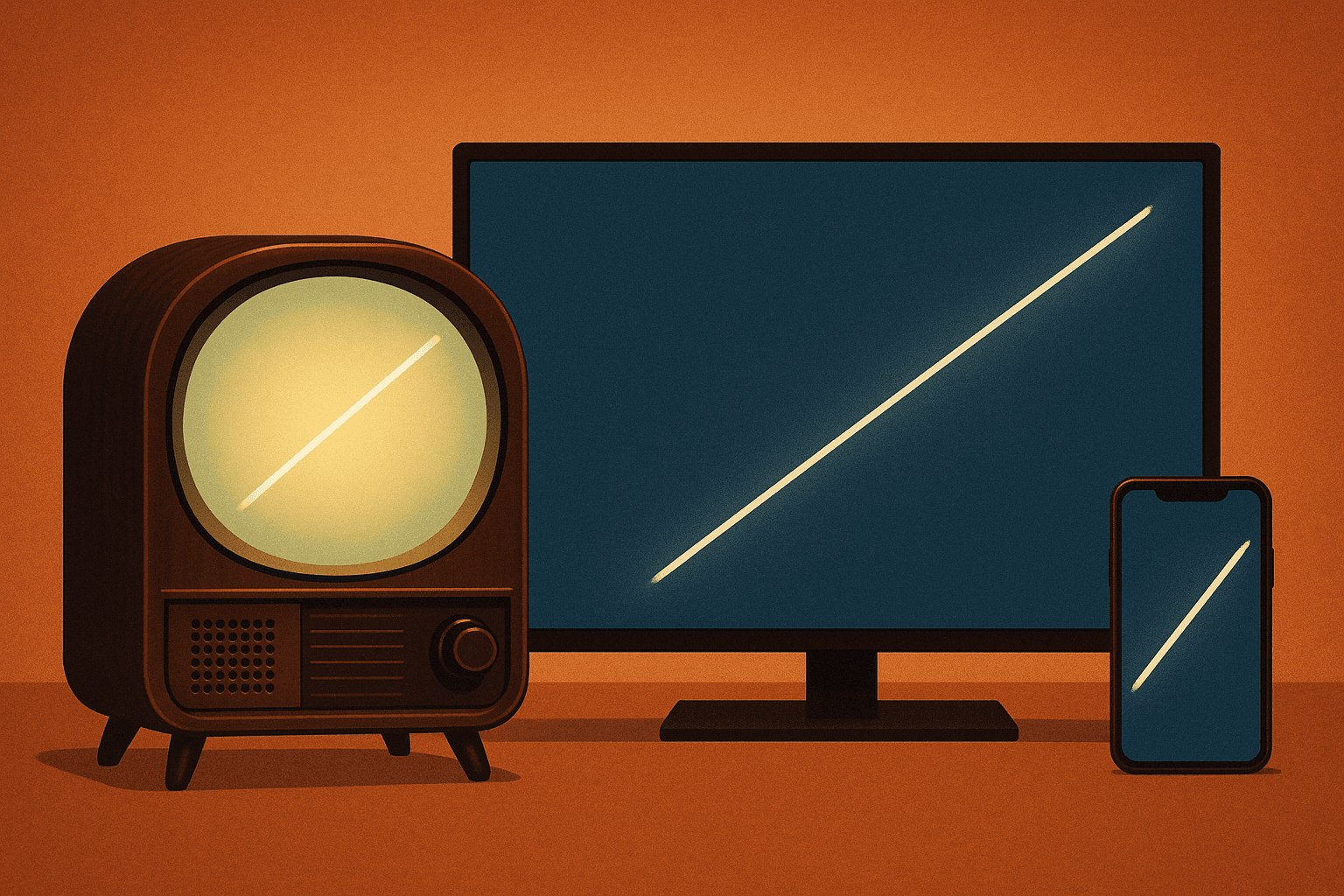
Why We Measure Screens in Inches
Why are screens measured in inches, and diagonally? It all started with round cathode-ray tube TVs and continued thanks to a clever marketing trick.
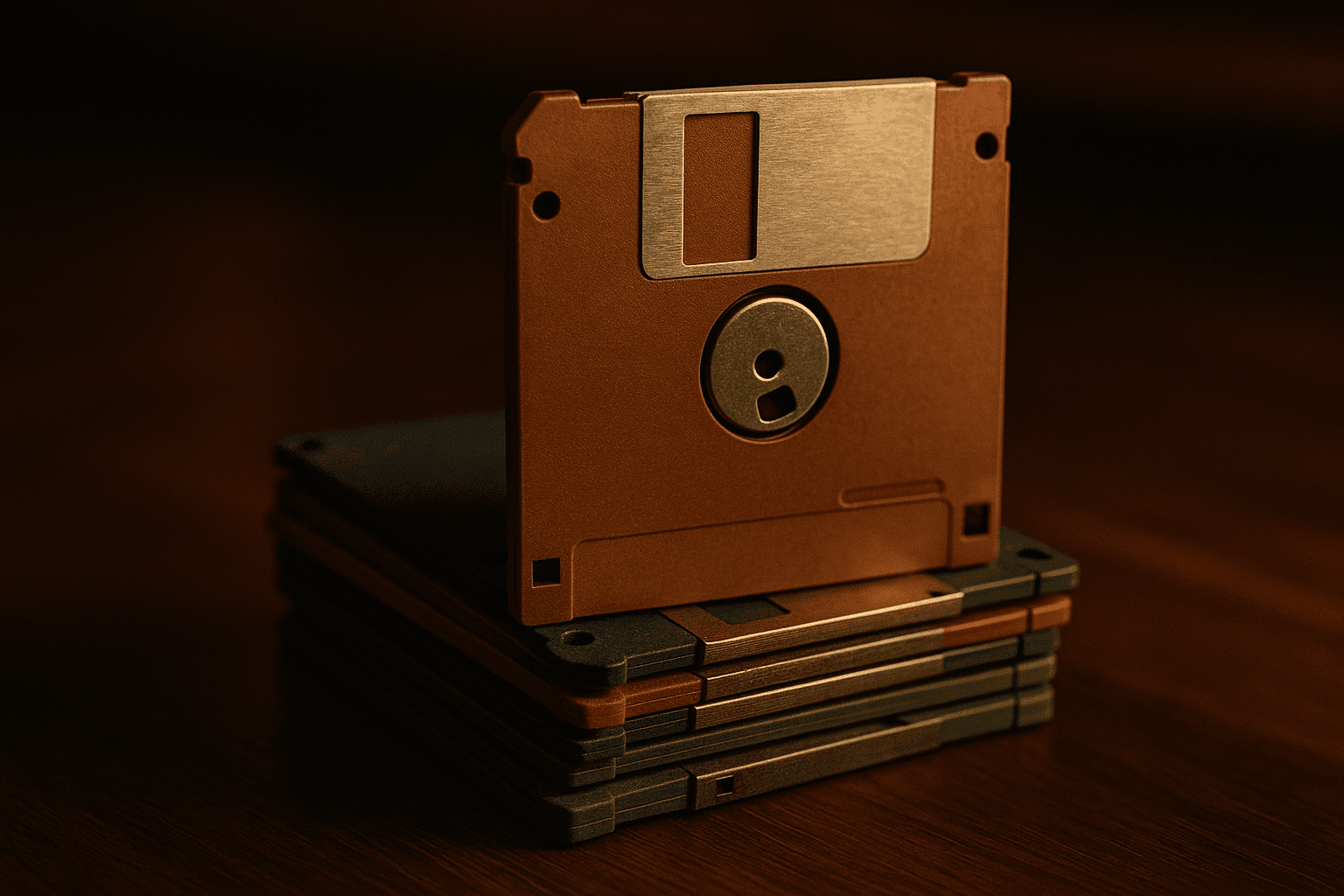
The History of the Floppy Disk and the Save Icon
The floppy disk held 80 KB in 1971 and survives today as the «save» icon many young people never touched. This is the full history of the floppy disk.
Why Computer Files Are Called Files
The digital file inherits its name from a real office: papers strung on a thread. From the Latin filum to the file system, this is the story of the file.
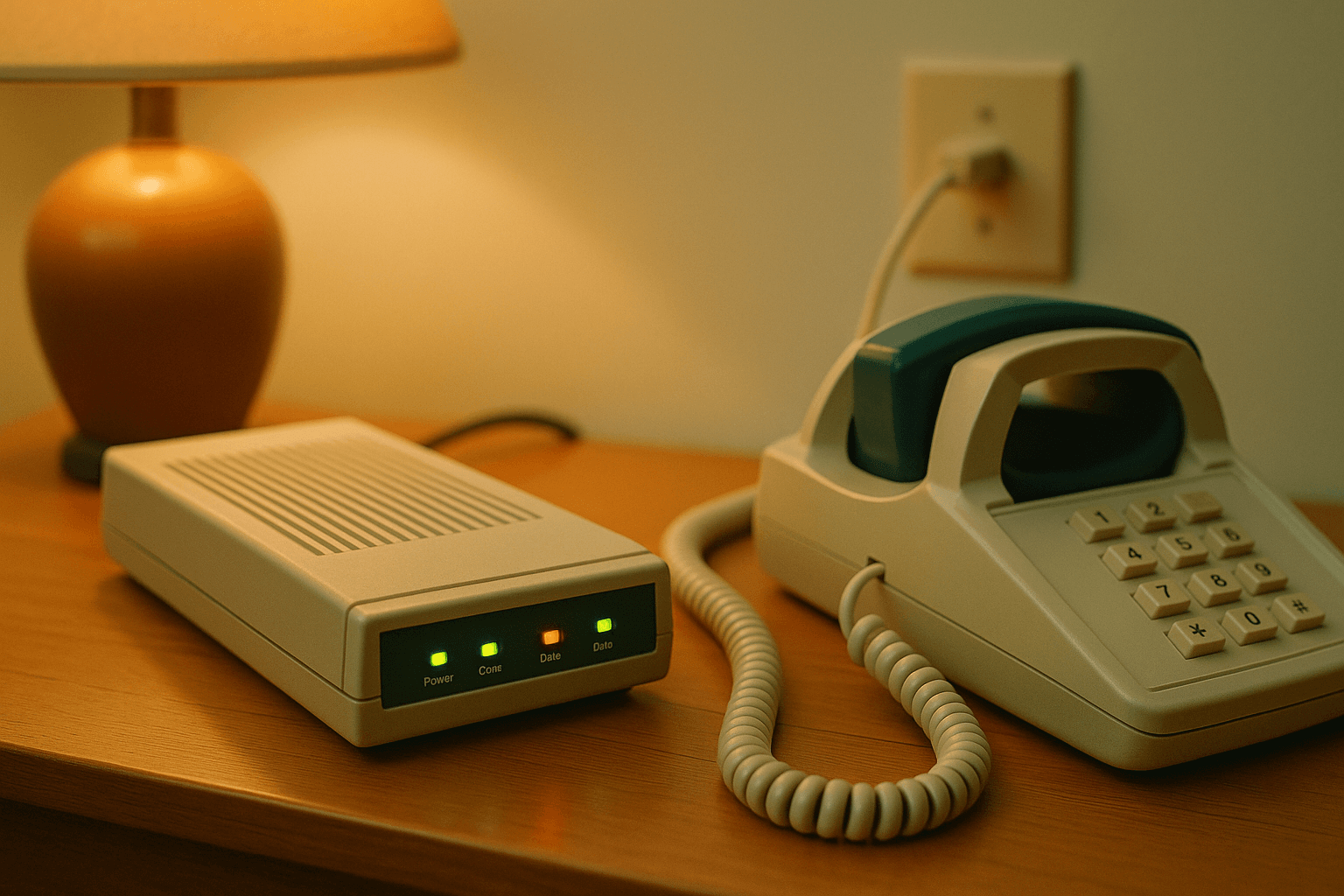
The History of the Modem: When the Internet Screeched
The modem turned data into sound to travel down the phone line. This is its story, from the 1958 Bell 101 to the screech of dial-up internet.
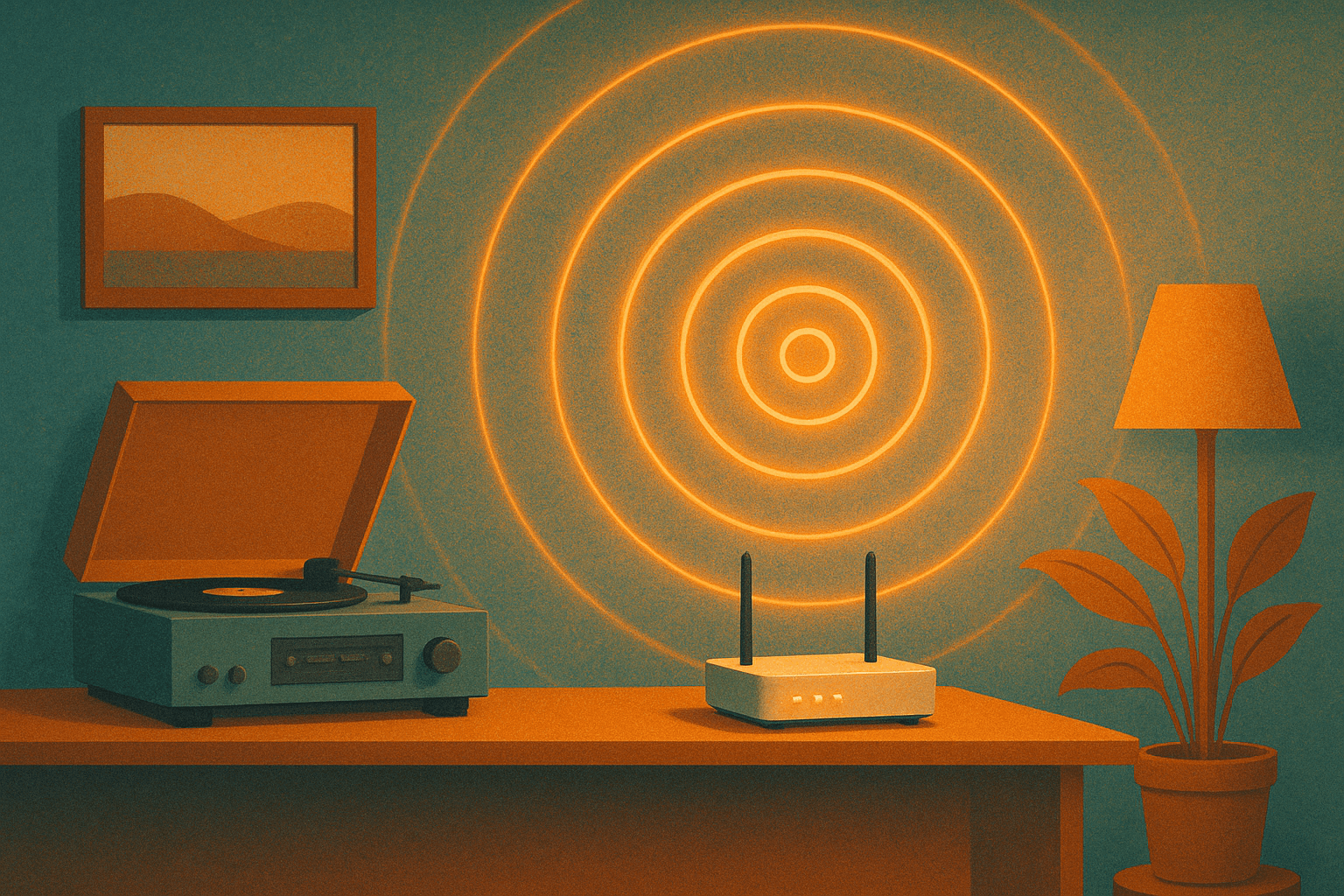
What Does Wi-Fi Stand For? Nothing, Actually
Wi-Fi doesn't stand for 'Wireless Fidelity' — or anything at all. It's a made-up brand name. Here's the real story and how the signal actually works.
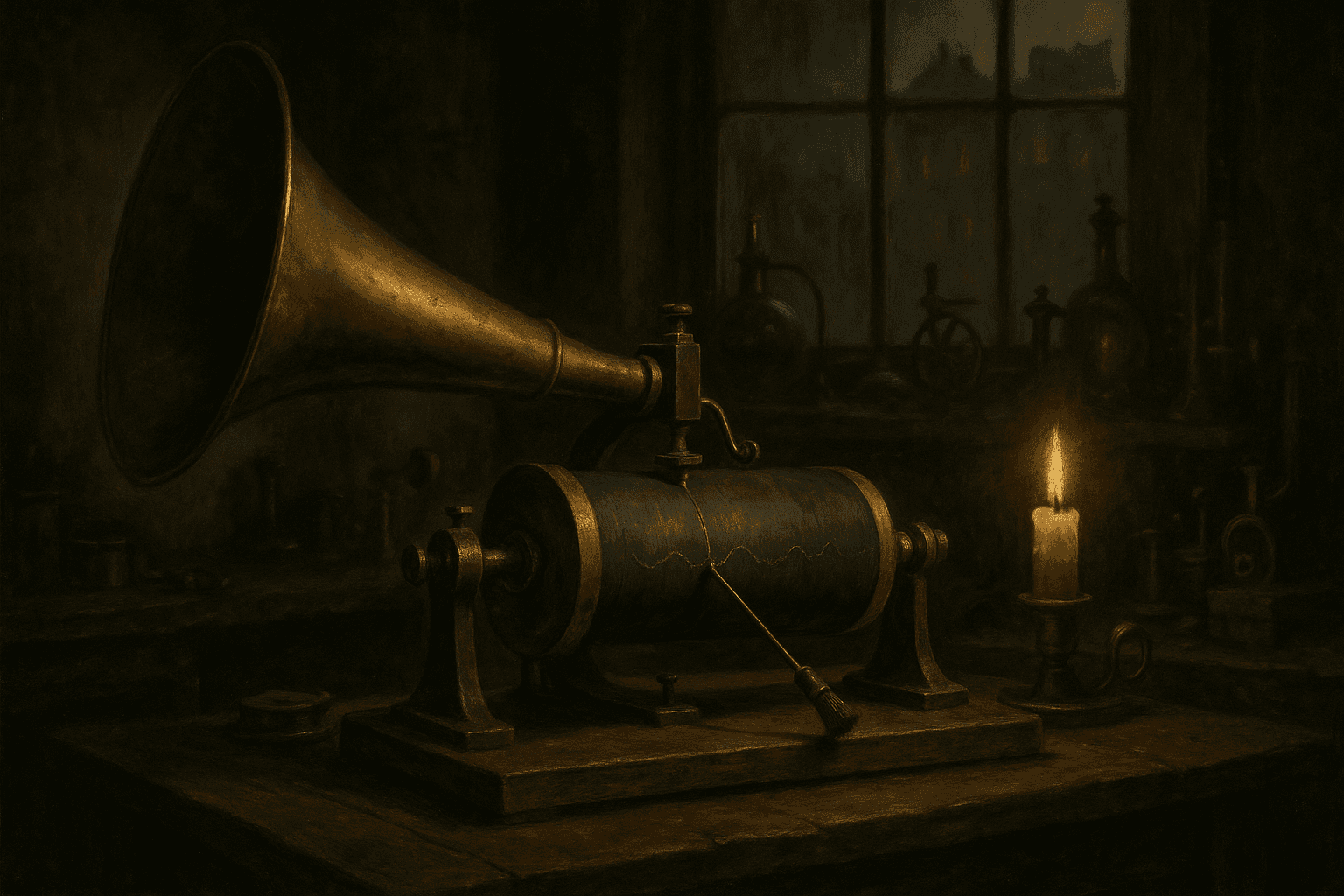
The oldest recorded voice: sound before Edison
In 1860, 17 years before Edison, a French typesetter recorded the oldest human voice we can hear today. This is how we finally heard the past.
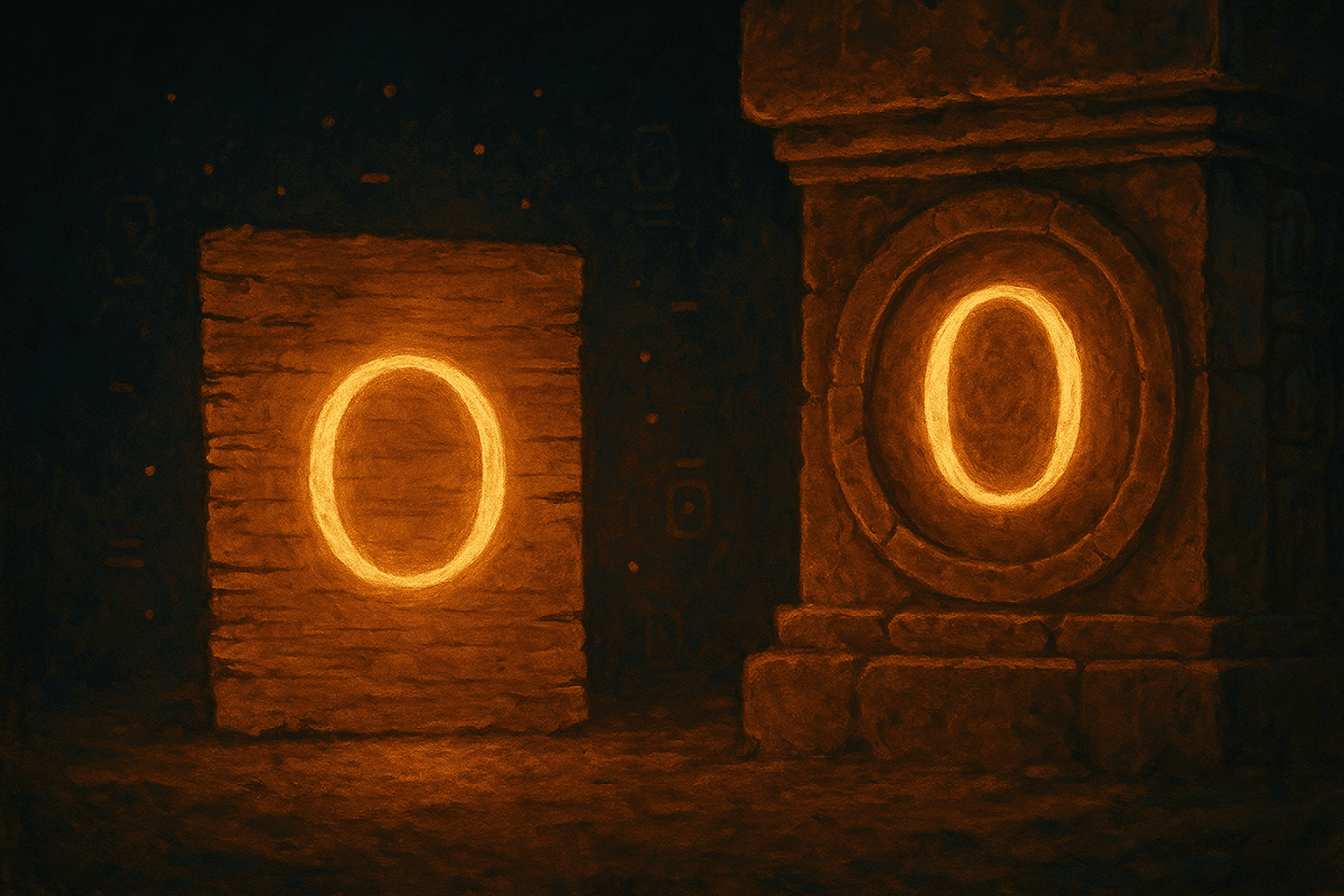
The History of Zero: The Number We Took Ages to Accept
The history of zero: from a dot in an Indian manuscript to Brahmagupta's rules and the Florence ban. How we finally learned to write nothing down.
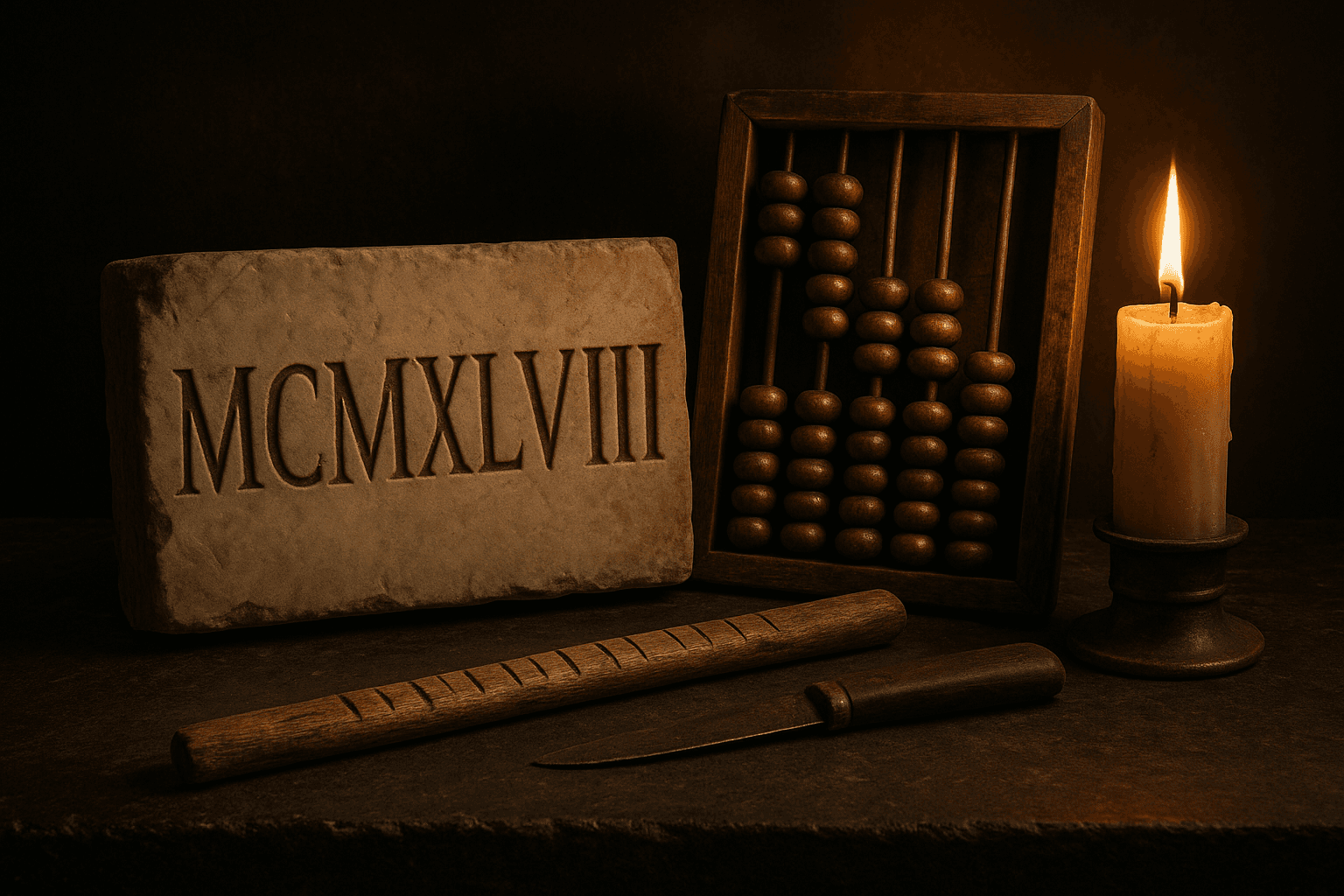
Why Roman Numerals Are So Clumsy for Arithmetic
MCMXLVIII does not lend itself to adding or multiplying. Why Roman numerals, so good for carving in stone, were a disaster for calculation.
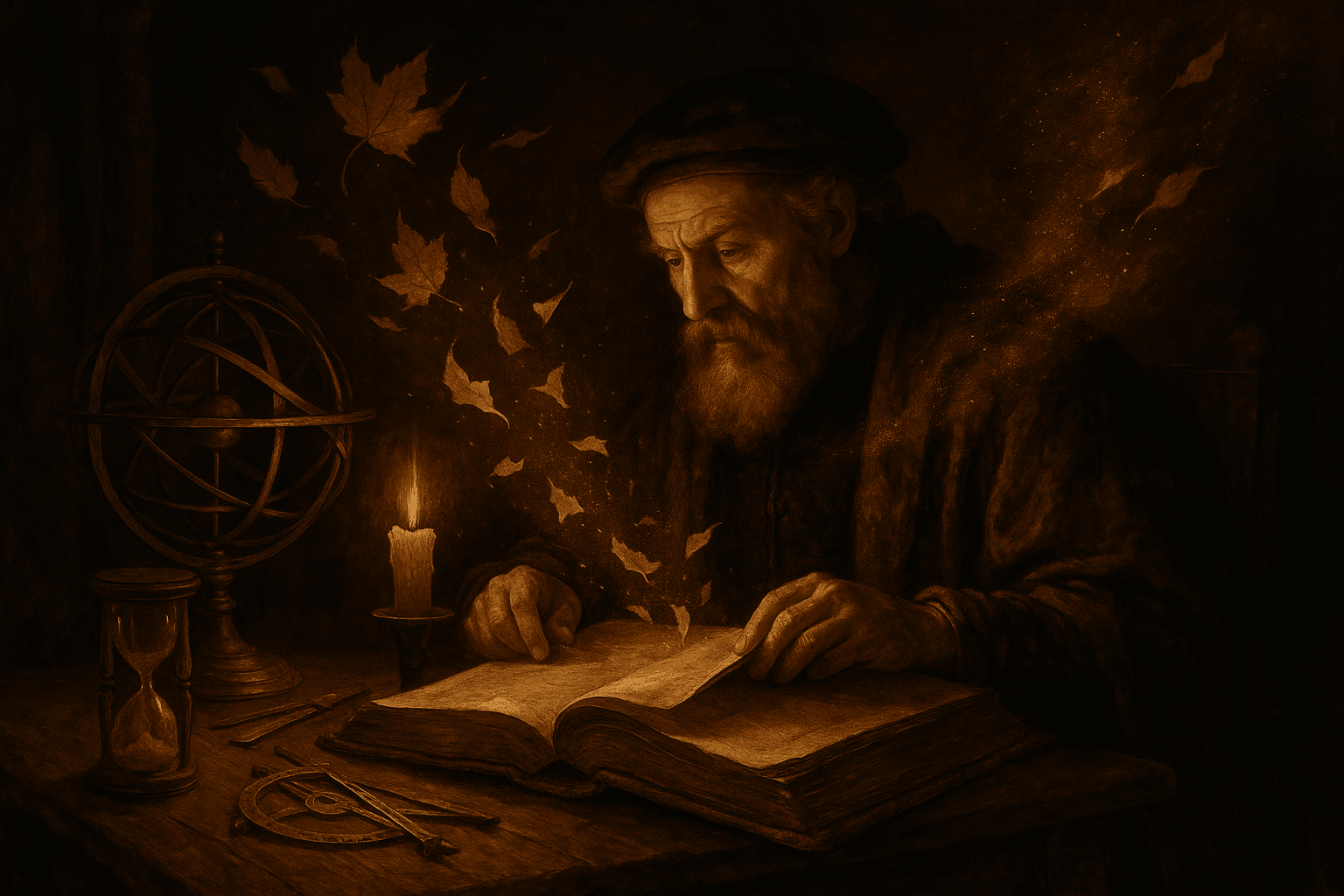
The Ten Days of October That Never Existed
In 1582 Pope Gregory XIII erased ten days: October 4 was followed by October 15. Here is why the Julian calendar failed and the Gregorian took its place.
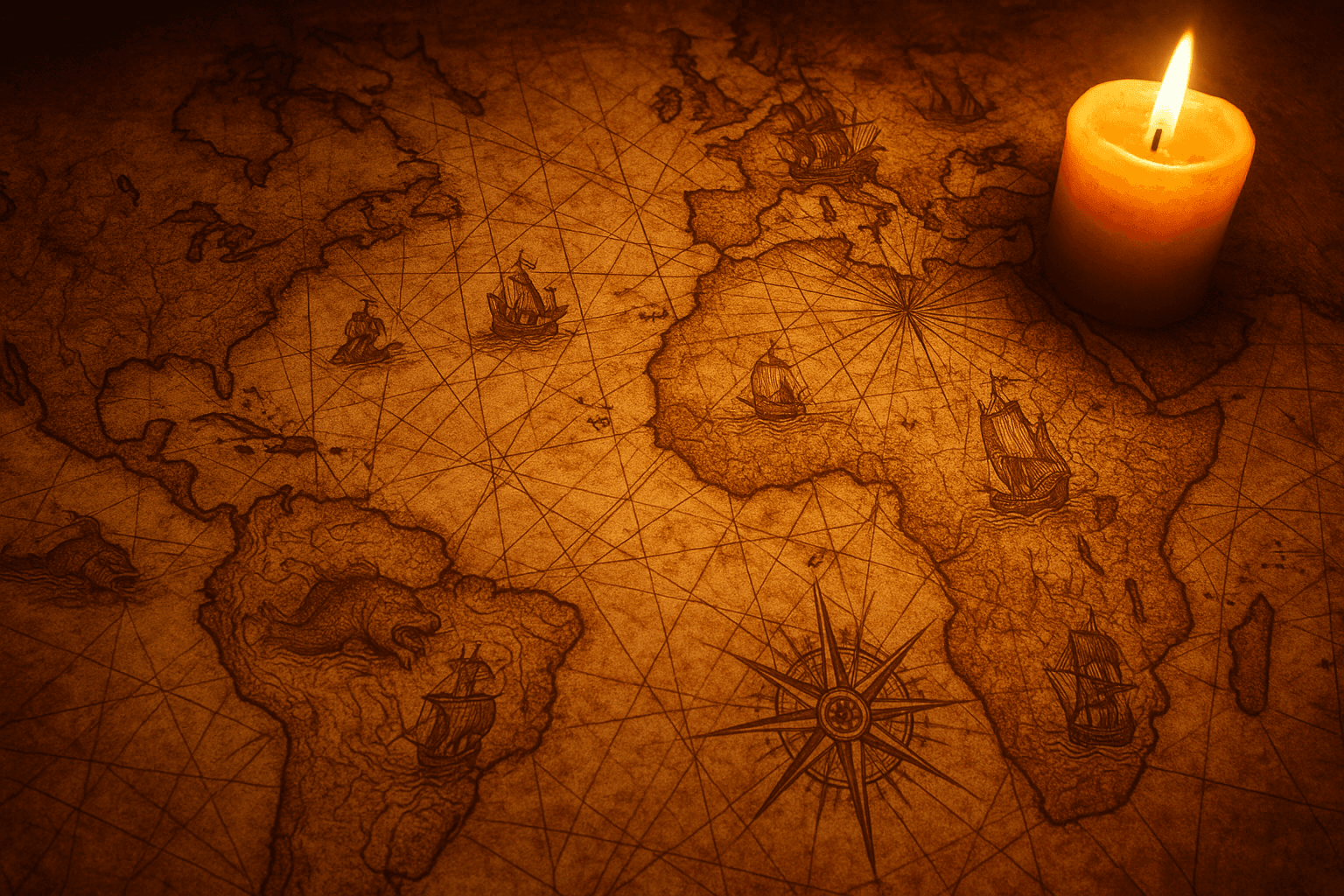
The Piri Reis Map: What It Really Shows, and What It Doesn't
The 1513 Piri Reis map is cited as proof of an ice-free Antarctica. What an Ottoman admiral actually drew is more interesting than the myth.
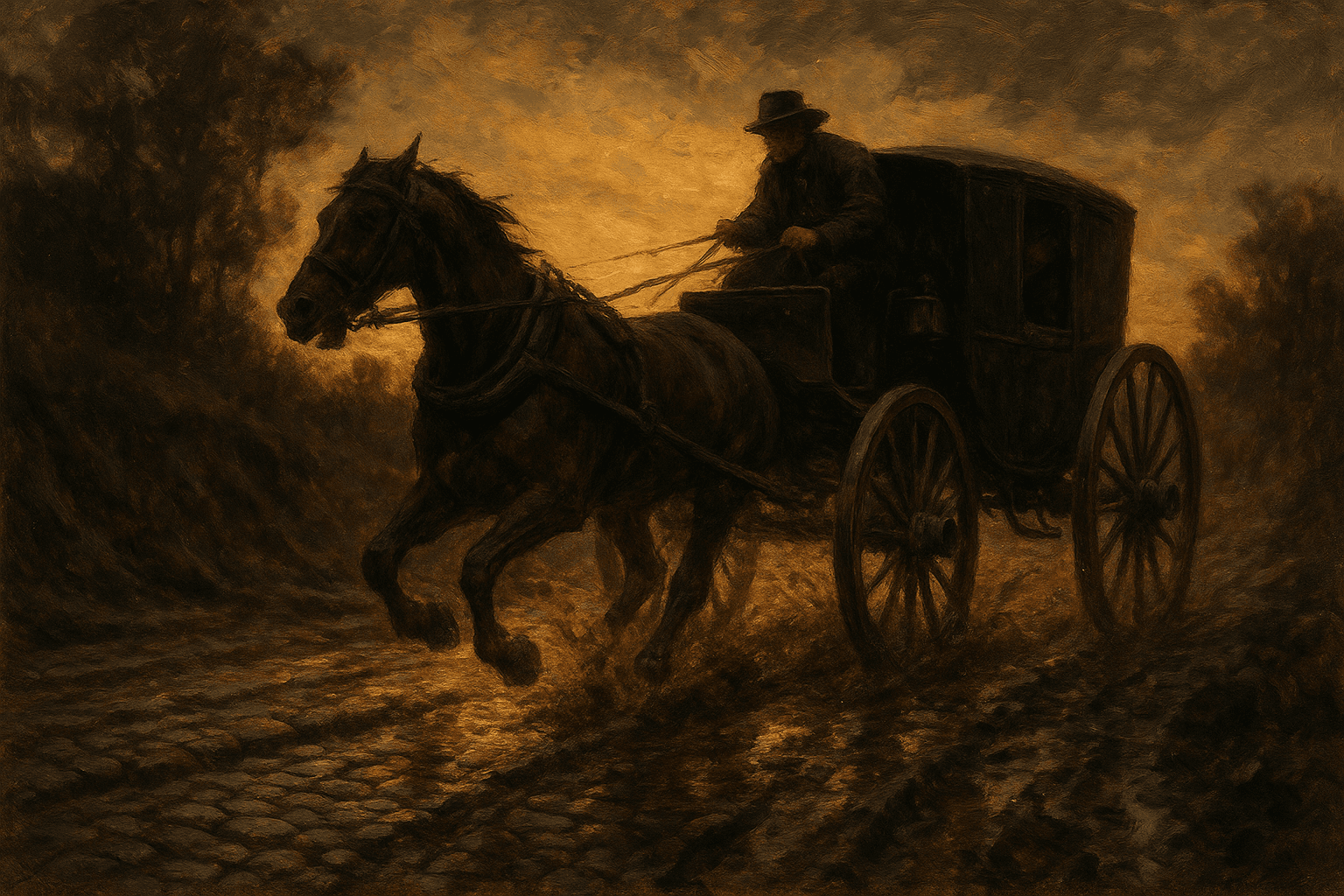
Tires before rubber: the hard history of bumpy travel
Before the air-filled tire, travel meant wooden wheels with iron rims that jolted every bone. This is the story of rubber, from Goodyear to Michelin.
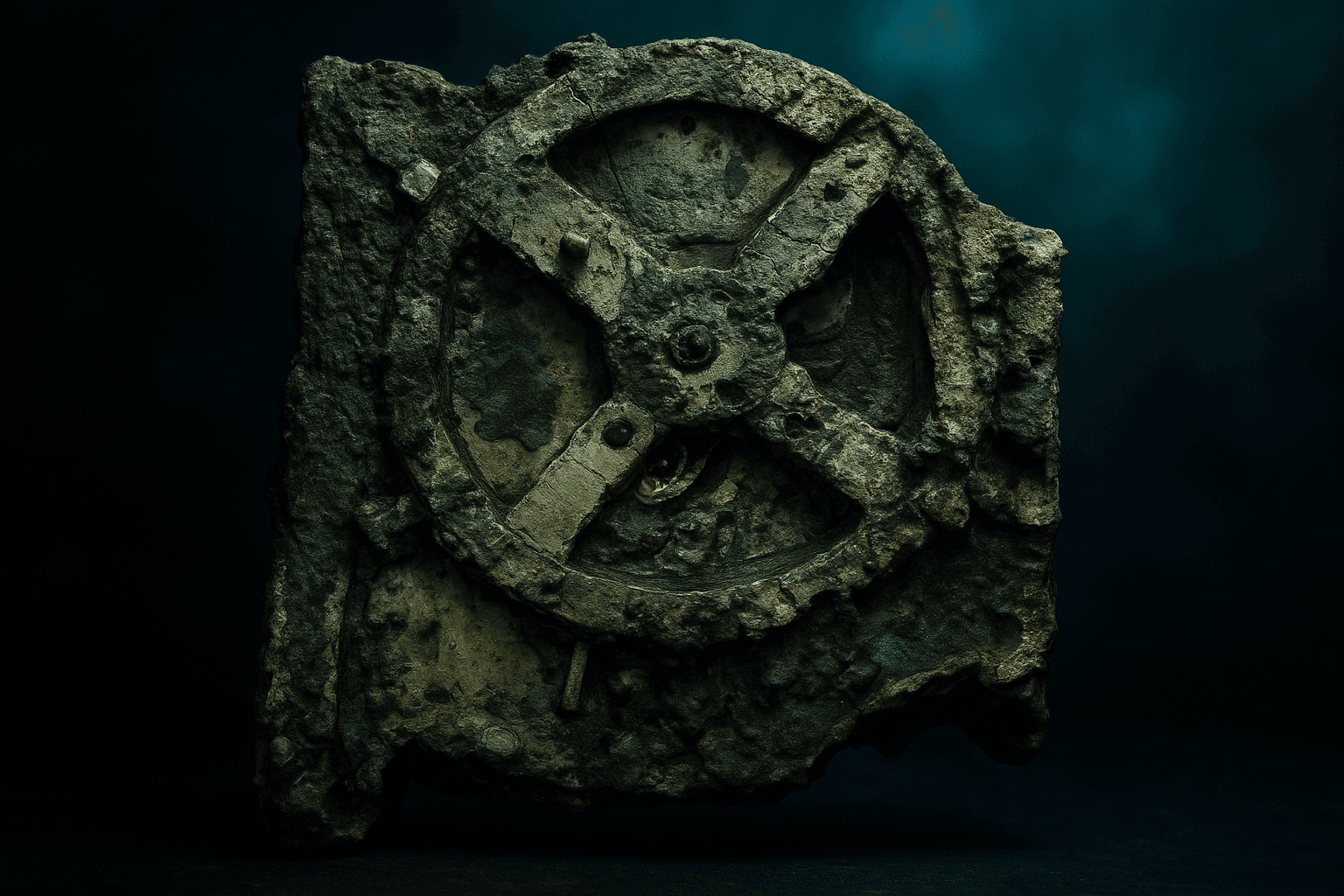
The Antikythera Mechanism: A 2,000-Year-Old Computer
The Antikythera mechanism is the oldest known analog computer: a bronze Greek machine, found in a shipwreck, that could predict eclipses 2,000 years ago.
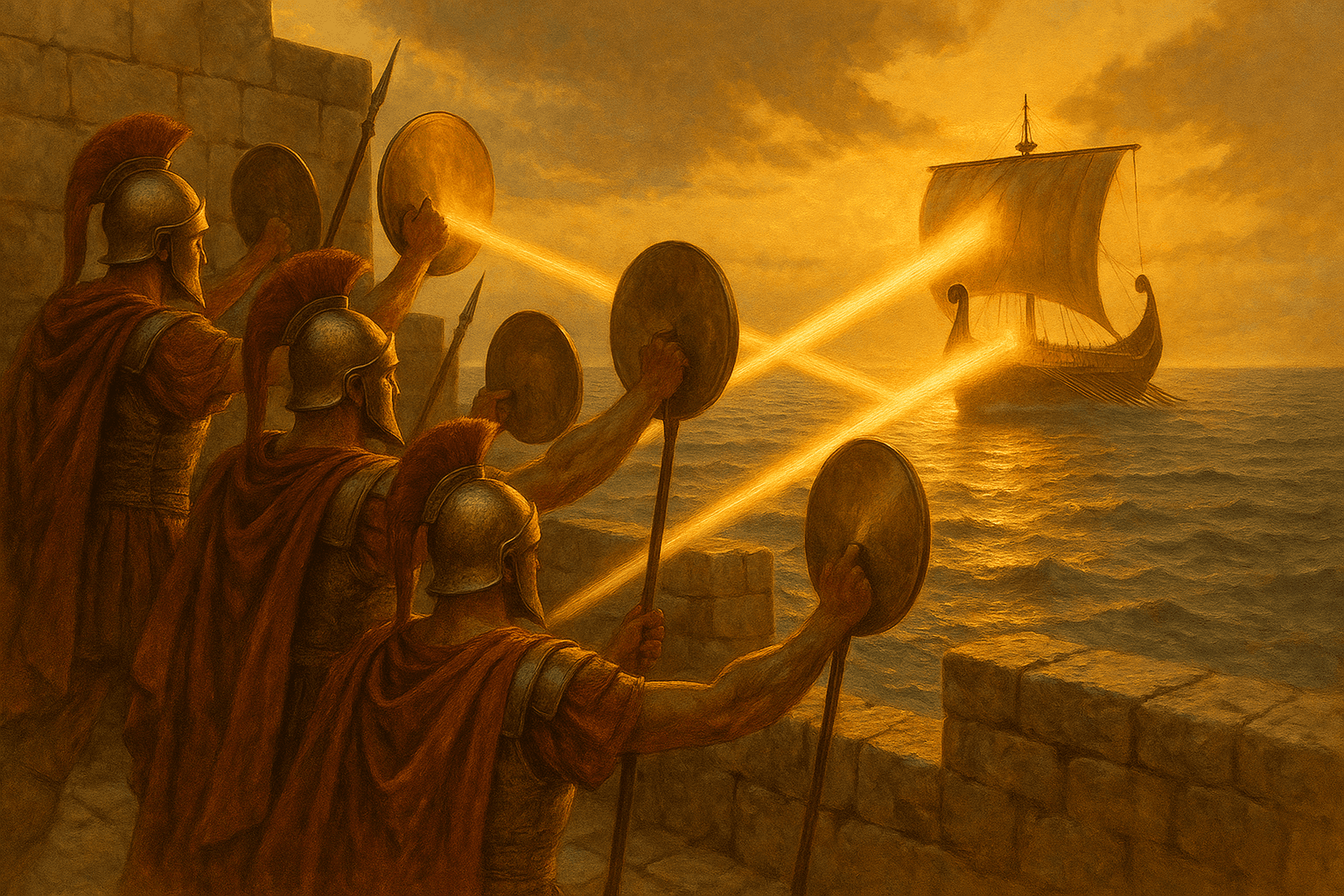
Archimedes' Death Ray: Myth or Real Weapon?
Did Archimedes really set the Roman fleet ablaze with mirrors at Syracuse? What the ancient sources and the MIT and MythBusters experiments reveal.

The Equator Isn't Exactly Where You Think
Ecuador's Mitad del Mundo monument sits about 240 meters south of the real equator that GPS marks today. And the story doesn't end there.
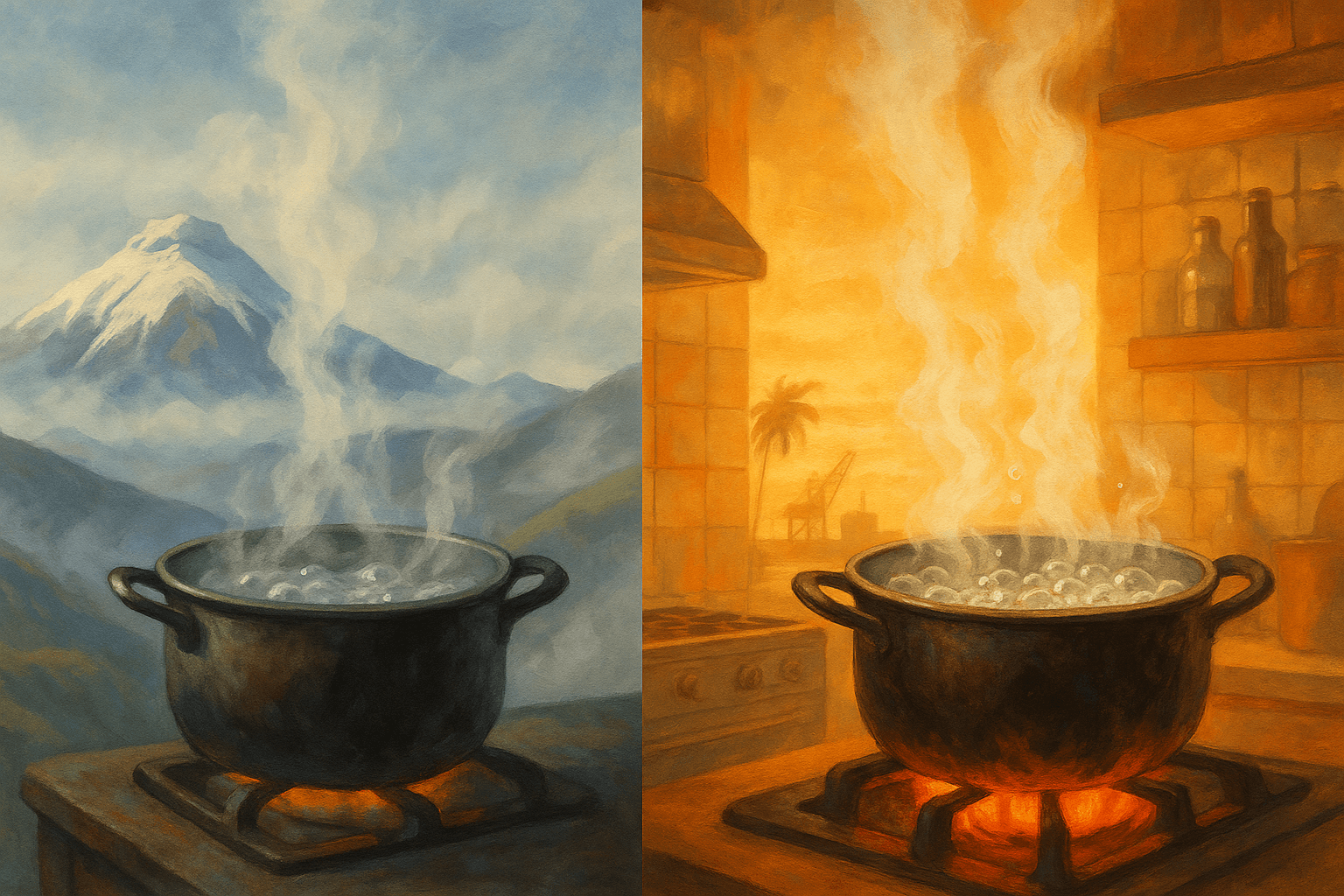
Why Water Boils Differently in Quito and Guayaquil
In Quito water boils at about 90 °C and in Guayaquil at 100. The cause is atmospheric pressure, and it explains why food cooks slower in the highlands.
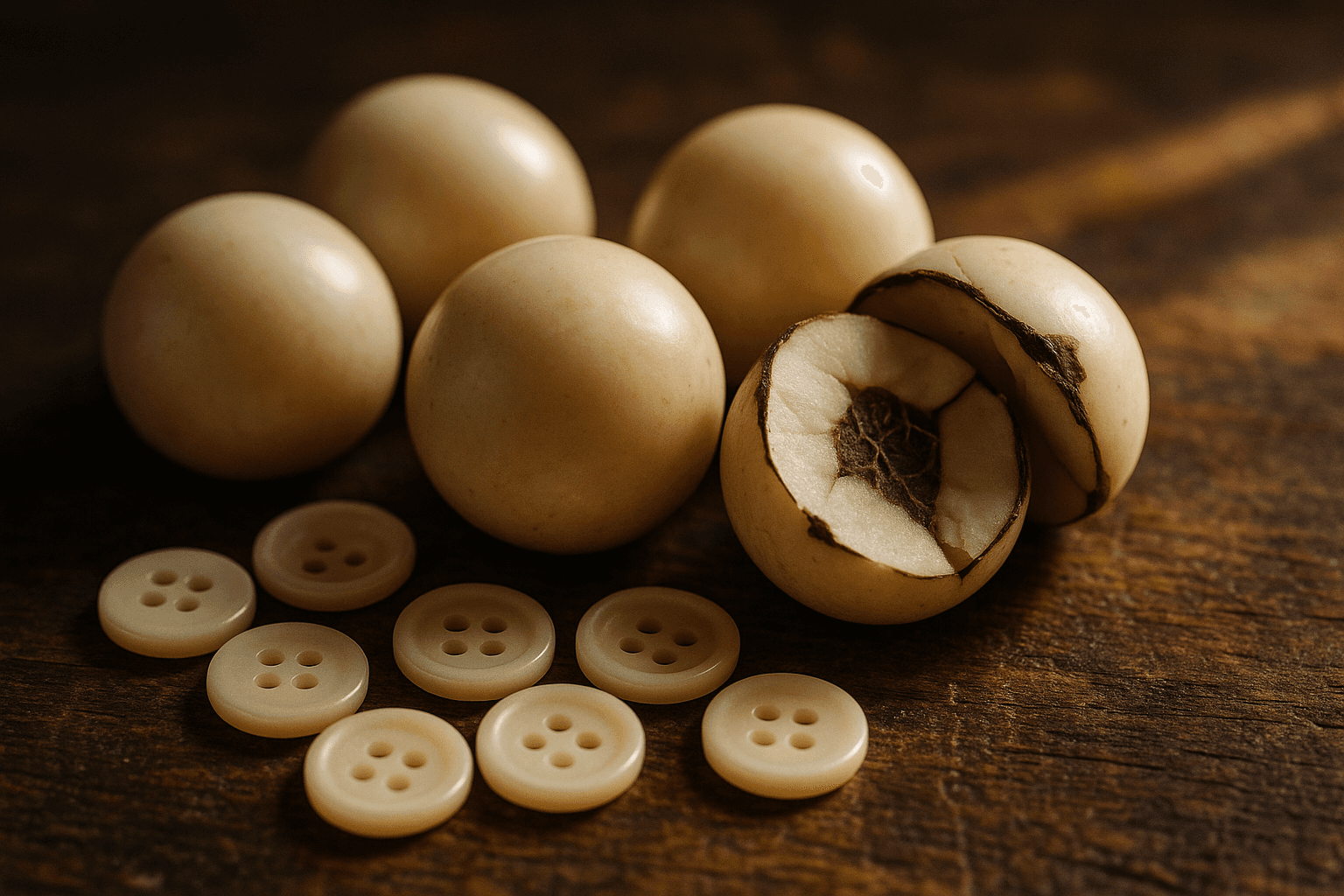
Tagua: the Vegetable Ivory That Buttoned Europe
Tagua, the seed of an Ecuadorian palm, mimicked ivory and buttoned the world's clothes for decades, until cheap plastic pushed it aside almost overnight.
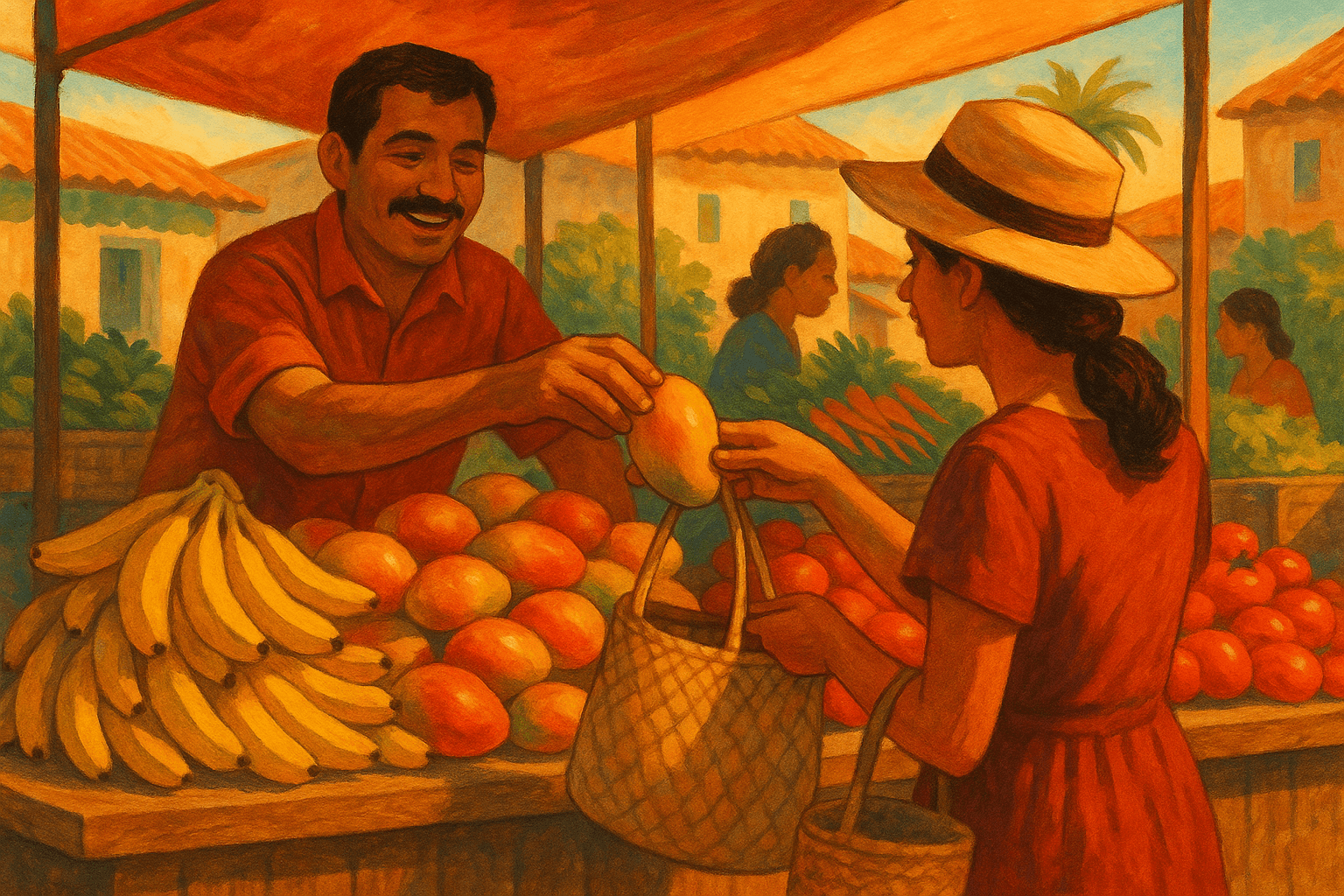
The Origin of “Ñapa”: From Quechua to Lagniappe
Where does the word ñapa come from? From Quechua yapa, “something added.” The story of the market freebie that traveled to Louisiana and became lagniappe.
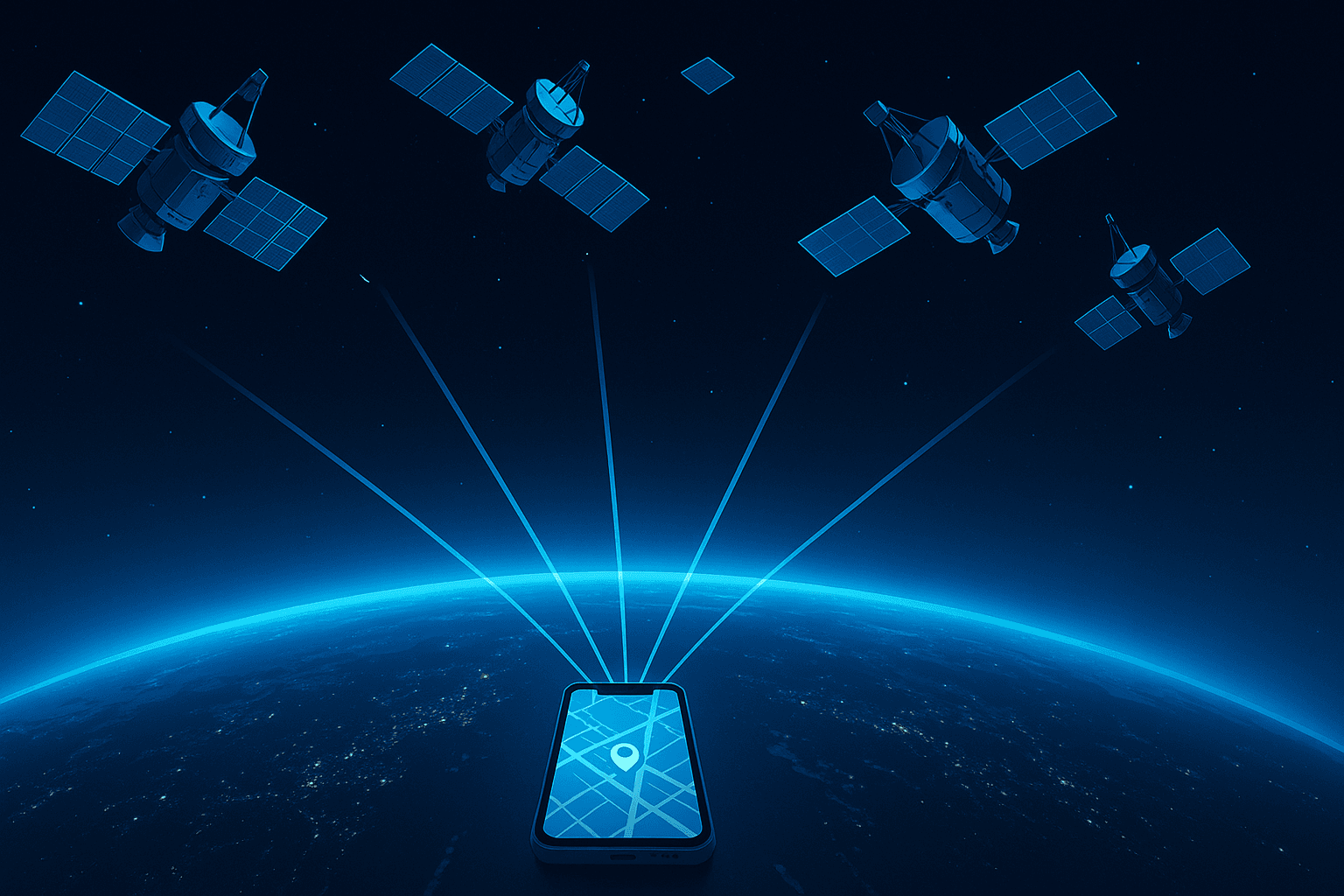
How GPS Works and Why It Knows Where You Are
Your phone's GPS pinpoints you thanks to satellites 20,000 km up and atomic clocks. Here is how that everyday magic actually works, step by step.
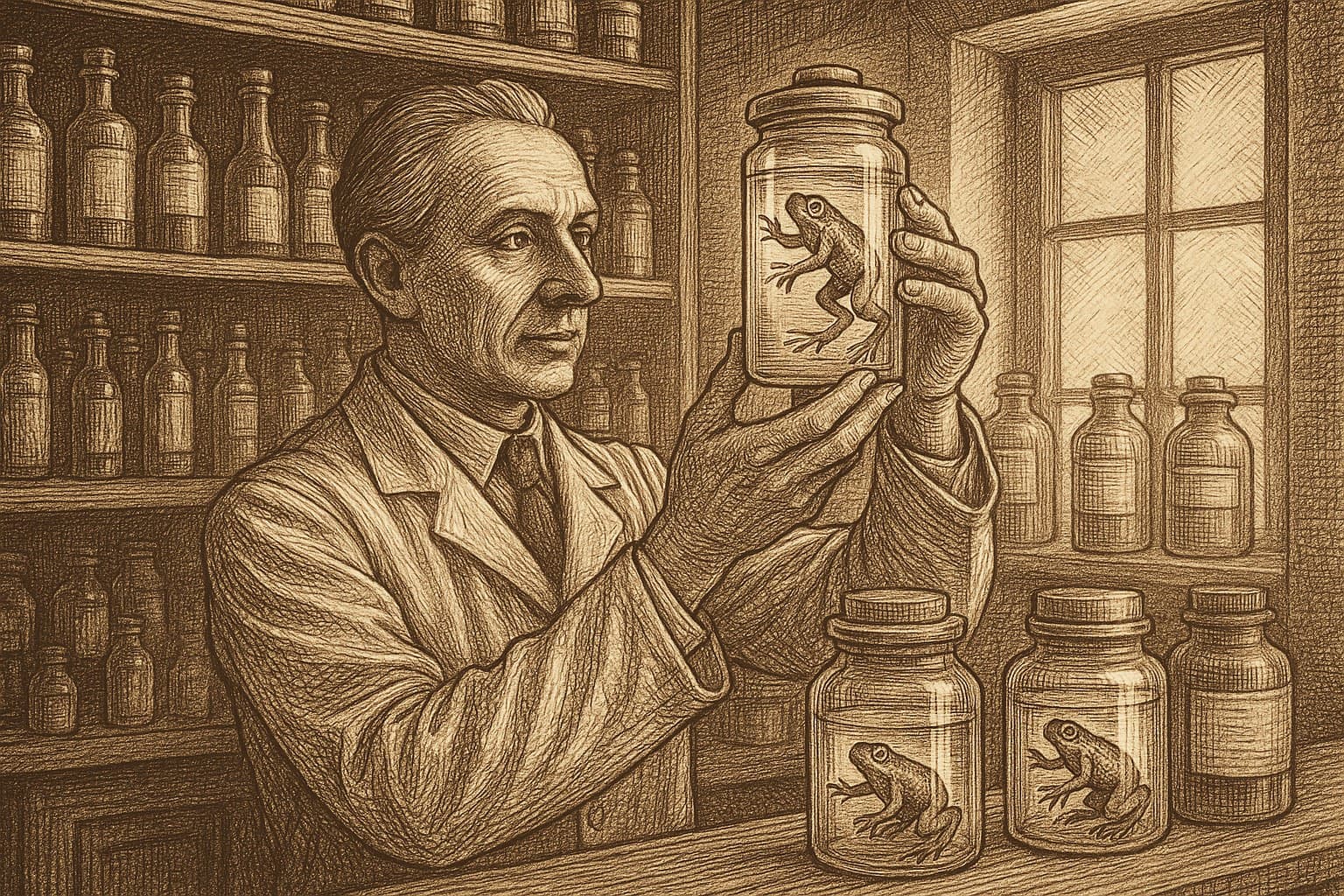
When the Pregnancy Test Was a Frog
For decades, pharmacies kept their own frogs: if a client's urine made one ovulate, she was pregnant. And it worked 95% of the time.
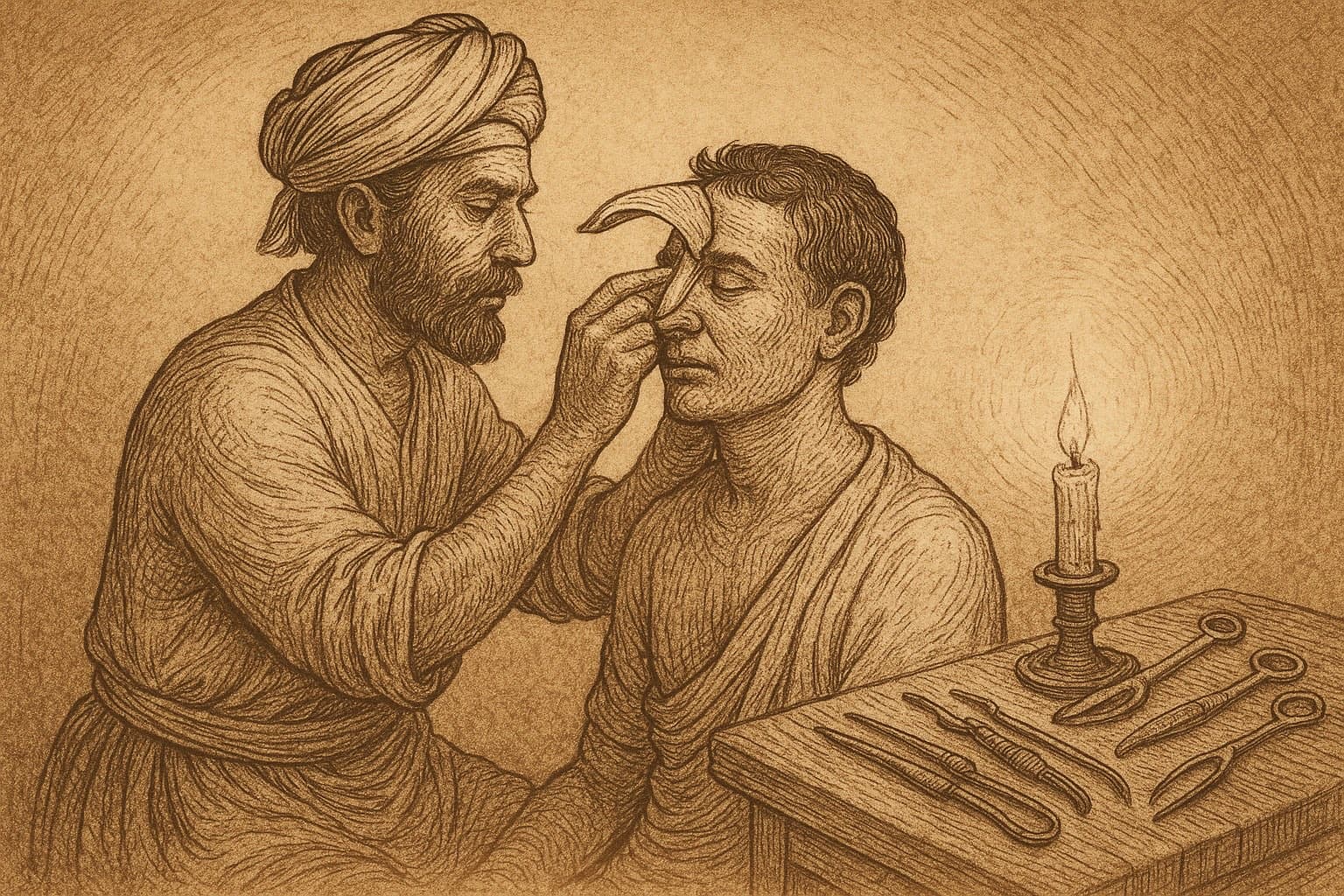
Rhinoplasty: Plastic Surgery Is Older Than You Think
Rhinoplasty was born in India more than 2,500 years ago to rebuild noses cut off as punishment. That is how plastic surgery began.
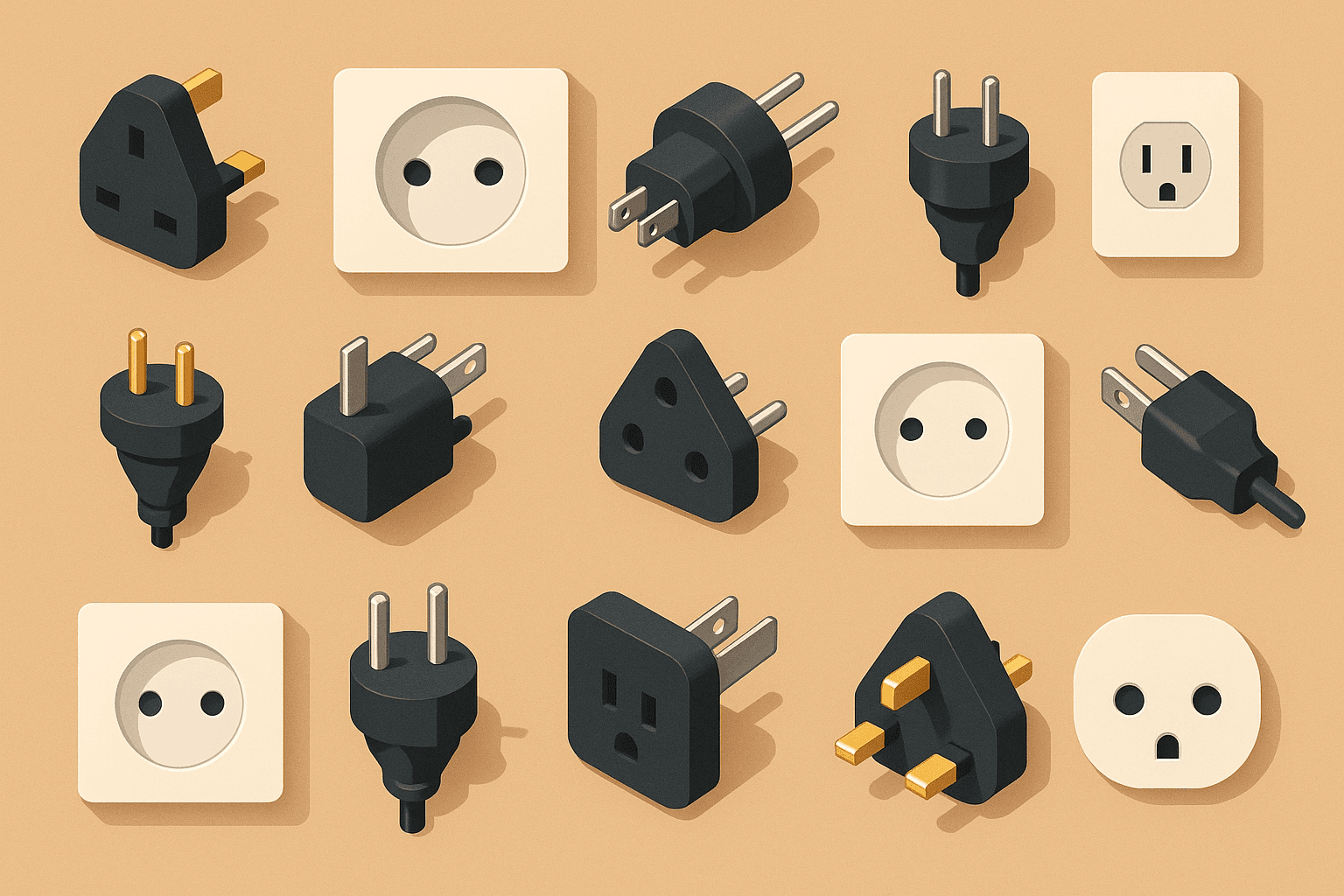
Why Power Plugs Are Different in Every Country
There are about 15 plug types worldwide and voltages from 110 to 240 V. Here is why power plugs are so different from one country to the next.
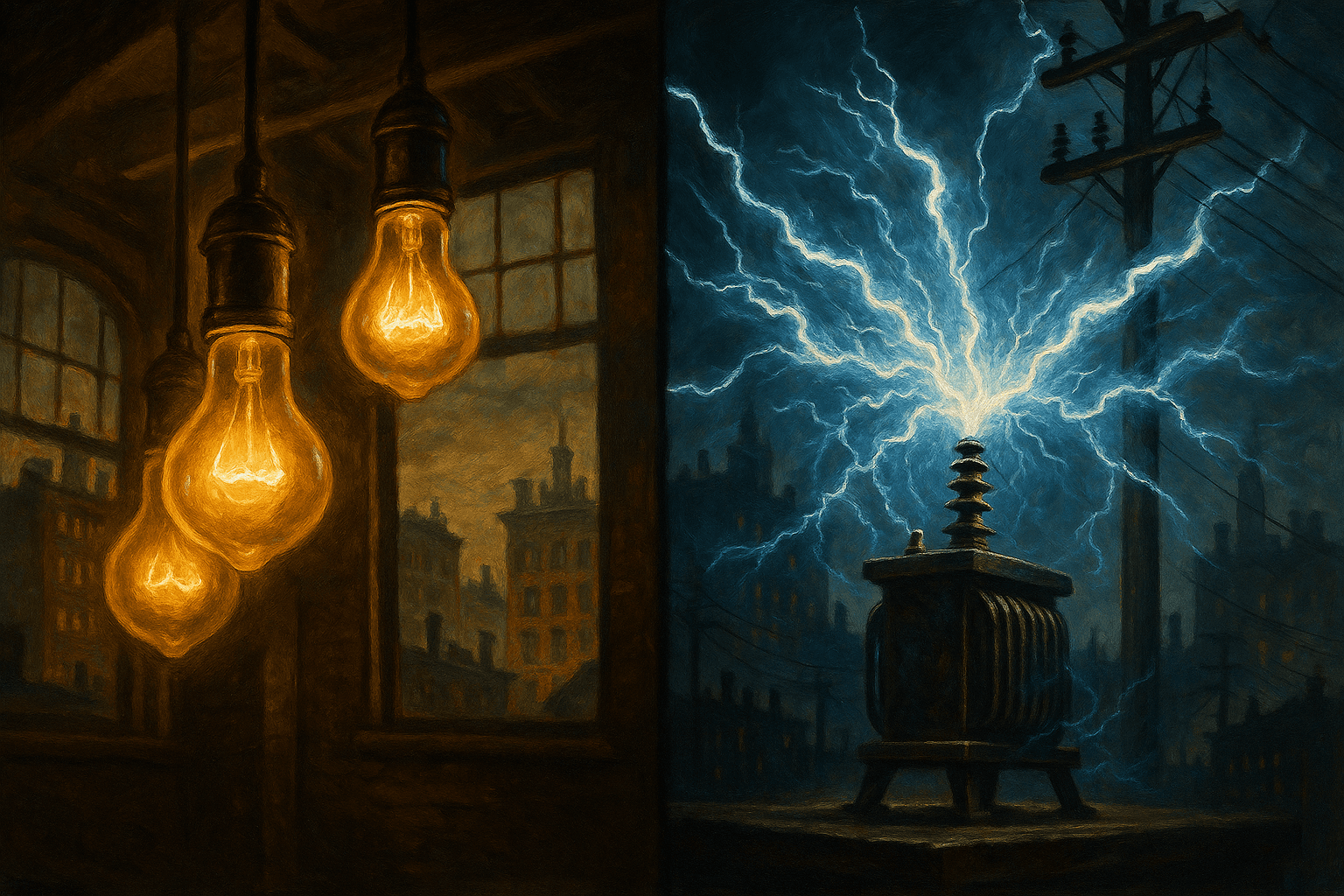
The War of the Currents: Edison vs. Tesla
In the late 19th century Edison, Tesla and Westinghouse fought the war of the currents to decide whether the world would run on direct or alternating current.
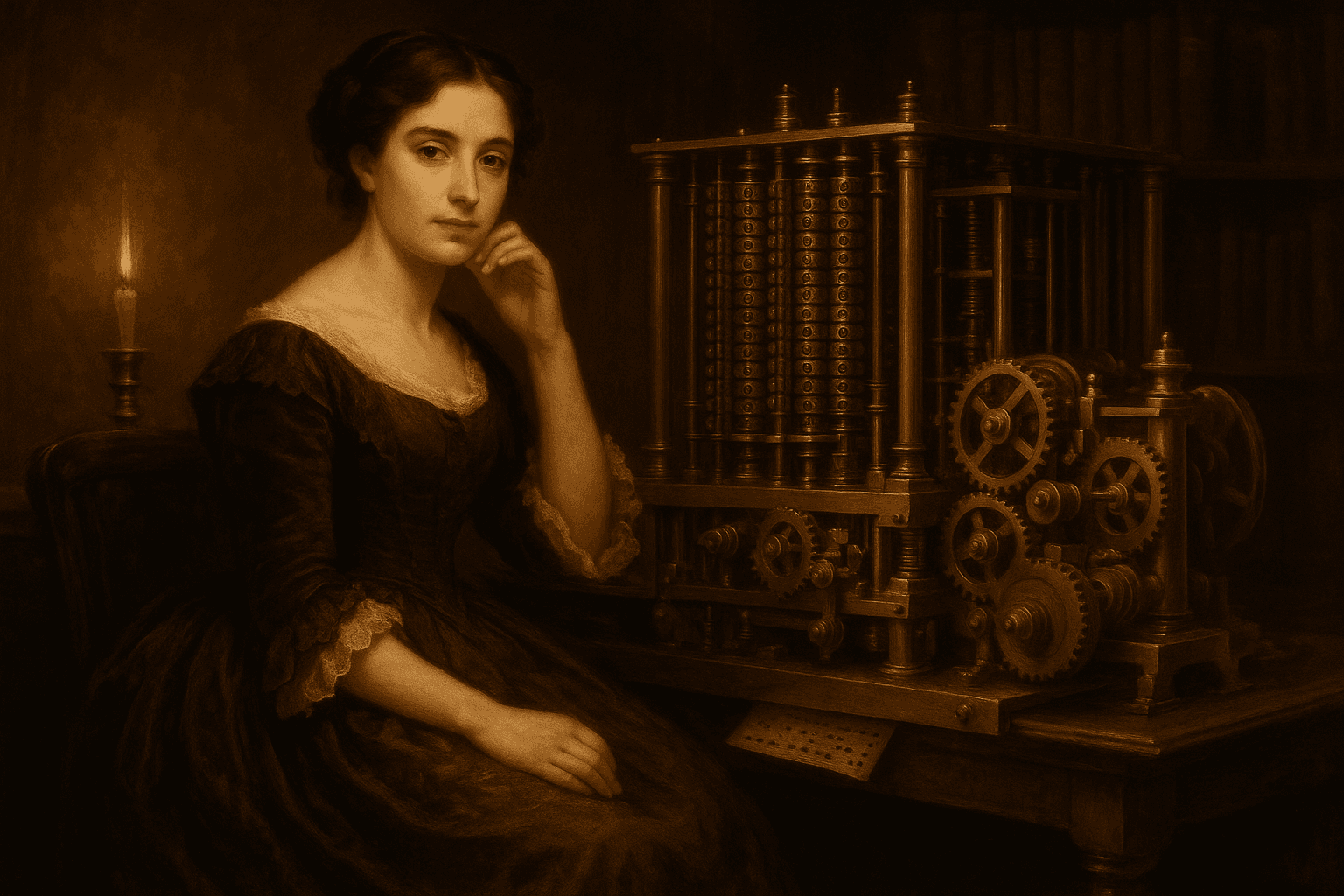
Ada Lovelace and the First Program Never Run
In 1843 Ada Lovelace wrote history's first algorithm for a machine that was never built. This is the story of the first computer program, a century early.

Alfonso Graña, the Spaniard who became king of an Amazon tribe
Alfonso Graña fled hunger in Galicia, vanished into the Amazon and ended up crowned king of the Jívaros of the Upper Marañón. The true story of Alfonso I.

Why Planes Don't Fly in Straight Lines on Maps
On a flat map a plane's route looks curved and bent. Here is why the shortest line between two cities is not a straight line at all.
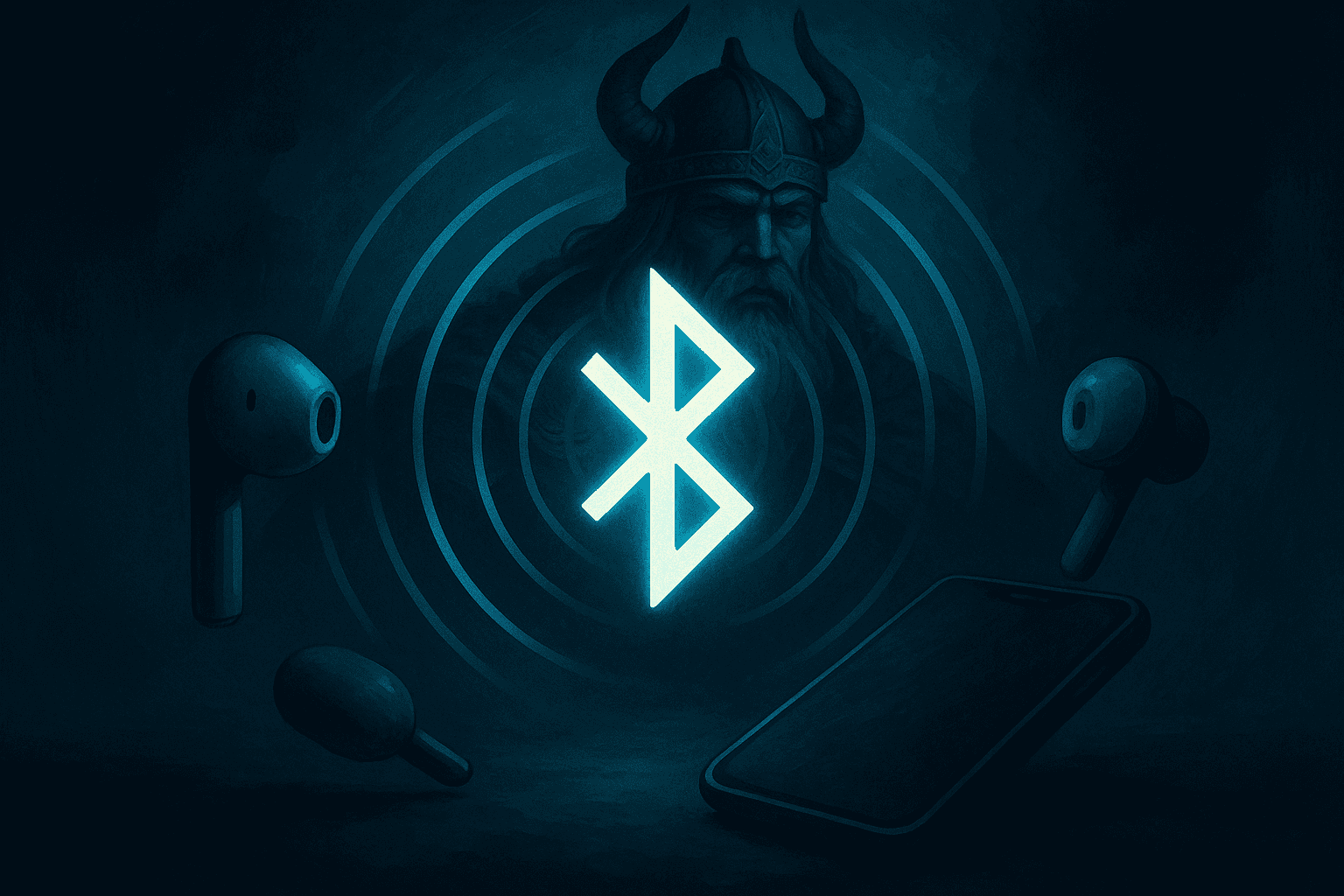
How Bluetooth Works and the Viking King Behind It
Bluetooth links your earbuds, car and keyboard with no cables. Here is how that invisible radio works and why it is named after a Viking king.
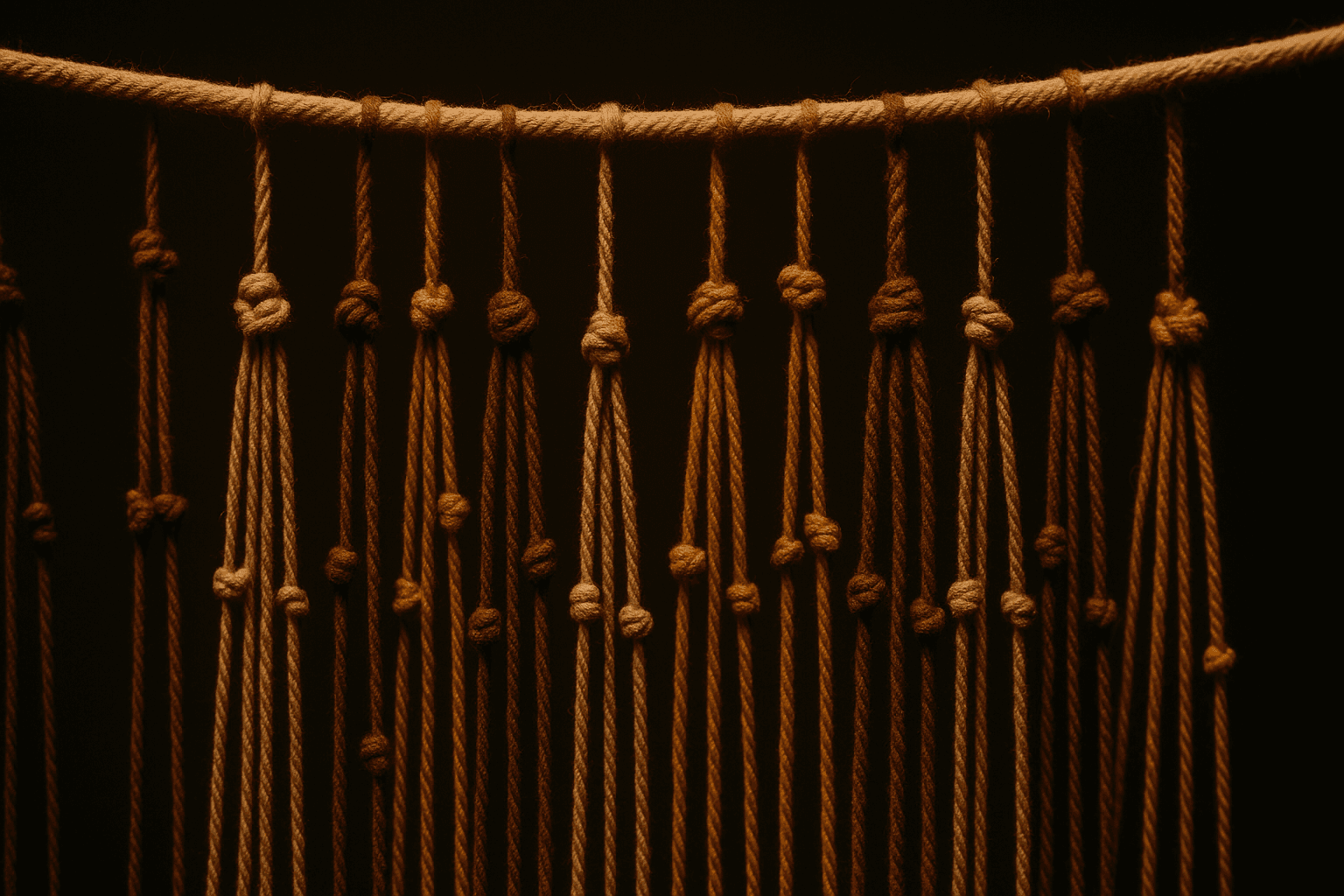
Inca Quipus: Accounting, Memory or Writing?
Inca quipus recorded data with knotted cords. Were they just accounting, a memory aid or a form of writing? Here is what scholars actually know today.
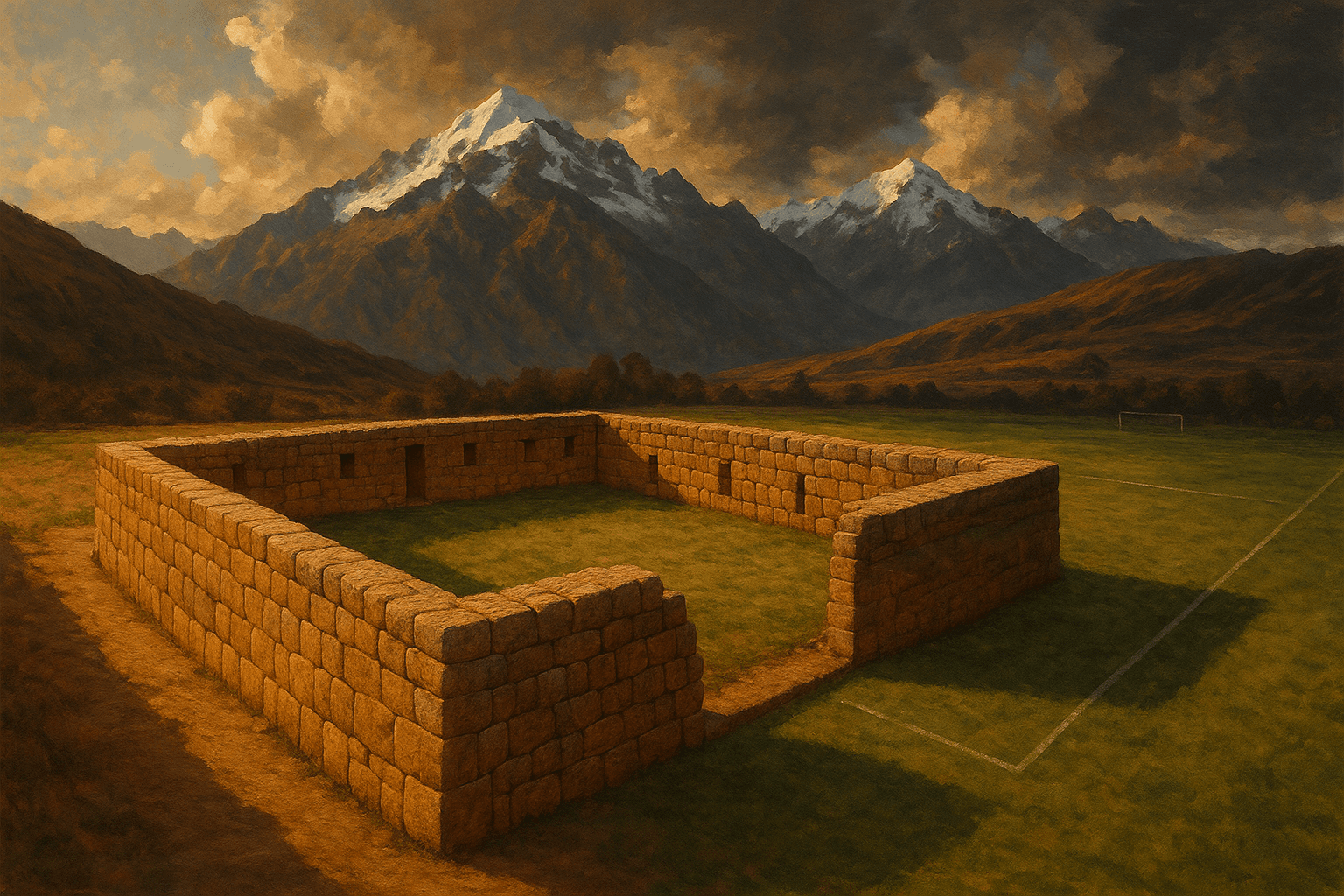
Cancha: from Inca enclosure to soccer field
«Cancha» comes from the Quechua kancha, the walled enclosure of the Incas. Here is how it went from temples and corrals to naming soccer fields across half the world.
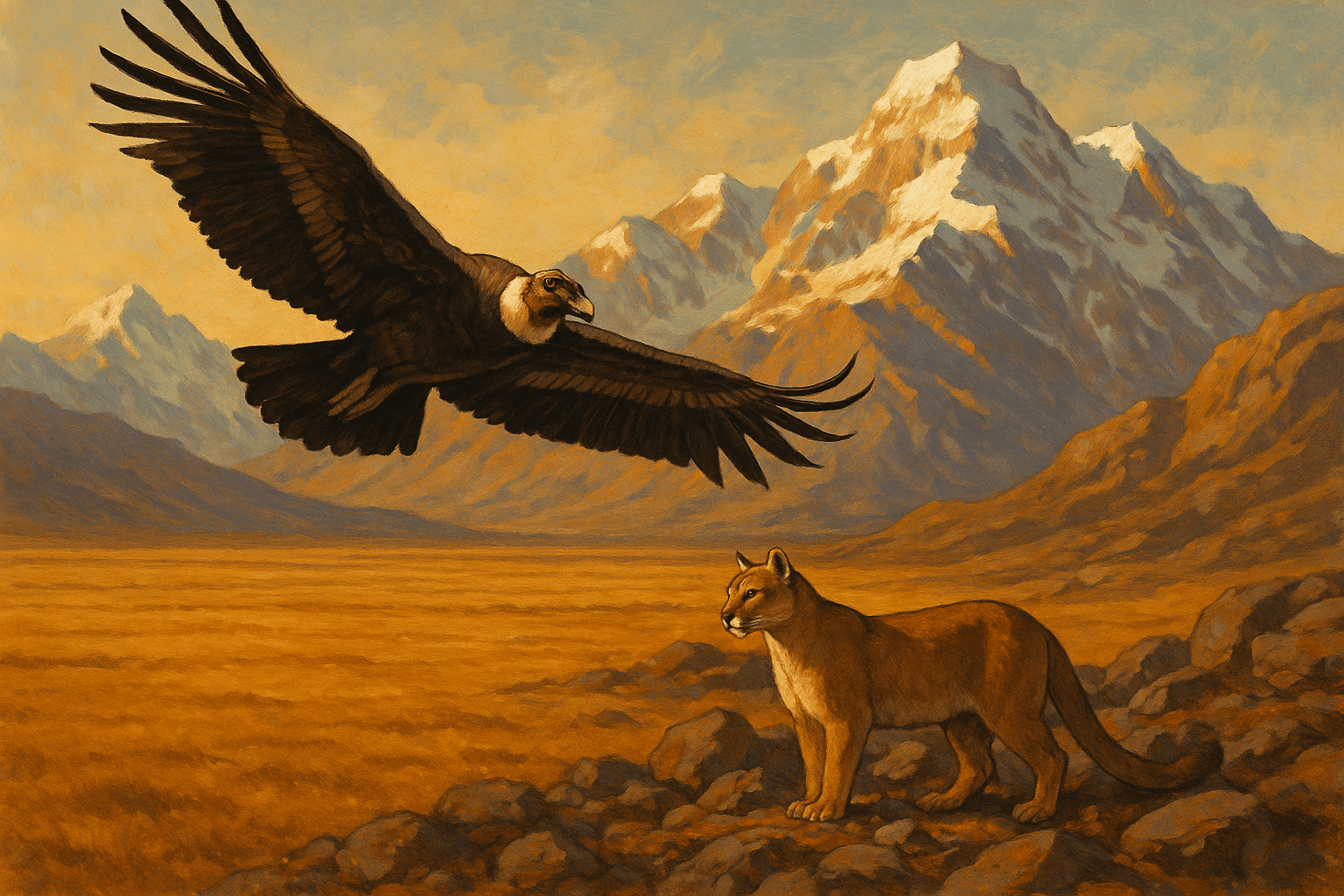
Condor, puma and pampa: the Quechua we speak
Condor, puma and pampa come from Quechua, the language of the Incas. Here is how these and other Andean words reached Spanish, English and everyday speech.
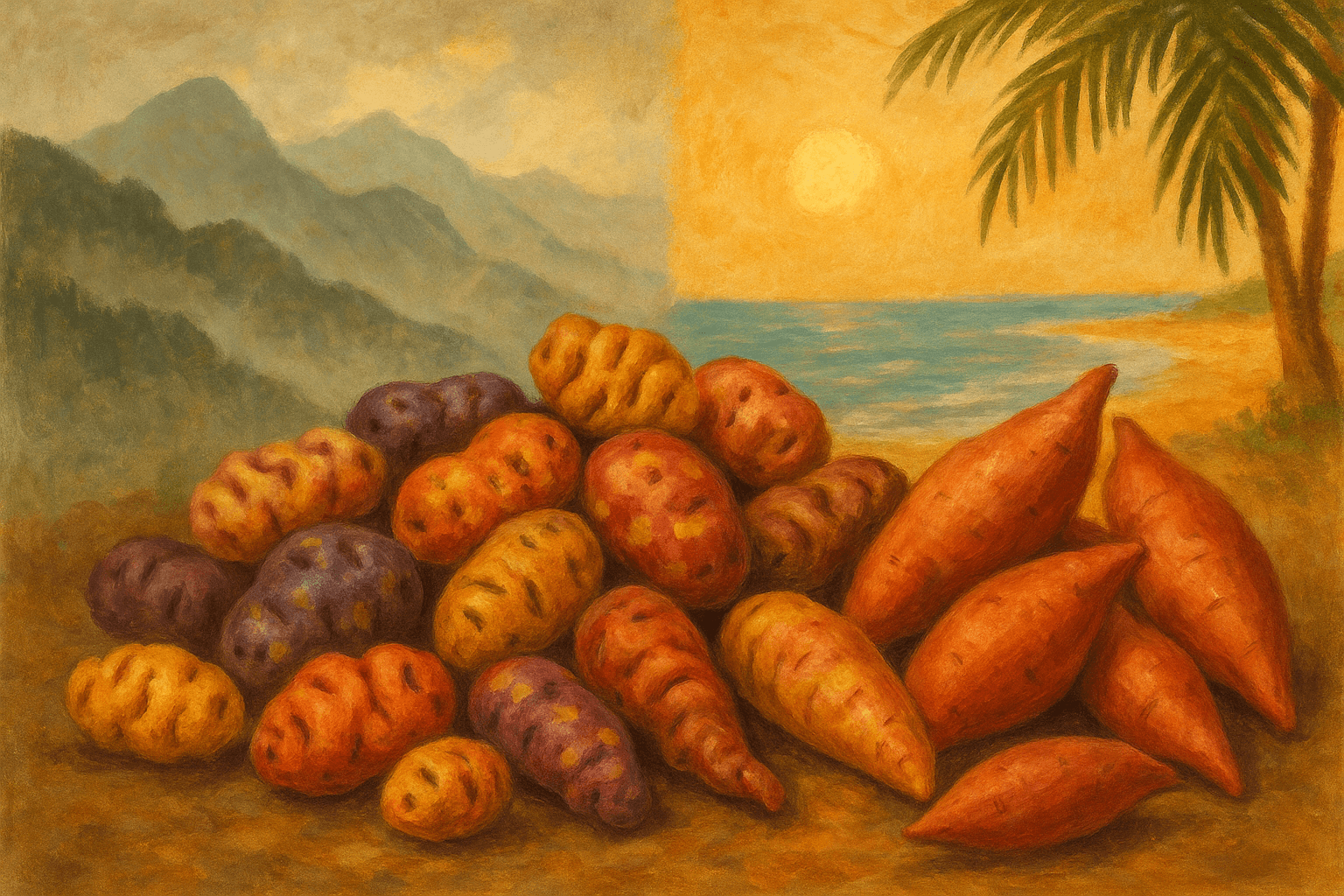
Potato, papa and batata: the great tuber mix-up
«Papa» comes from Andean Quechua and «batata» from Caribbean Taíno: two unrelated tubers that Europe blended into one word, potato.
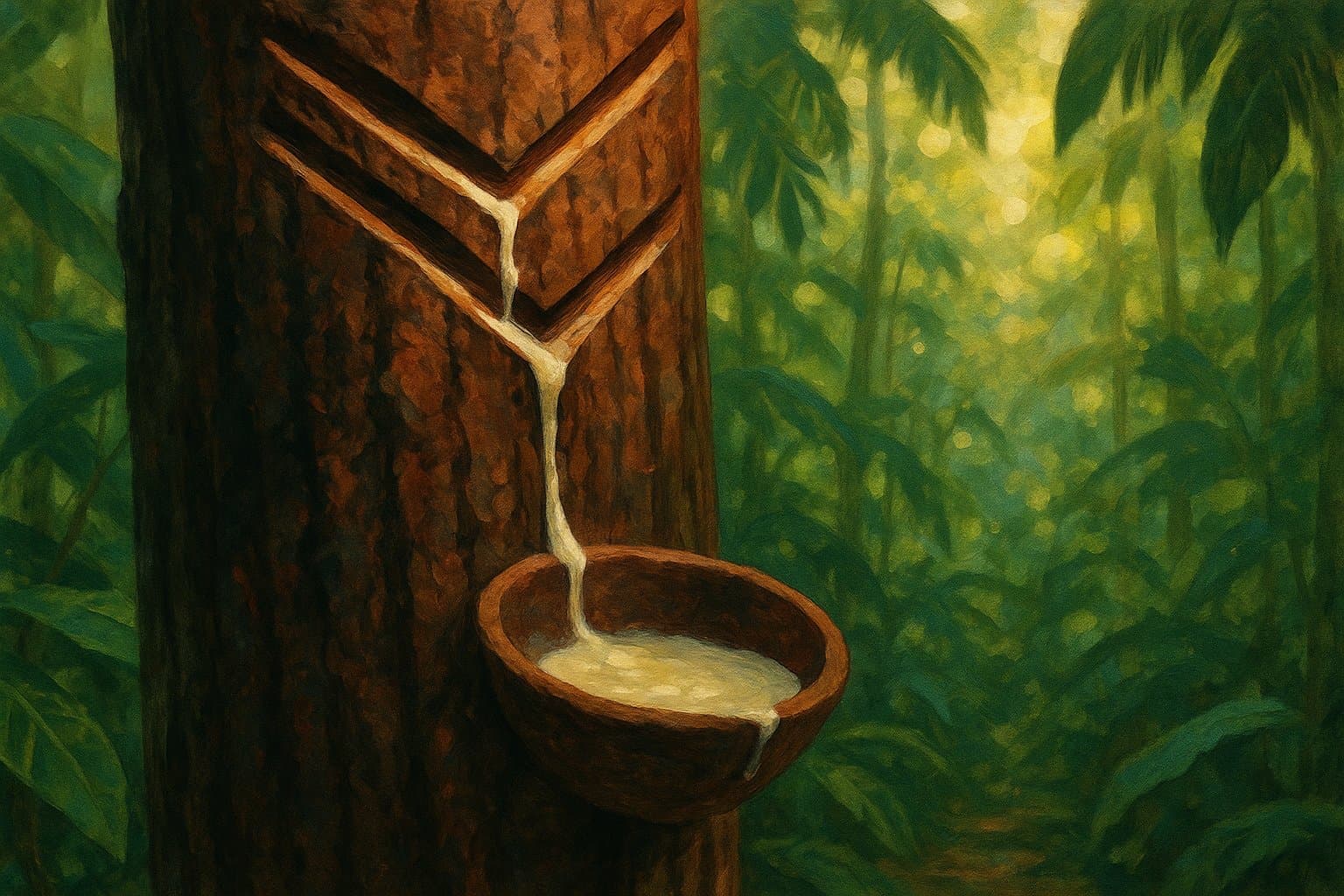
Chicle: the Maya resin behind your chewing gum
Chewing gum wasn't born in a factory: chicle was tree sap the Maya and Aztecs chewed for centuries before Wrigley ever wrapped it in pink paper.
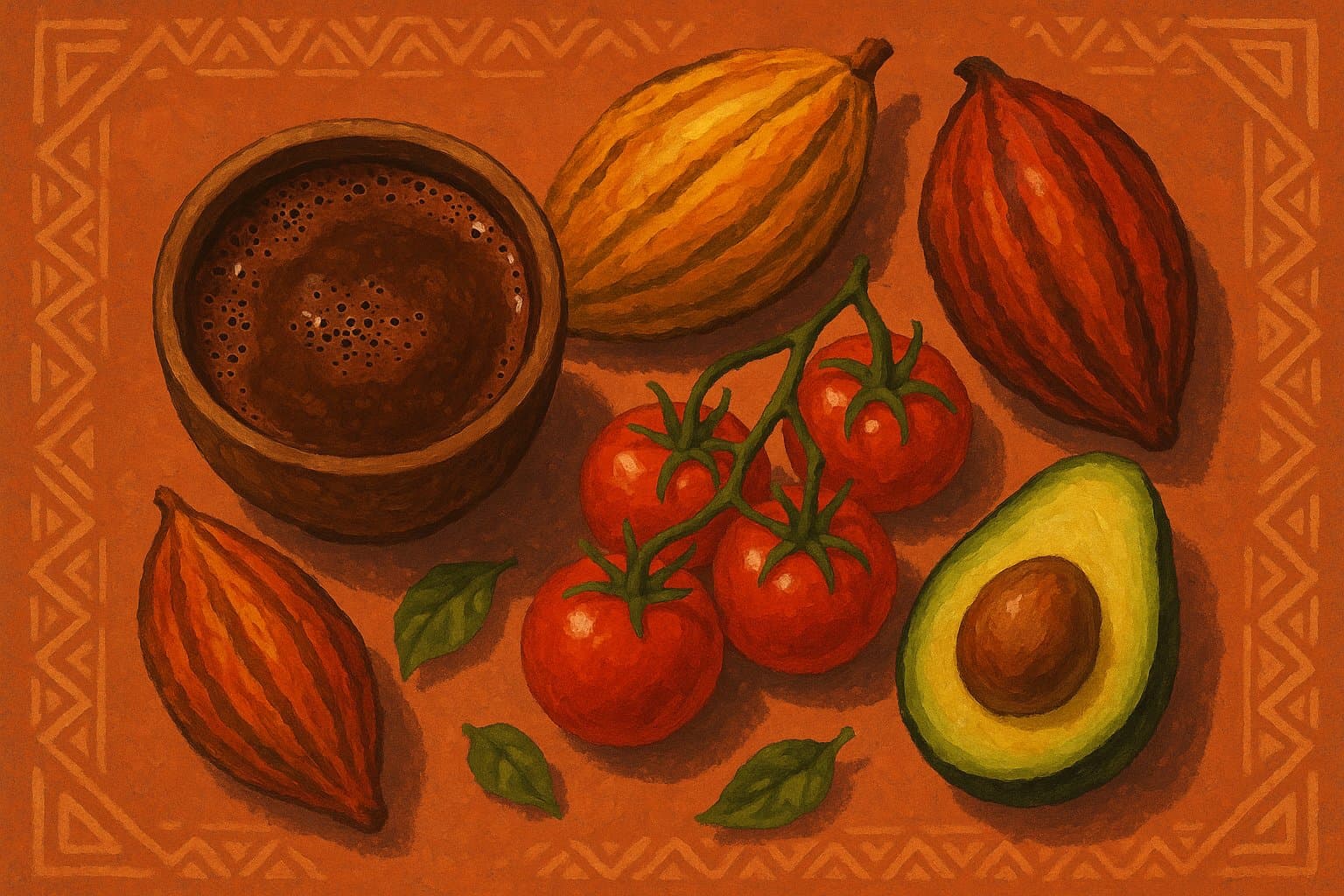
Chocolate, tomato, avocado: the Nahuatl we eat every day
Chocolate, tomato and avocado were born in Nahuatl, the language of the Aztecs. Here is how the words we eat every day reached your table and English.
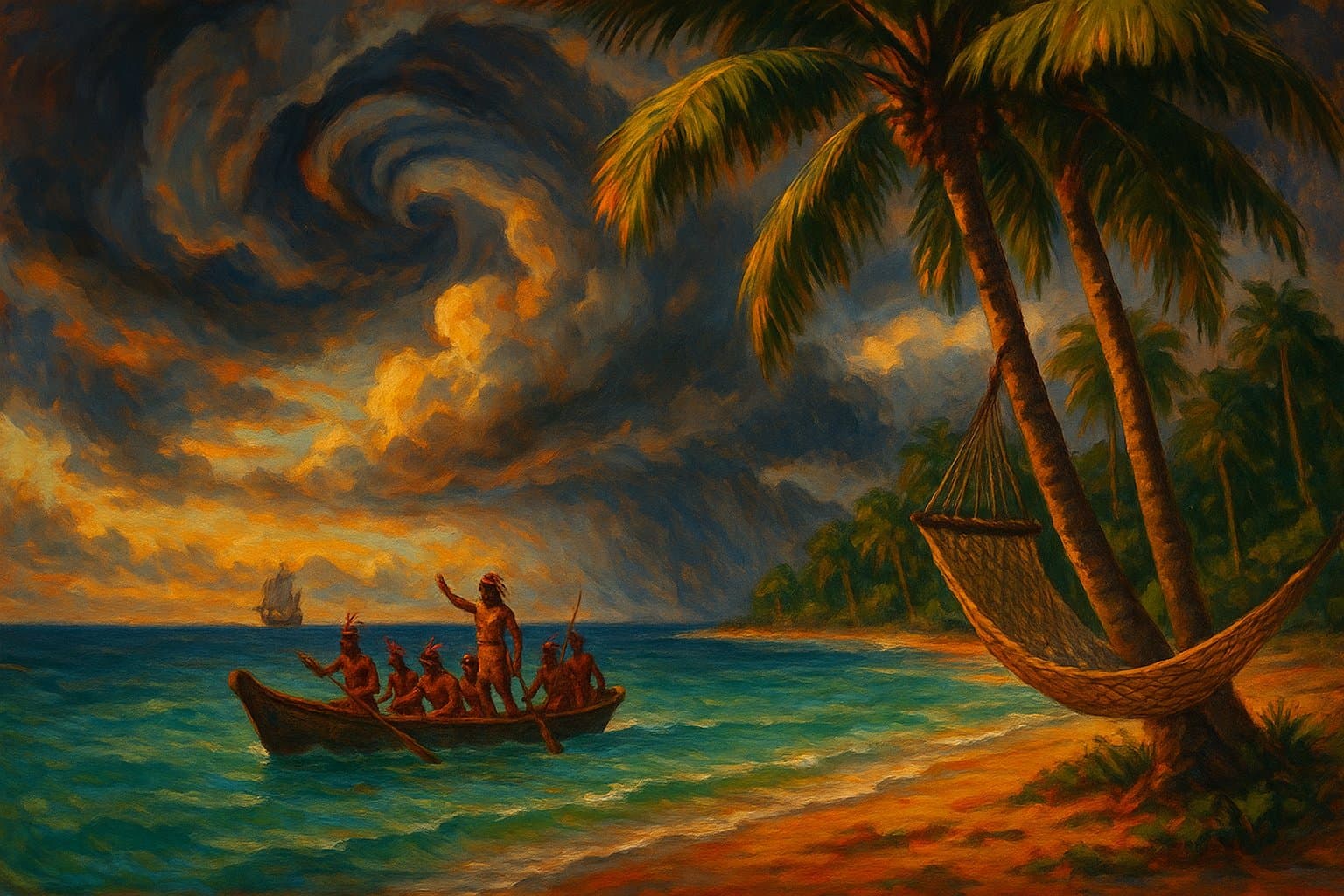
Hurricane, hammock, canoe: the first American words
Canoe, hurricane and hammock were the first words the Americas gave to Spanish and English. All three were born in Taíno, a now-extinct Caribbean tongue.

The Maya and Aztecs Made Paper Before Columbus
Centuries before Columbus, the Maya and Aztecs were making bark paper: amate, the skin of the codices the conquistadors would later burn.

The origin of the word gas: the alchemist and chaos
The word «gas» was invented by a 17th-century alchemist from the Greek «chaos». How one man single-handedly named an entire state of matter.
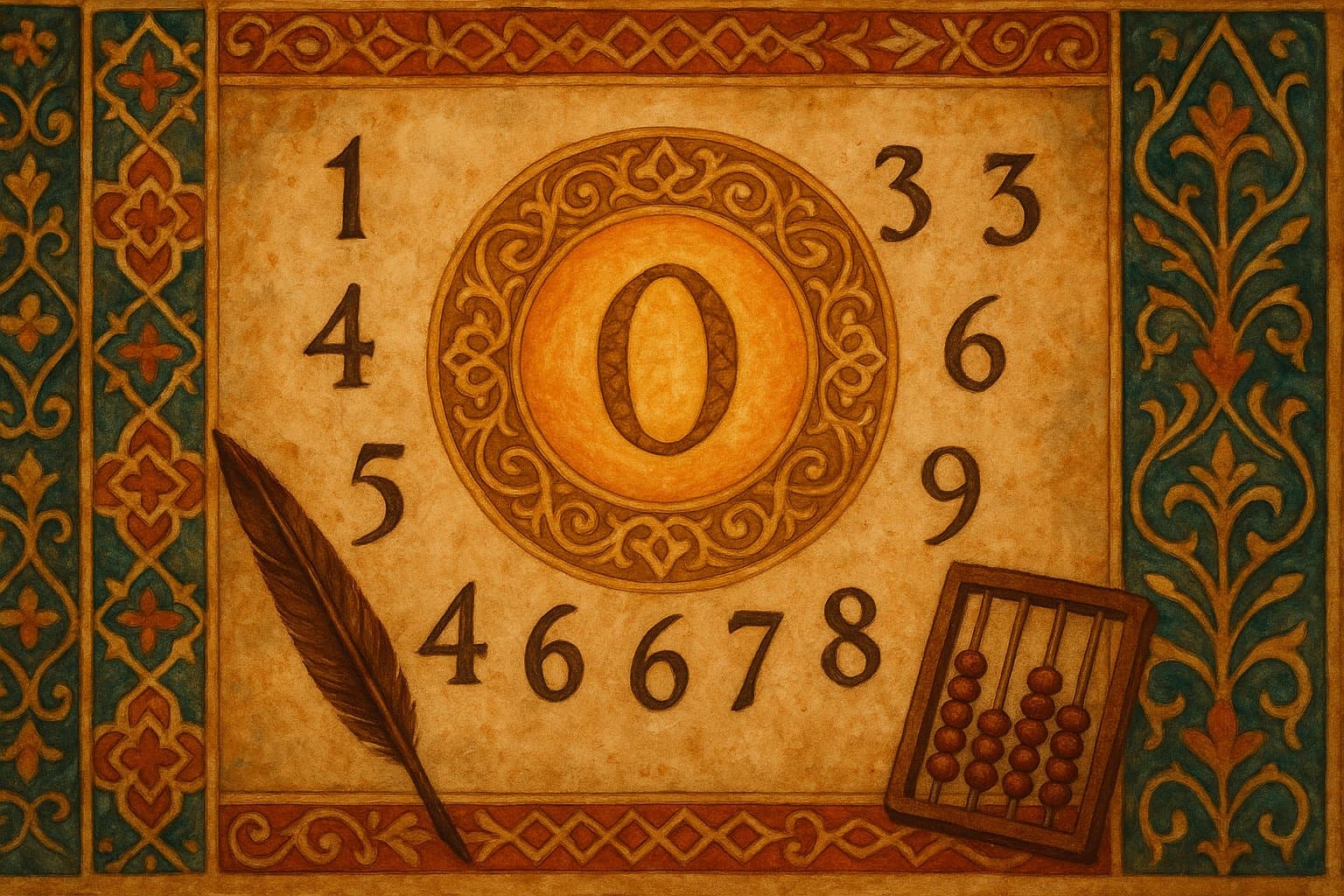
Cipher and zero: two words born from the same void
«Cipher» and «zero» come from the same Arabic word, sifr, meaning «empty». How one void gave us two words that today seem like opposites.
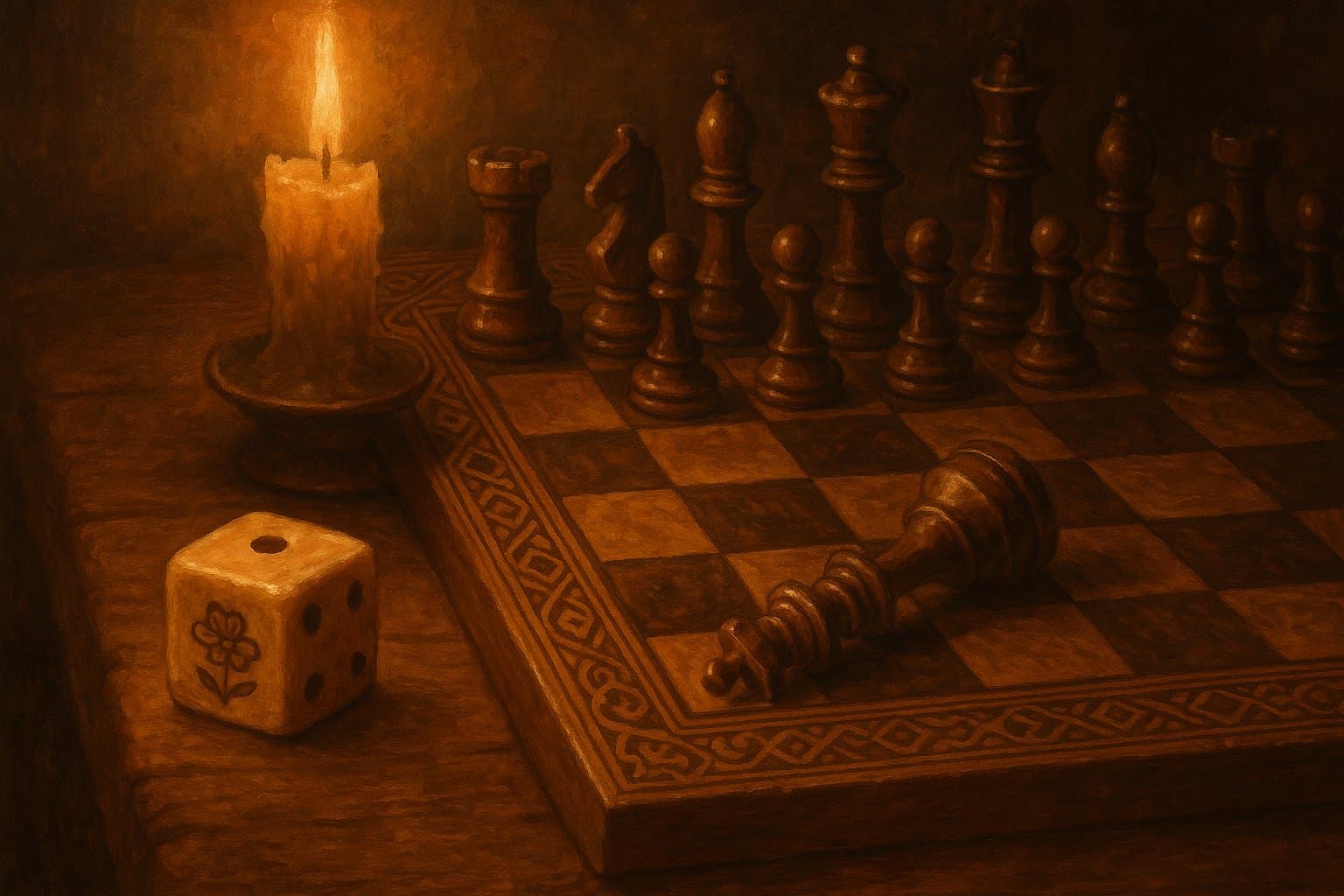
Hazard, chess and checkmate: words from dice and the board
«Hazard» comes from Arabic az-zahr, the die; «chess» and «checkmate» from Persian shah. Three everyday words that arrived with medieval board games.
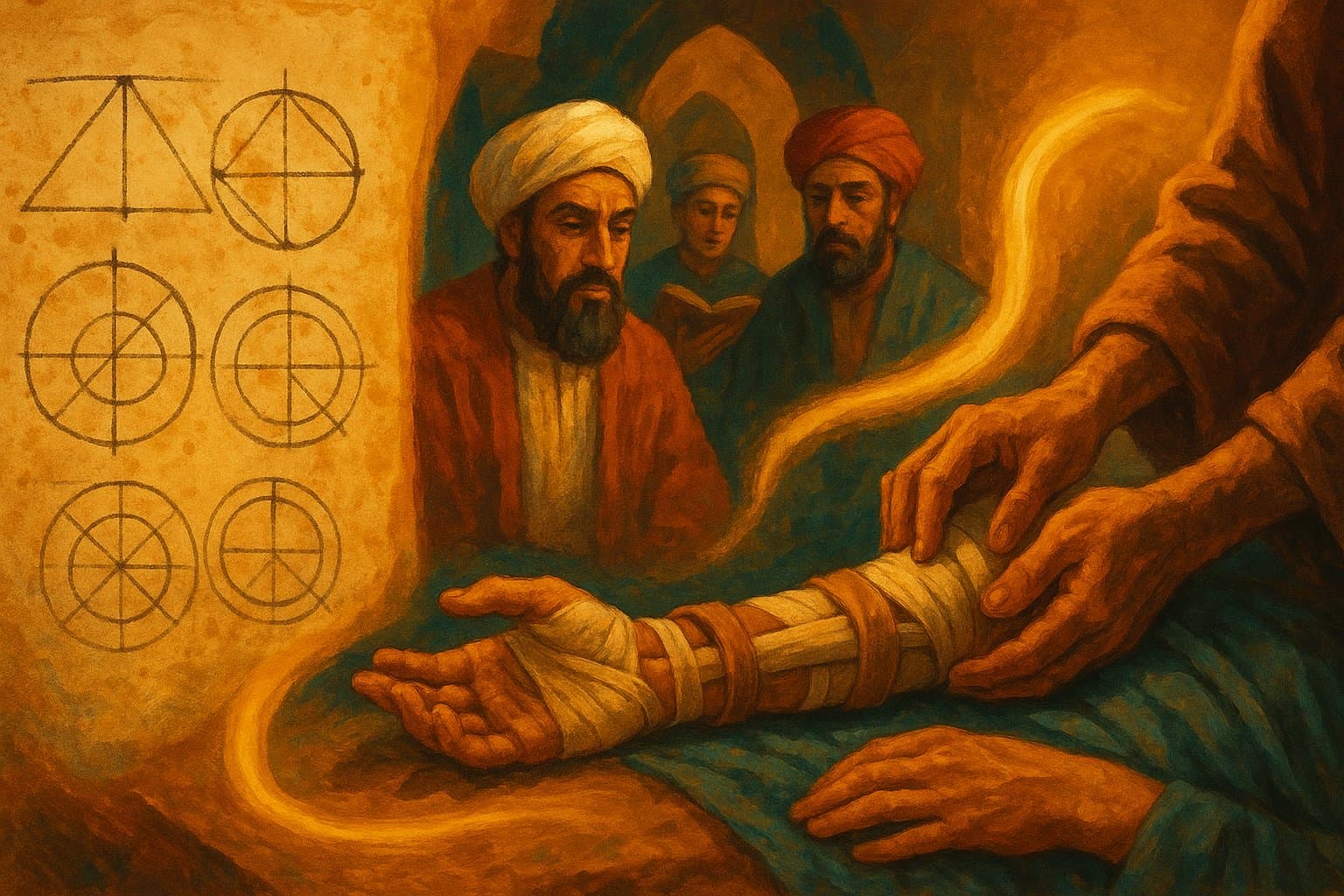
Algebra: the Arabic word that also set broken bones
«Algebra» comes from the Arabic al-jabr, «to reunite broken parts». A book by Al-Khwarizmi gave birth to a science, and in medieval Spain an «algebrista» set bones.
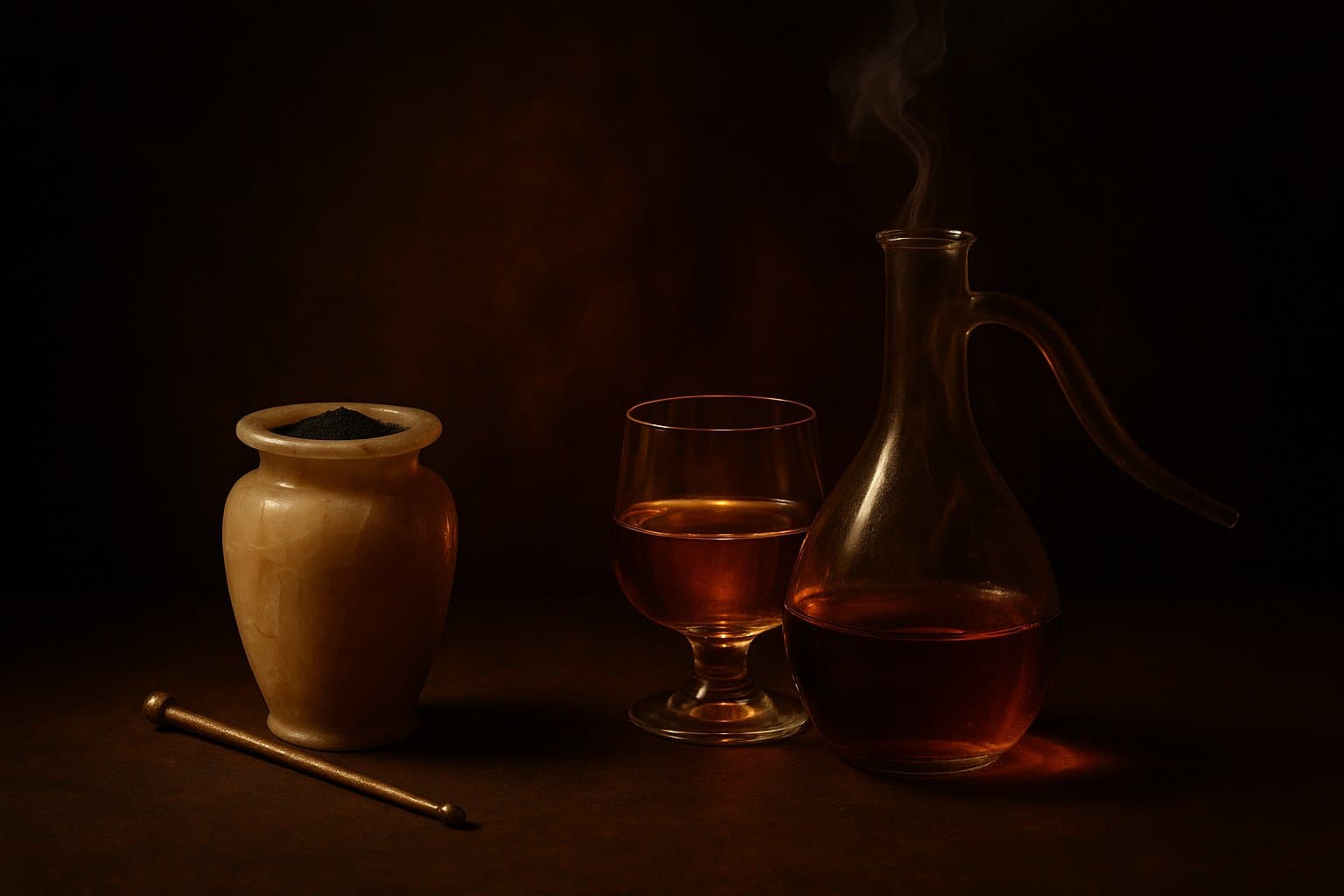
The origin of the word alcohol: from makeup to the glass
«Alcohol» comes from the Arabic «al-kuhl», a black powder used as eye makeup. How a cosmetic ended up naming the most famous drink in the world.
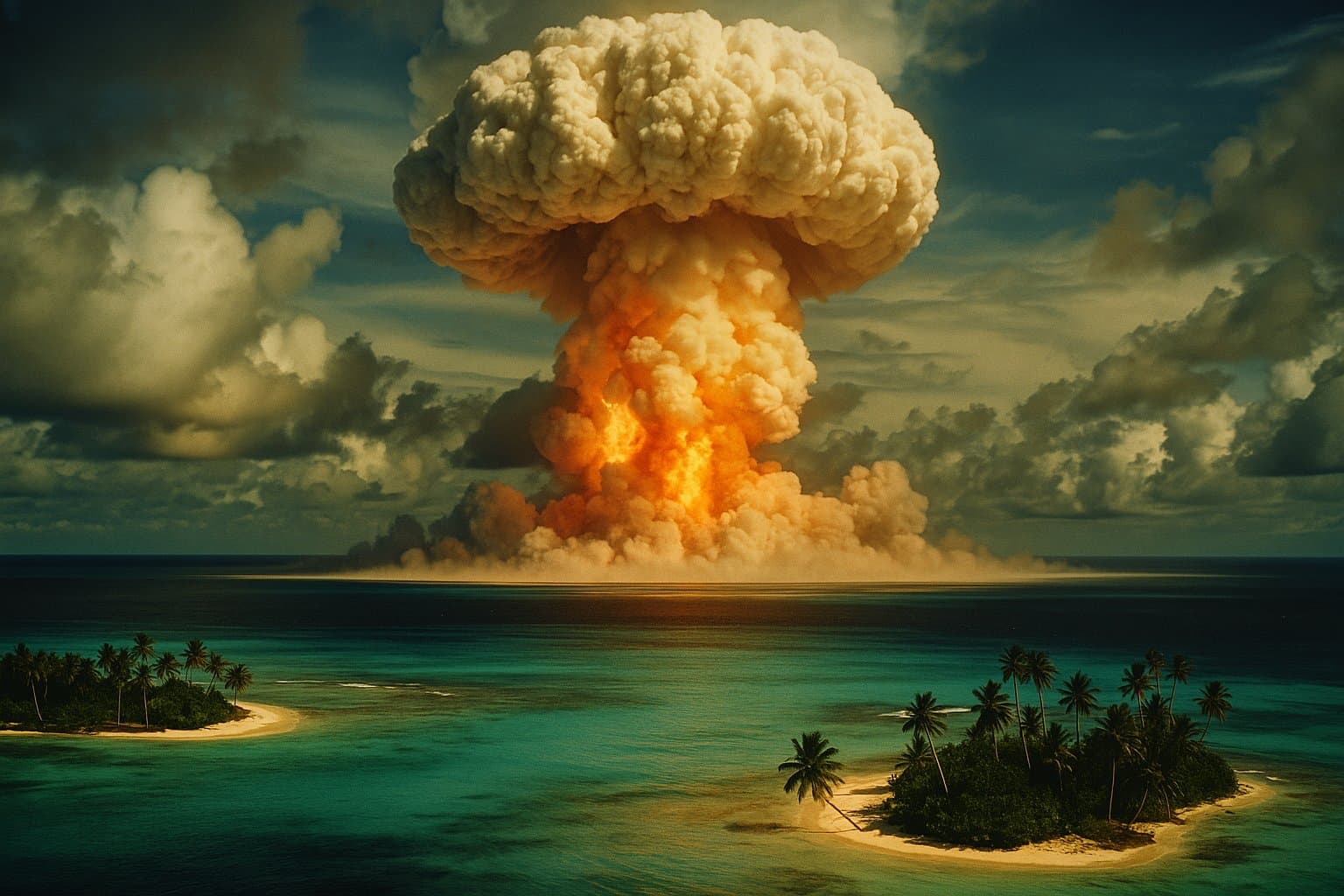
The origin of the word bikini: a nuclear explosion
«Bikini» comes from the Pacific atoll where the U.S. tested atomic bombs in 1946. A French designer named his swimsuit that way so it would be «explosive».
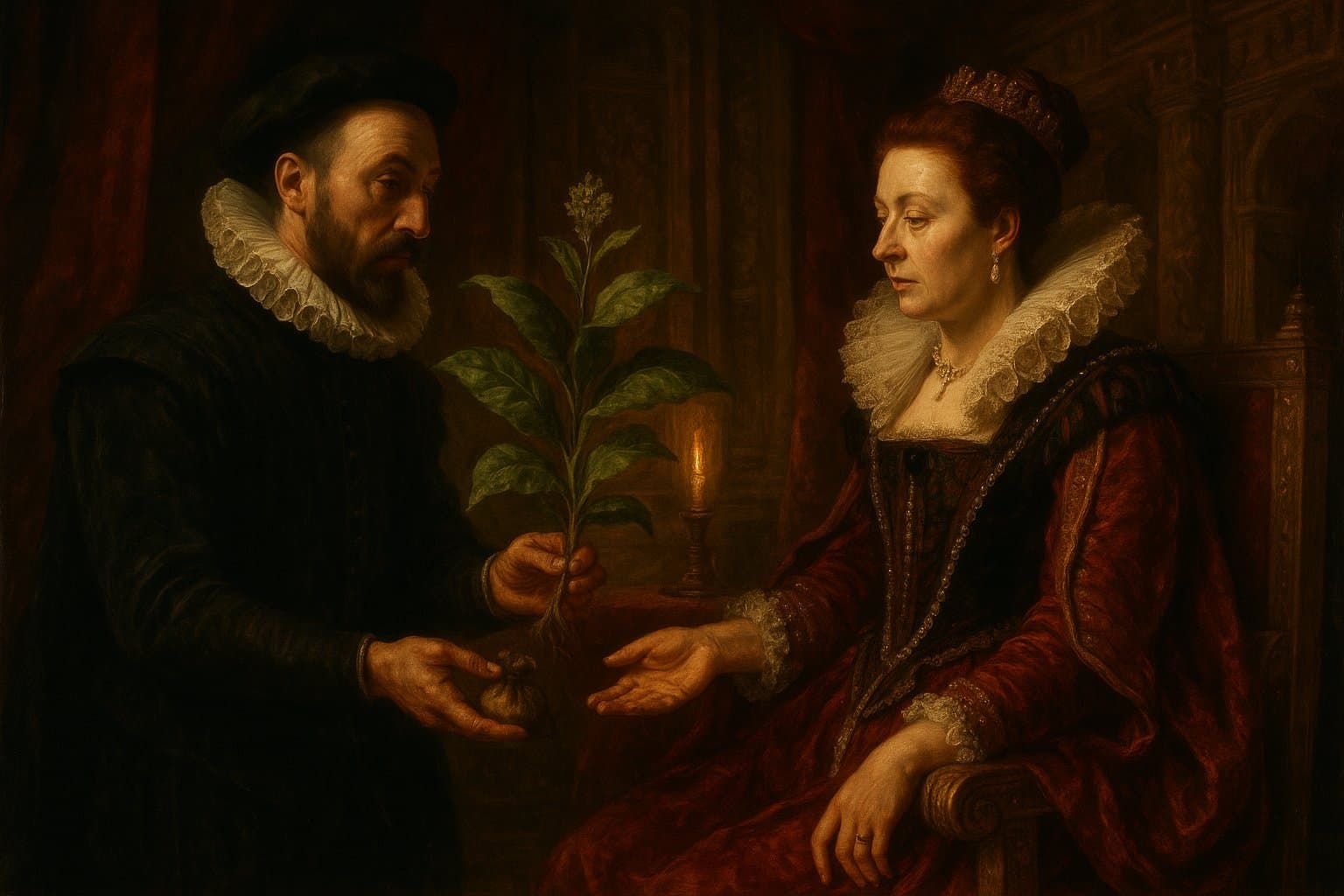
The origin of the word nicotine: a French ambassador
«Nicotine» comes from Jean Nicot, the ambassador who sent tobacco to Catherine de' Medici in 1560. How a surname ended up naming an addictive molecule.
The origin of the word sandwich: an earl and a table
«Sandwich» comes from the title of an 18th-century English noble. Legend says it was to keep playing cards; history hints at something duller.
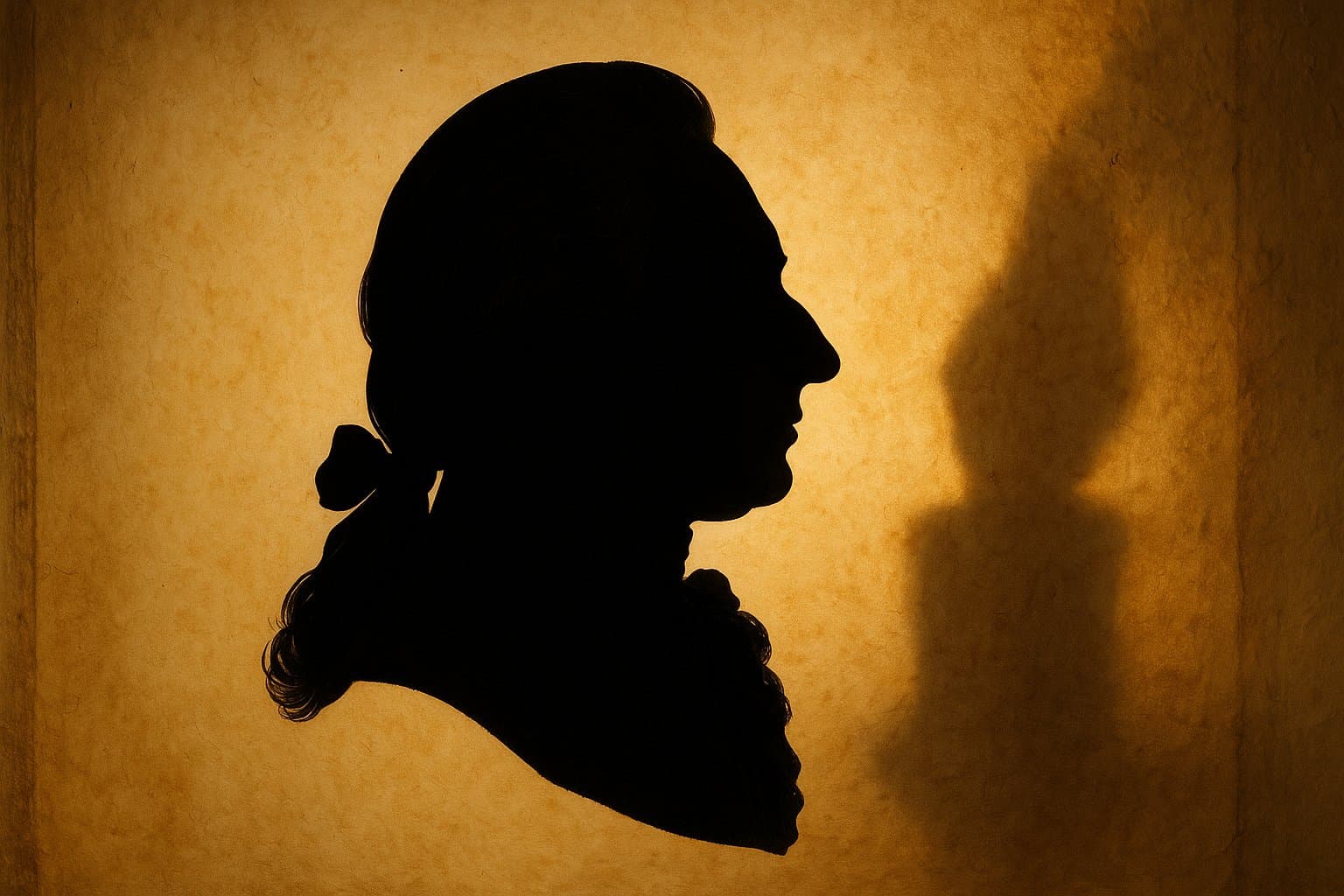
The origin of the word silhouette: a stingy minister
«Silhouette» comes from the surname of a French minister so austere his name turned into a synonym for «cheap»: hence the shadow portraits.
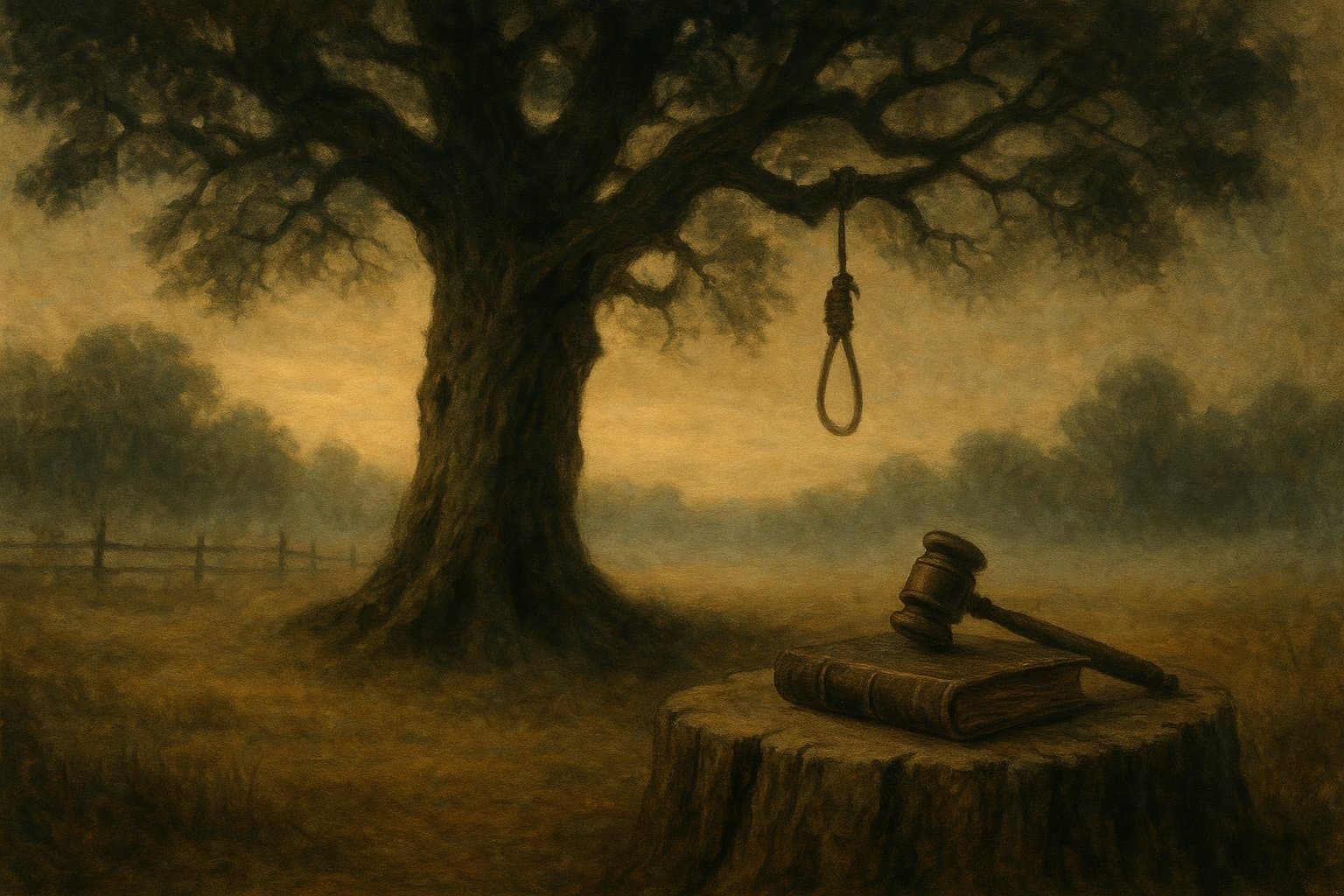
The origin of the word lynch: a Virginia judge
«Lynch» comes from Charles Lynch, a Virginia judge who in 1780 flogged suspects without trial. At first the word had nothing to do with killing.
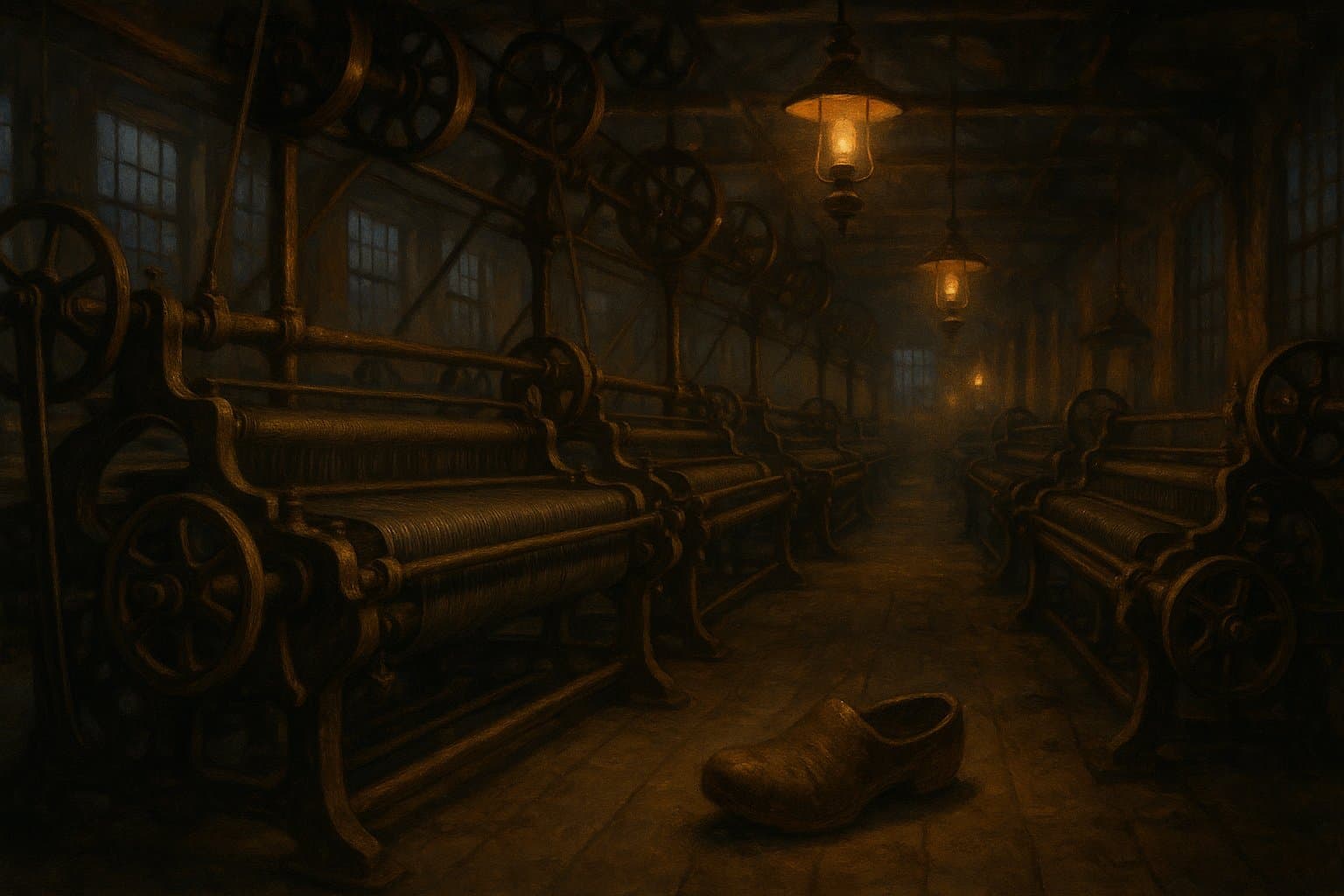
The origin of the word sabotage: the clog myth
«Sabotage» does not come from throwing clogs into machines: that is the legend. The real word was born from the clatter of wooden shoes.
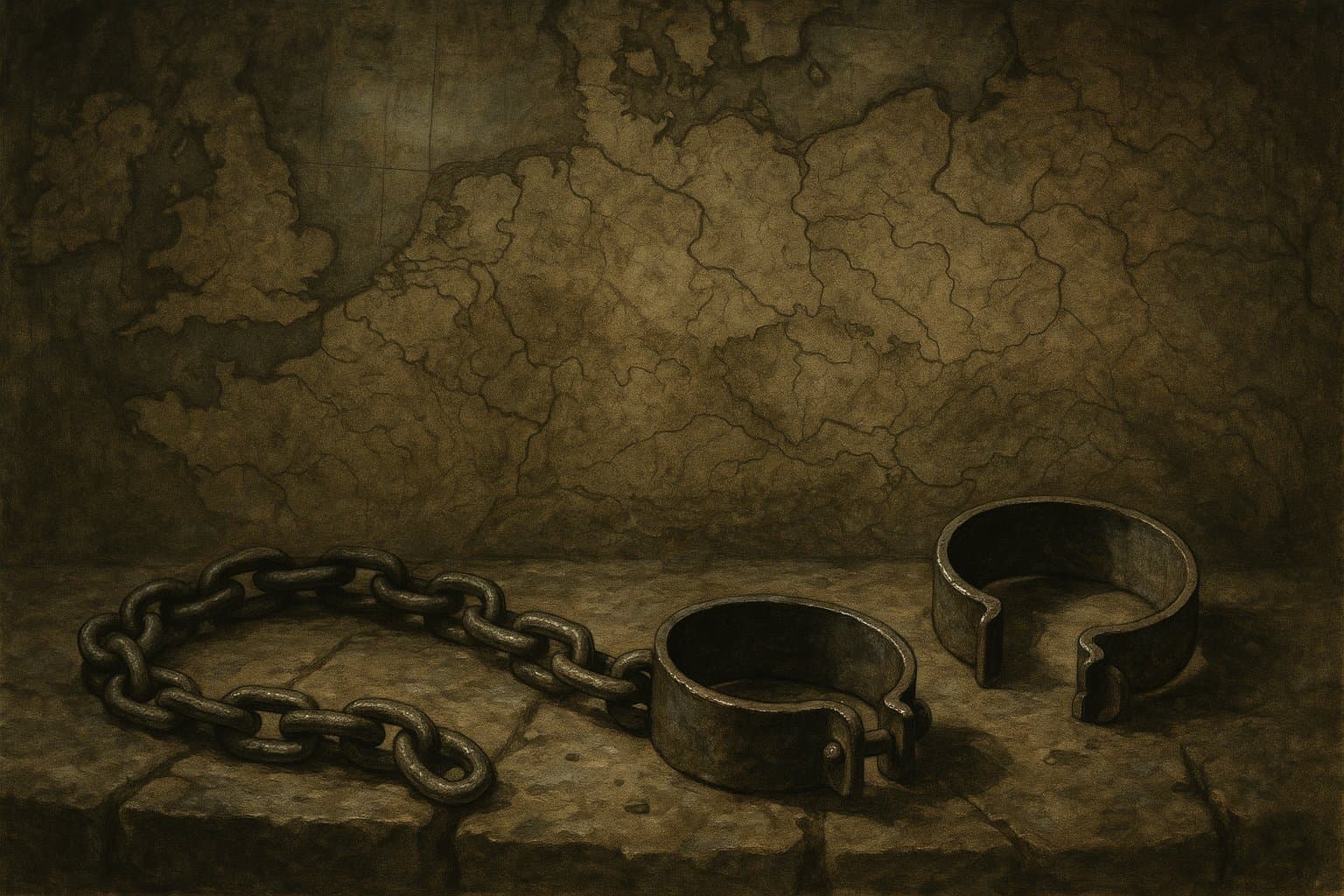
The origin of the word slave: a whole people's name
«Slave» comes from «Slav»: so many Slavic people were captured and sold in the Middle Ages that the name of the people became the word for bondage.
Assassin: the mountain sect and the hashish myth
«Assassin» comes from the Arabic hashshashin, «hashish users»: the nickname of a medieval sect led by Hasan-i Sabbah from the fortress of Alamut.
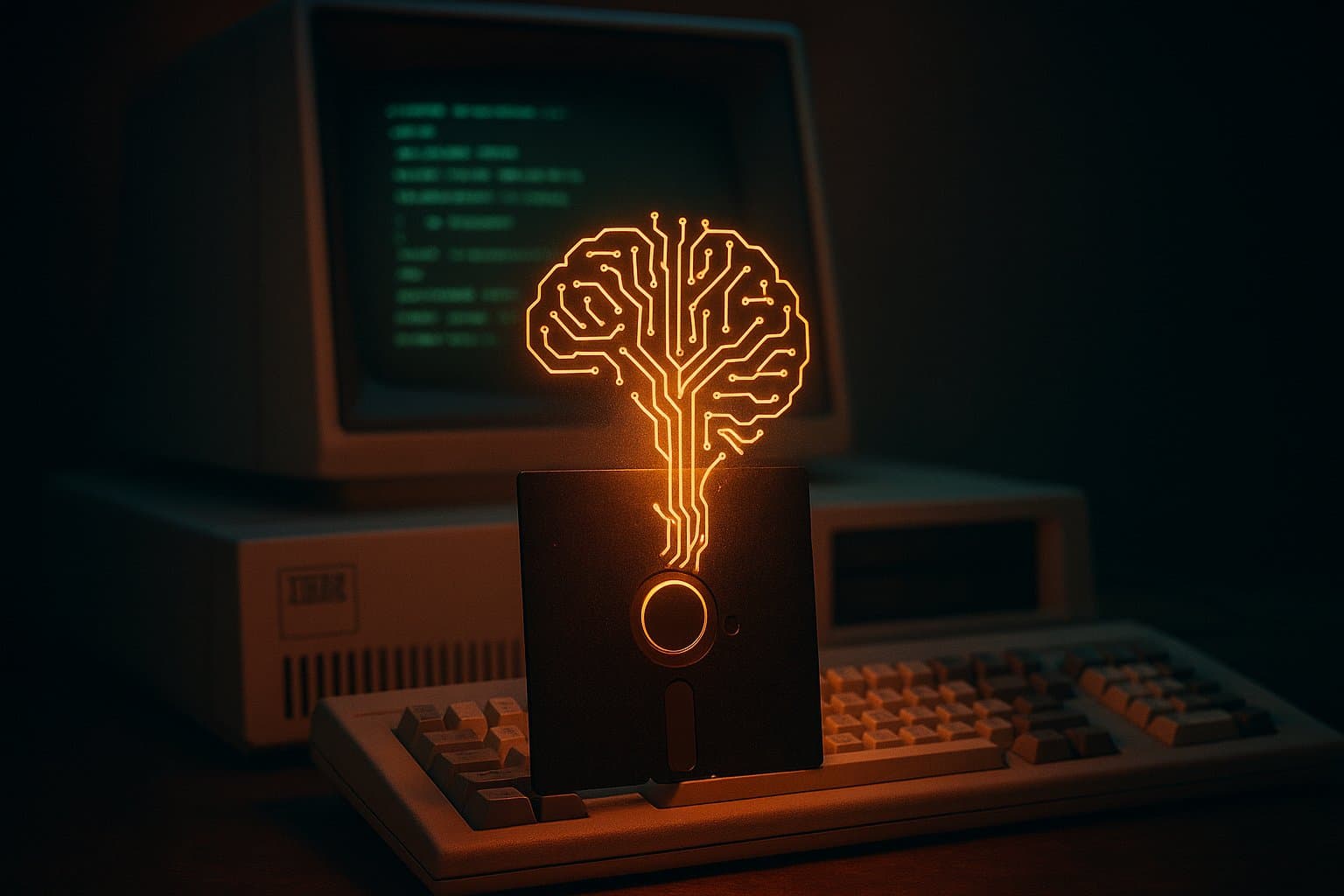
The first computer virus was called Brain
In 1986, two brothers in Lahore wrote Brain, the first PC virus. It destroyed nothing: it guarded their software and left their name, address and phone.
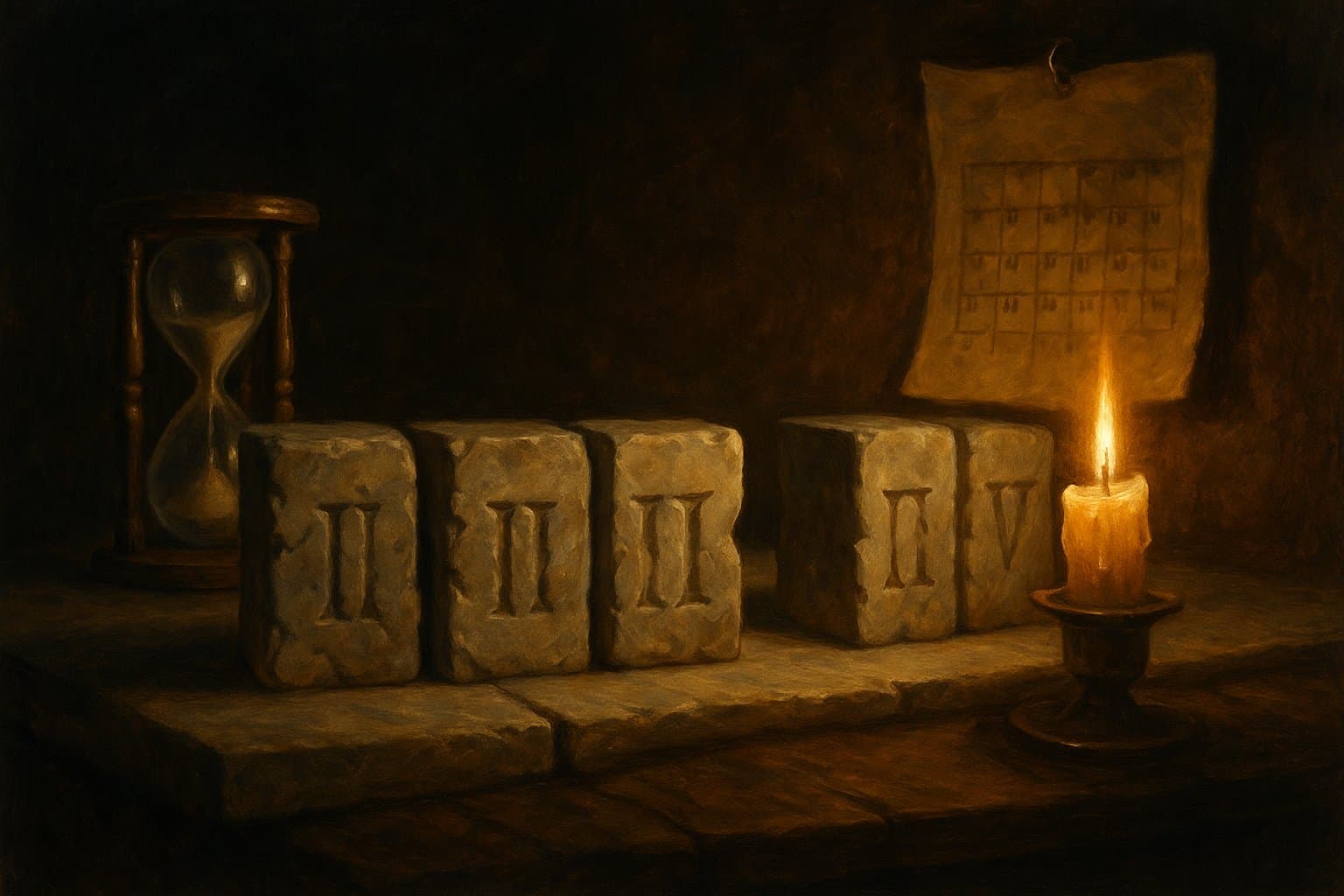
There Is No Year Zero, and It Still Confuses Centuries
Between 1 BC and AD 1 there is no year zero: a sixth-century monk left it out, and ever since our centuries begin a year earlier than we tend to celebrate.
Why Does February Have Only 28 Days?
February is the shortest month thanks to Roman number superstition, an impossible sum, and a phantom month that was inserted inside it. Here's the story.

NFC: The Invisible Tech in Cards, Phones and Passports
NFC powers contactless payments, transit cards and passports with a tap. Here is how near field communication works and where this invisible tech came from.
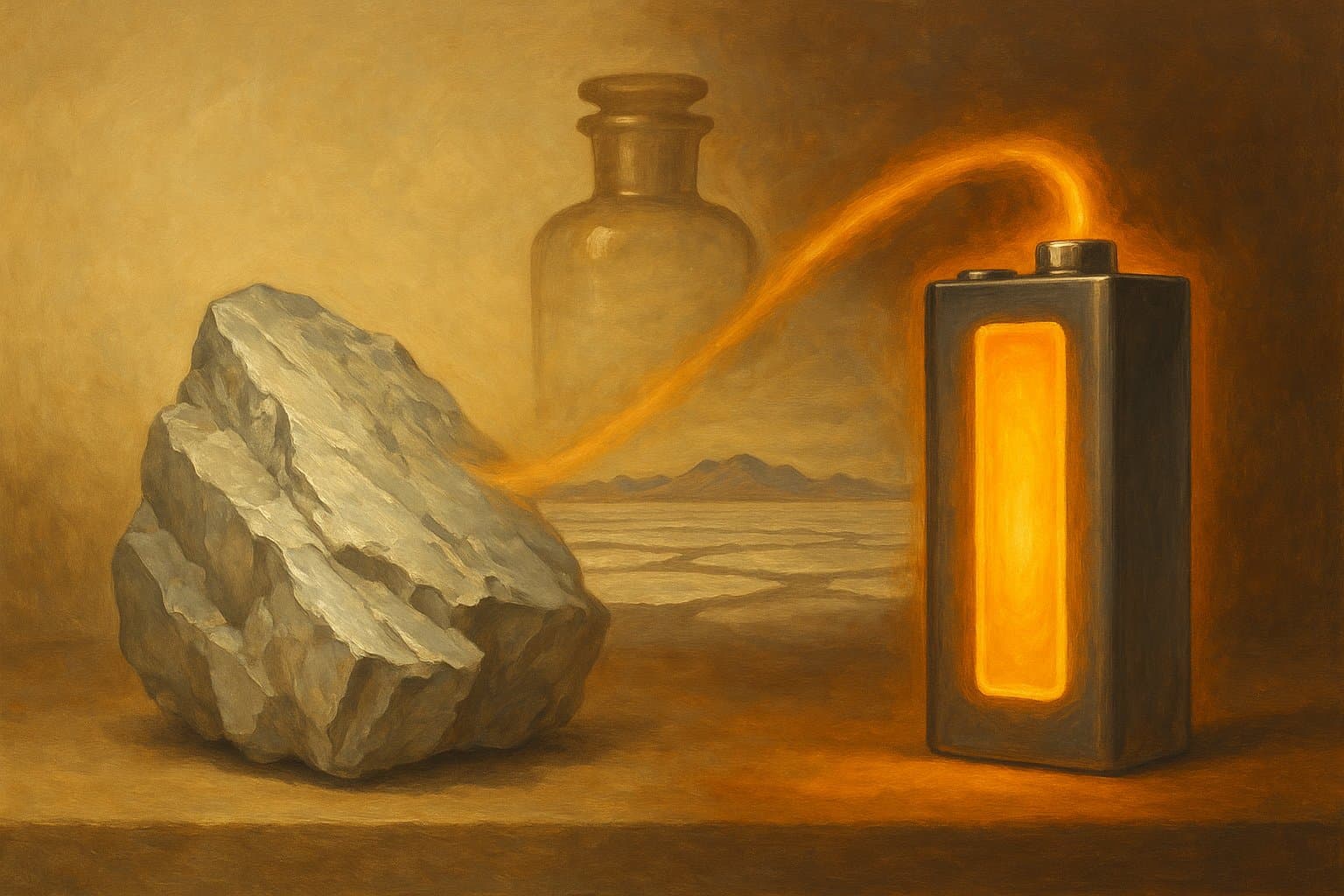
Lithium: From Medicine to the Battery of the Modern World
Lithium went from miracle cure and soft drink to mood stabilizer and battery of the modern world. This is the story of the lightest metal, from medicine to power.
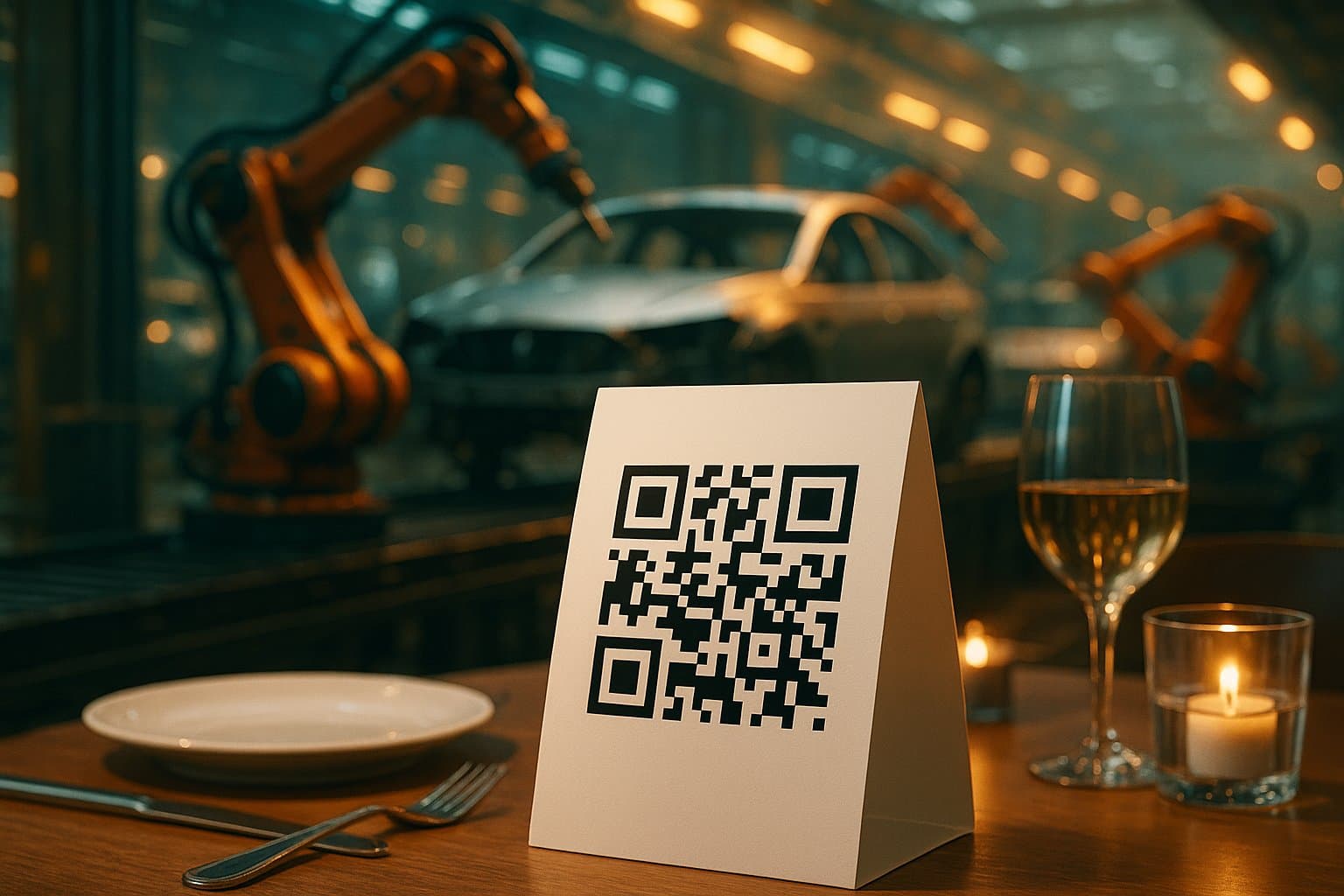
The QR code story: from Toyota to the restaurant menu
The QR code was born in 1994 to track car parts at Toyota. Thirty years later it took over restaurant menus. This is its unlikely history.
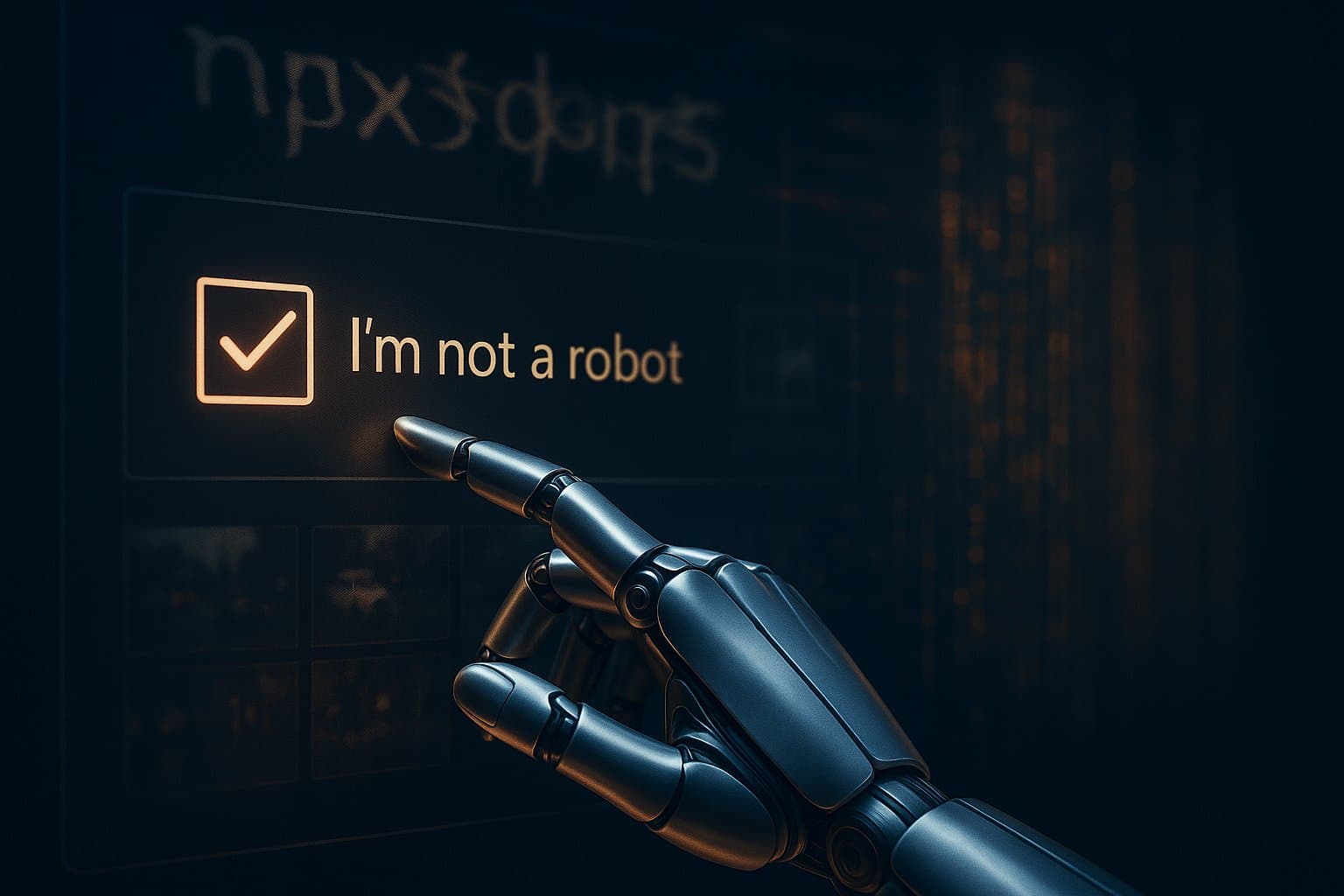
CAPTCHA: the test that lost to AI
For twenty years the CAPTCHA told humans from bots. Today artificial intelligence solves it better and faster than we do. This is its downfall.
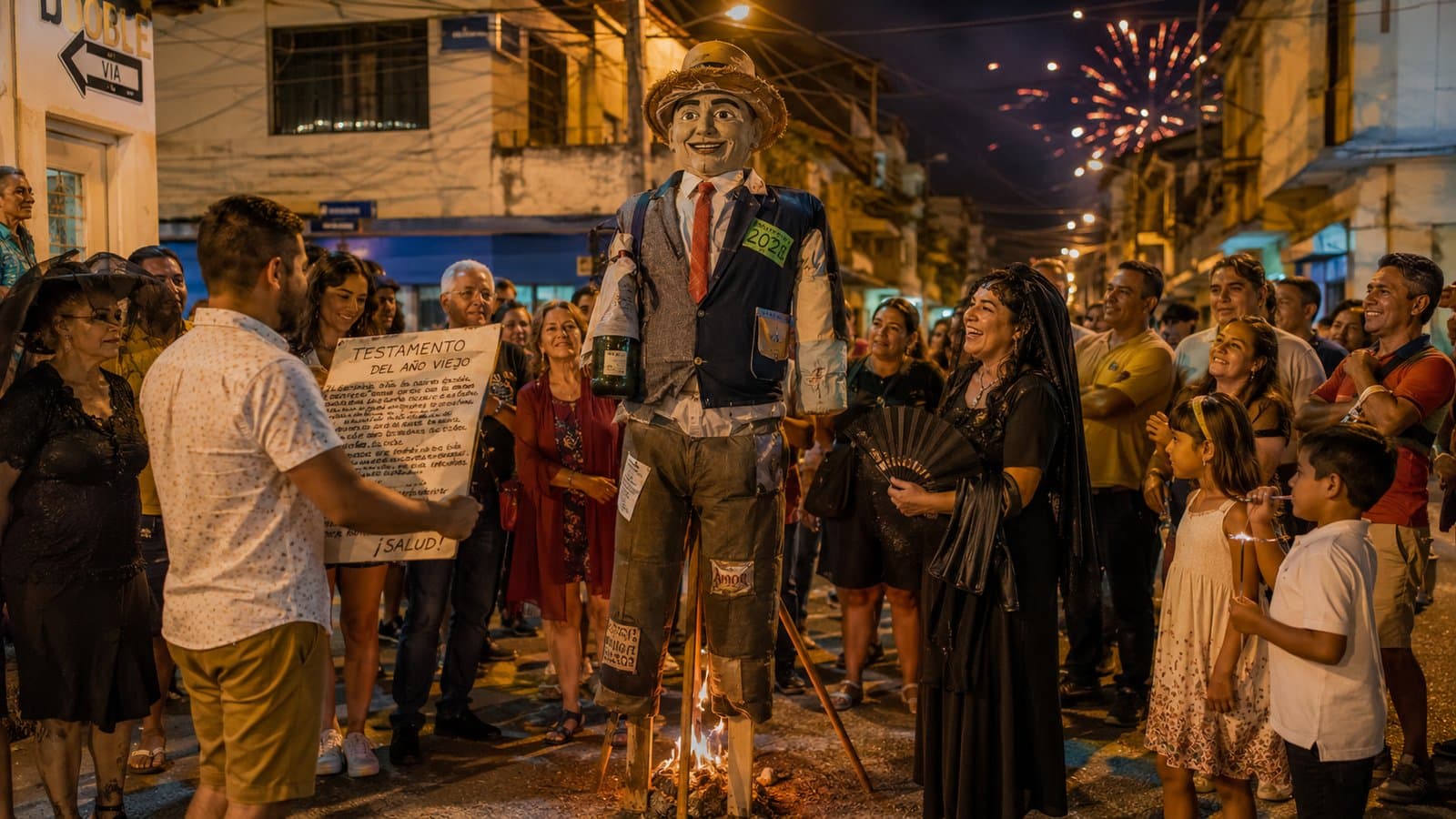
Ecuador's Año Viejo: The Myth and the Real History
Everyone repeats that Ecuador's Año Viejo burning began in an 1895 epidemic. The historical evidence tells a different and more curious story.
Knock on Wood: The Real Origin of the Superstition
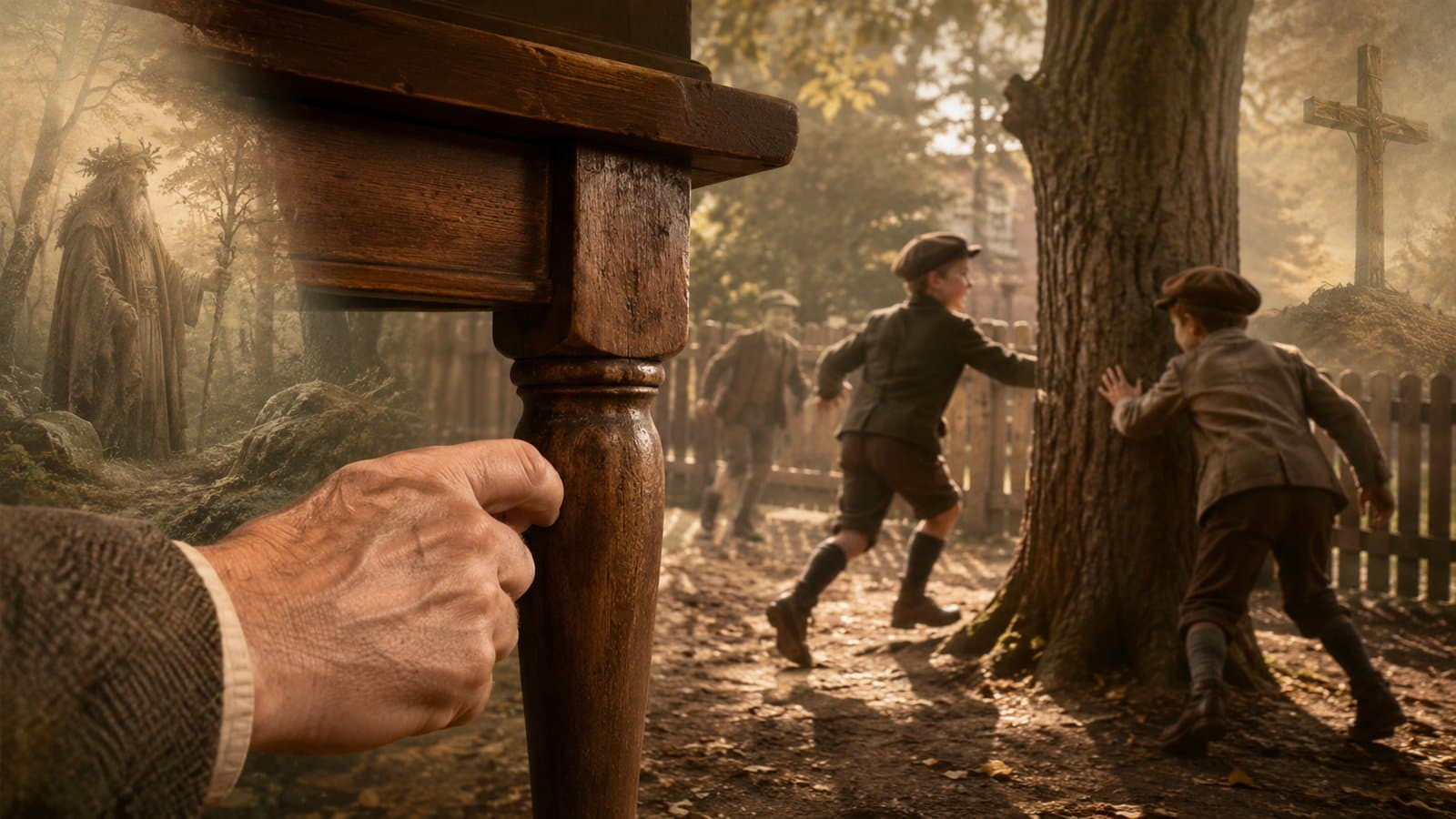
Almost everyone thinks knocking on wood comes from Celtic tree worship. But the documented trail leads to a far more recent origin: a children's game.
The Year Without a Summer of 1816
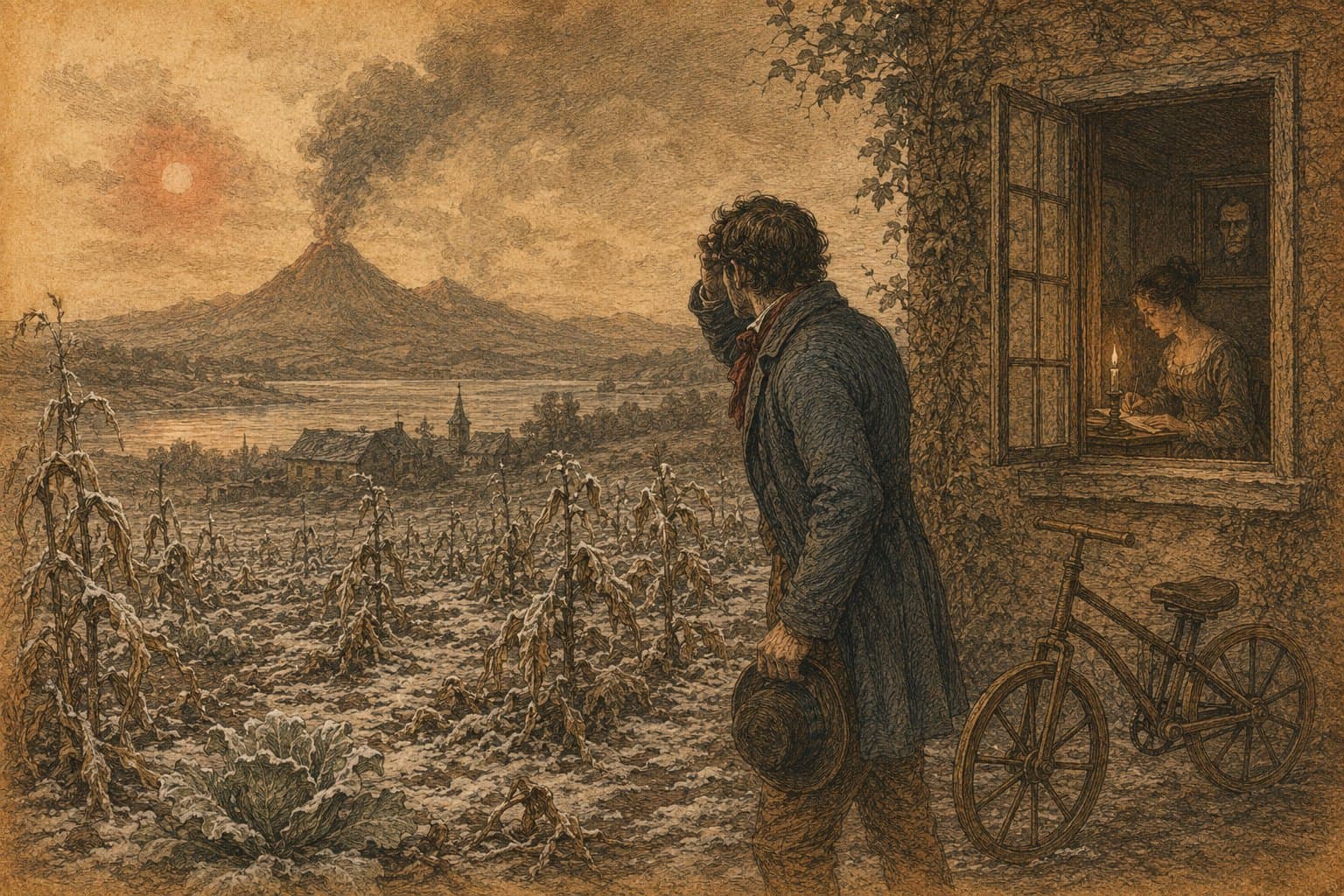
In 1815 Mount Tambora erupted and darkened the planet. 1816 became the year without a summer: failed crops, famine and the birth of Frankenstein.
Poyais: The Country That Never Existed
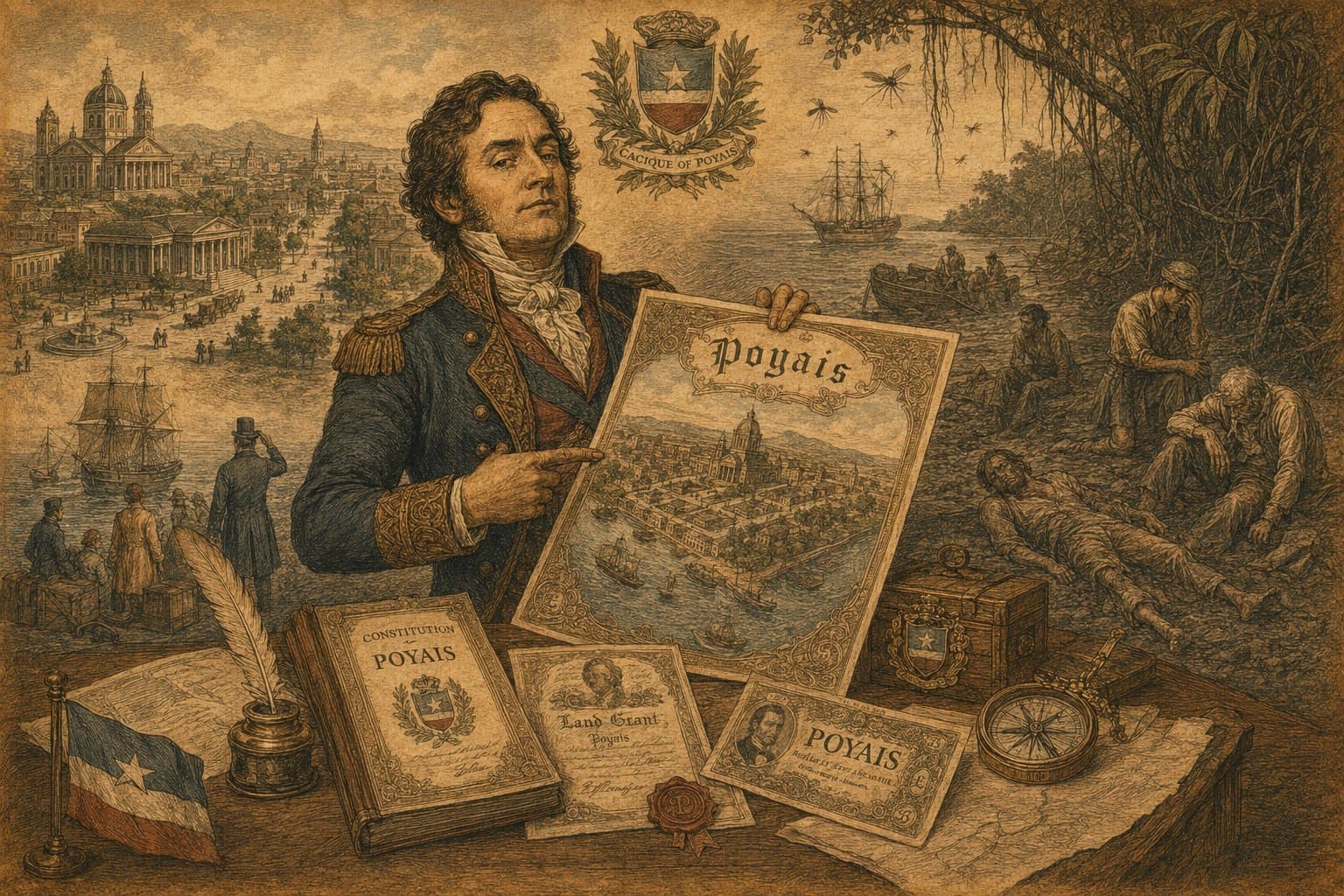
Gregor MacGregor invented a Central American country, Poyais, and sold bonds and land to hundreds of Britons who sailed off to a nation that never existed.
The Baroness of Galápagos and the Floreana Mystery
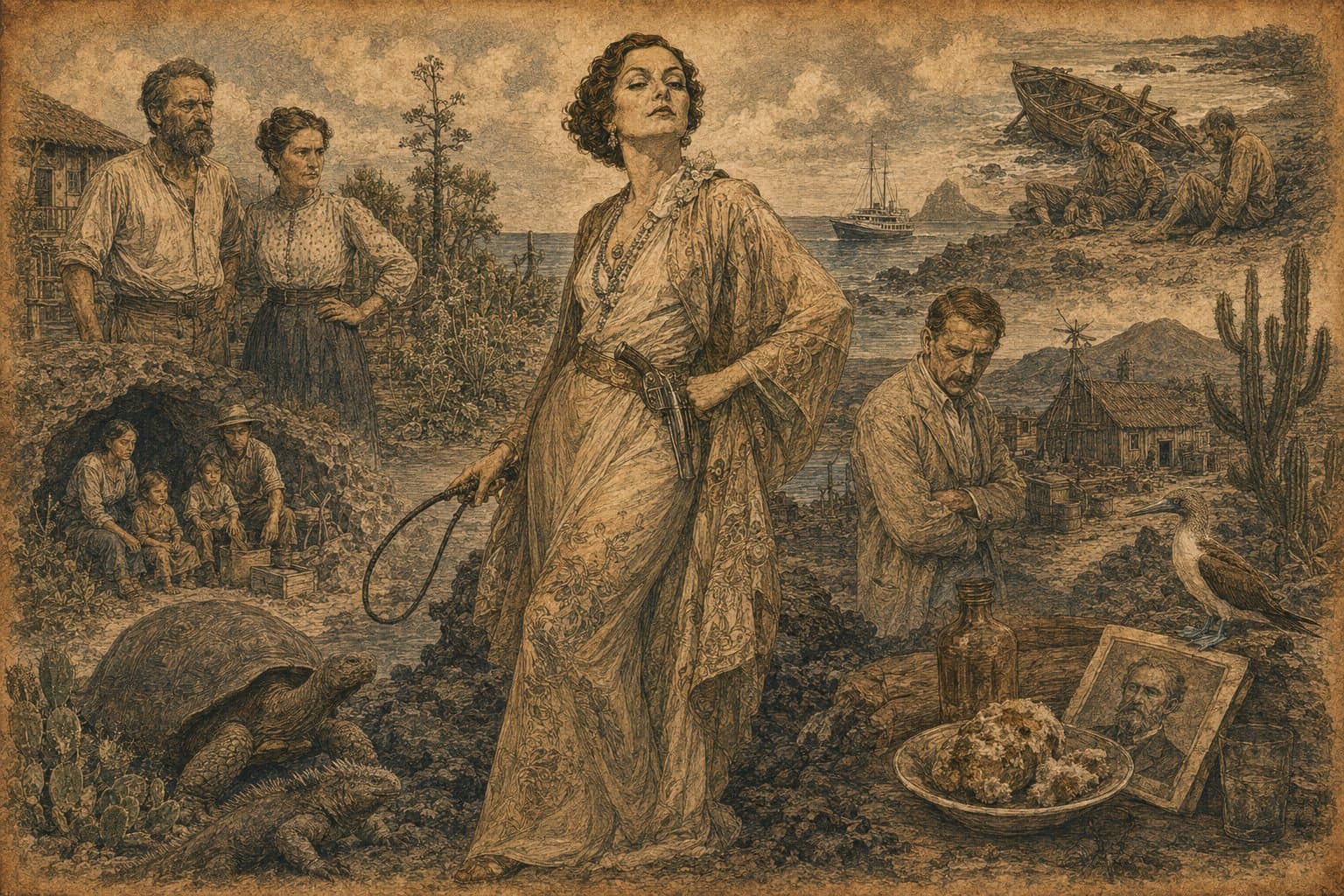
In the 1930s, an Austrian baroness tried to rule over Floreana island in the Galápagos. Her disappearance remains an unsolved mystery to this day.
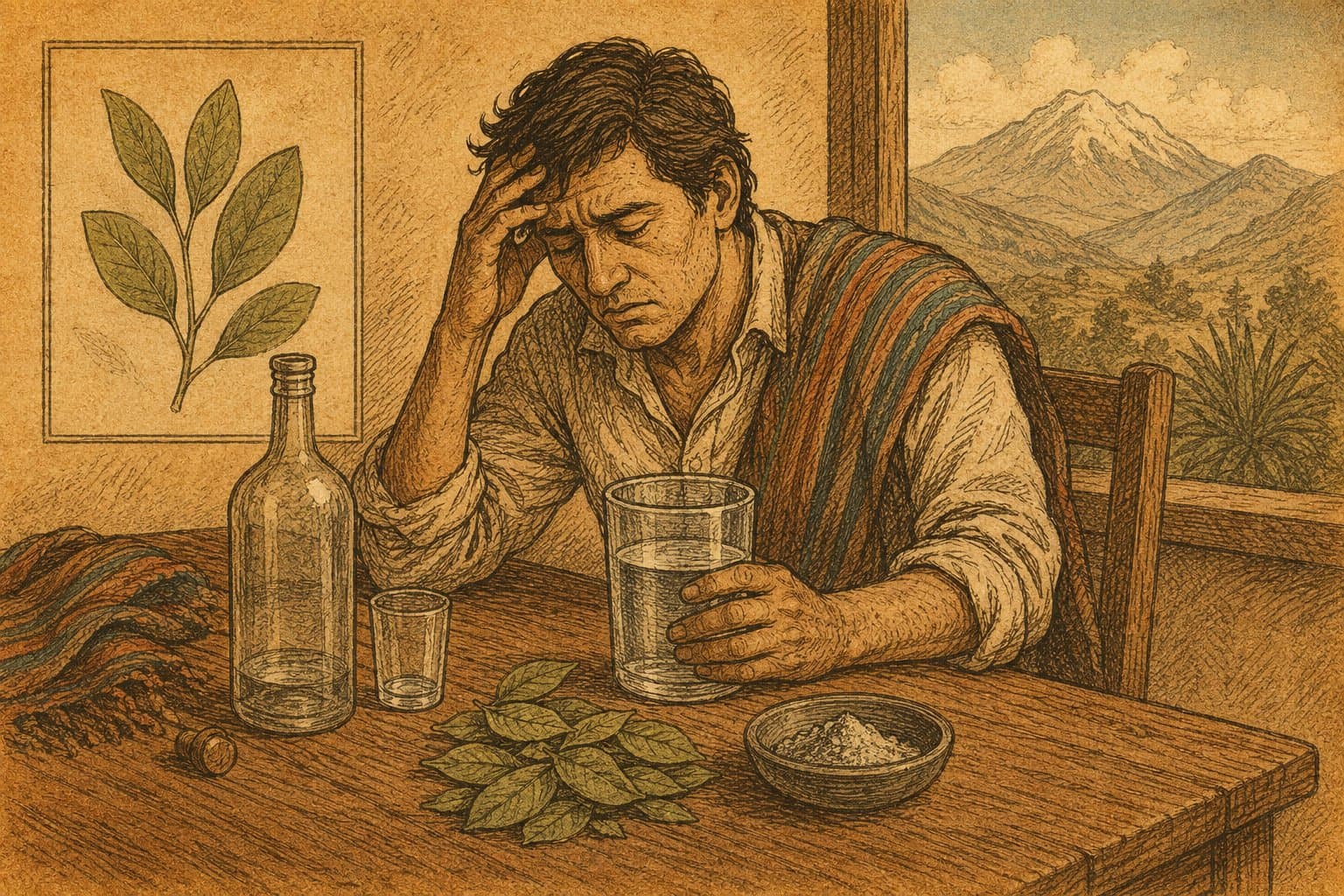
The Origin of “Chuchaqui”, the Ecuadorian Hangover
“Chuchaqui” is the hangover the Ecuadorian way, a word almost nobody understands across the border. Its origin lies in Quichua and the coca leaf.
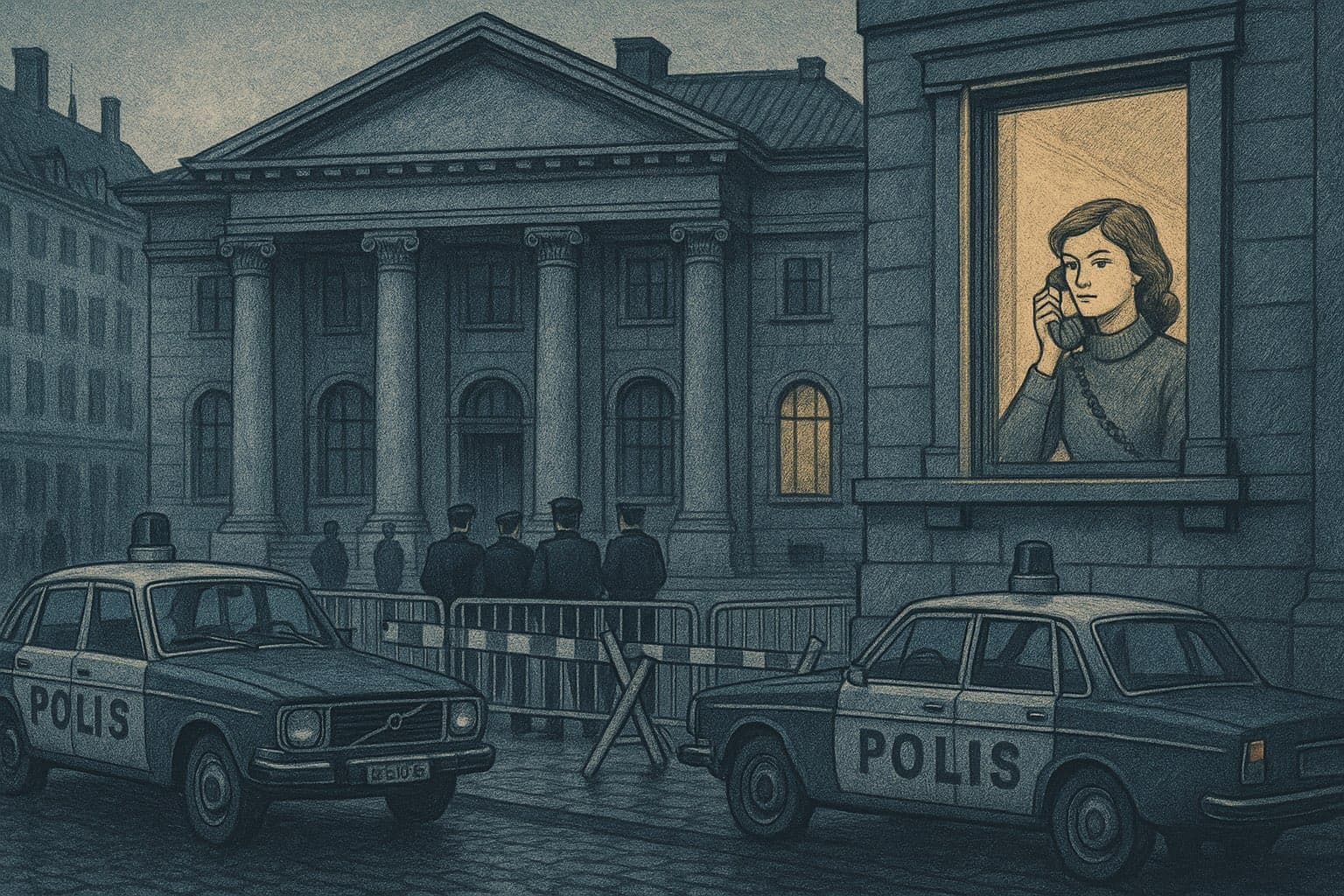
Stockholm Syndrome Was Born to Silence a Hostage
The famous syndrome didn't come from a study: the police's own psychiatrist coined it to discredit a hostage who criticized him. It isn't in the DSM.
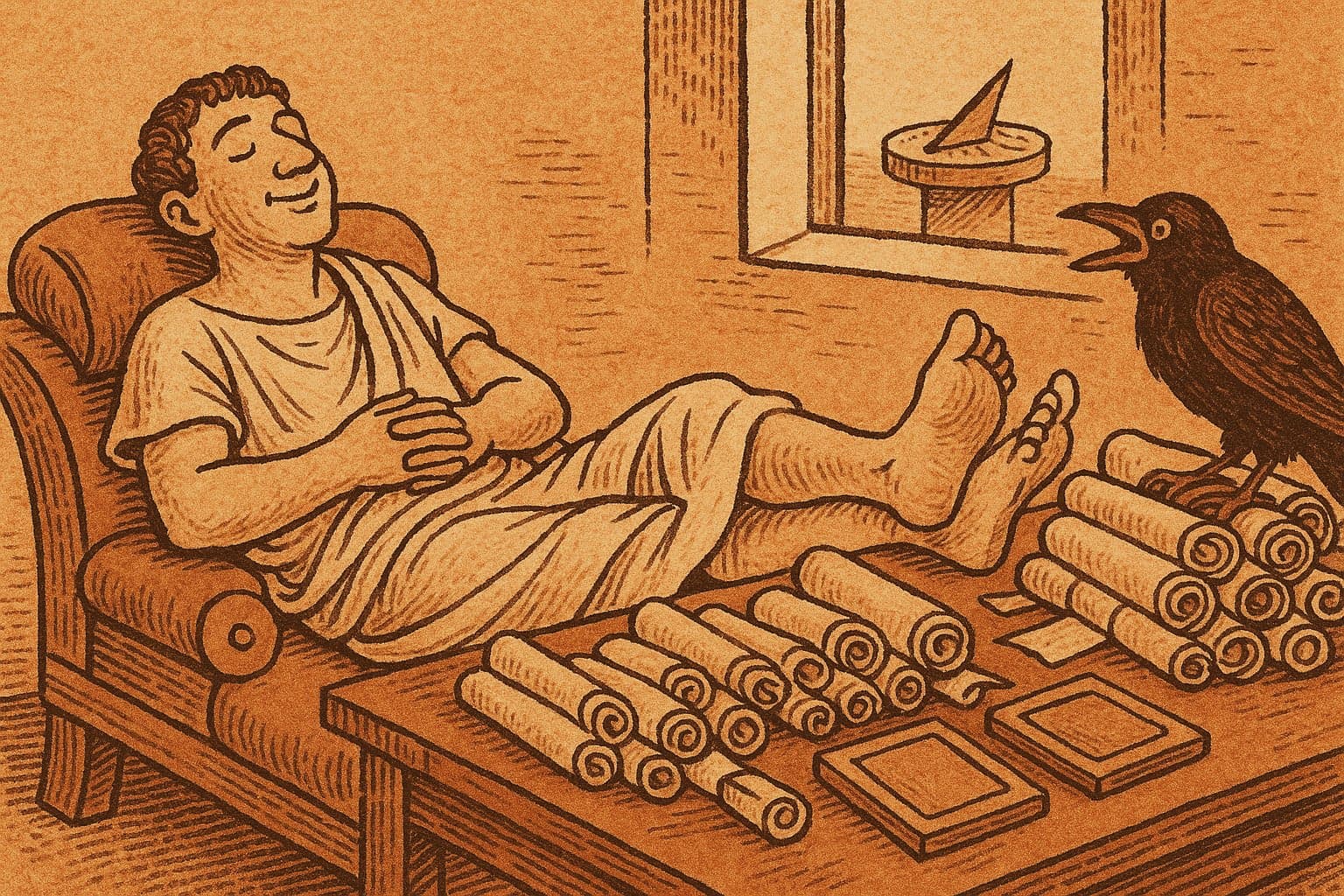
Procrastination: The Vice That Infuriated the Romans Who Coined the Word
Procrastination comes from the Latin «cras», tomorrow. Hesiod scolded procrastinators 2,700 years ago and Cicero declared it hateful. We're not the first.
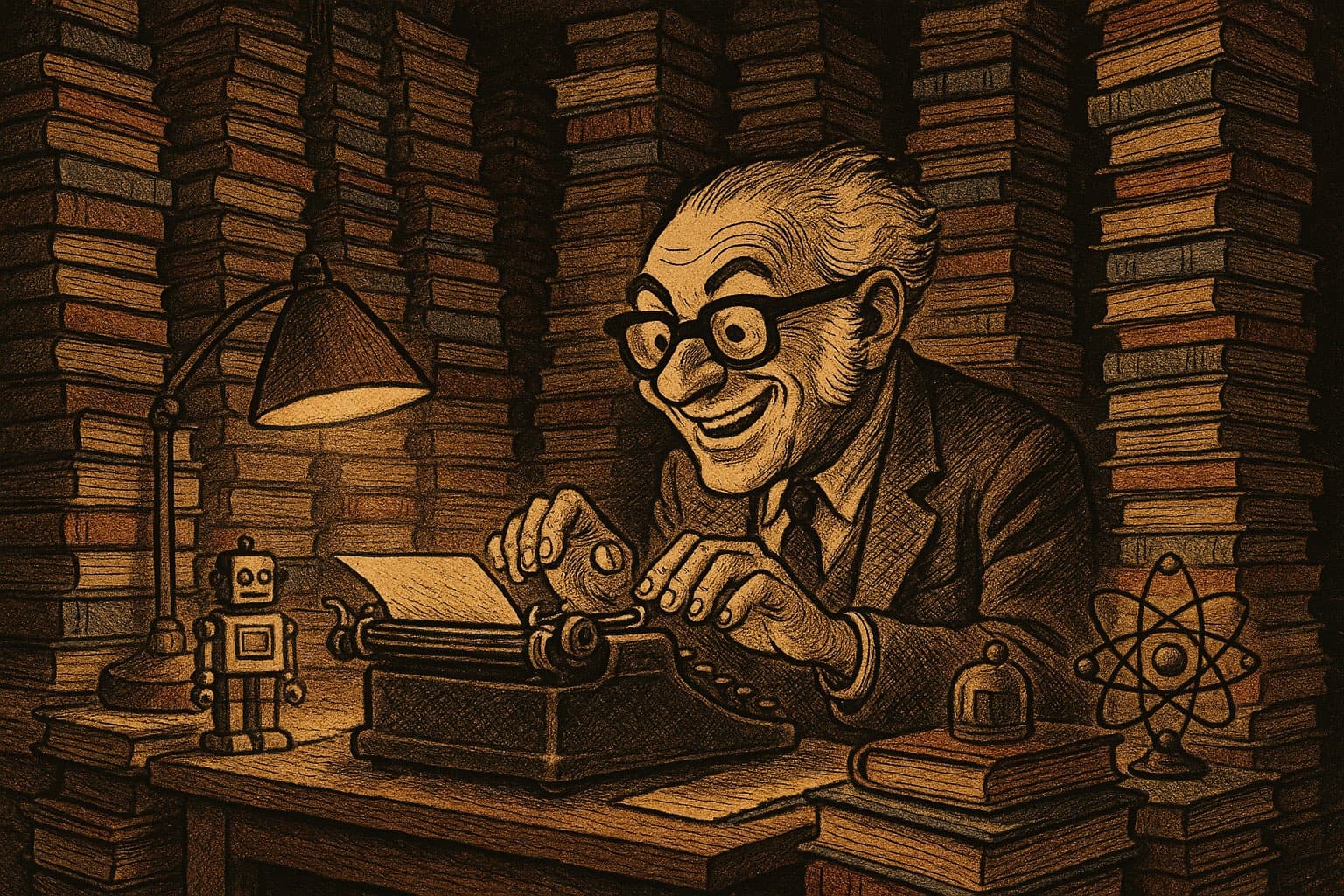
Asimov: The Man Who Wrote About Everything (Literally)
Isaac Asimov published some 500 books: science fiction, yes, but also history, chemistry, Shakespeare, the Bible and even humor. This is his story.
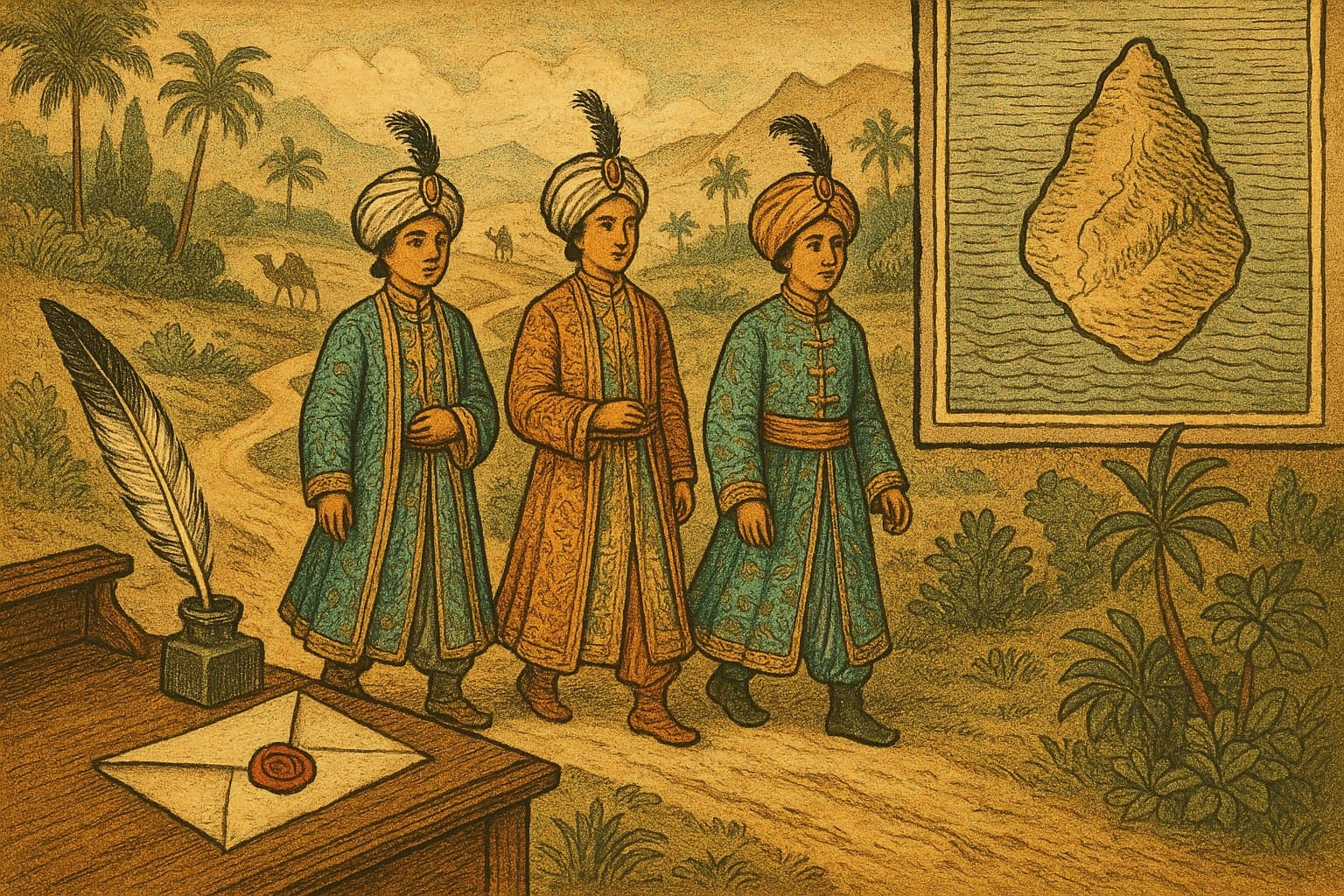
Serendipity: The Word Born in a Letter From 1754
Few words have an exact birth certificate. Serendipity was born on January 28th, 1754, in a private letter — and its root is the old name of Sri Lanka.
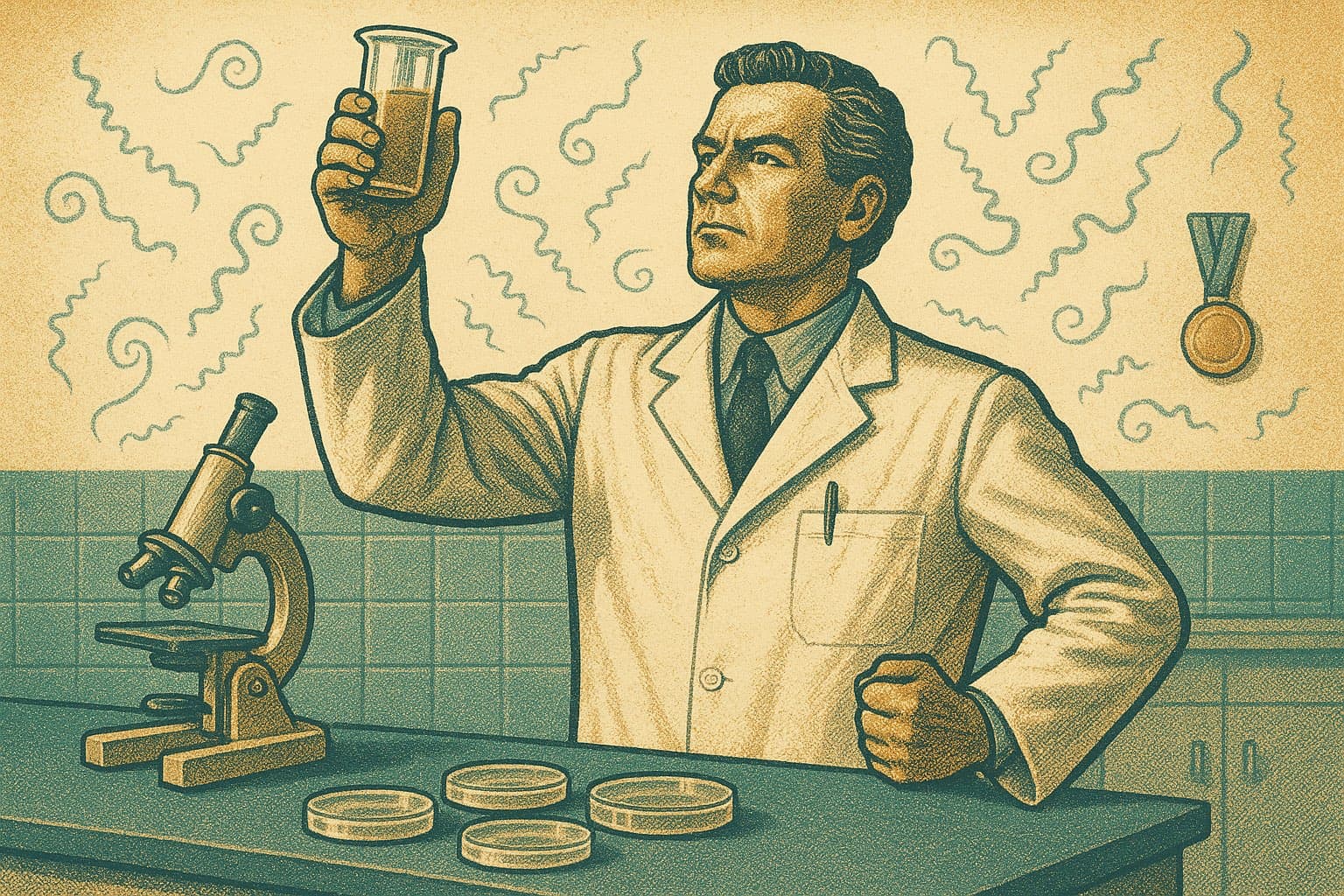
The Doctor Who Toasted With Bacteria and Won a Nobel
Nobody believed a bacterium caused ulcers. Fed up, Barry Marshall drank a culture of it, made himself sick on purpose, and changed medicine.
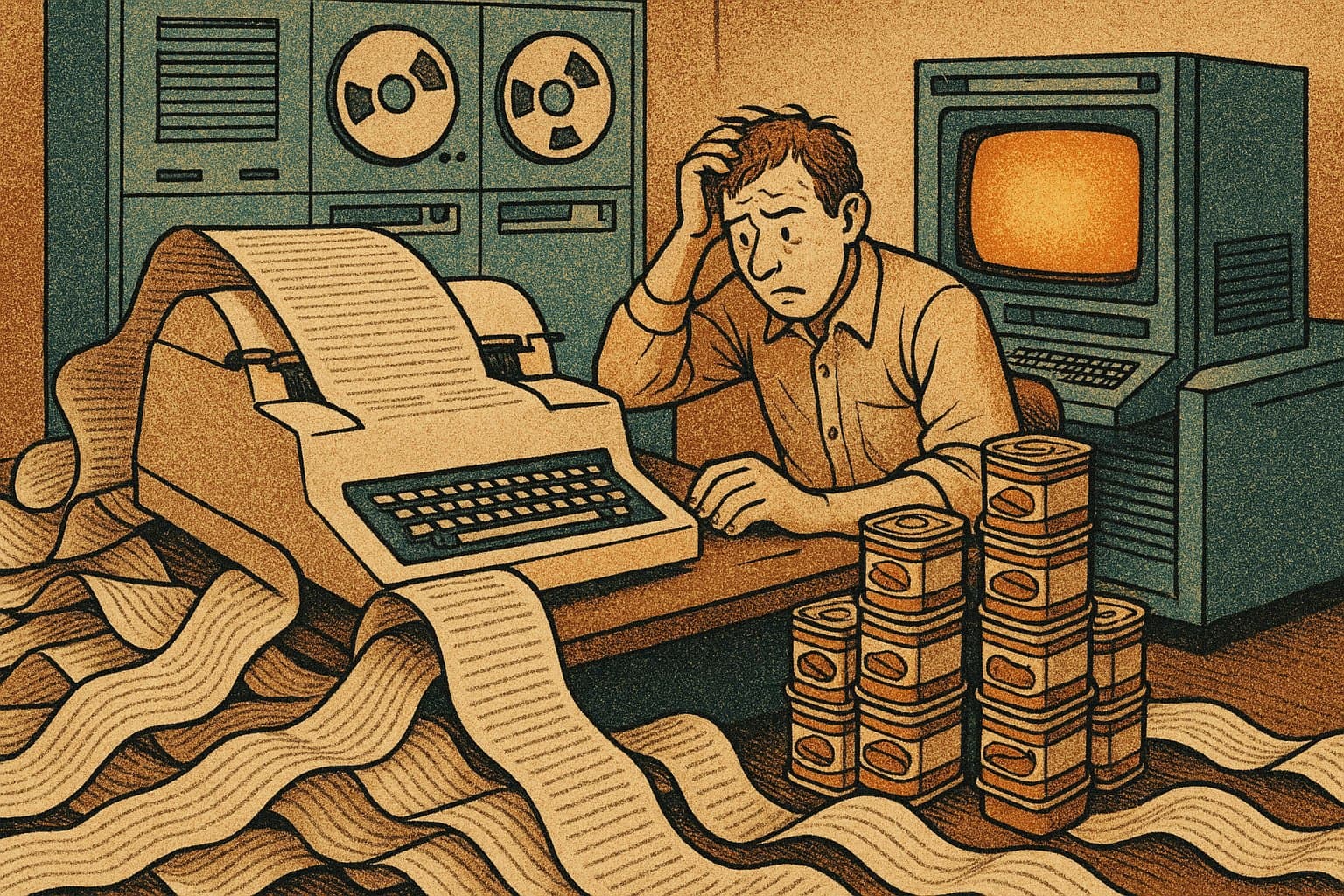
Spam: The First Junk Email in History
On May 3rd, 1978, a salesman sent the first unsolicited mass email to 400 people. That we call it “spam” is the fault of a can of ham.
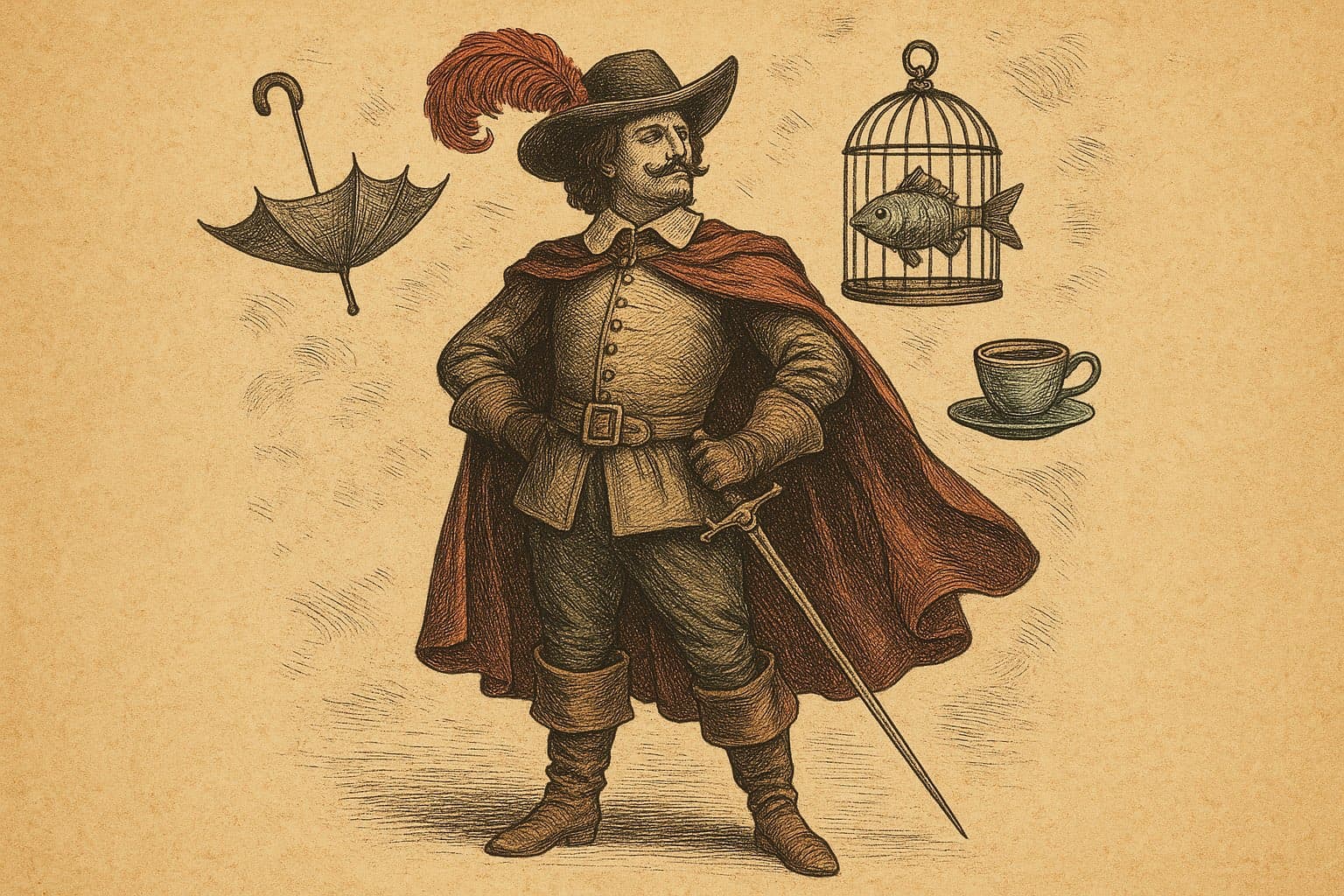
What “Bizarro” Really Means in Spanish (Not Bizarre)
For centuries, the Spanish word “bizarro” meant brave and gallant. How a false friend stole a word's meaning — and how the dictionary surrendered.
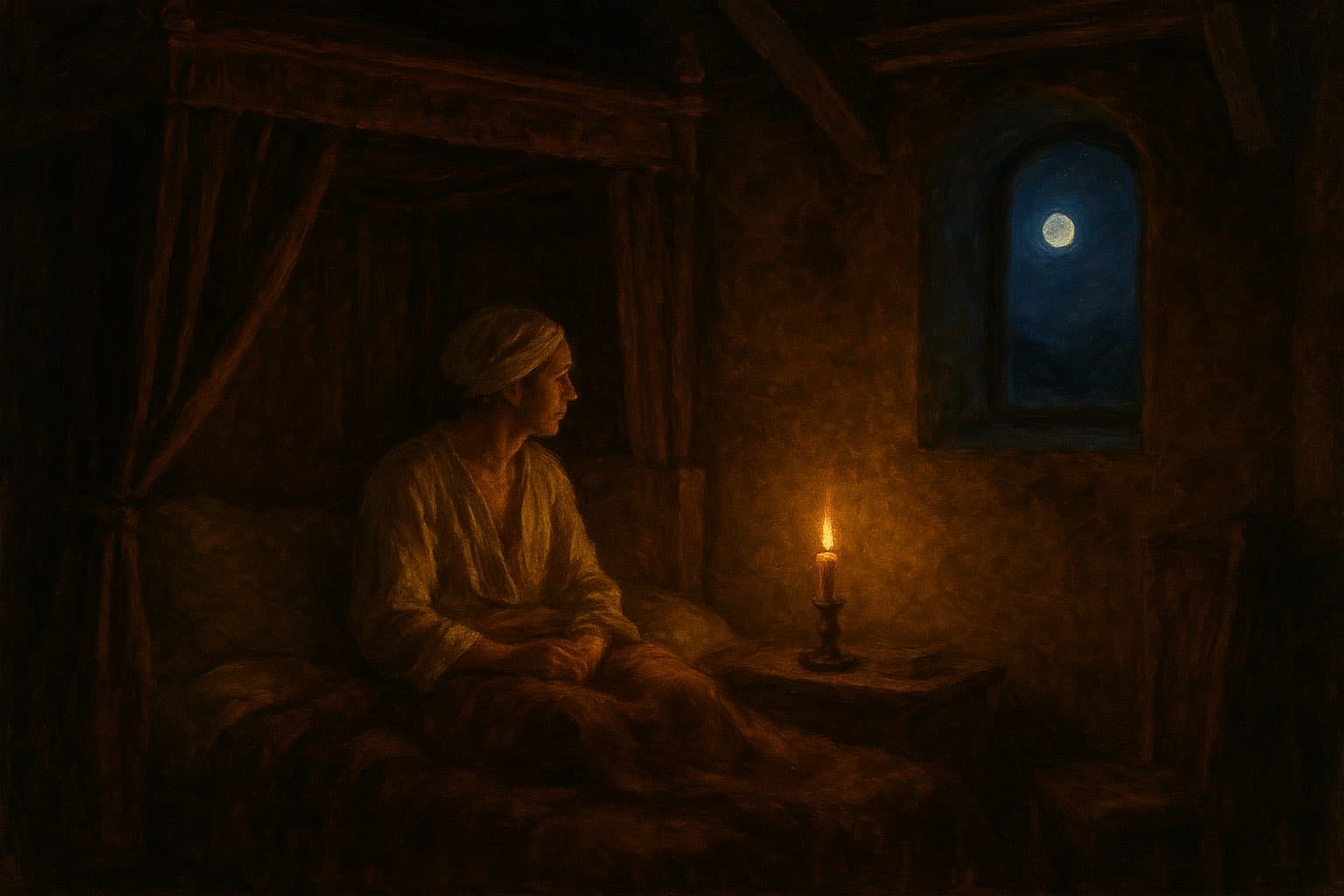
The Fifth Sleep: when we slept in two shifts
For centuries we did not sleep eight hours straight, but in two sleeps with a waking hour in between. The history of segmented sleep, from Cervantes to science.
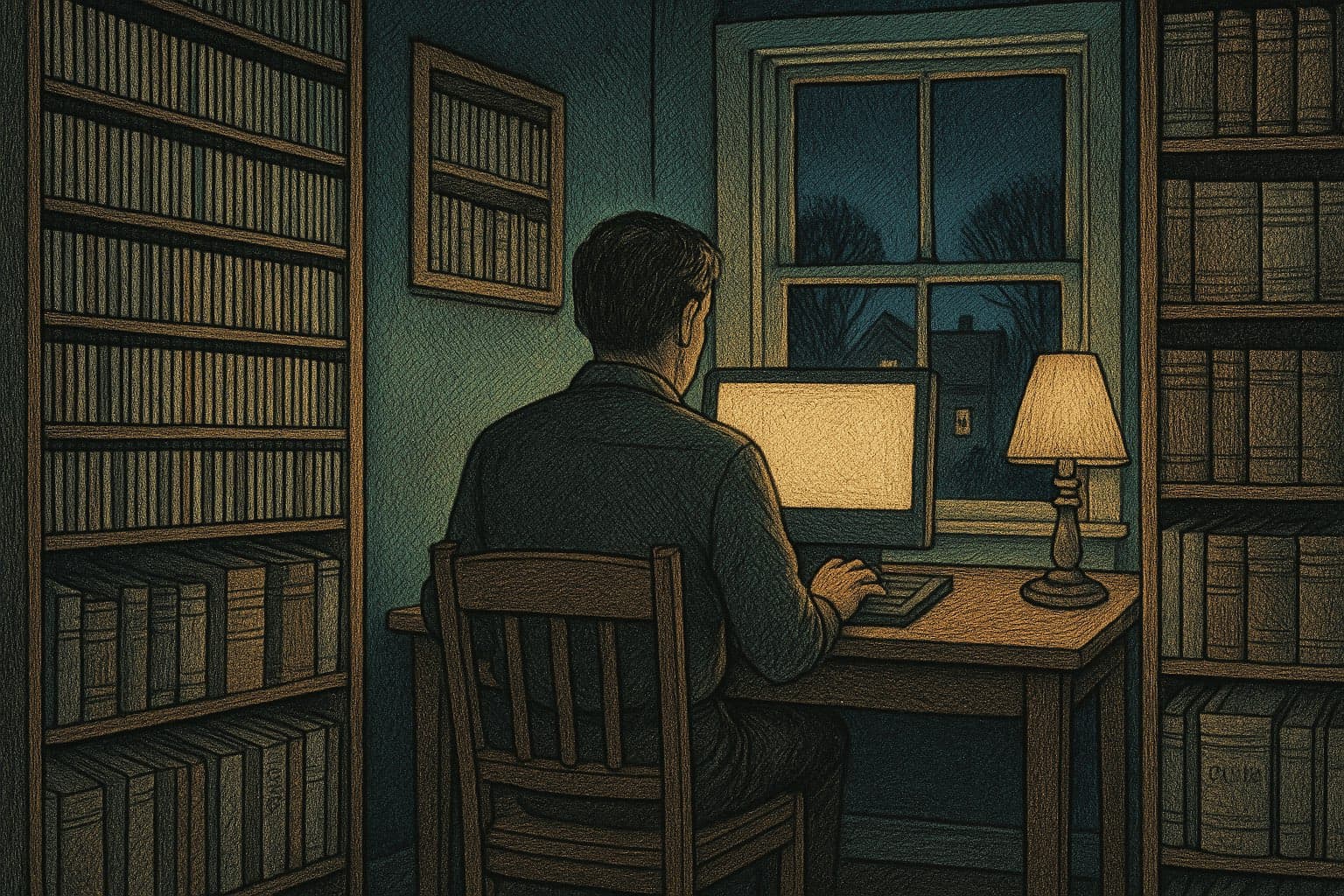
The Man Who Has Edited a Third of Wikipedia
Steven Pruitt has made nearly 7 million Wikipedia edits without earning a cent. The story of the most generous obsession on the internet.
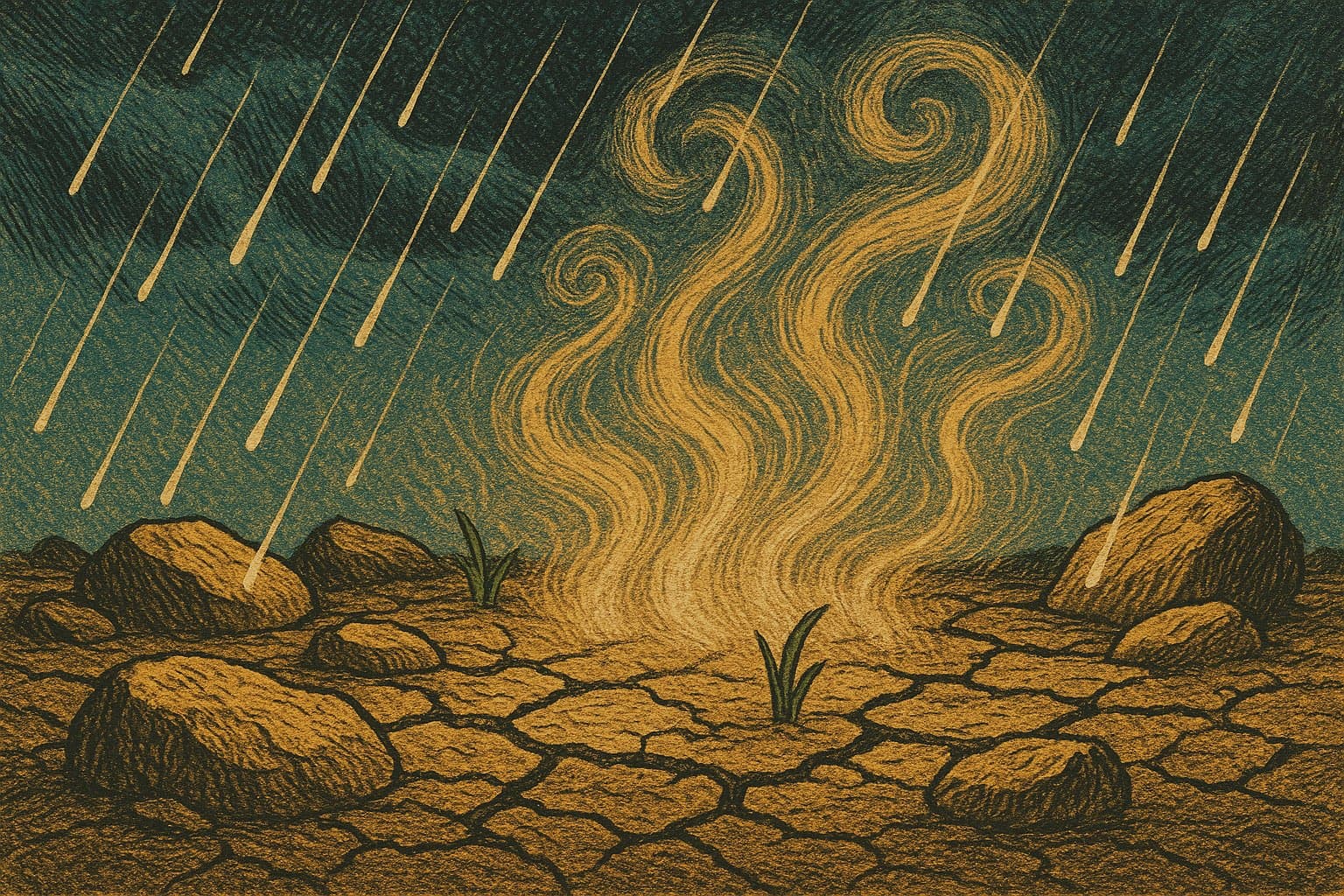
The Origin of the Word “Petrichor”
The smell of rain has had a name since 1964: petrichor, “the blood of the gods flowing from stone”. This is its story — and its science.
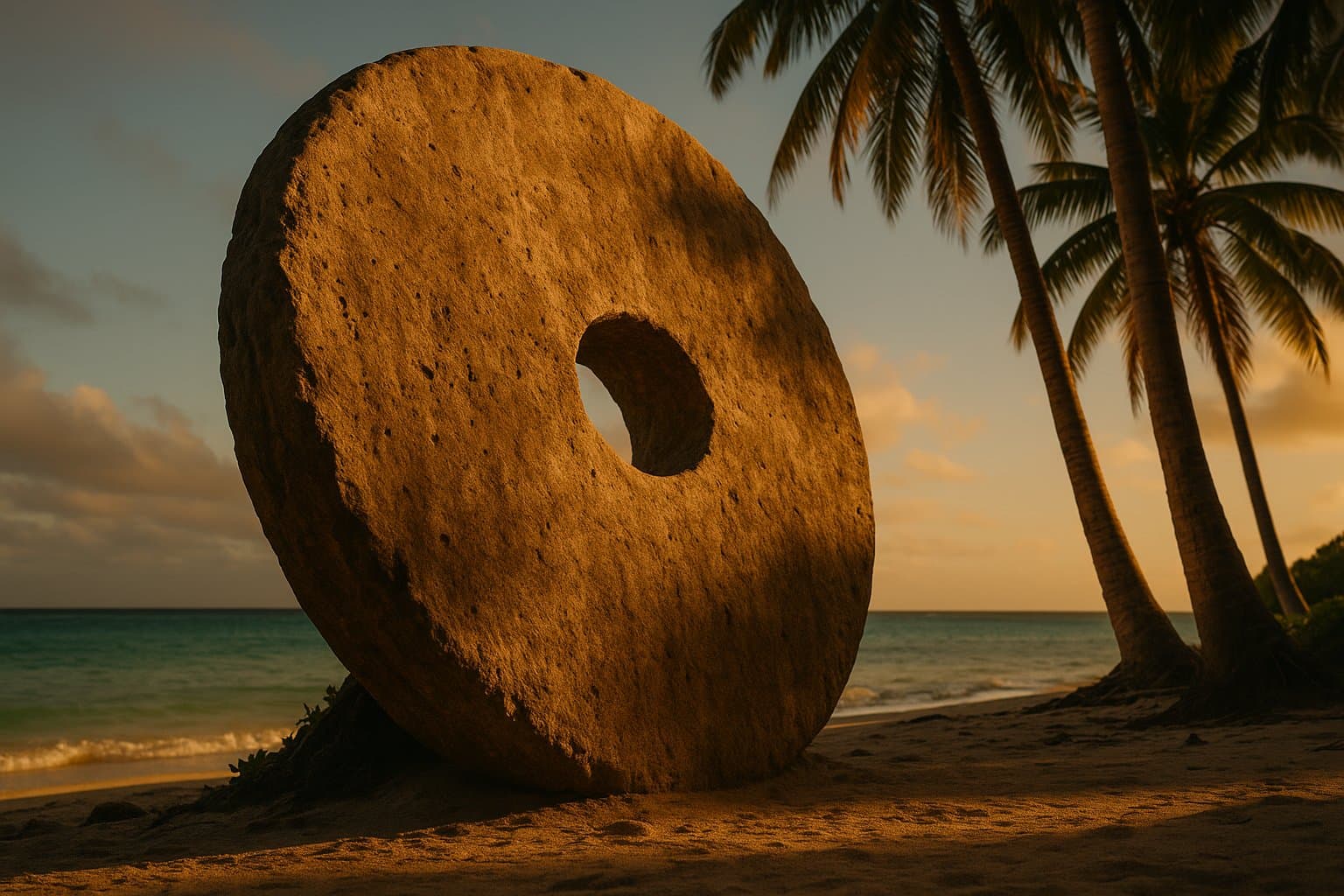
The Giant Stones of Yap and What Money Really Is
On a tiny Pacific island, money was made of giant stones — some so heavy they never moved, and one of them sat at the bottom of the sea.
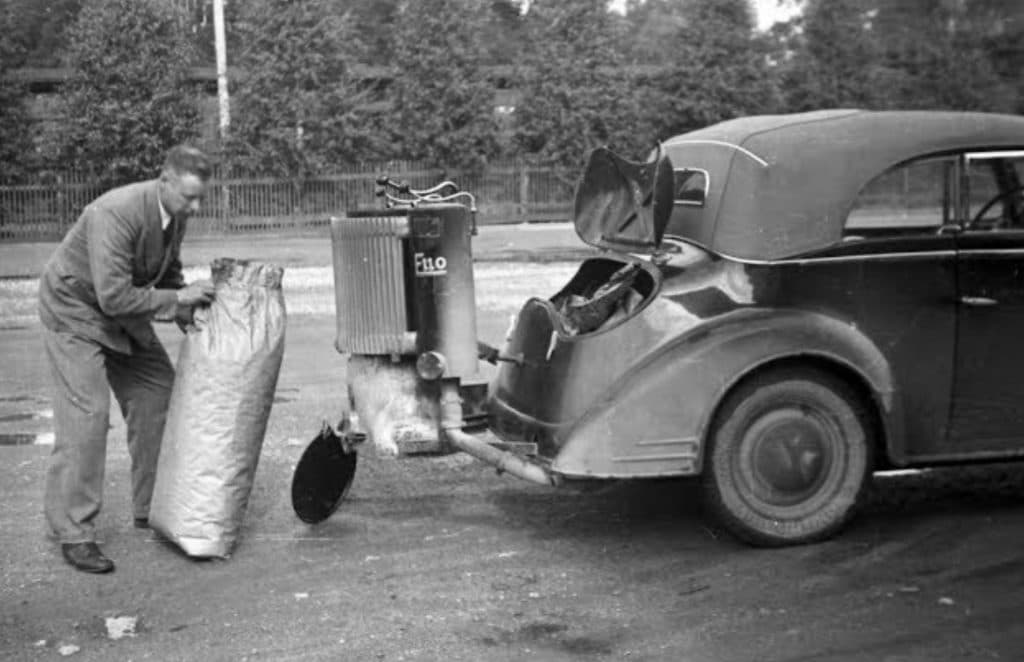
The Car That Runs on Firewood: Old Technology Cuba Is Reviving Out of Necessity
A Cuban mechanic runs his Fiat on charcoal, reviving the century-old gasifier that powered half a million cars in WWII, now reborn out of necessity.
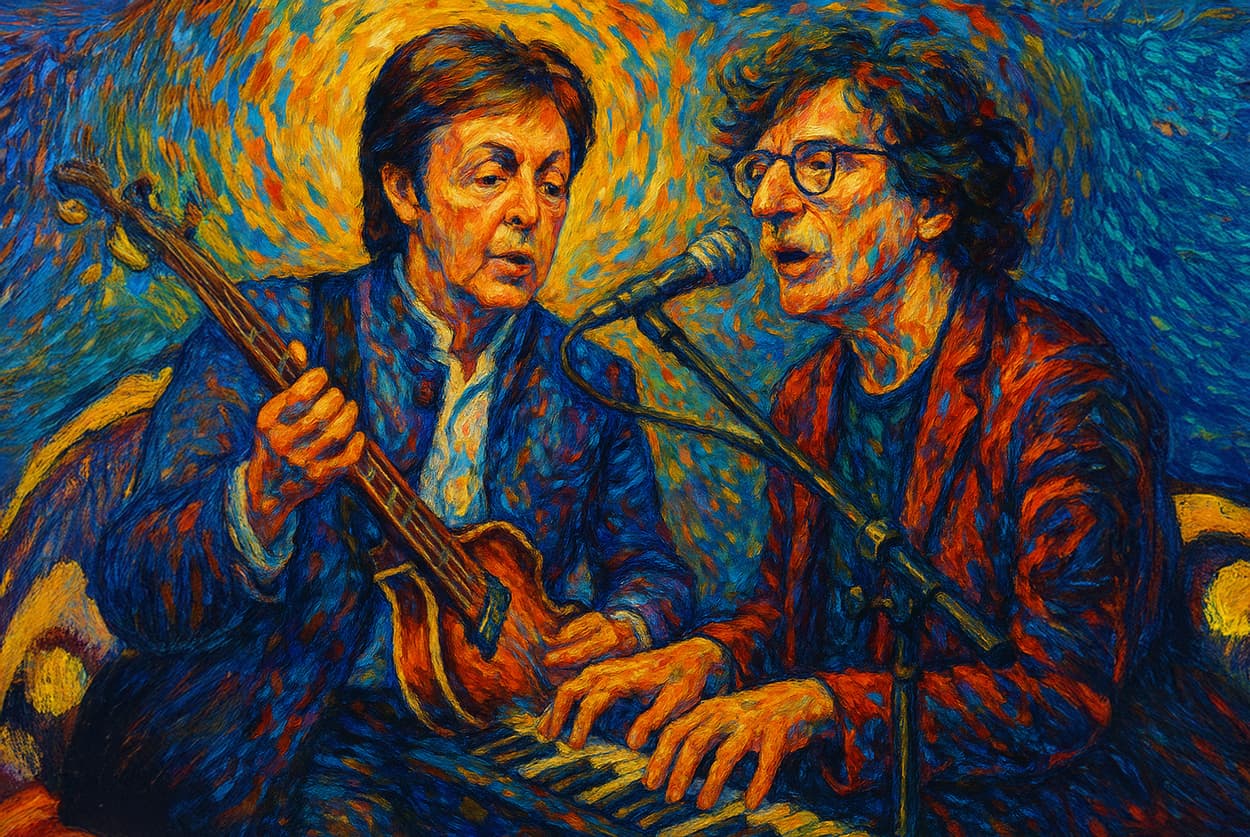
I'm Obsessed with a Song That Doesn't Exist! …Or Does It?
I fell in love with a Paul McCartney song in English, until I discovered it never existed and AI had written every note of it.
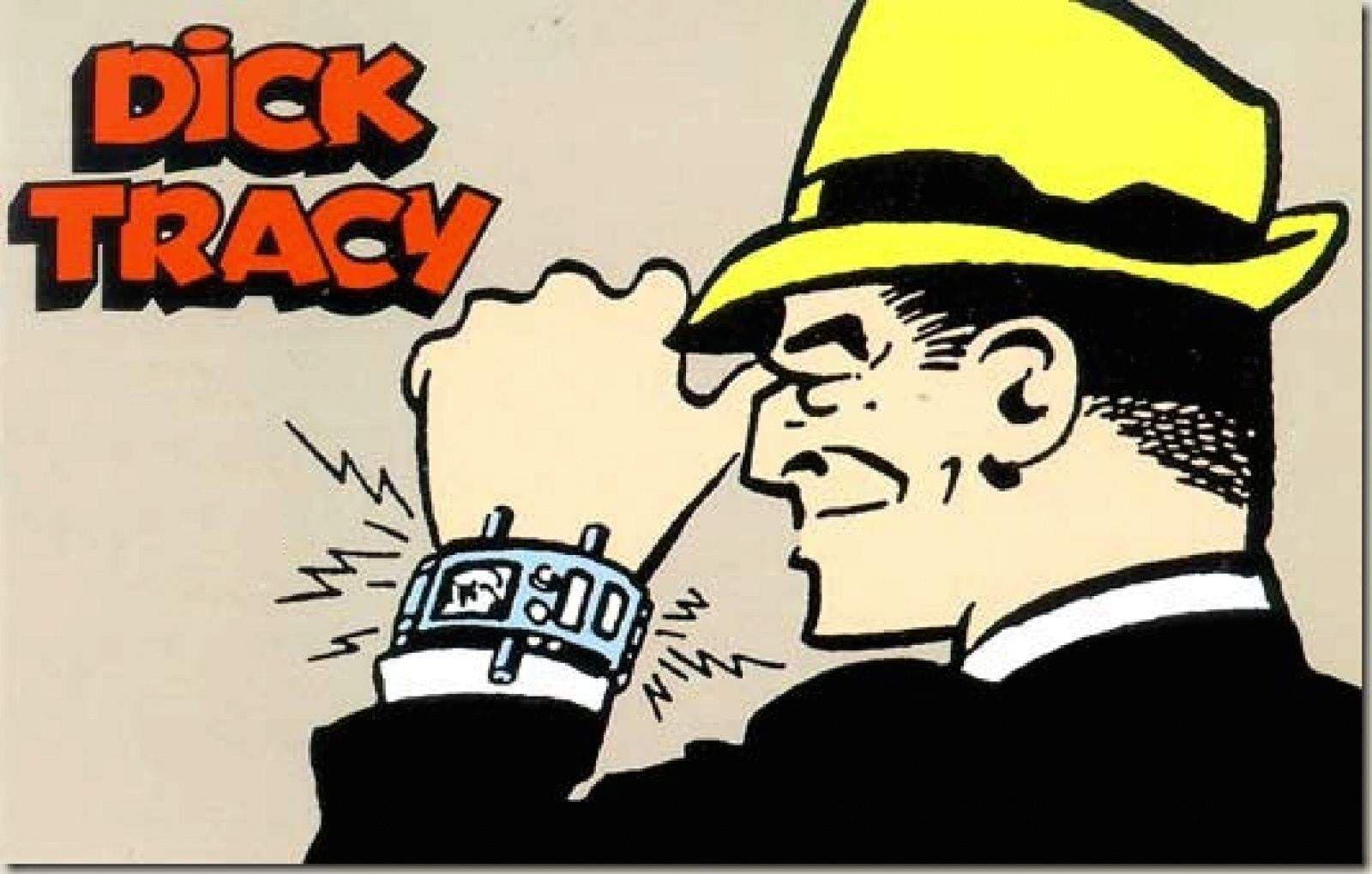
Fiction or Prophecy? 20 Cartoons and Films That Predicted Our Present
From the Jetsons to Blade Runner, 20 cartoons and films predicted smartwatches, video calls and AI decades before they became part of daily life.

Minecraft: A Universe of Blocks That Fuels Creativity
Minecraft turns simple blocks into limitless worlds; discover why this open-world game fuels creativity, learning, and a thriving community.

Everest Is NOT the World's Tallest Mountain!
First, let's be clear: Mount Everest is the world's tallest mountain—as long as you measure from sea level, which has been the custom.
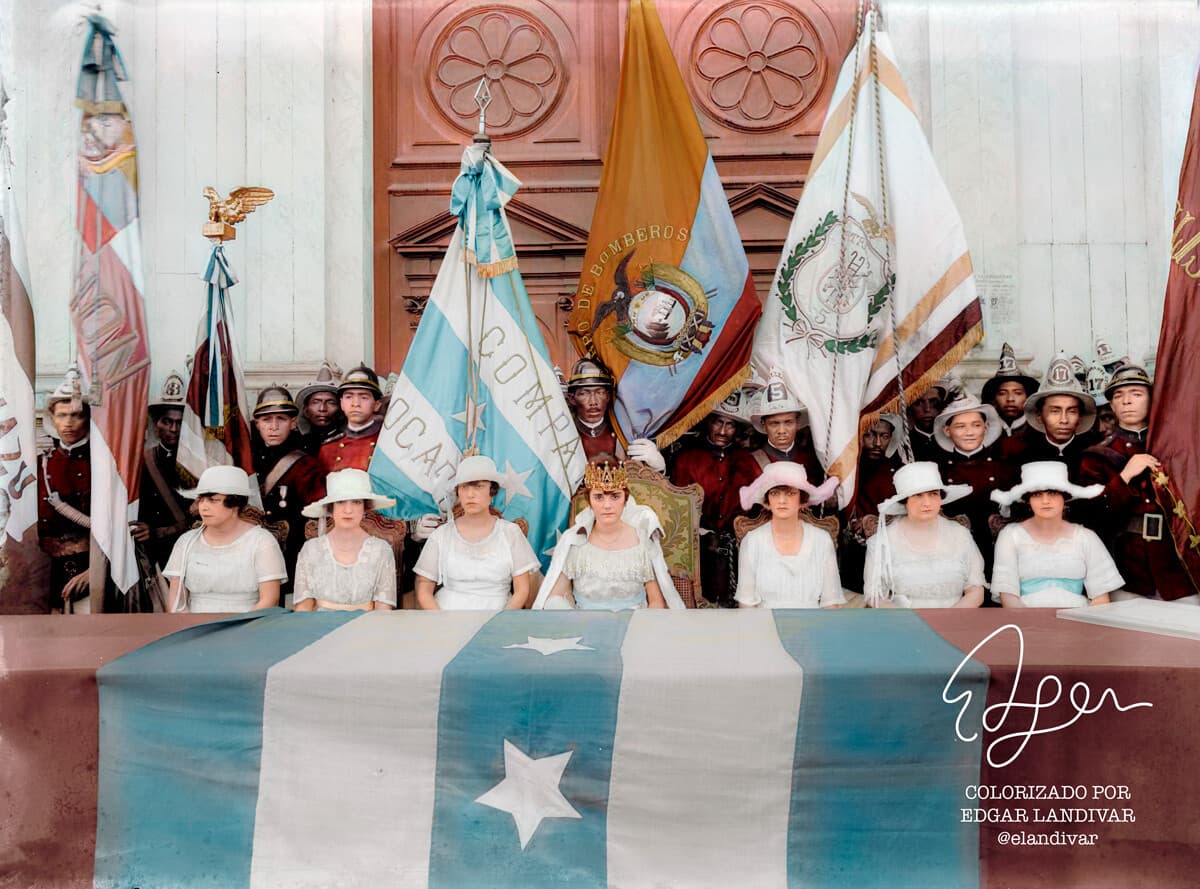
An old book of Guayaquil in full color
A handpicked selection of colorized photos brings century-old Guayaquil back to life, from its trams and firemen to faces from a vanished era.
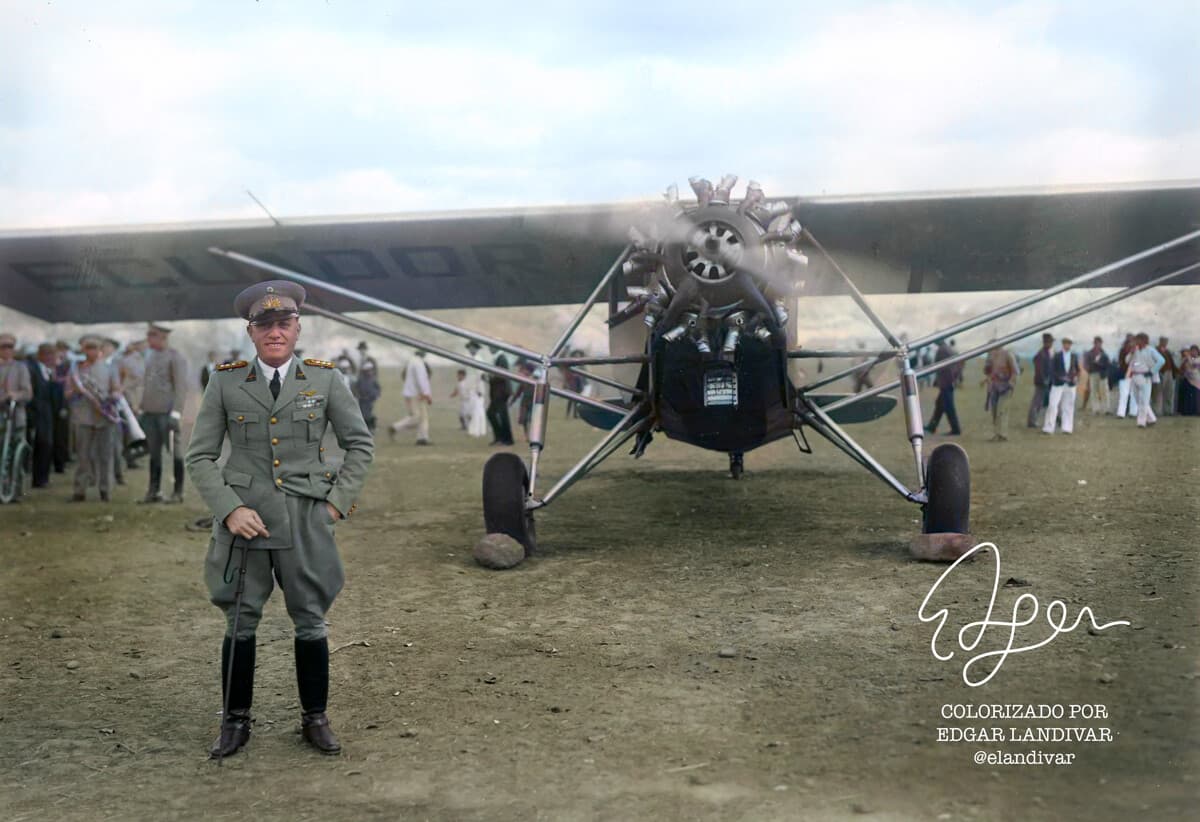
A window to Ecuador from a century ago. Photo restoration.
Restored and colorized photos open a vivid window onto Ecuador a century ago, from presidents and earthquakes to long-vanished railways.
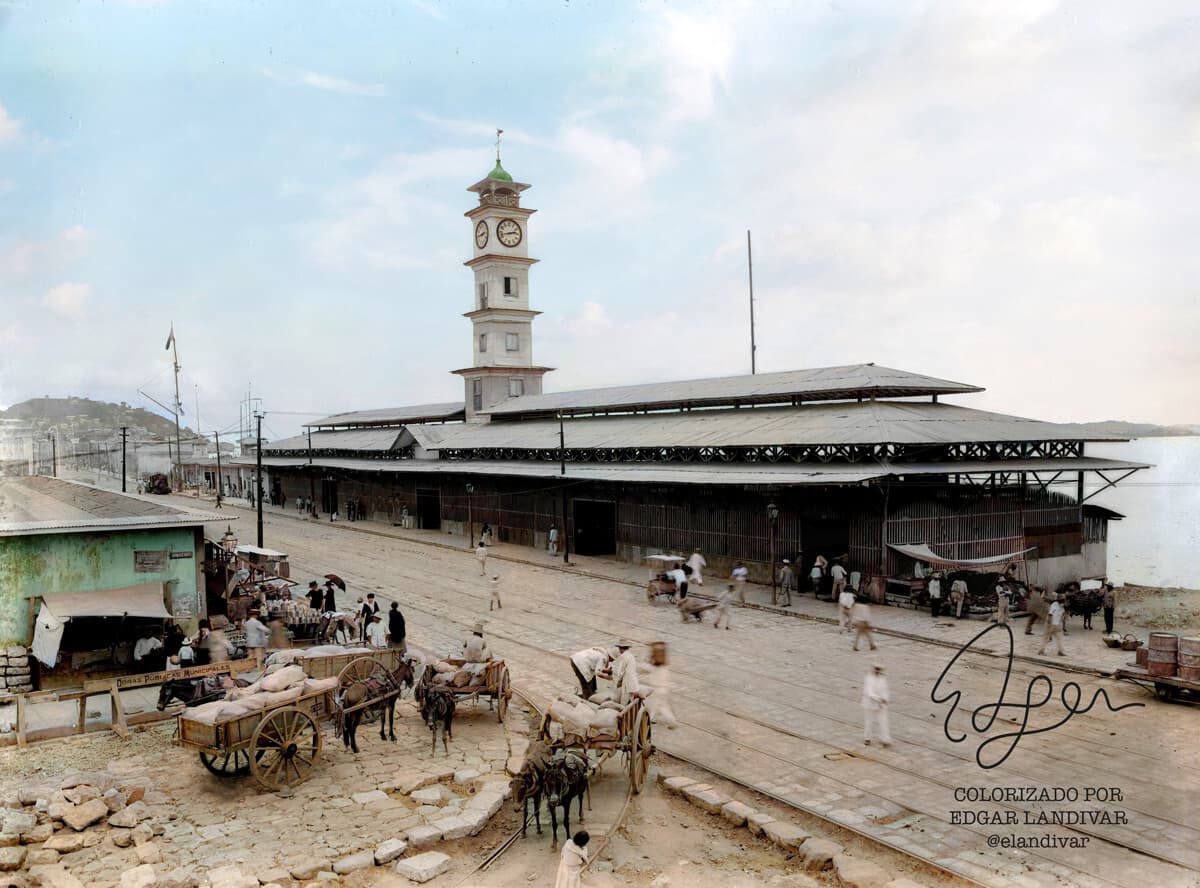
Old Guayaquil in video
Old Guayaquil comes alive in 1920s footage restored and colorized with AI, revealing its tram, the Malecón and real people from a century ago.
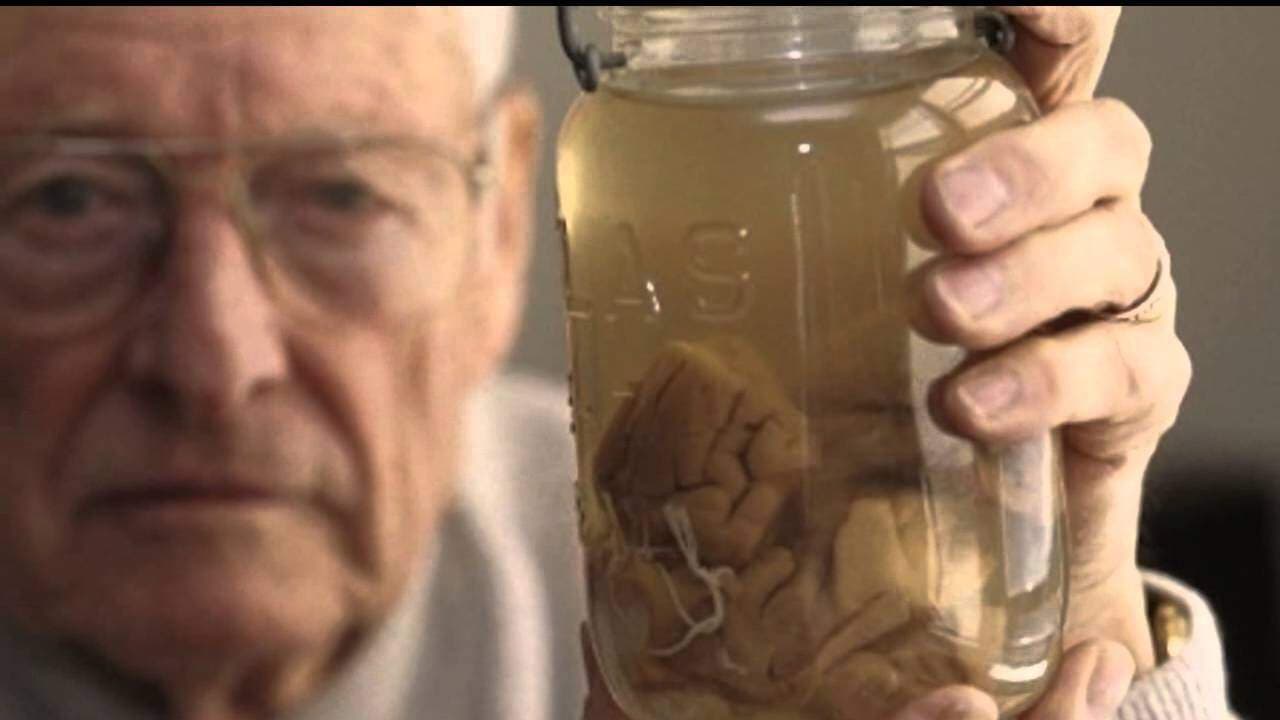
Who stole Einstein's brain and then walked it around in the trunk of his car?
When Einstein died he asked to be cremated and forgotten, but the pathologist stole his brain and drove it around in his trunk for decades.
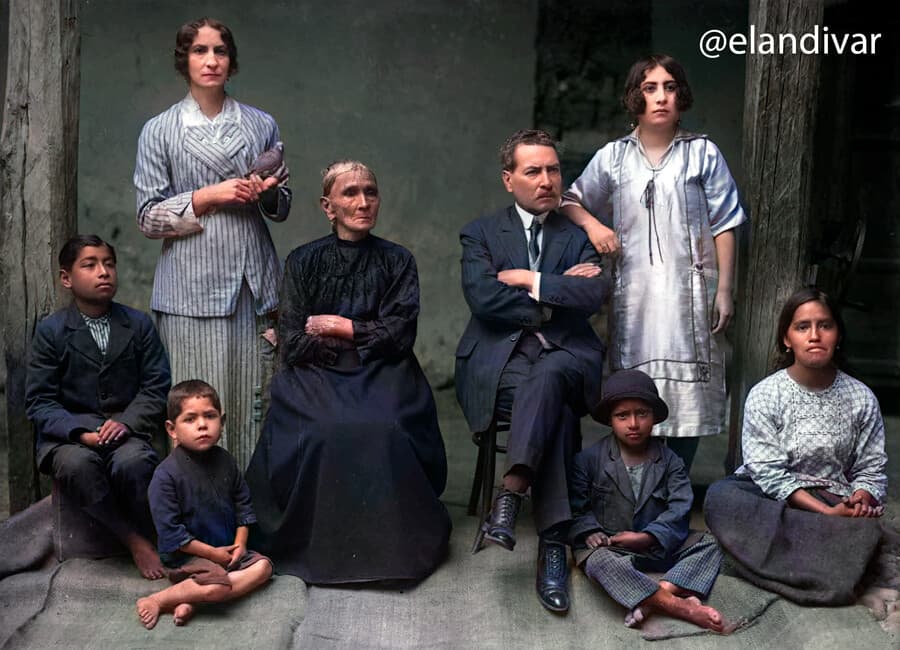
The History of Smiling in Photographs: From the Mona Lisa to Digital Cameras
Why nobody smiled in old photographs: a journey from long exposures and the Mona Lisa's enigma to the digital cameras that made grinning effortless.
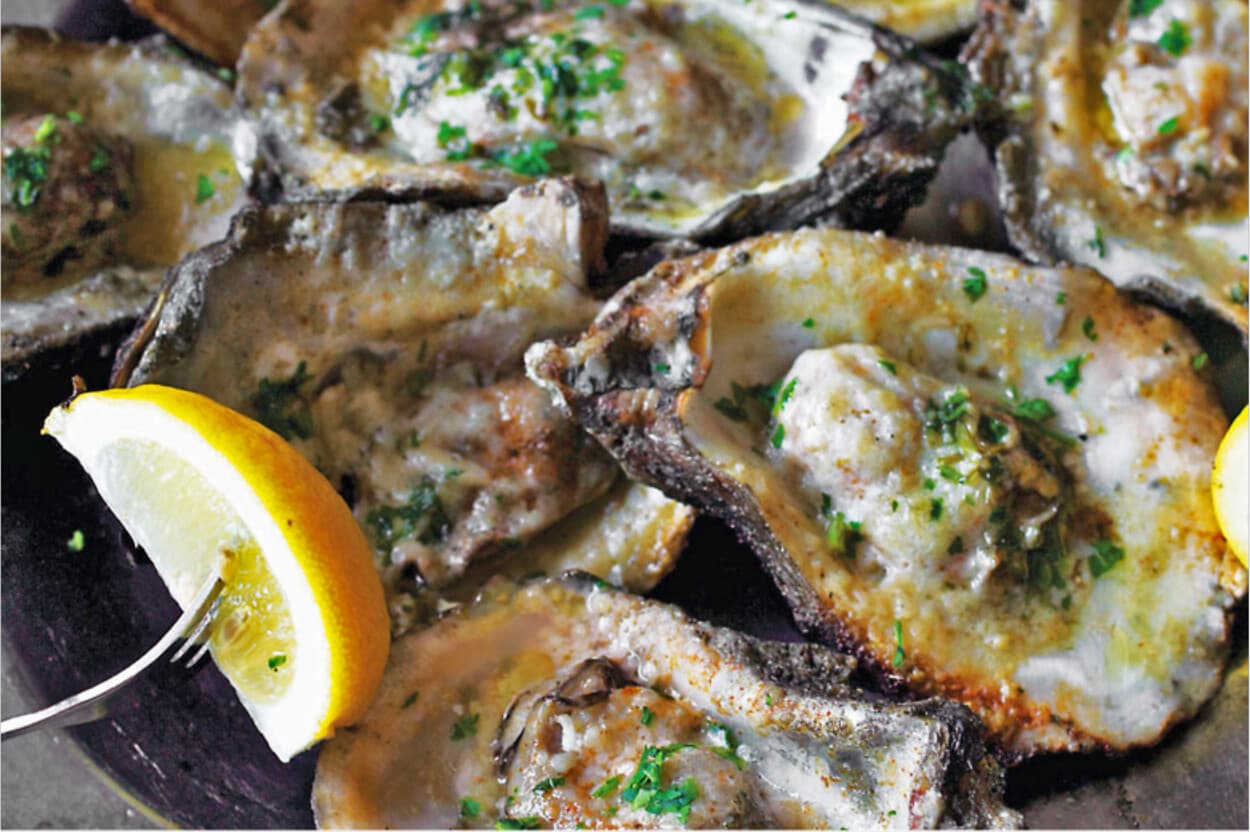
Punta de Piedras and the Oyster Sauté
A pirate-era fort in the Guayas delta and a forgotten oyster sauté that once tempted river travelers, rediscovered through old chronicles and photos.
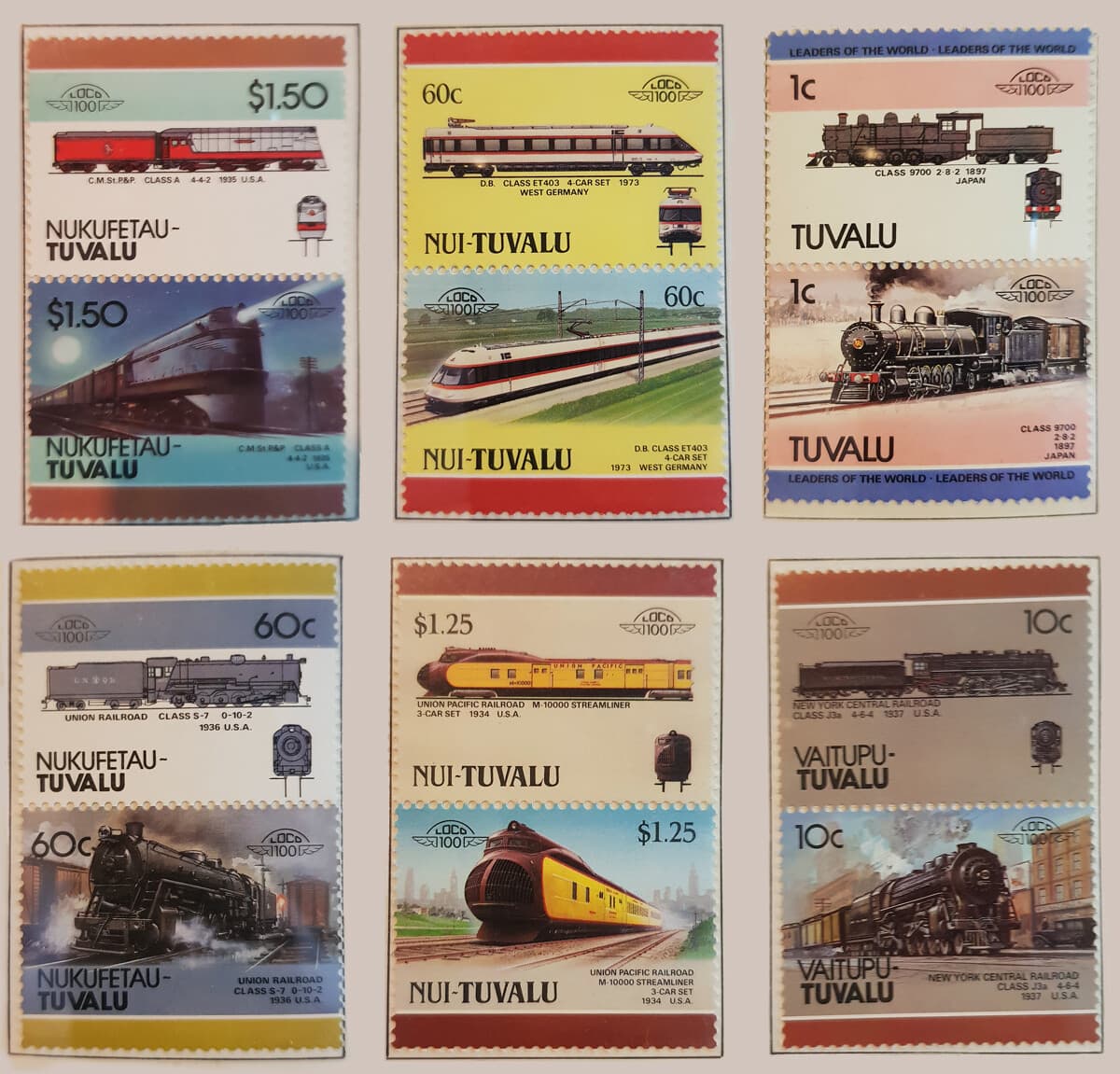
Tuvalu: The Archipelago That Sold Its Stamps
A tiny Polynesian nation with no exports got rich selling postage stamps to collectors, until greed and fake printing errors flooded the market.
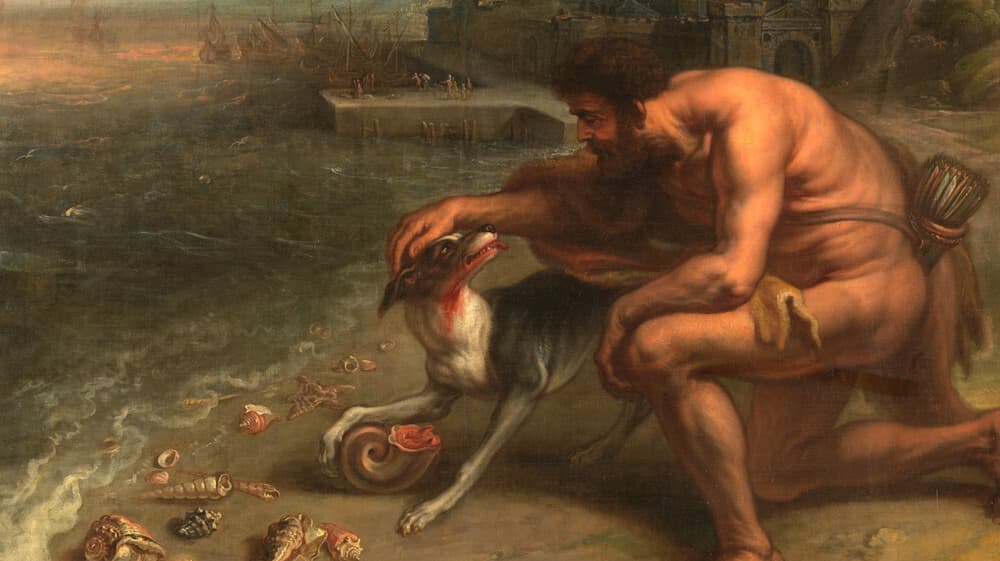
The last purple on the planet
Tyrian purple, the dye drawn from thousands of sea snails, was so coveted it defined emperors, then vanished when its secret was lost forever.
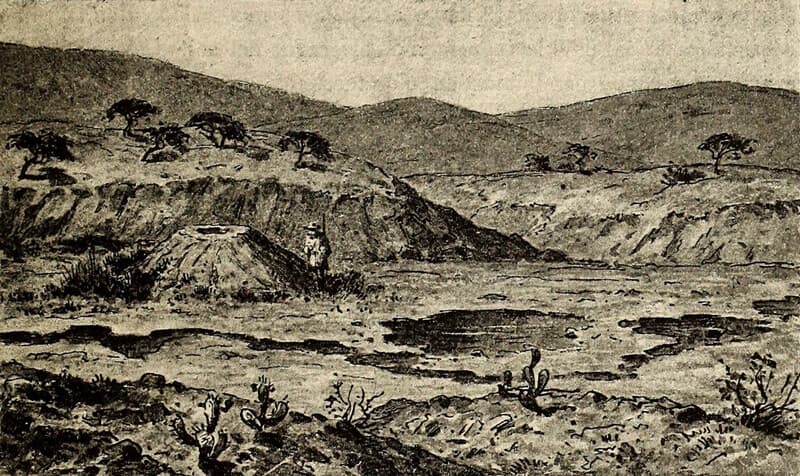
The Volcano of San Vicente
A tiny mud volcano once spat geysers of salty water on Ecuador's coast, and forgotten 19th-century writings reveal the wild site before tourism erased it.

Are We Raising an Overstimulated Generation?
Are we raising an overstimulated generation? A look back at childhoods full of empty hours, boredom, and the lost art of inventing your own fun.
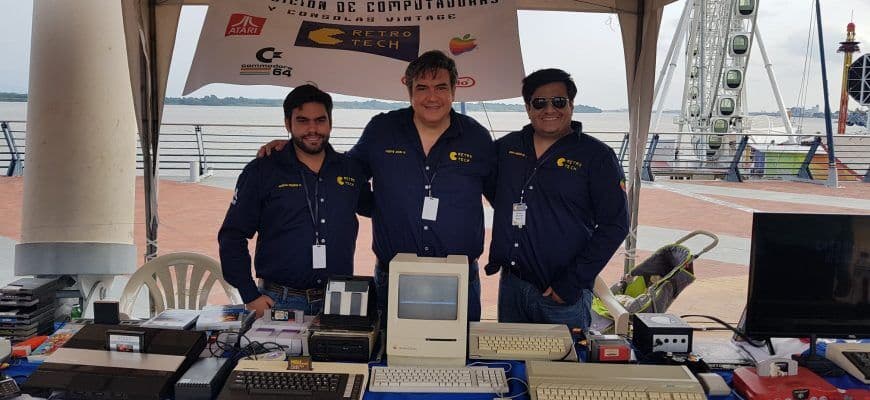
Retro Tech Vintage Computer Club
How a nostalgic urge to restore an old Atari 2600 grew into a vintage computer club that fascinates collectors and teenagers alike.
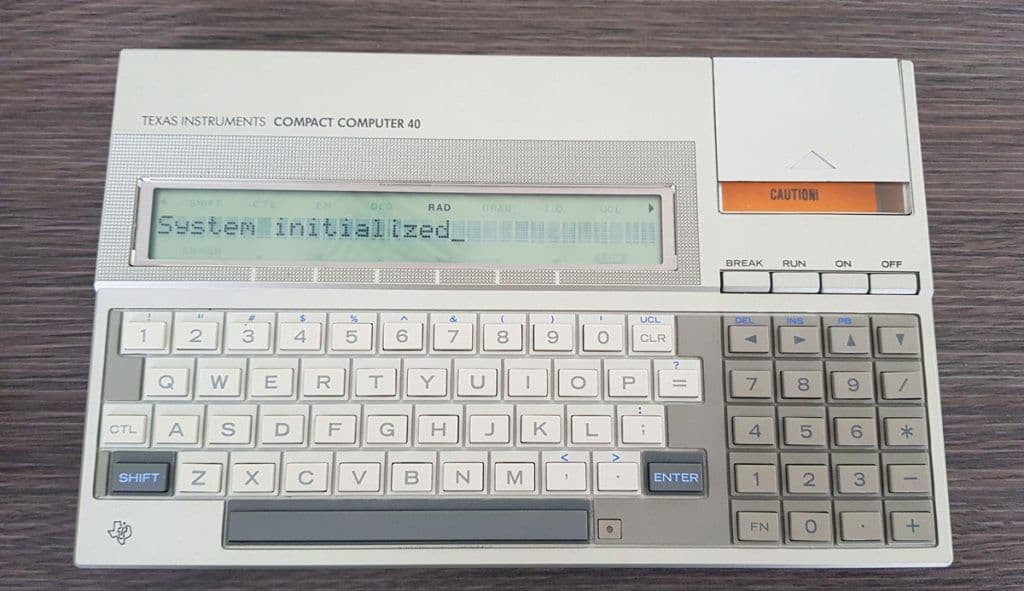
The old Texas Instruments Compact Computer 40 laptop
The Texas Instruments Compact Computer 40 had speed, price, and a 200-hour battery, yet one fatal design flaw doomed it and ended an era for the company.

The First Laptop in History: EPSON HX-20.
Review of the first laptop in history, invented by EPSON. It had a printer included and a battery that gave it incredible autonomy.
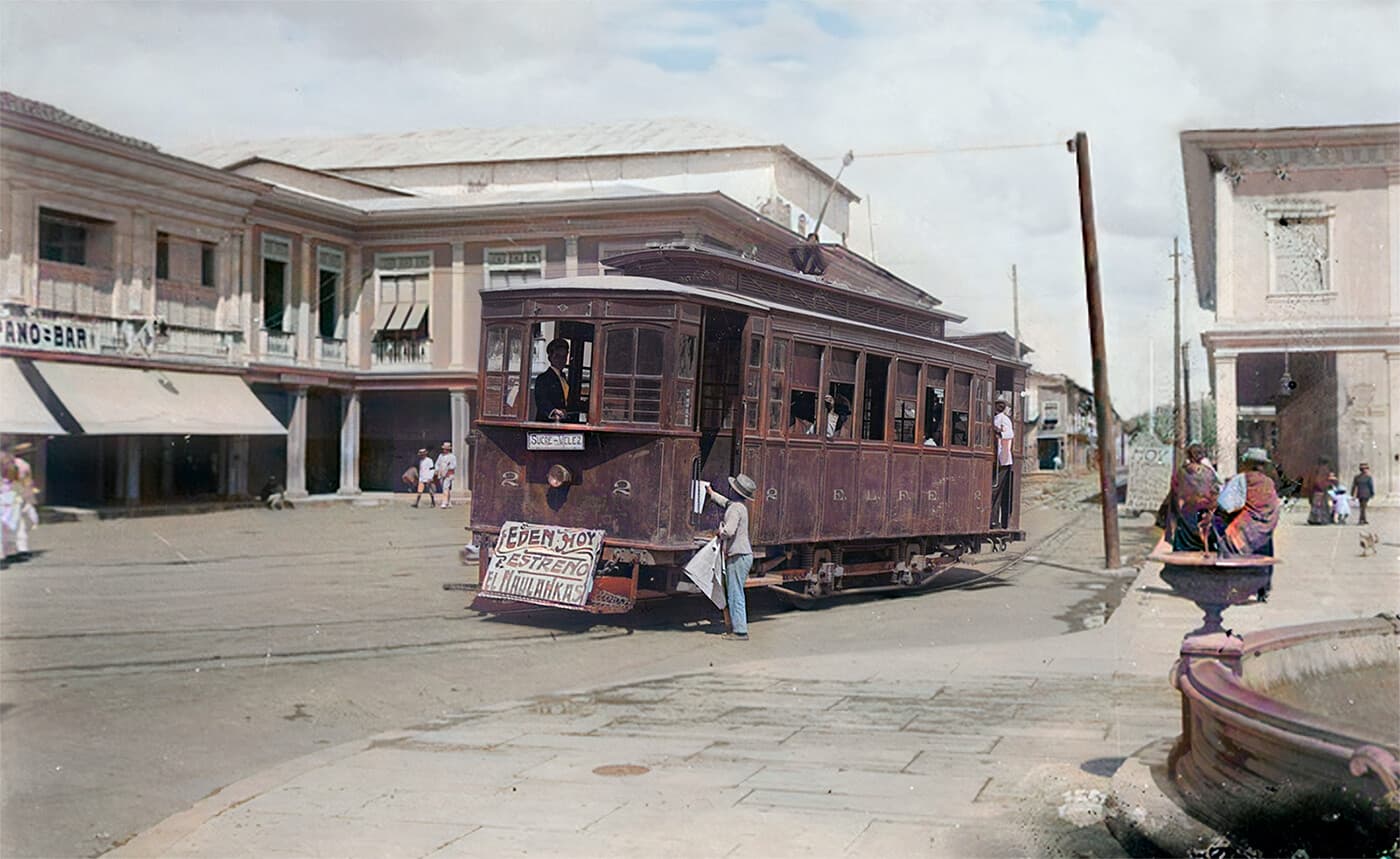
Hidden details in the photograph of a Guayaquil tram
A century-old photo of a Guayaquil tram hides clues that reveal its exact corner, its Belgian car and a surprising link to a famous soccer club.
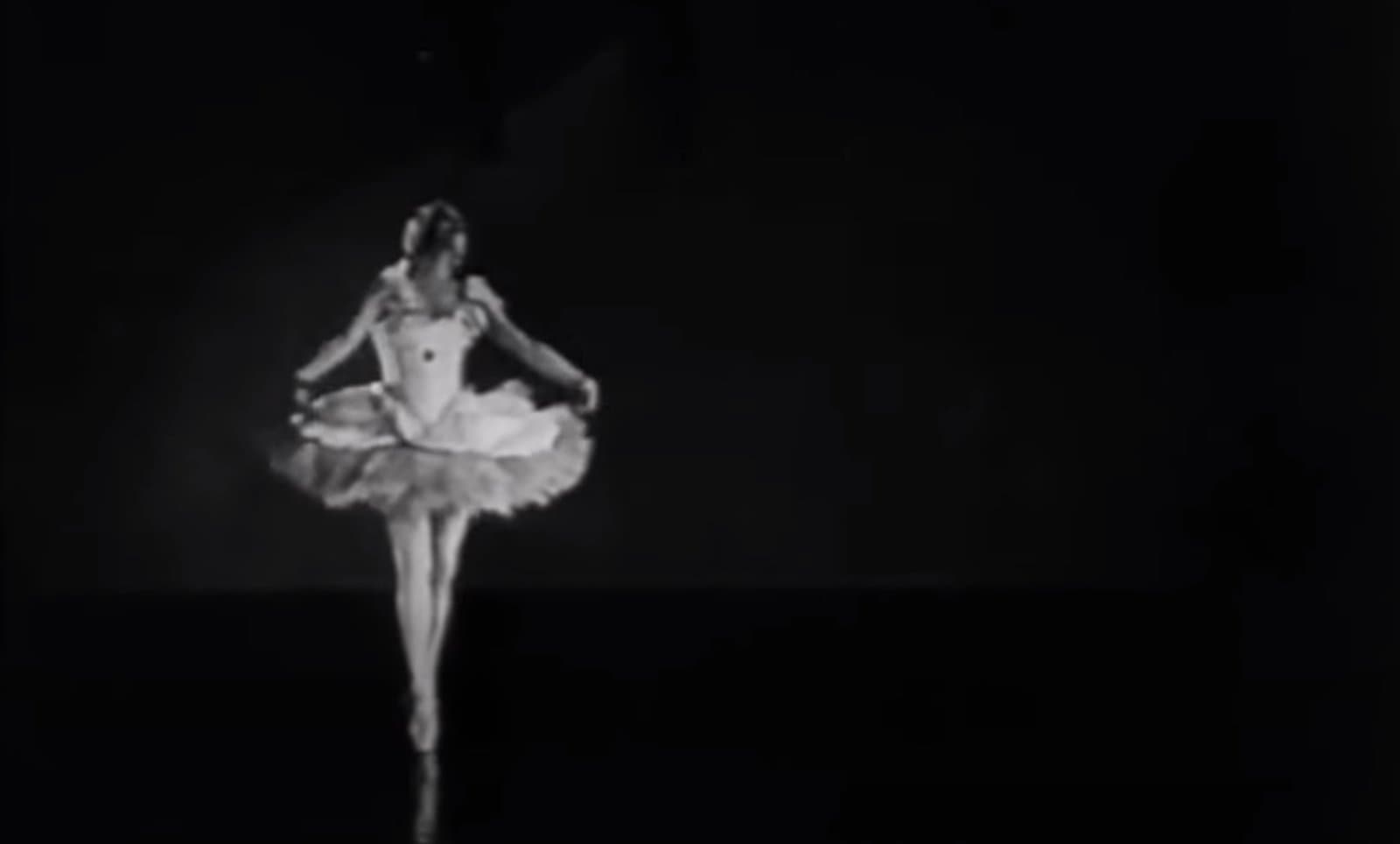
Medardo Ángel Silva and Pavlova's Dance
Anna Pavlova's Dying Swan so moved poet Medardo Ángel Silva in 1917 Guayaquil that he wrote his celebrated poem from behind the curtains.
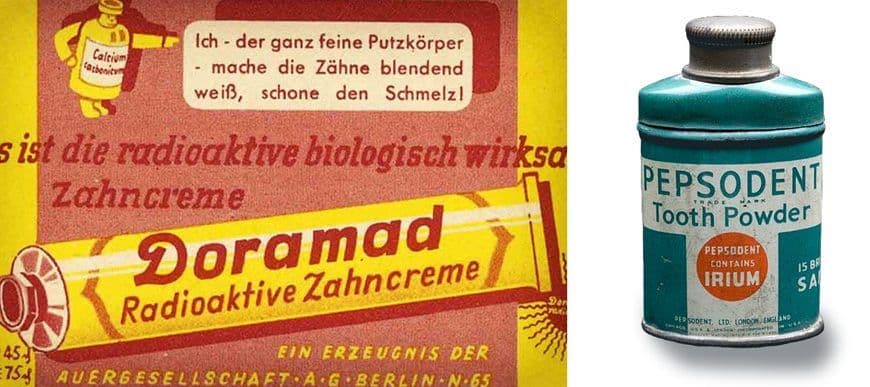
When We Brushed Our Teeth with Radioactive Toothpaste and Drank Coca-Cola with Cocaine
From radioactive toothpaste to cocaine-laced Coca-Cola and leaded gas, history is full of everyday products that quietly poisoned us all.

Techniques to light a good campfire on your camping day.
Camping tricks to light a campfire every time: the best tinder, surprising fuels like Doritos and gel, the volcano pyre, and fire without matches.

The miraculous malaria cure that became a gin and tonic
The malaria cure born from Andean cinchona bark became quinine, then tonic water, and finally the gin and tonic we still raise in our glasses.

The Men Who Carried Cuenca's Light on Their Shoulders
Electric light, the first car and even a protest jeep all reached Cuenca carried on human shoulders. The most epic isolation story in the Andes.

The strange parties to inhale anesthesia of the early 19th century
Nitrous oxide was one of the first effective anesthetics discovered, but it did not always have that important use.
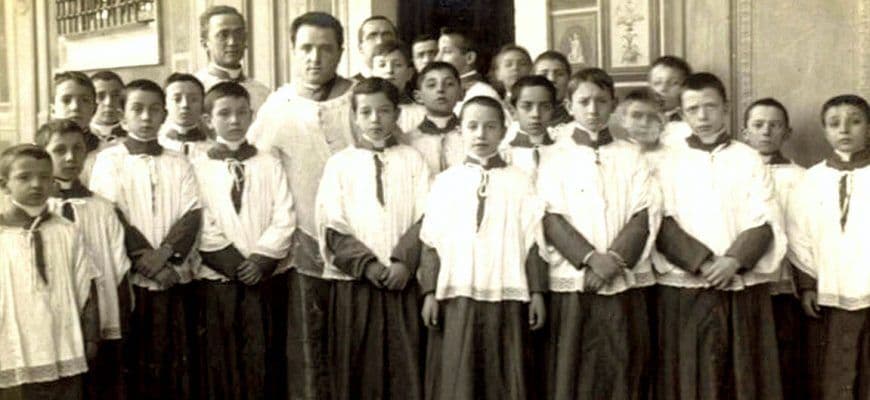
The Voice of the last Castrato. The only known recording of the famous singer Alessandro Moreschi.
Boys were castrated for centuries to keep their angelic voices, and one chilling recording lets you hear the very last of them sing before he died.
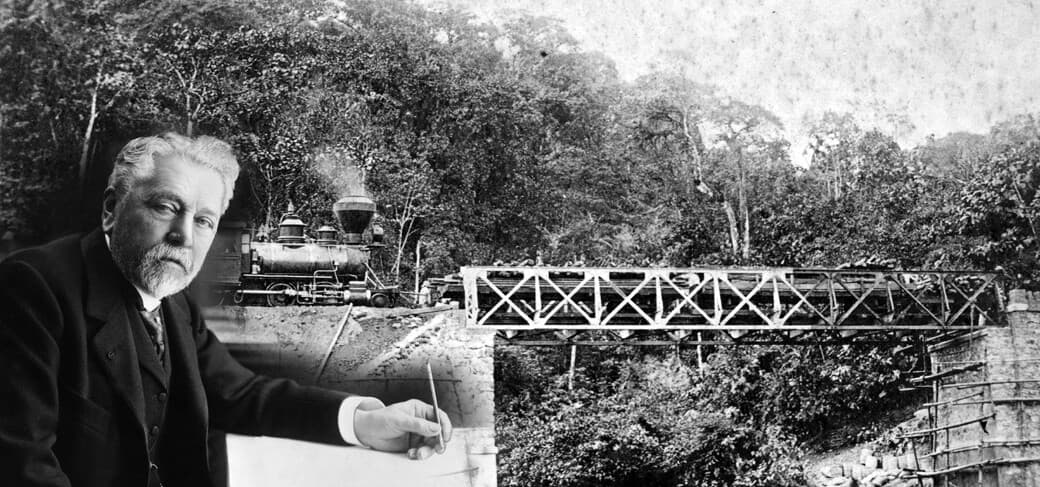
Looking for the lost Eiffel bridge in Ecuador
A forgotten Eiffel bridge built in Ecuador in 1886 sparks a real-life hunt to find whether the lost railway structure still survives today.
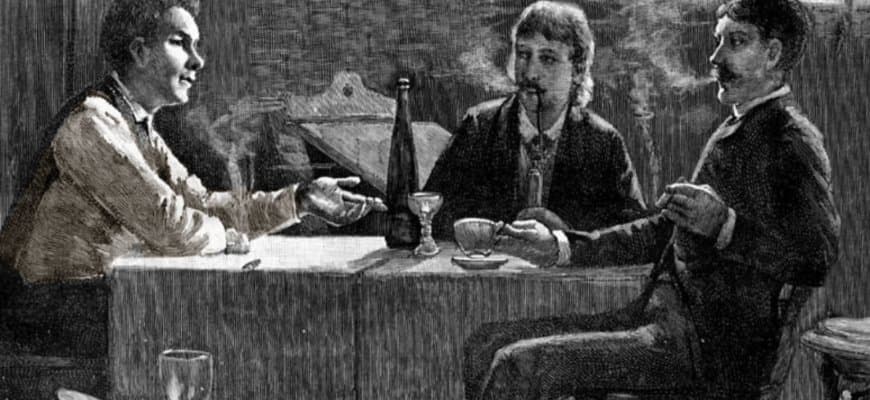
The almost unknown bet that changed the history of humanity.
A 40-shilling bet between Halley, Hooke and Wren one winter night in 1684 pushed a reclusive Newton to unveil gravity and change history forever.
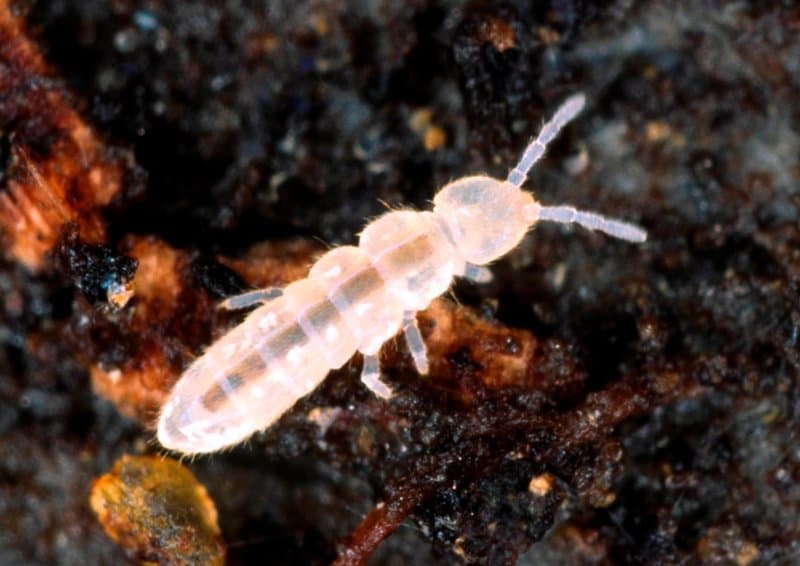
The most numerous animals on the planet are also the least known. The infamous case of krill and springtails.
The most numerous animals on Earth aren't ants or mosquitoes but krill and springtails, tiny creatures that quietly hold the food chain together.

The dance plague of 1518, the Pied Piper of Hamelin and the tarantulas
In 1518 Strasbourg, dozens danced themselves to death in a plague no one can explain, a mystery tangled with tarantulas and the Piper of Hamelin.
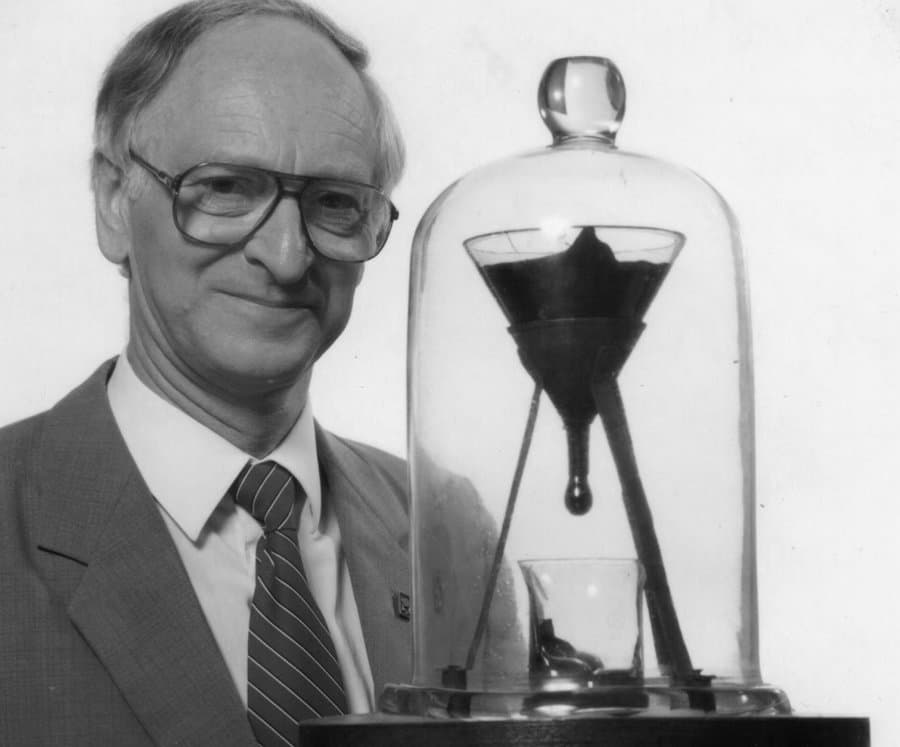
Mysteriously endless experiments. Can they work indefinitely? One of them has been in operation since the 19th century.
A bell ringing nonstop since 1840 and a tar drop falling once a decade: two stubborn experiments that have outlived the scientists who began them.
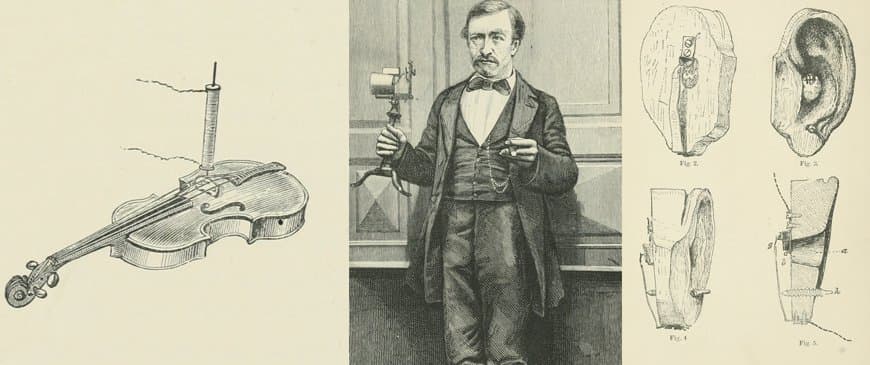
Who was the true inventor of the telephone? The controversy surrounding Graham Bell.
We credit Graham Bell with the telephone, but Meucci, Bourseul, and Reis got there first in a frantic race that Congress would rule on a century later.
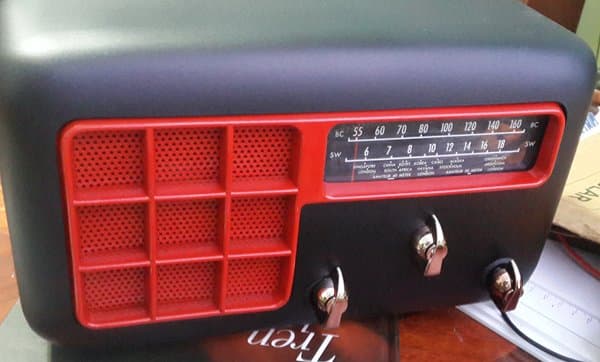
Converting an old radio into a tube guitar amp (vacuum tubes)
Turn a forgotten vacuum-tube radio into a real guitar amp and chase that warm, coveted tube sound that costs guitarists a fortune to buy.
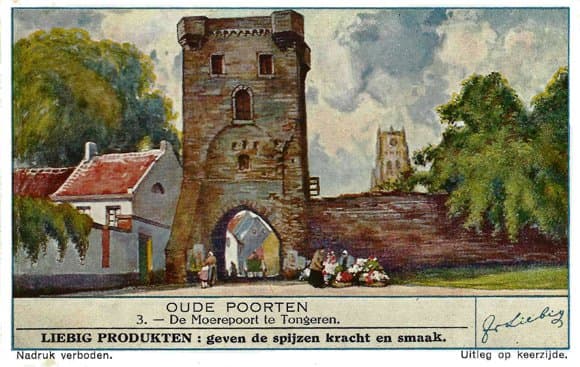
A 19th-Century Marketing Strategy: The Beautiful Collectible Cards of Liebig Meat Extract
A 19th-century marketing trick: how a meat extract turned a dreaded children's syrup into a craze with beautiful collectible art cards.
The MazinMaster Test: The test that will let you know if you are a Mazinger Z guru
The MazinMaster Test is a fiendish 20-question challenge to prove whether you truly are a Mazinger Z guru, devised by a council of 80s anime masters.
Our contextual reasoning doesn't always help
I couldn't recognize a familiar face at a distant airport for weeks, a true story revealing how much context shapes the way our brain reasons.
Snapple... are you sure about the penguins? Even big brands get it wrong.
A Snapple «real fact» under the cap claimed penguins are the only flightless swimming bird, so I set out to prove the brand wrong about the cormorant.
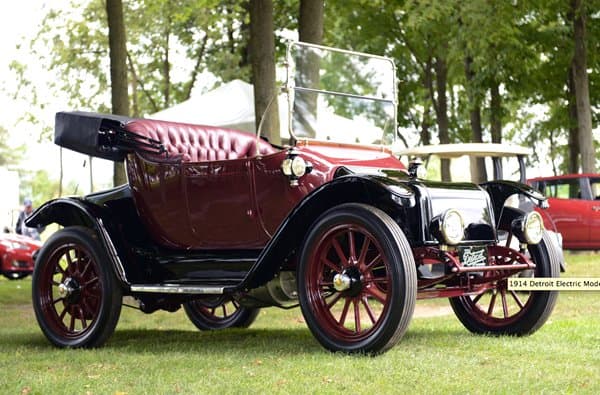
Electric vehicles, an invention that we forget, because of oil, but they have existed since the 19th century.
Electric cars aren't new: a 1927 guide reveals models from the 1890s with a 100-mile range, an invention oil made the world forget for a century.