
The Canal Was Built in Panama Thanks to a Postage Stamp
In June 1902, every U.S. senator received a Nicaraguan stamp showing a smoking volcano. Three days later, the canal went to Panama.
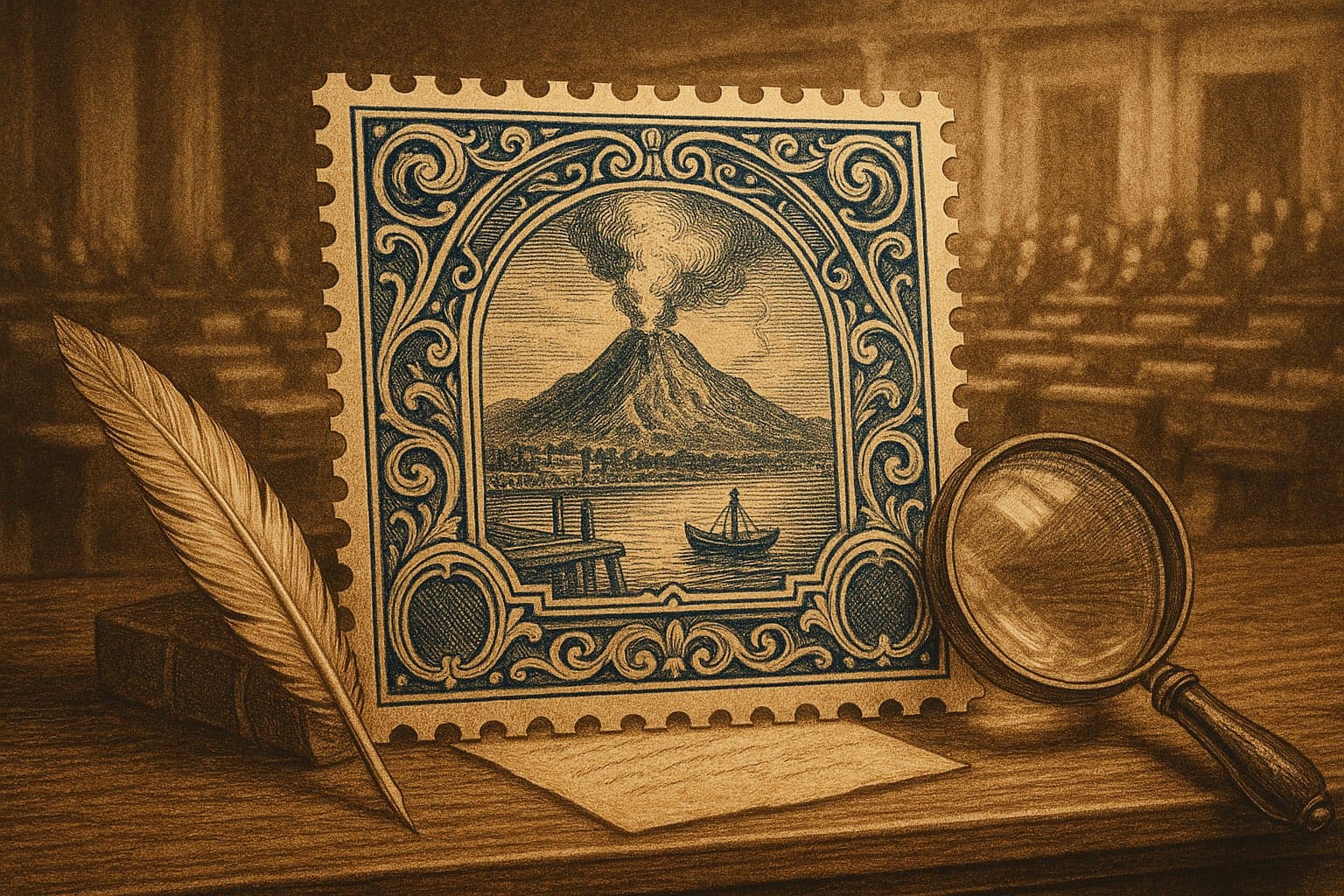
Today it seems inevitable that the interoceanic canal should be in Panama, but for half a century the favorite candidate was another: Nicaragua, with its “natural” route along the San Juan river and the great lake. In November 1901, the official commission of the United States government formally recommended the Nicaraguan route, and the House of Representatives approved it by a crushing majority. If you had placed a bet at that moment, you would have bet on Nicaragua. What bent history in the following months was a mixture of money, lobbying — and, in the final act, the smallest object ever to decide a work of engineering: a one-centavo postage stamp.
The most motivated salesman in the world
Pushing for Panama was Philippe Bunau-Varilla, a French engineer with an interest that was anything but sentimental: he was a shareholder of the company that had inherited the ruins of the French canal attempt —Lesseps' colossal failure— and he needed the United States to buy those assets. His first move was brutally effective: the company dropped the price of its rights and excavations from 109 to 40 million dollars, and the same commission that had recommended Nicaragua reversed itself in January 1902. Suddenly Panama was the cheap option. But the Senate remained divided, and Nicaragua remained the sentimental favorite.
The year volcanoes made the front pages
Then geology joined the campaign. On May 8th, 1902, Mount Pelée, on the Caribbean island of Martinique, obliterated the city of Saint-Pierre and killed some thirty thousand people in minutes — the worst volcanic catastrophe of the century. Volcanoes went from scientific curiosity to front-page terror. And it so happens that Nicaragua has a whole row of them, including Momotombo, of which reports of activity circulated that very year. The Nicaraguan government, smelling the danger to its canal, officially denied everything: there were no active volcanoes in Nicaragua, period.
Bunau-Varilla, who knew the country, remembered something delicious: in 1900 Nicaragua had issued a postage stamp proudly showing Momotombo smoking majestically behind a wharf. The country was denying in its diplomatic dispatches what it celebrated on its own mail. The Frenchman scoured the stamp dealers of Washington, bought ninety copies, pasted each one on a sheet and sent it to every United States senator with a dry caption: “An official witness of the volcanic activity of Nicaragua.” It was June 16th, 1902. Three days later, the Senate chose Panama: 42 votes to 34.
Was it really the stamp?
This series has a habit of distrusting perfect stories, so let's be honest: historians consider the stamp the final flourish, not the sword. The decisive factors were the 69-million-dollar discount, the tireless lobbying, and Senator Hanna's speech with his volcano maps. It may be that not a single senator changed his vote over a stamp. But the margin was eight votes, the image of the smoking volcano arrived three days before the vote, in the very year a Caribbean volcano had just killed thirty thousand people — and the stamp was, unlike the speeches, evidence issued by the accused itself. At minimum, it was the best-executed coup de théâtre in parliamentary history.
The rest is well known, and we have brushed against it before on this blog: Colombia rejected the treaty, Panama declared independence in 1903 with American blessing, the canal opened in 1914 and even lent its name to an Ecuadorian hat. Nicaragua was left waiting for a canal that, more than a century later, is still being promised to it every few years. And Momotombo is still there, smoking now and then — the only volcano in the world that appears in history books not for its eruptions but for its philatelic career. The Darién had already proved that this strip of land could bankrupt countries; in 1902 it proved it could also choose them.
References
- David McCullough, The Path Between the Seas: The Creation of the Panama Canal, 1870–1914, New York, Simon & Schuster, 1977. simonandschuster.com
- David McCullough, The Path Between the Seas: The Creation of the Panama Canal, 1870–1914, Simon & Schuster, 1977 (June 1902 Senate vote). simonandschuster.com
- "H.R. 3110… (Spooner Act), June 18, 1902", U.S. Capitol Visitor Center / National Archives and Records Administration. visitthecapitol.gov
Categories
The books · born from this blog
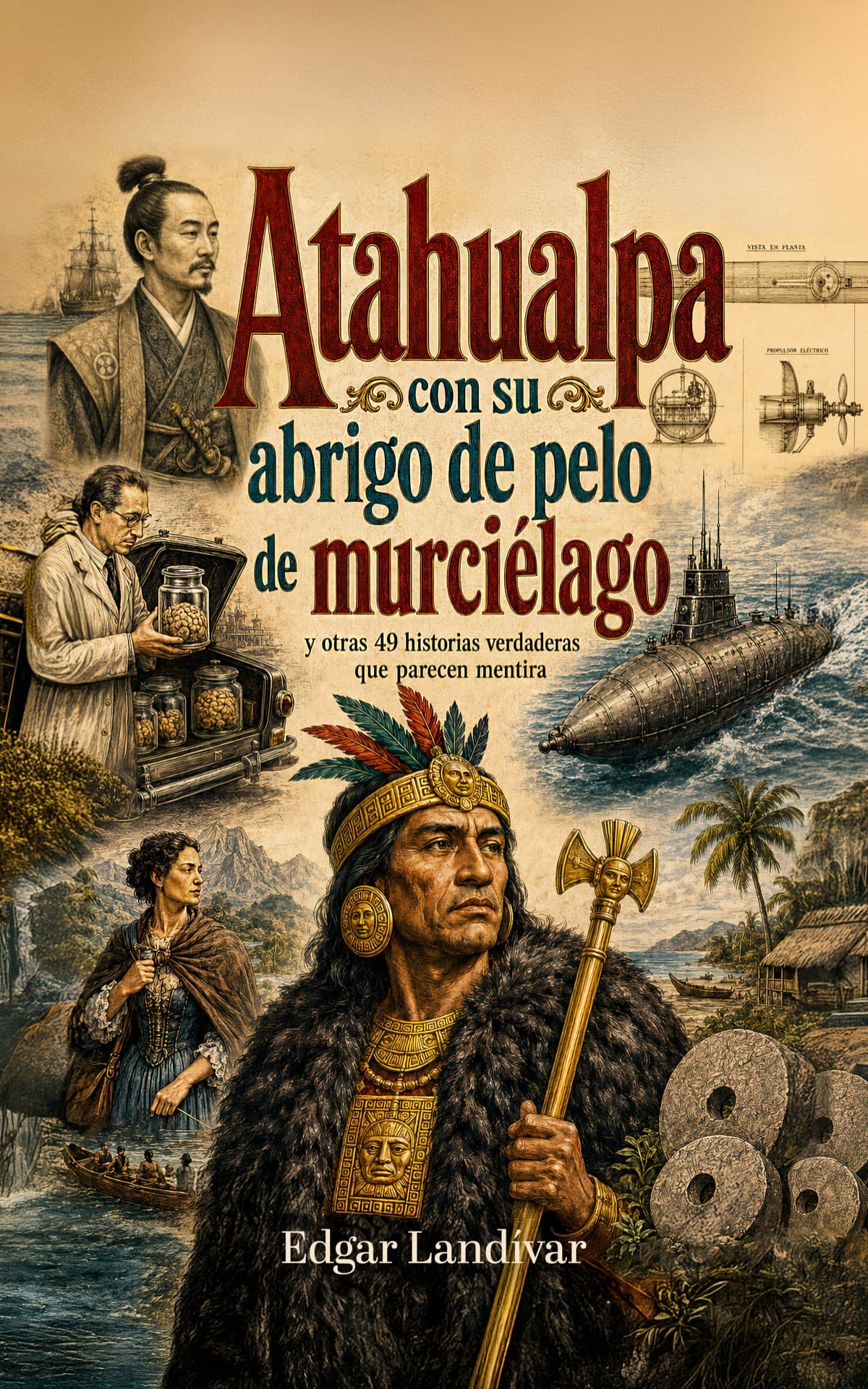
Atahualpa con su abrigo de pelo de murciélago
y otras 49 historias verdaderas que parecen mentira
Available on Amazon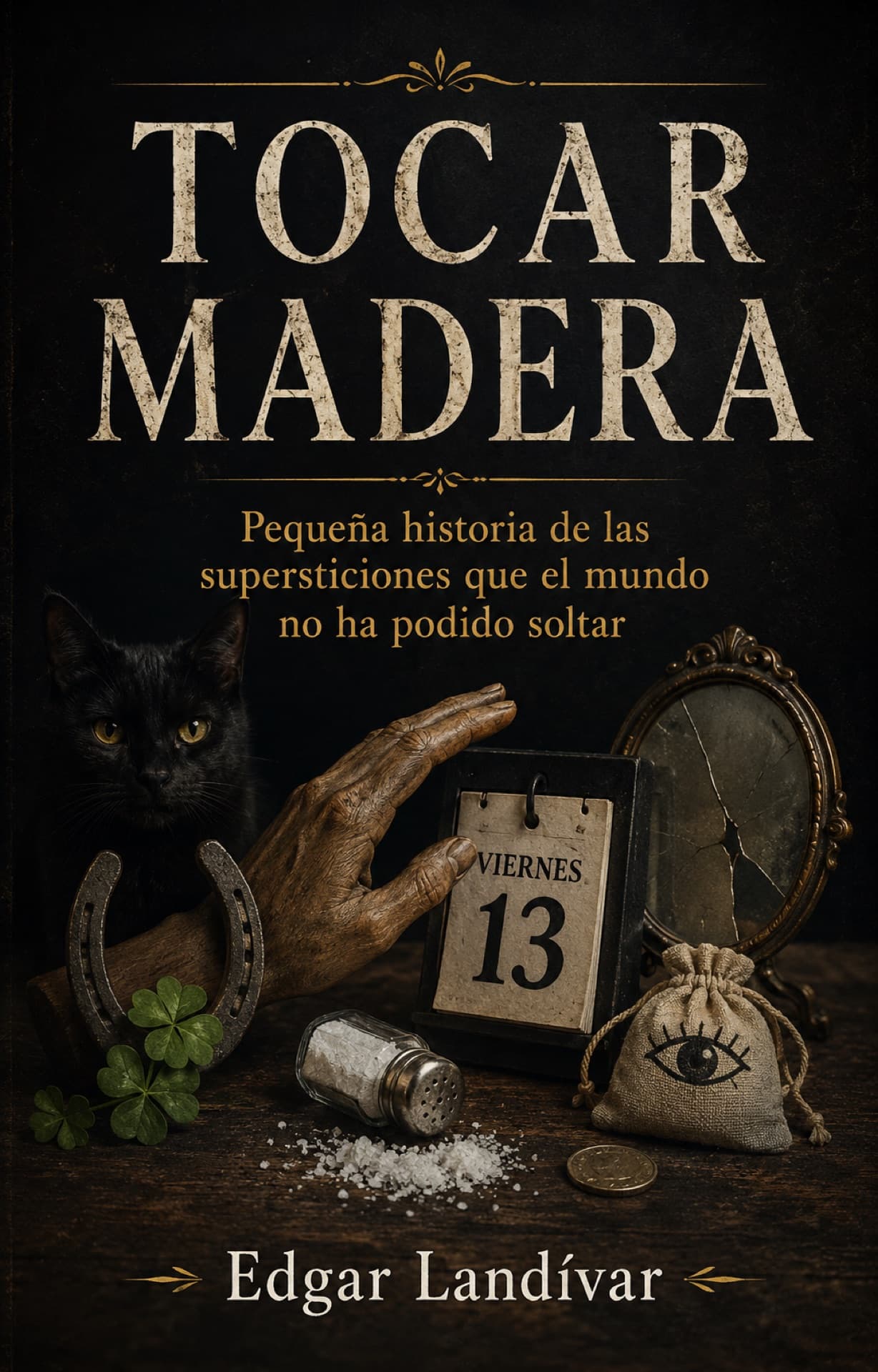
Tocar madera
Pequeña historia de las supersticiones que el mundo no ha podido soltar
Available on Amazon
100 futuros
Cien escenarios del mundo que viene con la inteligencia artificial
Available on AmazonYou may also like
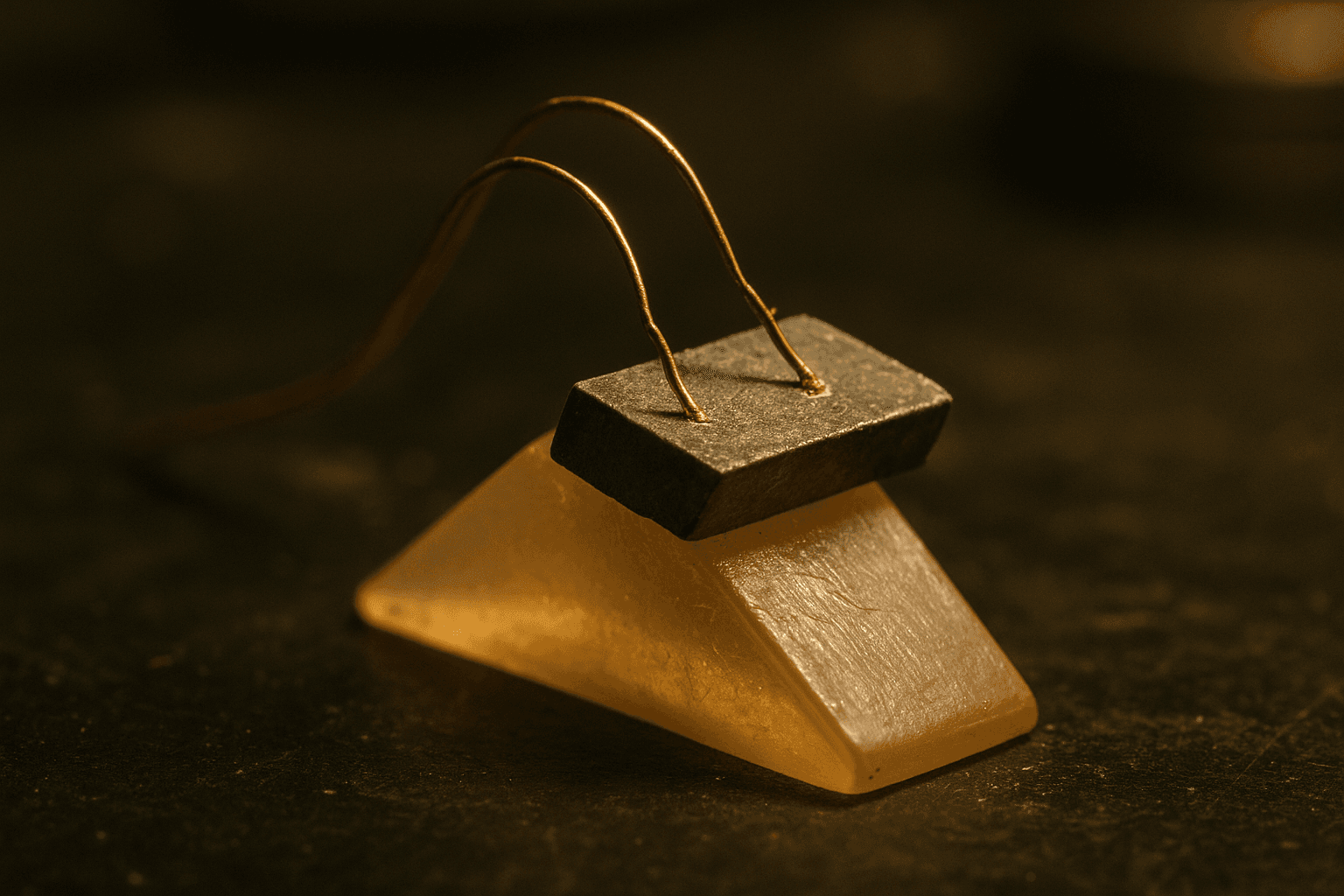
The Transistor: The Tiny Switch That Built the Digital Age
In 1947, three Bell Labs physicists invented the transistor and shrank electronics forever. The story of the tiny switch that built the digital age.
Why Is the Panama Hat Called Panama If It Was Born in Ecuador?
The world's most famous hat is woven in Montecristi and Cuenca, yet it bears another country's name. The story of a stylish injustice.
The history of the stethoscope and Laennec's modesty
In 1816 a French doctor felt too awkward to press his ear to a patient's chest, so he rolled up paper — and the stethoscope was born.