
Category
Etymology
74 articles
The origin of words: surprising stories behind terms like defenestrate, boycott, cocolon or pelucon.

Placebo: the Latin word that means «I shall please»
«Placebo» means «I shall please» in Latin and began as a medieval funeral chant. Here is how it jumped from the church to medicine and its famous effect.

The Origin of the Word “Quarantine”: 40 Days in Venice
Where does the word quarantine come from? From the 40 days that Venice and Ragusa forced ships to wait during the Black Death. Here is its story.
Why Money Is Called “Plata” in Latin America
Why do so many Latin Americans call money “plata” (silver)? The answer lies in a metal, the mountain of Potosí, and coins that once circled the whole globe.
The Origin of the Word “Dollar”: a Bohemian Valley
Where does the word dollar come from? From a silver-mining valley in Bohemia and a 16th-century coin. The story of the thaler that conquered the world.

The Origin of the Word “Pixel”: Born in Space
Where does the word pixel come from? It joins pix (picture) and element, and was first published in 1965 at NASA to describe images from probes to the Moon and Mars.

Why Computer Files Are Called Files
The digital file inherits its name from a real office: papers strung on a thread. From the Latin filum to the file system, this is the story of the file.

The Origin of the Word “Museum”: House of the Muses
Where does the word museum come from? From mouseion, the temple of the Greek Muses and the great center of learning in Alexandria, long before glass cases.
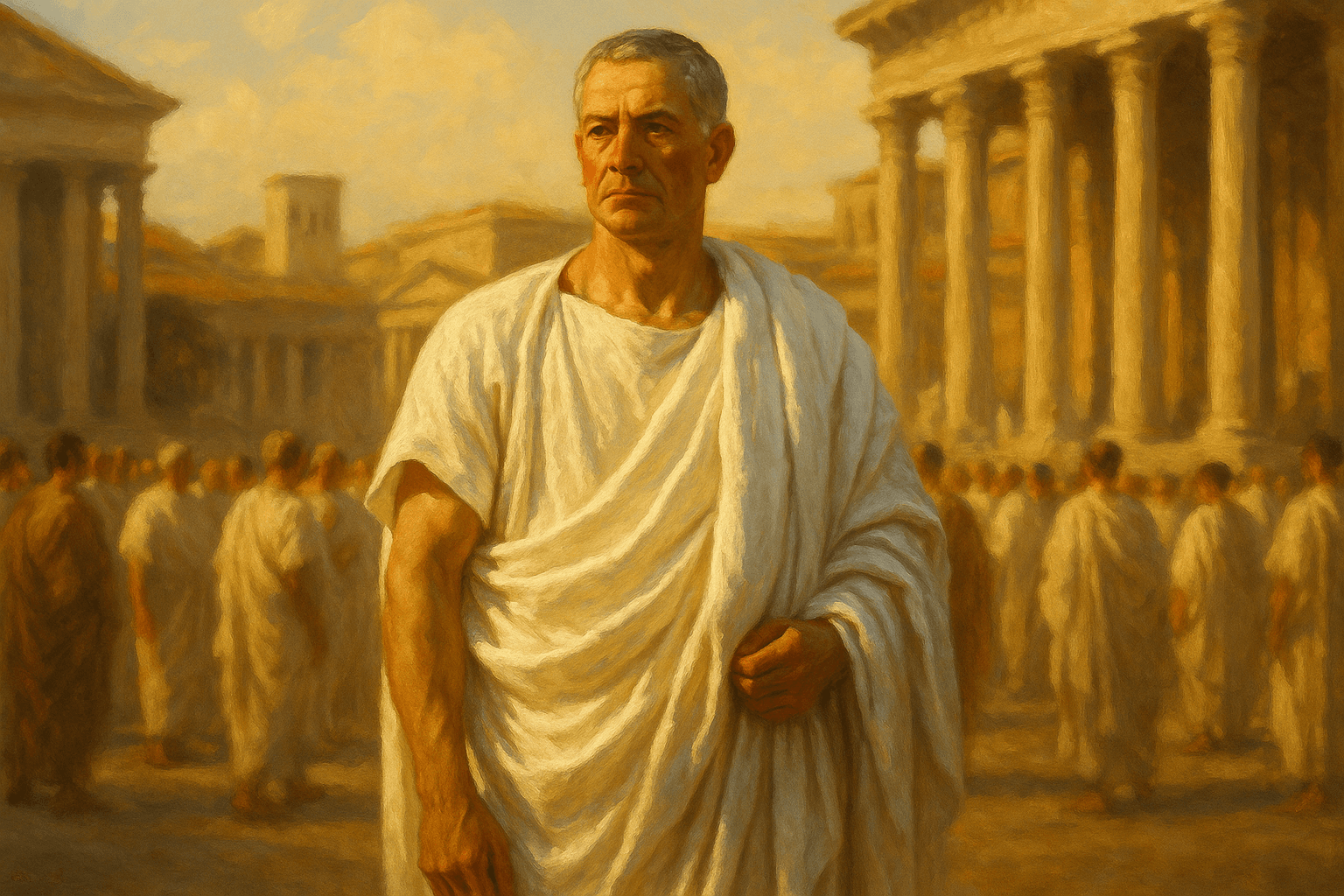
The Origin of the Word “Candidate”: Togas and Chalk
Where does the word candidate come from? From the chalk-whitened toga that Roman office-seekers wore to look pure before the voters.
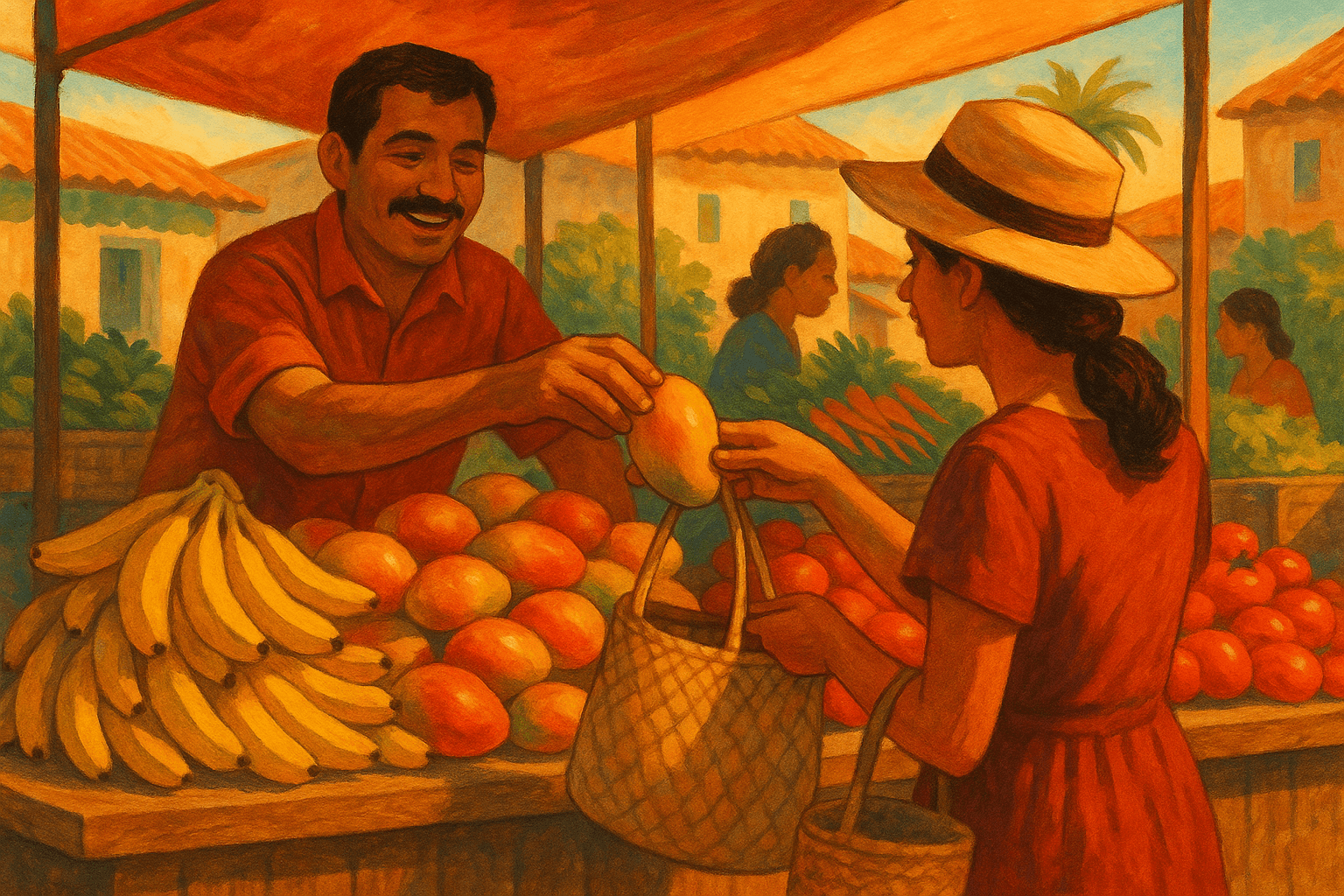
The Origin of “Ñapa”: From Quechua to Lagniappe
Where does the word ñapa come from? From Quechua yapa, “something added.” The story of the market freebie that traveled to Louisiana and became lagniappe.

The Origin of the Word “Disaster”: A Bad Star
Where does the word disaster come from? From astrology: dis- “bad” plus astrum “star.” A disaster was, literally, the fault of an ill-placed star.

The Origin of “Ojalá”: God Willing, in Arabic
Where does the Spanish word ojalá come from? From Andalusi Arabic law šá lláh, “if God wills it.” A Muslim prayer hidden inside everyday Spanish.
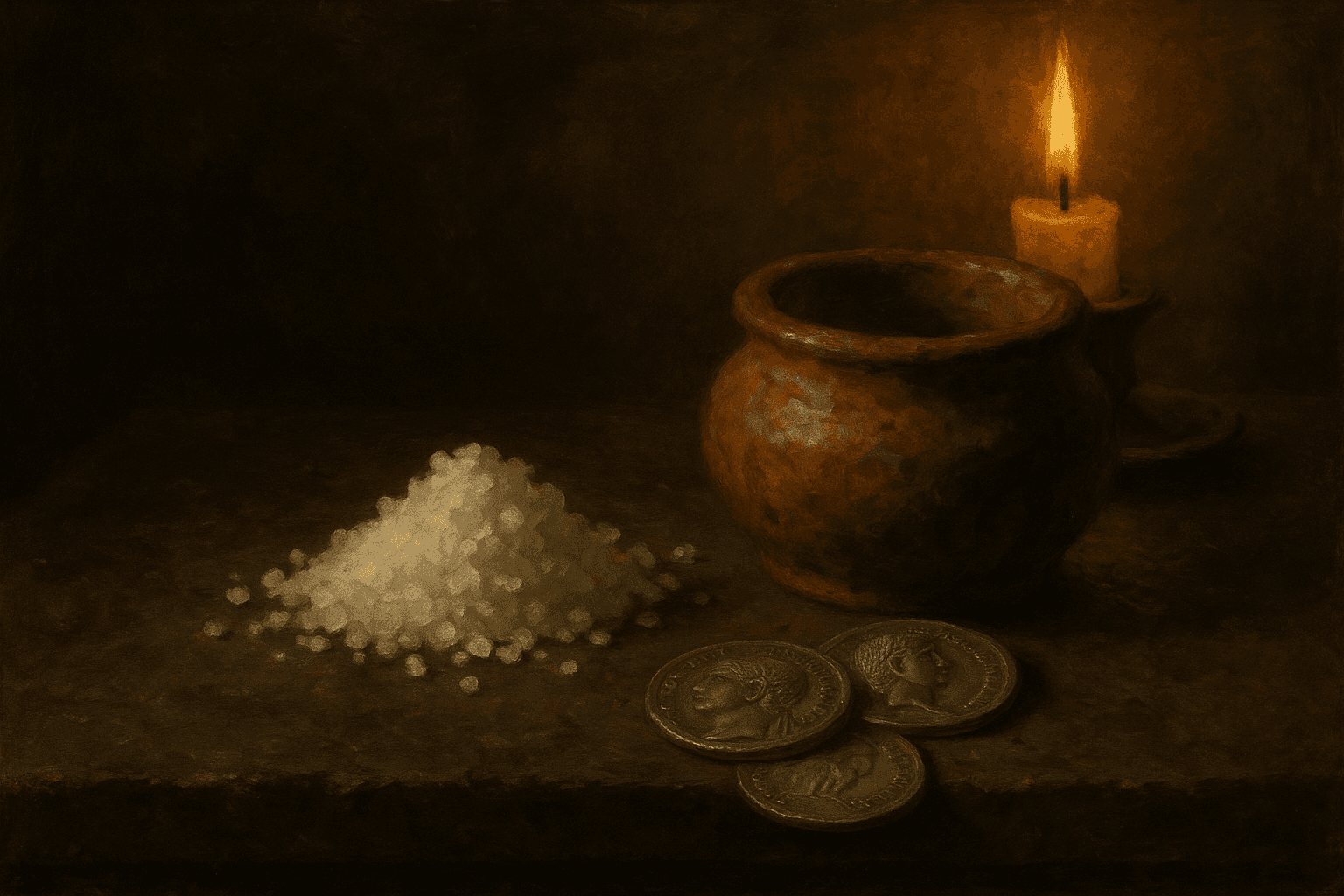
The Origin of the Word “Salary”: Salt and Soldiers
Where does the word salary come from? From Roman salt. But the idea that soldiers were paid in salt is more myth than actual history.
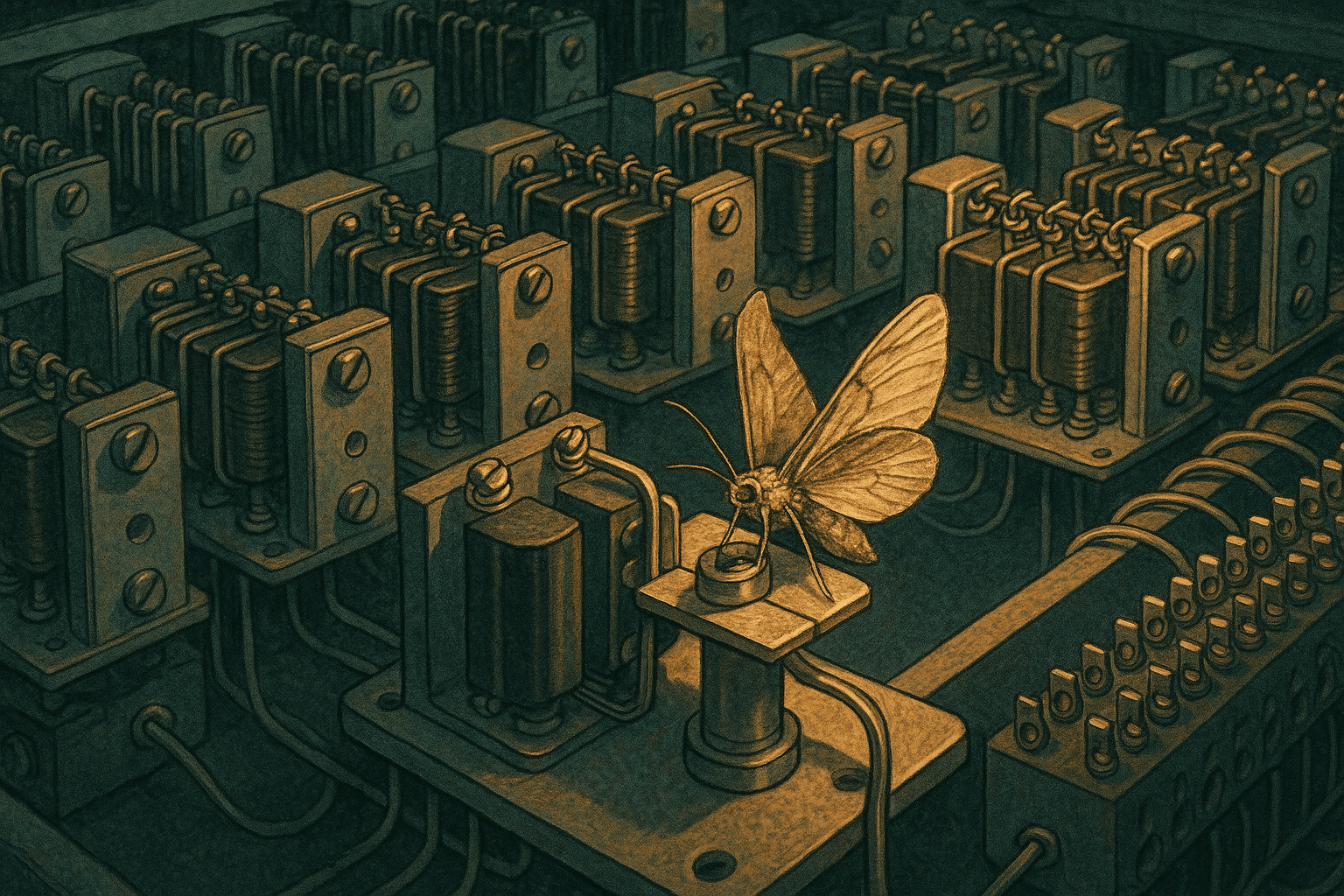
Grace Hopper and the True Origin of the Computer Bug
On September 9, 1947 a moth got stuck in the Mark II. But Grace Hopper didn't coin the word bug: Edison was already using it back in 1878.
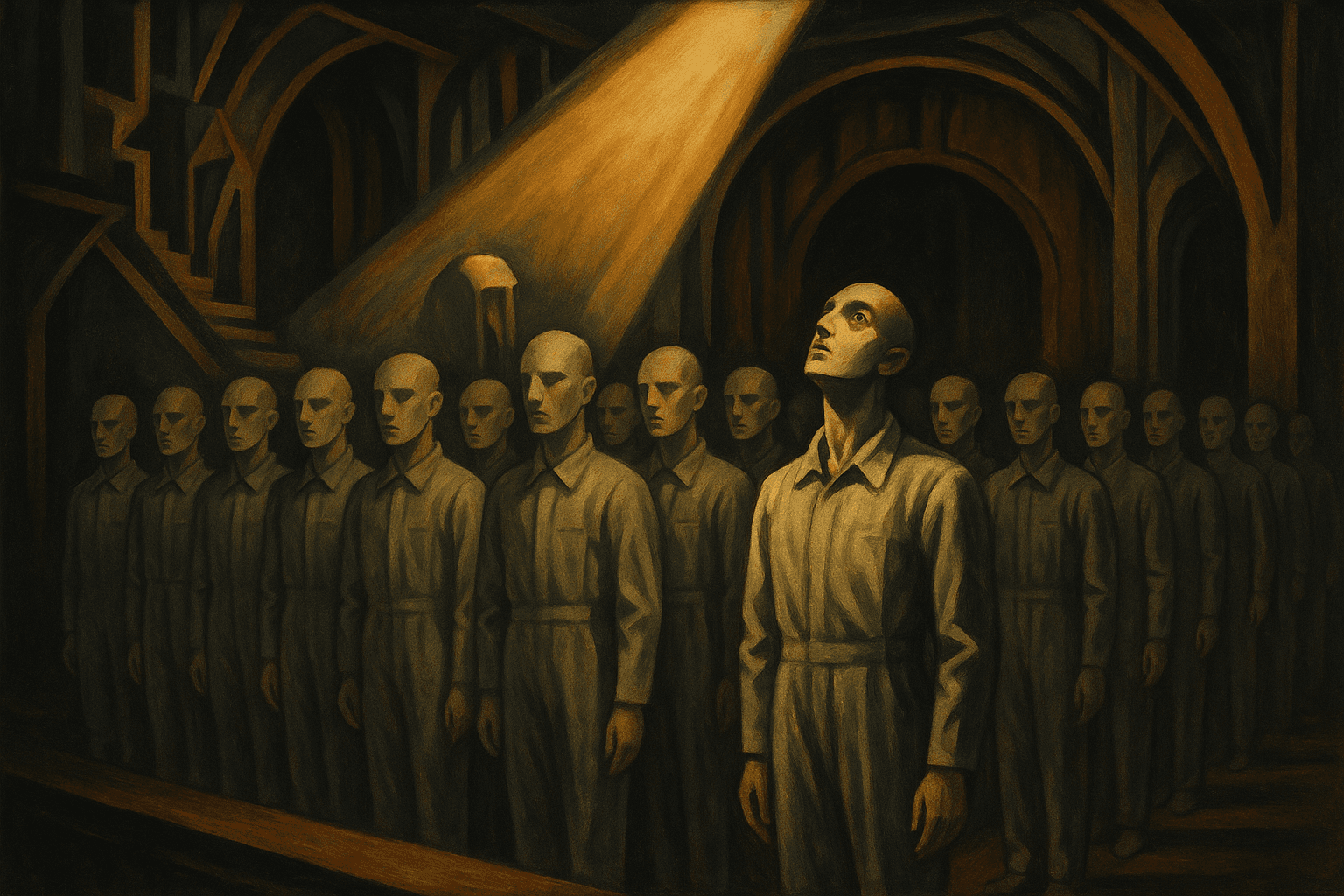
The Origin of the Word “Robot”: Born in a Czech Play
Where does the word robot come from? Czech writer Karel Čapek coined it in 1920 from robota, forced labor; and the idea was actually his brother Josef's.
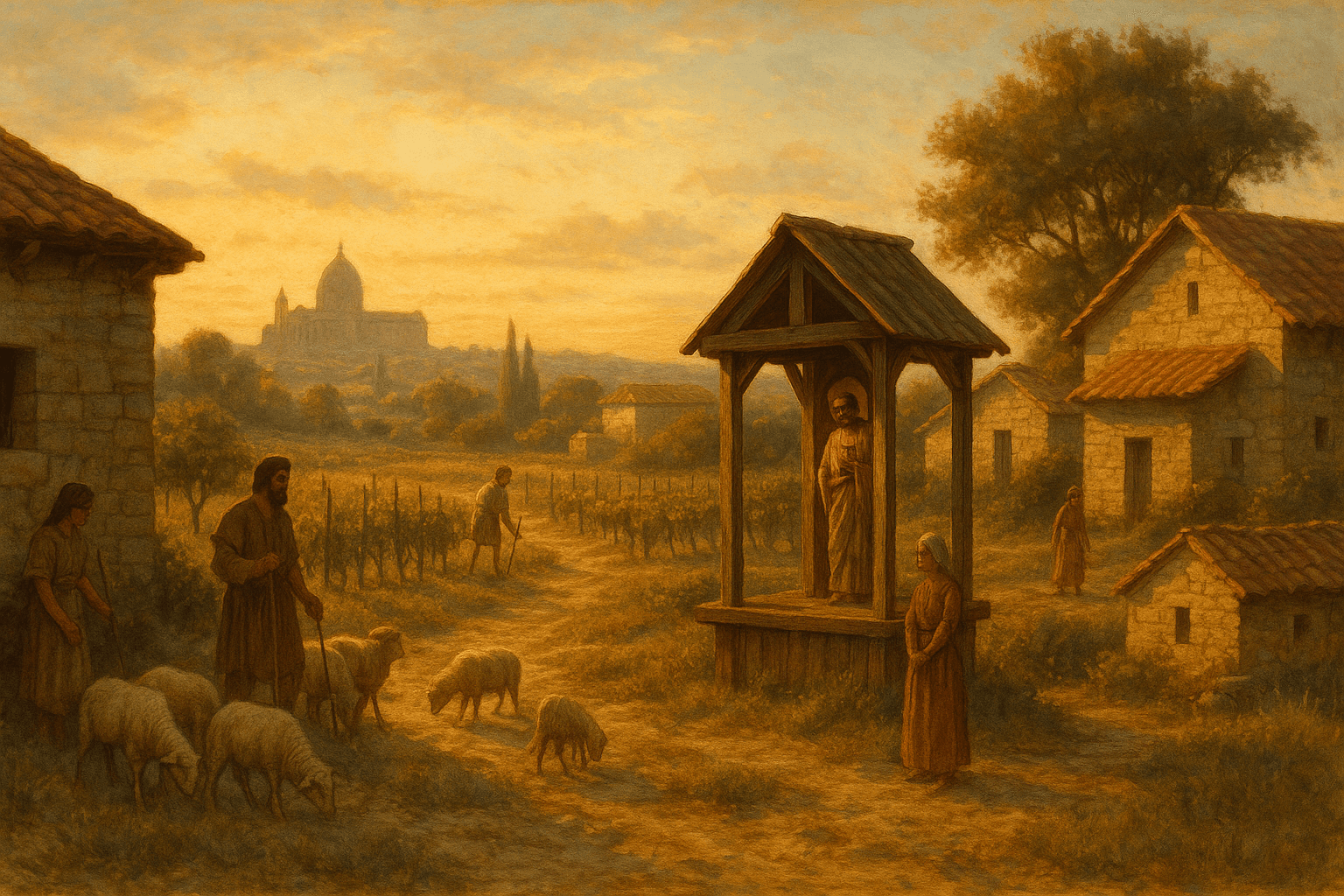
The Origin of the Word “Pagan”: From Villager to Heathen
Where does the word pagan come from? From Latin paganus, villager: the country folk who kept the old gods after the cities had turned Christian.
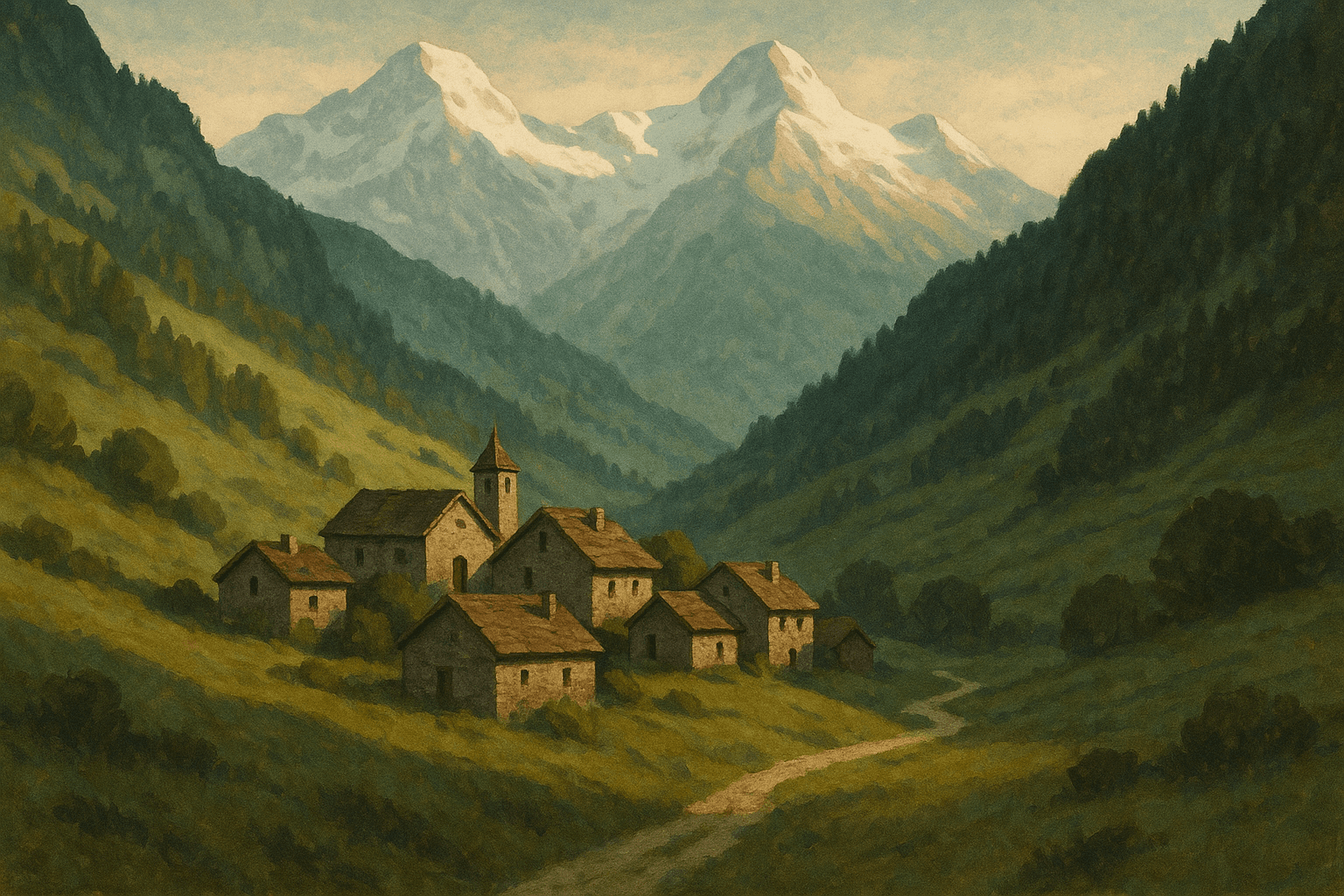
The Origin of the Word “Cretin”: From Christian to Insult
Where does the word cretin come from? From Latin christianus: it named the goitre sufferers of the Alps, a reminder that they were still people.

The Origin of “OK”: The World's Most Famous Abbreviation
Where does “OK” come from? The world's most-used word was born in 1839 as a newspaper joke in Boston: an abbreviation of “oll korrect.”

Cancha: from Inca enclosure to soccer field
«Cancha» comes from the Quechua kancha, the walled enclosure of the Incas. Here is how it went from temples and corrals to naming soccer fields across half the world.

Condor, puma and pampa: the Quechua we speak
Condor, puma and pampa come from Quechua, the language of the Incas. Here is how these and other Andean words reached Spanish, English and everyday speech.
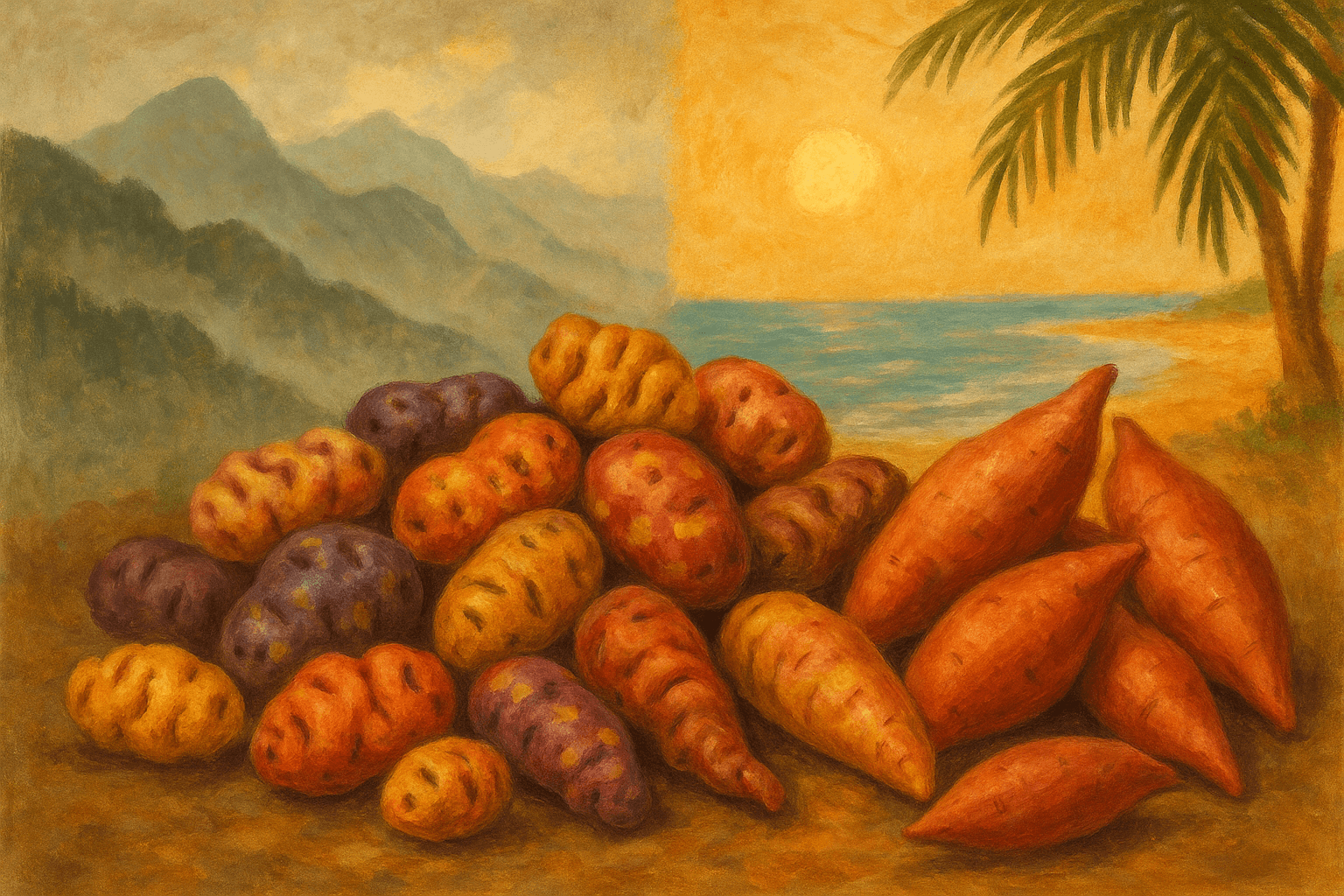
Potato, papa and batata: the great tuber mix-up
«Papa» comes from Andean Quechua and «batata» from Caribbean Taíno: two unrelated tubers that Europe blended into one word, potato.
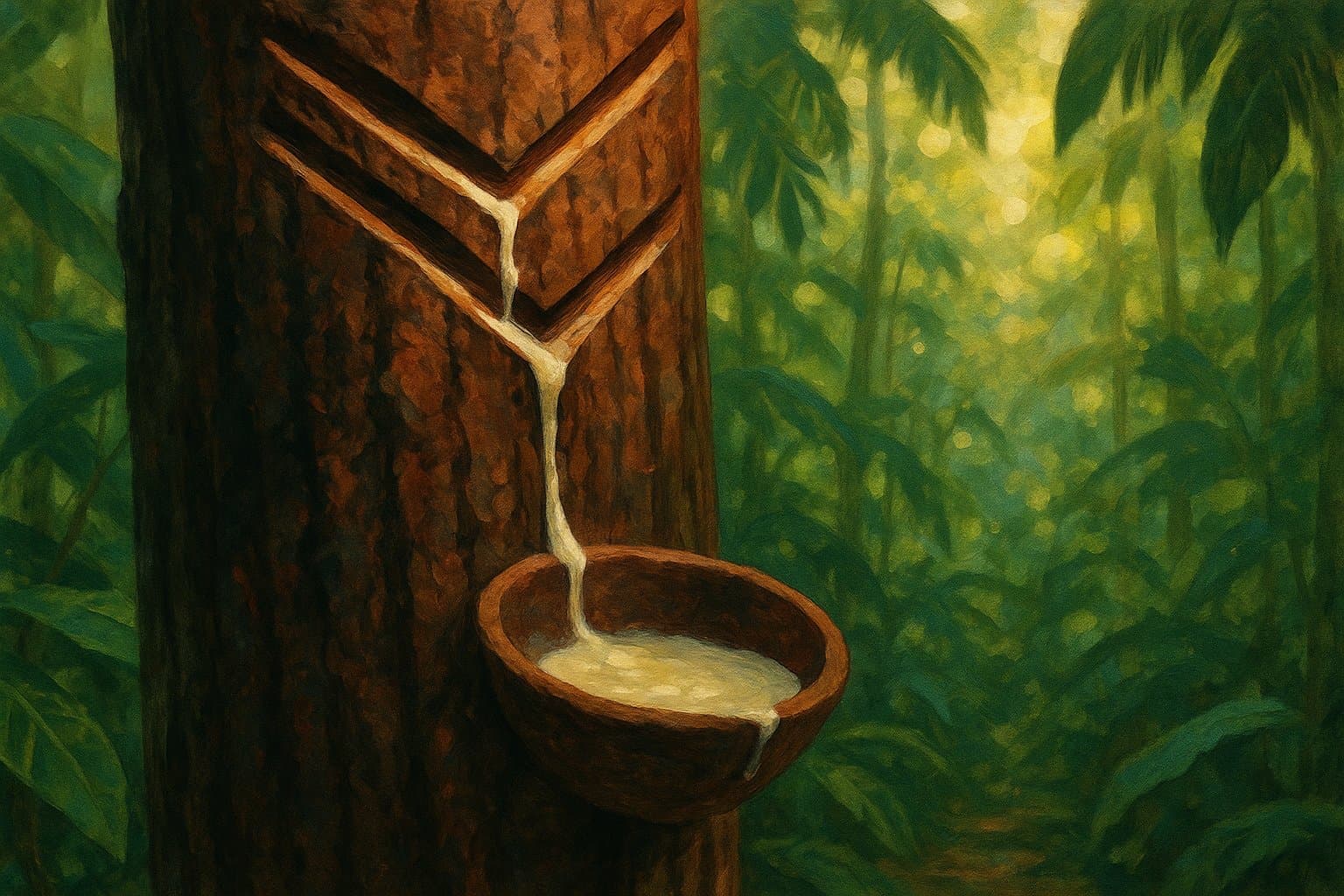
Chicle: the Maya resin behind your chewing gum
Chewing gum wasn't born in a factory: chicle was tree sap the Maya and Aztecs chewed for centuries before Wrigley ever wrapped it in pink paper.
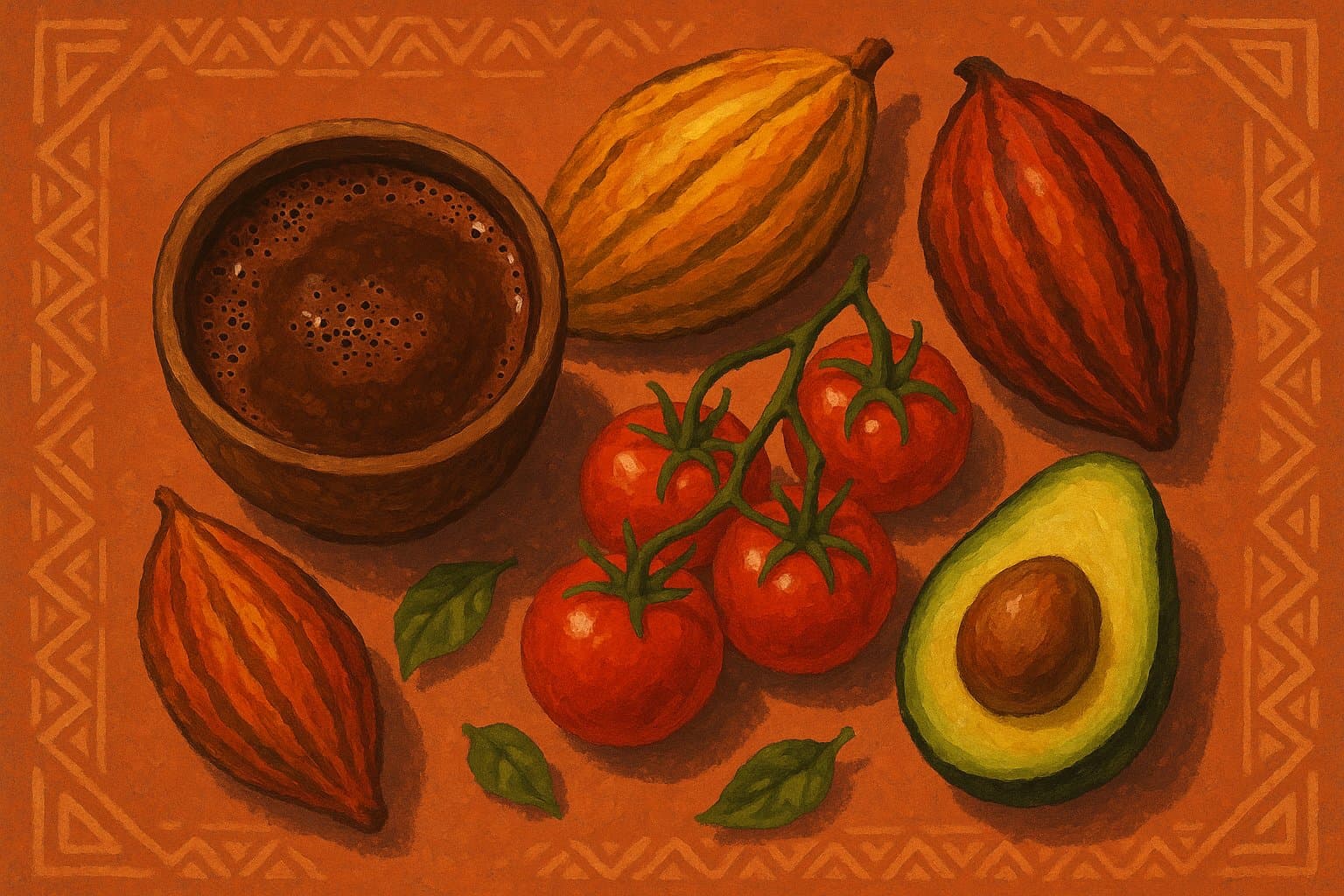
Chocolate, tomato, avocado: the Nahuatl we eat every day
Chocolate, tomato and avocado were born in Nahuatl, the language of the Aztecs. Here is how the words we eat every day reached your table and English.
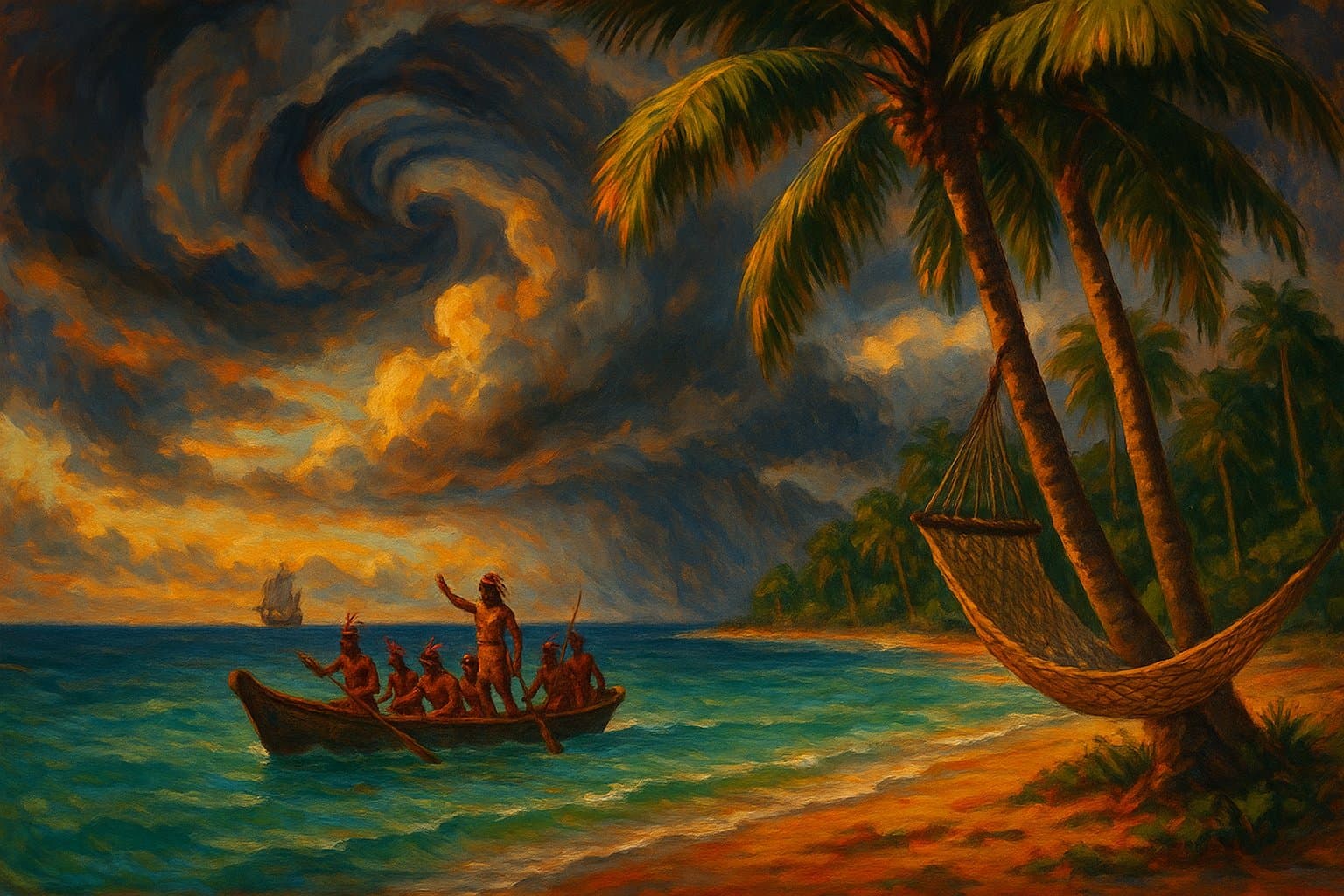
Hurricane, hammock, canoe: the first American words
Canoe, hurricane and hammock were the first words the Americas gave to Spanish and English. All three were born in Taíno, a now-extinct Caribbean tongue.
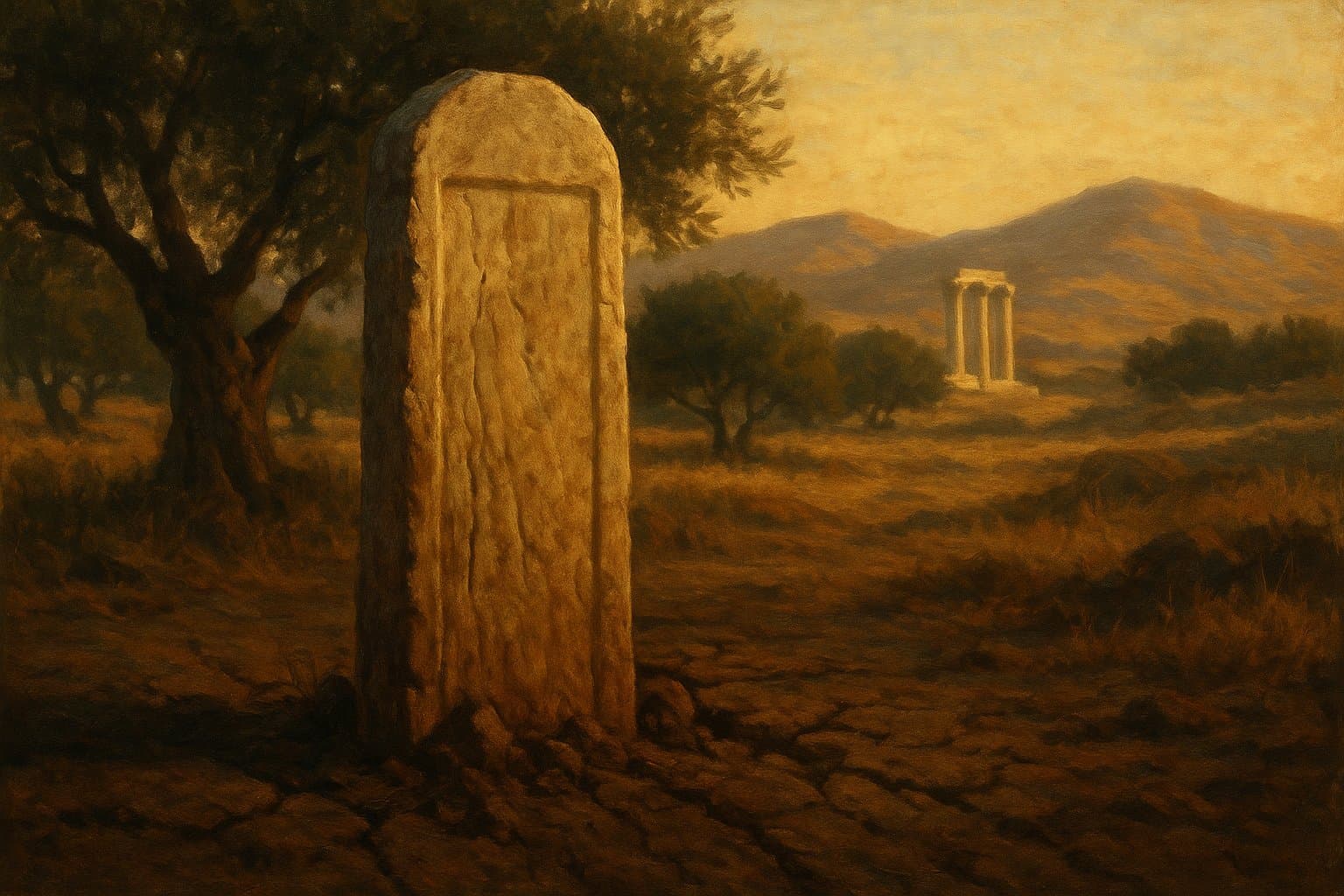
The Origin of the Word “Mortgage”: the Debtor’s Stone
Where does the word mortgage come from? From a French “dead pledge” and, further back, a Greek stone driven into a debtor’s land to mark the debt.

Dog Days: the Sky-Dog That Brings the Heat
Where do the 'dog days' come from? From Latin canicula, 'little dog': the name of Sirius, the Dog Star the Romans blamed for summer's fiercest heat.
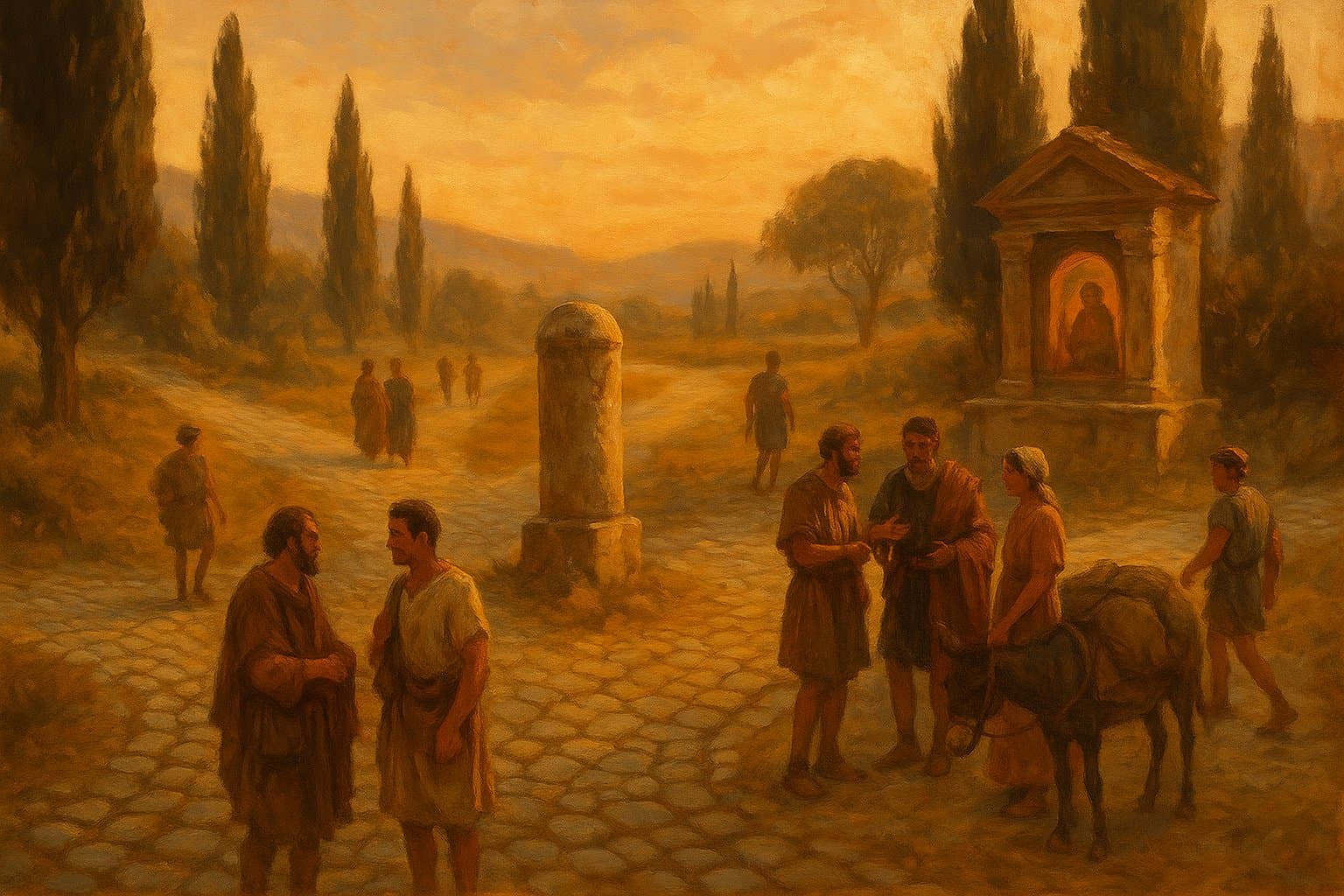
The Origin of the Word “Trivial”: Where Three Roads Met
Where does the word trivial come from? From Latin trivium, the meeting of three roads where people gathered to chat about common, everyday things.
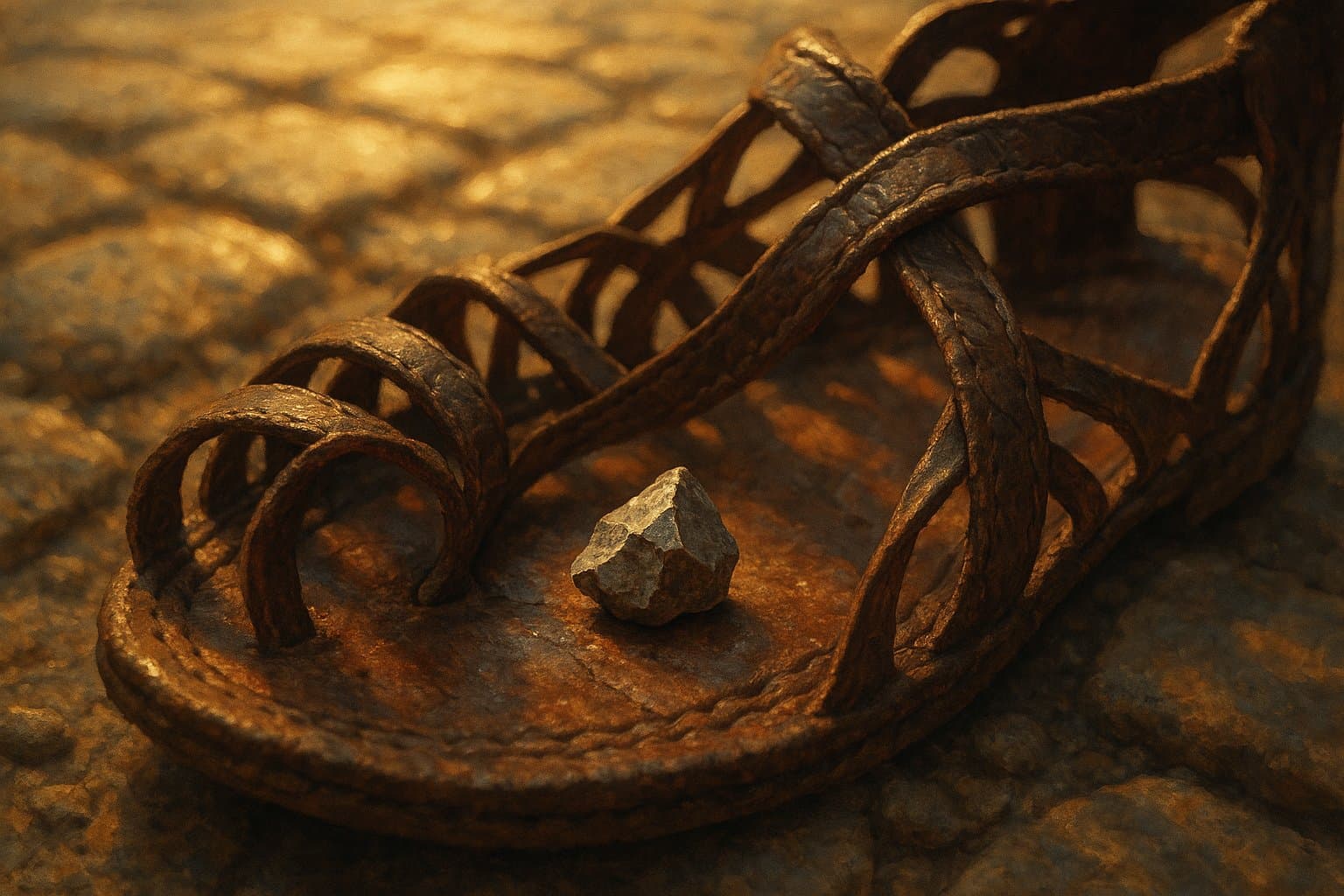
The Origin of the Word “Scruple”: a Pebble in the Shoe
Where does the word scruple come from? From Latin scrupulus, the sharp little pebble that lodged in a Roman sandal and would not let you walk on.
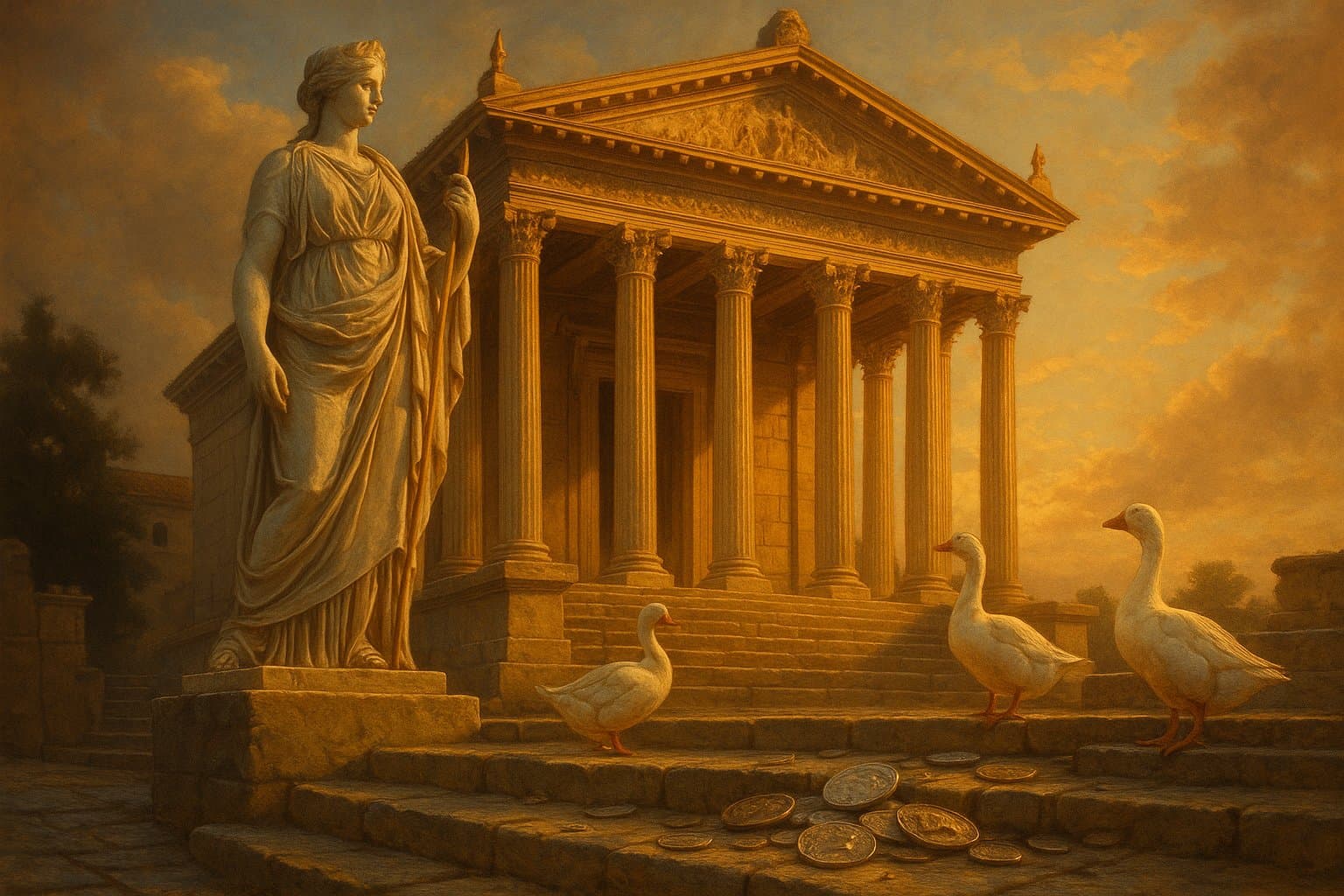
The Origin of the Word “Money”: the Goddess Juno
Where does the word money come from? From a temple of Juno in Rome where the first coins were struck. The story of a goddess who warned.
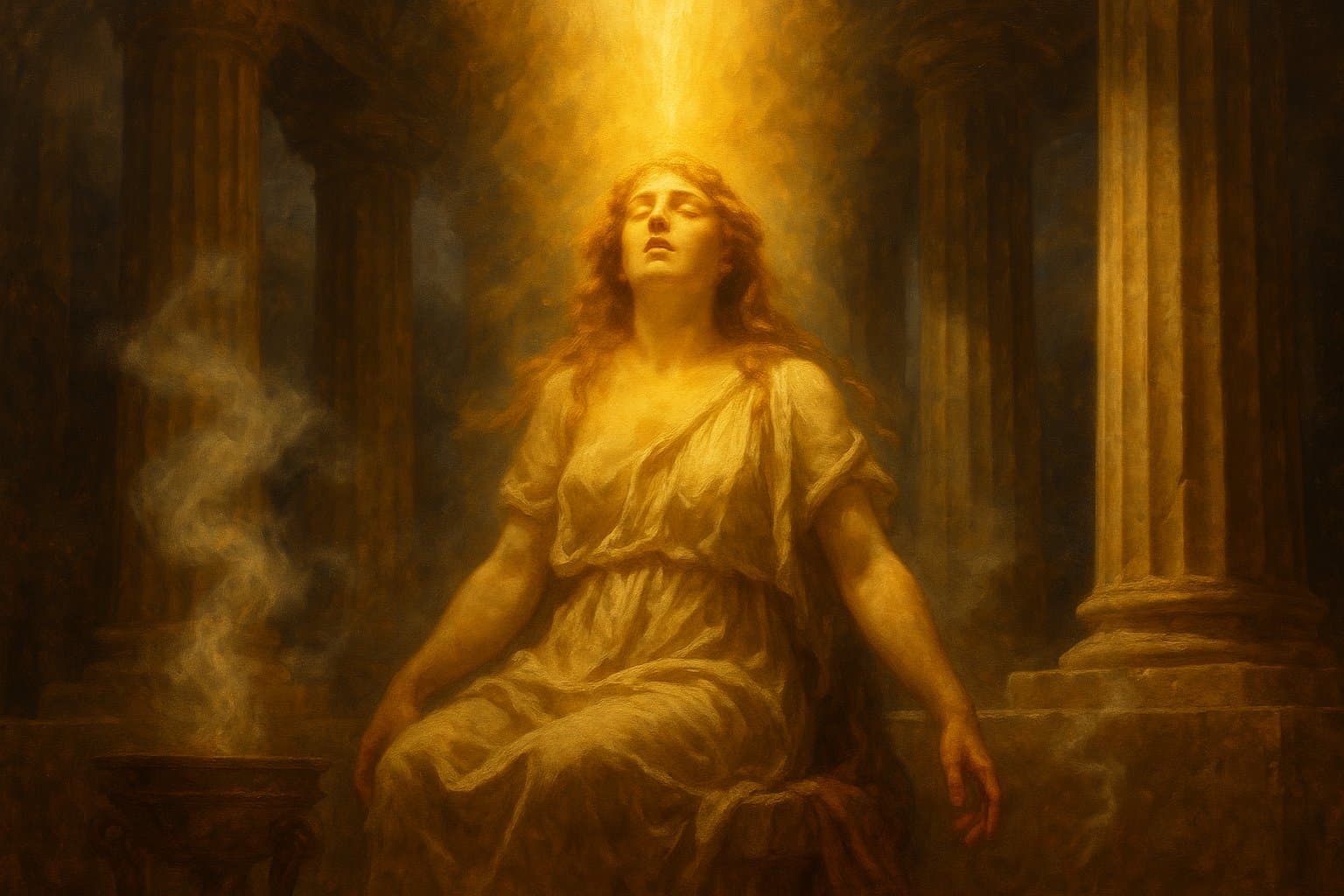
The Origin of the Word “Enthusiasm”: A God Within
Where does enthusiasm come from? To the Greeks, enthusiasm meant having a god inside your body. The story of a word that began as sacred possession.
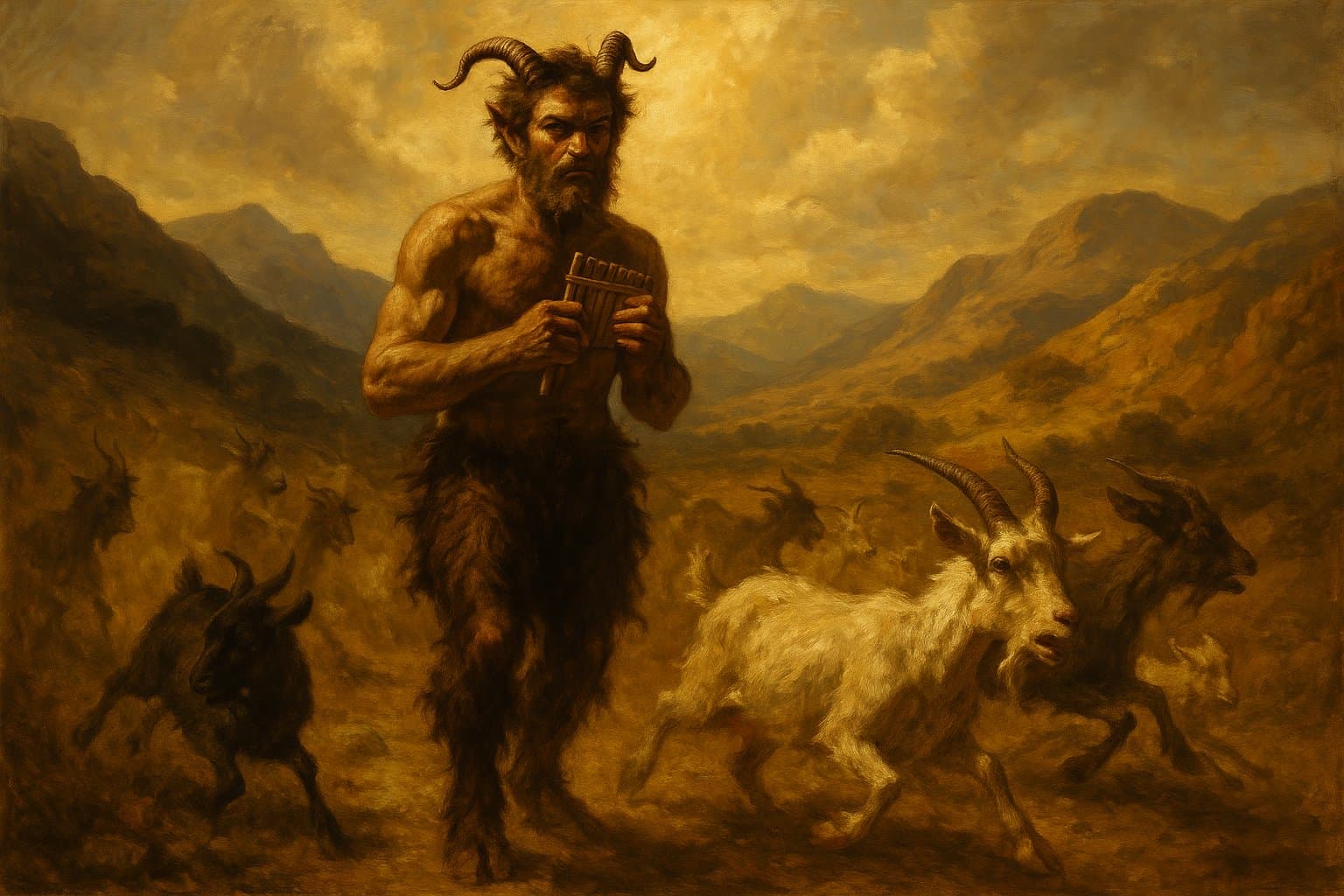
Panic: the god who terrified shepherds at high noon
The word “panic” comes from the god Pan, who struck shepherds and armies with a sudden, causeless fear. This is the story behind the terror.
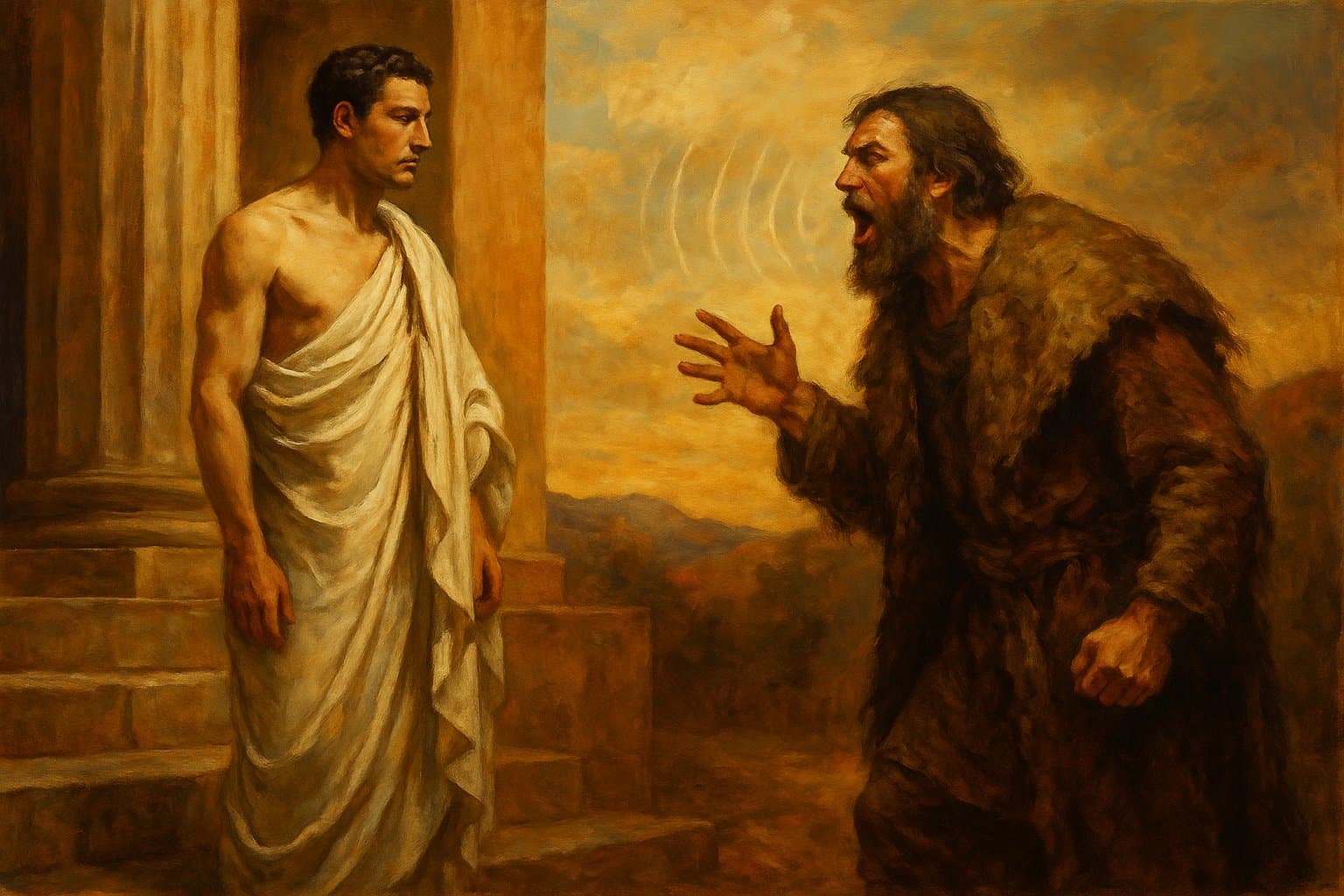
The Origin of the Word “Barbarian”
Where does barbarian come from? To Greek ears, foreigners who didn't speak Greek just went “bar bar”. The story of a word that changed meaning.

The origin of the word gas: the alchemist and chaos
The word «gas» was invented by a 17th-century alchemist from the Greek «chaos». How one man single-handedly named an entire state of matter.
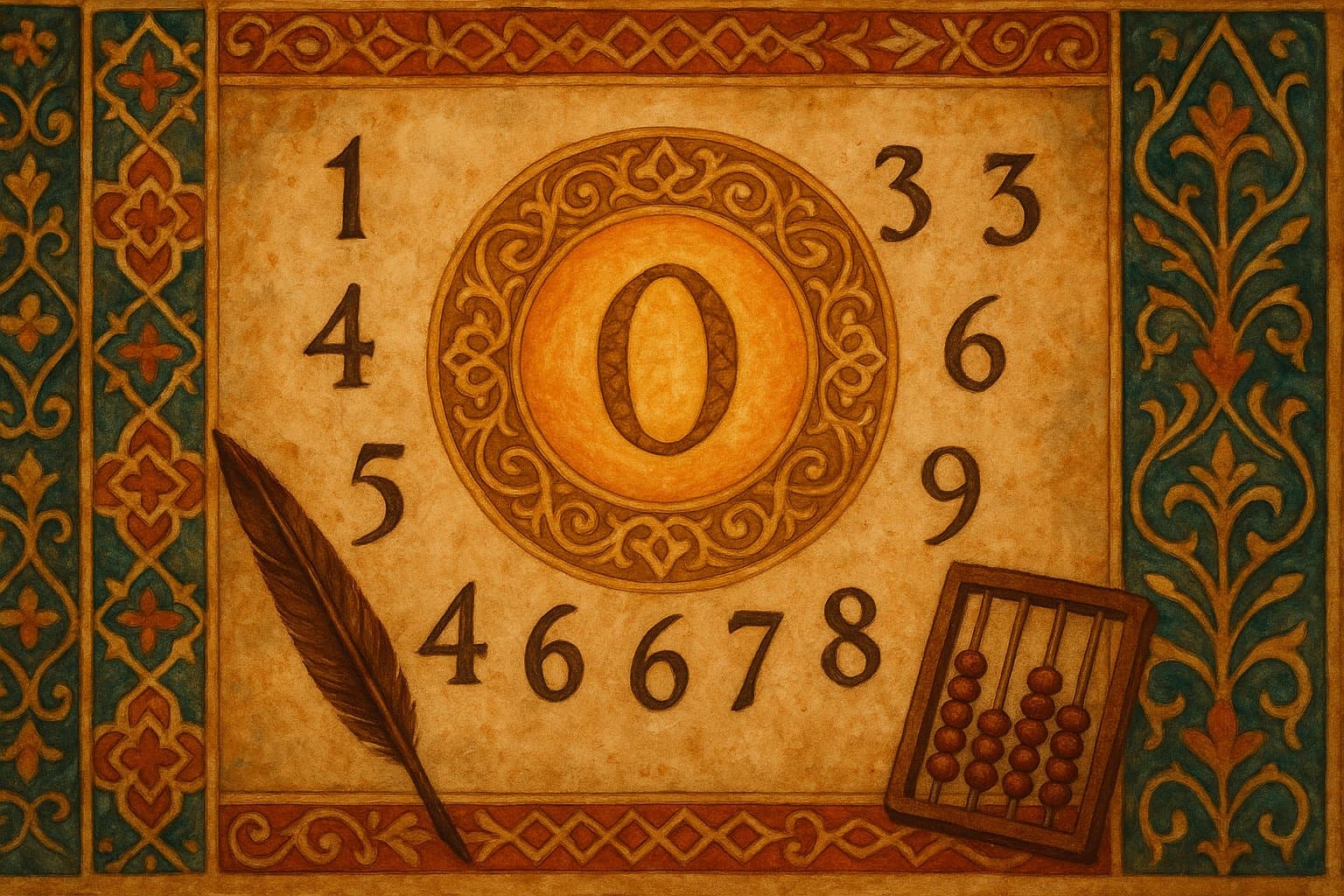
Cipher and zero: two words born from the same void
«Cipher» and «zero» come from the same Arabic word, sifr, meaning «empty». How one void gave us two words that today seem like opposites.

Hazard, chess and checkmate: words from dice and the board
«Hazard» comes from Arabic az-zahr, the die; «chess» and «checkmate» from Persian shah. Three everyday words that arrived with medieval board games.
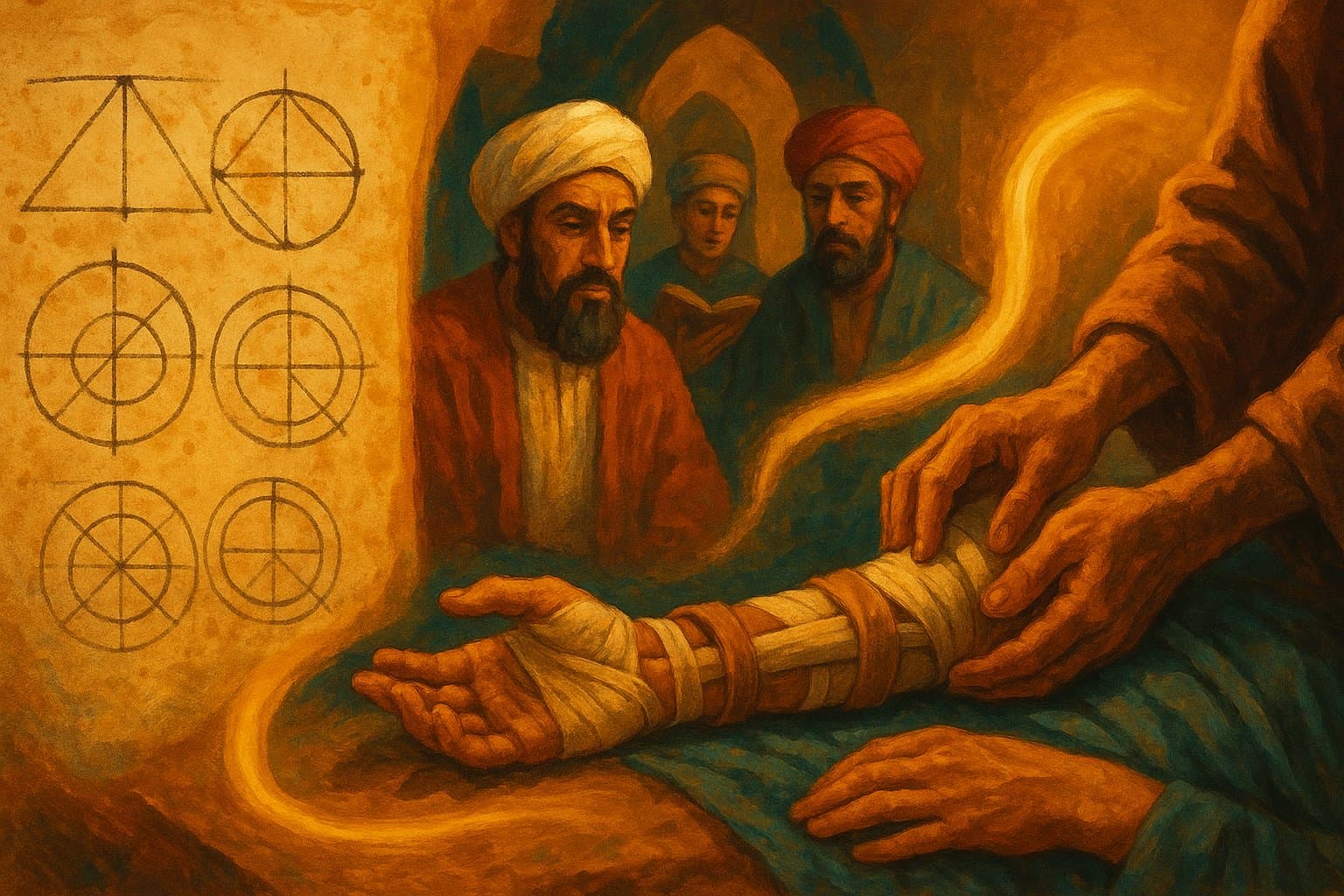
Algebra: the Arabic word that also set broken bones
«Algebra» comes from the Arabic al-jabr, «to reunite broken parts». A book by Al-Khwarizmi gave birth to a science, and in medieval Spain an «algebrista» set bones.
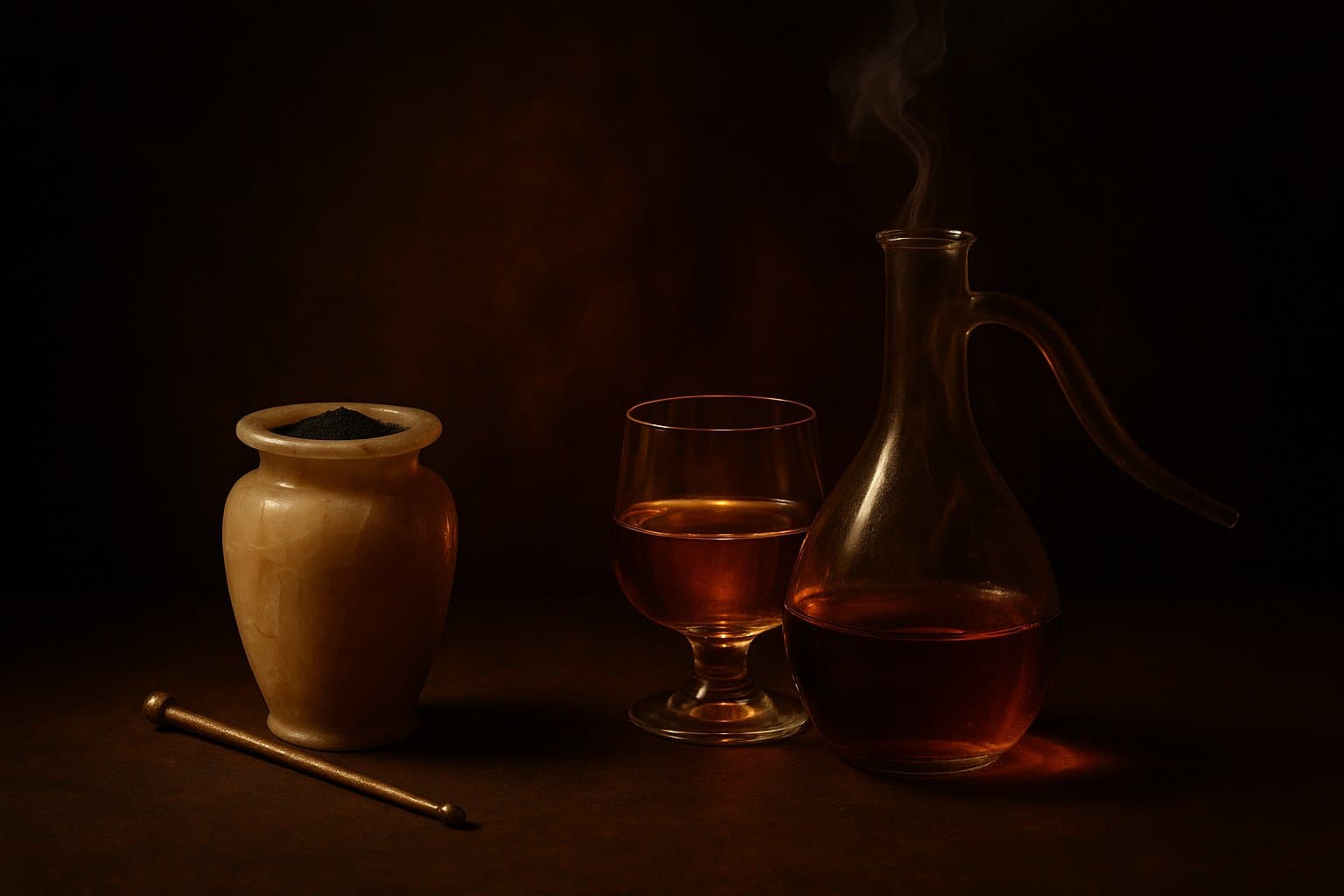
The origin of the word alcohol: from makeup to the glass
«Alcohol» comes from the Arabic «al-kuhl», a black powder used as eye makeup. How a cosmetic ended up naming the most famous drink in the world.

The origin of the word bikini: a nuclear explosion
«Bikini» comes from the Pacific atoll where the U.S. tested atomic bombs in 1946. A French designer named his swimsuit that way so it would be «explosive».
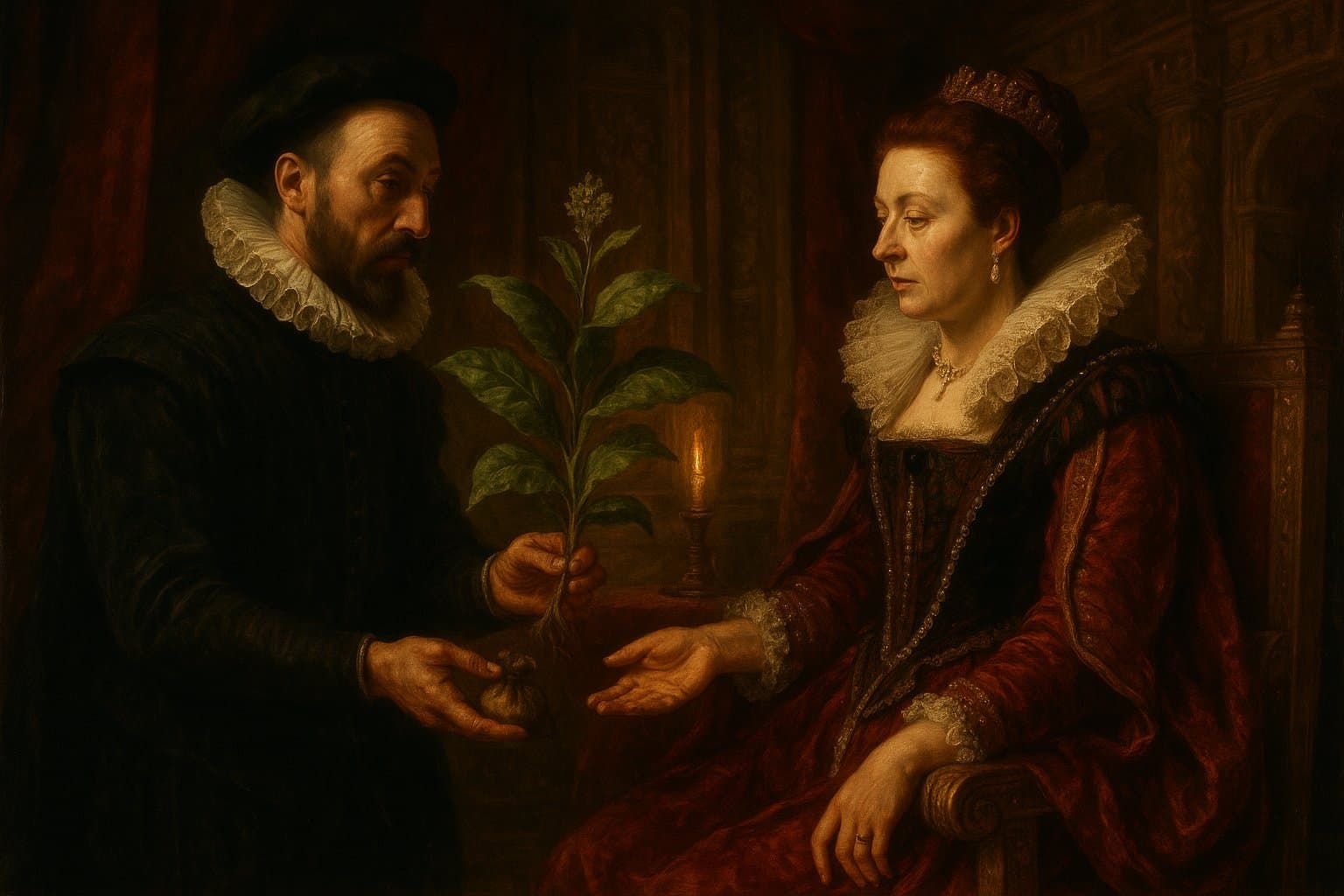
The origin of the word nicotine: a French ambassador
«Nicotine» comes from Jean Nicot, the ambassador who sent tobacco to Catherine de' Medici in 1560. How a surname ended up naming an addictive molecule.

The origin of the word sandwich: an earl and a table
«Sandwich» comes from the title of an 18th-century English noble. Legend says it was to keep playing cards; history hints at something duller.
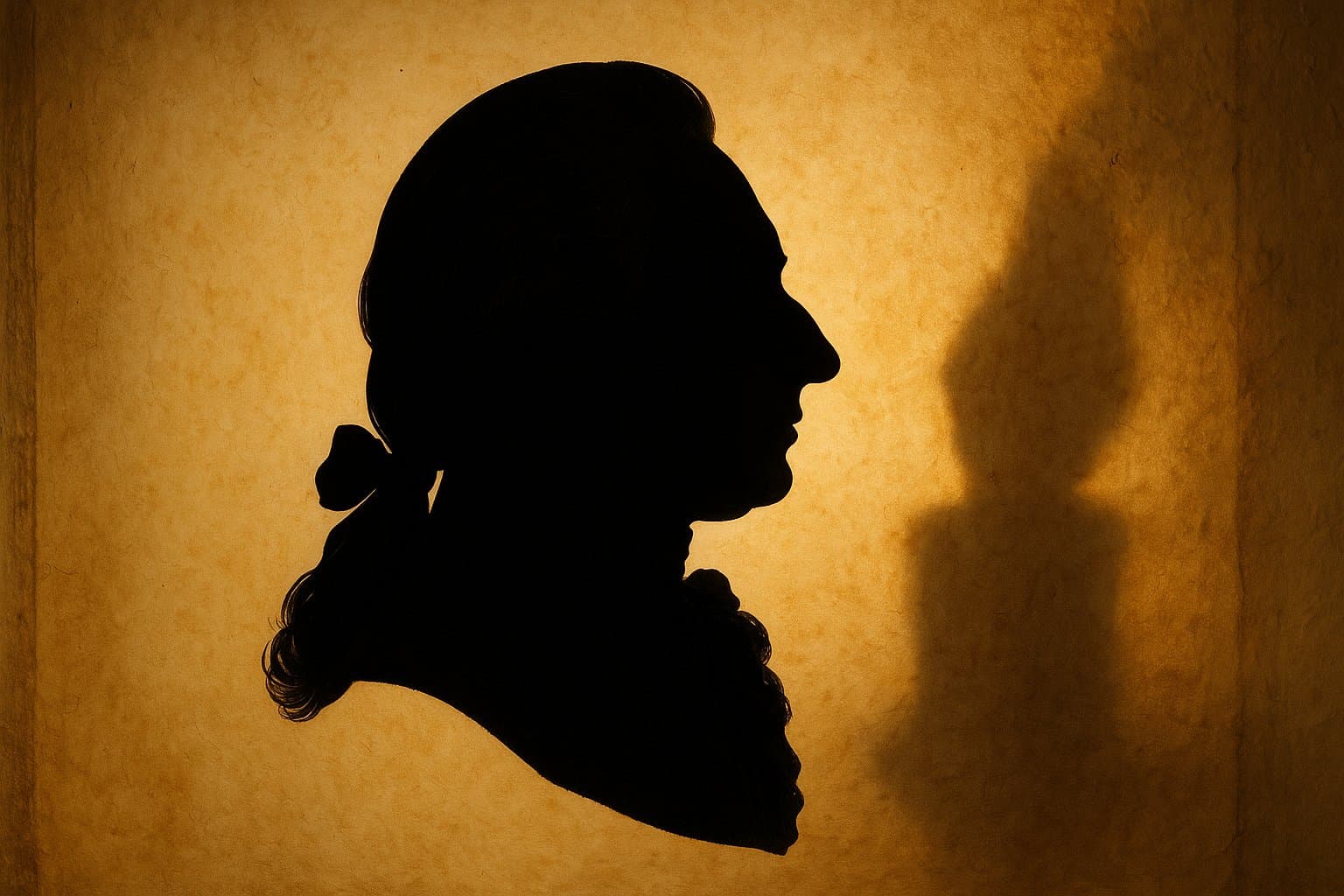
The origin of the word silhouette: a stingy minister
«Silhouette» comes from the surname of a French minister so austere his name turned into a synonym for «cheap»: hence the shadow portraits.

The origin of the word lynch: a Virginia judge
«Lynch» comes from Charles Lynch, a Virginia judge who in 1780 flogged suspects without trial. At first the word had nothing to do with killing.

The origin of the word sabotage: the clog myth
«Sabotage» does not come from throwing clogs into machines: that is the legend. The real word was born from the clatter of wooden shoes.
The origin of the word slave: a whole people's name
«Slave» comes from «Slav»: so many Slavic people were captured and sold in the Middle Ages that the name of the people became the word for bondage.

Assassin: the mountain sect and the hashish myth
«Assassin» comes from the Arabic hashshashin, «hashish users»: the nickname of a medieval sect led by Hasan-i Sabbah from the fortress of Alamut.
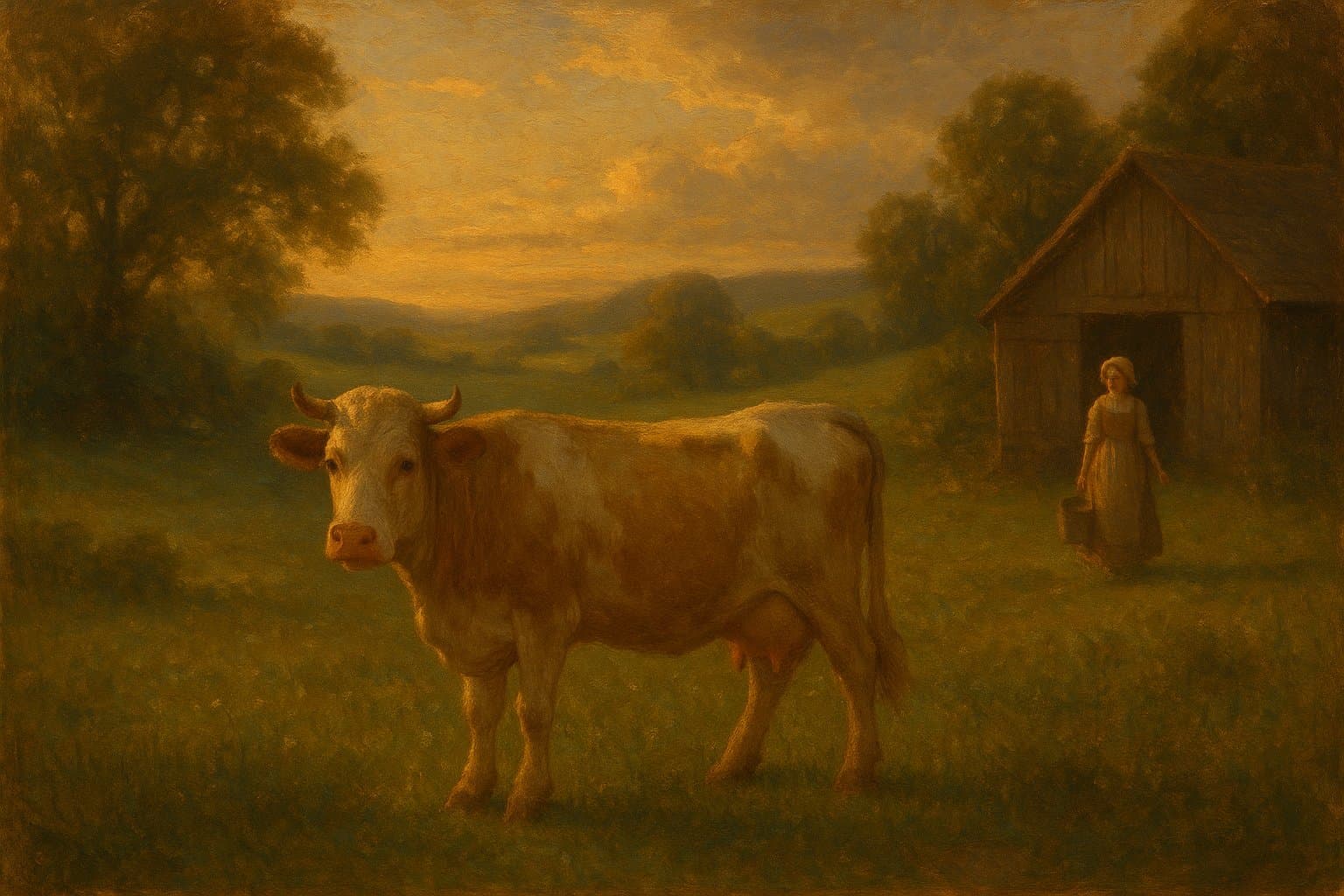
Vaccine: the word that hides a cow
The word «vaccine» comes from the Latin vacca, «cow». Edward Jenner coined it after finding that cowpox protected people against the deadly smallpox.
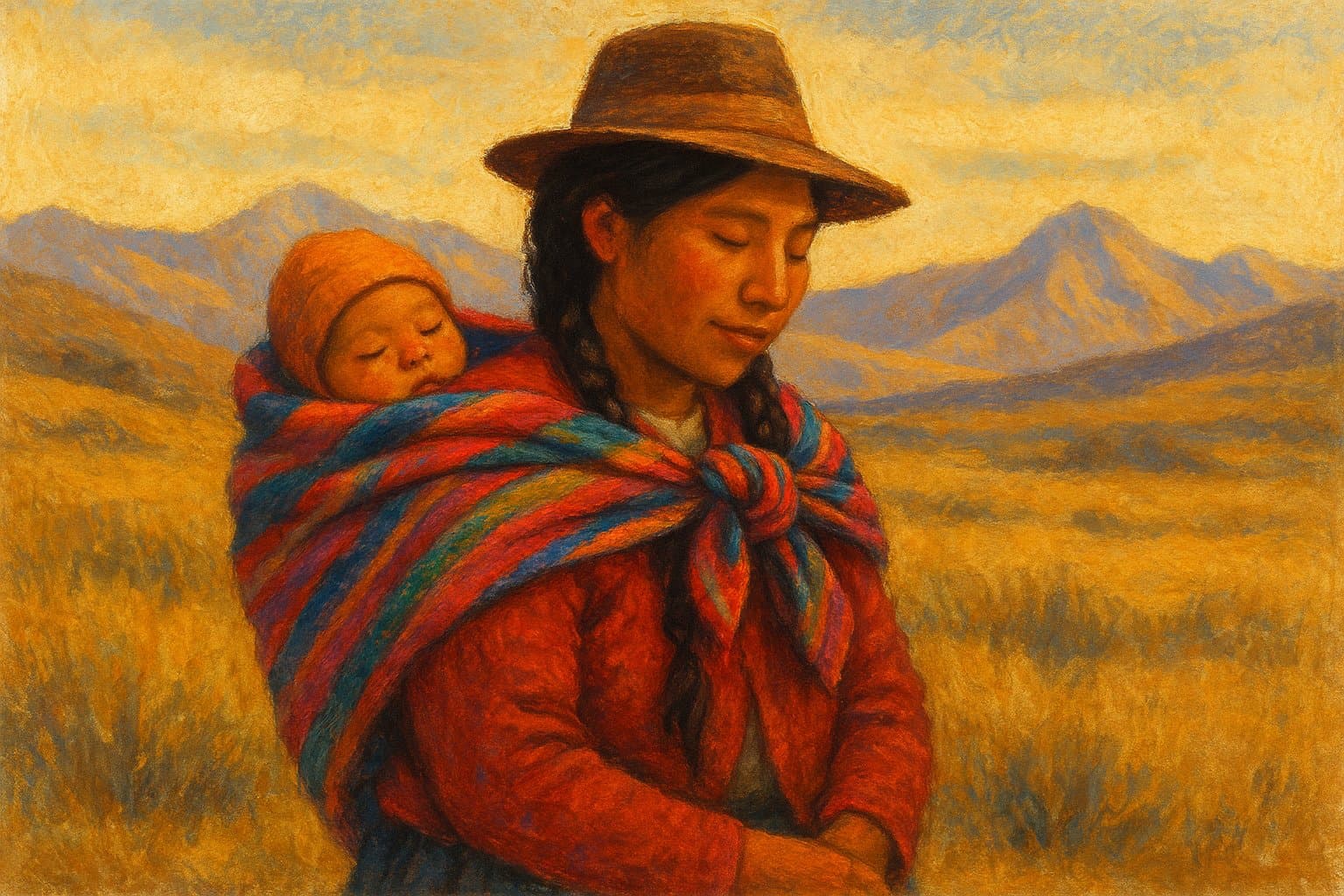
The Origin of the Word Guagua in the Andes
«Guagua» means baby across much of the Andes and comes from the Quechua and Aymara wawa. Here is the story of the word and its curious double: the bus.

Algorithm: From Baghdad to ChatGPT, a Word's Journey
«Algorithm» comes from al-Khwarizmi, a 9th-century mathematician in Baghdad. This is how his name traveled from the House of Wisdom to the apps of today.

Knock on Wood: The Real Origin of the Superstition
Almost everyone thinks knocking on wood comes from Celtic tree worship. But the documented trail leads to a far more recent origin: a children's game.

Avatar: From a God's Descent to Your Profile Picture
The word avatar comes from Sanskrit and named the earthly incarnation of a Hindu god. That is how it travelled from Vishnu to your profile picture online.
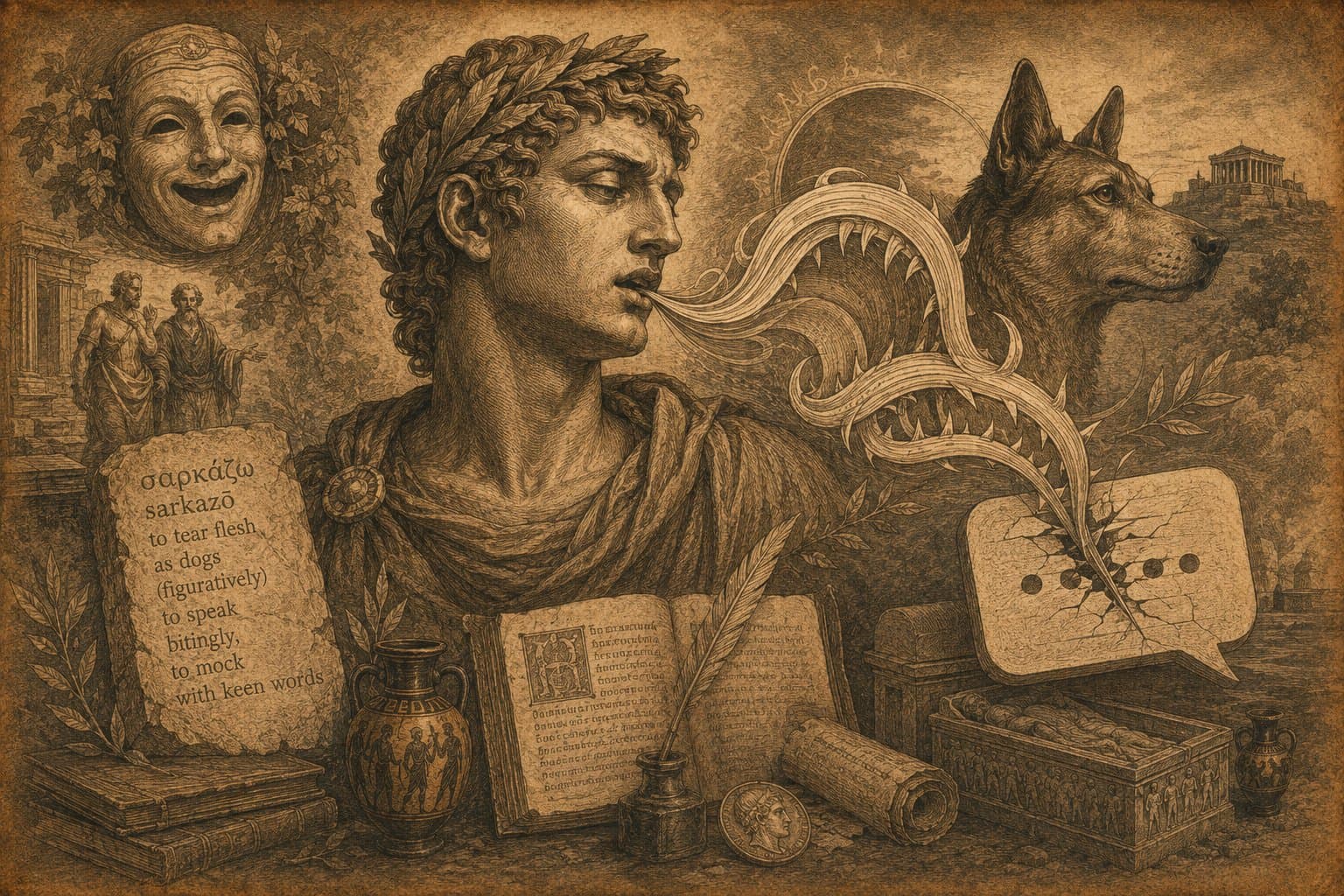
Sarcasm: The Word That Means “to Tear the Flesh”
Sarcasm comes from the Greek “sarkázein”: to bite or tear the flesh. The same root as sarcophagus. An irony that, quite literally, bites.
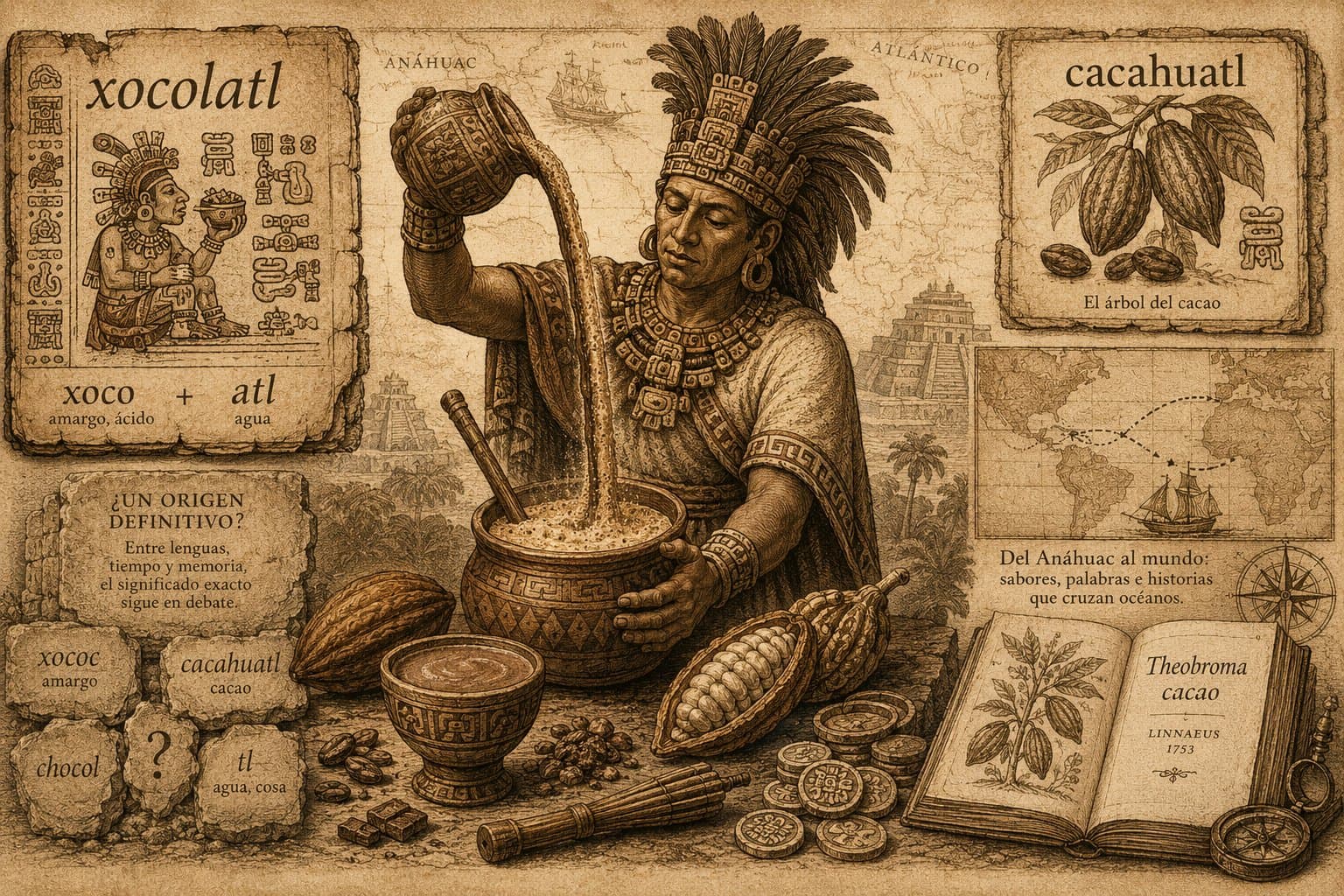
The Delicious Origin of the Word “Chocolate”
The word chocolate comes from Nahuatl, though its exact origin is still disputed between “bitter water,” “hot water” and a blend with Mayan.
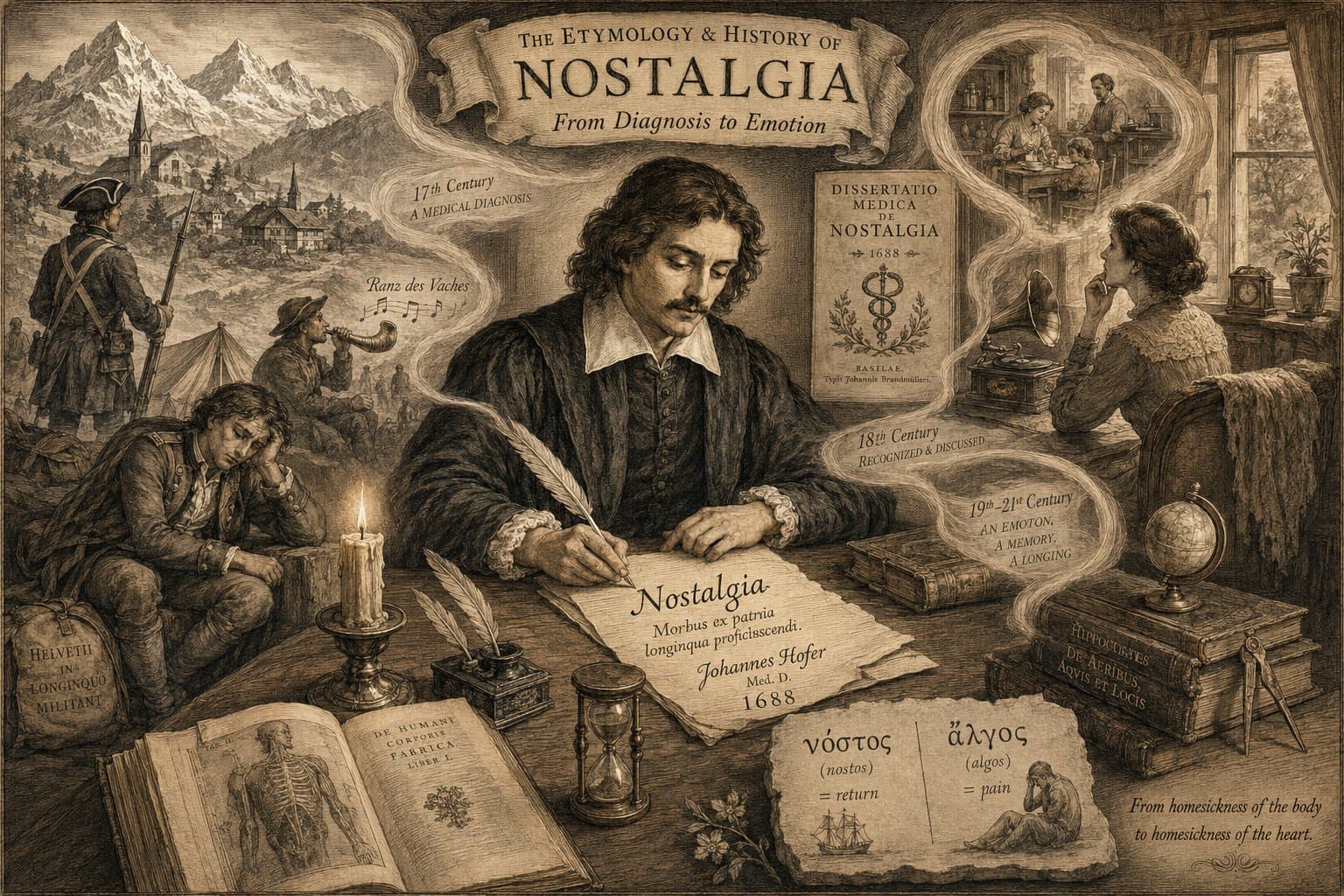
Nostalgia: The Word That Was a Medical Diagnosis
Nostalgia was born in 1688 as a deadly disease: a Swiss student invented it to name the illness suffered by soldiers who longed for their homeland.
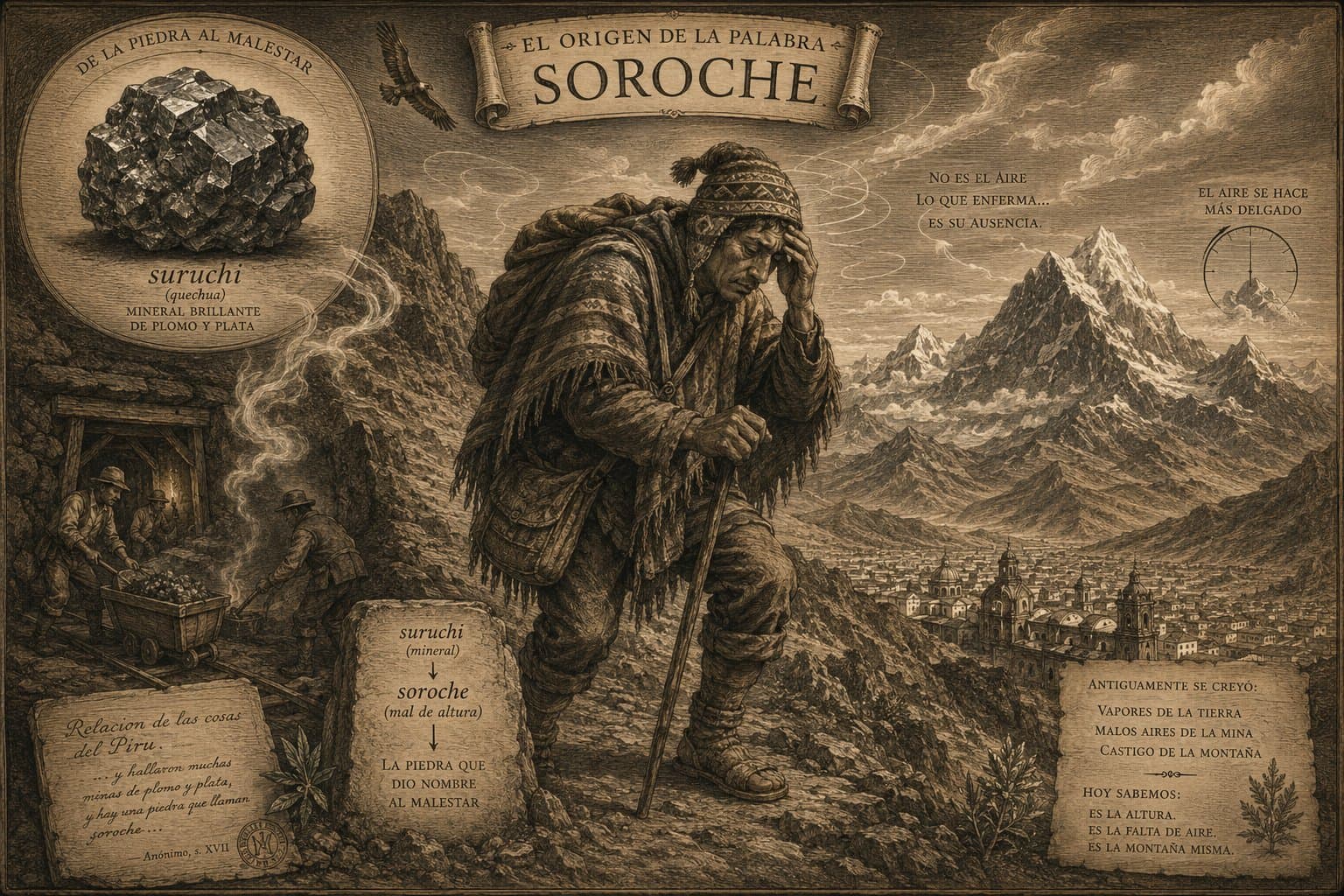
The Origin of the Word “Soroche”
Soroche, the altitude sickness of the Andes, owes its name not to the air but to a mineral: for centuries its vapours were blamed for sickening travellers.
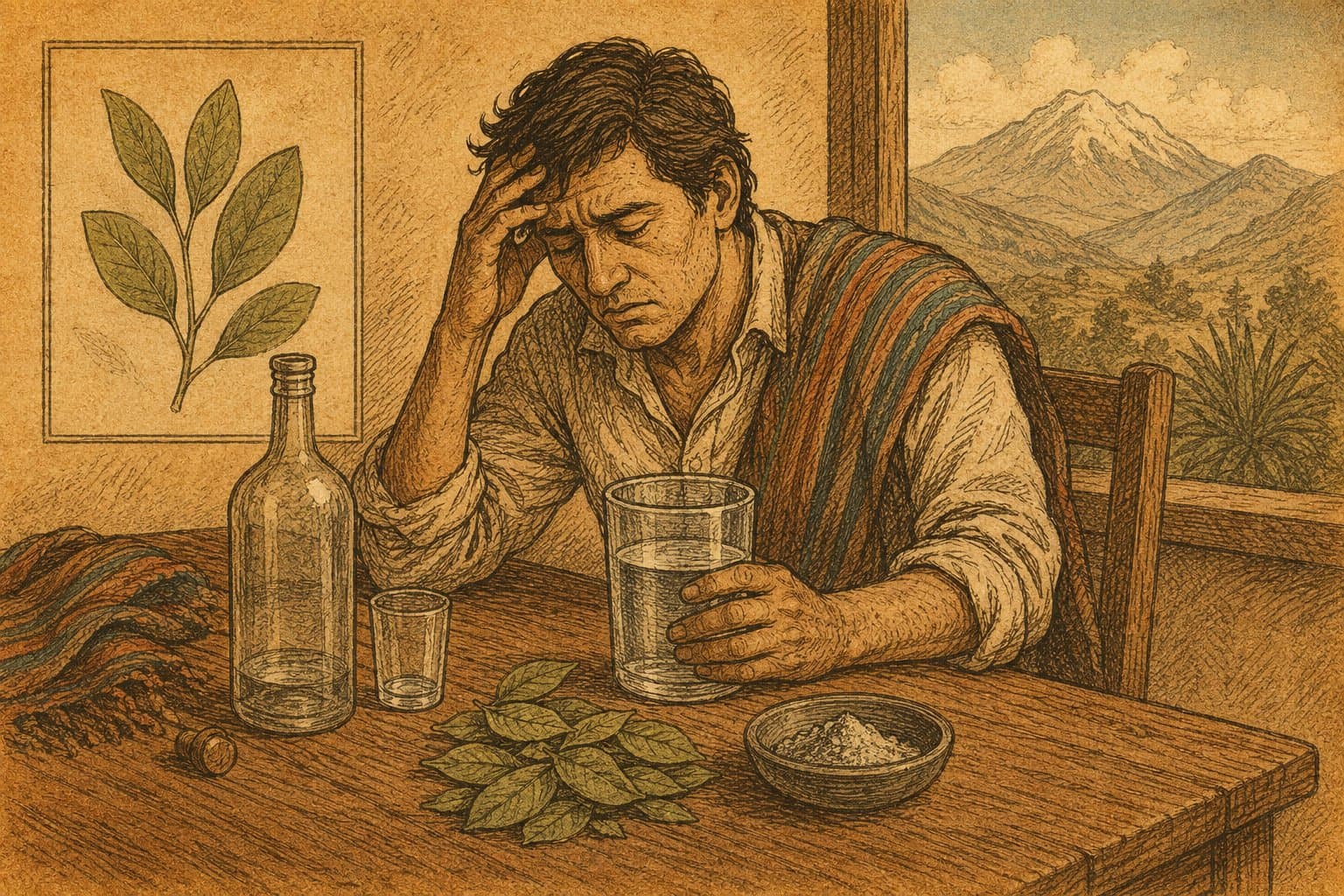
The Origin of “Chuchaqui”, the Ecuadorian Hangover
“Chuchaqui” is the hangover the Ecuadorian way, a word almost nobody understands across the border. Its origin lies in Quichua and the coca leaf.
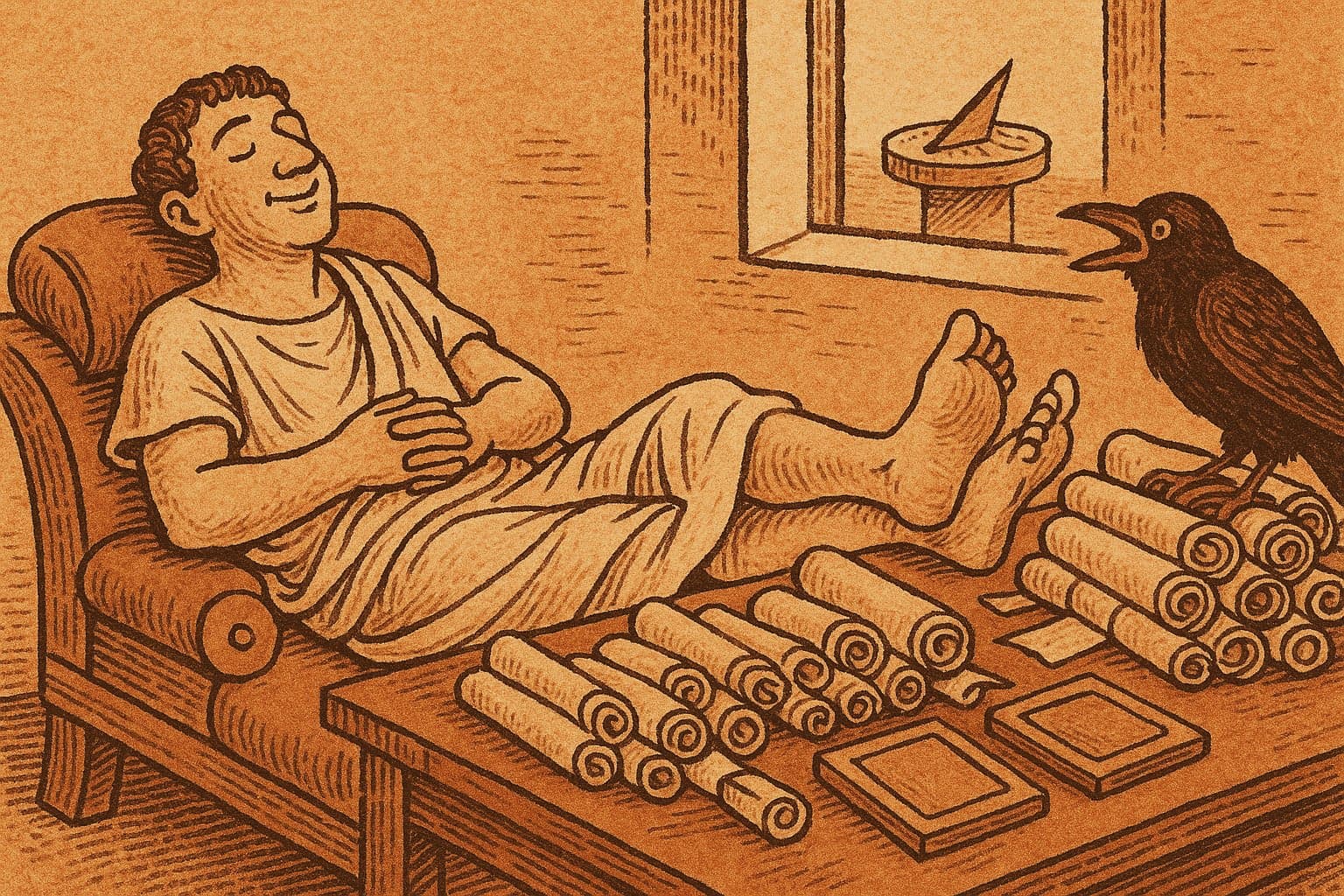
Procrastination: The Vice That Infuriated the Romans Who Coined the Word
Procrastination comes from the Latin «cras», tomorrow. Hesiod scolded procrastinators 2,700 years ago and Cicero declared it hateful. We're not the first.
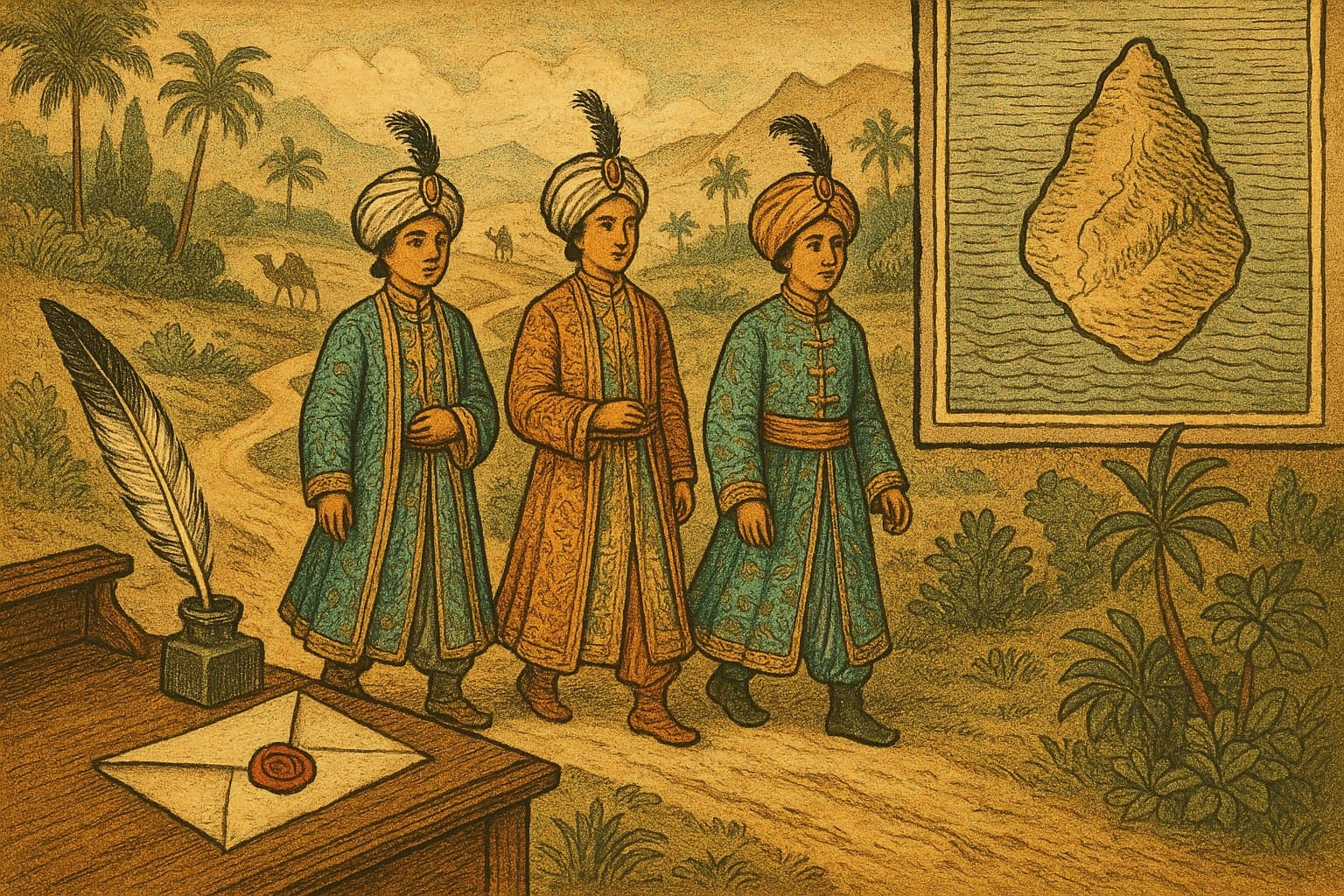
Serendipity: The Word Born in a Letter From 1754
Few words have an exact birth certificate. Serendipity was born on January 28th, 1754, in a private letter — and its root is the old name of Sri Lanka.
What “Bizarro” Really Means in Spanish (Not Bizarre)
For centuries, the Spanish word “bizarro” meant brave and gallant. How a false friend stole a word's meaning — and how the dictionary surrendered.
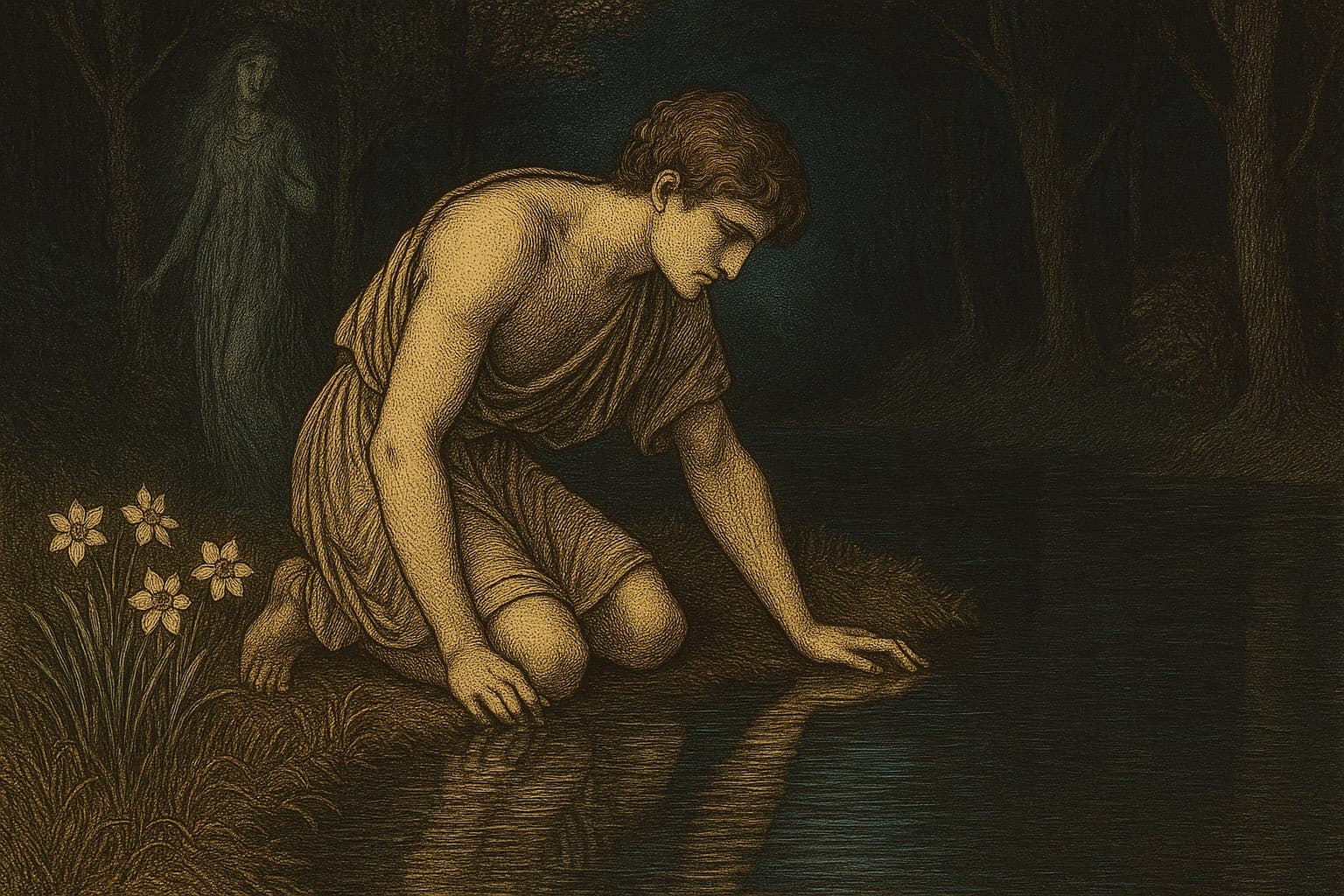
Narcissus Didn't Fall in Love With Himself: The Myth Behind “Narcissist”
Half the internet wants to know what a narcissist is. The Greek myth that named the word doesn't tell the story you think — and it's far better.
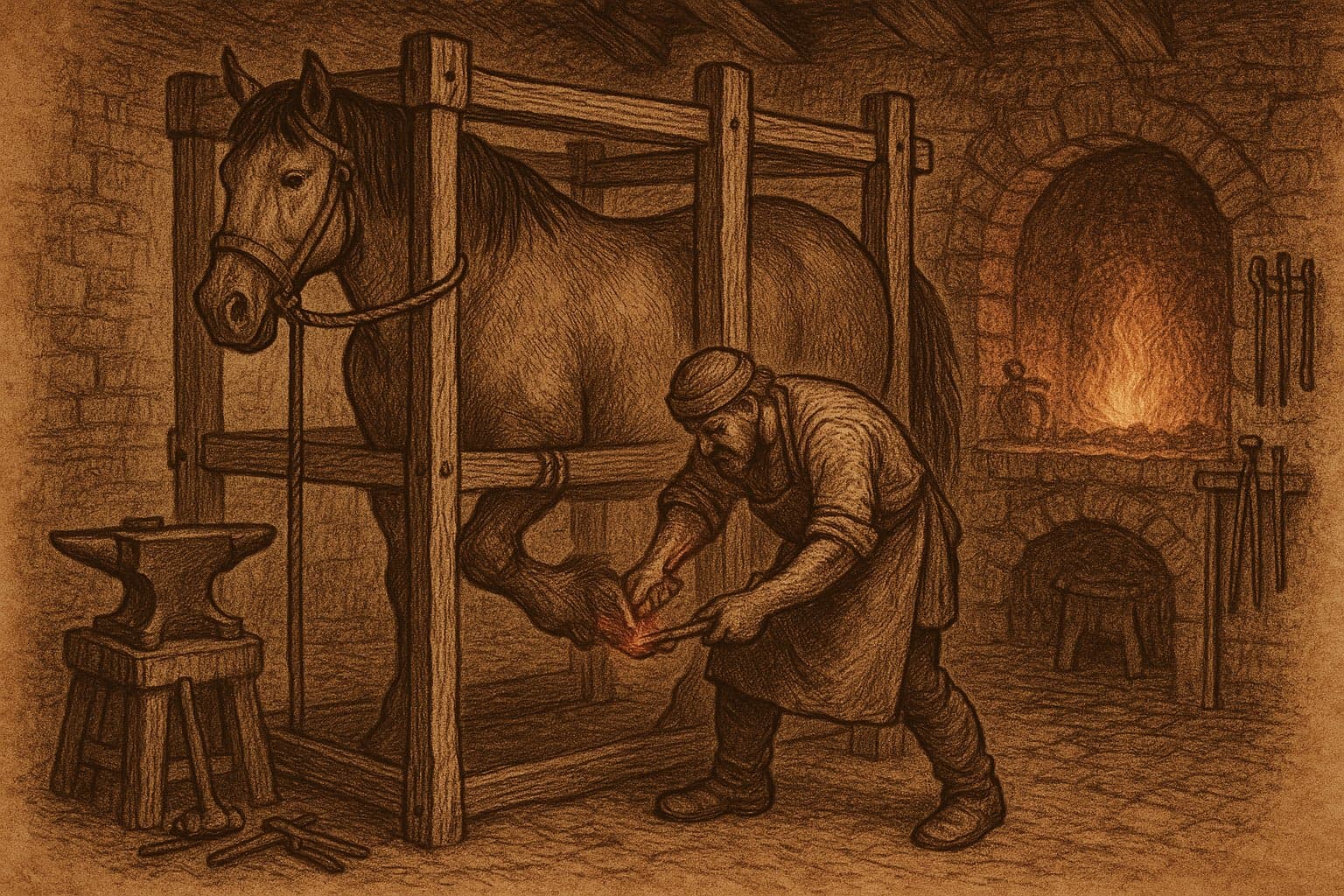
Does the Word “Travel” Really Come From a Torture Device?
Viral etymology says “travel” (and Spanish “trabajo”) comes from the tripalium, a Roman torture device. Short answer: sort of. The long one is better.
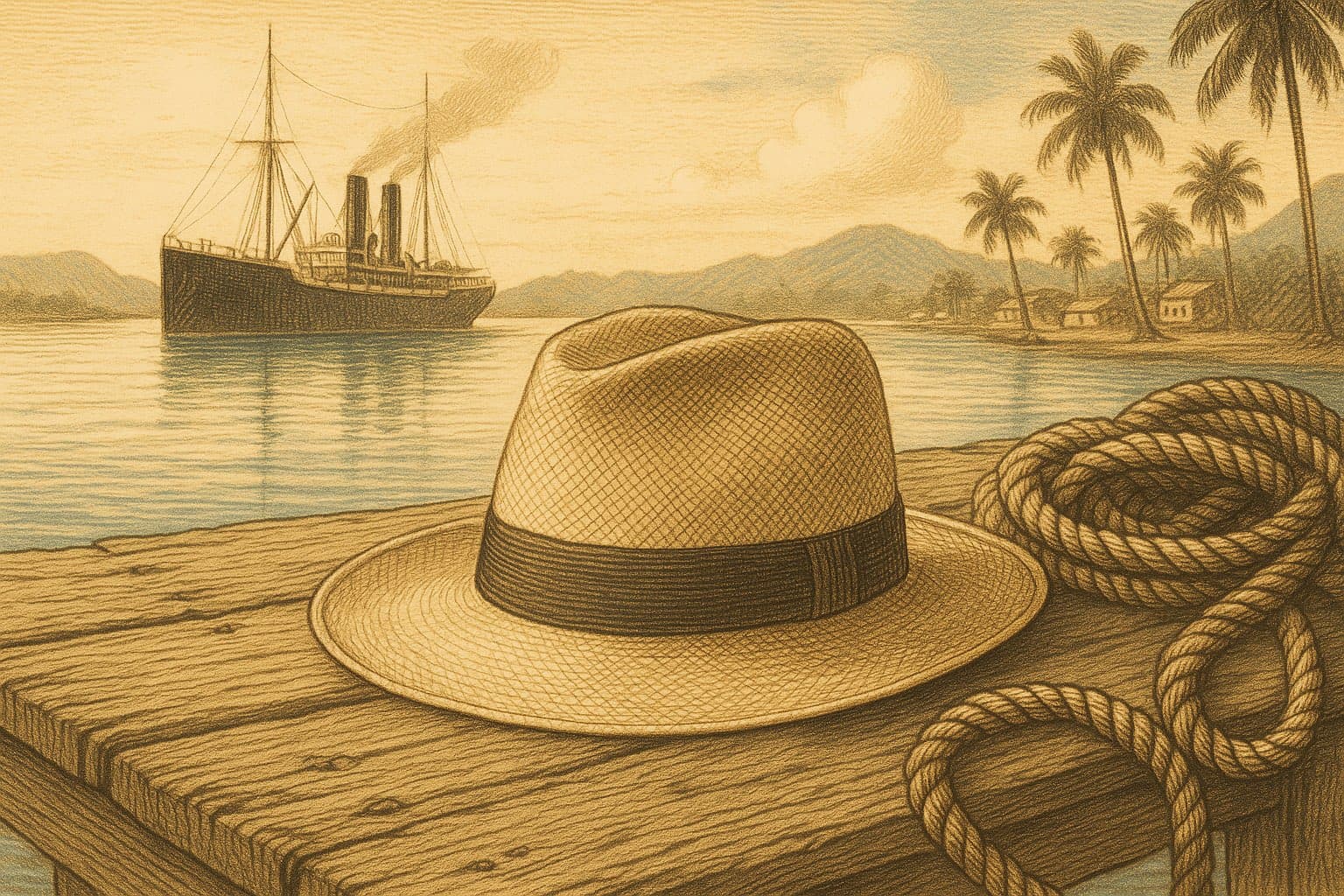
Why Is the Panama Hat Called Panama If It Was Born in Ecuador?
The world's most famous hat is woven in Montecristi and Cuenca, yet it bears another country's name. The story of a stylish injustice.
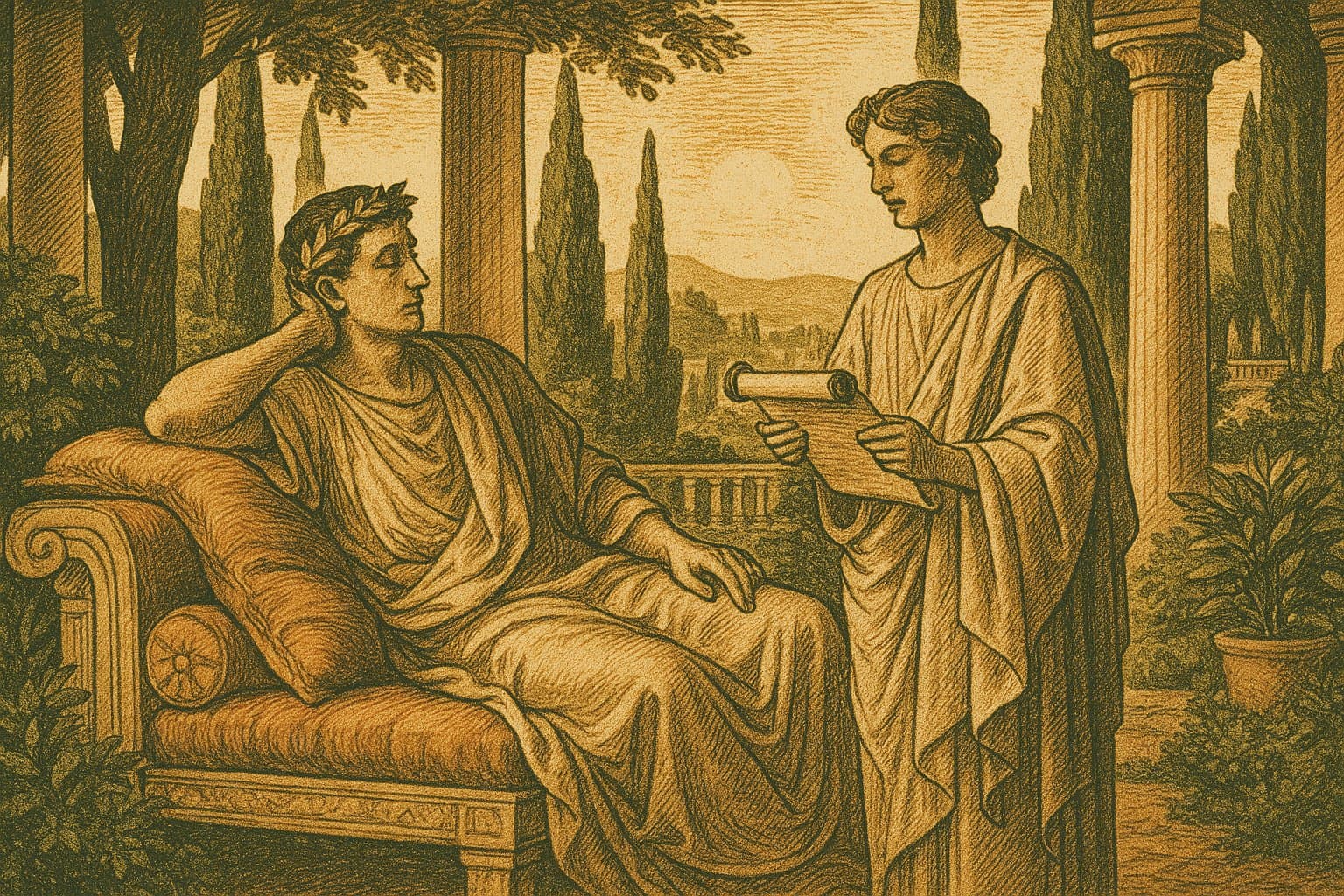
Maecenas Was Not a Word: He Was a Man
Behind every patron of the arts stands a real man: Gaius Maecenas, Augustus' millionaire friend who paid poets — and changed history doing it.
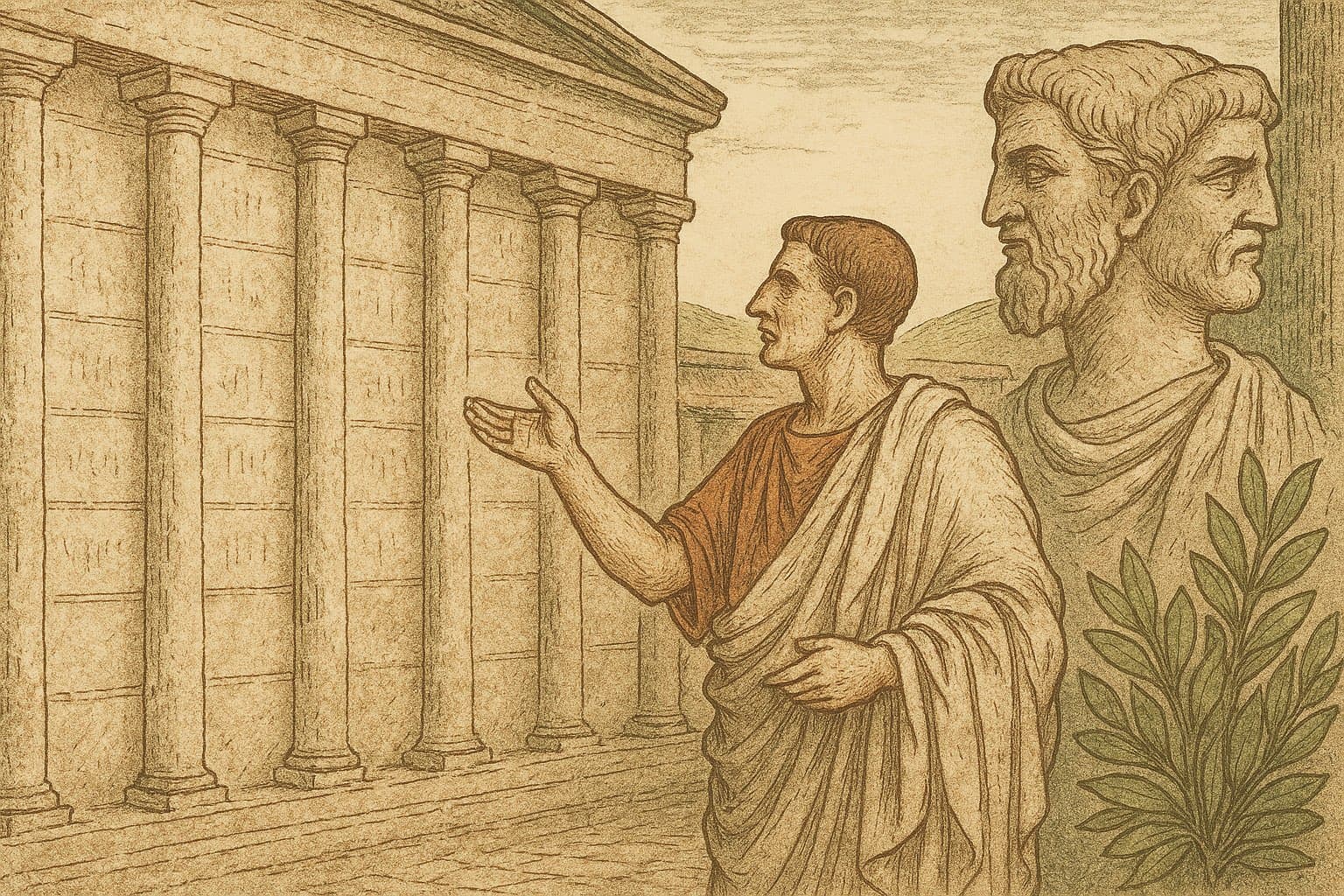
Why Does September Mean Seven If It's the Ninth Month?
September comes from septem, seven — yet it's the ninth month. Neither Julius Caesar nor Augustus is to blame: the story is older and stranger.
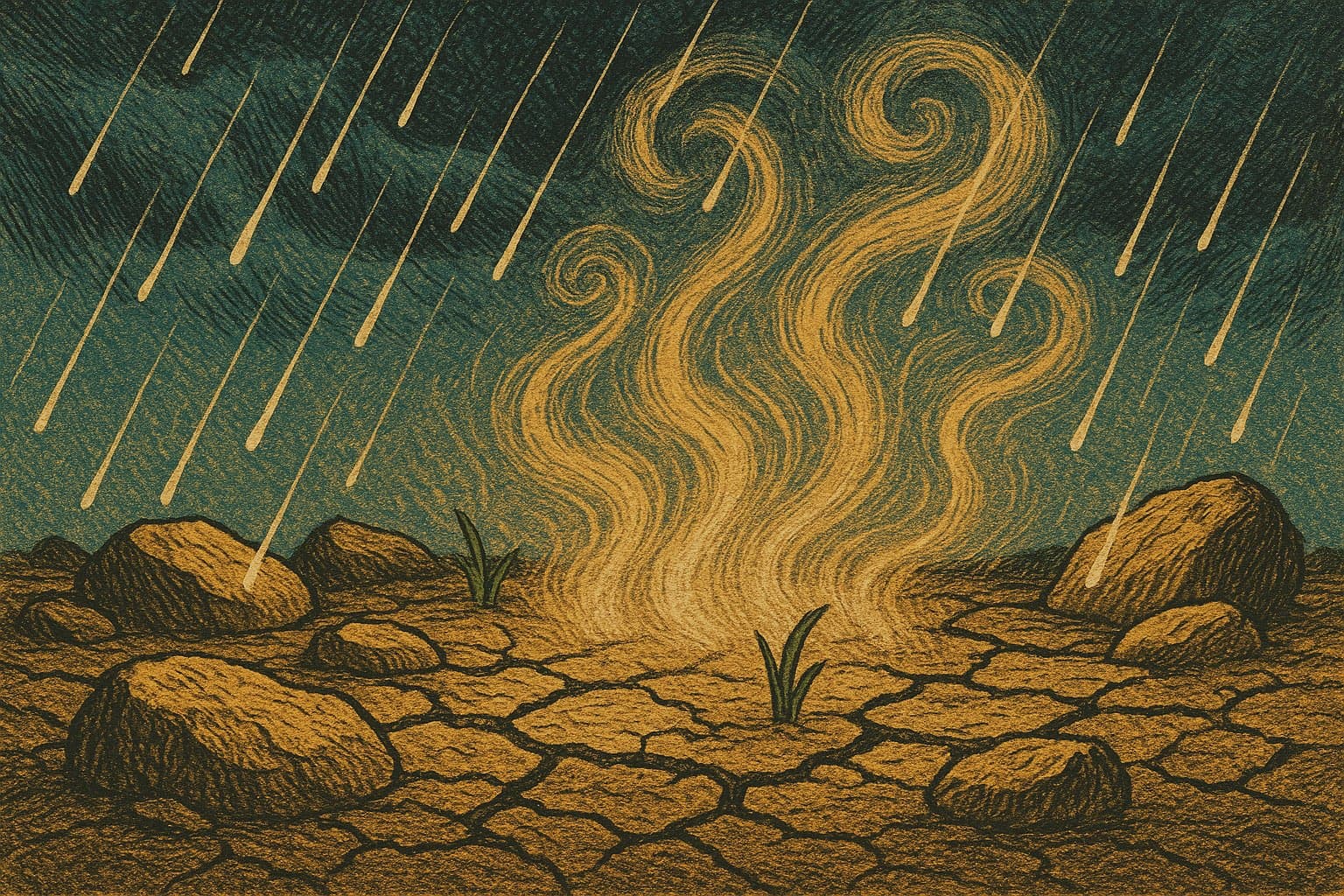
The Origin of the Word “Petrichor”
The smell of rain has had a name since 1964: petrichor, “the blood of the gods flowing from stone”. This is its story — and its science.

The Origin of the Word “Sybarite”
Sybaris was the richest, most luxurious city of ancient Greece — until its dancing horses doomed it. This is how the word sybarite was born.

The Origin of the Word “Ostracism”
In classical Athens, scratching a name on a piece of broken pottery could banish a man for ten years. This is how ostracism was born.

The Real Origin of the Word “Gringo”
Everyone repeats that “gringo” comes from “green go home”, but the word already existed in Spain in 1787. This is the real story behind the term.
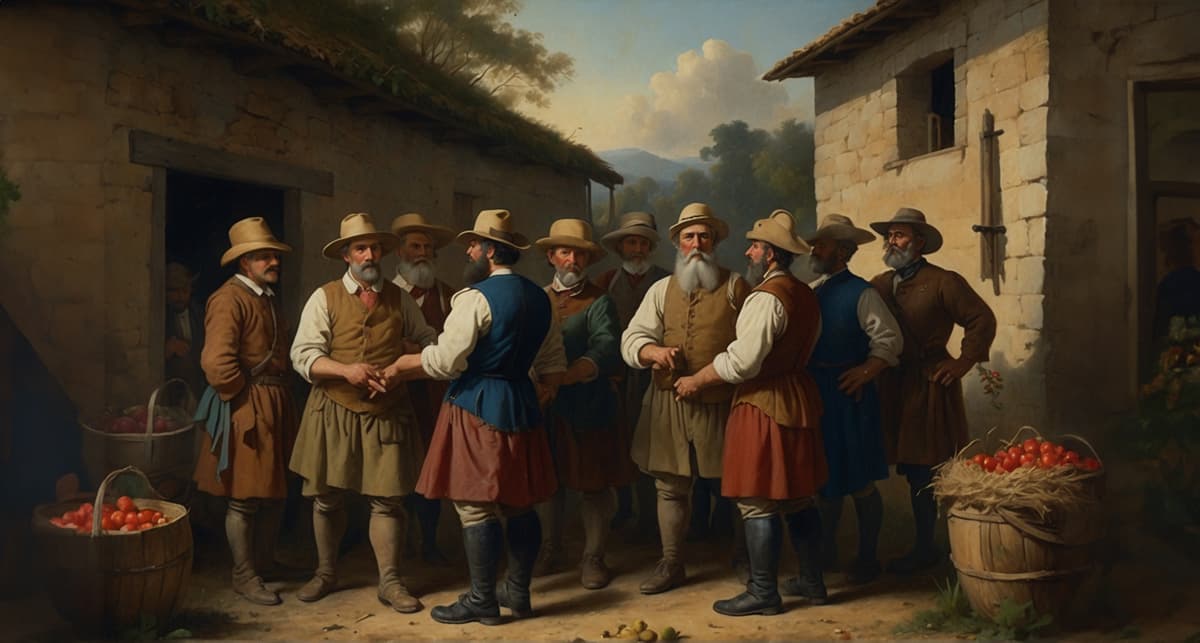
The Origin of the Word "Boycott"
The word boycott comes from a real man, Charles Boycott, an English land agent in Ireland whom an entire community refused to serve in 1880.

The Story Behind the Name of Isla de la Plata and the Treasure It Still Hides
Why is it called Isla de la Plata? A real pirate's chronicle reveals the truth behind the name, once Drake's Island, and the treasure it may still hide.
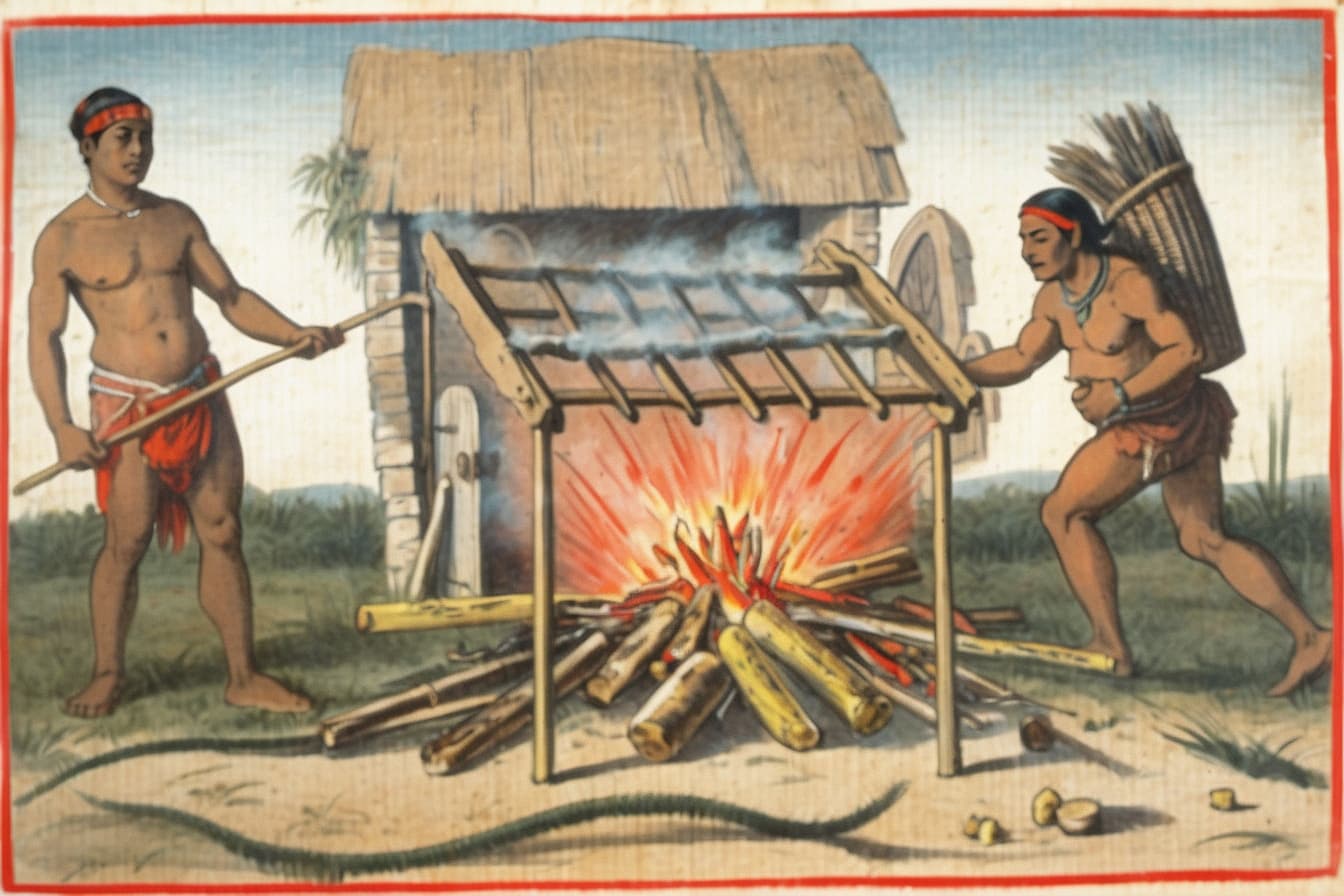
Barbecued Meat and the Origin of the Buccaneers
How did barbecued meat give the buccaneers their name? The surprising tale of ruthless pirates who learned to smoke meat the Taíno way on Hispaniola.
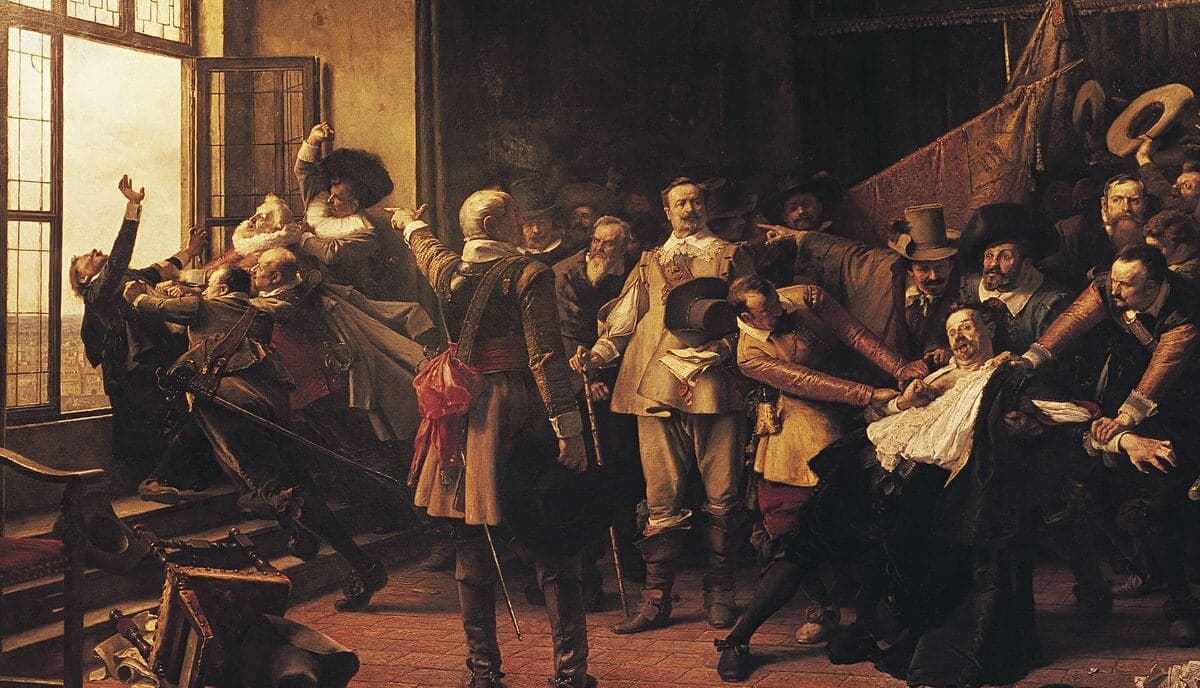
The Chilling Origins of the Word Defenestrate
To defenestrate now means to oust an official, but the word was born from a brutal Prague custom: literally hurling councilmen out of windows.
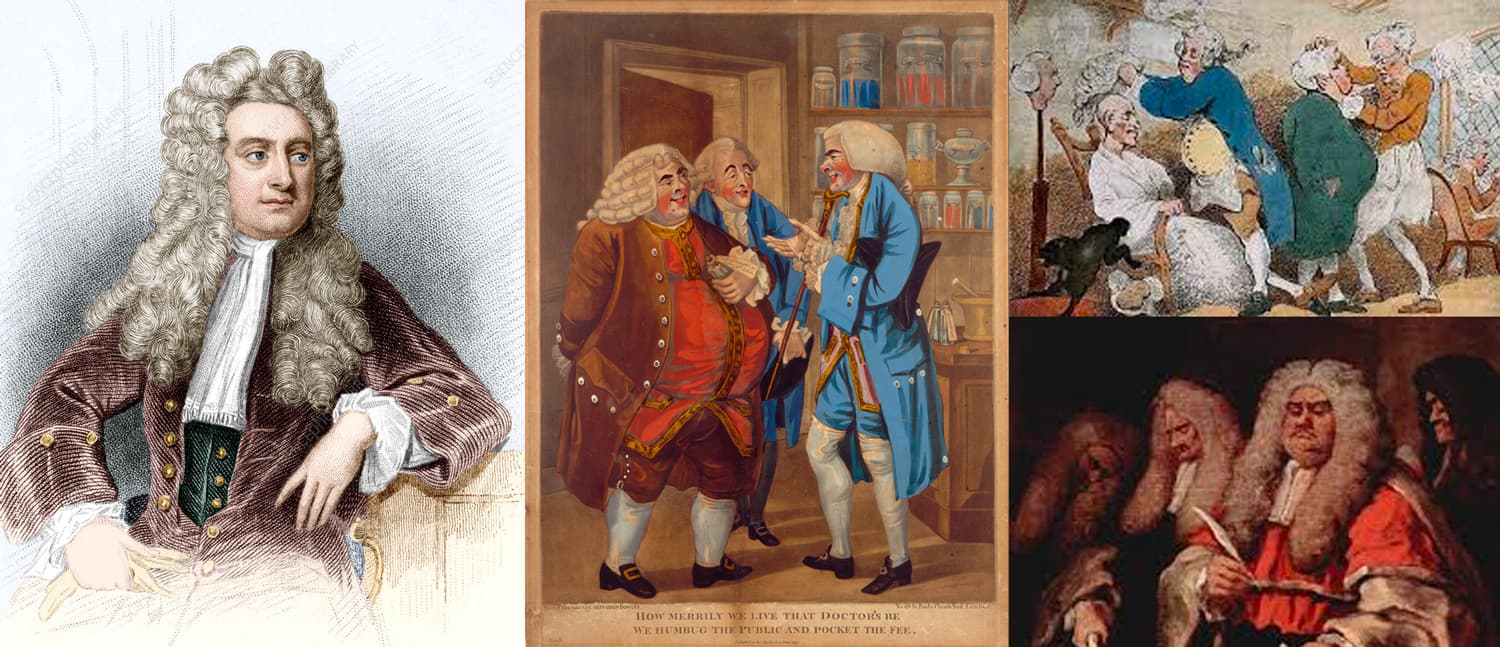
A Brief Study on the Origin of the Term "Pelucón"
The origin of «pelucón» runs from Renaissance wigs and English bigwigs to Chilean royalists, long before Correa revived it in Ecuador.
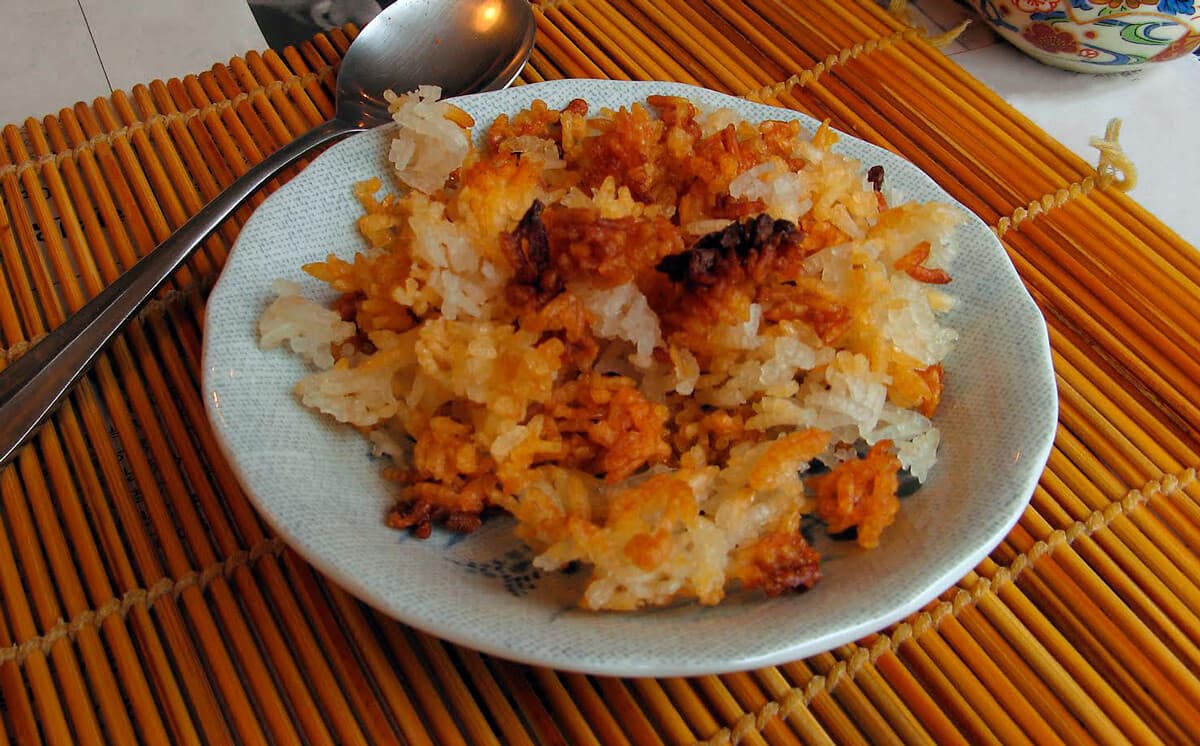
Origins of the word cocolón and no, it does not come from "cook too long"
Does the word «cocolón» really come from the English «cook too long»? A 1922 Ecuadorian etymology book debunks this popular urban legend.
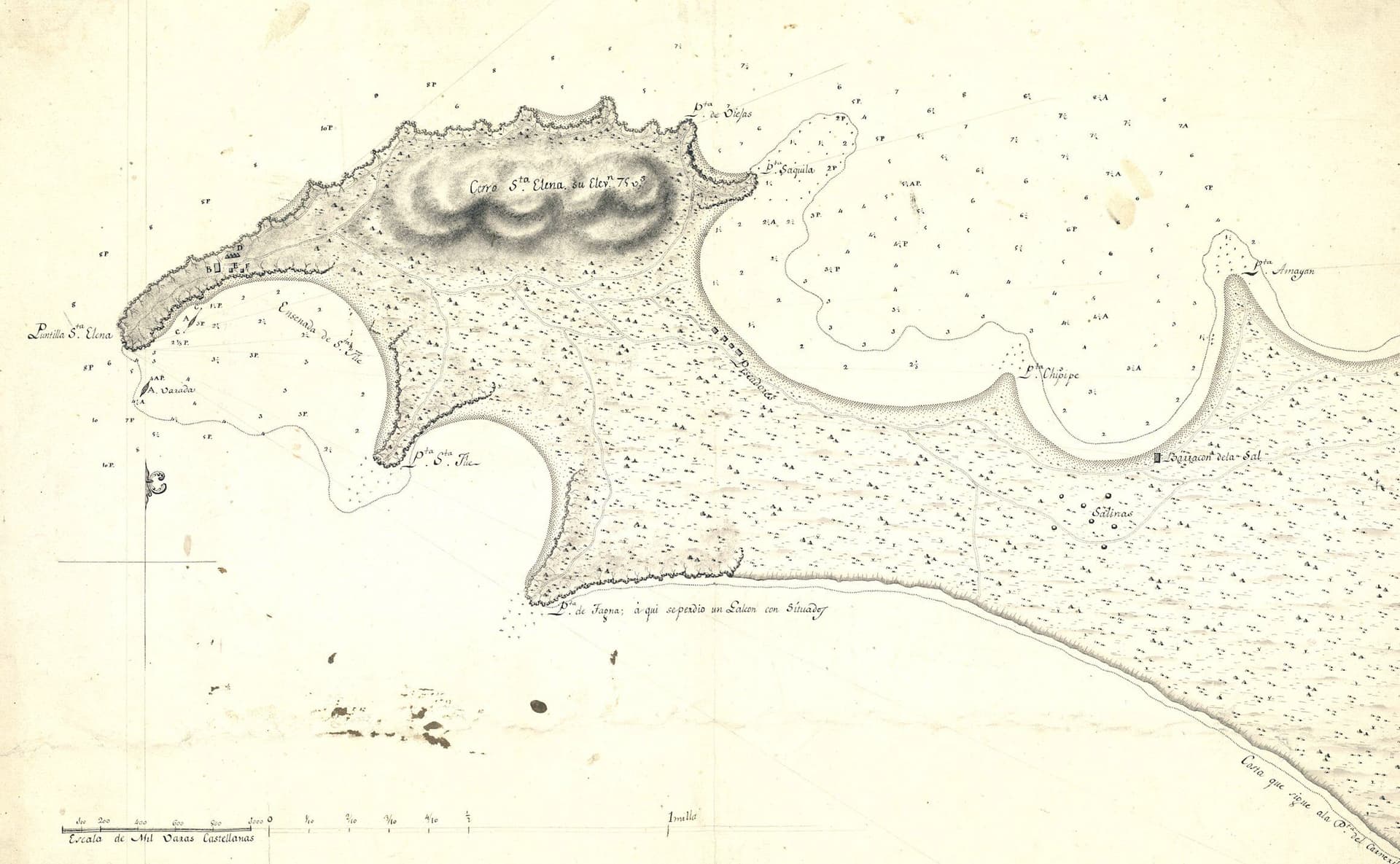
Chipipe is not Shit Pipe
Did Chipipe beach really get its name from an English «shit pipe»? A 1924 dictionary debunks the viral rumor that even fooled Wikipedia.
Etymology of the Word YONI. Where Does This Term Come From?
In Ecuador, «yoni» means the United States, but where did the word come from? A linguistic trail leads to two rival, surprising explanations.