
Sleep Apnea: The Syndrome of a Thousand Faces
Sleep apnea wears a thousand faces: why you wake up exhausted after a full night, and how this overlooked disorder quietly endangers your health.
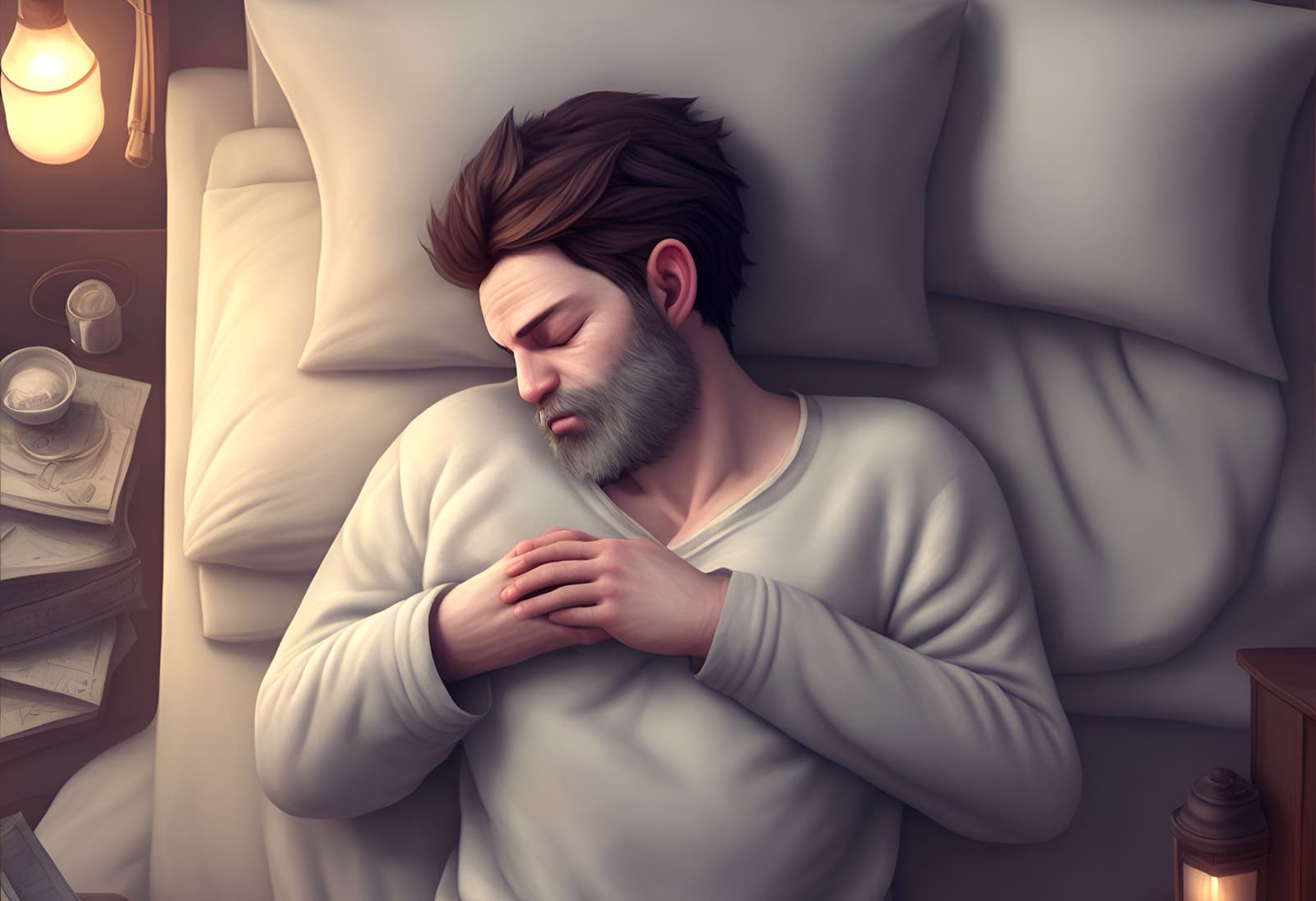
Do you wake up tired and feel that your sleep wasn't restorative, even though you slept enough? Do you feel drowsy during the day? If this sounds like you, this article might be very interesting.
Although many people don't know about sleep apnea, it's a very common disorder that can seriously affect quality of life in various ways. The symptoms are highly varied—hence the title of this article.
Sleep apnea occurs due to interrupted breathing during sleep, causing the person to experience daytime drowsiness, fatigue, and many other symptoms. According to a study published in 2018 in the Spanish Journal of Cardiology, it's estimated that 10% of the adult population suffers from sleep apnea.
To better understand the problem behind apnea, we can imagine that we're sleeping peacefully and every 10 minutes (or more frequently) someone places a pillow over our face, preventing us from breathing for several seconds. The person, though unconscious, enters a state of alert, releasing certain hormones into the bloodstream, including adrenaline. The next morning, this same person doesn't feel rested, having had to fight a stressful battle during the night that they don't remember at all.
Most of the time, sleep apnea isn't diagnosed correctly, which can lead to more serious health problems. A study published in the Journal of the American Medical Association (JAMA) in 2017 found that the lack of diagnosis and treatment of sleep apnea can increase the risk of cardiovascular diseases, strokes, depression, and type 2 diabetes. Additionally, weight changes, growth alterations (in the case of children and adolescents), pharyngitis, and muscle pain, among others, may occur.
According to another study published in the journal Sleep Medicine in 2016, patients with sleep apnea may also experience other types of impairments, such as cognitive ones: difficulty concentrating and memory problems.
A consequence of this symptomatology, according to yet another study published in the journal Sleep in 2018, found that sleep apnea can also increase the risk of automobile accidents due to daytime drowsiness. The study also found that patients with sleep apnea have a higher risk of workplace and school accidents.
It's important to note that sleep apnea can affect anyone, but it's more common in men over 40 and in overweight individuals. According to a study published in the American Journal of Respiratory and Critical Care Medicine in 2019, obesity is an important risk factor for sleep apnea.
Although sleep apnea is a common sleep disorder, many people aren't familiar with the symptoms and don't seek treatment. It's important that people be informed about the symptoms of sleep apnea so they can seek treatment and improve their quality of life.
In conclusion, sleep apnea can affect people's quality of life in many different ways, and it's important to seek treatment if you experience any of the symptoms mentioned. The scientific studies mentioned in this article demonstrate the importance of diagnosing and treating sleep apnea to prevent more serious health problems.
Categories
The books · born from this blog

Atahualpa con su abrigo de pelo de murciélago
y otras 49 historias verdaderas que parecen mentira
Available on Amazon
Tocar madera
Pequeña historia de las supersticiones que el mundo no ha podido soltar
Available on Amazon
100 futuros
Cien escenarios del mundo que viene con la inteligencia artificial
Available on AmazonYou may also like

Morse Code: How It Works and Why It Saved Lives
Morse code turns letters into dots and dashes that travel down a wire or a flash of light. Here is how it works, where it came from and why it is still used.
The Telegraph: The Victorian Internet
The telegraph shrank weeks of mail into minutes of cable. How Morse, Cooke and a wire under the Atlantic built the Victorian internet and shrank the world.
Why veins look blue when your blood is red
Human blood is never blue—it is always red. So why do veins look blue under the skin? The answer lies in how light travels through your body and how you see.