
The Pope's Corpse That Was Put on Trial
In 897 a pope dug up his predecessor's rotting corpse, dressed it in vestments and put it on trial, the macabre episode known as the Cadaver Synod.
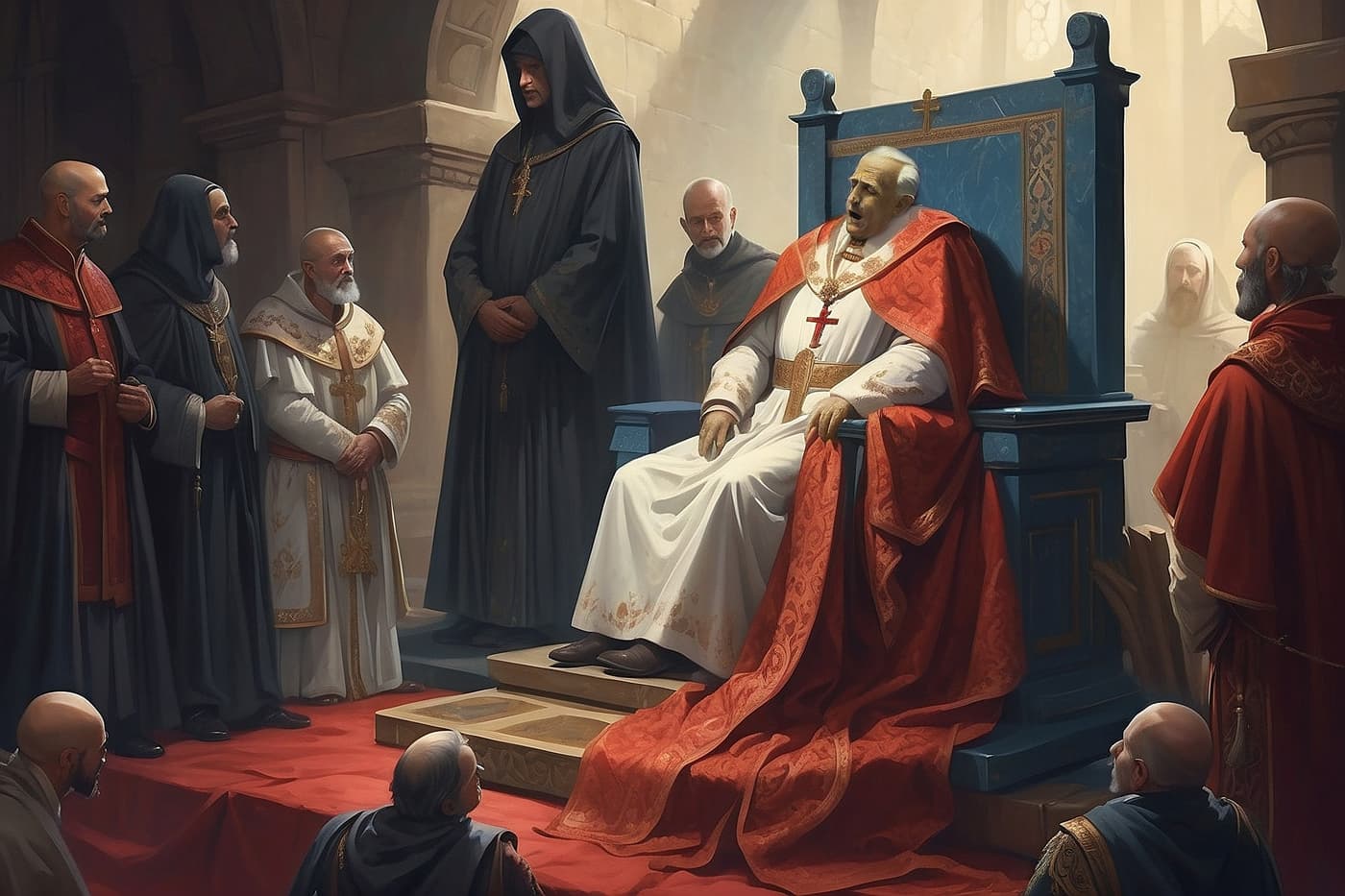
It happened in the year 897, during a turbulent period in the history of the Catholic Church. The episode is known as the "Cadaver Synod" or Synodus Horrenda, and it is one of the most bizarre and macabre episodes in ecclesiastical history.
After his death, Pope Formosus, who had been elected in 891, was exhumed and subjected to a posthumous trial by his successor, Pope Stephen VI. During this trial, Formosus's corpse was dressed in papal vestments and seated on a throne. A deacon was assigned to answer on behalf of the cadaver to charges that included violations of canon law and acts considered perjury and corruption. In reality, these were pretexts to give the matter a formal appearance, since Formosus had been at the center of Italy's complex politics, affected by the struggle between different aristocratic factions and powerful families. His election as Pope was controversial from the start, and his decisions during his papacy, such as inviting Arnulf of Carinthia (great-great-grandson of Charlemagne) to intervene in Italy, angered many, including influential Italian figures like Lambert of Spoleto. These figures saw Formosus's death as an opportunity to annul his decisions and reassert their power. So at the end of the day, behind the trial lay revenge, political interest, and economic gain.
Something that astonished me when researching this story is that the corpse was exhumed several times during the trial process and placed on the throne, in full decomposition. The image is Dantesque.
At the end of the trial, Formosus was declared guilty, stripped of his papal vestments, and the three fingers of his right hand, used for blessing, were cut off. Subsequently, his remains were initially buried in a humble location, but were later exhumed again and thrown into the Tiber River.
The story had an epilogue worthy of the farce itself. The people of Rome, scandalized by the spectacle, soon turned against Stephen VI: a few months after the trial he was deposed, imprisoned, and died strangled in prison. His successors hastened to undo the absurdity: Pope Theodore II annulled the synod and ordered Formosus's remains —which according to tradition had been rescued from the Tiber by a monk— to be reburied with full honors in St. Peter's Basilica. John IX went further and expressly forbade putting a dead person on trial ever again.
Not everything was settled, though: years later, Pope Sergius III, who had taken part in the infamous trial, reaffirmed the condemnation of Formosus. The politics of the era, it seems, refused to let the dead rest in peace.
The "Cadaver Synod" has been the subject of study and discussion by historians and is frequently cited as an example of the extremes to which ecclesiastical political disputes could reach in the Middle Ages.
References
- "Formosus," Encyclopaedia Britannica (online edition), Encyclopaedia Britannica, Inc. britannica.com
- Liudprand of Cremona, Antapodosis, Book I, in The Complete Works of Liudprand of Cremona, trans. Paolo Squatriti, Washington, D.C., The Catholic University of America Press, 2007.
- J. N. D. Kelly, The Oxford Dictionary of Popes, Oxford, Oxford University Press, 1986 (entries "Formosus" and "Stephen VI (VII)"). archive.org
- Johann Peter Kirsch, "Pope Formosus," in The Catholic Encyclopedia, vol. 6, New York, Robert Appleton Company, 1909. newadvent.org
Categories
The books · born from this blog
Atahualpa con su abrigo de pelo de murciélago
y otras 49 historias verdaderas que parecen mentira
Available on Amazon
Tocar madera
Pequeña historia de las supersticiones que el mundo no ha podido soltar
Available on Amazon
100 futuros
Cien escenarios del mundo que viene con la inteligencia artificial
Available on AmazonYou may also like
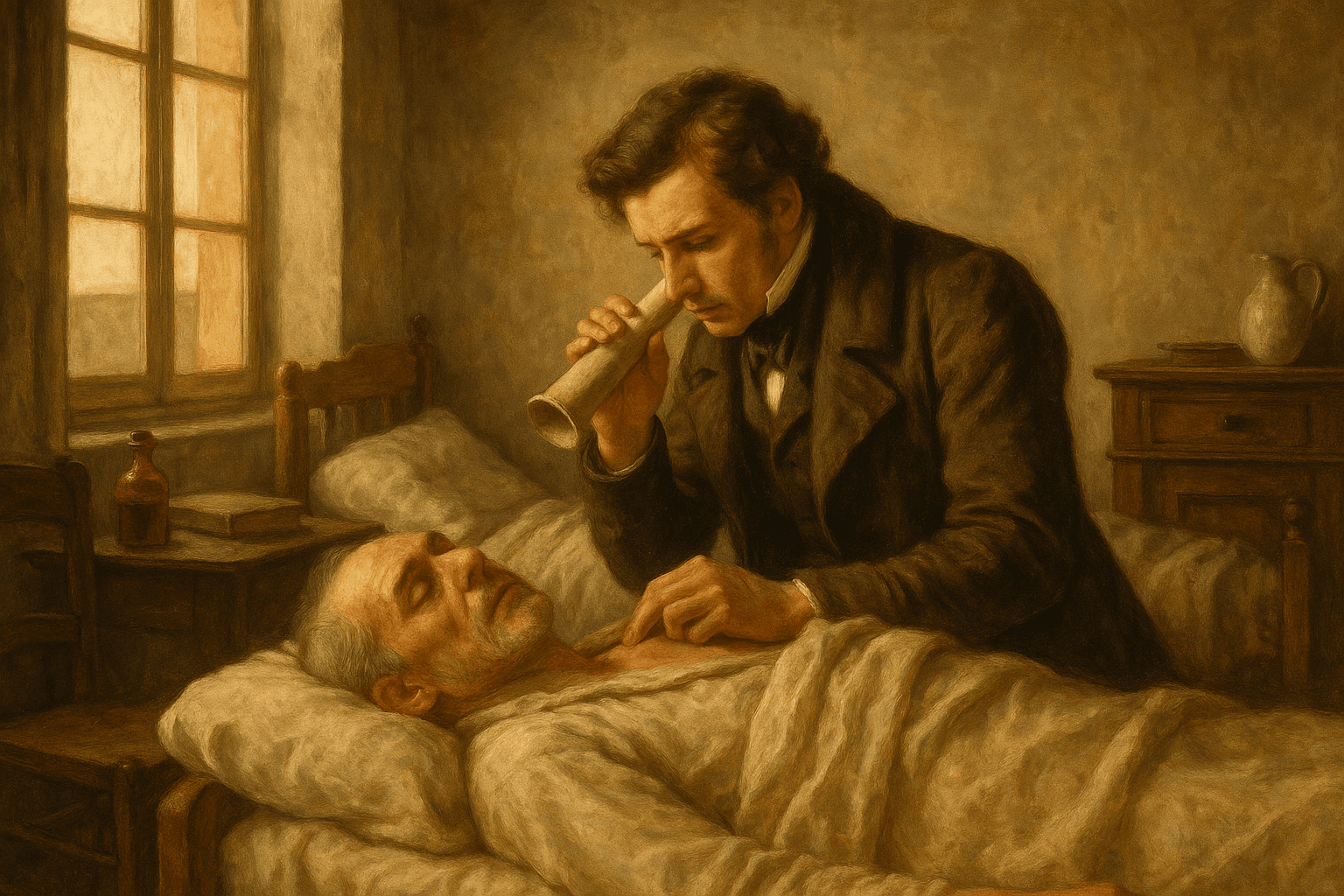
The history of the stethoscope and Laennec's modesty
In 1816 a French doctor felt too awkward to press his ear to a patient's chest, so he rolled up paper — and the stethoscope was born.

Placebo: the Latin word that means «I shall please»
«Placebo» means «I shall please» in Latin and began as a medieval funeral chant. Here is how it jumped from the church to medicine and its famous effect.
Scurvy: the disease that killed more sailors than storms
Scurvy killed more sailors than battles and shipwrecks combined. Its cure was discovered, forgotten, and rediscovered over and over for centuries.