
By 2025, Artificial Intelligence Will Begin to Replace Our Primary Care Doctors
Artificial intelligence already diagnoses better than doctors, and a Google surgery conference convinced me it will soon handle our first consultations.
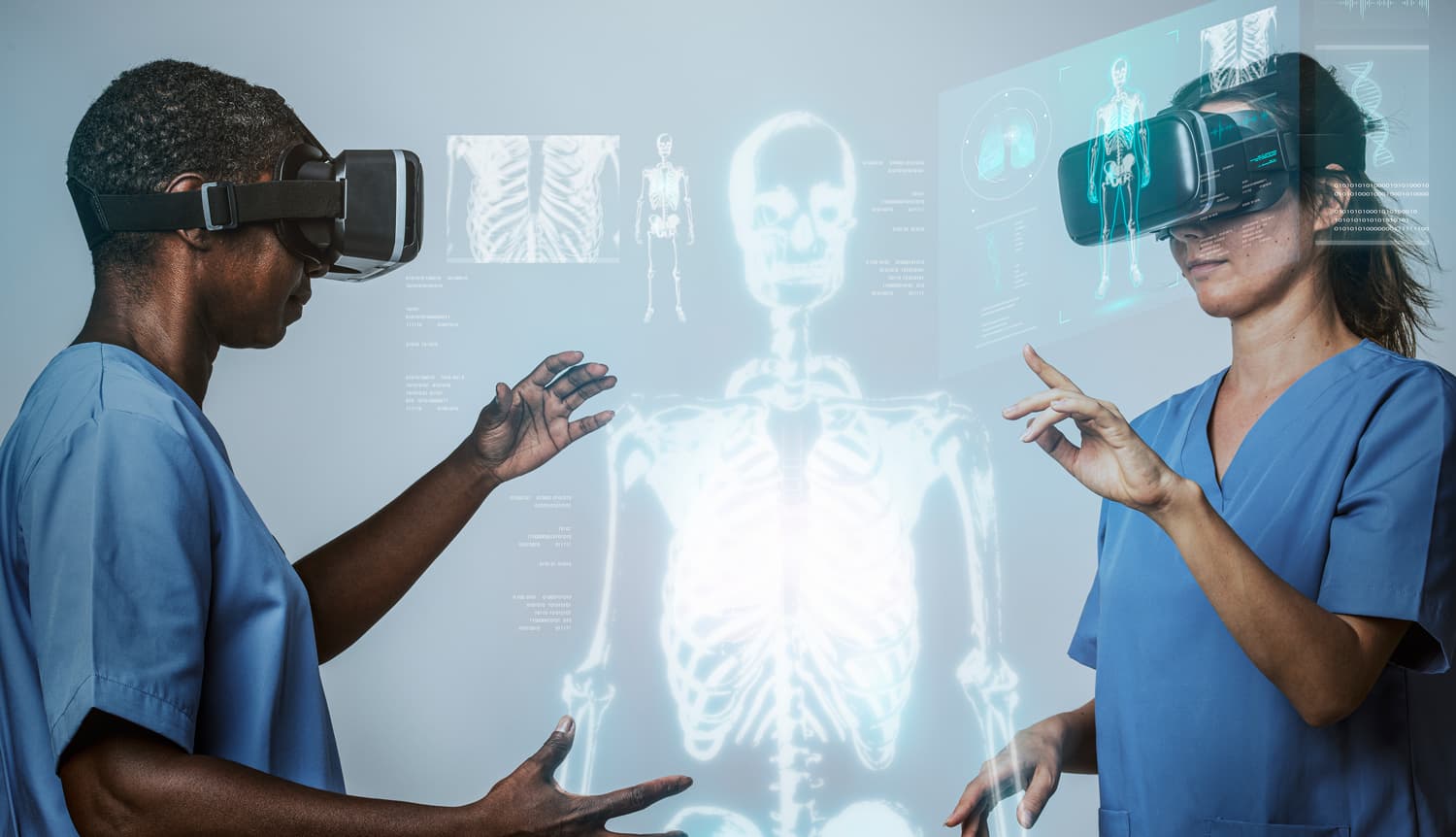
In 2019, I attended a conference at Google in California about AI-assisted surgery. It was more of a relaxed event, organized by the company VERB SURGICAL, a venture between Google and Johnson & Johnson. At the end of the event they offered us cocktails, hors d'oeuvres (my brother and I even won a small drone!), and attendees could chat with company representatives.
I approached one of the vice presidents, who had given the last talk where he mentioned they'd had to video-record thousands of surgical procedures by many surgeons so their robots could learn how to perform surgery correctly. I asked him something very specific: If I had to have surgery with a surgeon, what's the main characteristic I should evaluate in them for my surgery to be successful? That is, based on the data they had (millions of minutes of recorded surgery), what characteristic had they observed as most important for surgical success?… And he answered that they'd talked about this at the company before and he had a clear answer. Not their degrees or credentials—the most important thing was how many times the surgeon had successfully performed the same procedure before. In other words, their experience.
This left me thinking for several days about how skills develop in human beings. But it also led me to think that if I have a system with a vast amount of information about successful surgical procedures (and I mean a vast amount), then eventually, with the right robotic accessories and tools, it should be able to perform a successful operation without the human itself. After all, a system can store information from many more surgeries than even the best surgeon has performed.
I had almost forgotten this anecdote until today, when I came across a scientific study led by Google and DeepMind about a language model for medical care called Med-PaLM 2, which has achieved nearly 90% accuracy in medical diagnosis. Here's the reference: https://arxiv.org/pdf/2305.09617.pdf
All of this makes me think we're at the beginning of AI being able to handle the first line of medical consultations. In recent years, AI has advanced by leaps and bounds and has begun to have a significant impact in other sectors—medicine is the next step.
But this isn't AI's only achievement in the medical field. In 2019, a study at Stanford University showed that an AI algorithm could detect skin cancer more accurately than human doctors. Dermatologists achieved 86.1% accuracy, while the algorithm achieved 95%. This study is just one of many demonstrating that AI systems have the capacity to surpass human doctors in terms of accuracy and speed.
Currently, AI is increasingly used in medicine to help with tasks like diagnosis and treatment selection. Another example: in 2018, an AI system was developed that can detect eye diseases with 94% accuracy. Additionally, AI is also used to analyze large amounts of medical data and find patterns that could be useful for diagnosing and treating diseases.
As AI continues to evolve, it's possible it will begin to play an even larger role in medicine. Some experts also predict that in the not-too-distant future, AI could replace primary care doctors for treating common illnesses. This could have important implications for the healthcare system, as AI systems can reduce costs and allow faster access to medical care.
However, there are also concerns about AI use in medicine. One of the main concerns is the question of liability. If an AI algorithm makes a mistake in diagnosis and causes harm to a patient, who is responsible? The algorithm's manufacturer? The doctor who used it? Or the patient who accepted the diagnosis? Although AI technology is developing rapidly, there still aren't clear regulations regarding legal responsibilities.
In conclusion, AI is an exciting technology with the potential to transform medicine. As the technology continues to advance, we'll likely see greater integration of AI in healthcare. However, it's also important to consider the ethical and legal implications of AI use in medicine, and to work toward establishing clear regulations to protect patients and ensure high-quality medical care.
Categories
The books · born from this blog

Atahualpa con su abrigo de pelo de murciélago
y otras 49 historias verdaderas que parecen mentira
Available on Amazon
Tocar madera
Pequeña historia de las supersticiones que el mundo no ha podido soltar
Available on Amazon
100 futuros
Cien escenarios del mundo que viene con la inteligencia artificial
Available on AmazonYou may also like
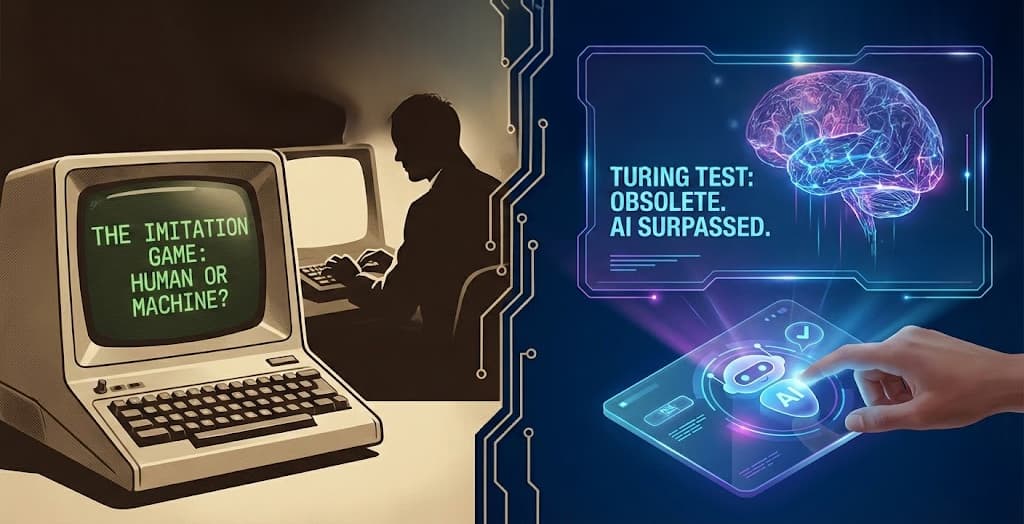
What the Turing Test Is and Why It's No Longer a Challenge for Artificial Intelligence
The Turing Test was AI's holy grail for decades, but a fake Ukrainian boy and modern chatbots reveal why it stopped being a real challenge.
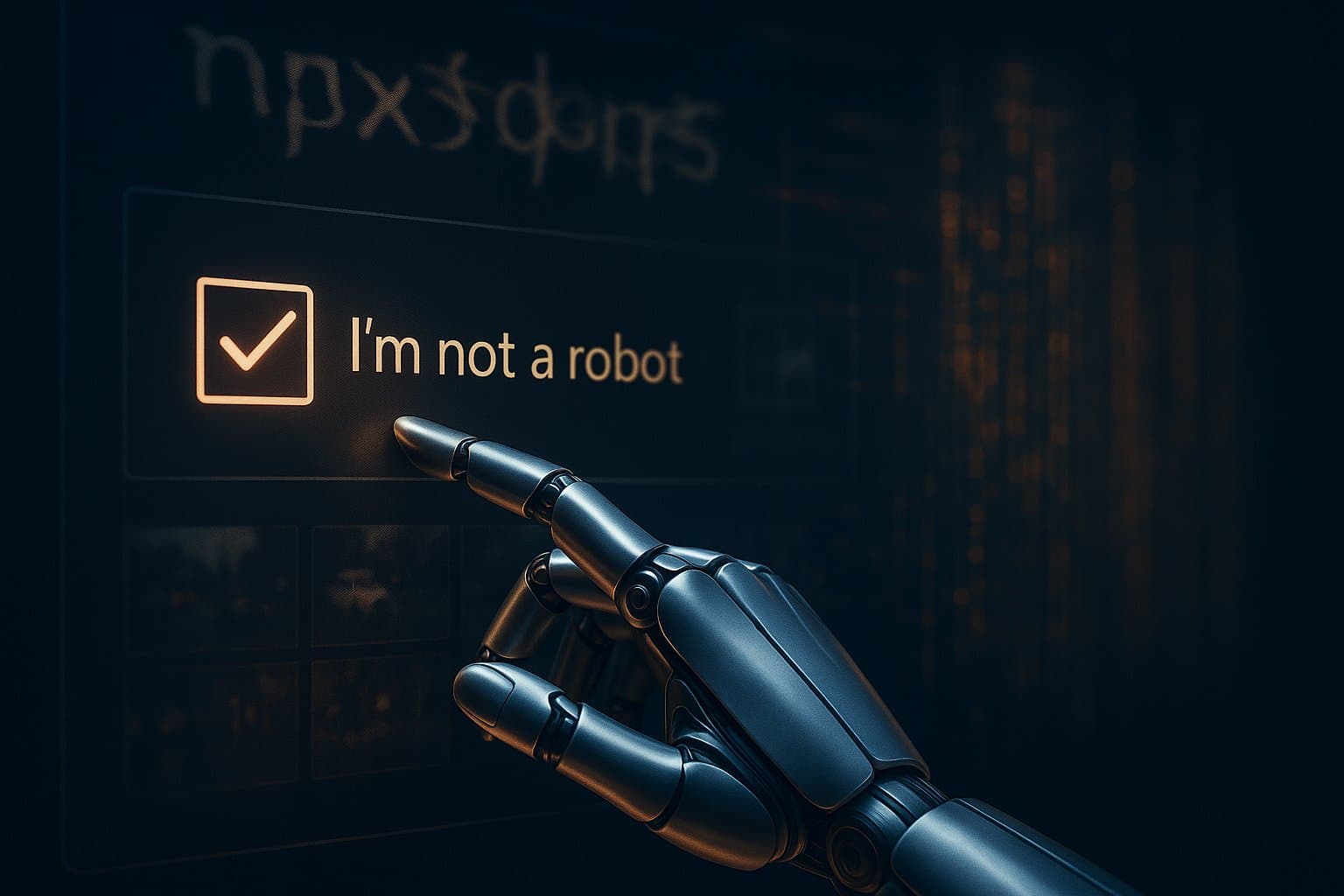
CAPTCHA: the test that lost to AI
For twenty years the CAPTCHA told humans from bots. Today artificial intelligence solves it better and faster than we do. This is its downfall.

I'm Obsessed with a Song That Doesn't Exist! …Or Does It?
I fell in love with a Paul McCartney song in English, until I discovered it never existed and AI had written every note of it.