
Did Cavemen Cut Their Hair?
Did cavemen cut their hair? Bone combs, stone blades, and tribal rituals offer surprising clues about Paleolithic grooming and what hair really meant.

The stereotypical image of cavemen leads us to imagine hairy beings with long manes. However, it's interesting to speculate about whether these ancient human beings cared about their hair and whether they cut it. Although there is no direct evidence of this practice in the cave-dwelling era, we can explore different cultural, anthropological, and archaeological aspects to speculate on this subject.
Before proceeding, what do we consider a "caveman"? At least for the purposes of this article, when I say "caveman," I'll be referring to a man from the Paleolithic. That is, the beginning of what's considered the Stone Age: a prehistoric era, meaning there are no historical or written records.
Therefore, archaeological records are limited in terms of direct evidence about hair cutting among cavemen. But primitive tools have been discovered at archaeological sites, such as combs made of bone or ivory, which suggest the possibility of hair care in prehistoric societies. Most of the tools found are of the cutting type, such as axes, spear points, or stone or shell knives, which also leaves open the possibility that they could have used any of these same tools to cut their hair. But it's speculation at the end of the day.
What can be stated with certainty is that hair has held cultural and symbolic significance in various societies throughout history. In some contemporary tribes and cultures, hair cutting can be part of transition rituals, religious ceremonies, or expressions of identity and social status. These cultural precedents could indicate that cavemen might also have attributed some type of symbolic or ritualistic value to the care and cutting of their hair.
Considering the environment in which cavemen lived, it's plausible that they faced situations in which short hair would provide them with certain practical advantages. For example, in warm climates, short hair could help regulate body temperature and prevent overheating. Likewise, short hair could reduce the burden of parasites and facilitate hygiene in an era when health and survival were fundamental.
Another path is to look for analogies with contemporary tribal societies: although we cannot directly affirm that cavemen cut their hair, we can analyze societies that maintain ancient traditions and similar practices. In some indigenous cultures, hair cutting in men is associated with rites of passage to adulthood, religious rituals, or social hierarchies.
Although direct evidence about whether cavemen cut their hair is scarce, there are indications that allow us to speculate on this possibility. Archaeological findings, the cultural and symbolic importance of hair, practical and adaptive reasons, and analogies with contemporary tribal societies provide us with a framework to consider that hair care and cutting could have been a practice present in ancient prehistoric civilizations. However, future research and discoveries are required to obtain more solid conclusions on this subject.
References
- Naturhistorisches Museum Wien, "Venus of Willendorf / Venus Research," research dossier on the Willendorf figurine (c. 29,500 years old), Natural History Museum Vienna. nhm.at
- Musée d'Archéologie nationale (Saint-Germain-en-Laye), "The Lady with the Hood" (Dame de Brassempouy), collection record: mammoth ivory, c. 28,000 BC, with incised chequerboard pattern interpreted as braided hair or a hood. musee-archeologienationale.fr
- C. R. Hallpike, "Social Hair," Man (New Series), vol. 4, no. 2, Royal Anthropological Institute, 1969, pp. 256-264. DOI: 10.2307/2799572. doi.org
Categories
The books · born from this blog

Atahualpa con su abrigo de pelo de murciélago
y otras 49 historias verdaderas que parecen mentira
Available on Amazon
Tocar madera
Pequeña historia de las supersticiones que el mundo no ha podido soltar
Available on Amazon
100 futuros
Cien escenarios del mundo que viene con la inteligencia artificial
Available on AmazonYou may also like
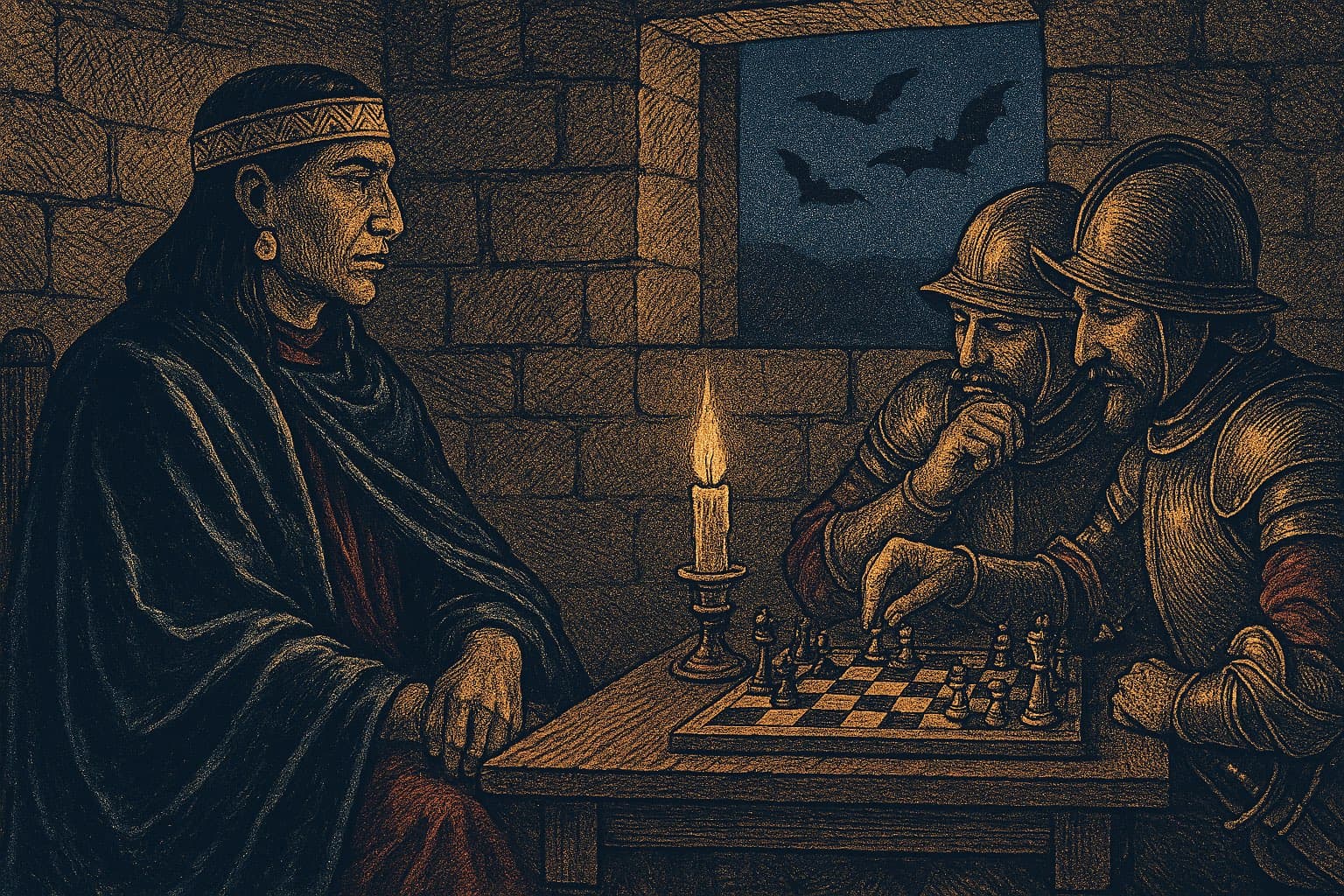
Atahualpa's Chess Game Is Legend; His Bat-Hair Cloak Is Not
Two stories from Atahualpa's captivity: the chess game everyone cites and a cloak woven from bat hair. Only one of them is documented.

The Invisible Giants and Their Shoulders of Concrete: The Story of Forgotten Brilliant Minds
Behind 20 famous inventions stand forgotten brilliant minds who nearly got the credit, the real giants on whose shoulders history's stars stood.
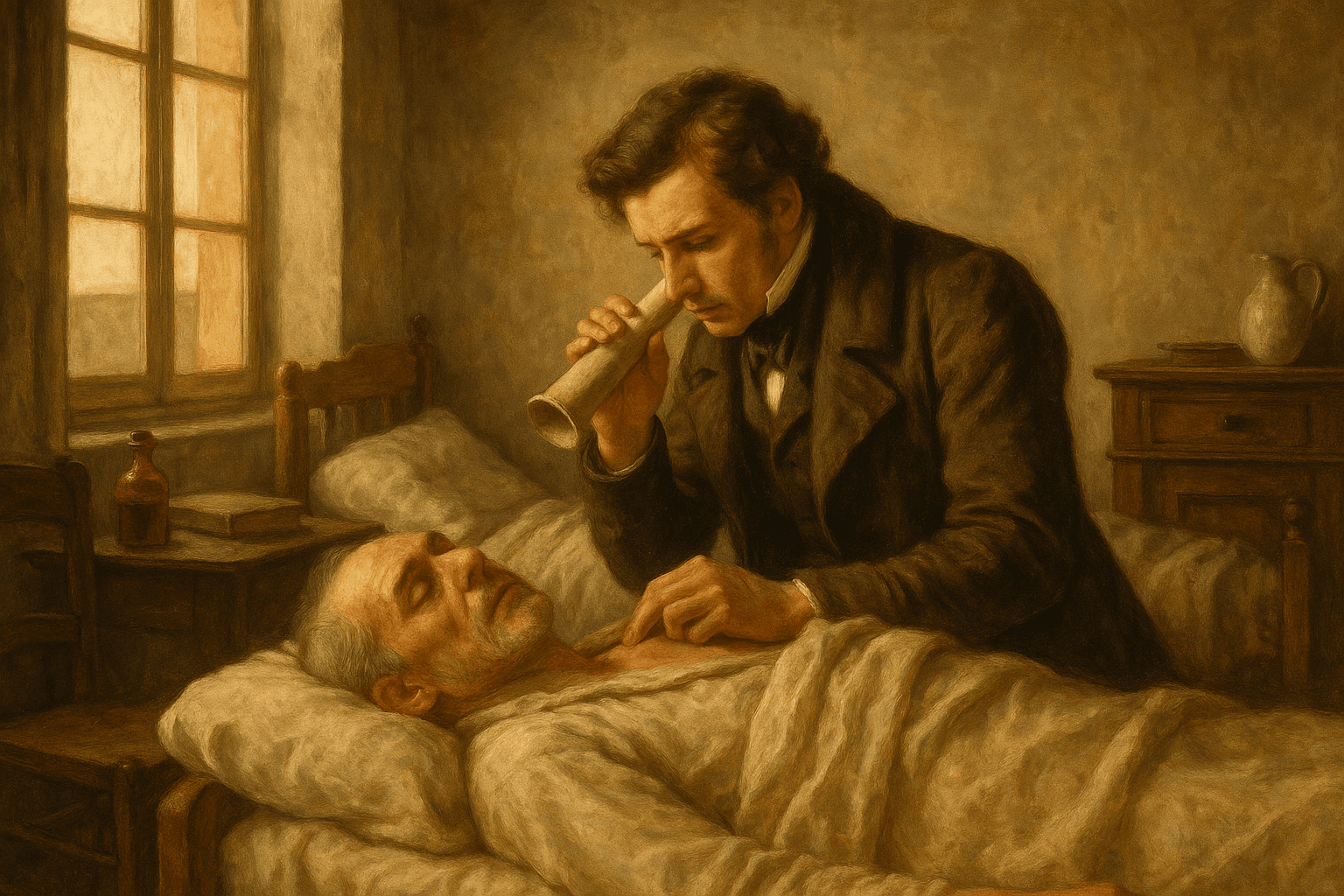
The history of the stethoscope and Laennec's modesty
In 1816 a French doctor felt too awkward to press his ear to a patient's chest, so he rolled up paper — and the stethoscope was born.