
The Invisible Giants and Their Shoulders of Concrete: The Story of Forgotten Brilliant Minds
Behind 20 famous inventions stand forgotten brilliant minds who nearly got the credit, the real giants on whose shoulders history's stars stood.
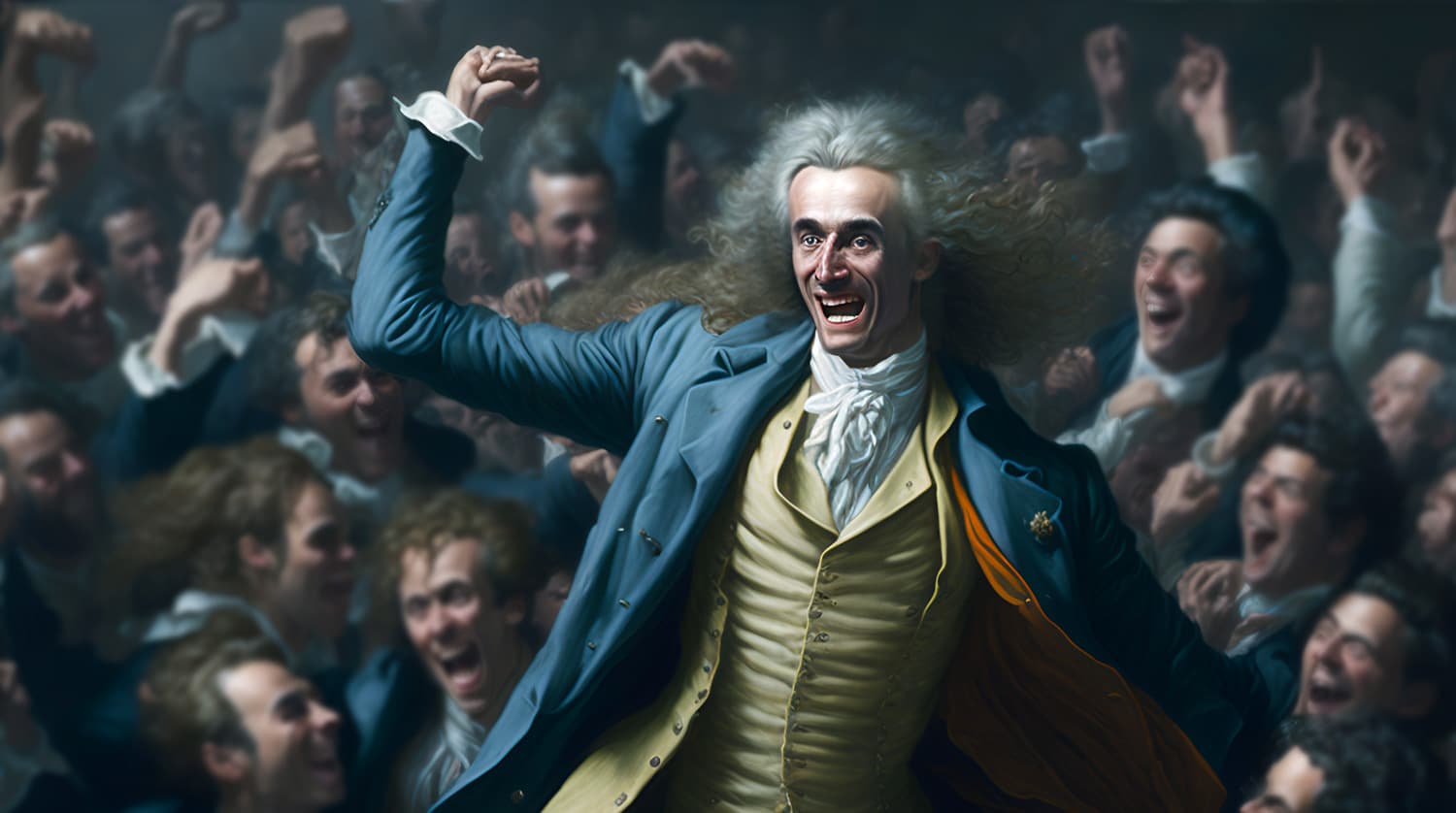
A phrase I've always liked, for everything it carries behind it, is one uttered by Isaac Newton himself. While there are allusions to very similar phrases since time immemorial, Newton's reference has remained the most remembered and goes like this: "If I have seen further than others, it is by standing on the shoulders of giants."
The phrase refers to the fact that the achievements Newton made in his life are not his alone, but were the fruit of the work of other brilliant minds who came before him. It's a fair way of giving credit to those who paved the way. Almost always, if not always, when a great discovery or invention is made, behind it is a chain of brilliant minds that fall into oblivion, yet contributed enormously. Today we'll try to recognize some of them.
Below I've compiled a list of 20 notable historical cases, where the invention, discovery, or theory could have been attributed to another person, who now is most likely a forgotten name. That's why I used the word invisible in my title.
- The telephone: Alexander Graham Bell is widely recognized as the inventor of the telephone, but Elisha Gray was also working on a similar device and filed a patent application shortly after Bell. I've written an extensive article about this on this very blog.
- The theory of relativity: Albert Einstein is known for his theory of relativity, but Henri Poincaré had also developed similar ideas around the same time. We also shouldn't overlook the work of Hendrik Lorentz.
- The theory of evolution: Charles Darwin is famous for his theory of evolution, but if he hadn't published his work, Alfred Russel Wallace might have been the first to present it.
- The airplane: The Wright brothers are known for making the first controlled, powered flight, but other aviation pioneers, like Alberto Santos-Dumont, were also working on similar designs.
- The structure of DNA: James Watson and Francis Crick are famous for discovering the double helix structure of DNA, but Rosalind Franklin also contributed valuable X-ray diffraction data.
- The radio: Guglielmo Marconi is famous for developing the radio, but Nikola Tesla also conducted important research in the field of wireless communications.
- Quantum theory: Max Planck is famous for his work on quantum theory, but if it hadn't been for him, other theoretical physicists like Niels Bohr might have formulated similar theories.
- Insulin therapy: Frederick Banting and Charles Best are known for discovering insulin therapy for the treatment of diabetes, but other researchers were also experimenting with the use of insulin.
- The law of universal gravitation: Isaac Newton formulated the law of universal gravitation, but if he hadn't, another scientist like Johannes Kepler might have developed a similar theory at some point. I wrote a related article on this blog some time ago.
- The electron microscope: Ernst Ruska is famous for developing the first electron microscope, but other scientists were also researching in the field of high-resolution microscopy.
- Nuclear energy: If it hadn't been for the work of several scientists like Marie Curie, Ernest Rutherford, and others, the discovery and development of nuclear energy might have been attributed to different people.
- The helicopter: Igor Sikorsky is known for building the first practical helicopter, but other engineers and designers were also working on helicopter prototypes at that time. There are even sketches of ideas similar to helicopters from the time of Leonardo da Vinci.
- The internal combustion engine: If it hadn't been for Nikolaus Otto's development of his four-stroke engine, other engineers like Étienne Lenoir or Jean Joseph Étienne Lenoir might have received credit for the invention.
- The printing press: Johannes Gutenberg is recognized for the invention of the movable-type printing press, but other Chinese inventors like Bi Sheng had already developed similar methods before.
- The telescope: Galileo Galilei is known for his use of the telescope in astronomy, but if it hadn't been him, other astronomers like Hans Lippershey or Jacob Metius might have been recognized for it.
- Radioactivity: Marie Curie is famous for her research on radioactivity, but other scientists like Antoine Henri Becquerel were also researching in that field at the same time.
- Photography: Louis Daguerre is recognized for developing the photographic process known as the daguerreotype, but other inventors like Joseph Nicéphore Niépce were also working on photographic techniques.
- The electric motor: If it hadn't been for Thomas Davenport's work in developing the first functional electric motor, other inventors like Michael Faraday might have been recognized for it. In fact, Faraday built a rudimentary version of an electric motor much earlier, but only for demonstrative purposes, not practical ones.
- Radar: Robert Watson-Watt is recognized for developing radar, but if it hadn't been him, other scientists and engineers like Christian Hülsmeyer or Nikola Tesla might have been credited for it.
- The steam engine: James Watt is famous for his improvement of the steam engine, but if it hadn't been for him, other engineers and inventors like Thomas Newcomen or Denis Papin might have made significant contributions.
Categories
The books · born from this blog
Atahualpa con su abrigo de pelo de murciélago
y otras 49 historias verdaderas que parecen mentira
Available on Amazon
Tocar madera
Pequeña historia de las supersticiones que el mundo no ha podido soltar
Available on Amazon
100 futuros
Cien escenarios del mundo que viene con la inteligencia artificial
Available on AmazonYou may also like
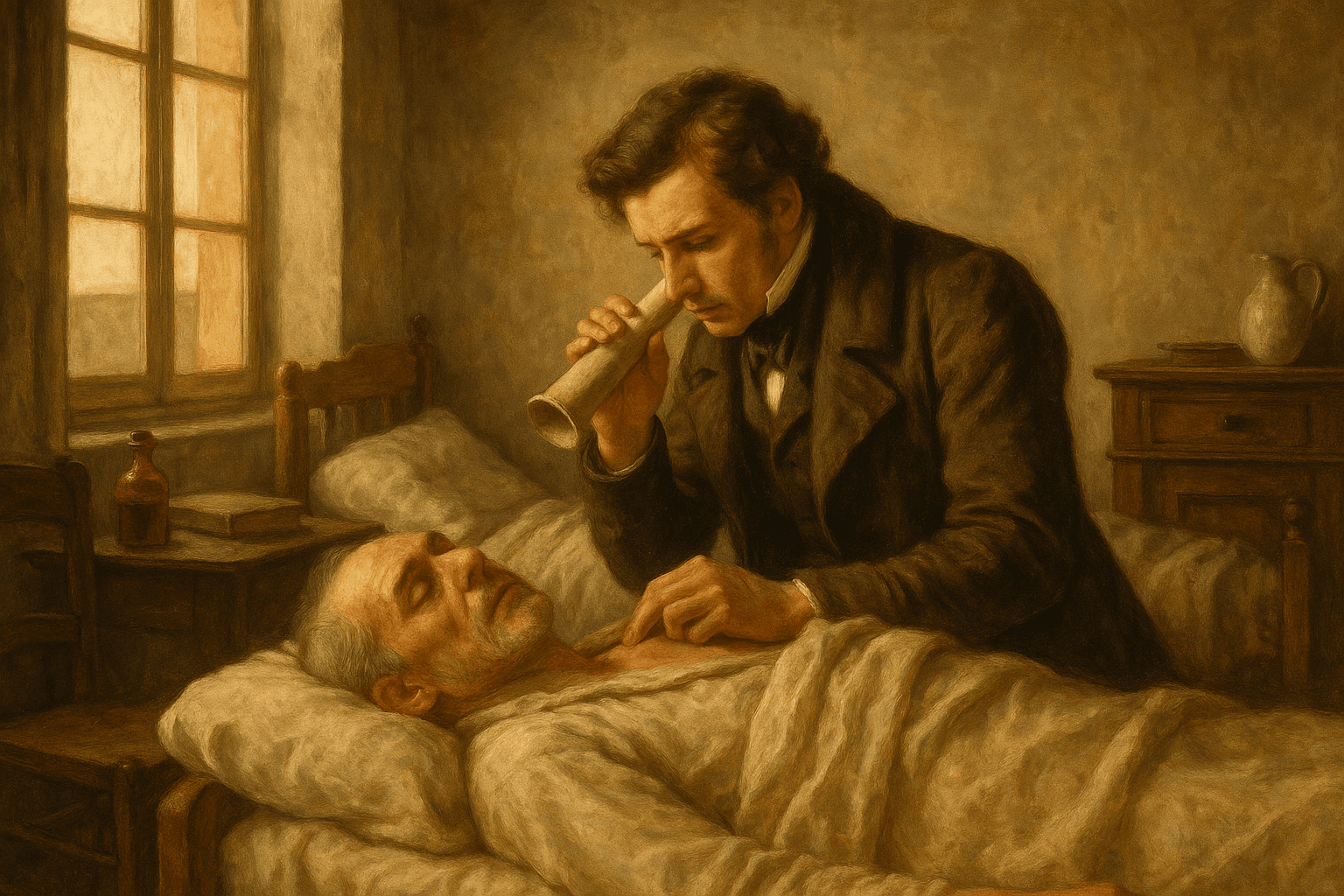
The history of the stethoscope and Laennec's modesty
In 1816 a French doctor felt too awkward to press his ear to a patient's chest, so he rolled up paper — and the stethoscope was born.

Placebo: the Latin word that means «I shall please»
«Placebo» means «I shall please» in Latin and began as a medieval funeral chant. Here is how it jumped from the church to medicine and its famous effect.
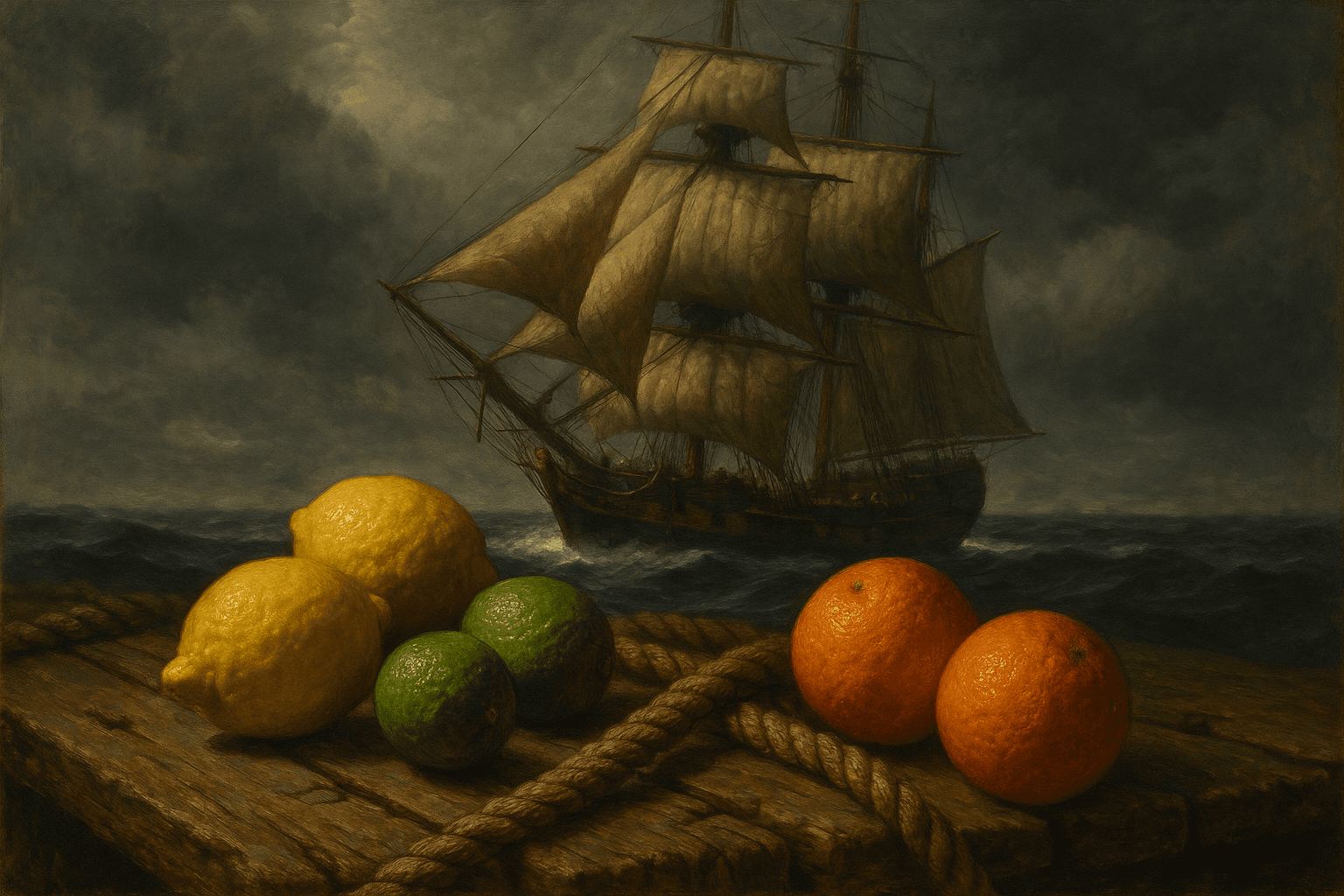
Scurvy: the disease that killed more sailors than storms
Scurvy killed more sailors than battles and shipwrecks combined. Its cure was discovered, forgotten, and rediscovered over and over for centuries.