
The Democracy of Bees
The democracy of bees is real: through the waggle dance, the hive votes on its new home, proving group decisions beat the queen's command.
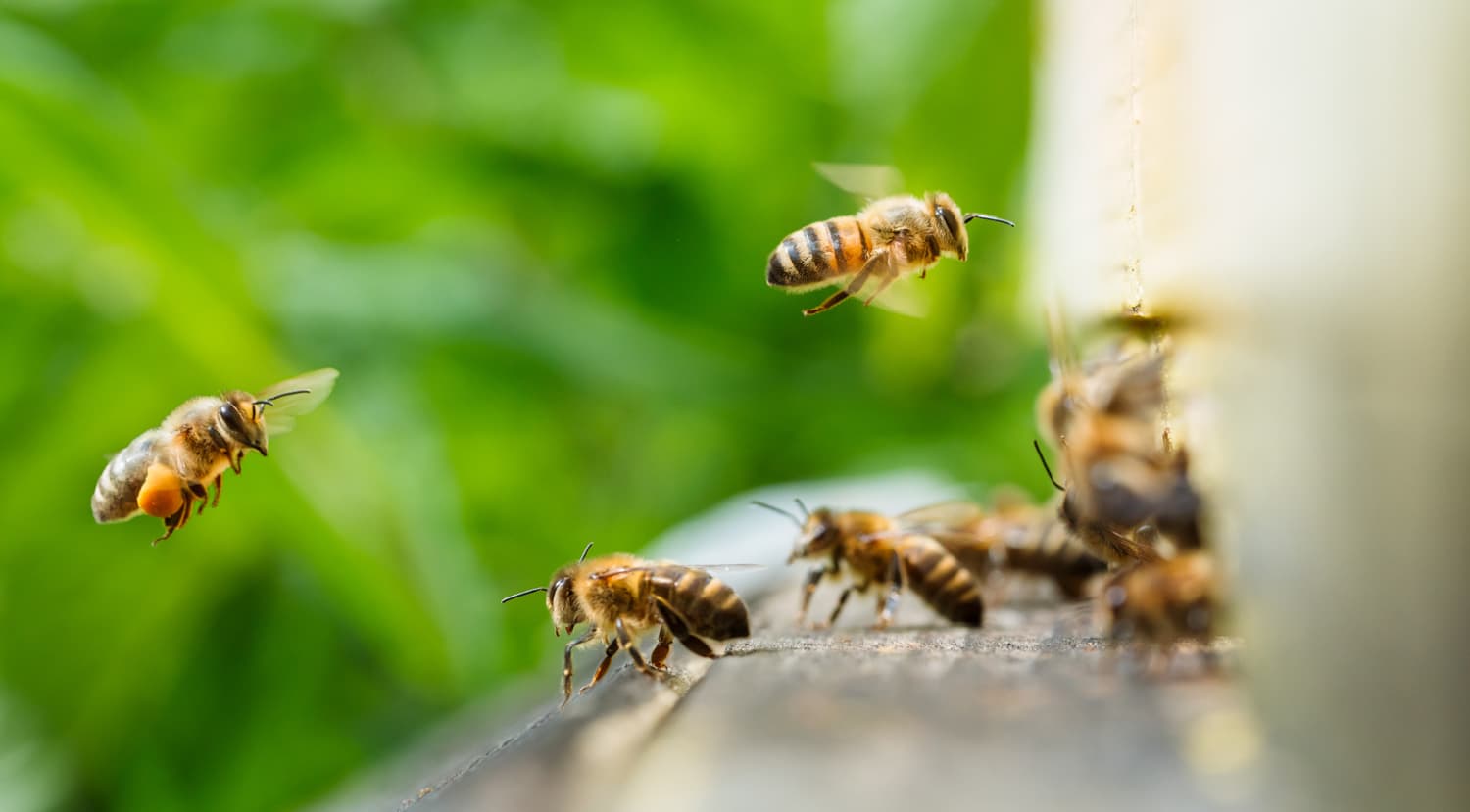
The title might sound strange, and you might wonder: what do these little creatures have in common with politics? Well, turns out, a lot more than we might imagine. Bees are social beings that live in a highly organized and hierarchical colony. Although it may seem that the queen is the undisputed leader, in reality, decision-making in the hive is a democratic process.
When it comes time to find a new home —which happens when the colony swarms and splits in two—, a kind of vote is held in which all bees have a voice and a vote. Instead of a simple majority system, bees use a method called the "waggle dance." Scout bees that have found a new home perform a kind of dance to communicate the location and quality of the site. If other bees agree, they join the dance and track the location. When a sufficient number of bees join the dance, the decision is made to relocate the hive. Of course, science tells us that this behavior is triggered when the queen's egg production decreases and her pheromone levels also drop. The bees no longer feel as drawn to the queen, and part of the hive prepares to leave.
Studies have shown that decisions made by bees are more accurate than those that would be made randomly. Furthermore, this system also allows the final decision to be made by the majority of the hive, which means that the decision benefits the general welfare of the colony.
Democracy in bees also extends to the selection of the queen. If the current queen is aging or getting sick, the bees create a new queen. The larva selected to become the queen is fed royal jelly and cared for by worker bees. The newly born queen must fight for the position against other royal larvae, and the final choice is made by the majority of the bees.
This selection system is also very effective, since the queen chosen by the majority of the bees is generally the strongest and healthiest, which means she is more likely to produce a strong and healthy colony. As a result, bee colonies that use democracy in their decision-making are able to survive and thrive in their environment.
The democracy of bees also extends to more everyday problems. For example, when it's time to decide whether they should collect nectar from a particular flower, the bee that arrives first at the flower performs a kind of dance to communicate the location and quality of the nectar to other bees. If other bees agree, they join in and collect the nectar as a group. This is not only more effective, but it also maximizes efficiency and minimizes the time and energy needed to collect nectar.
But the use of democracy in bees doesn't stop there. In some bee species, such as honey bees, when a threat arises, such as an animal attack or an invasion by other bees, the bees emit a special sound, creating a vibration wave that alerts the rest of the colony. The worker bees then gather to discuss the best way to address the threat and make a team decision. This system has proven to be very effective in protecting the colony against potential dangers.
Another example of democracy in bees is the way they determine how much food they should collect. Forager bees perform a kind of dance to communicate the amount of food they have collected. If other bees agree, they join the dance and go out in search of more food. If the amount of food being collected is sufficient, the bees will stop dancing and the rest of the colony will dedicate itself to other tasks, such as building honeycombs.
In conclusion, the democracy of bees is a highly effective and efficient system that allows them to make decisions that benefit the general welfare of the colony. This system is not only accurate, but has also proven to be more effective than random decision-making systems. Bees are a perfect example of how democracy can be used to maximize the efficiency and general welfare of a social group. If only we humans could follow their example, the world would be a much better place!
However, not everything is perfect in the democracy of bees. In some bee species, worker bees can also take control and replace the queen. This can lead to problems in the colony if the queen is replaced by one that is not as strong or healthy. Additionally, in some situations, the desire of the majority may not be what's best for the colony as a whole.
Despite these problems, the democracy of bees remains an impressive example of how group decision-making can be highly effective. In a world where politics and decision-making are often affected by corruption and lack of ethics, the democracy of bees shows us that there is a better way. If we could learn from bees and apply their methods to our own society, we could create a more just and equitable world for all.
References
- Thomas D. Seeley, Honeybee Democracy, Princeton, Princeton University Press, 2010 (ISBN 978-0-691-14721-5). press.princeton.edu
- Thomas D. Seeley and P. Kirk Visscher, “Quorum sensing during nest-site selection by honeybee swarms,” Behavioral Ecology and Sociobiology, vol. 56, no. 6, 2004, pp. 594-601. DOI: 10.1007/s00265-004-0814-5. doi.org
- Thomas D. Seeley, Honeybee Democracy, Princeton, Princeton University Press, 2010. press.princeton.edu
Categories
The books · born from this blog

Atahualpa con su abrigo de pelo de murciélago
y otras 49 historias verdaderas que parecen mentira
Available on Amazon
Tocar madera
Pequeña historia de las supersticiones que el mundo no ha podido soltar
Available on Amazon
100 futuros
Cien escenarios del mundo que viene con la inteligencia artificial
Available on AmazonYou may also like
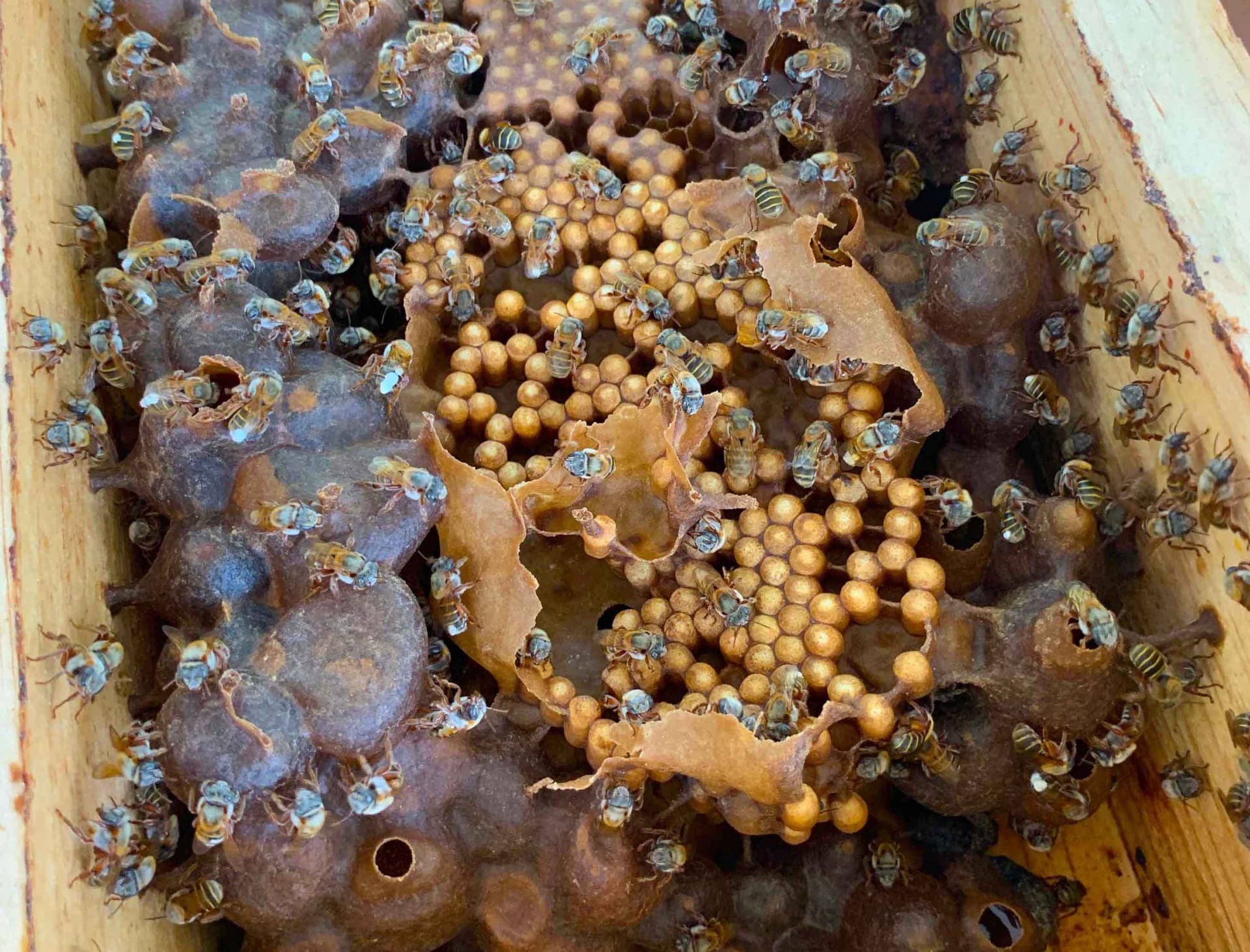
How to catch a swarm of melipon bees, also called "stingless bees".
How to catch a swarm of stingless melipona bees, which lack a sting but bite fiercely, plus what meliponiculture beginners must know first.
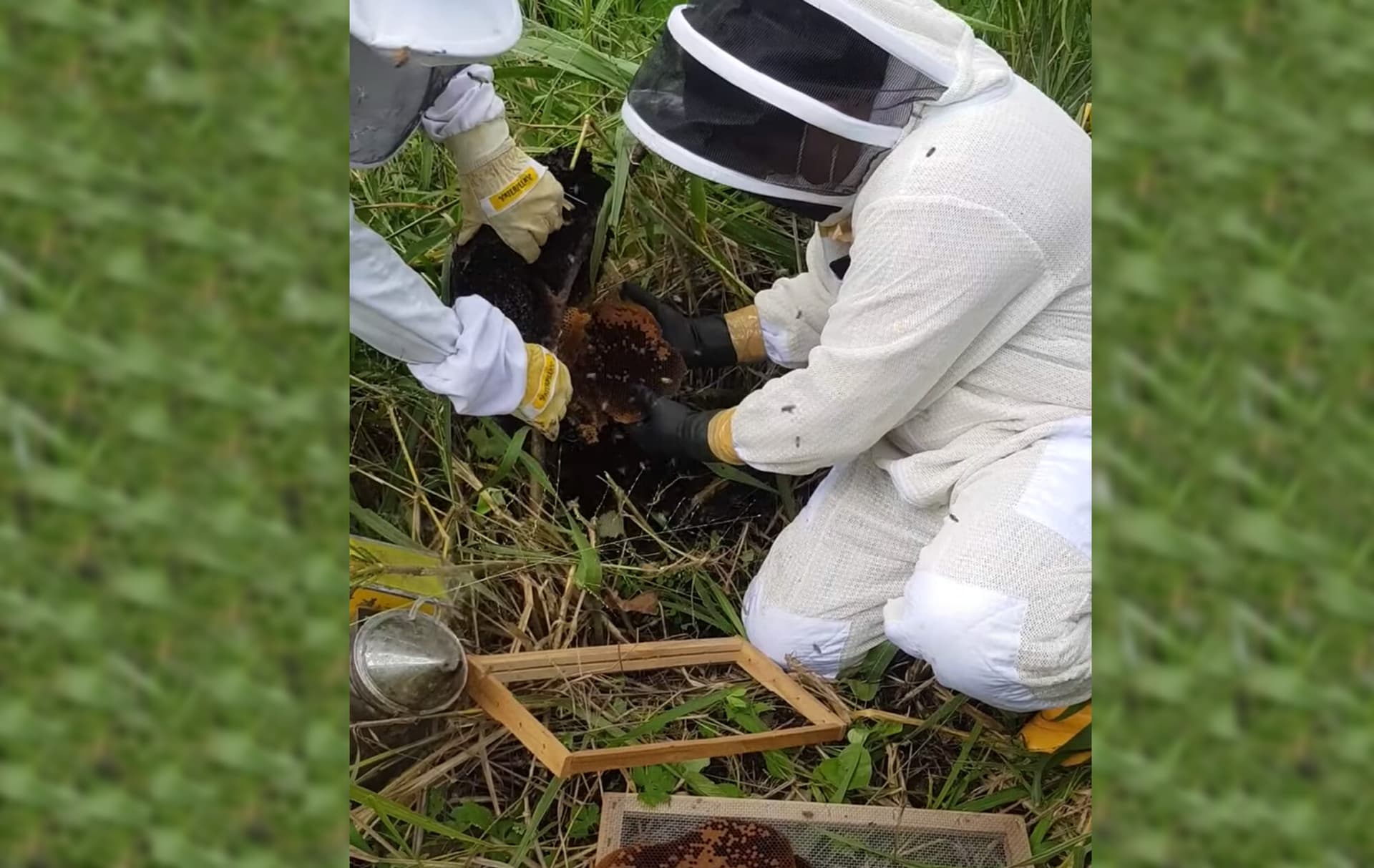
How to catch swarms of wild bees, without getting hurt?
How to catch a swarm of wild bees without getting hurt, where the real trick is making absolutely sure you have captured the queen first.

Morse Code: How It Works and Why It Saved Lives
Morse code turns letters into dots and dashes that travel down a wire or a flash of light. Here is how it works, where it came from and why it is still used.