
The Origin of the Word "Boycott"
The word boycott comes from a real man, Charles Boycott, an English land agent in Ireland whom an entire community refused to serve in 1880.
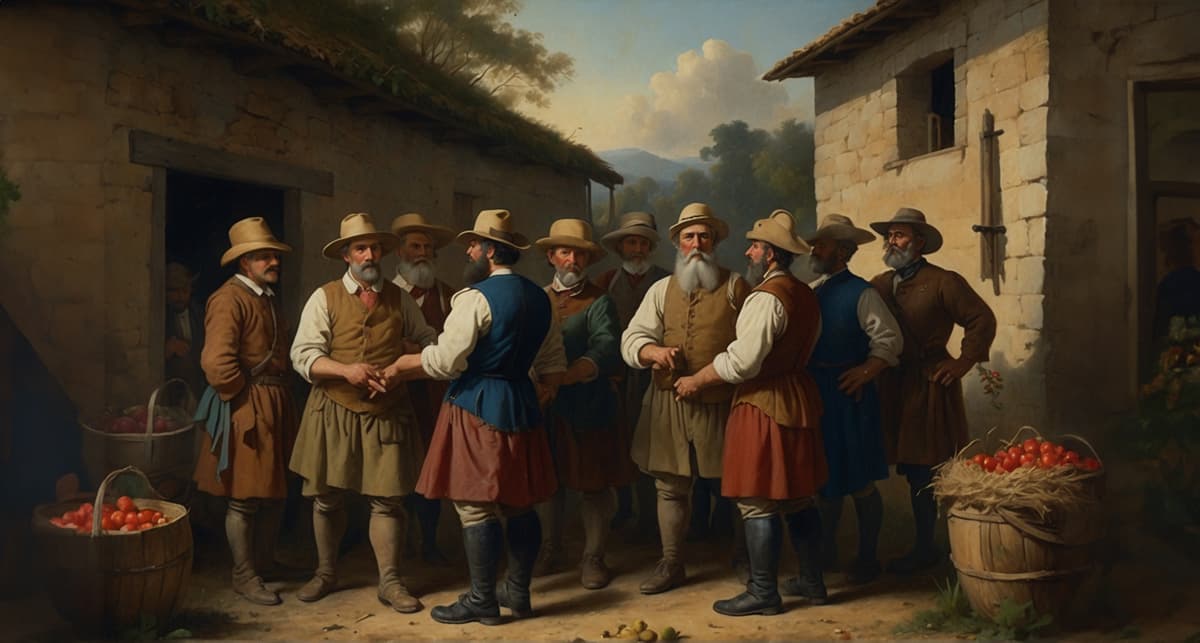
Doesn't this little word sound strange to you? Like it doesn't quite fit with most words in the Spanish language. Well, I don't know if it seems that way to you, but I got curious and did some digging, and I came across an interesting story that I must confess I didn't know at all. Here I'll tell you about it.
It turns out that Charles Cunningham Boycott was an English land agent who worked on Lord Erne's estate in Ireland. During that time, Ireland was experiencing a period of political and social upheaval, with growing tensions between English landlords and Irish tenant farmers, who often faced difficult living conditions and unfair leases.
In 1880, when Lord Erne refused to reduce rents for the tenants in response to a bad harvest, the Irish Land League began a campaign of peaceful resistance. In an effort to pressure landlords to reduce rents and improve living conditions for tenants, the League began encouraging farmers and agricultural workers to refuse to work for landlords who wouldn't negotiate.
When harvest time came, Boycott found himself in a desperate situation. The local community, in solidarity with the tenants who were being exploited, refused to work his land, even though Boycott tried to hire replacements from outside the region. Local suppliers also refused to provide goods and services to Boycott, effectively isolating his property.
Boycott's situation became unsustainable, and he eventually had to ask the British government for help to protect his property and harvest his crops. Newspapers of the time reported extensively on the boycott, and the term "boycott" became popularized as a way to describe this type of nonviolent protest action.
Although the boycott against Boycott didn't resolve all the social injustices in Ireland, it became an example of how peaceful resistance and economic pressure could be used to challenge the status quo and highlight social inequalities. Since then, the term "boycott" has been used around the world to describe a variety of protest and resistance movements.
Enjoy the stories behind words? Continue with where “cocolón” really comes from and the etymology of the word “yoni”, or browse the whole etymology series.
The books · born from this blog
Atahualpa con su abrigo de pelo de murciélago
y otras 49 historias verdaderas que parecen mentira
Available on Amazon
Tocar madera
Pequeña historia de las supersticiones que el mundo no ha podido soltar
Available on Amazon
100 futuros
Cien escenarios del mundo que viene con la inteligencia artificial
Available on AmazonYou may also like
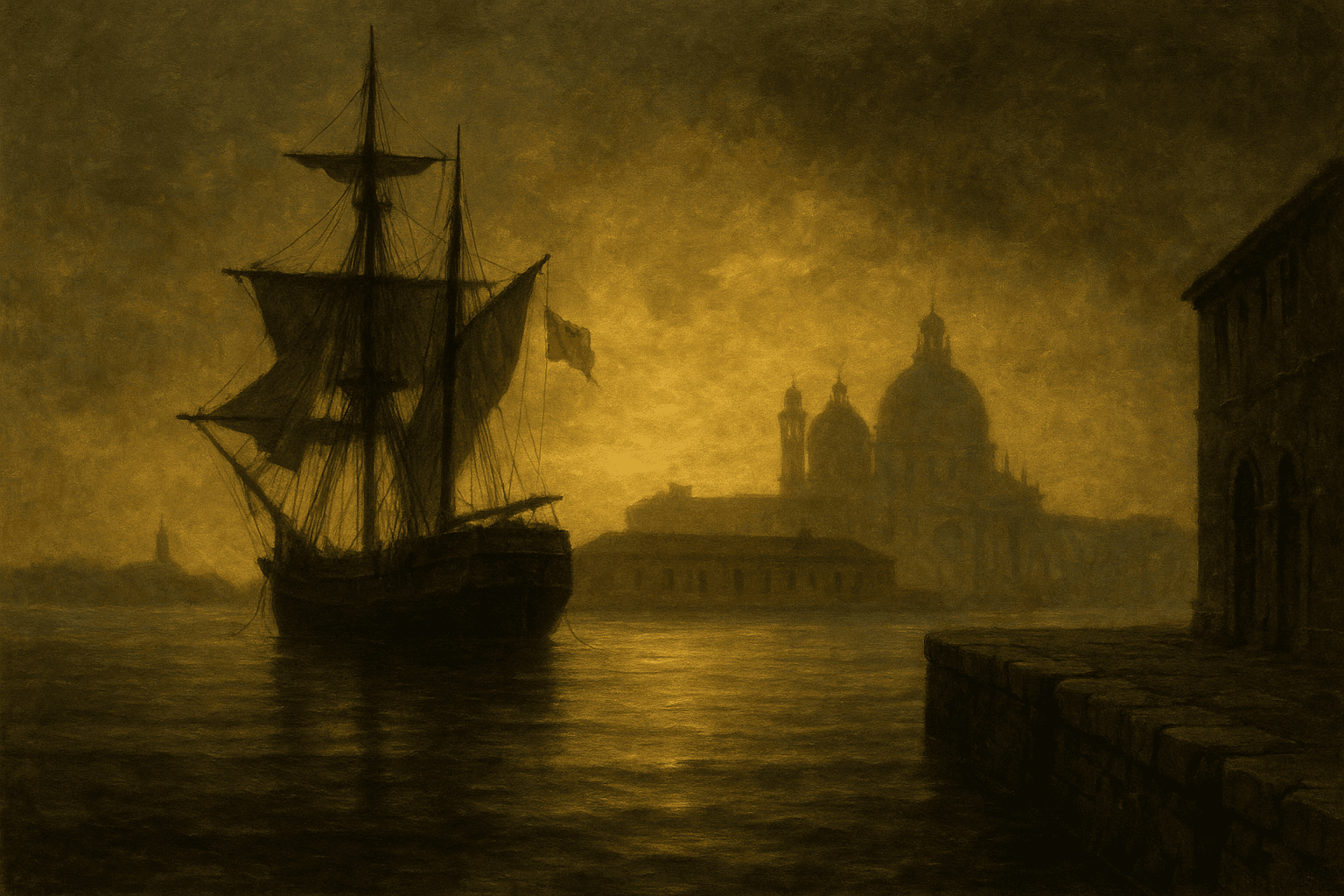
The Origin of the Word “Quarantine”: 40 Days in Venice
Where does the word quarantine come from? From the 40 days that Venice and Ragusa forced ships to wait during the Black Death. Here is its story.
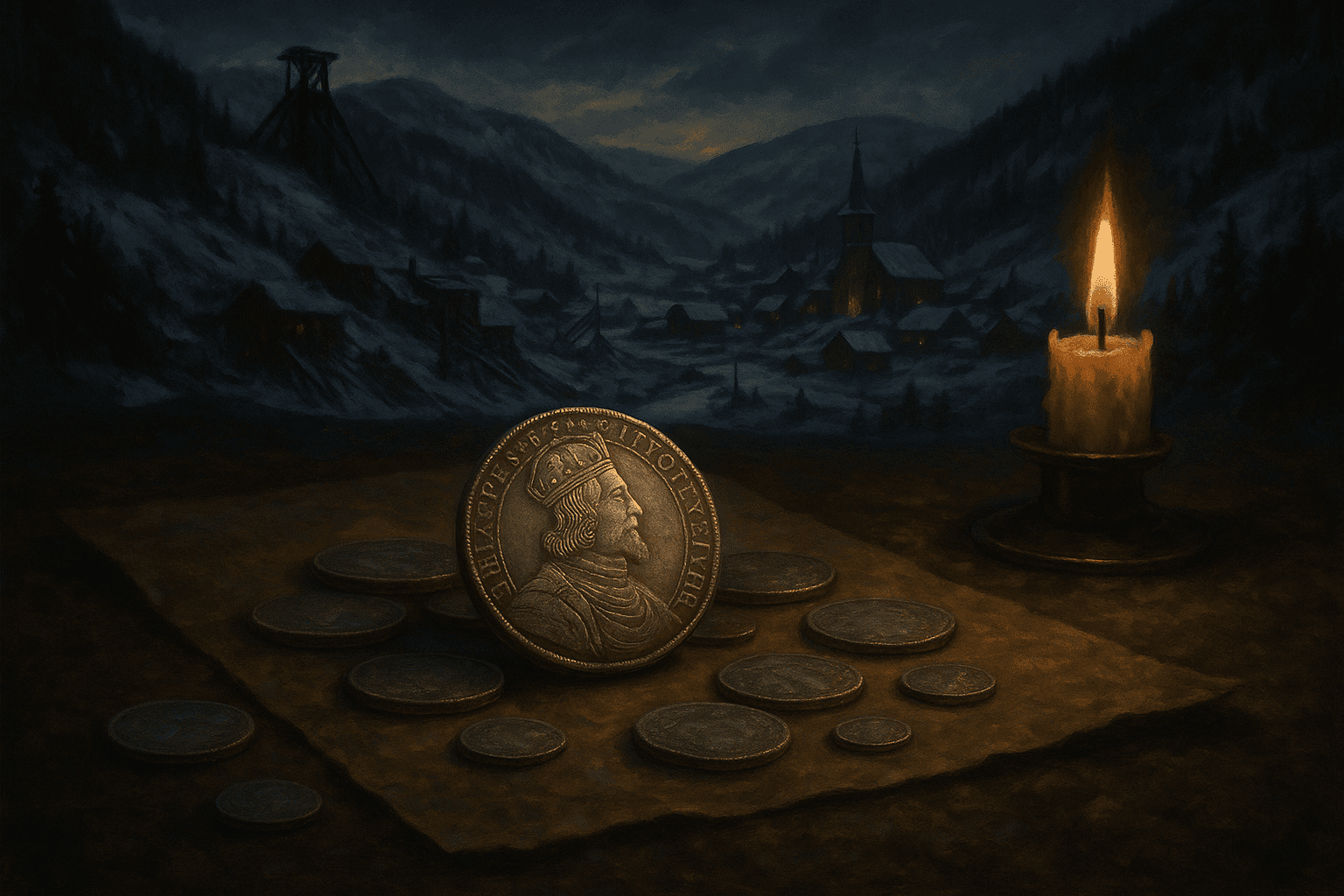
The Origin of the Word “Dollar”: a Bohemian Valley
Where does the word dollar come from? From a silver-mining valley in Bohemia and a 16th-century coin. The story of the thaler that conquered the world.
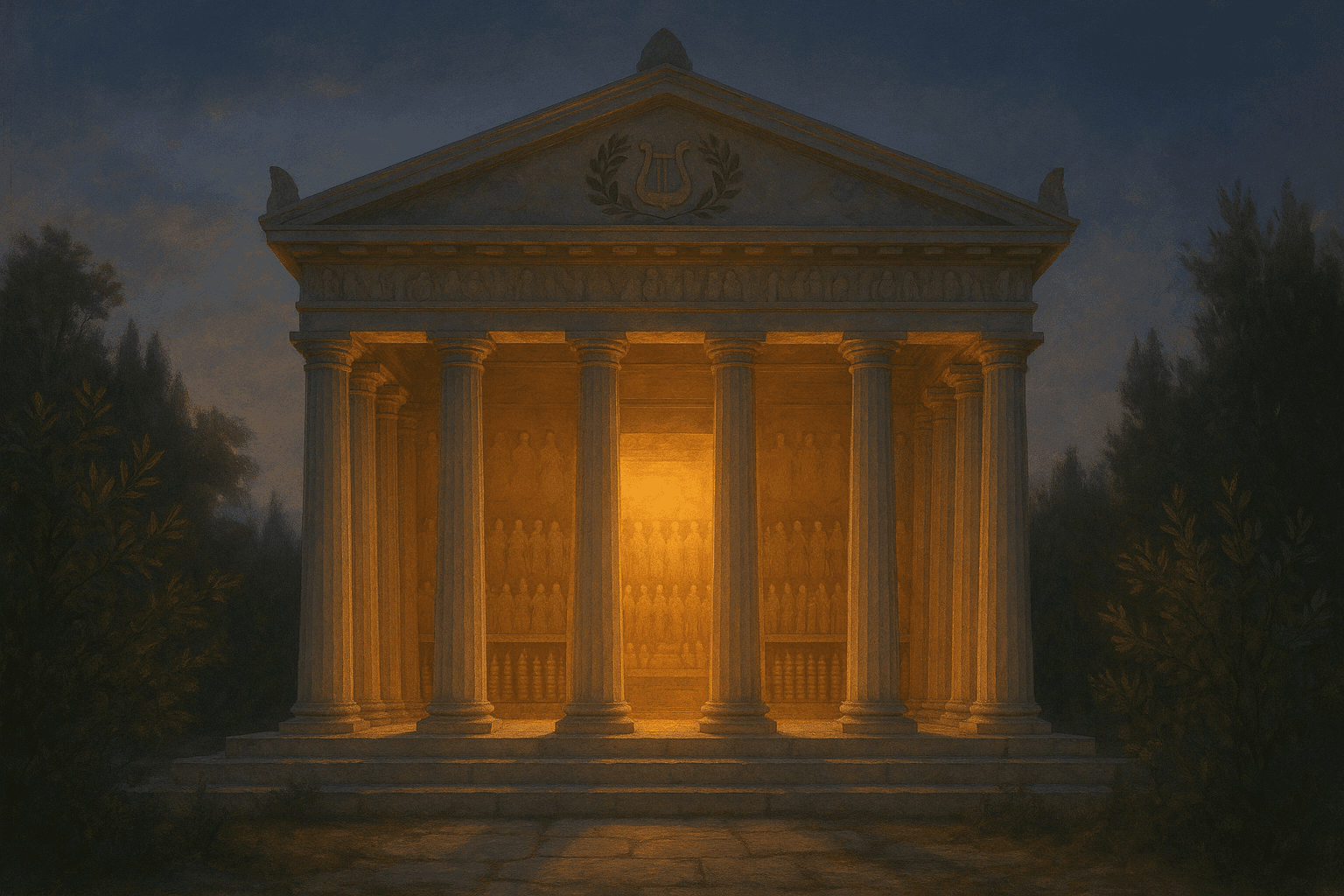
The Origin of the Word “Museum”: House of the Muses
Where does the word museum come from? From mouseion, the temple of the Greek Muses and the great center of learning in Alexandria, long before glass cases.