
The Origin of the Word “Ostracism”
In classical Athens, scratching a name on a piece of broken pottery could banish a man for ten years. This is how ostracism was born.

When we say today that someone has been “ostracized” —the footballer the coach no longer calls up, the politician his own party keeps hidden— we use the word in a vague sense: pushed aside, frozen out. It sounds abstract. But its origin is as concrete as it gets: a piece of broken pottery with a name scratched on it.
A vaccine against tyrants
Picture the scene. Athens, early 5th century BC. Democracy was a brand-new, fragile invention, and the Athenians had very fresh memories of the tyrants who had ruled the city by force. So they devised a preventive defense mechanism, attributed to the reformer Cleisthenes: once a year, the assembly voted on whether to hold an ostracism. If the answer was yes, a few weeks later the citizens gathered in the agora and each of them scratched a name onto a piece of pottery: the name of the man they considered most dangerous to democracy.
If at least six thousand votes were cast, the “winner” had ten days to pack up and leave for a ten-year exile. And here is the remarkable part: there was no trial, no charges, no possible defense — but no additional punishment either. The banished man kept his property, his citizenship and his honor, and when the term was up he returned as if nothing had happened. It was not a sentence for a crime committed, but a vaccine against a future crime: taking away from an overly popular man the chance of becoming a tyrant.
The scrap paper of antiquity
Why pottery? Because papyrus was expensive, imported from Egypt, and nobody was going to waste it on a ballot. Broken pots, on the other hand, were everywhere: they were the household trash of the era. Each fragment was called an ostrakon (ὄστρακον), and that gave the procedure its name: ostrakismós, which Latin handed down to us as “ostracism”. Incidentally, ostrakon shares its root with óstreon, the mollusk shell — yes, the same root as our word oyster. History's most famous banishment and the most elegant dish on the menu are etymological cousins.
Aristides the Just and the vote of weariness
The most delicious anecdote about ostracism comes from Plutarch. During the vote of 482 BC, an illiterate farmer approached a stranger and asked him to write “Aristides” on his potsherd. The stranger — who happened to be Aristides himself, the statesman nicknamed “the Just” — asked, intrigued: “What harm has Aristides done you?”. The farmer's answer is immortal: “None. I don't even know the man. I'm just tired of hearing him called The Just everywhere.” Aristides, true to his nickname, wrote his own name on the shard, handed it back, and was duly banished.
The story has a kind ending: when the Persians invaded Greece, Athens recalled him early, and Aristides fought with distinction at Salamis and commanded the Athenians at Plataea. Some politicians not even ostracism can ruin.
Electoral fraud, 5th-century-BC edition
Archaeologists added a chapter to the tale that Plutarch never knew. In an excavation near the Acropolis, 190 ostraka bearing the name of Themistocles — the naval hero of Salamis — turned up... written by just a handful of different hands. In other words: mass-produced ballots, ready to hand out to voters who couldn't write. Organized electoral manipulation, two and a half thousand years before fake news. Themistocles was indeed ostracized around 471 BC, and the irony was cruel: the man who saved Greece from the Persians ended his days in the service of the Persian king.
Ostracism as an institution died young — by 417 BC politicians had learned to collude and divert the votes onto third parties, and the mechanism became a laughingstock — but the word outlived the procedure. Nobody scratches names on pottery anymore: the banishment is metaphorical, in locker rooms, offices and group chats. Although, come to think of it, the method hasn't changed that much either: Captain Boycott, 2,300 years later, got essentially the same treatment from his community — which, along the way, also turned his surname into a word.
Enjoy the stories behind words? Continue with the origin of the word “sybarite” and the origin of the word “petrichor”, or browse the whole etymology series.
The books · born from this blog
Atahualpa con su abrigo de pelo de murciélago
y otras 49 historias verdaderas que parecen mentira
Available on Amazon
Tocar madera
Pequeña historia de las supersticiones que el mundo no ha podido soltar
Available on Amazon
100 futuros
Cien escenarios del mundo que viene con la inteligencia artificial
Available on AmazonYou may also like
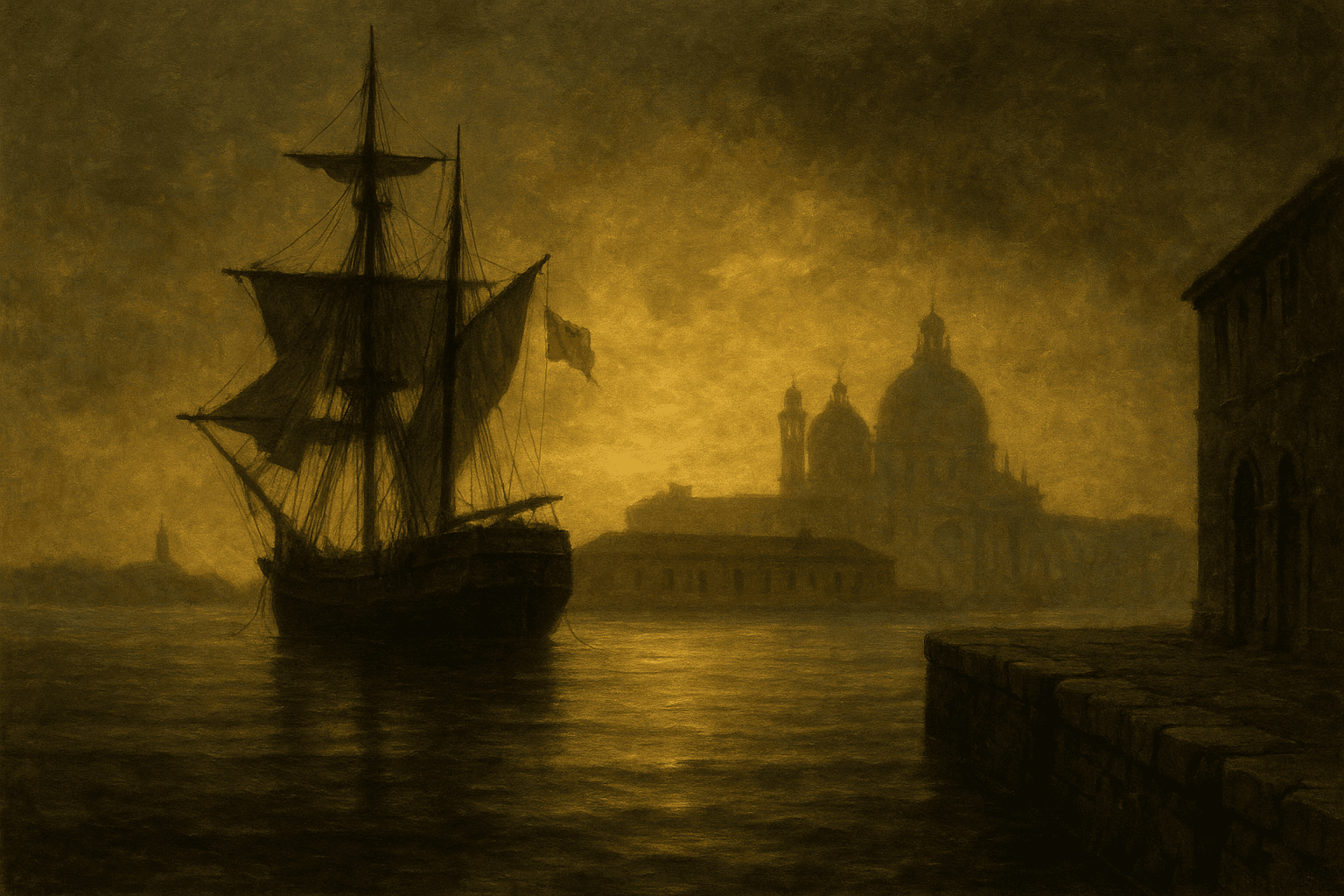
The Origin of the Word “Quarantine”: 40 Days in Venice
Where does the word quarantine come from? From the 40 days that Venice and Ragusa forced ships to wait during the Black Death. Here is its story.
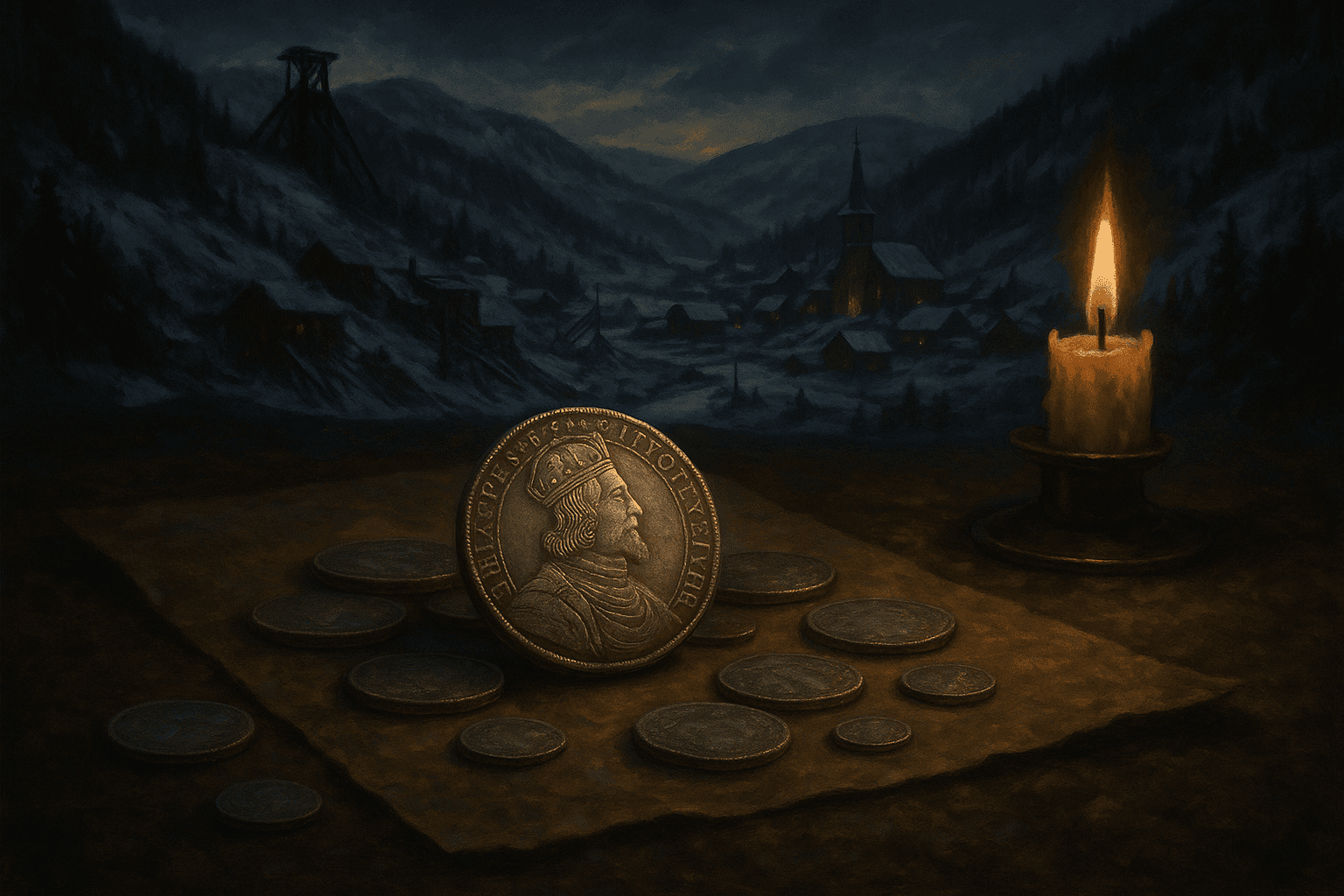
The Origin of the Word “Dollar”: a Bohemian Valley
Where does the word dollar come from? From a silver-mining valley in Bohemia and a 16th-century coin. The story of the thaler that conquered the world.
The Origin of the Word “Museum”: House of the Muses
Where does the word museum come from? From mouseion, the temple of the Greek Muses and the great center of learning in Alexandria, long before glass cases.