
Historic Routes of Ecuador's Railroad: Alfaro's Train and Many Other Paths
Old maps and weathered books led me to retrace Ecuador's forgotten railways by GPS, mapping abandoned yet beautiful routes steeped in history.
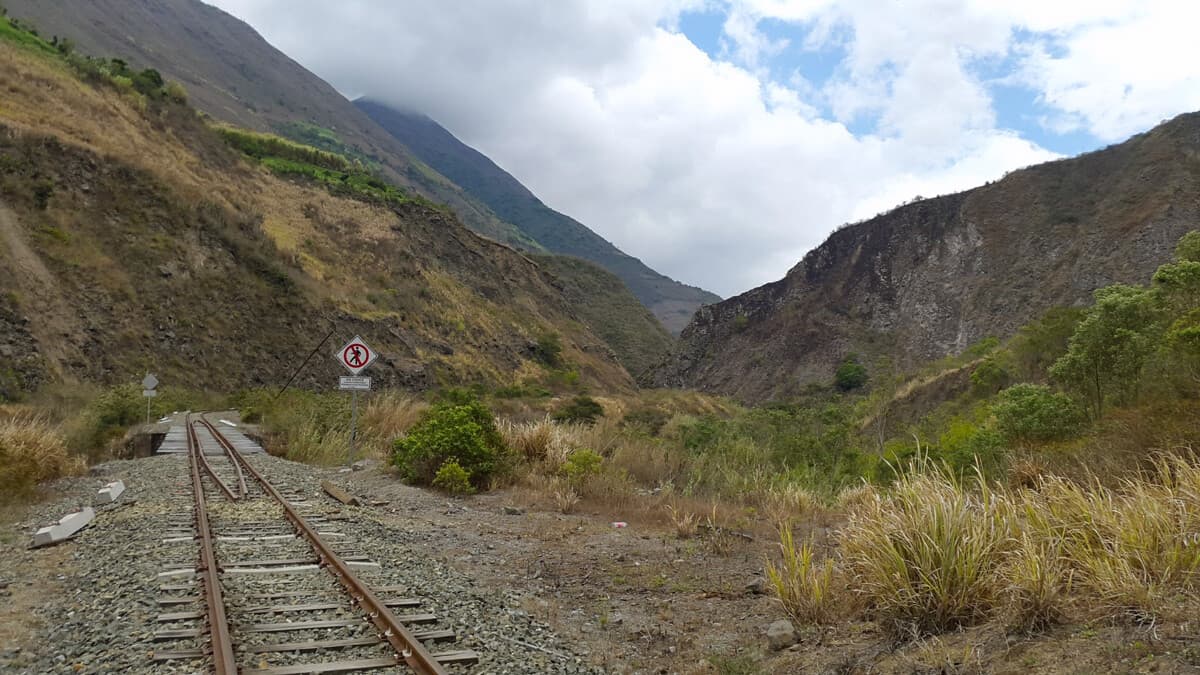
Some time ago, curiosity led me to retrace old routes, guided by maps and tales from weathered books. That's how I found that lost Eiffel bridge and other fascinating things I'll publish someday. I discovered many abandoned places, yet incredibly beautiful and steeped in history. The idea took hold to digitize these routes with GPS coordinates—mainly as a tool to help myself find them again, someday. Many of these routes no longer exist.
While taking readings and verifying waypoints (yes, traveling there physically even), I shared my progress with my good friend and Ecuadorian railway enthusiast, Ed Crowe. To the sadness of all of us passionate about our train's history, we suffered the irreparable loss of Ed just days ago, so I wanted to publish this work in his honor.
Ecuador's Railroad Through History
I'll begin gradually adding all the routes I've digitized to an interactive map, where you can zoom in and see detail. They're not yet precise at every point, but accurate enough to start this project of mapping them and, who knows, perhaps someday traveling them as a tourist attraction or to better understand the great feat that building Ecuador's railroad represented.
[advanced_iframe src="//neomano.com/ecuador/ferrocarril/" width="100%" height="500″]
The railway epic left traces across the country: look for the lost Eiffel bridge in Ecuador and see century-old rails in this window to Ecuador a century ago.
Categories
The books · born from this blog
Atahualpa con su abrigo de pelo de murciélago
y otras 49 historias verdaderas que parecen mentira
Available on Amazon
Tocar madera
Pequeña historia de las supersticiones que el mundo no ha podido soltar
Available on Amazon
100 futuros
Cien escenarios del mundo que viene con la inteligencia artificial
Available on AmazonYou may also like
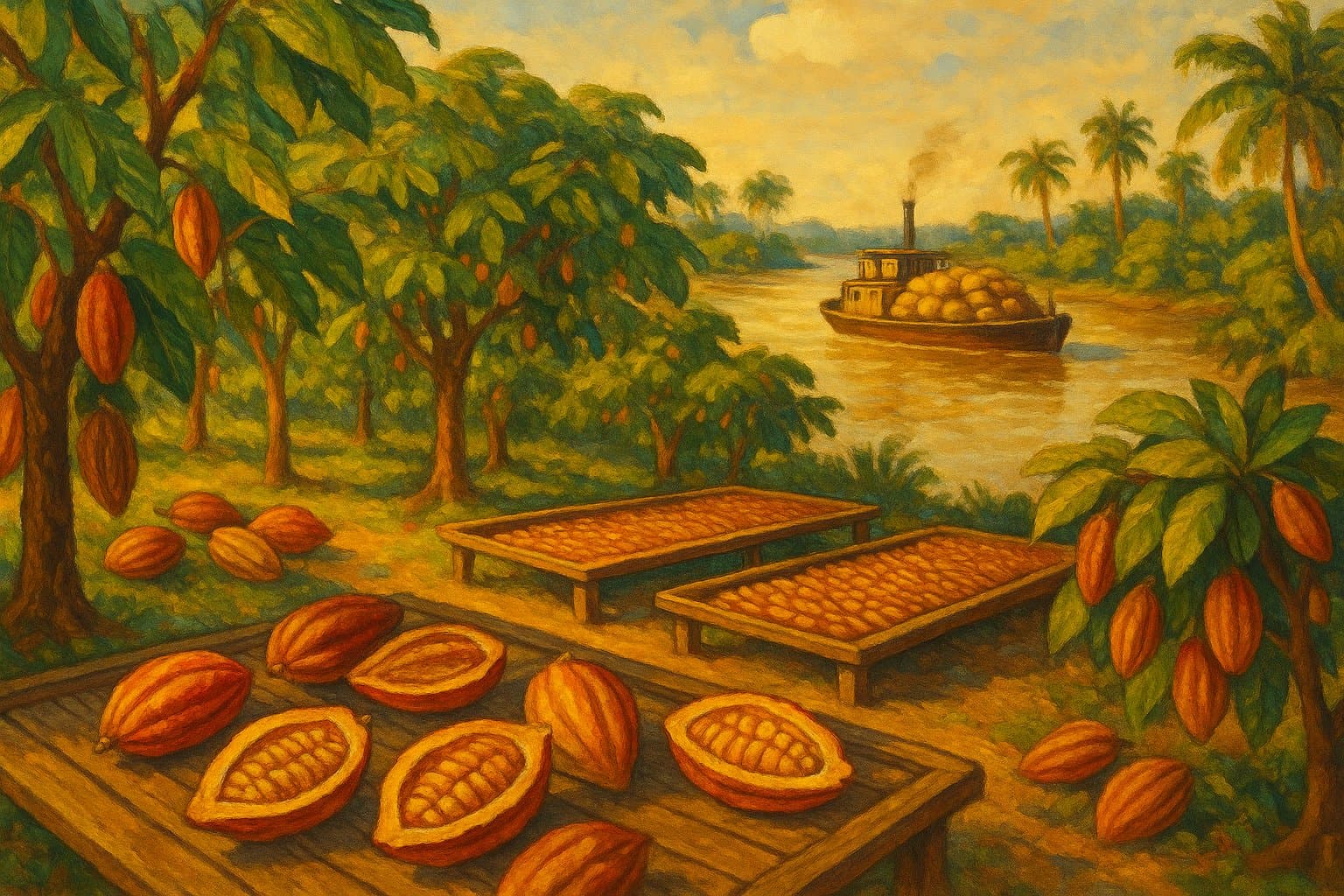
Ecuador's Cacao Boom: When the Golden Bean Ruled
Between 1880 and 1920 Ecuador was the world's top cacao exporter. The «golden bean» built fortunes in Guayaquil until a silent plague brought it all down.
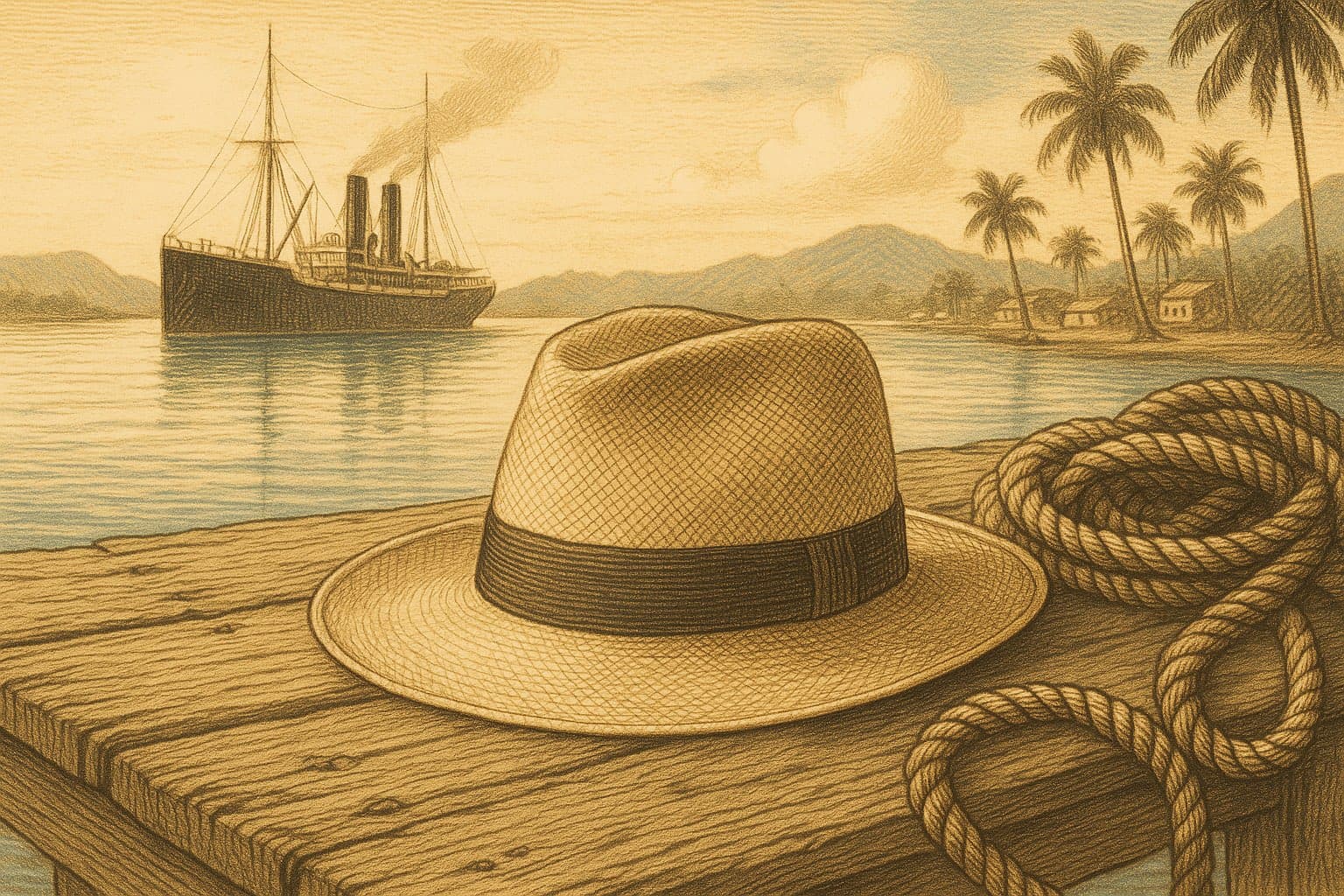
Why Is the Panama Hat Called Panama If It Was Born in Ecuador?
The world's most famous hat is woven in Montecristi and Cuenca, yet it bears another country's name. The story of a stylish injustice.
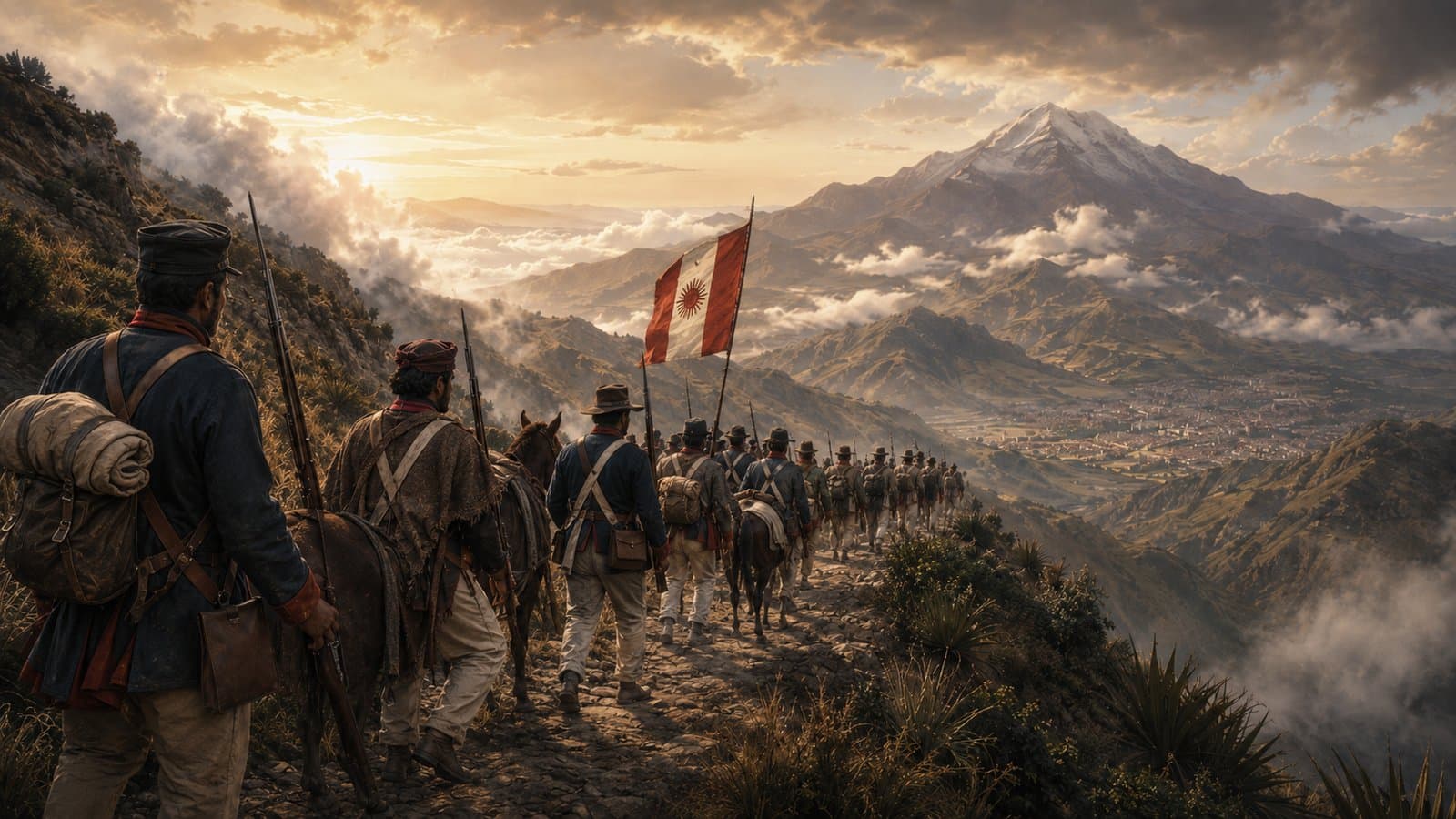
Why did so many Peruvians fight the Battle of Pichincha? An essay and chronicle of the Santa Cruz Expedition
On May 24, 1822, the freedom of Quito was decided. But a huge part of the patriot army did not come from Ecuador: it came from Peru.