
How Long Have We Been Eating Crabs on Ecuador's Coast?
How far back does Ecuador's love of crabs really go? The trail runs from pre-Hispanic mangroves to a vivid 1748 chronicle by Antonio Ulloa.
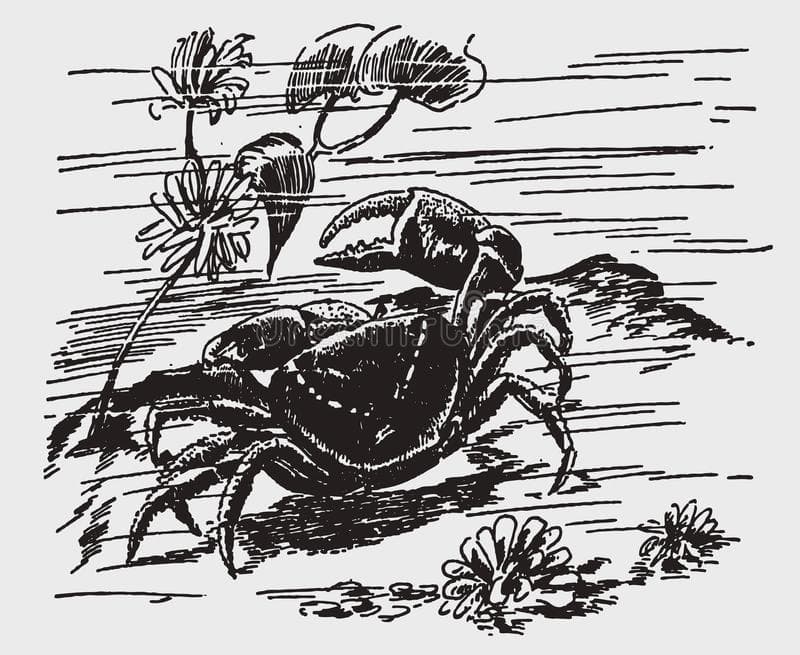
In Guayaquil, it's unthinkable not to be addicted to crabs. You're practically born with a palate tuned to enjoy the powerful pleasures of a cangrejada. But how far back does this tradition of eating crabs go in this city and along the rest of the coast? Particularly the local crab, the one pulled from the mud of coastal estuaries—the red crab (Ucides occidentalis).
Well, according to some prominent historians like Jenny Estrada and Rodolfo Perez Pimentel, this tradition predates the arrival of the Spanish to our lands, and it's not surprising—it would be stranger if some ancestral native hadn't taken a bite of this delicacy from the mangroves.
It's said that crustacean remains have been found in local archaeological sites, and this is the only pre-Hispanic trace, because the natives didn't write down their customs in books. That's why the oldest written record I could find (after quite a bit of searching) dates back to 1748, written by the chronicler and adventurer Antonio Ulloa.
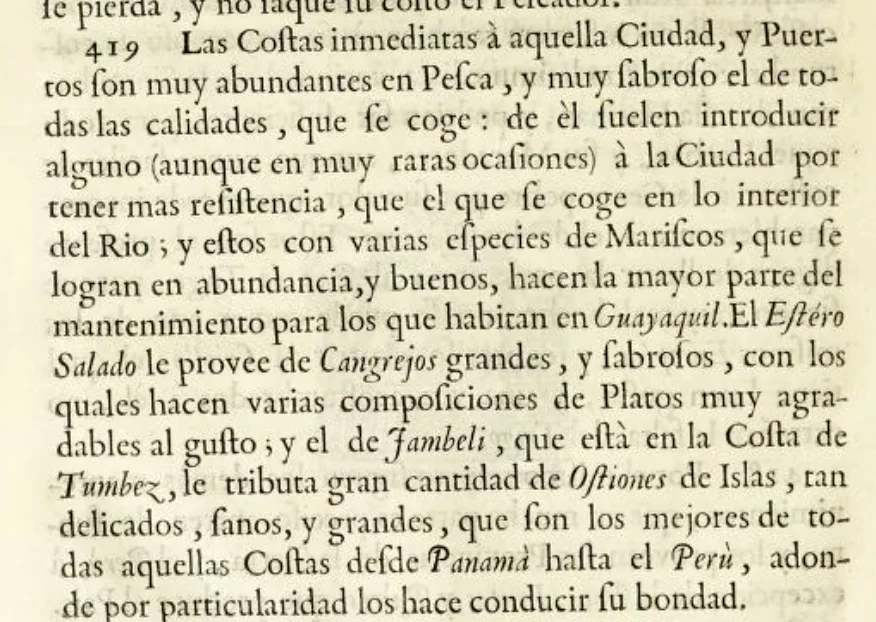
I'll transcribe the most relevant fragment to make the account more readable.
The Estero Salado provides it (the city of Guayaquil) with large and tasty crabs, with which they make various compositions of dishes very pleasing to the taste
In other words, at least since the early eighteenth century there are written records of this iconic culinary custom. It was prepared in various ways but always accompanied by an essential local ají sauce.
Crab is just one part of Ecuador's rich culinary tradition. Continue with paila ice cream, machica and pinol, and plantain champagne.
Categories
The books · born from this blog
Atahualpa con su abrigo de pelo de murciélago
y otras 49 historias verdaderas que parecen mentira
Available on Amazon
Tocar madera
Pequeña historia de las supersticiones que el mundo no ha podido soltar
Available on Amazon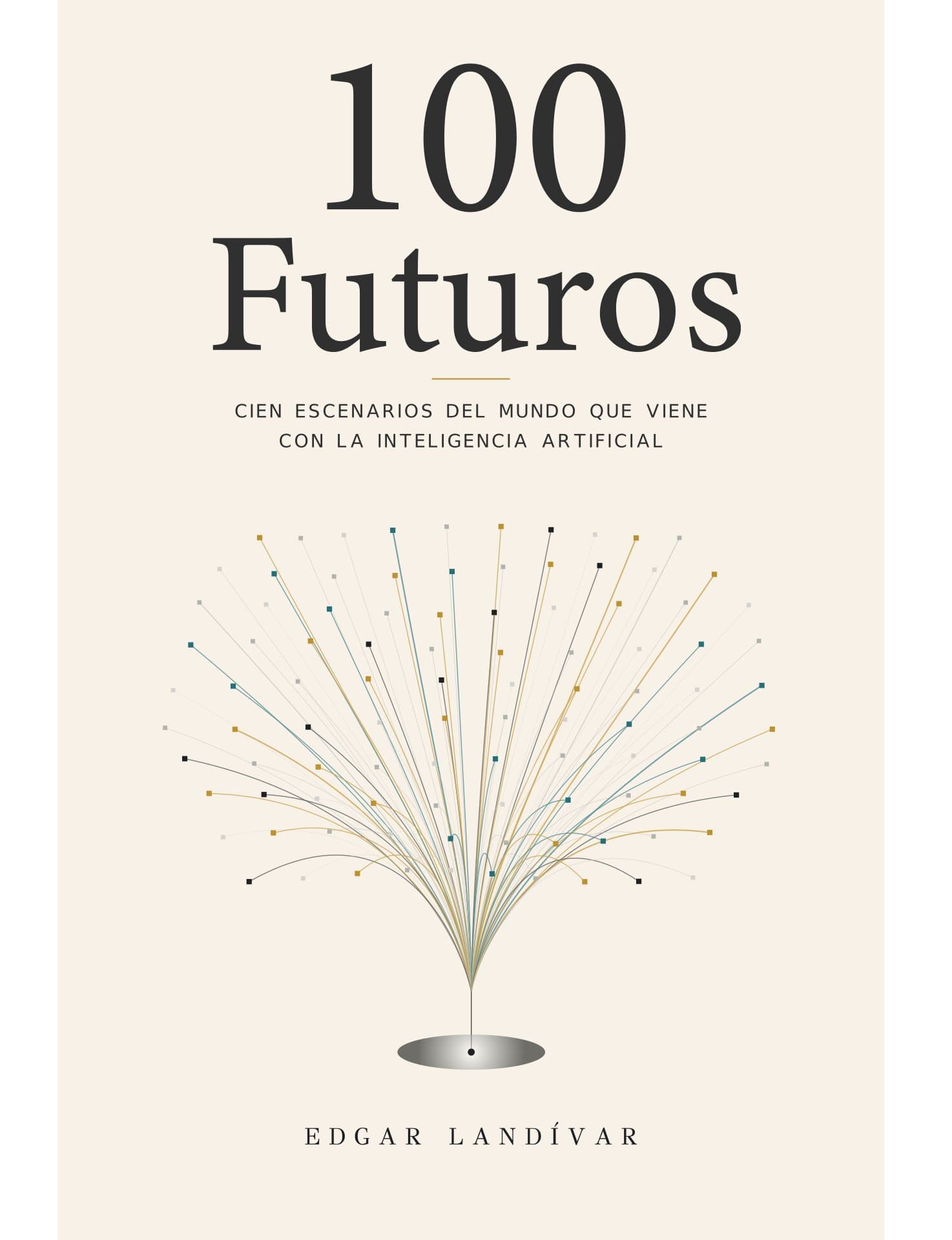
100 futuros
Cien escenarios del mundo que viene con la inteligencia artificial
Available on AmazonYou may also like
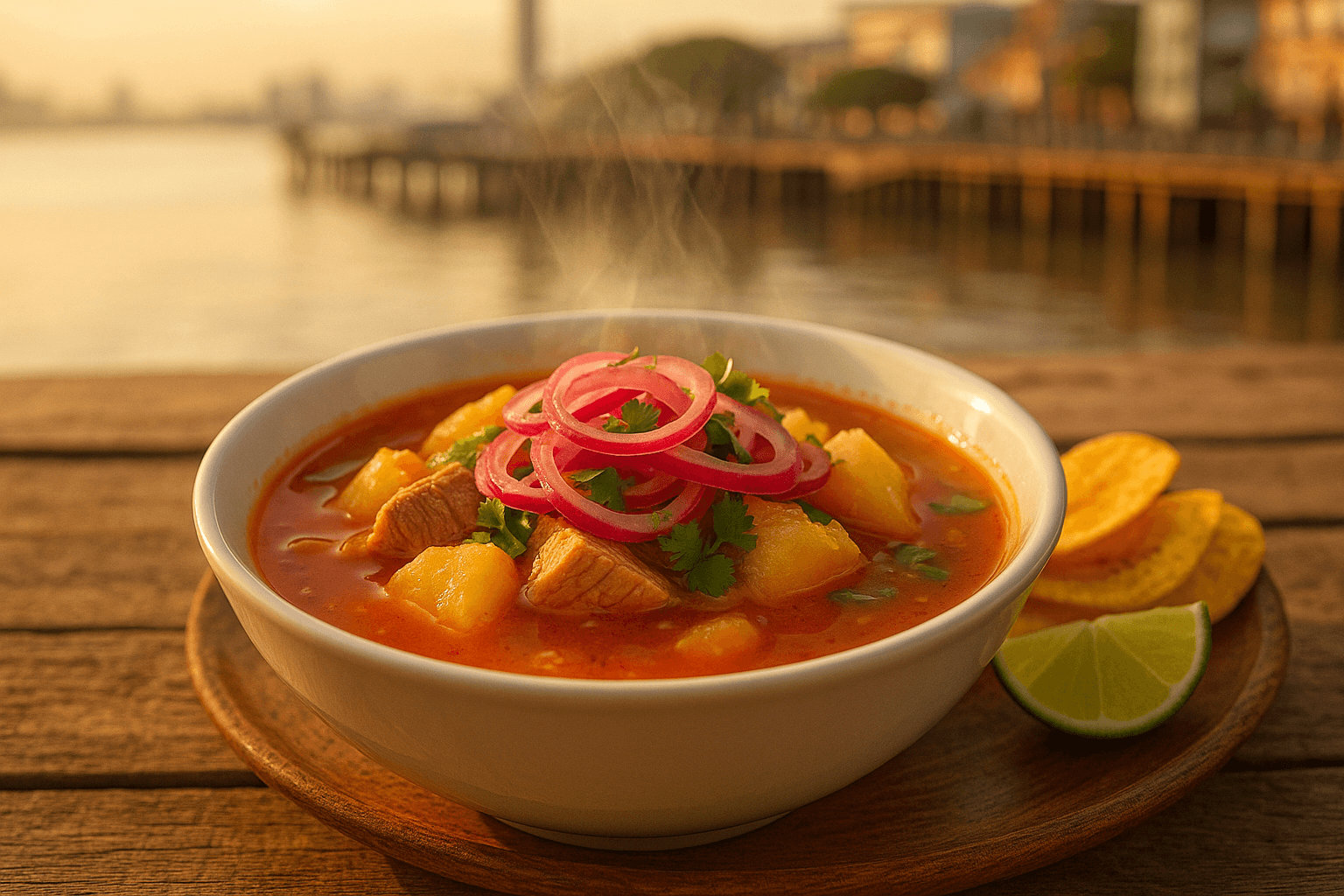
History of encebollado, Ecuador's fish stew
Encebollado was born on Guayaquil's docks as fishermen's food and is now Ecuador's national dish and the coast's most trusted hangover cure.
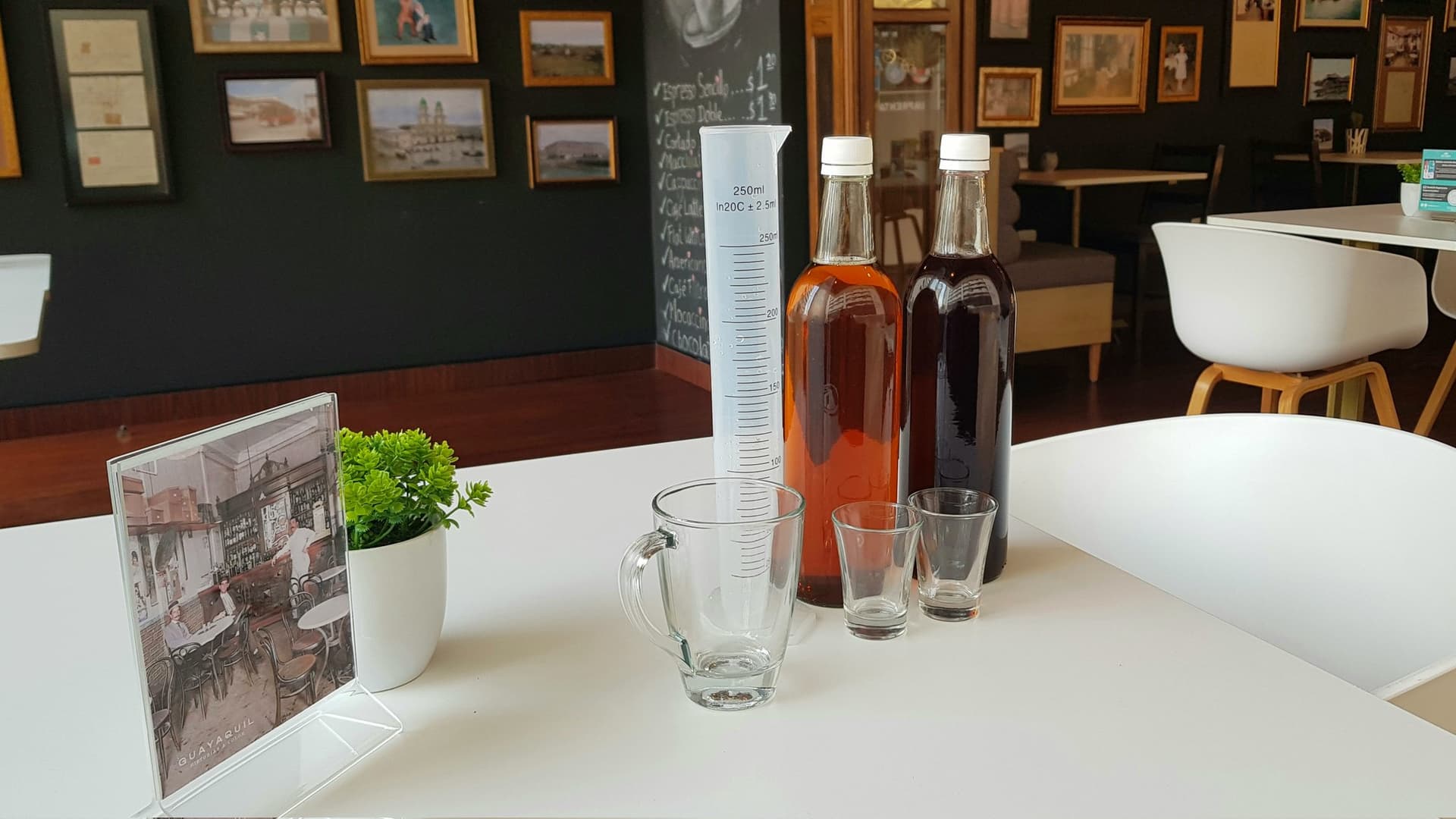
Reviving an Ancient Drink: Plantain Champagne (and Banana, Too)
Plantain champagne once bubbled through old Guayaquil streets, and here's how that lost recipe was chased down and recreated with modern fermentation.
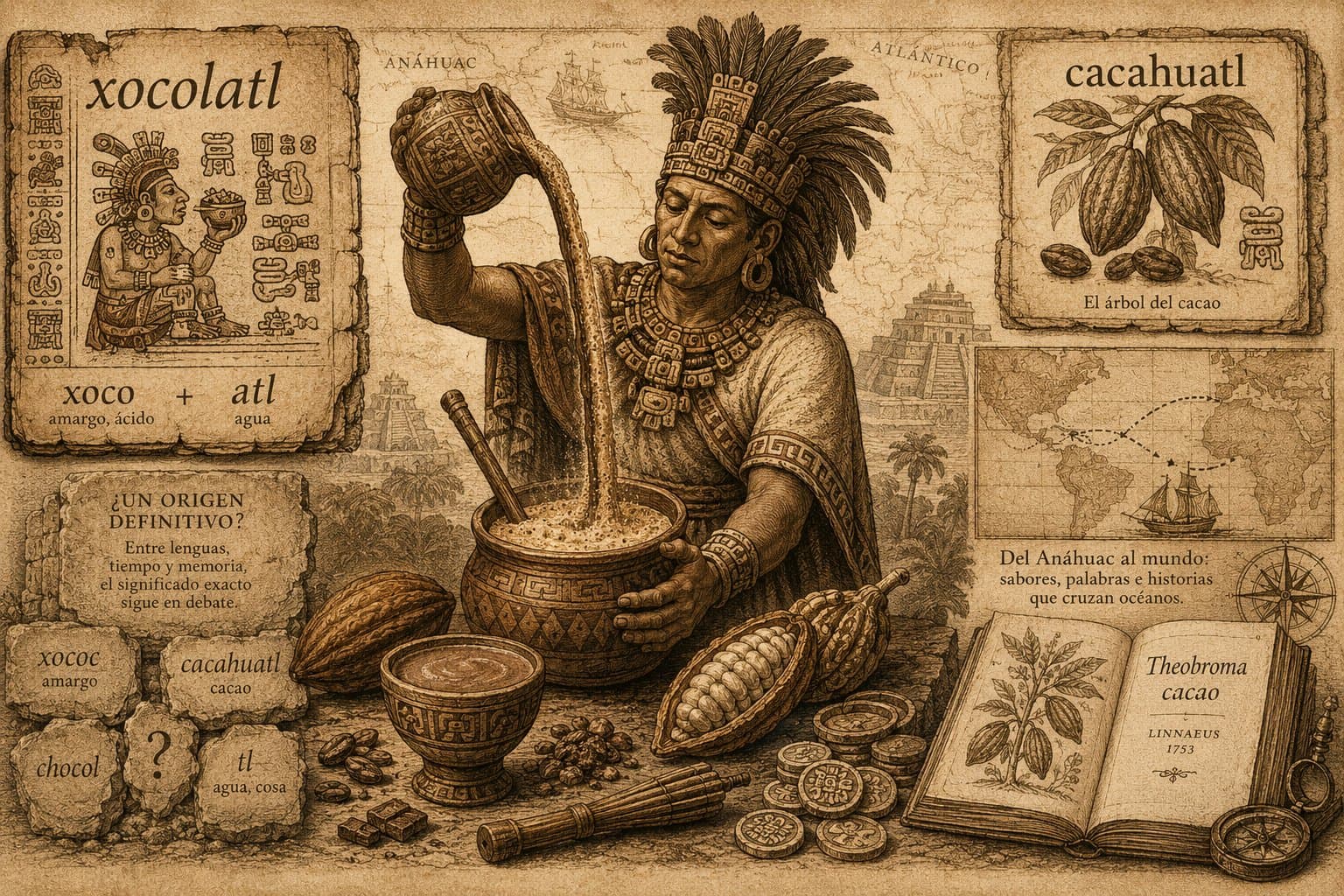
The Delicious Origin of the Word “Chocolate”
The word chocolate comes from Nahuatl, though its exact origin is still disputed between “bitter water,” “hot water” and a blend with Mayan.