
The Delicious Origin of the Word “Chocolate”
The word chocolate comes from Nahuatl, though its exact origin is still disputed between “bitter water,” “hot water” and a blend with Mayan.
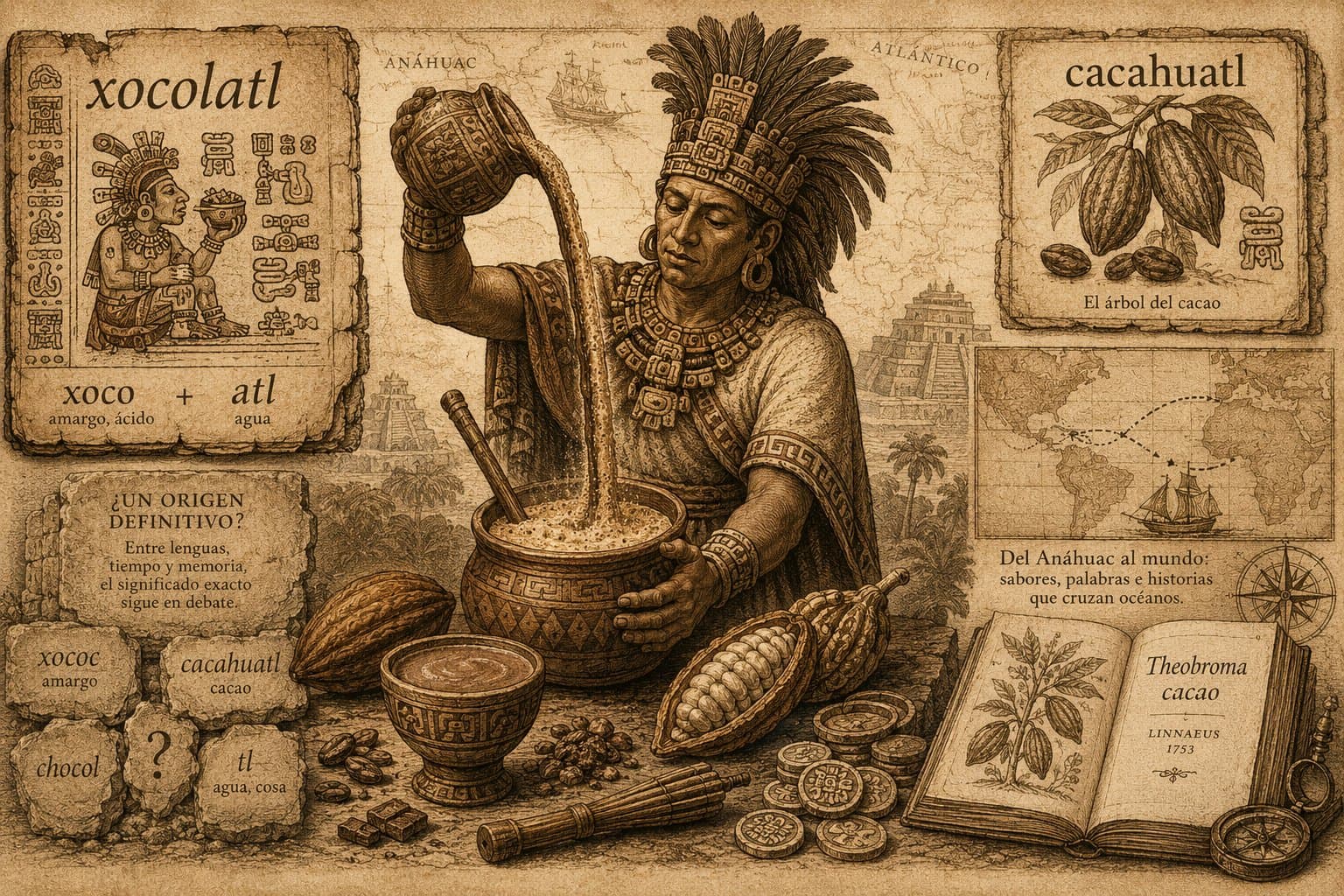
It is one of the most universal words there is. Chocolate is said almost the same in English, French, German, Italian and Portuguese; it is one of those rare words that travelled the whole planet barely changing shape. And all of them, absolutely all, come from a single language spoken in Mexico before the arrival of the Spanish: Nahuatl, the language of the Aztecs. The astonishing thing is that, famous as it is, no one is entirely sure how the word was formed.
The drink of the gods
Before it was a sweet bar, chocolate was a bitter, thick, foamy drink, made from ground cacao beans, water, chilli and spices, which the Mesoamerican peoples held almost sacred. The Aztecs reserved it for nobles, priests and warriors, and beat it with a wooden stick to raise a much-prized foam. Cacao was so valuable that its beans were used as money, just like the giant stones of the island of Yap: you could, literally, pay with money you could eat.
When the naturalist Linnaeus later named the cacao plant, he showed no modesty: he called it Theobroma cacao, which in Greek means «food of the gods».
«Bitter water»: the most repeated explanation
The etymology found in almost every dictionary breaks the word into two Nahuatl roots: xócoc, «sour» or «bitter», and atl, «water». Chocolate would then be xocolatl: «bitter water» or «sour water», a fairly honest description of how that original drink tasted, without a trace of the sugar we Europeans would add later.
It is an elegant explanation, easy to remember. The problem is that, when linguists look closely, it starts to creak.
The mystery: a word that barely appears
Here is the detail few people know. The word xocolatl scarcely appears in the great Nahuatl vocabularies of early colonial times. The friars who meticulously documented the language in the 16th century record cacahuatl («cacao water») and other terms, but xocolatl is conspicuous by its absence. It is as if the most famous word had slipped in through the back door.
That is why some specialists propose other clues. One theory suggests that chocol might come from the Mayan chocol, «hot», so that chocol-atl would mean «hot water»: a hybrid word, half Mayan and half Nahuatl, born of contact between languages. Another points to chicolli, the little stick used to beat the drink. The truth is that there is no consensus: the exact origin of the term remains a small unsolved riddle.
A word that tastes of mystery
There is something poetic in the fact that the word we use daily to name the greatest of sweet pleasures still keeps a secret. We know it comes from Mexico, that it named a sacred and bitter drink, and that it conquered the whole world together with cacao. But its exact etymological recipe, like that of a good artisan chocolate, never fully reveals itself. As when we discover that «cocolón» does not come from «cook too long», the words of the kitchen almost always hide a richer story than they seem, worthy of the palate of any sybarite.
References
- Frances Karttunen, An Analytical Dictionary of Nahuatl, University of Texas Press, 1983, s. v. «cacahuatl / xocolatl».
- Sophie D. Coe and Michael D. Coe, The True History of Chocolate, Thames & Hudson, 1996.
- Karen Dakin and Søren Wichmann, «Cacao and Chocolate: A Uto-Aztecan Perspective», Ancient Mesoamerica, vol. 11, 2000.
Do you enjoy the stories behind words? Continue with the origin of «sybarite» or explore the whole etymology series.
Categories
The books · born from this blog
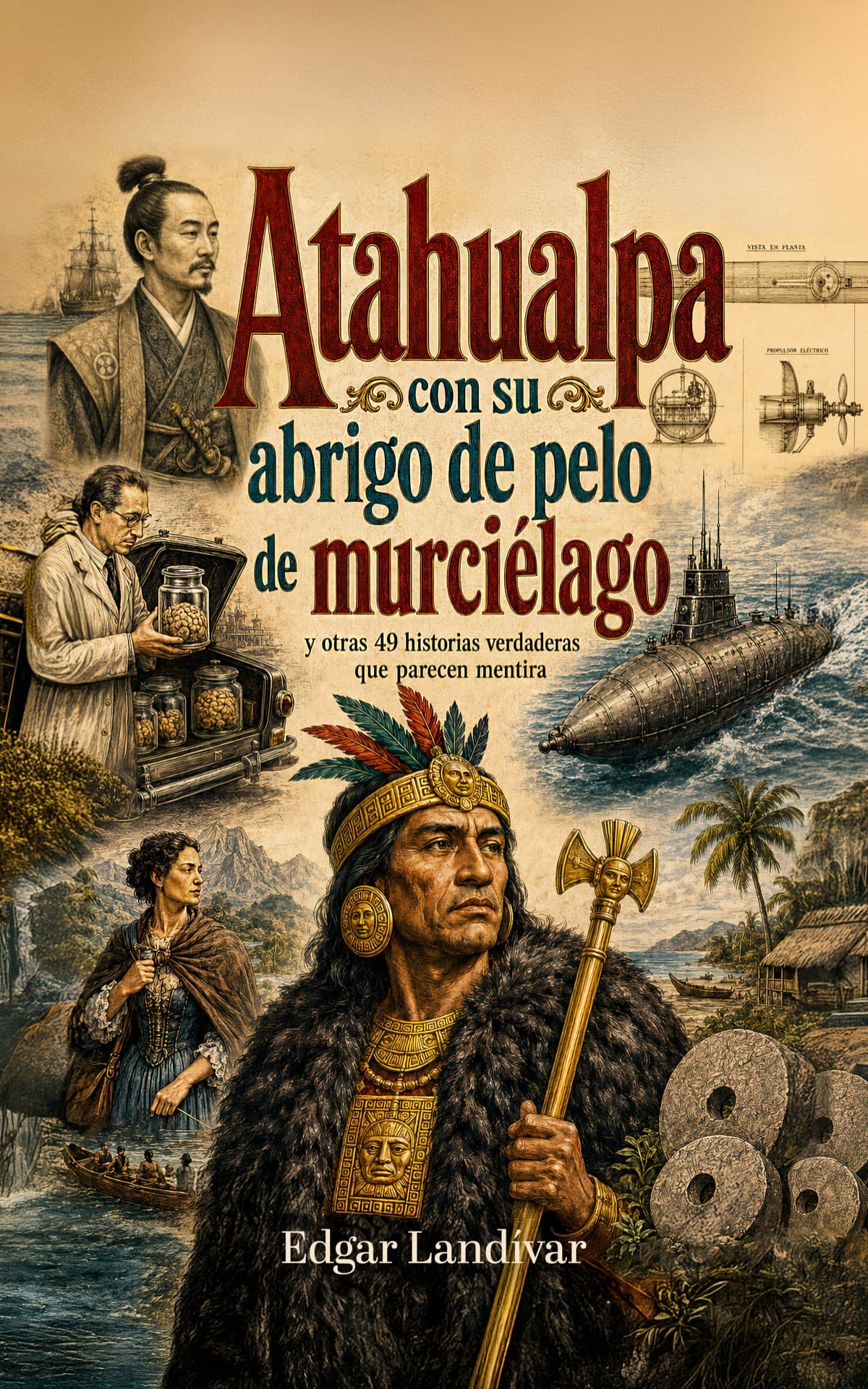
Atahualpa con su abrigo de pelo de murciélago
y otras 49 historias verdaderas que parecen mentira
Available on Amazon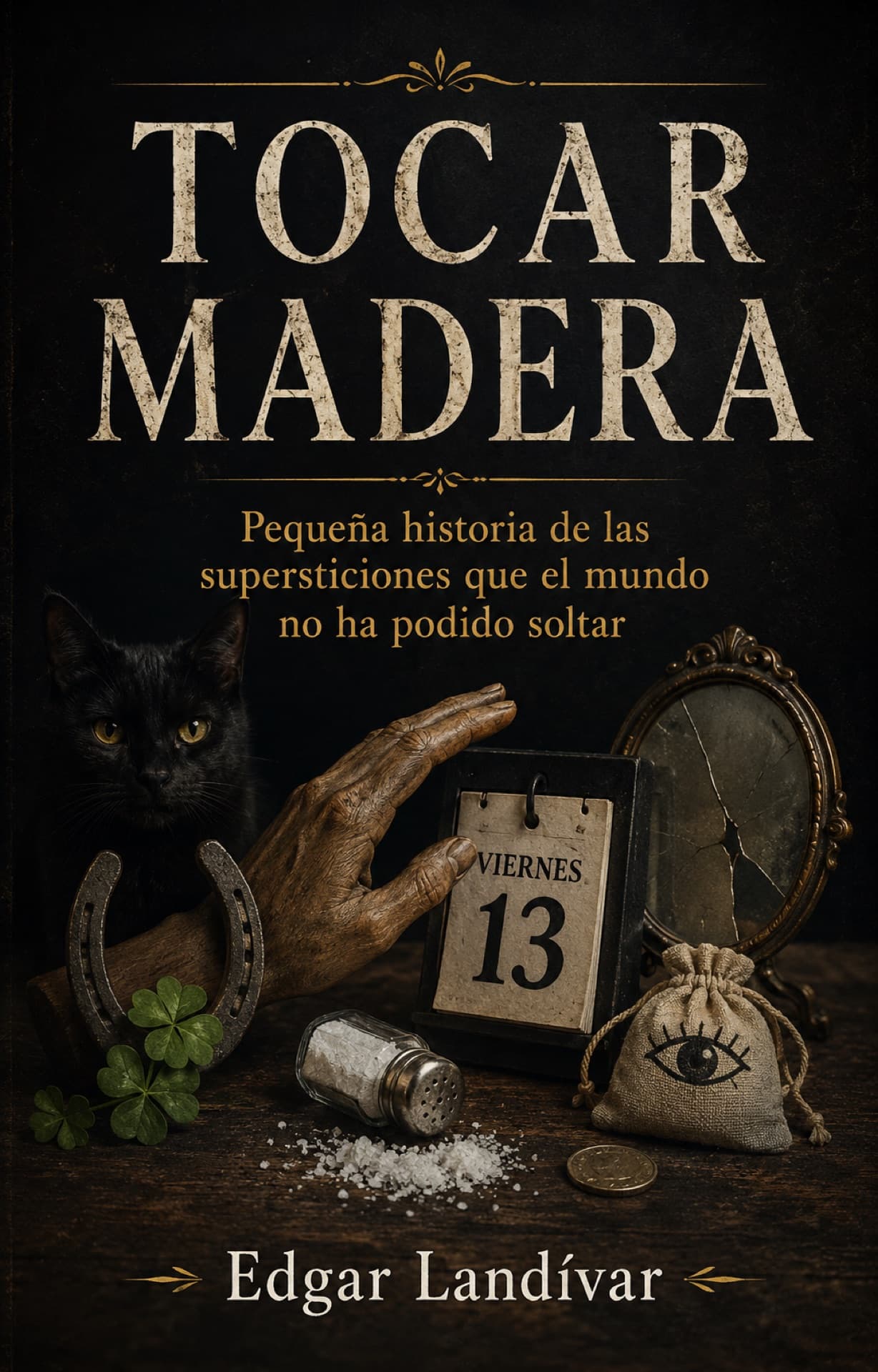
Tocar madera
Pequeña historia de las supersticiones que el mundo no ha podido soltar
Available on Amazon
100 futuros
Cien escenarios del mundo que viene con la inteligencia artificial
Available on AmazonYou may also like

The Origin of the Word “Quarantine”: 40 Days in Venice
Where does the word quarantine come from? From the 40 days that Venice and Ragusa forced ships to wait during the Black Death. Here is its story.

The Origin of the Word “Dollar”: a Bohemian Valley
Where does the word dollar come from? From a silver-mining valley in Bohemia and a 16th-century coin. The story of the thaler that conquered the world.

The Origin of the Word “Museum”: House of the Muses
Where does the word museum come from? From mouseion, the temple of the Greek Muses and the great center of learning in Alexandria, long before glass cases.