
Medardo Ángel Silva and Pavlova's Dance
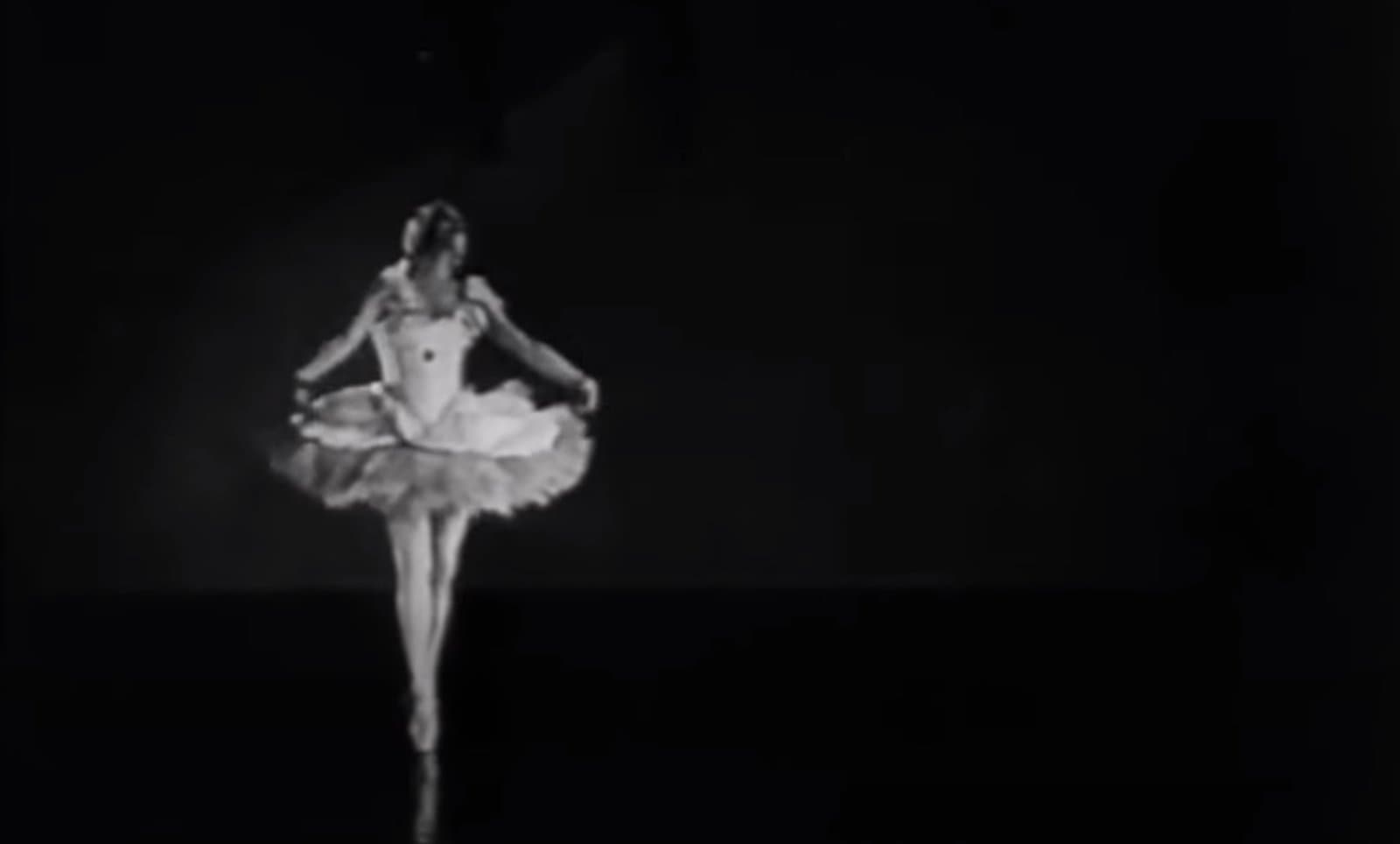
Anna Pavlova's Dying Swan so moved poet Medardo Ángel Silva in 1917 Guayaquil that he wrote his celebrated poem from behind the curtains.
Written by: Vicente Adum G.
This video features the famous ballerina Anna Pavlova performing The Dying Swan. In May 1917, Anna and the Grand Russian Ballet performed in Guayaquil, and among the audience was the poet Medardo Ángel Silva. Silva was so moved after witnessing Pavlova's interpretation of the dying swan that, according to Rodolfo Pérez, he wrote hidden behind the curtains of the press box at the Olmedo theater his celebrated poem DANSE D'ANITRA (a name surely inspired by the drama Peer Gynt by the Norwegian Henry Ibsen). Today, thanks to YouTube, we have at hand this 1920s film in which Pavlova performs her celebrated dying swan, which allows us to have an entirely new dimension for understanding and interpreting that marvelous poem by the Guayaquil bard, one hundred years after his death. In the choreography, a swan has been mortally wounded and struggles painfully against death, but in the end, loses the battle and dies. In light of this video and this explanation, I invite you to read the poem in question.
DANSE D'ANITRA
She goes lightly, she goes pale, she goes fine,
as if she possessed a winged essence
My God, this adorable dancer
is going to die…, is going to die…, she dies.
So airy, so light, so divine,
one cannot tell if she wishes to dance or fly;
and her body becomes a delicate wing,
as if the breath of God sustained her.
Pearl by crystalline pearl sob
the flutes in an ambiguous miserere…
The harps weep and the gusla trills…
Hold up the delicate dancer,
for she is going to die…, because she dies!
In the video you hear the superimposed audio corresponding to The Swan from Saint-Saëns' Carnival of the Animals, which is the music to which Anna Pavlova performed, guided by choreographer Mikhail Fokine, her now celebrated ballet popularly known as The Dying Swan. It is necessary to clarify this because, due to the name Silva chose for his poem, it has been erroneously believed that the music Pavlova danced to at the Olmedo theater was composed by Edvard Grieg for the work Peer Gynt, an assumption that differs widely from reality.
Medardo Ángel Silva belongs to the Guayaquil of a century ago that also comes alive in restored video and full-color photos. More Ecuador.
Categories
The books · born from this blog
Atahualpa con su abrigo de pelo de murciélago
y otras 49 historias verdaderas que parecen mentira
Available on Amazon
Tocar madera
Pequeña historia de las supersticiones que el mundo no ha podido soltar
Available on Amazon
100 futuros
Cien escenarios del mundo que viene con la inteligencia artificial
Available on AmazonYou may also like
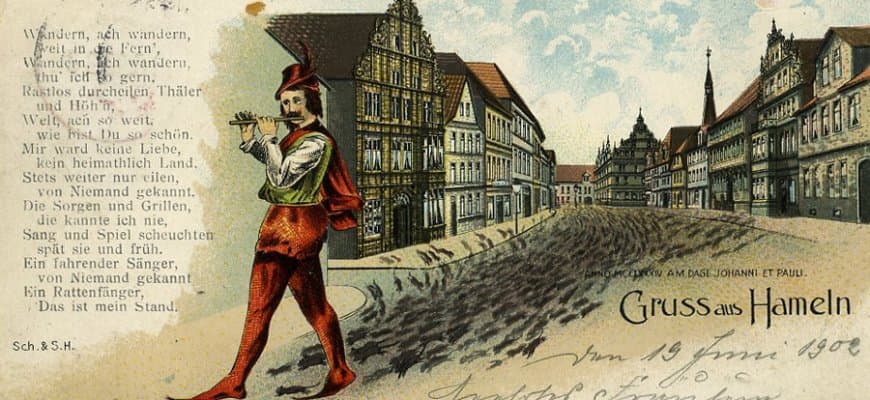
The dance plague of 1518, the Pied Piper of Hamelin and the tarantulas
In 1518 Strasbourg, dozens danced themselves to death in a plague no one can explain, a mystery tangled with tarantulas and the Piper of Hamelin.
Knock on Wood: The Real Origin of the Superstition
Almost everyone thinks knocking on wood comes from Celtic tree worship. But the documented trail leads to a far more recent origin: a children's game.

Stockholm Syndrome Was Born to Silence a Hostage
The famous syndrome didn't come from a study: the police's own psychiatrist coined it to discredit a hostage who criticized him. It isn't in the DSM.