
The 1949 Ambato Earthquake: One of Ecuador's Most Devastating Disasters
On August 5, 1949, a 6.8 quake flattened Ambato and Pelileo, killing thousands and leaving cities in ruins in one of Ecuador's deadliest disasters.
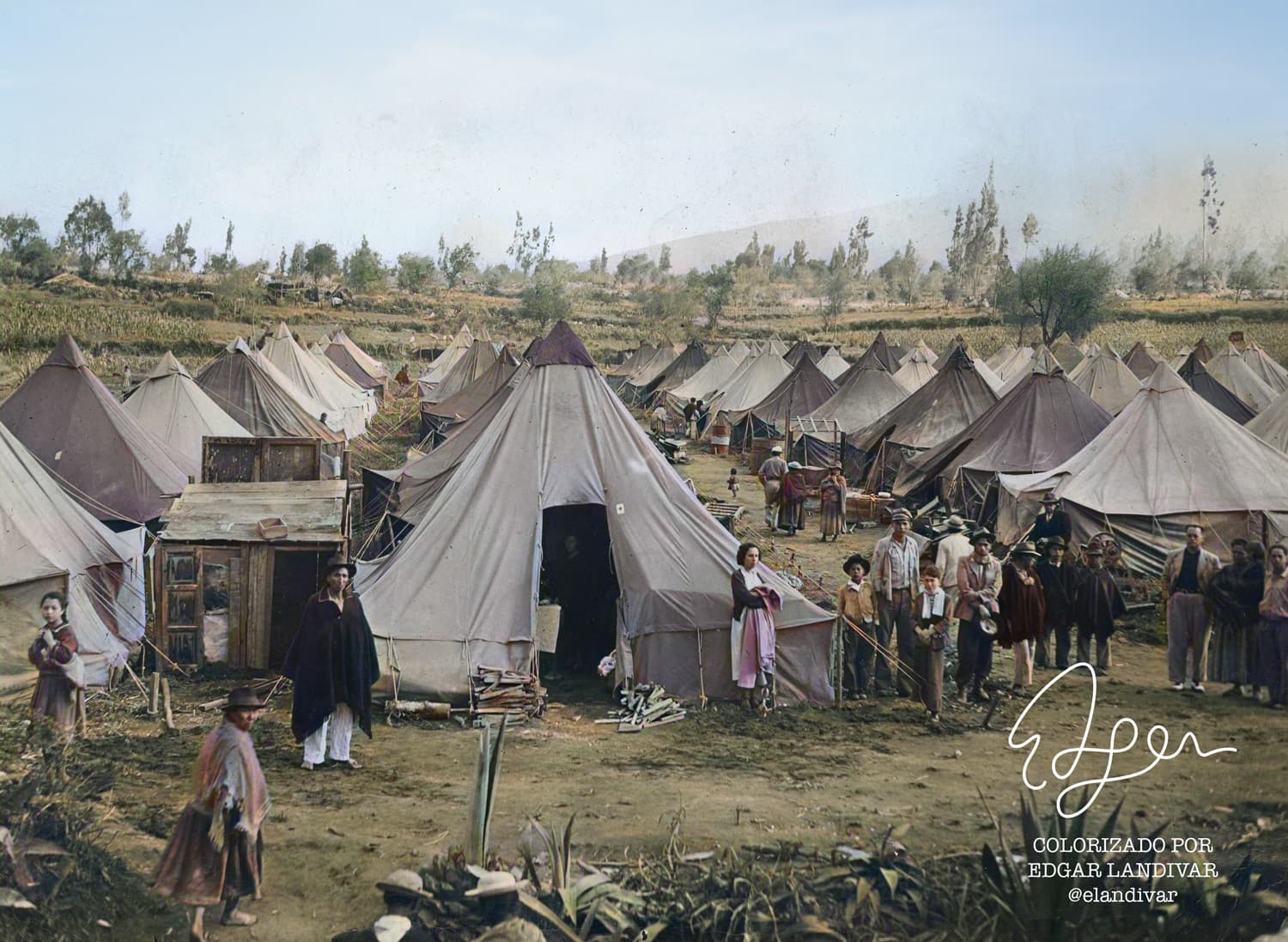
The 1949 Ambato earthquake was one of the most devastating natural disasters in Ecuador's history. On August 5th of that year, the city of Ambato (along with Pelileo) was shaken by a 6.4 magnitude earthquake that left thousands dead and a city in ruins.
Ambato & Pelileo Earthquake
Though not Ecuador's strongest earthquake, it was one of the deadliest in its history.
6.8 Magnitude (Mw)
5,050 Deaths
USD 86 M Rebuild cost
The tragedy was immediate and overwhelming. Houses, churches, schools, and hospitals collapsed, leaving the population without shelter or basic services. The city, once prosperous and full of life, became a landscape of rubble and desolation.
The earthquake had a particularly devastating impact due to the magnitude of the quake, the vulnerability of the city's infrastructure, the city's location in a region of high seismic activity, and the challenges associated with response and reconstruction after the earthquake. Many of the buildings in Ambato at that time were constructed with materials that were not earthquake-resistant, such as adobe and wood. When the earthquake struck, these buildings could not withstand the seismic forces and collapsed, causing tremendous damage and loss of life.
In the midst of this catastrophe, the people of Ambato demonstrated extraordinary resilience. Despite the magnitude of the destruction, people came together to face adversity. In the days and weeks following the earthquake, survivors organized themselves into neighborhood committees to coordinate rescue and reconstruction efforts.
Life in the city became extremely difficult. With homes destroyed, many people had to live in tents or temporary settlements. These spaces, though precarious, became temporary homes where families took shelter from the cold and rain. In the cover photo of this article, one can observe the living conditions in one of these temporary shelters and the precarious conditions in which many families had to live.
The reconstruction of the city was a slow and costly process. It's estimated that the cost of rebuilding Ambato, Pelileo, and Pillaro was 86 million dollars. Reconstruction work began just days after the earthquake, and by June 1951, the first small, inexpensive homes could be seen. Funding for reconstruction was provided by the government through the governor's office.
Despite the difficulties, the people of Ambato did not lose hope. Solidarity and cooperation were fundamental in this process. The minga, an Andean tradition of communal work, became an essential mechanism for rebuilding the city. Through minga, the inhabitants of Ambato were able to rebuild their homes and their city.
Additionally, the earthquake had a significant impact on the city's economy. Many businesses were destroyed in the earthquake, leading to job losses and a decline in economic activity. Agriculture, one of the region's main industries, was also affected, as farmland was damaged and irrigation systems destroyed.
The tragedy of the 1949 Ambato earthquake left an indelible mark on the memory of Ecuadorians. However, it also left valuable lessons about the resilience and solidarity of the community in times of crisis. Despite adversity, the people of Ambato demonstrated that, with unity and cooperation, it is possible to overcome even the most devastating tragedies.
The 1949 Ambato earthquake had a particularly devastating impact on the city due to several factors. First, the magnitude of the earthquake, estimated at 6.4 on the Richter scale, was sufficient to cause significant damage over a wide area. Additionally, the location of the epicenter near the city meant that Ambato was one of the most affected areas.
Magnitude doesn't equal mortality
How Ambato compares to other major Andean earthquakes of the last century.
ValdiviaChile · 1960
Colombia–Ecuador1906
MauleChile · 2010
ÁncashPeru · 1970
PedernalesEcuador · 2016
ReventadorEcuador · 1987
Ambato / PelileoEcuador · 1949
Ecuador's deadliest earthquake in a region where others released far more energy. The difference was driven by epicenter proximity, building quality (adobe and wood), and post-quake landslides. Source: USGS, approximate historical figures.
One of the factors that contributed to the magnitude of destruction in Ambato was the city's infrastructure. Many of the buildings in Ambato at that time were constructed with materials that were not earthquake-resistant, such as adobe and wood. When the earthquake struck, these buildings could not withstand the seismic forces and collapsed, causing tremendous damage and loss of life.
Furthermore, the city of Ambato is located in a region of high seismic activity due to its location in the Andes mountain range. This region is prone to earthquakes due to tectonic activity in the subduction zone where the Nazca Plate is sinking beneath the South American Plate. This constant tectonic activity makes the region prone to frequent and potentially destructive earthquakes.
The response to the tragedy was also a factor that exacerbated the earthquake's impact. Despite reconstruction efforts, the magnitude of the destruction was such that many residents were forced to live in tents and temporary settlements for an extended period after the earthquake. Reconstruction was a slow and costly process, hampered by lack of funds and resources.
In summary, the 1949 Ambato earthquake had a particularly devastating impact due to the magnitude of the quake, the vulnerability of the city's infrastructure, the city's location in a region of high seismic activity, and the challenges associated with response and reconstruction after the earthquake. Despite everything, the city of Ambato and its people demonstrated remarkable resilience and capacity for recovery, and their story serves as a reminder of the strength of the human spirit in times of adversity.
That quake left images that survive, restored, in this window to Ecuador a century ago. The country hides more geological curiosities, like the little volcano of San Vicente.
The books · born from this blog
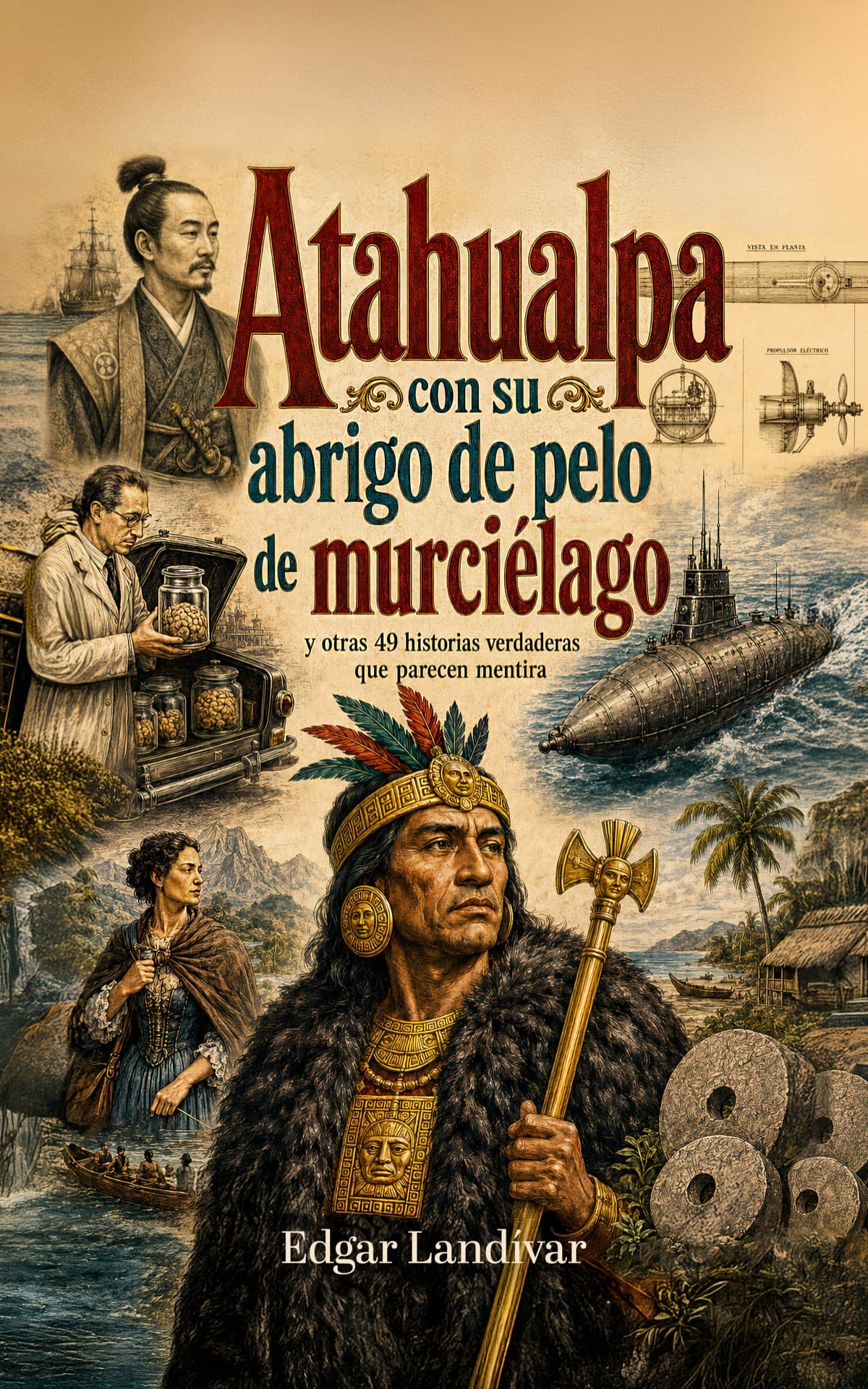
Atahualpa con su abrigo de pelo de murciélago
y otras 49 historias verdaderas que parecen mentira
Available on Amazon
Tocar madera
Pequeña historia de las supersticiones que el mundo no ha podido soltar
Available on Amazon
100 futuros
Cien escenarios del mundo que viene con la inteligencia artificial
Available on AmazonYou may also like
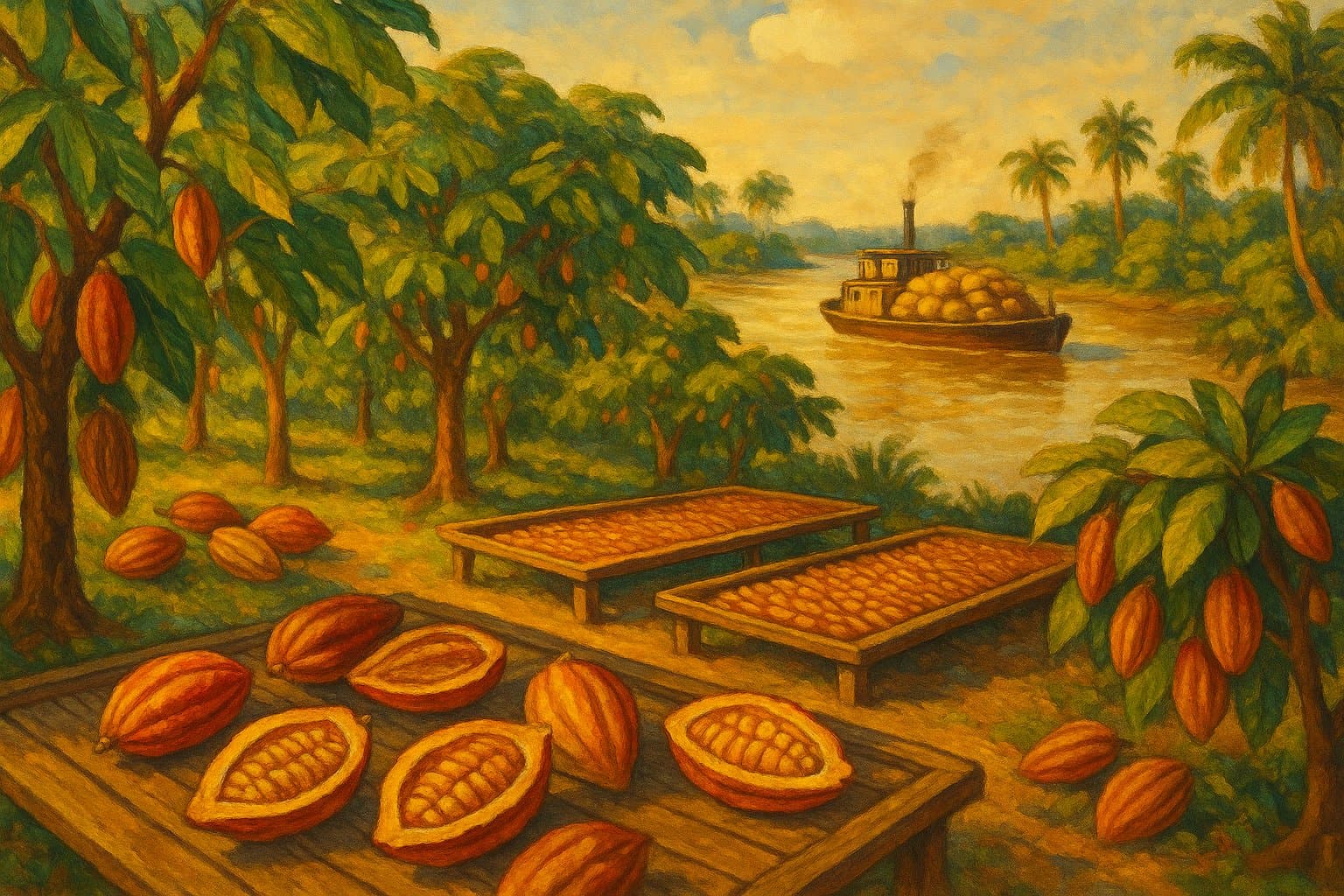
Ecuador's Cacao Boom: When the Golden Bean Ruled
Between 1880 and 1920 Ecuador was the world's top cacao exporter. The «golden bean» built fortunes in Guayaquil until a silent plague brought it all down.

Why Is the Panama Hat Called Panama If It Was Born in Ecuador?
The world's most famous hat is woven in Montecristi and Cuenca, yet it bears another country's name. The story of a stylish injustice.

A window to Ecuador from a century ago. Photo restoration.
Restored and colorized photos open a vivid window onto Ecuador a century ago, from presidents and earthquakes to long-vanished railways.