
The Bicycle: The Machine That Freed the City
In 1817 Karl Drais built a running machine with no pedals. A century later the bicycle had reshaped cities and helped set women free.
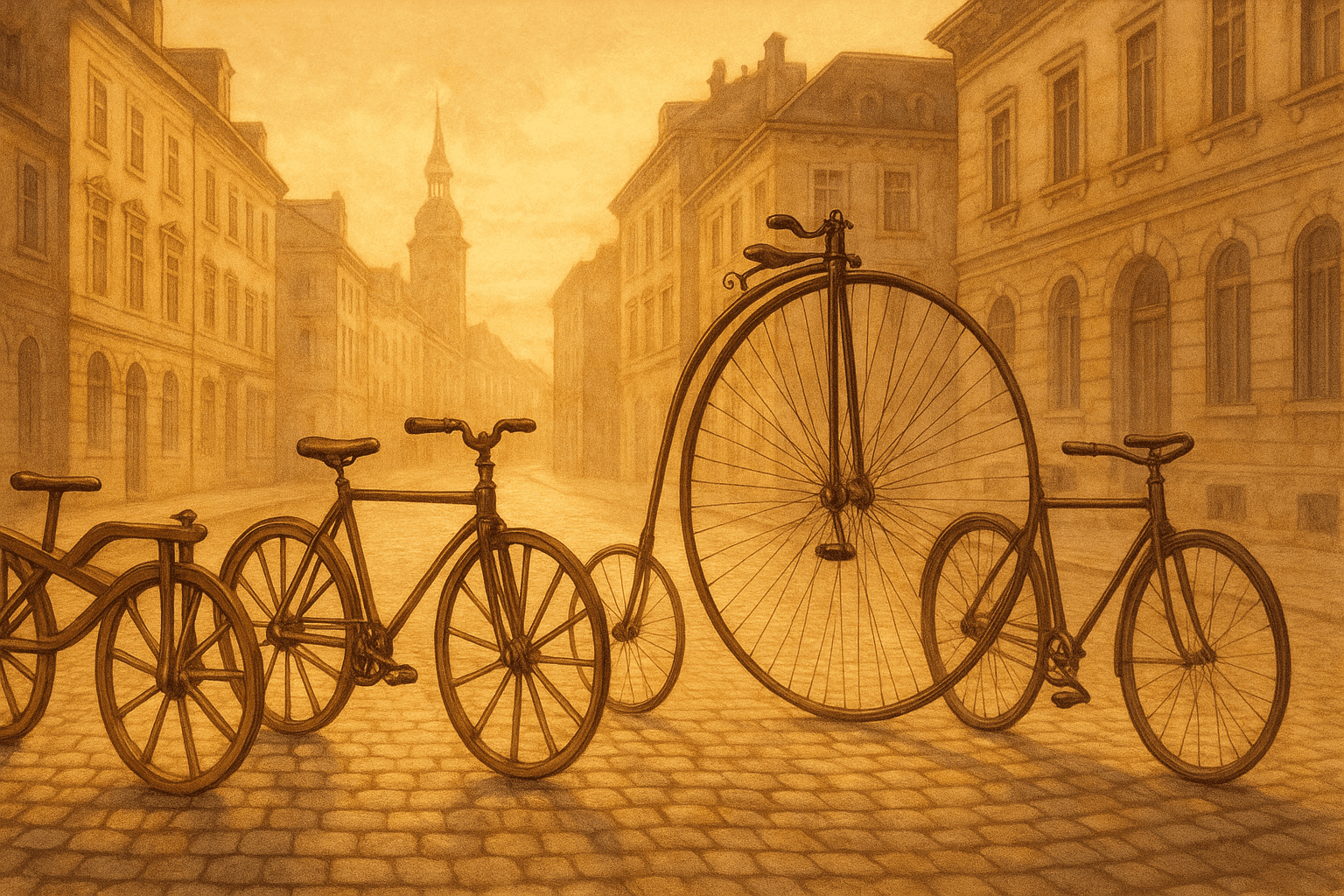
The bicycle looks so simple that it is hard to believe its modern shape took almost seventy years to arrive. Between the first two-wheeled contraption and the bike we would recognize without a second thought lie decades of failed attempts, broken bones and disputed patents. And yet, once it finally clicked, the machine reshaped cities, clothing, the map of the roads and even the lives of women, all before the automobile became common. This is the story of how two wheels and a chain reorganized the world.
1817: Karl Drais's running machine
The starting point had no pedals. In 1817, the German baron Karl von Drais unveiled his Laufmaschine ("running machine"), a wooden frame with two in-line wheels and a handlebar for steering. The rider sat down and moved forward by pushing off the ground with the feet, as if striding. On June 12, 1817, in Mannheim, Drais gave the first public demonstration: he covered about 13 kilometres in just under an hour, an astonishing speed for the time.
The invention became a craze across Europe under the name "dandy horse" or draisine, but it did not last: it was heavy, only worked on smooth roads, and many cities ended up banning it because enthusiasts kept invading the pavements. Even so, Drais had solved the essential thing: that a two-wheeled, in-line vehicle could stay balanced while moving. What was missing was a way to propel it without touching the ground.
The "boneshaker": pedals arrive (1860s)
That leap came half a century later. In the 1860s, in France, pedals fixed directly to the front wheel were added. Who did it first is disputed —the names of Pierre Michaux and Pierre Lallement sit at the centre of the controversy— but the result was the vélocipède, the first machine that was genuinely pedalled.
Its popular nickname says it all: the boneshaker. With wooden wheels and iron rims over cobblestones, every trip was a beating for the spine. The comfort problem would not be solved until a material appeared that could cushion the blow, something that, as in the story of rubber before Goodyear, depended on a chemical breakthrough that did not yet exist.
The penny-farthing: the giant wheel and the danger
Because the pedals were fixed to the front wheel, each pedal stroke advanced exactly the circumference of that wheel. The logic was ruthless: the bigger the wheel, the further you travelled per turn. So the 1870s gave us the penny-farthing, with its enormous front wheel —up to a metre and a half— and a tiny rear one, a contrast that recalled the British penny and farthing coins that gave it its name.
It was fast and elegant, but treacherous. The rider perched more than a metre off the ground, with the centre of gravity almost over the front axle: any pothole or sudden braking flung them headlong over the handlebars, a fall so typical it had its own name. Riding a penny-farthing was a sport for daring young men, not a means of transport for everyone.
1885: the "safety" bicycle changes everything
The decisive turn came in England from John Kemp Starley. In 1885, in Coventry, he introduced the Rover Safety Bicycle: two wheels of the same size, the saddle between them and, above all, a chain drive to the rear wheel. By separating the pedalling from the steering wheel, Starley solved the penny-farthing's problem in one stroke. It was called "safety" precisely because, compared with the high-wheeler, it barely fell over. It is, in essence, the bicycle we still ride today.
One piece was still missing for comfort. In 1888, the Scottish veterinarian John Boyd Dunlop patented the pneumatic tyre: an inflated rubber tube that absorbed the vibrations of the cobbles. The combination of chain, equal wheels and air-filled tyre turned the boneshaker into a comfortable, fast machine within almost anyone's reach.
The 1890s: the bicycle craze
The result was an explosion. The 1890s saw a genuine bicycle craze on both sides of the Atlantic. In the United States alone there were an estimated 2.5 million riders, with clubs, magazines, races, their own fashion and even slang. For the first time, an ordinary person could cover, under their own power, distances that had previously required a horse or a carriage.
That enthusiasm left an unexpected mark on the ground itself. Cyclists, fed up with impassable dirt roads, organized to demand better roads: in the US, the League of American Wheelmen launched Good Roads magazine in 1892, which within three years reached a million copies. It was cyclists, not drivers, who began paving the country. When the automobile arrived, it found much of that road network already demanded and under construction.
Women's "freedom machine"
The deepest effect was social. The safety bicycle gave women, for the first time, a way to move through the city without an escort or chaperone: to visit a friend, a library or a meeting, alone and whenever they chose. To pedal comfortably, many abandoned Victorian skirts and cumbersome petticoats and adopted bloomers and "rational" dress, a change that scandalized the society of the day.
The American activist Susan B. Anthony summed it up in 1896 with a famous line: the bicycle "has done more to emancipate women than anything else in the world." It was not rhetorical exaggeration: the machine that equalized the two wheels also began to equalize who could move freely through public space.
The bridge to the car and the plane
The bicycle did not just prepare the roads: it prepared the engineers. The bicycle workshops of the late nineteenth century were the precision laboratories of their time, mastering bearings, chains, light tubing and tensioned-spoke wheels. It is no coincidence that two bicycle mechanics from Dayton, Ohio —Wilbur and Orville Wright— financed and built their first aircraft with the profits and techniques of their bike shop, as told in the story of the airplane before the Wrights.
Something similar happened with the engine. Many of the first car manufacturers came out of the cycling world, and much of the mechanics that made the first automobile possible was tested first on two wheels. The bicycle was the dress rehearsal for modern mobility: cheap, personal and horseless. It freed cities from the slow pace and the manure long before the car came to fill them again, this time with traffic.
References
- Cycling UK, "Draisienne 1817-2017: 200 years of cycling innovation and design."
- Science Museum Group, "Rover 'Safety' Bicycle, 1885."
- National Women's History Museum, "Pedaling the Path to Freedom."
- League of American Bicyclists, "Happy Birthday, JK Starley: Inventor of the Modern Bicycle."
- The Henry Ford, "The Wright Brothers and the Bicycle Business."
Enjoy stories of inventions that changed the world? Continue with the airplane before the Wrights or explore the whole science of the past series.
Categories
The books · born from this blog
Atahualpa con su abrigo de pelo de murciélago
y otras 49 historias verdaderas que parecen mentira
Available on Amazon
Tocar madera
Pequeña historia de las supersticiones que el mundo no ha podido soltar
Available on Amazon
100 futuros
Cien escenarios del mundo que viene con la inteligencia artificial
Available on AmazonYou may also like
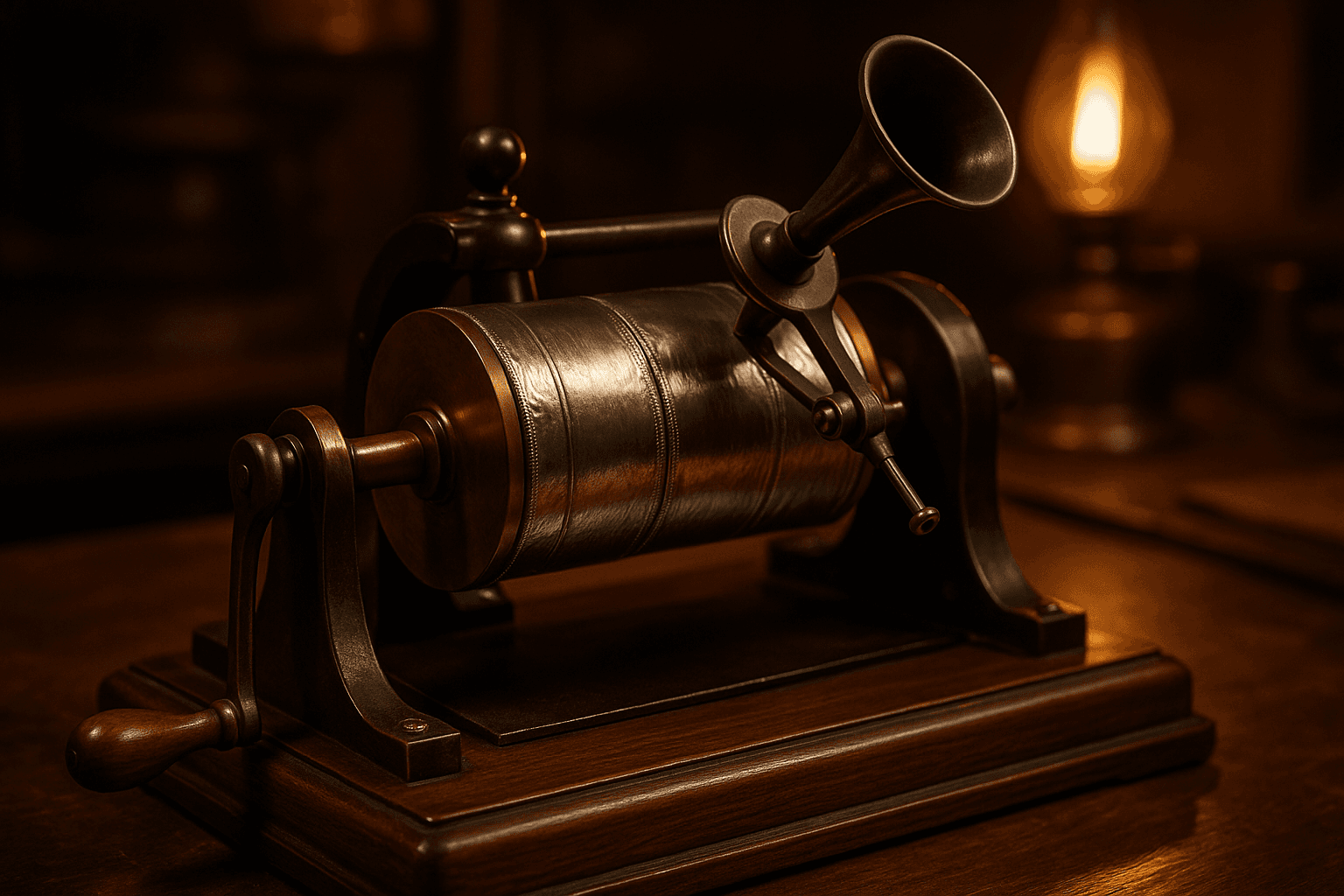
Edison's Phonograph: The First Machine That Talked
In 1877 Thomas Edison built the phonograph, the first machine that could record the human voice and play it back. A machine had finally spoken aloud.
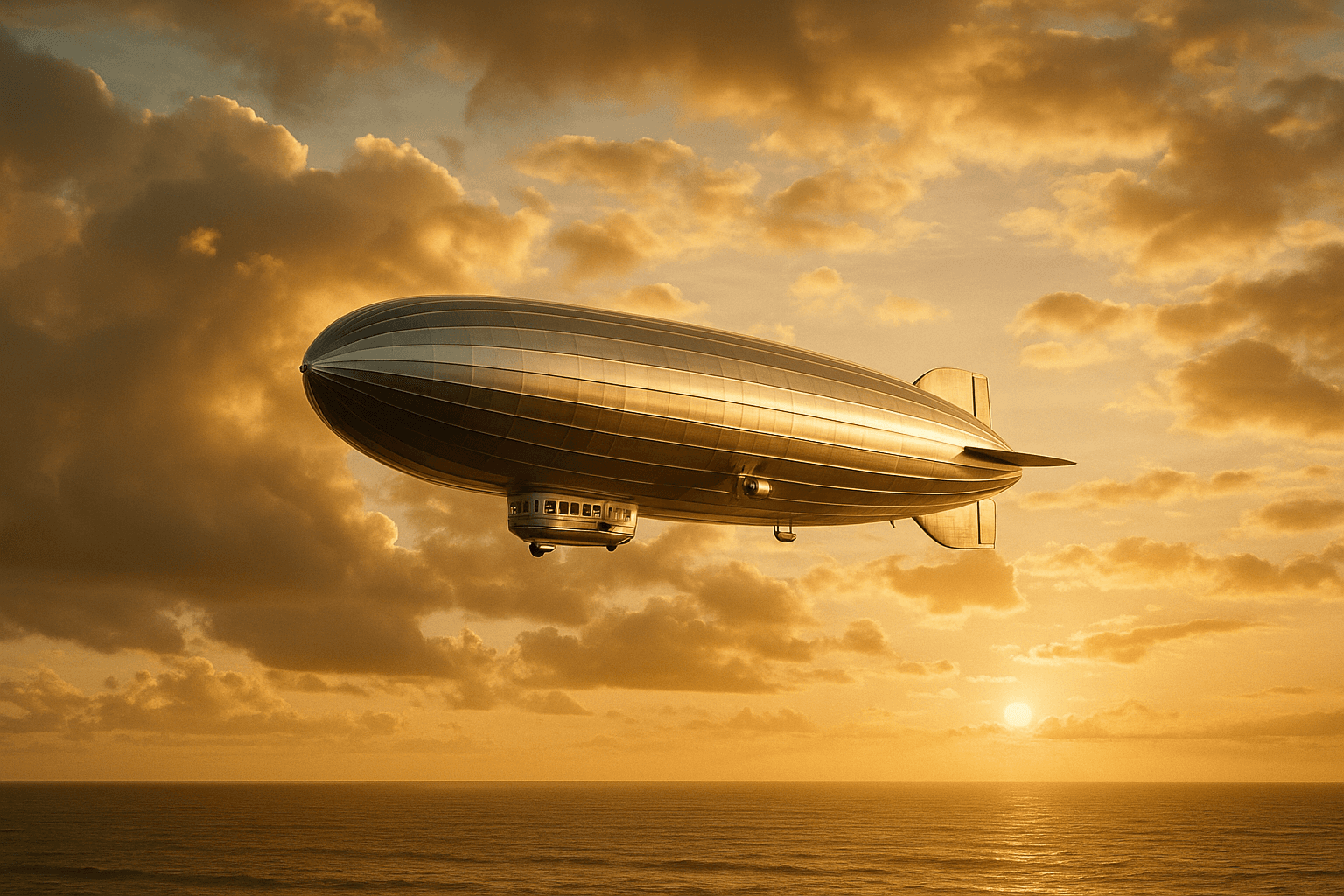
The Airship: The Elegant Future That Burned
The airship promised to cross oceans in silent luxury. From Giffard to the Hindenburg, the story of an elegant future that ended in flames.
The Airplane Before the Wrights: Who Almost Won
Before the Wright brothers flew in 1903, pioneers nearly got there first: Cayley, Lilienthal, Ader and Santos-Dumont. This is their untold story.