
The Curse of Tutankhamun: The Numbers Don't Add Up
Of those present at the tomb's opening in 1922, the vast majority lived for decades. The pharaoh's curse was real — but the press invented it.
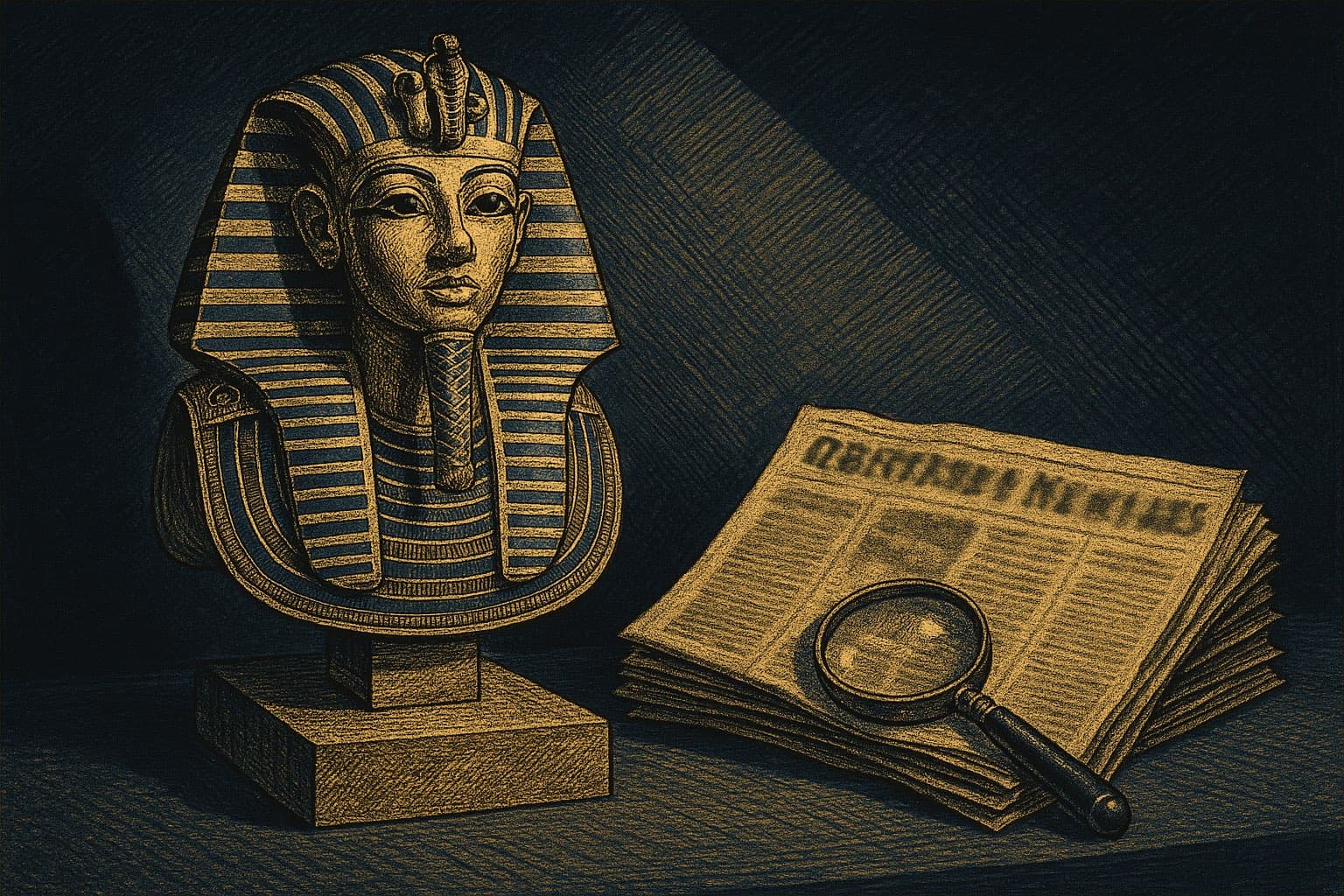
We all know the story: in November 1922, Howard Carter opened the tomb of Tutankhamun, the most intact pharaoh's burial ever found, and from that moment a millennia-old curse began collecting, one by one, the lives of the desecrators. It is one of the most retold stories of the 20th century. It has mummies, gold, mysterious deaths and poetic justice. It fails on only one detail — the same one that sank tulip mania: when you go to the records and count, the numbers don't add up.
The death that lit the legend
The curse had an involuntary godfather: Lord Carnarvon, the aristocrat funding the excavation, died in Cairo in April 1923 — five months after the opening. The cause was as unsupernatural as it was painful: he nicked an infected mosquito bite while shaving, septicemia followed, then pneumonia. But the context was perfect for something else. The papers reported that the lights of Cairo went out at the hour of his death (blackouts were routine in the city) and that back in England his dog howled and dropped dead (the family told the story; nobody ever verified it). Arthur Conan Doyle —yes, the creator of the supremely rational Sherlock Holmes, who in his later years believed in fairies and spirits— told the press that protective “elementals” of the pharaoh might be responsible. The combination was irresistible.
One exclusive, many embittered rivals
Here comes the part that explains everything. Carnarvon had sold the worldwide exclusive on the tomb to the Times of London. Every other newspaper on the planet, including the Egyptian ones, was locked out of the discovery of the century... and needed something to sell. The curse was the perfect answer: it required no access to the tomb, it could not be debunked, and it sold magnificently. Soon the alleged inscription circulated — “death shall come on swift wings to him who disturbs the peace of the king” — a phrase that sounds spectacular and that exists on no wall of the tomb: nobody has ever found it, because it was a journalistic invention. From then on, every time anyone remotely connected to Egypt died, the press added a victim to the pharaoh's ledger.
So let's count
Decades later, a researcher did what nobody had seriously done: take the list of those present and check how long they lived. A study published in the British Medical Journal followed the Westerners who attended the “cursed” moments —the opening of the tomb, of the sarcophagus, the examination of the mummy— and compared them with those who were in Egypt without that exposure. The result: no significant difference in survival. According to Egyptologist Herbert Winlock's 1934 tally, of the nearly sixty people present at the openings only eight died within the following dozen years — perfectly normal mortality for adults of that era.
The individual cases are even more eloquent. Howard Carter, the man who spent more hours inside the tomb than anyone, the desecrator-in-chief, lived seventeen more years and died in London of lymphoma, at 64, peacefully in his bed. Lady Evelyn Herbert, Carnarvon's daughter and one of the first people to crawl in, died in 1980 — almost sixty years later. The sergeant who guarded the burial chamber for years died in 1982. The curse, curiously, spared everyone who provoked it most and took its rage out on a financier of fragile health who had barely survived a car accident years before.
The curse that did exist
Does this mean there was no curse? On the contrary: there was one, and it worked splendidly — it just wasn't Egyptian but typographical. It was invented by the embittered press of 1923, amplified by post-war spiritualism (Europe had just lost an entire generation and needed to believe the dead could speak), and consolidated by Hollywood with every vengeful-mummy film. A century later it is still claiming victims: every reader who repeats it without counting the dead. It is the same mechanism we saw with the supposed War of the Worlds panic: when a story is good enough, the facts are left holding the bill. Poor Tutankhamun cursed nobody — he was a nineteen-year-old with the smallest tomb in the Valley of the Kings. His real revenge was of another kind: to be the least important pharaoh of his dynasty and, thanks to the legend, end up the most famous of them all.
References
- Mark R. Nelson, "The mummy's curse: historical cohort study", BMJ 2002;325(7378):1482–1484. DOI: 10.1136/bmj.325.7378.1482 doi.org
- Ann M. Cox, "The death of Lord Carnarvon", The Lancet 2003;361(9373):1994. DOI: 10.1016/S0140-6736(03)13576-3 doi.org
- Roger Luckhurst, The Mummy's Curse: The True History of a Dark Fantasy, Oxford University Press, 2012. global.oup.com
- Griffith Institute (University of Oxford), "Howard Carter", Tutankhamun: Anatomy of an Excavation — Tutankhamun Spatial Archive. tutankhamun.griffith.ox.ac.uk
Categories
The books · born from this blog
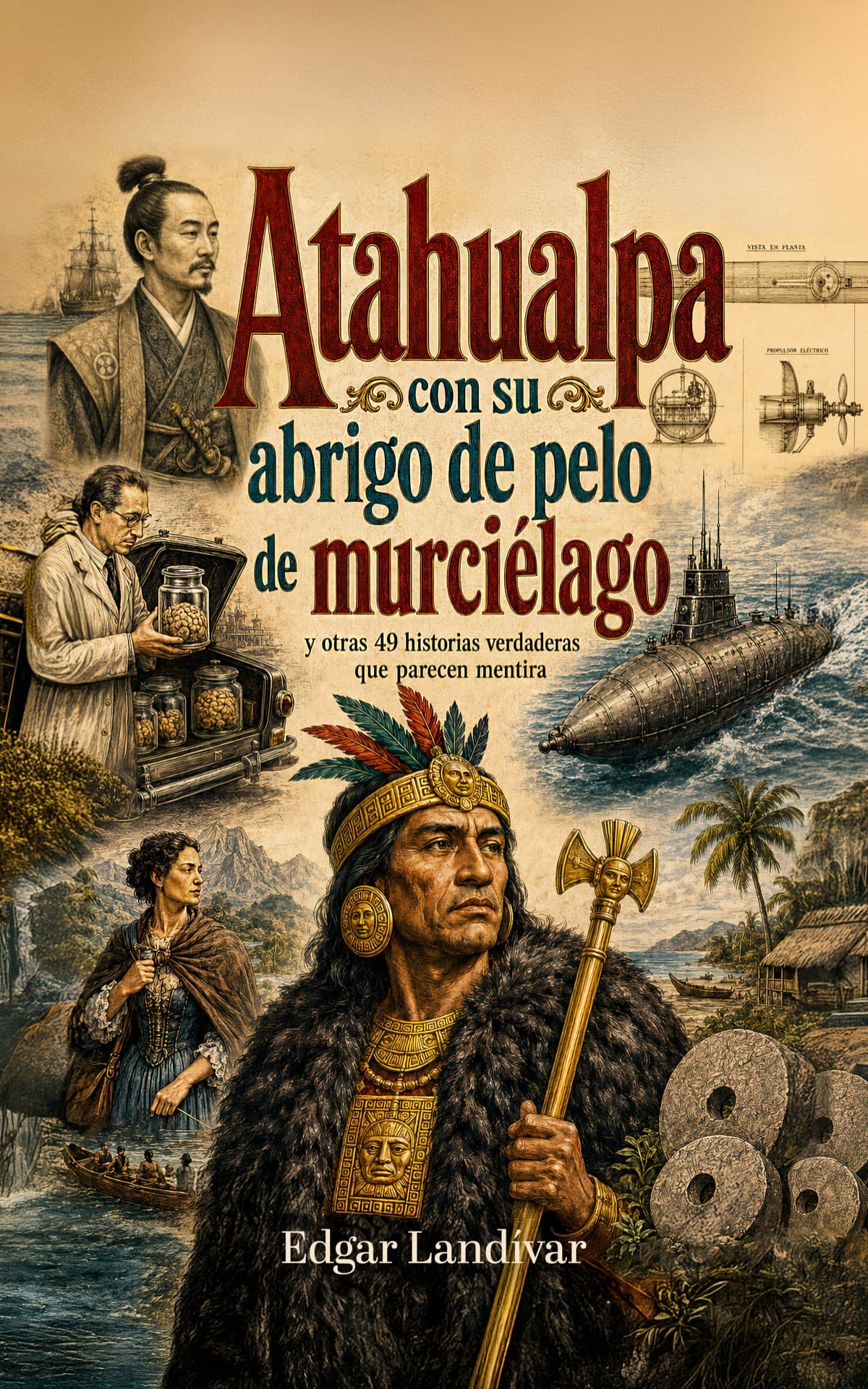
Atahualpa con su abrigo de pelo de murciélago
y otras 49 historias verdaderas que parecen mentira
Available on Amazon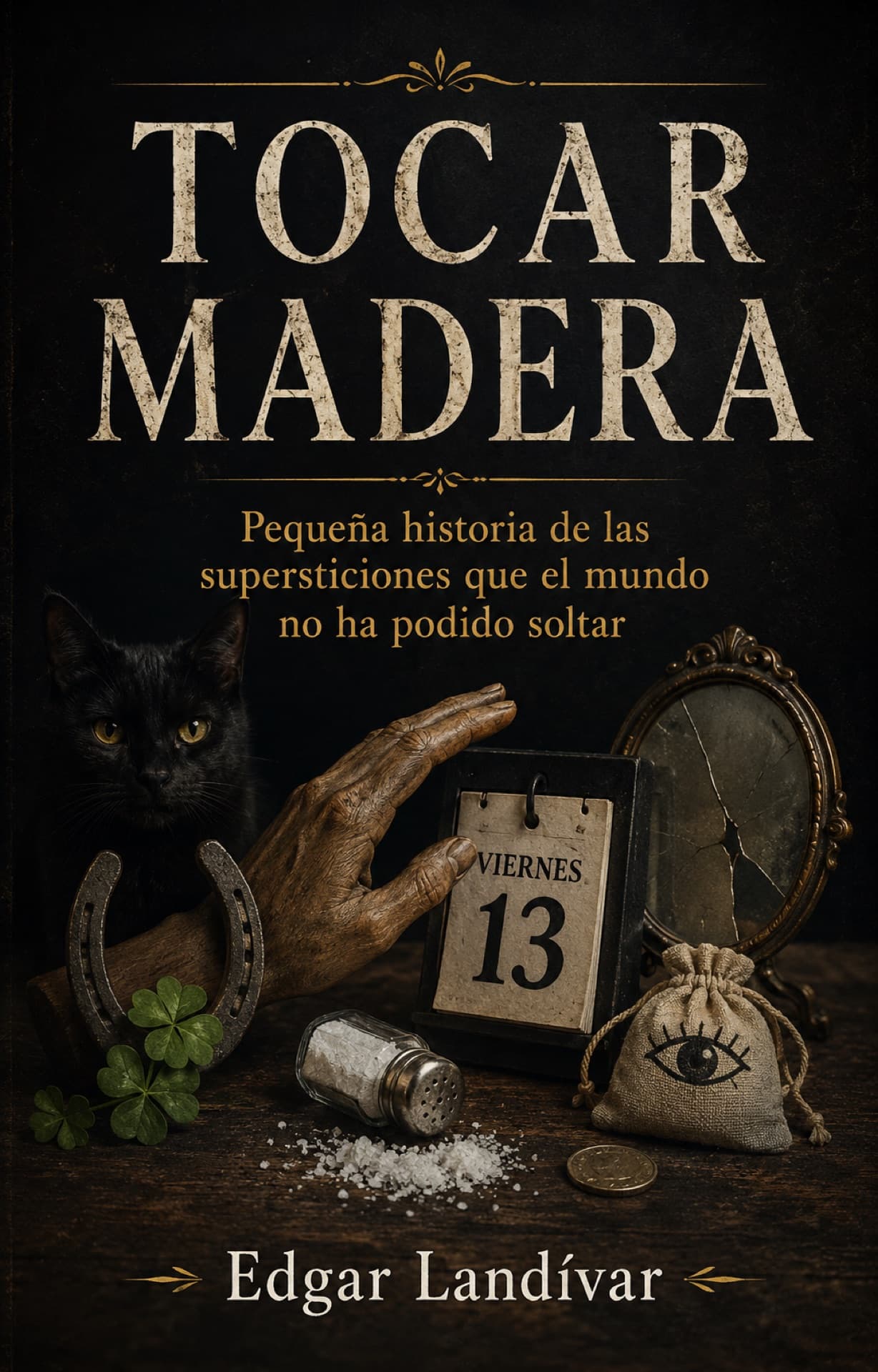
Tocar madera
Pequeña historia de las supersticiones que el mundo no ha podido soltar
Available on Amazon
100 futuros
Cien escenarios del mundo que viene con la inteligencia artificial
Available on AmazonYou may also like
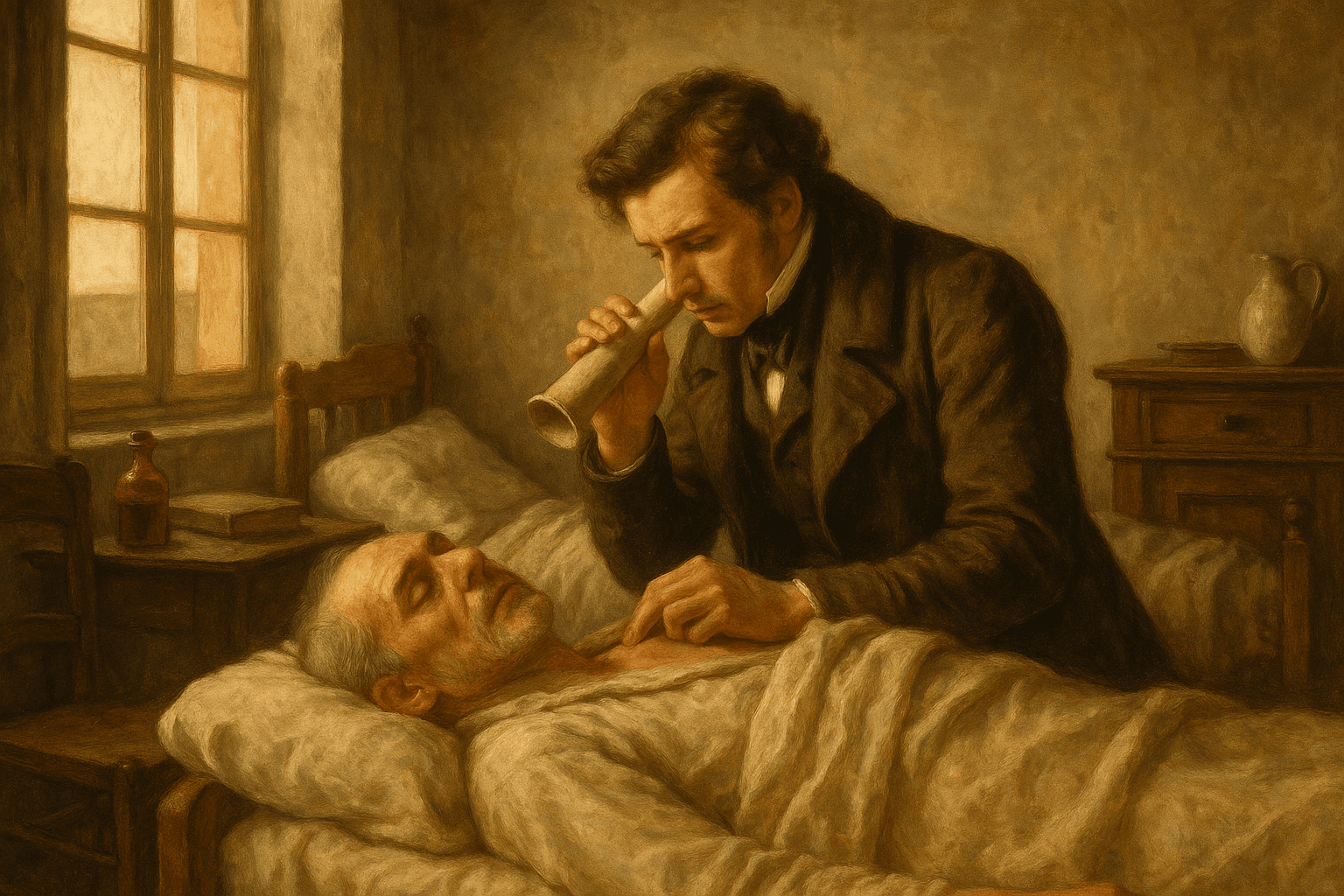
The history of the stethoscope and Laennec's modesty
In 1816 a French doctor felt too awkward to press his ear to a patient's chest, so he rolled up paper — and the stethoscope was born.

Placebo: the Latin word that means «I shall please»
«Placebo» means «I shall please» in Latin and began as a medieval funeral chant. Here is how it jumped from the church to medicine and its famous effect.

Scurvy: the disease that killed more sailors than storms
Scurvy killed more sailors than battles and shipwrecks combined. Its cure was discovered, forgotten, and rediscovered over and over for centuries.