
Category
Linguistics
10 articles
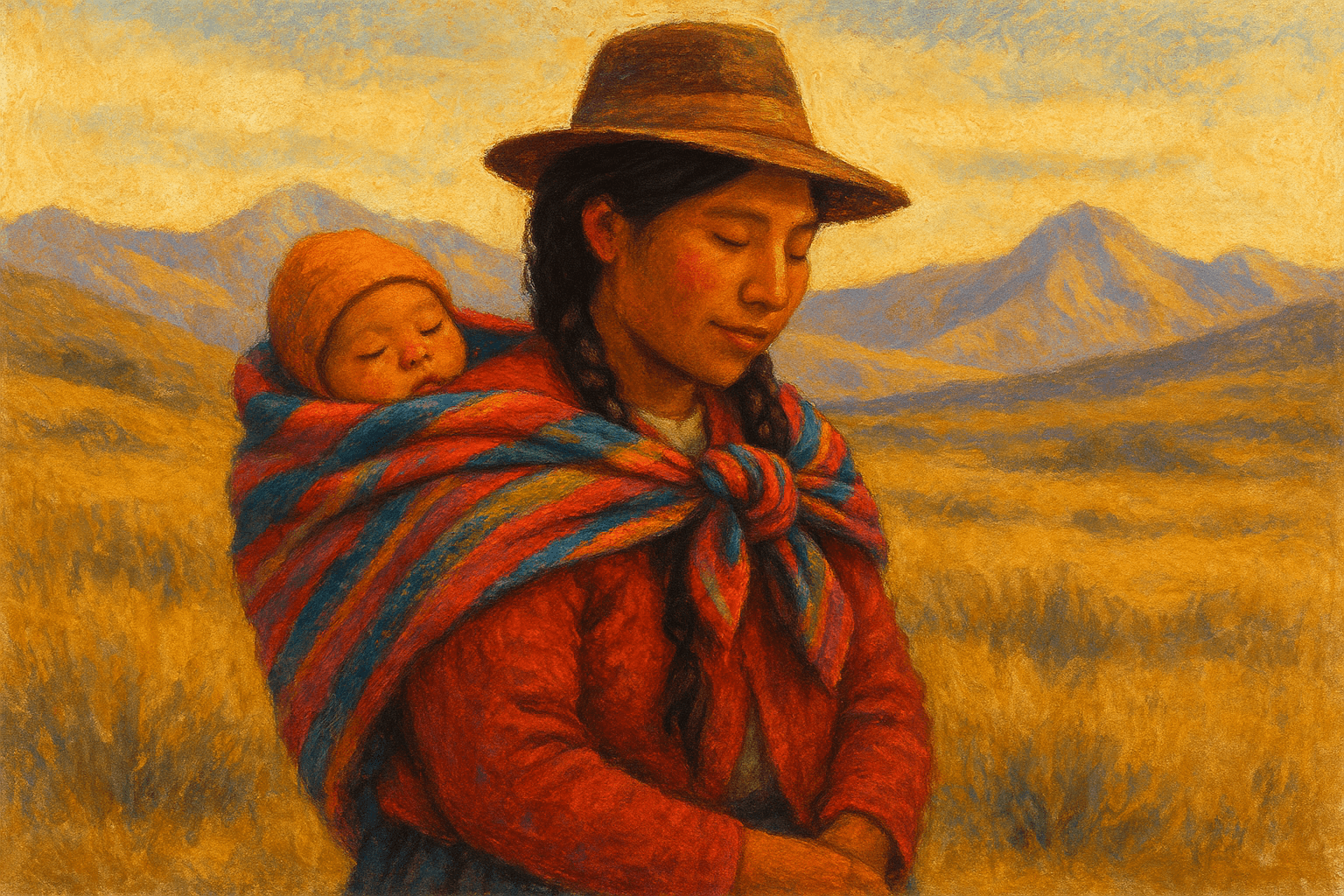
The Origin of the Word Guagua in the Andes
«Guagua» means baby across much of the Andes and comes from the Quechua and Aymara wawa. Here is the story of the word and its curious double: the bus.

Algorithm: From Baghdad to ChatGPT, a Word's Journey
«Algorithm» comes from al-Khwarizmi, a 9th-century mathematician in Baghdad. This is how his name traveled from the House of Wisdom to the apps of today.

Knock on Wood: The Real Origin of the Superstition
Almost everyone thinks knocking on wood comes from Celtic tree worship. But the documented trail leads to a far more recent origin: a children's game.

Sarcasm: The Word That Means “to Tear the Flesh”
Sarcasm comes from the Greek “sarkázein”: to bite or tear the flesh. The same root as sarcophagus. An irony that, quite literally, bites.
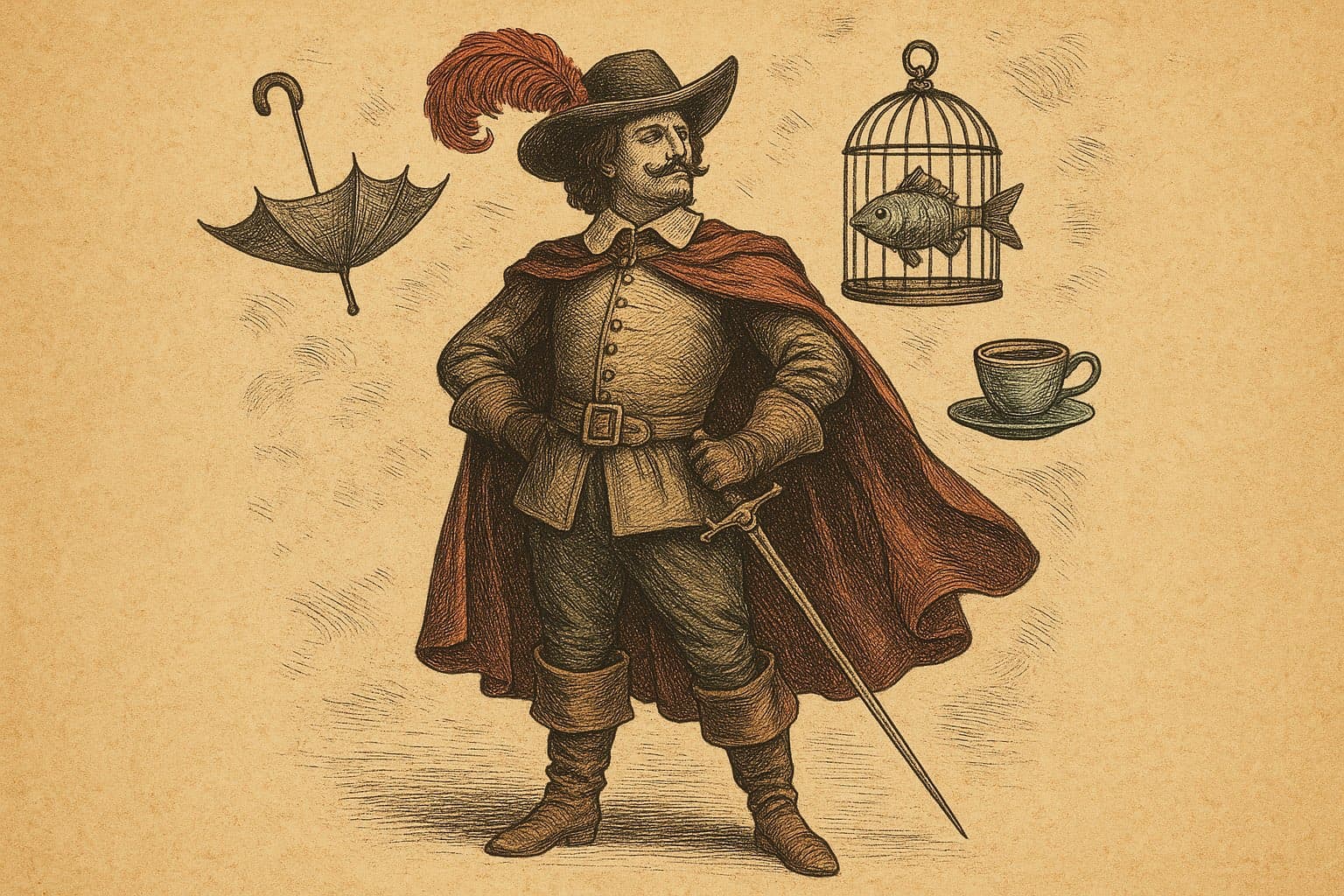
“Bizarro” Doesn't Mean What You Think
For centuries, the Spanish word “bizarro” meant brave and gallant. How a false friend stole a word's meaning — and how the dictionary surrendered.

The Chilling Origins of the Word Defenestrate
To defenestrate now means to oust an official, but the word was born from a brutal Prague custom: literally hurling councilmen out of windows.
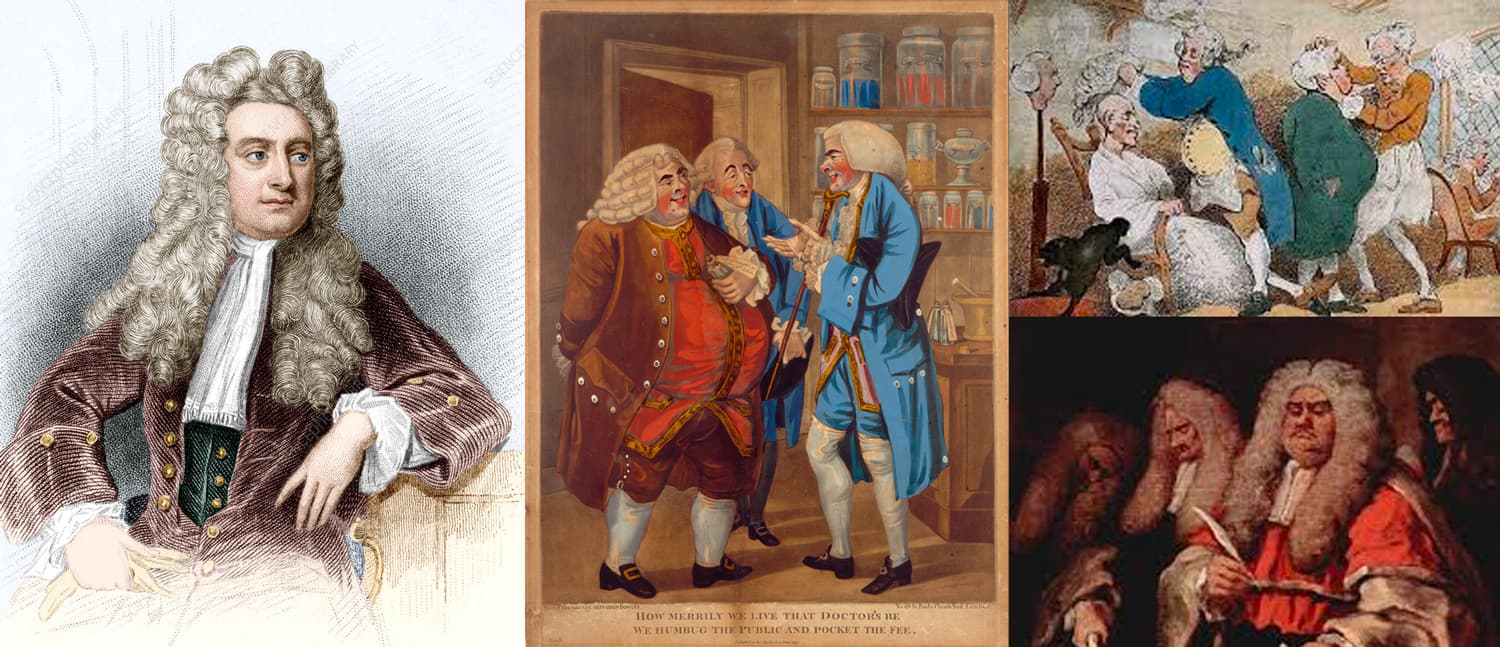
A Brief Study on the Origin of the Term "Pelucón"
The origin of «pelucón» runs from Renaissance wigs and English bigwigs to Chilean royalists, long before Correa revived it in Ecuador.
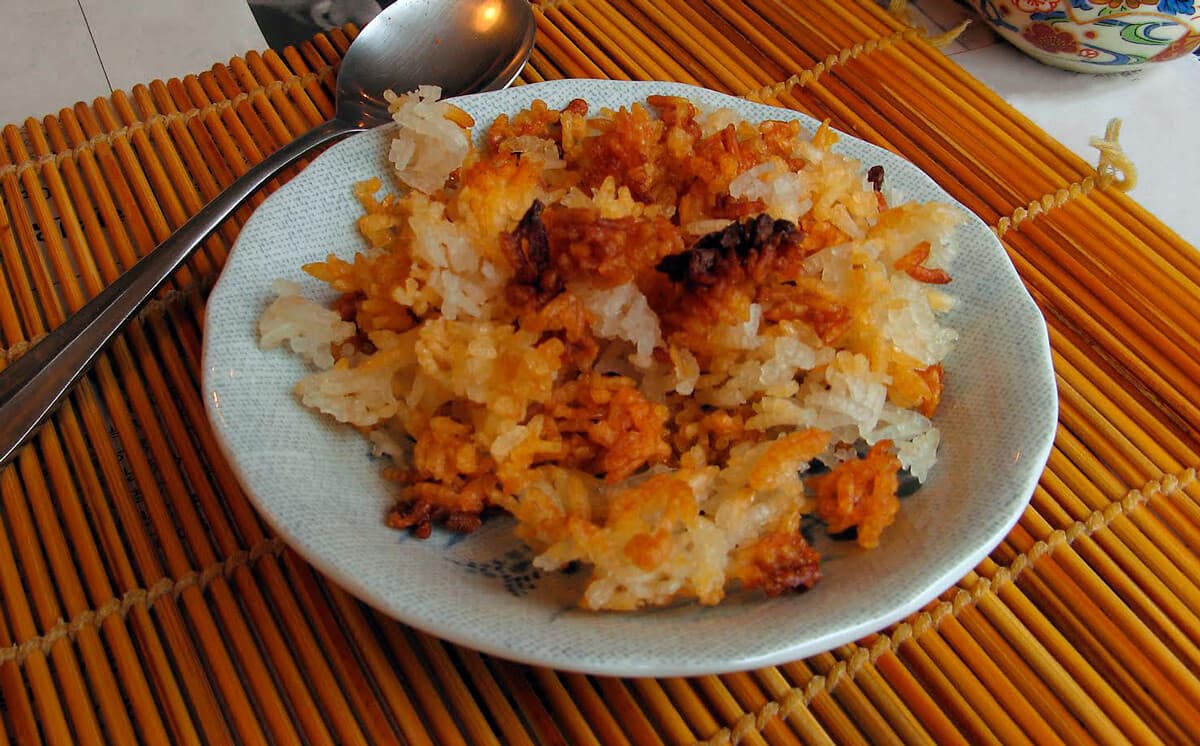
Origins of the word cocolón and no, it does not come from "cook too long"
Does the word «cocolón» really come from the English «cook too long»? A 1922 Ecuadorian etymology book debunks this popular urban legend.
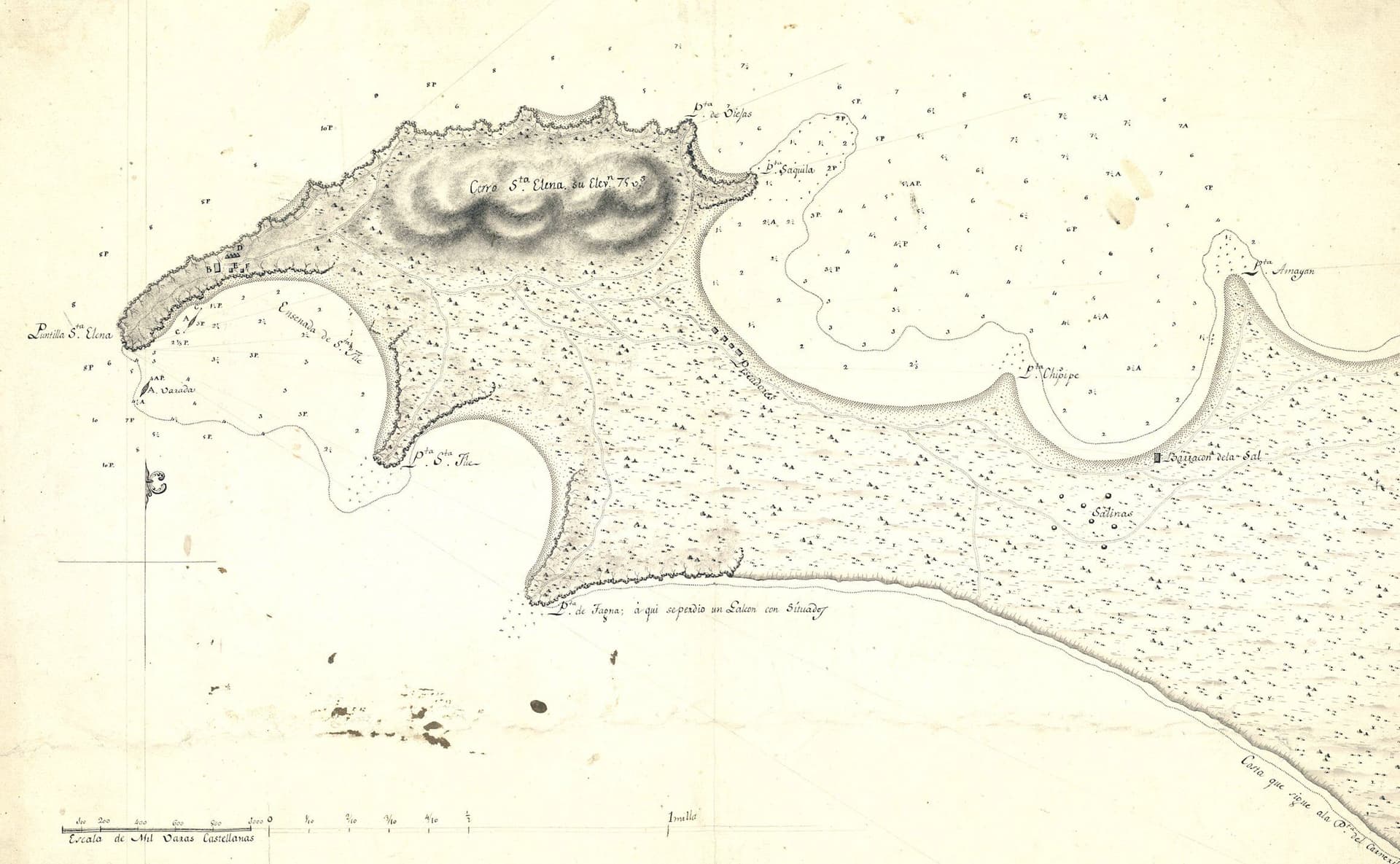
Chipipe is not Shit Pipe
Did Chipipe beach really get its name from an English «shit pipe»? A 1924 dictionary debunks the viral rumor that even fooled Wikipedia.

Etymology of the Word YONI. Where Does This Term Come From?
In Ecuador, «yoni» means the United States, but where did the word come from? A linguistic trail leads to two rival, surprising explanations.