
A 19th-Century Marketing Strategy: The Beautiful Collectible Cards of Liebig Meat Extract
A 19th-century marketing trick: how a meat extract turned a dreaded children's syrup into a craze with beautiful collectible art cards.
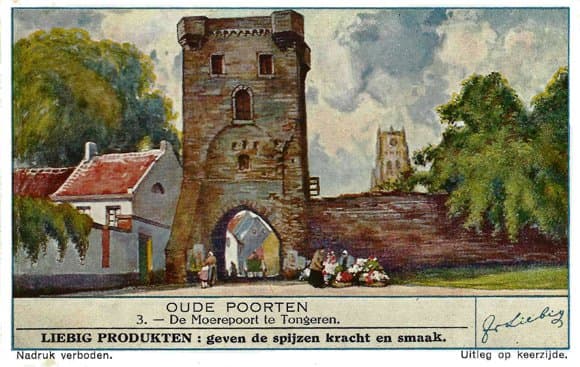
In the mid-19th century, German chemist Justus von Liebig developed a highly nutritious meat concentrate and, after a few years, founded a company for its manufacture and commercialization.
Since meat was expensive in Europe, the company came up with the idea of manufacturing the concentrate in a plant in Uruguay, where meat cost a little less than a third of what it cost in Europe.
With such a combination of nutritious properties and good price, the product became very popular and began to be sold in many pharmacies as a dietary supplement in syrup form. As you can imagine, doctors recommended it as a growth tonic and children were the main victims of this not-so-tasty syrup 🙂
The marketing strategy worked.
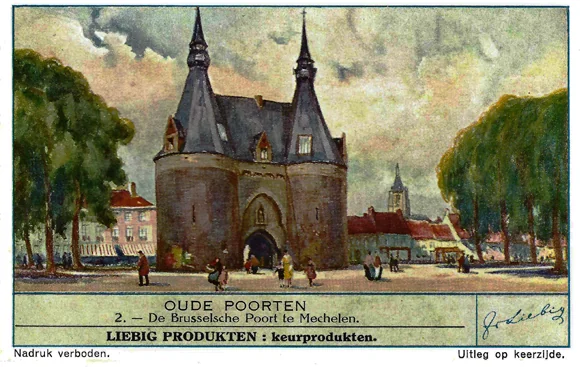
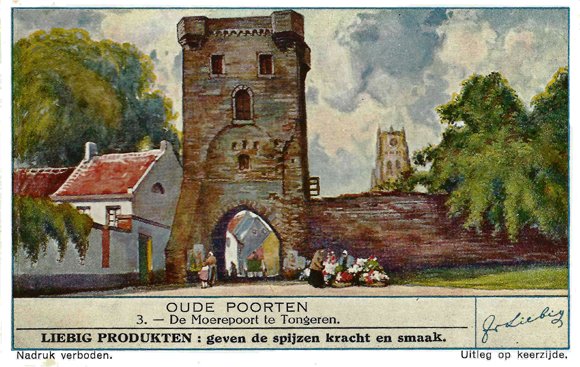
The thing is, to try to prevent children from developing such a dread of the syrup, Liebig developed an interesting strategy and figured out how to include some interesting little collectible cards along with the syrup. The cards were painted by some famous artists of the time and were generally distributed in groups of 6. Each group referred to a particular theme, and countless cards were made over many years. Many children asked for the syrup just to get the new card and expand their collection.
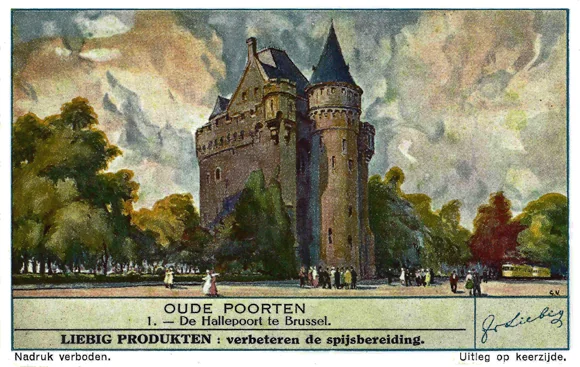
The truth is I didn't know anything about this story until some time ago when I accidentally came across some of these little cards, and from then on I became fascinated with them. Over the course of a few years I managed to get a few sets, and from time to time I look through them, just to delight in them. Personally, I find them beautiful: tiny works of art.
Little by little I'll be scanning some of the series I own, but for now I'll start with the castle series. I hope you enjoy it and that the curiosity bug bites you.
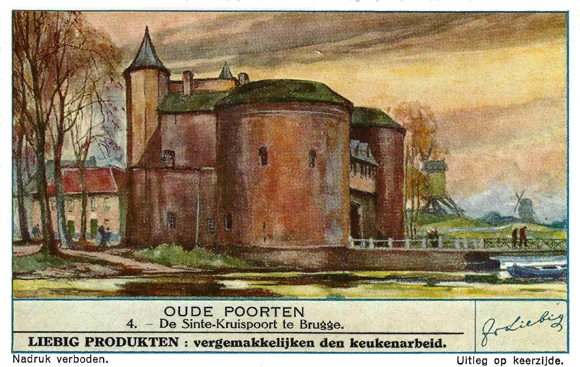
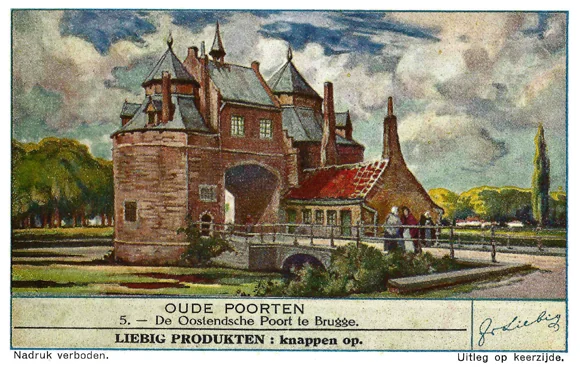
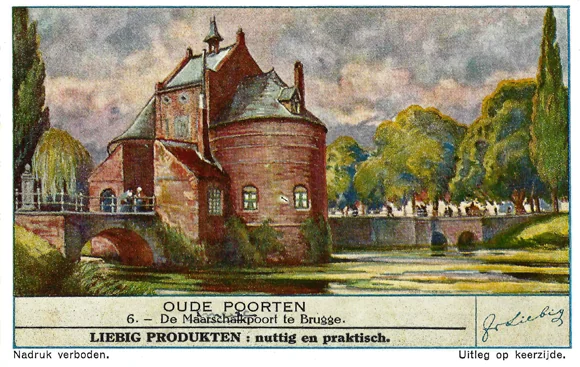
Categories
The books · born from this blog
Atahualpa con su abrigo de pelo de murciélago
y otras 49 historias verdaderas que parecen mentira
Available on Amazon
Tocar madera
Pequeña historia de las supersticiones que el mundo no ha podido soltar
Available on Amazon
100 futuros
Cien escenarios del mundo que viene con la inteligencia artificial
Available on AmazonYou may also like

The strange parties to inhale anesthesia of the early 19th century
Nitrous oxide was one of the first effective anesthetics discovered, but it did not always have that important use.
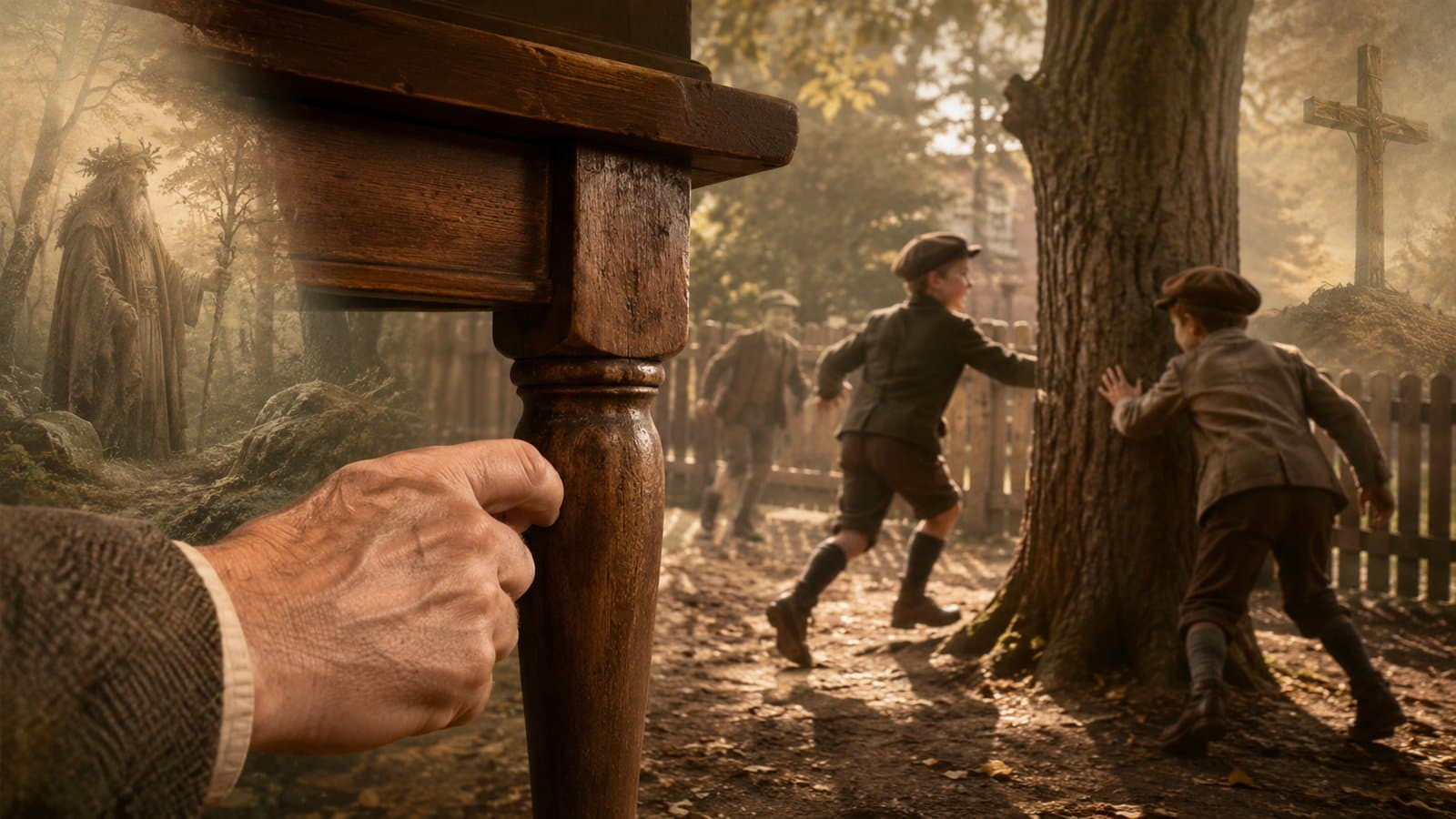
Knock on Wood: The Real Origin of the Superstition
Almost everyone thinks knocking on wood comes from Celtic tree worship. But the documented trail leads to a far more recent origin: a children's game.

Stockholm Syndrome Was Born to Silence a Hostage
The famous syndrome didn't come from a study: the police's own psychiatrist coined it to discredit a hostage who criticized him. It isn't in the DSM.