
The Origin of the Word “Trivial”: Where Three Roads Met
Where does the word trivial come from? From Latin trivium, the meeting of three roads where people gathered to chat about common, everyday things.
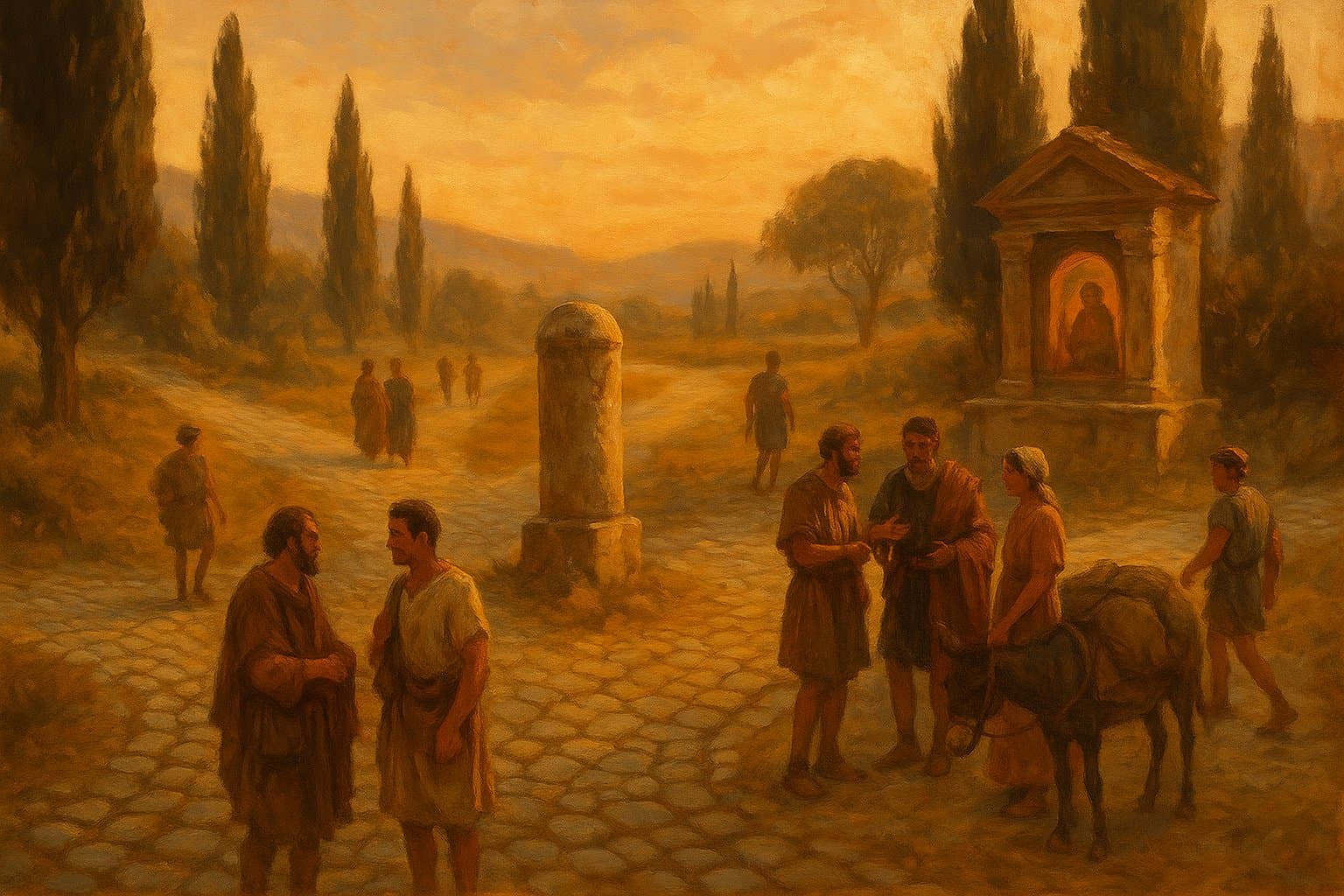
We call trivial whatever carries no weight: the minor fact that changes nothing, the filler conversation while we wait for the bus. It is a word that seems built to belittle. And yet it hides an image far more concrete, and even rather charming: a crossroads. The origin of “trivial” lies in the Latin trivium, the spot where three roads came together —from tri-, “three”, and via, “road”. There, where the traffic of travellers crossed, everything passed through and everything got talked about: it was the most common place in the world. From that bustling corner came the sense of “ordinary, everyday” that we still carry every time we dismiss something as a triviality.
Trivium: where three roads met
To the Romans, a trivium was literally the place where three paved roads converged. It was not some obscure technical term: in an empire stitched together by roads, those junctions were the busiest points in the landscape, the ancient equivalent of a square or a crowded stop. Near the crossing you would often find fountains, altars or milestones, and it was normal for people to pause there to rest, to buy something, or simply to swap news with strangers.
Hence the adjective trivialis came to mean, already in Latin, “belonging to the crossroads” and, by extension, “public, within anyone’s reach, vulgar”. What you saw or heard at the trivium was nothing exclusive or refined: it was the gossip of the road, the chatter anyone could pick up in passing. The word began to describe ordinary things not because they were contemptible, but because they stood in the place through which everyone moved.
The goddess of the three roads
The junction of three roads also carried a magical, even unsettling charge. The Romans linked such spots with Trivia, an epithet of the goddess of crossroads, identified with Diana and with the Greek Hecate, “she of the three ways”. Spirits and nocturnal forces were believed to haunt these junctions, which is why offerings were left there and small shrines were raised. Virgil already names her as Trivia in the Aeneid.
Two faces of the same crossroads thus lived side by side: the sacred, feared and ritual one, and the everyday one, noisy and full of people buying and talking. Curiously, it was the second —the ordinary hubbub— that prevailed in the language. Speech kept the corner where common things were discussed, not the goddess’s altar. It is the same earthbound twist we find in the story of the word “scruple”, born from a pebble in a sandal.
The trivium of the medieval classroom
The word took an unexpected detour through the schools. In medieval education, the seven liberal arts were split into two blocks. The first, the trivium, gathered the three disciplines of language —grammar, logic (dialectic) and rhetoric— and was the foundation every student had to master before moving on. The second, the quadrivium (“four roads”), grouped the four mathematical arts: arithmetic, geometry, music and astronomy. The road metaphor was still alive: knowledge, too, was arranged as a network of intersecting paths.
The trivium was the elementary stretch, the entry gate; the quadrivium was the more advanced knowledge, kin to disciplines like the algebra that came from the Arab world. That the “introductory” subjects were the ones of the trivium unwittingly reinforced the idea that the trivial is the basic, the elementary, what is taken for granted. School fed the prejudice that already came from the crossroads.
From common to insignificant
In English, “trivial” is documented for centuries with the sense of “common, ordinary, unremarkable”. But the shade that dominates today —the insignificant, the not-worth-bothering-with— took hold later. In 1902, the writer Logan Pearsall Smith titled a book of short reflections on everyday small things Trivia, itself borrowing from a 1716 poem by John Gay. That fashionable title helped trivia, in the plural, end up naming the whole body of minor, curious facts: the “trivia” of the quiz shows and question games that became popular in the mid-twentieth century.
So the word closed a perfect circle. It began as the crossing where a bit of everything was discussed, passed through the classroom as the most elementary knowledge, and ended up naming precisely those loose, tasty facts that no one needs but everyone enjoys. The next time you dismiss something as trivial, remember that you are summoning, without knowing it, a Roman corner crowded with people: the most common and most alive place in the ancient world. Like the word “money”, born in a temple on the Capitoline, “trivial” keeps inside it a scene we would never suspect as we say it.
References
- “Trivial”, Online Etymology Dictionary: from Latin trivialis “common, vulgar, ordinary”, literally “of the crossroads”, from trivium “place where three roads meet” (tri- “three” + via “road”). etymonline.com
- “Where does the word ‘trivia’ come from?”, Merriam-Webster: reconstructs the shift from trivium “three roads” to trivialis “public, common” and the modern use of trivia stemming from Logan Pearsall Smith’s book (1902). merriam-webster.com
- “Trivium”, Wikipedia: the three language arts (grammar, logic and rhetoric) versus the mathematical quadrivium in medieval education. en.wikipedia.org
- “Trivia”, Wikipedia: the Roman goddess Trivia of the crossroads, John Gay’s poem (1716) and the twentieth-century rise of the “trivial facts” sense. en.wikipedia.org
Enjoy the stories behind words? Continue with the origin of “scruple” and that of “money”, or browse the whole etymology series.
The books · born from this blog
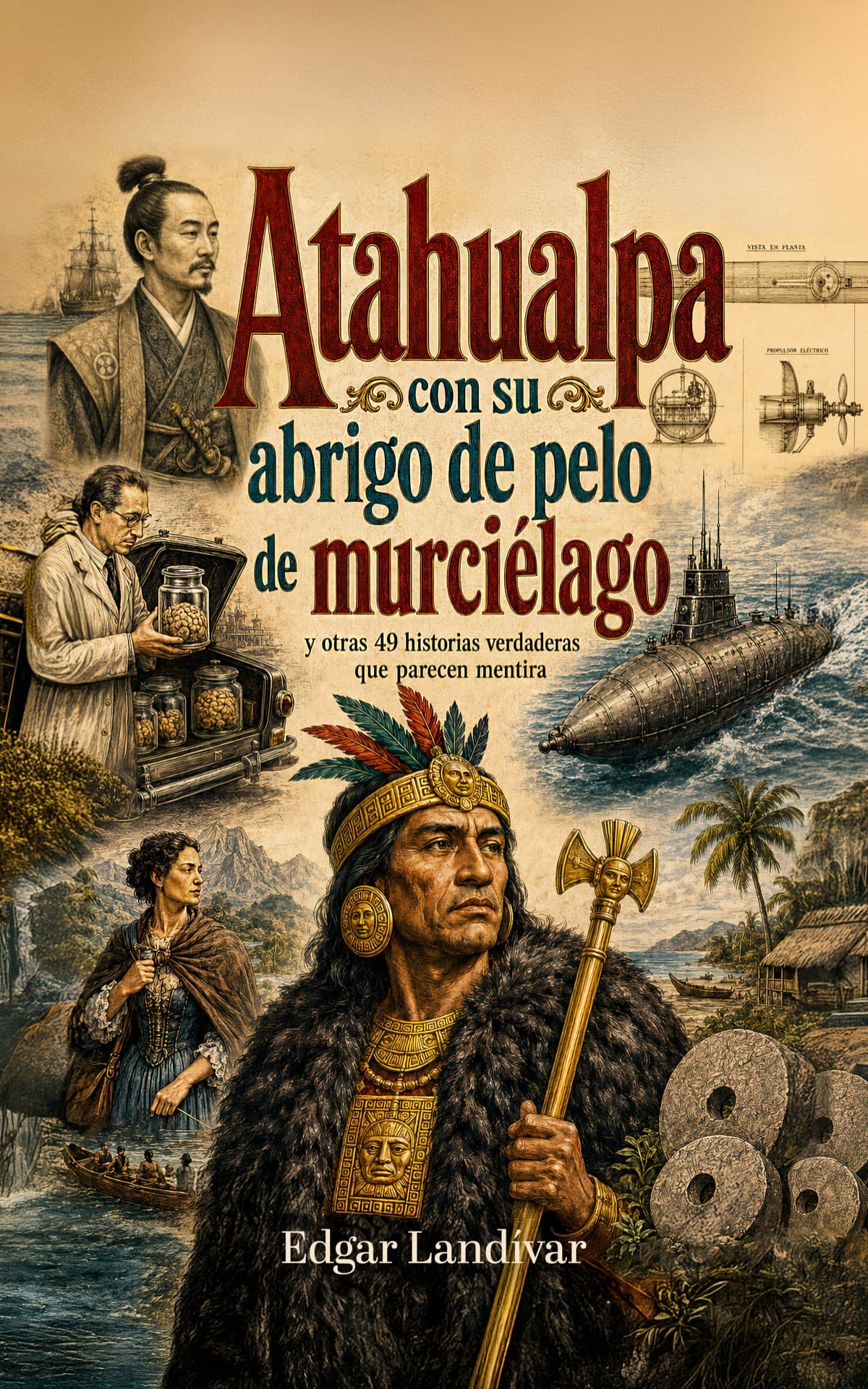
Atahualpa con su abrigo de pelo de murciélago
y otras 49 historias verdaderas que parecen mentira
Available on Amazon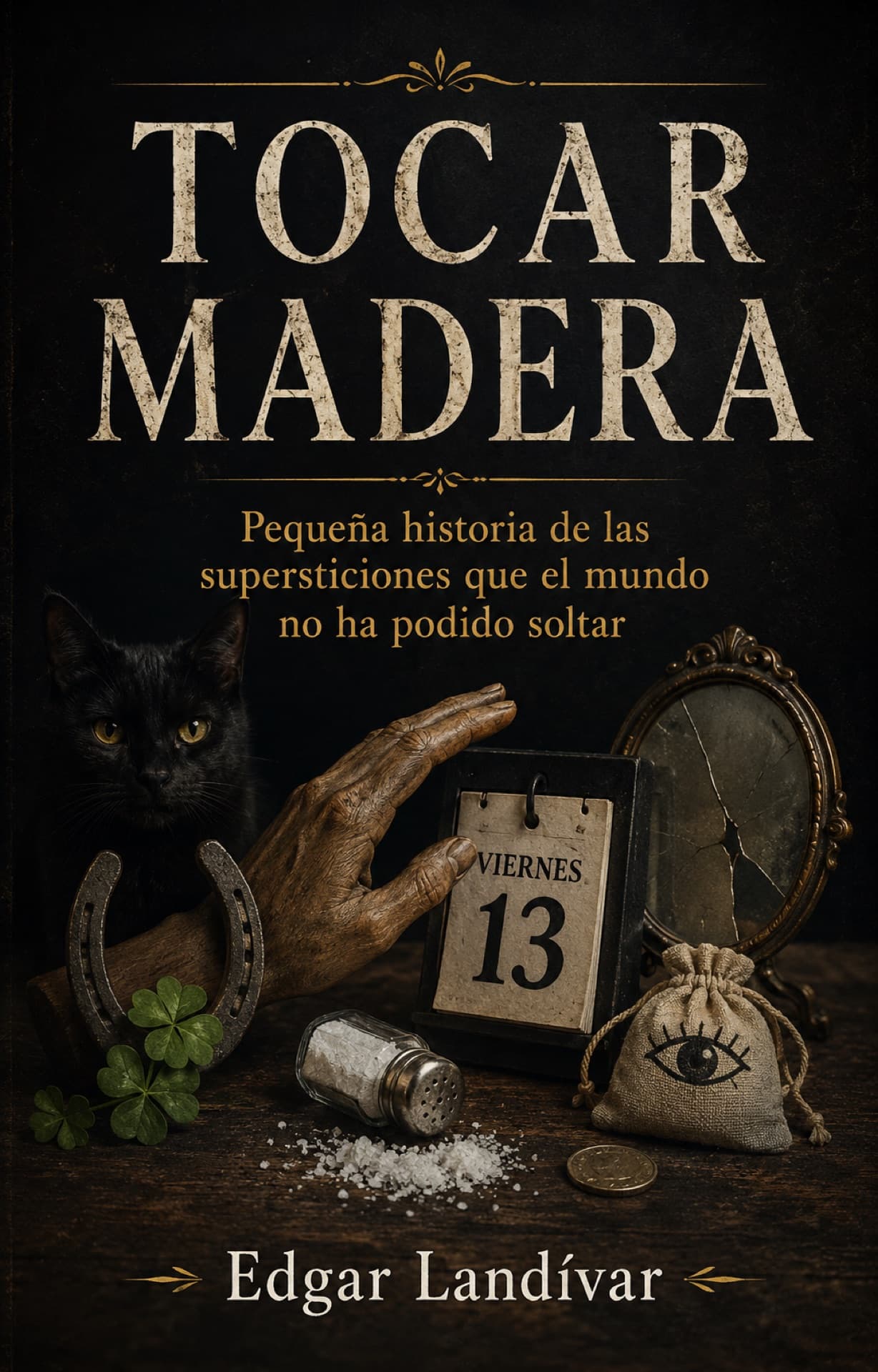
Tocar madera
Pequeña historia de las supersticiones que el mundo no ha podido soltar
Available on Amazon
100 futuros
Cien escenarios del mundo que viene con la inteligencia artificial
Available on AmazonYou may also like
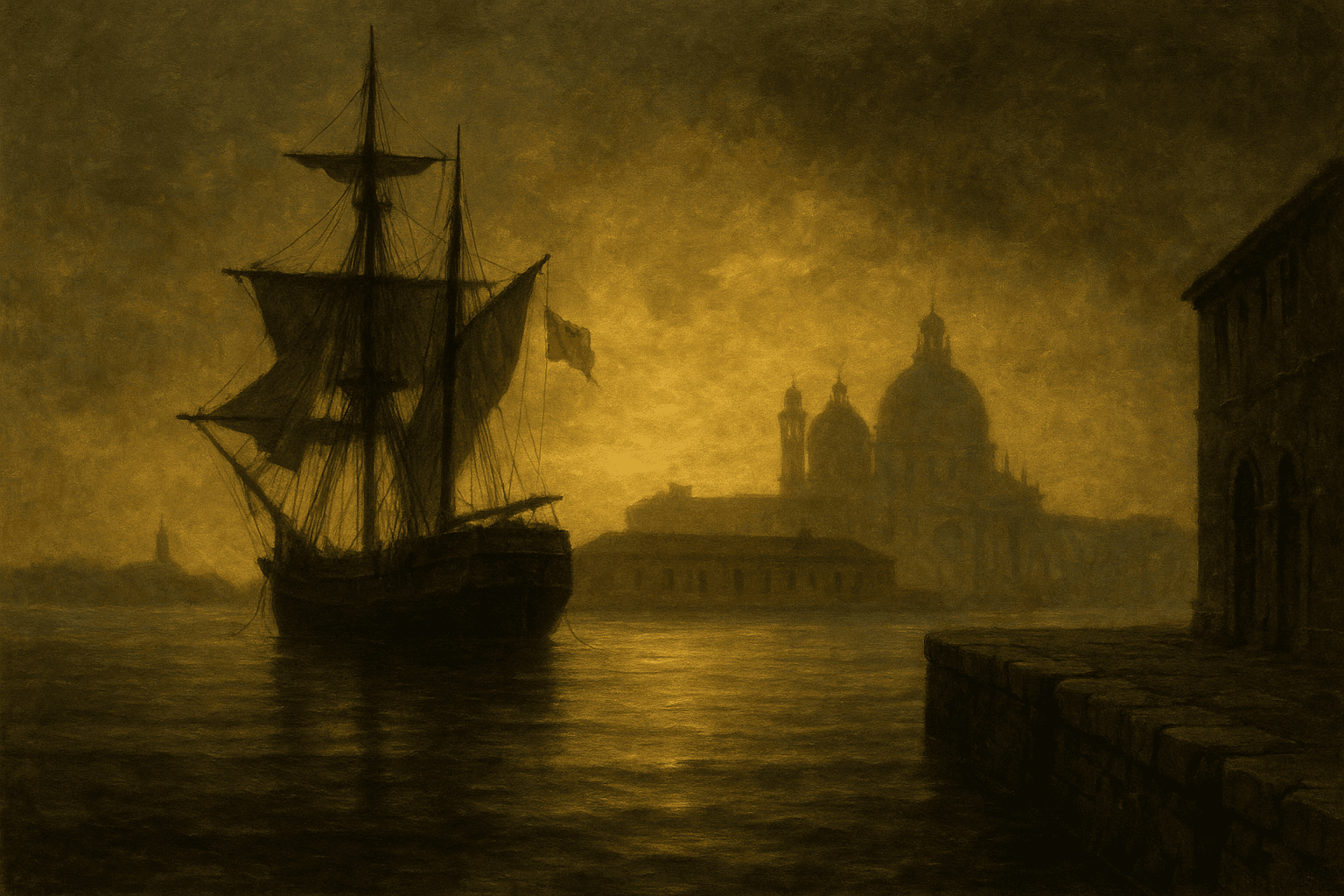
The Origin of the Word “Quarantine”: 40 Days in Venice
Where does the word quarantine come from? From the 40 days that Venice and Ragusa forced ships to wait during the Black Death. Here is its story.
The Origin of the Word “Dollar”: a Bohemian Valley
Where does the word dollar come from? From a silver-mining valley in Bohemia and a 16th-century coin. The story of the thaler that conquered the world.
The Origin of the Word “Museum”: House of the Muses
Where does the word museum come from? From mouseion, the temple of the Greek Muses and the great center of learning in Alexandria, long before glass cases.