
When the Pregnancy Test Was a Frog
For decades, pharmacies kept their own frogs: if a client's urine made one ovulate, she was pregnant. And it worked 95% of the time.
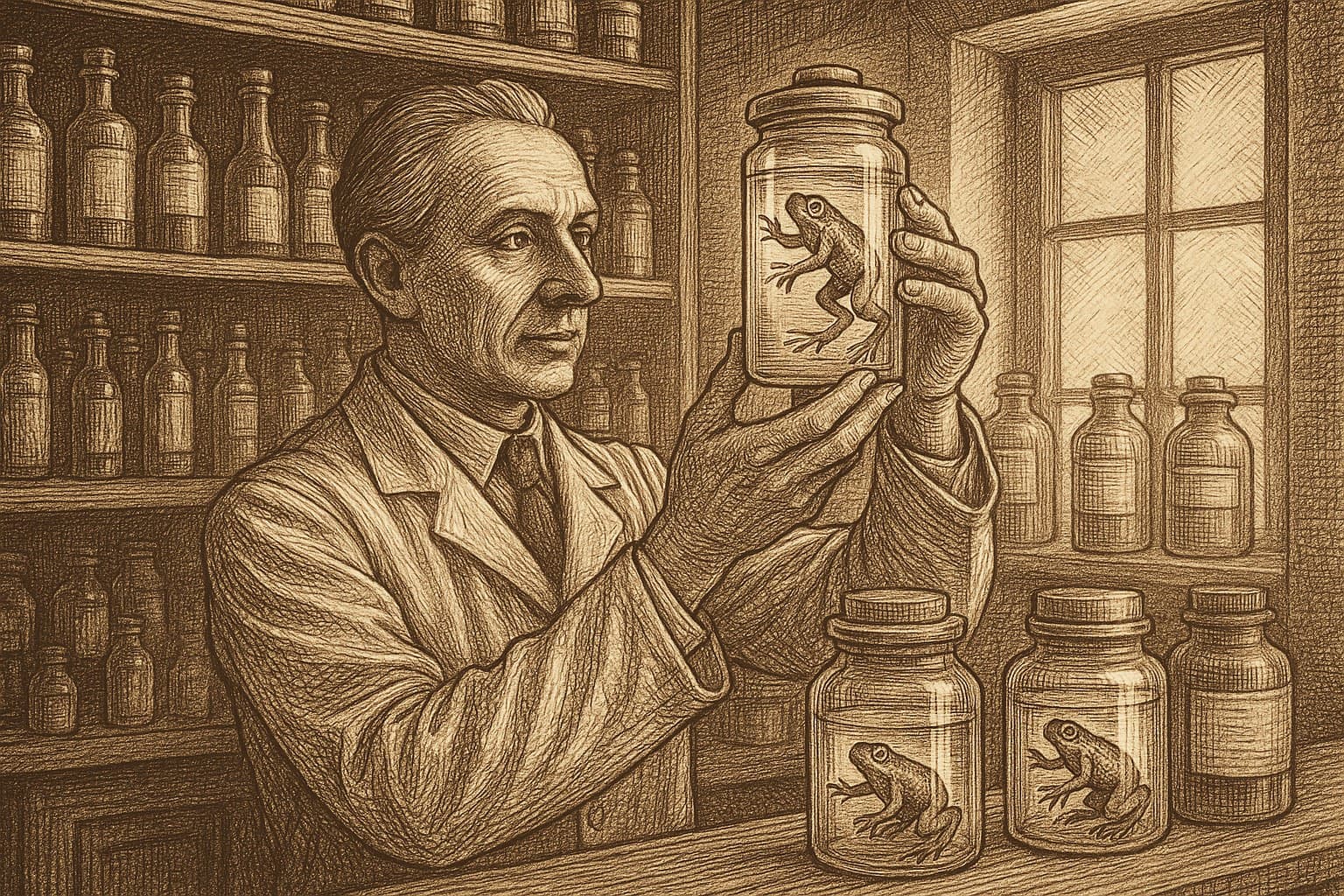
For much of the twentieth century, many pharmacies kept an unusual tenant in the back room: a frog. It was neither a pet nor a decoration, but the most reliable pregnancy test of its time. The client left a urine sample, the pharmacist injected it into the batrachian and, if the animal ovulated a few hours later, the answer was yes. It was right 95 percent of the time, an accuracy no consulting physician could offer back then. It was called, with no mystery at all, “the frog test”.
The hormone that gives pregnancy away
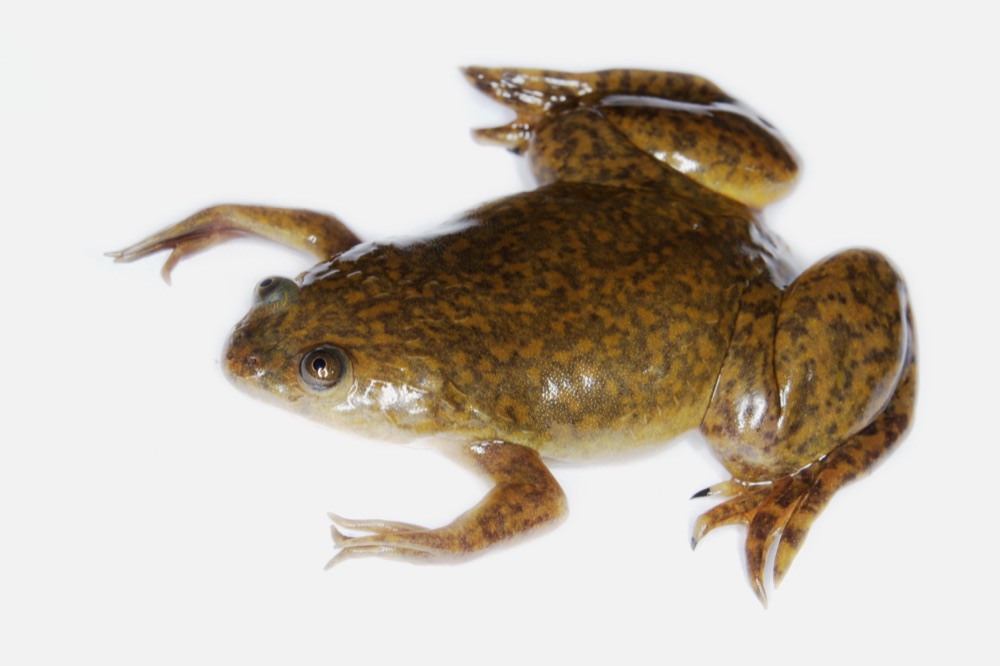
The trick had a serious scientific basis. When a woman becomes pregnant, her body starts making a hormone it produces under no other circumstance: human chorionic gonadotropin (hCG), which leaves the body through urine. To amphibians, that hormone is an irresistible biological signal. Injected into a female Xenopus laevis —the African clawed frog—, it triggers her ovulation in about eighteen hours. And in males of the Argentine toad (Rhinella arenarum) it causes something even more striking: the maturing and release of spermatozoa, which the pharmacist only had to look for under the microscope in the animal's urine, two or three hours later. The animal, moreover, survived the test, although it remained “out of service” for several weeks before it could diagnose again. That is why pharmacies kept not one frog, but a whole troupe of them.
But getting to the frog took humanity a few millennia of desperate attempts.
Three thousand eight hundred years of strange tests
The Kahun papyrus, an Egyptian treatise on gynecology and obstetrics from about 3,800 years ago, includes among its recipes a contraceptive made of crocodile dung, honey and sodium carbonate, applied as a vaginal suppository —one prefers not to picture the scene. The same papyrus describes a pregnancy test that also claimed to predict the baby's sex: the woman was to urinate for several days onto two containers, one with barley seeds and one with wheat seeds. If nothing sprouted, there was no pregnancy; if the barley sprouted, a boy was coming; if the wheat sprouted, a girl. And if both cereals sprouted? The papyrus says nothing about it, which is something to be thankful for: even scribes had their limits.
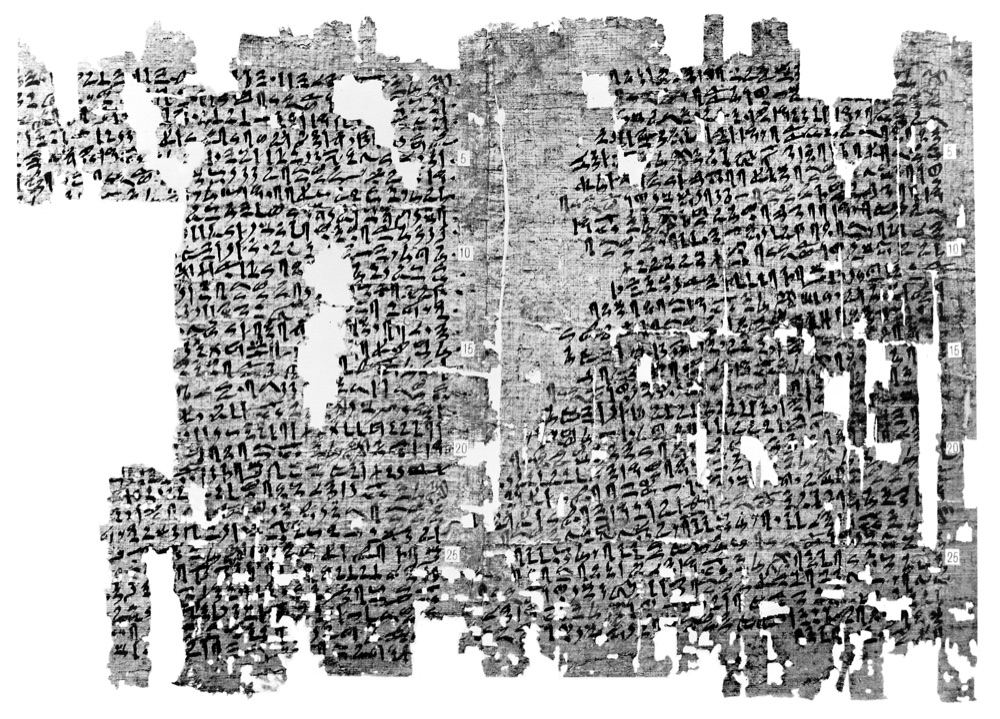
The amazing thing is that the Egyptian method was onto something. In 1963, a team of researchers decided to test it seriously and found that the urine of pregnant women stimulated seed germination in about 70 percent of cases, while that of non-pregnant women barely did. The baby's sex part, however, was pure fantasy.
It's easy to laugh, but let's not get too smug: the same ancient medicine that prescribed crocodile dung was capable of rebuilding noses twenty-five centuries ago.
In ancient Greece, the Hippocratic tradition proposed inserting an onion into the woman's vagina and leaving it there overnight: if the next morning her breath smelled of onion, the passages were “open” and there was no pregnancy; if it didn't, she was expecting. Thank goodness the criterion was the breath and not the vegetable's flavor, because in that case history fails to record which brave soul would have had to check. Chinese physicians, more elegant, simply took the pulse and studied its regularity and amplitude. And those of the Roman Empire were not much more refined: they diagnosed pregnancy when a woman behaved “crazily” —medicine has a long record of suspicious diagnoses, like that time when nostalgia was a disease—. In medieval Europe, and well into the seventeenth century, the reigning method was uroscopy: a pregnant woman's urine was said to be whiter and to leave a cloud on its surface. The surprises women must have had throughout history with these tests.
From mice to amphibians
The first truly scientific test arrived in 1928, when German gynecologists Selmar Aschheim and Bernhard Zondek discovered that a pregnant woman's urine caused visible changes in the ovaries of immature female mice. It worked, but it took several days and the mice had to be sacrificed for examination. In 1931, Maurice Friedman improved the system using rabbits, which gave rise to the famous English expression the rabbit died as a euphemism for pregnancy. The funny thing is the rabbit always died, pregnant or not, because it had to be opened up to read the result.
Frogs were the great improvement: they answered in hours and, above all, they survived. In the early 1930s, zoologist Lancelot Hogben discovered in South Africa that pregnant women's urine made Xenopus laevis ovulate, and his colleagues Hillel Shapiro and Harry Zwarenstein turned the finding into a clinical test. In 1947, the Argentine Carlos Galli Mainini proposed his own version with the local male toad, which was even faster. Thus began the golden age of the frog test, offered for decades by pharmacies across half the world.
The frogs' retirement
The end came in the 1960s and 1970s, with the arrival of immunological tests: first latex agglutination plates, then the reactive strips we know today. They were faster, cheaper and didn't croak. The laboratory no longer needed amphibians, and the pharmacy frogs retired with no farewell ceremony.
But they didn't disappear. Xenopus laevis stayed in the laboratories and is today one of the most important model organisms in developmental biology: its large, hardy embryos have helped us understand how life takes shape. So the frog that announced babies is still working, only on deeper questions. Not a bad second career for an animal that started out being peed on in the back room of a pharmacy.
And to think that, after three thousand eight hundred years of onions, wheat and cloudy urine, the answer had been croaking all along.
References
- Pedro Gargantilla, Historia curiosa de la medicina, Function, Kindle edition.
- P. Ghalioungui, S. Khalil and A. R. Ammar, “On an ancient Egyptian method of diagnosing pregnancy and determining foetal sex,” Medical History, vol. 7, no. 3, 1963. pmc.ncbi.nlm.nih.gov
- K. Lis, “From Cereal Grains to Immunochemistry: What Role Have Antibodies Played in the History of the Home Pregnancy Test,” Antibodies, vol. 12, no. 3, 2023. pmc.ncbi.nlm.nih.gov
Categories
The books · born from this blog
Atahualpa con su abrigo de pelo de murciélago
y otras 49 historias verdaderas que parecen mentira
Available on Amazon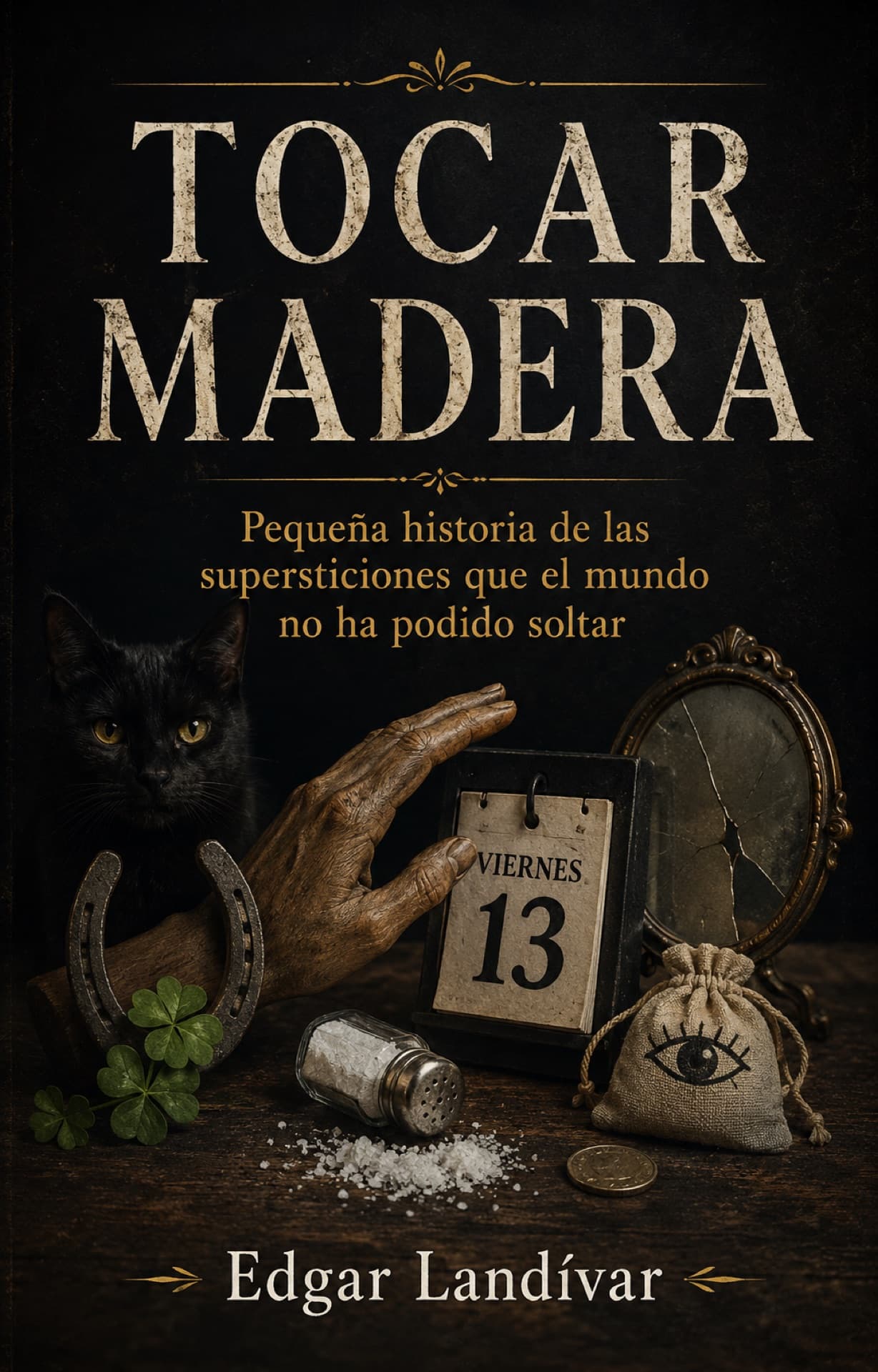
Tocar madera
Pequeña historia de las supersticiones que el mundo no ha podido soltar
Available on Amazon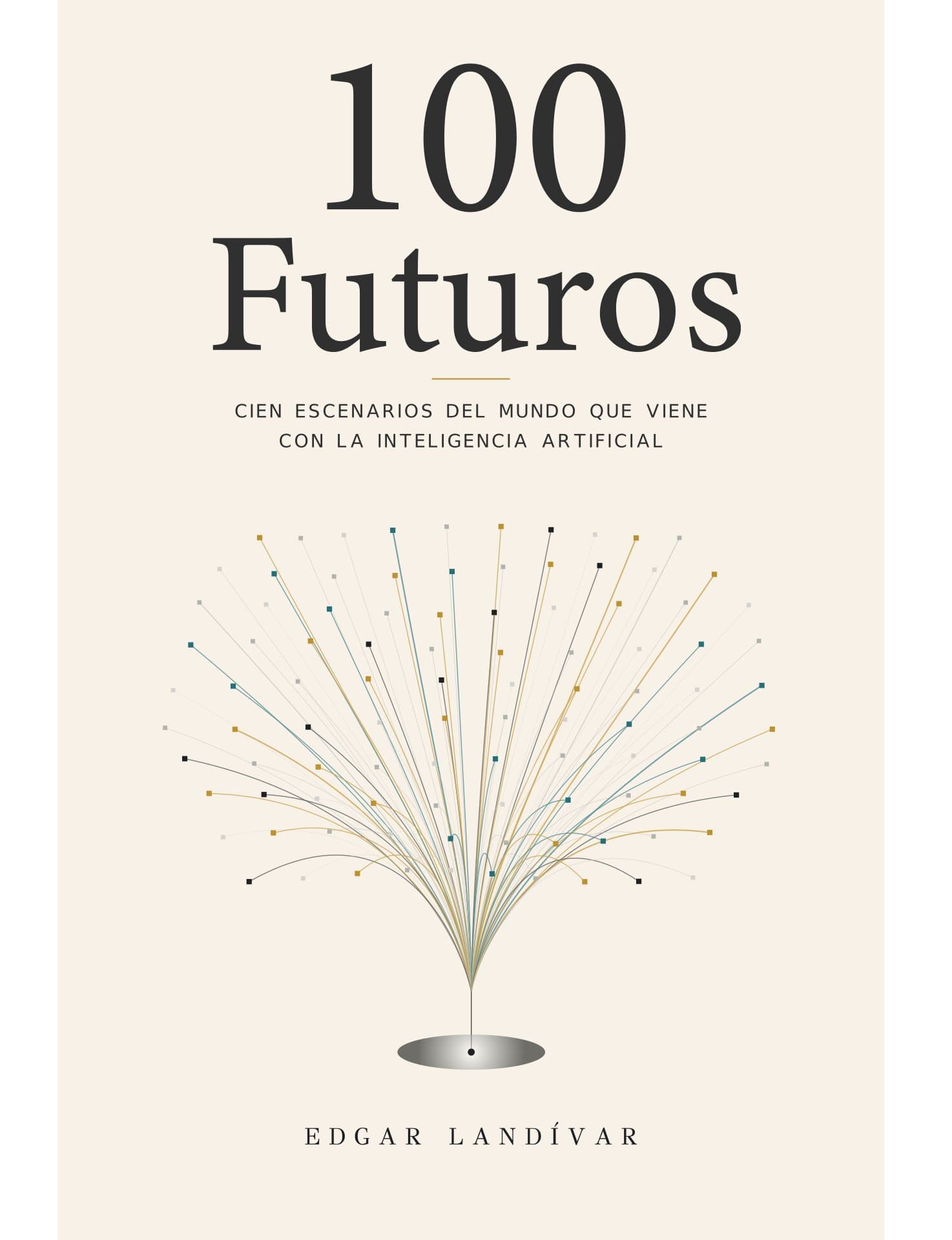
100 futuros
Cien escenarios del mundo que viene con la inteligencia artificial
Available on AmazonYou may also like

Rubber Before Goodyear: The Gum That Melted
Before vulcanization, rubber was a gum that melted in summer and cracked in winter. From the Maya to Goodyear, here's how it was finally tamed.
Porcelain: the Chinese secret Europe tried to steal
For centuries Europe paid fortunes for Chinese porcelain without knowing how it was made. This is the story of a hundred-year industrial espionage.
The History of Glass: The Material That Changed the World
Glass went from Egyptian luxury to everyday object thanks to Roman glassblowers, and later gave science its telescope and microscope.