
Harvesting energy from radio waves (Energy harvesting). A technology that we already used more than a century ago.
Harvesting energy from radio waves sounds like the future, yet a battery-free crystal radio was already doing it back in the 19th century.
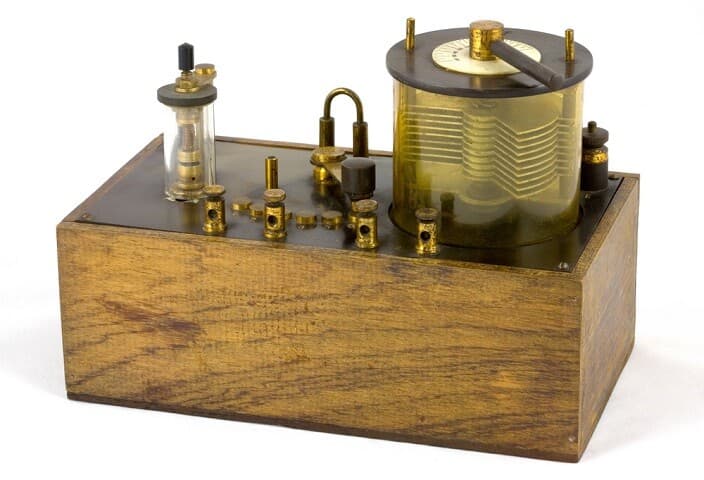
A few days ago I came across a product that is being funded on Kickstarter (the most popular crowdfunding site); a device that charges your cell phone by harvesting energy from radio waves that exist in the environment. Cool right? Free energy !!!
NikolaLabs (Project on Kickstarter)
It sounds at least feasible if you reduce the power consumption of electronic devices and if it gets perfected, who knows, it could mean the end of wall chargers or portable batteries!
I imagined a world with many devices charging with energy available in the environment, but while I was transported to the future in my time capsule I was assaulted by a Deja Vu ... "I've heard this before, long before."
I rummaged through the souvenir drawers a bit and found it. I've actually seen this concept at work before, but sooner even than I imagined.
I found out from a story my grandmother told me that my dad, as a teenager, had made a radio receiver out of a strange rock. It seemed like a fantastic story to me and for some years of my childhood I was intrigued by the story, trying to find more clues to that magical device.
Years later I learned that it was a galena or crystal radio. I mean, surely the rock my father had used was a galena rock. A mineral composed of lead and sulfur.
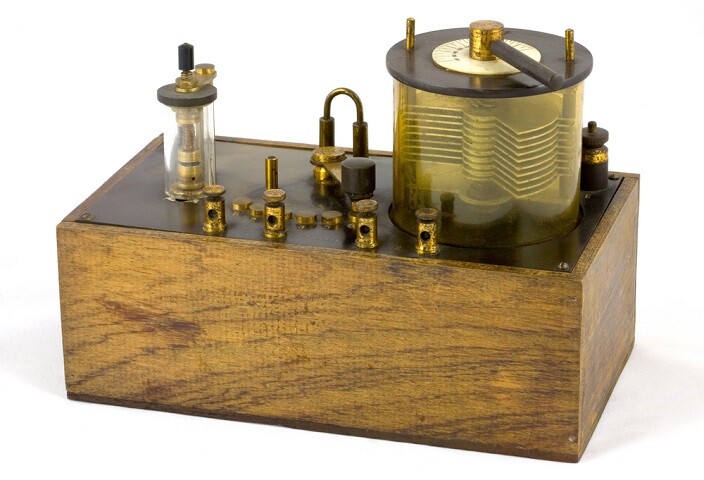
You could say that a crystal radio is the simplest radio receiver to build possible. However, the interesting thing is that it does not need to be powered by energy ... YES, YOU READ GOOD ... It works without batteries, without solar panels, without the need to connect to the electricity grid, nothing, nothing like that. The energy with which it works comes from the radio waves it consumes and the most interesting thing is that it was conceived in the 19th century.
At the beginning of the 20th century, its use became popular and was part of the entertainment of many families and enthusiasts, who thanks to this device could listen to transmissions from miles away, even on the other side of our planet.
In a future article I will explain HOW TO BUILD A CRYSTAL RADIO and of course, go back to the past listening to radio programs in "the old way".
Sometimes, to predict the future, it is enough to find out what the past was like ... and as it shows, I leave you with another article that I wrote some time ago about electric cars.
Between technology's past and future: discover why your next hard drive will be made of DNA and how the Apple AirTag works. More in Technology.
Categories
The books · born from this blog

Atahualpa con su abrigo de pelo de murciélago
y otras 49 historias verdaderas que parecen mentira
Available on Amazon
Tocar madera
Pequeña historia de las supersticiones que el mundo no ha podido soltar
Available on Amazon
100 futuros
Cien escenarios del mundo que viene con la inteligencia artificial
Available on AmazonYou may also like
The Car That Runs on Firewood: Old Technology Cuba Is Reviving Out of Necessity
A Cuban mechanic runs his Fiat on charcoal, reviving the century-old gasifier that powered half a million cars in WWII, now reborn out of necessity.
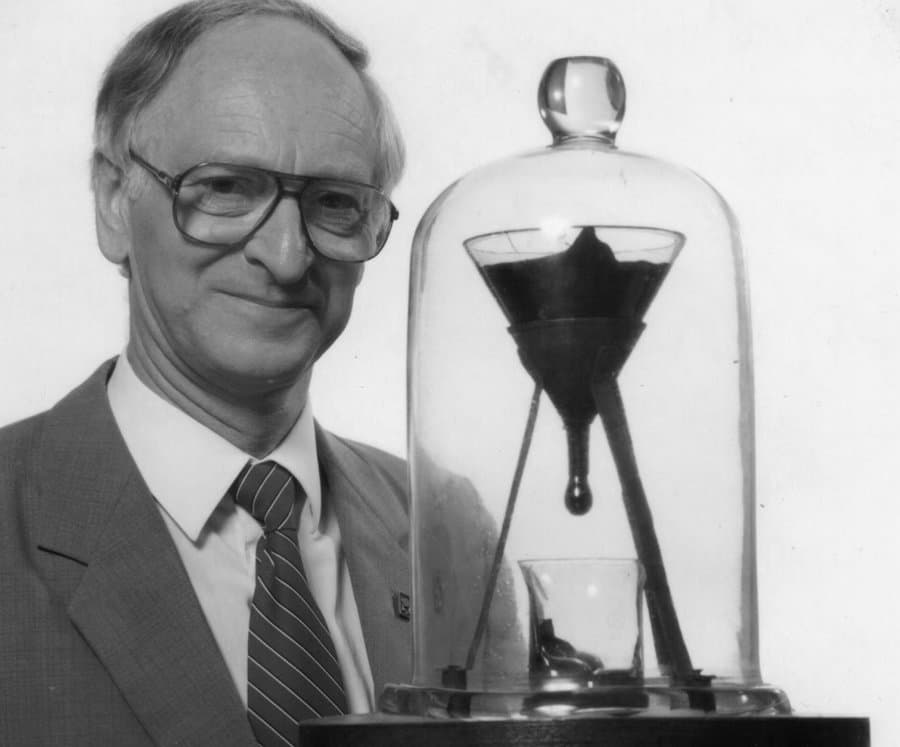
Mysteriously endless experiments. Can they work indefinitely? One of them has been in operation since the 19th century.
A bell ringing nonstop since 1840 and a tar drop falling once a decade: two stubborn experiments that have outlived the scientists who began them.
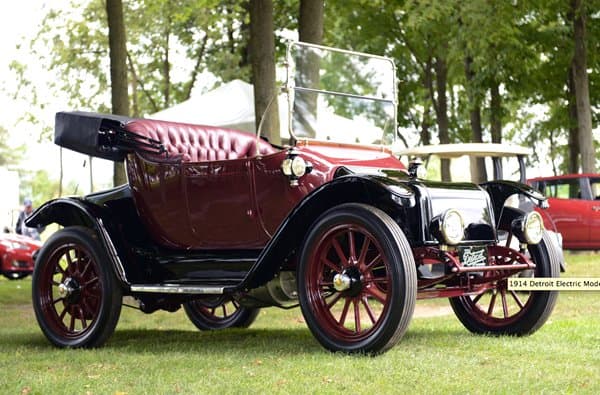
Electric vehicles, an invention that we forget, because of oil, but they have existed since the 19th century.
Electric cars aren't new: a 1927 guide reveals models from the 1890s with a 100-mile range, an invention oil made the world forget for a century.