
The origin of the word lynch: a Virginia judge
«Lynch» comes from Charles Lynch, a Virginia judge who in 1780 flogged suspects without trial. At first the word had nothing to do with killing.
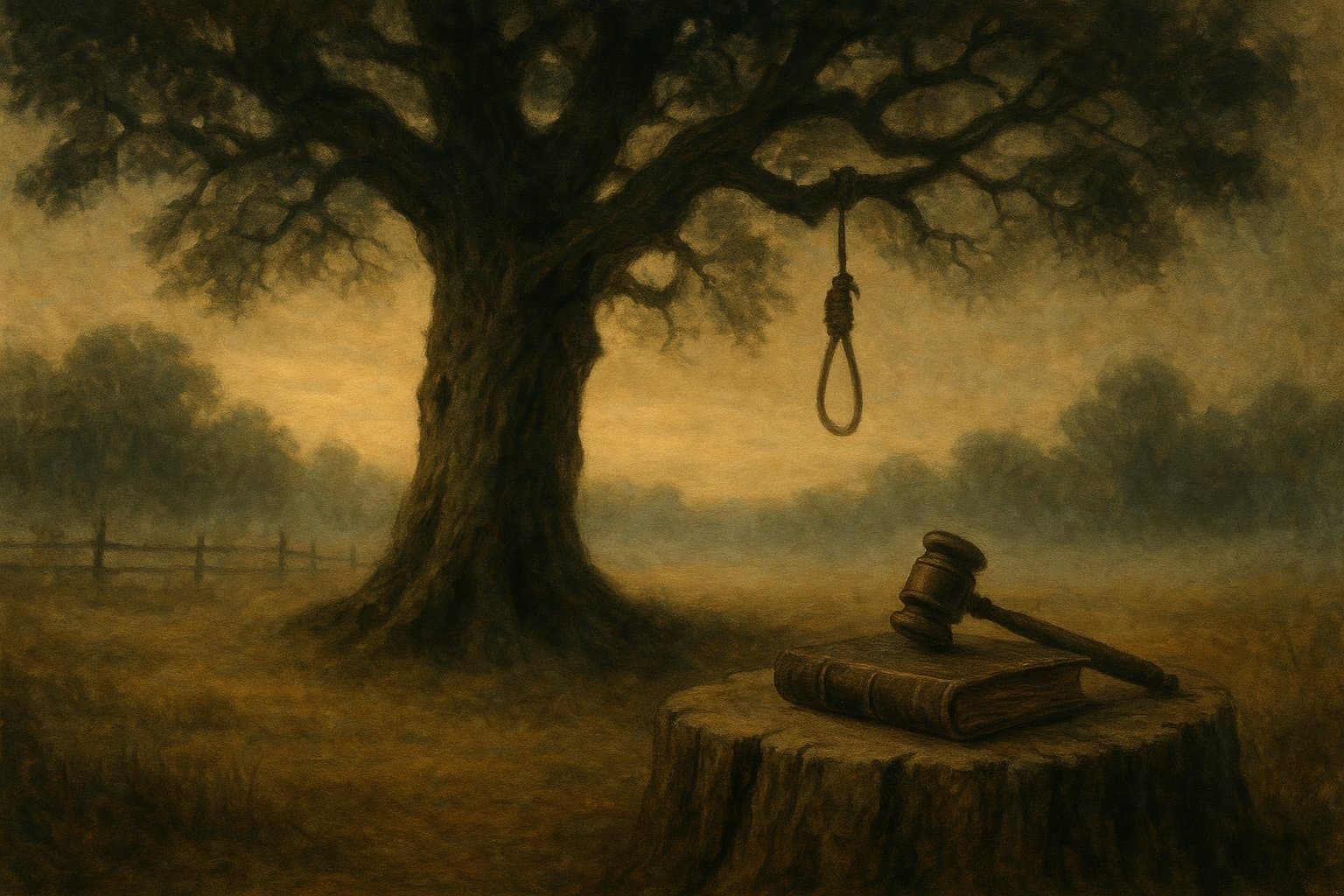
Today the word lynch summons one terrible, specific image: an enraged mob that drags someone off and hangs them from a tree, with no trial and no law. But that image is the end of a long drift. When the term was born, in the Virginia of the American Revolution, it did not mean killing anyone at all: it meant, above all, flogging. And behind the word there is a flesh-and-blood man, a judge whose surname ended up as a verb in half a dozen languages.
Charles Lynch, the judge who skipped the law
Charles Lynch (1736–1796) was a planter, politician, and justice of the peace in Bedford County, in southwestern Virginia. He had been born into a Quaker family, though the community itself expelled him for accepting an office that required swearing an oath, something his faith forbade. In 1780, in the thick of the Revolution, rumor spread of a Loyalist conspiracy in the region: the plotters meant to sabotage the lead mines near present-day Wytheville —the lead from which the Patriots cast their bullets—, free British prisoners, and march on Charlottesville to topple the state government.
Lynch, together with other militia officers and justices of the peace, did not wait for the ordinary courts to act. He rounded up the suspects, put them through a summary trial in an informal court, and handed down sentences on his own authority. It is the same kind of leap we saw when an Irish land agent's surname became the word «boycott»: a proper name that, because of what its bearer did, ends up christening an entire practice.
«Lynch's Law»: whippings, not the gallows
Here is the detail almost everyone misses. The original Lynch's Law was not the death penalty. The punishments that improvised court dealt out were floggings, seizure of property, coerced oaths of allegiance, and forced conscription into the army. The typical penalty was to tie the accused to a tree and whip them until they cried «Liberty forever!». Summary and illegal, yes; deadly, no.
What is striking is that this parallel justice was even legalized after the fact: in 1782 the Virginia General Assembly passed a law that shielded Lynch and his collaborators from liability for what they had done, on the grounds that they had acted in defense of the revolutionary cause. It is the same mechanism by which an action outside the law gets «laundered» once those in power decide it suited them, something that echoes the story of the word «sabotage» and its workers against the machines.
From the whipped back to the noose
Had the word kept its original sense, «lynch» today would mean little more than «to give someone a collective beating». But language does not sit still. Over the nineteenth century, lynch law grew harsher. Between 1835 and the Civil War it was often aimed at abolitionists; and after Reconstruction, in the American South, the term narrowed until it meant extrajudicial execution by hanging, directed above all against Black people. By the 1880s that was already the dominant sense, and in the twentieth century it hardened for good: to lynch is to kill.
It is one of the darkest semantic drifts in English, and from there it entered Spanish (linchar), French (lyncher), and other languages already carrying its hardened meaning. The word traveled, but took with it only the most brutal version of its history. This happens often with uncomfortable etymologies: like the word «slave», which began as the name of a whole people, «lynch» drags along a past we would rather not remember.
Charles, William, or an Irish mayor?
It is worth being honest: the exact origin of the word is disputed. The strongest candidate is Charles Lynch, because there is evidence that he himself used the term «lynching» as early as 1782. But William Lynch (1742–1820) has also been proposed, another Virginian who around the same time led his own band of vigilantes, though he is not known to have used the expression until much later.
And then there is the more colorful legend, which etymologists reject: that of the mayor of Galway, in Ireland, James Lynch fitz Stephen, who in 1493 supposedly hanged his own son —convicted of murder— from the window of his house. The story is dramatic, but it is far too distant in time and place from eighteenth-century Virginia, and that case was not even a lynching in the modern sense. It is the kind of «too good to be true» origin we have learned to examine closely, as happened with the word «assassin» and its legend of hashish. The likeliest and best-documented answer is that it all began with a judge who tied people to a tree and whipped them until he heard the word «liberty».
References
- «Charles Lynch (judge)», Wikipedia. en.wikipedia.org
- «Lynch», Etymonline. etymonline.com
- «Lynching in Virginia», Encyclopedia Virginia. encyclopediavirginia.org
- «Charles Lynch», Encyclopædia Britannica. britannica.com
Do you enjoy the stories behind words? Continue with the origin of «boycott» or explore the whole etymology series.
Categories
The books · born from this blog
Atahualpa con su abrigo de pelo de murciélago
y otras 49 historias verdaderas que parecen mentira
Available on Amazon
Tocar madera
Pequeña historia de las supersticiones que el mundo no ha podido soltar
Available on Amazon
100 futuros
Cien escenarios del mundo que viene con la inteligencia artificial
Available on AmazonYou may also like

The origin of the word alcohol: from makeup to the glass
«Alcohol» comes from the Arabic «al-kuhl», a black powder used as eye makeup. How a cosmetic ended up naming the most famous drink in the world.

The origin of the word bikini: a nuclear explosion
«Bikini» comes from the Pacific atoll where the U.S. tested atomic bombs in 1946. A French designer named his swimsuit that way so it would be «explosive».
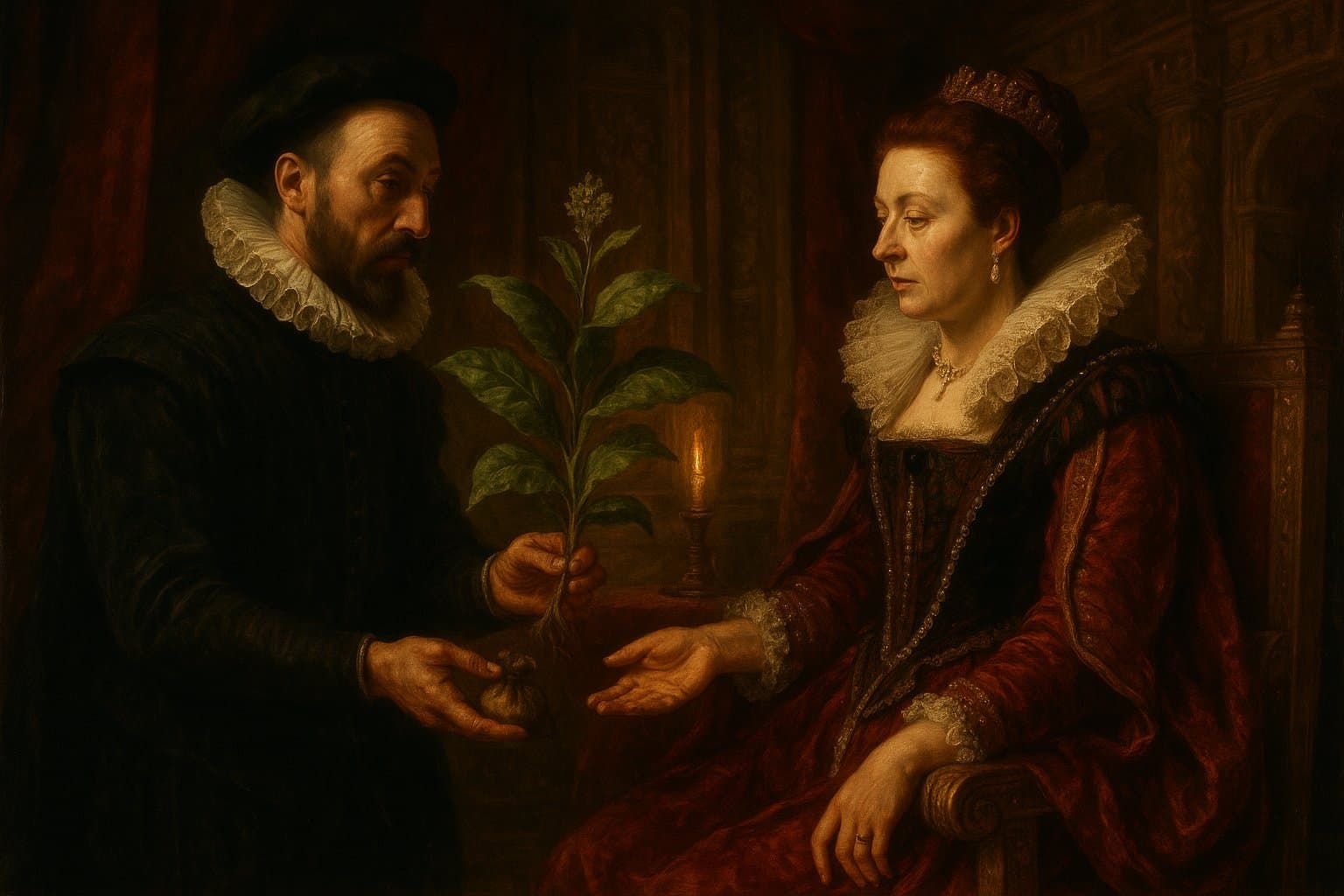
The origin of the word nicotine: a French ambassador
«Nicotine» comes from Jean Nicot, the ambassador who sent tobacco to Catherine de' Medici in 1560. How a surname ended up naming an addictive molecule.