
The origin of the word sandwich: an earl and a table
«Sandwich» comes from the title of an 18th-century English noble. Legend says it was to keep playing cards; history hints at something duller.
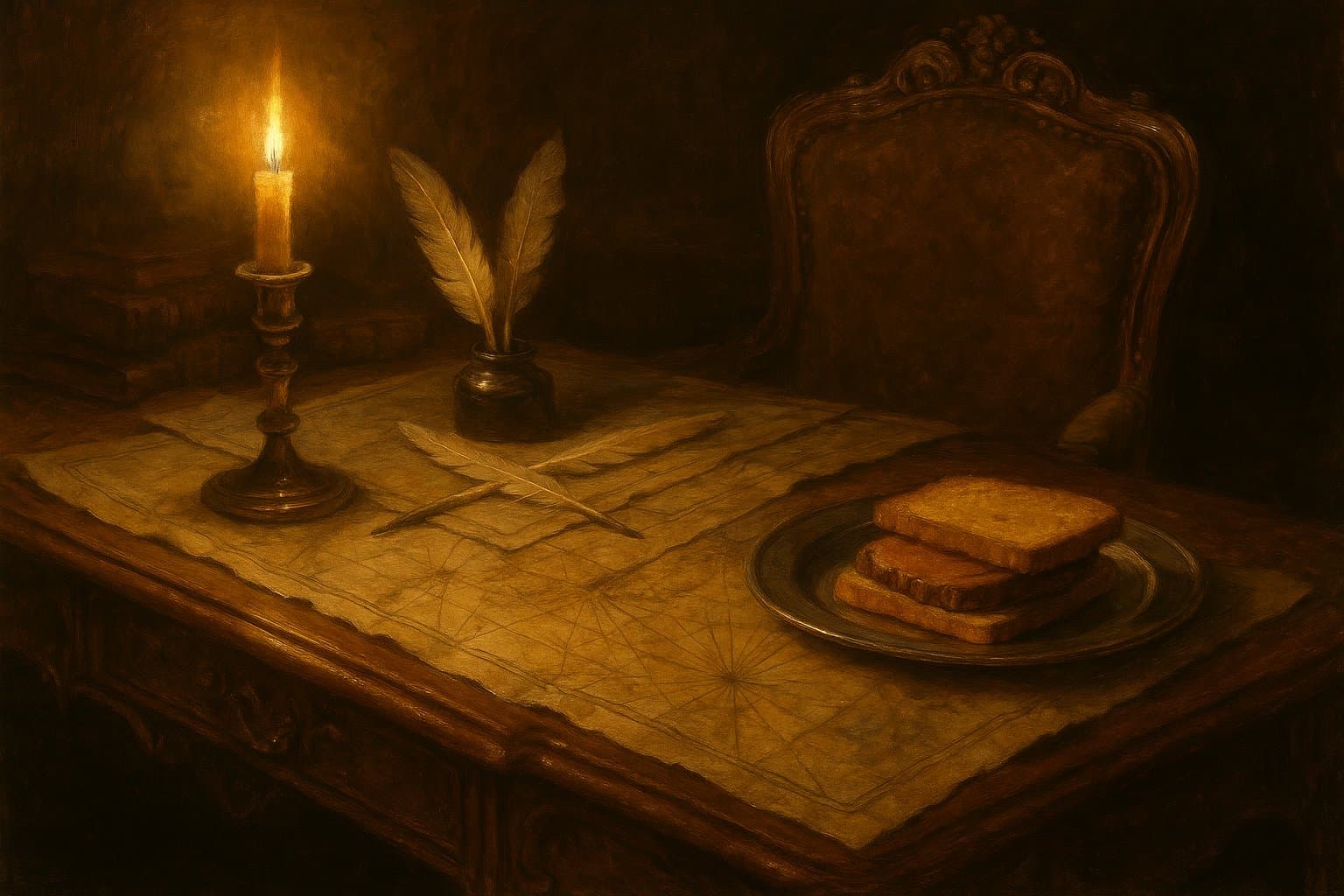
Some words you can eat. «Sandwich» is one of them, and behind the name there is no ingredient and no recipe, but a real man of flesh and blood: John Montagu, fourth Earl of Sandwich, an eighteenth-century English aristocrat. The version everyone knows says he was such a gambler that he would not leave the card table even to eat, so he asked for meat between two slices of bread to keep his cards clean. It is a delicious story. The trouble is that it almost certainly did not happen that way.
The earl who named the snack
John Montagu (1718–1792) was no nobody. He was First Lord of the Admiralty —the highest authority in the British Navy— during a century of naval wars, and also Postmaster General and Secretary of State. His noble title, «Earl of Sandwich», came in turn from a town on the coast of Kent called Sandwich, one of England's historic Cinque Ports. The town's name is Saxon and means, roughly, «sandy place» or «harbor on the sand». So the word we order today in any café arrives, by a centuries-long detour, from an English beach.
The earl did not invent the idea of putting food between two pieces of bread —that is as old as bread itself— but it was his name that stuck to the invention. It is the same curious mechanism by which a surname becomes an everyday word, as when a stingy French minister christened the «silhouette» or an Irish land agent gave his name to «boycott».
The legend of the gaming table
The romantic story even has a date: 1762. It is said that Montagu spent twenty-four hours straight at a gaming table, so absorbed that he ate nothing but a piece of roast beef between two slices of toasted bread, because that way he could eat with one hand and keep playing with the other. His fellow players, the tale goes, began asking for «the same as Sandwich», and from that the name was born.
The source of that scene is a French traveler, Pierre-Jean Grosley, who in his book A Tour to London (1772) described «a minister of state» who spent twenty-four hours at a public gaming table living on nothing but meat between bread. Grosley named no one, but the English public quickly assumed he meant the Earl of Sandwich. The catch is that Grosley wrote from hearsay, gathering society gossip, and may well have embellished or invented the anecdote.
What probably really happened
Montagu's modern biographers tell a less glamorous, more believable story. There is no evidence he was a heavy gambler: he bet at most on cricket and little else, with no trace of those card-table marathons. What is documented is that he was a workaholic, an official who put in extremely long days on the affairs of the Navy, politics, and his own pursuits. The most widely accepted explanation today is that he asked for meat between bread so he could eat without leaving his desk, not the gaming table.
If that version is the true one, the irony is tasty: the global symbol of fast food born of playful laziness would actually have come from the excess of duty of a bureaucrat who had no time even to sit down for lunch. The legend of vice sold better than the truth of hard work, and it was the legend that won. It often happens with words: they keep the more entertaining version, even when it is not the most accurate, just as happened with «assassin» and the legend of hashish.
The first time anyone wrote «sandwich»
There is one fact that is solid. The first written appearance of the word is in the diary of the English historian Edward Gibbon —author of The History of the Decline and Fall of the Roman Empire— who on 24 November 1762 noted that he had seen fashionable men eating «a bit of cold meat, or a Sandwich». That the word was already circulating naturally that year suggests the name caught on very fast, in the earl's own lifetime.
The surname had, moreover, another geographical offspring. When Captain James Cook reached Hawaii in 1778, he named the archipelago the «Sandwich Islands» in honor of Montagu, who was his patron at the Admiralty. The name did not stick to the islands, but it shows how thoroughly the earl was everywhere: on the map of the Pacific and on your lunch plate, all at once.
From a noble to the most universal word on the menu
Today «sandwich» is one of those words that travel without borders: it is said almost identically in dozens of languages and has lost its aristocratic scent entirely. No one thinks of an English earl when ordering one. The word made the same journey as so many others that began as proper names and ended in lowercase, worn down by daily use until they became invisible. From the sand of Kent to a noble title, from a gaming table —real or invented— to the counter of any corner of the world: not bad for a piece of bread with meat inside.
References
- «John Montagu, 4th Earl of Sandwich», Encyclopædia Britannica. britannica.com
- «Who Invented the Sandwich?», HISTORY. history.com
- «Did the 4th Earl of Sandwich Really Invent the Sandwich?», History Hit. historyhit.com
- «Sandwich», Etymonline. etymonline.com
Do you enjoy the stories behind words? Continue with the origin of «silhouette» or explore the whole etymology series.
Categories
The books · born from this blog
Atahualpa con su abrigo de pelo de murciélago
y otras 49 historias verdaderas que parecen mentira
Available on Amazon
Tocar madera
Pequeña historia de las supersticiones que el mundo no ha podido soltar
Available on Amazon
100 futuros
Cien escenarios del mundo que viene con la inteligencia artificial
Available on AmazonYou may also like

The origin of the word alcohol: from makeup to the glass
«Alcohol» comes from the Arabic «al-kuhl», a black powder used as eye makeup. How a cosmetic ended up naming the most famous drink in the world.

The origin of the word bikini: a nuclear explosion
«Bikini» comes from the Pacific atoll where the U.S. tested atomic bombs in 1946. A French designer named his swimsuit that way so it would be «explosive».
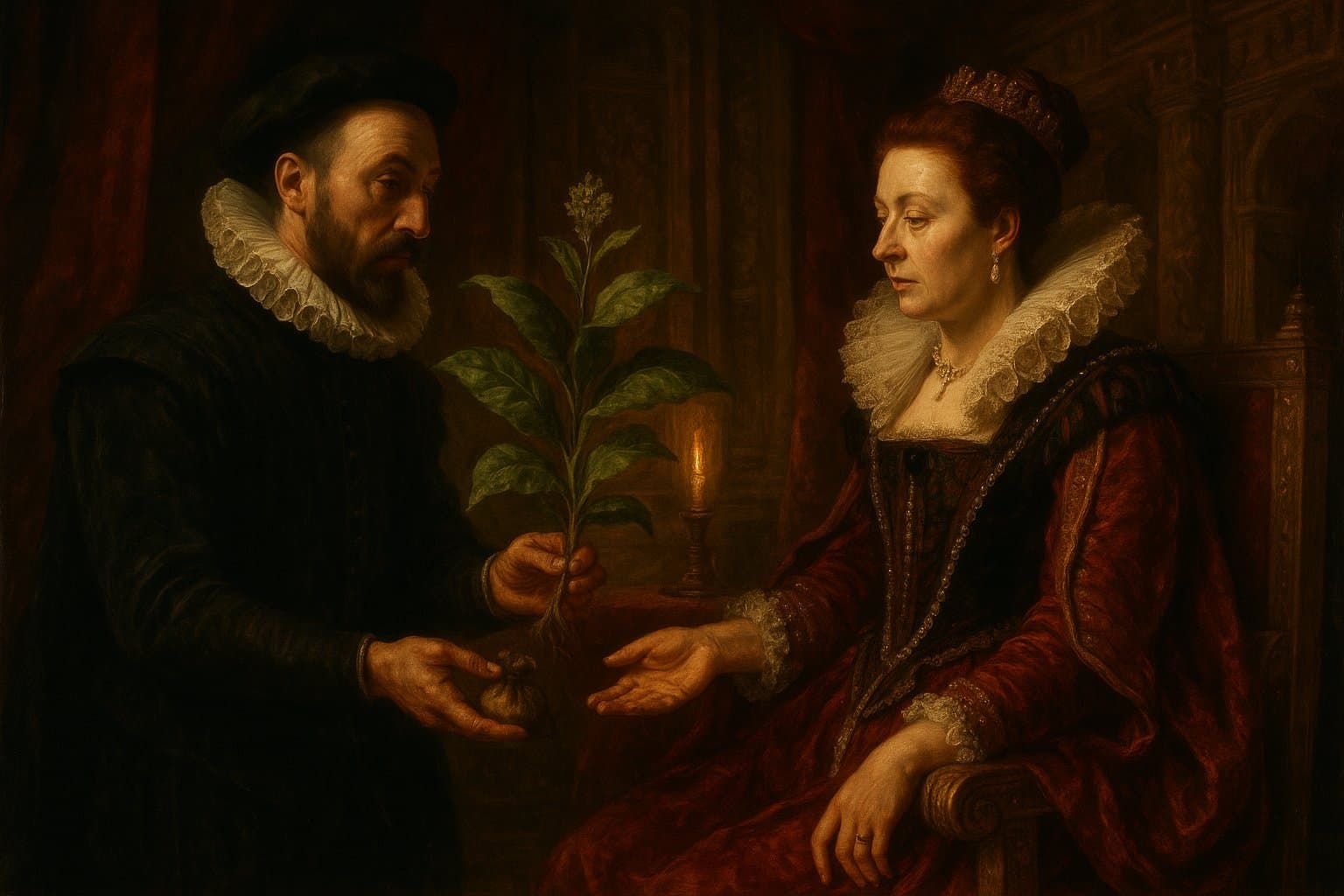
The origin of the word nicotine: a French ambassador
«Nicotine» comes from Jean Nicot, the ambassador who sent tobacco to Catherine de' Medici in 1560. How a surname ended up naming an addictive molecule.