
Category
Etymology
26 articles

Avatar: From a God's Descent to Your Profile Picture
The word avatar comes from Sanskrit and named the earthly incarnation of a Hindu god. That is how it travelled from Vishnu to your profile picture online.

Sarcasm: The Word That Means “to Tear the Flesh”
Sarcasm comes from the Greek “sarkázein”: to bite or tear the flesh. The same root as sarcophagus. An irony that, quite literally, bites.
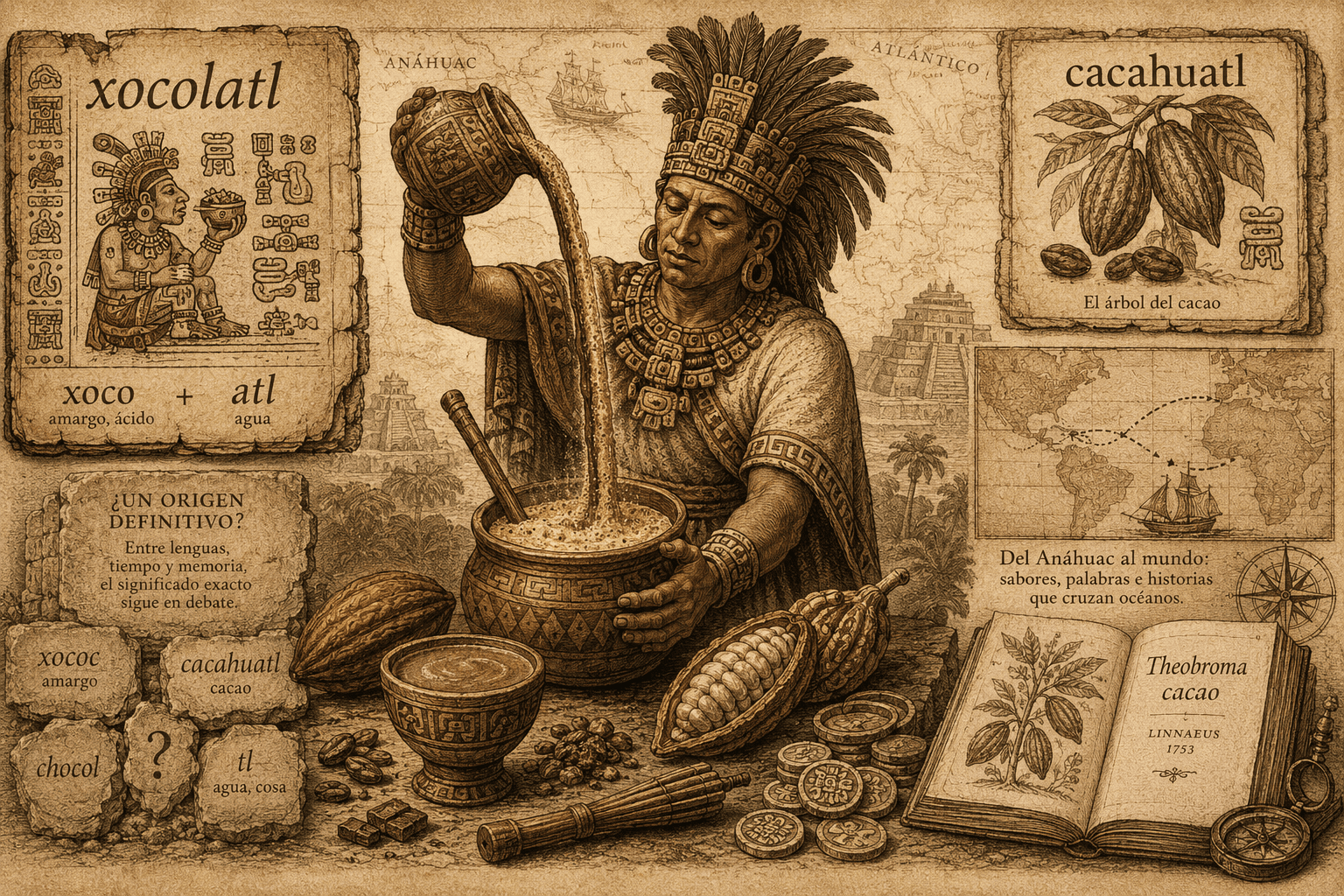
The Delicious Origin of the Word “Chocolate”
The word chocolate comes from Nahuatl, though its exact origin is still disputed between “bitter water,” “hot water” and a blend with Mayan.

Nostalgia: The Word That Was a Medical Diagnosis
Nostalgia was born in 1688 as a deadly disease: a Swiss student invented it to name the illness suffered by soldiers who longed for their homeland.
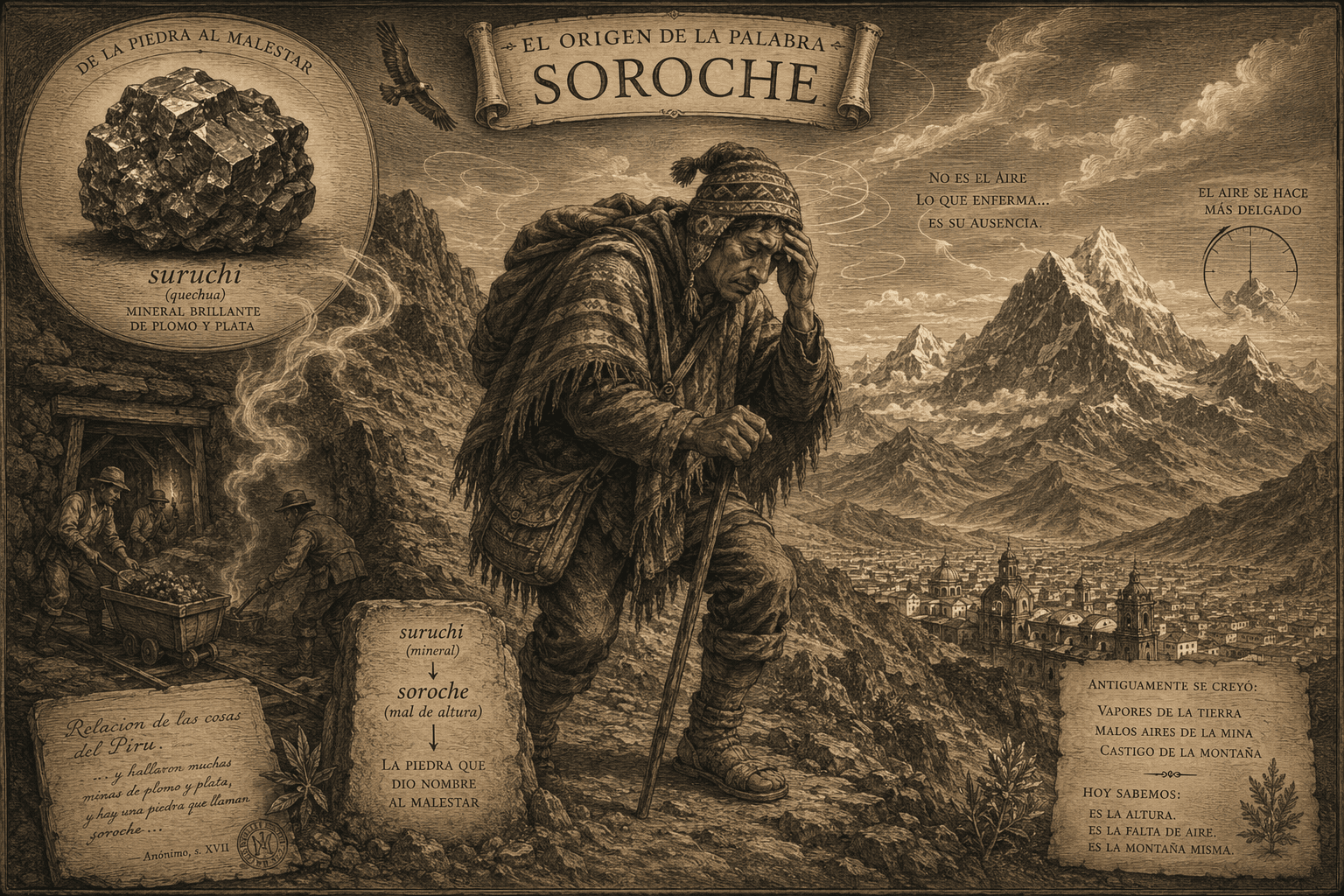
The Origin of the Word “Soroche”
Soroche, the altitude sickness of the Andes, owes its name not to the air but to a mineral: for centuries its vapours were blamed for sickening travellers.
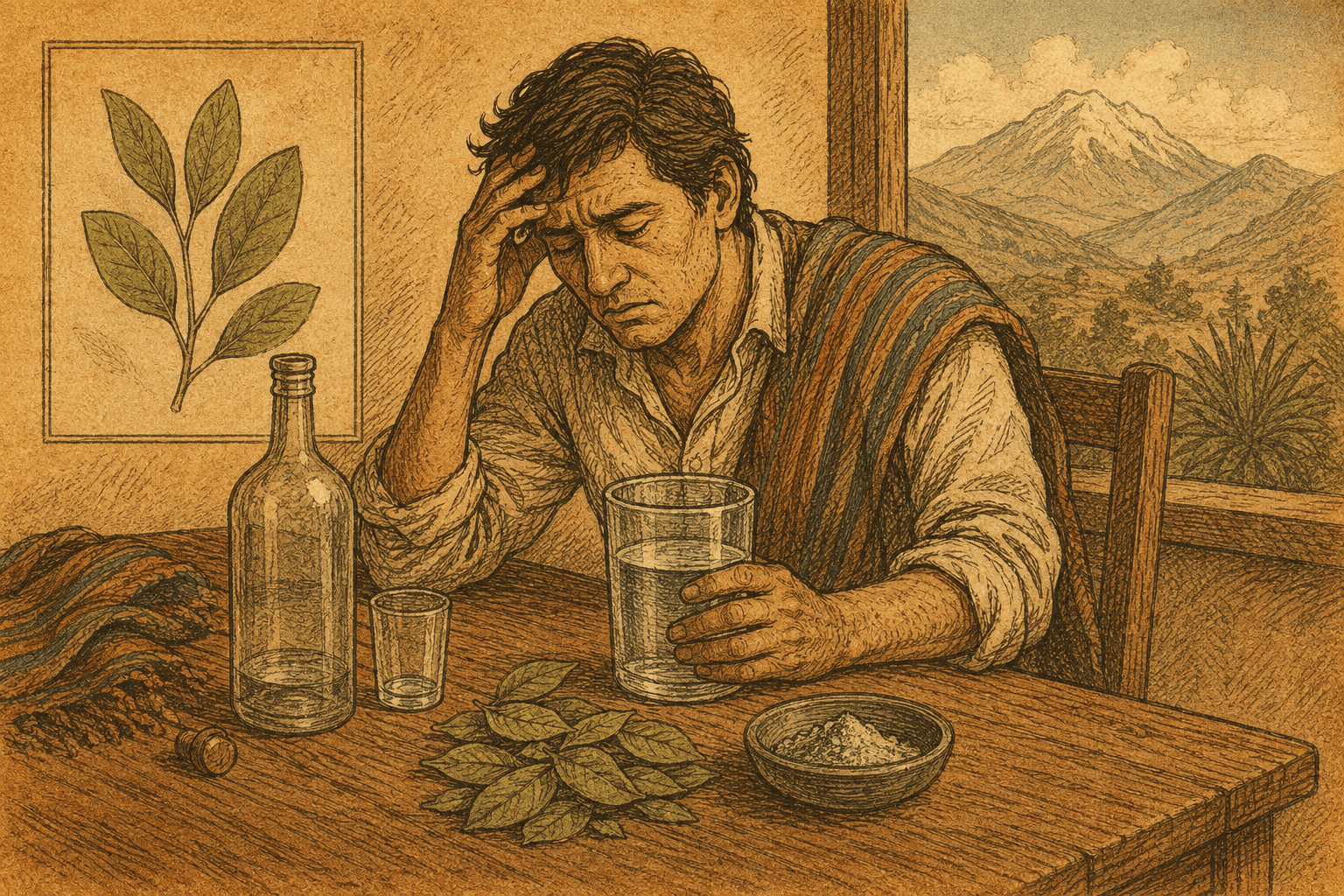
The Origin of “Chuchaqui”, the Ecuadorian Hangover
“Chuchaqui” is the hangover the Ecuadorian way, a word almost nobody understands across the border. Its origin lies in Quichua and the coca leaf.
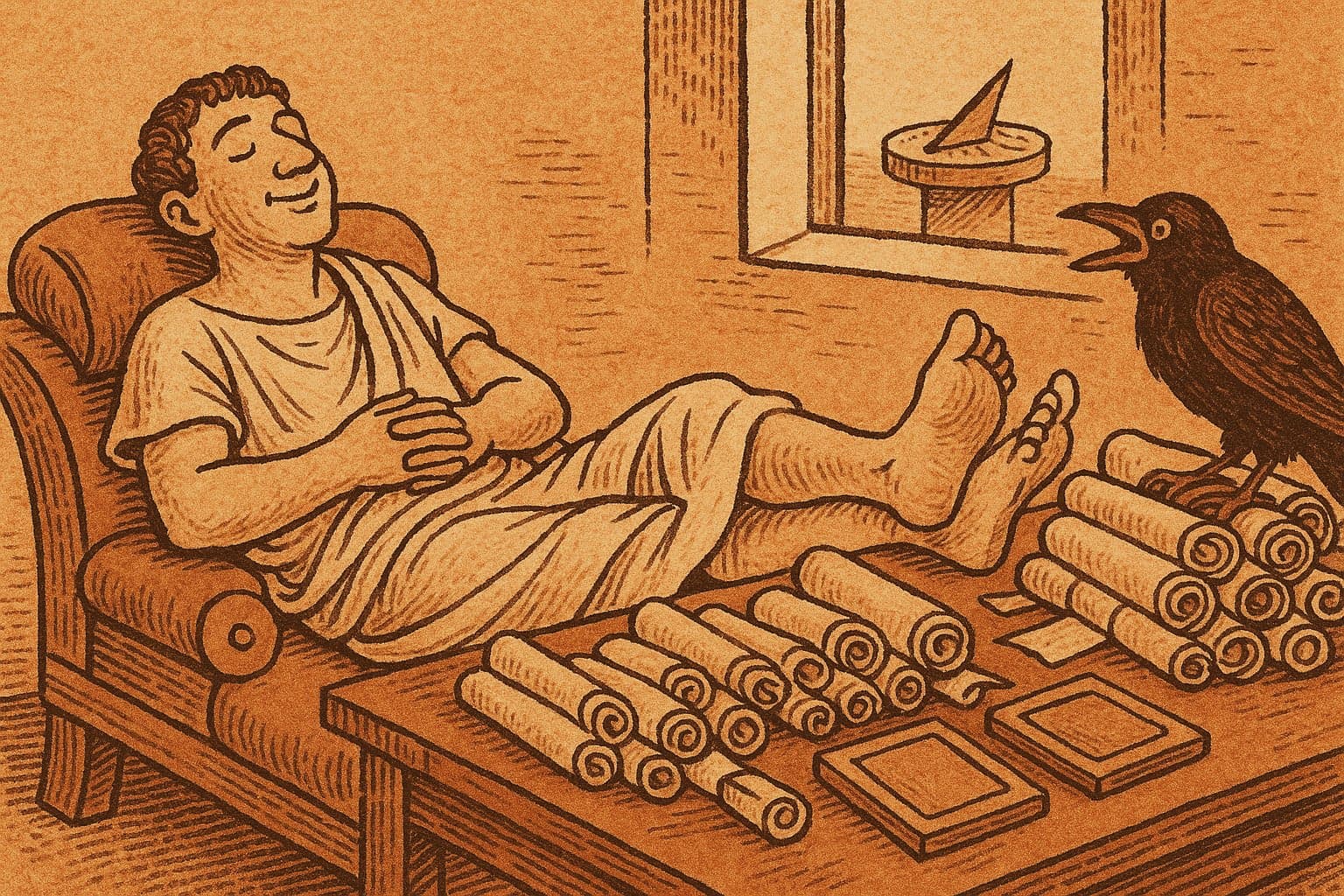
Procrastination: The Vice That Infuriated the Romans Who Coined the Word
Procrastination comes from the Latin «cras», tomorrow. Hesiod scolded procrastinators 2,700 years ago and Cicero declared it hateful. We're not the first.
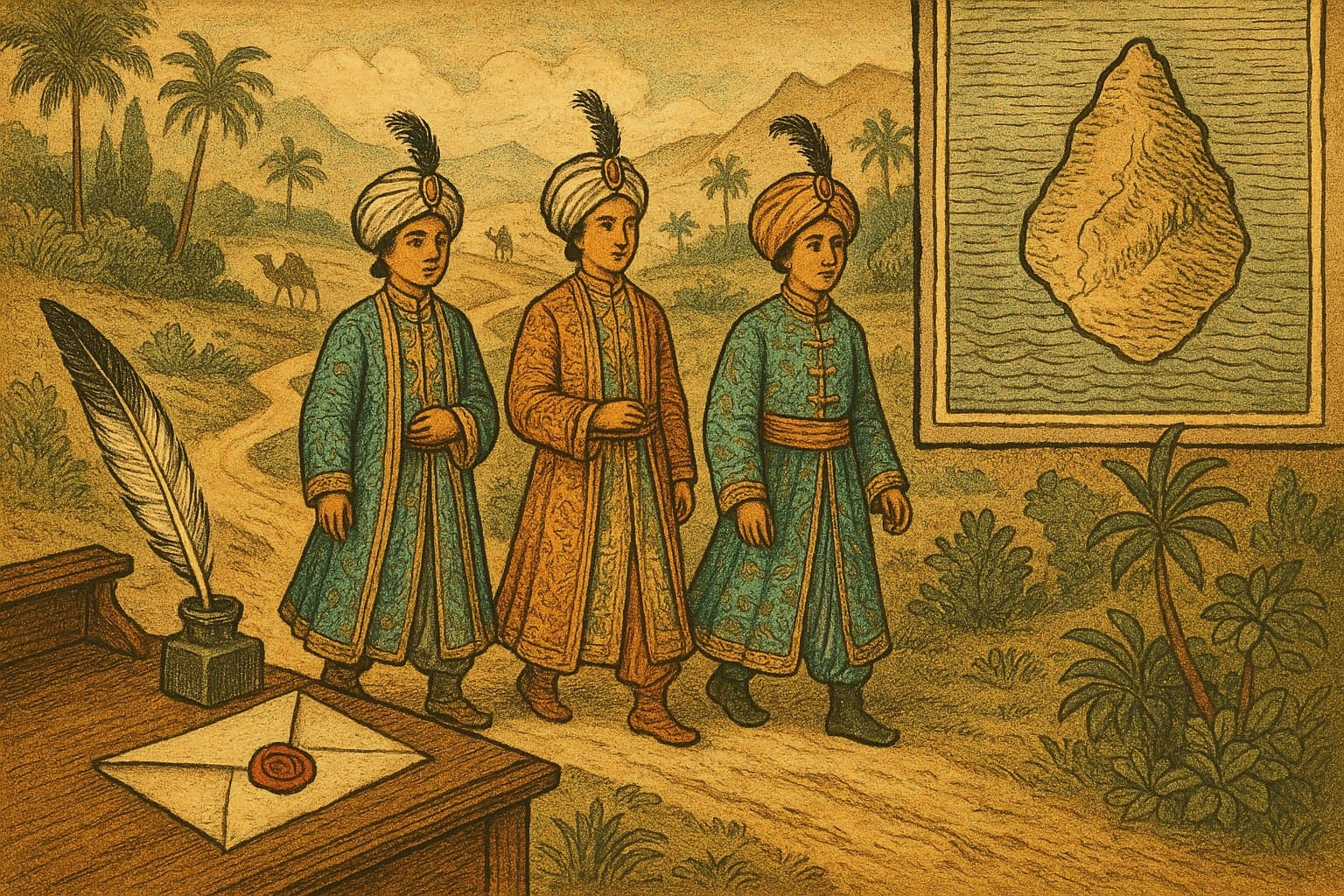
Serendipity: The Word Born in a Letter From 1754
Few words have an exact birth certificate. Serendipity was born on January 28th, 1754, in a private letter — and its root is the old name of Sri Lanka.
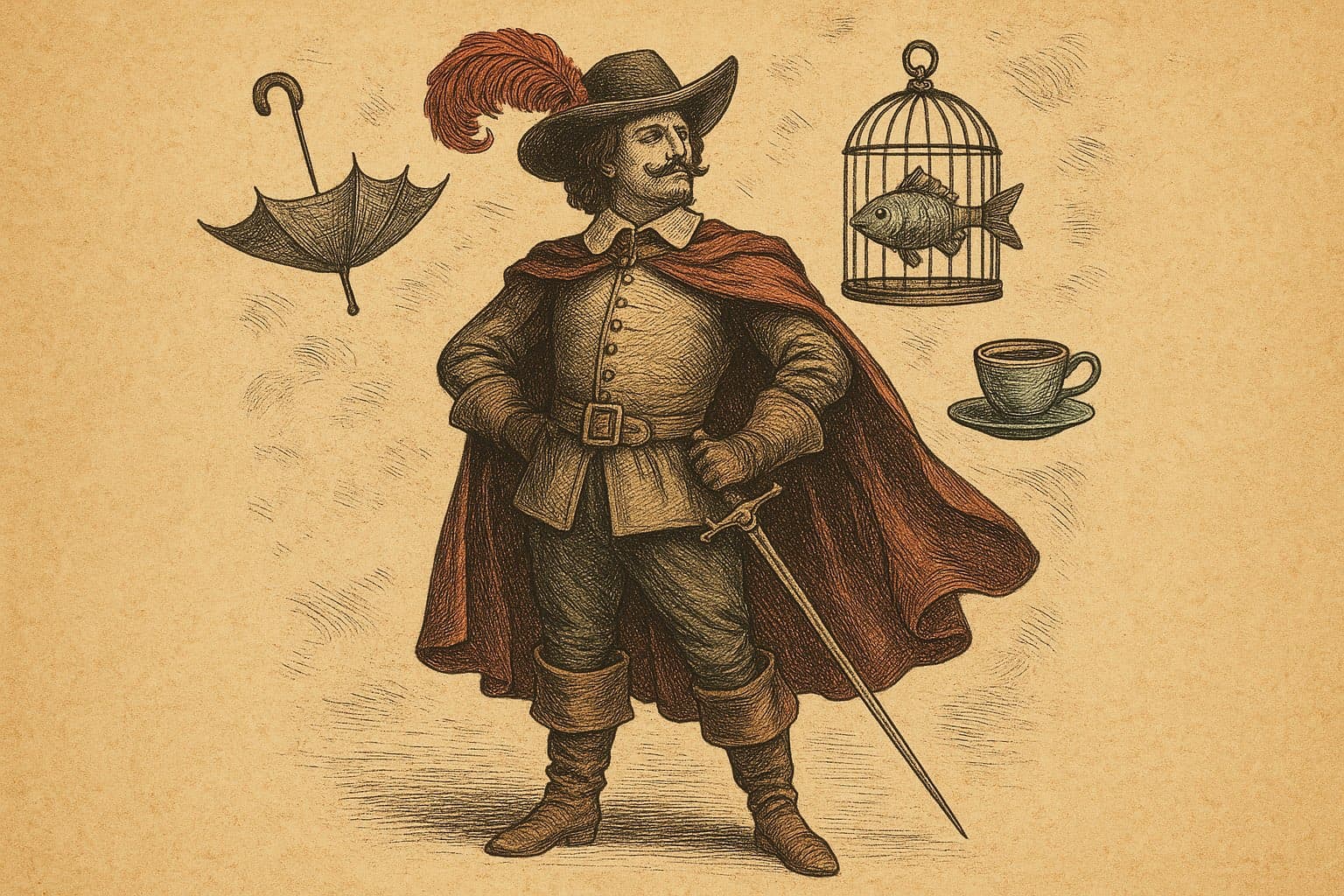
“Bizarro” Doesn't Mean What You Think
For centuries, the Spanish word “bizarro” meant brave and gallant. How a false friend stole a word's meaning — and how the dictionary surrendered.

Narcissus Didn't Fall in Love With Himself: The Myth Behind “Narcissist”
Half the internet wants to know what a narcissist is. The Greek myth that named the word doesn't tell the story you think — and it's far better.
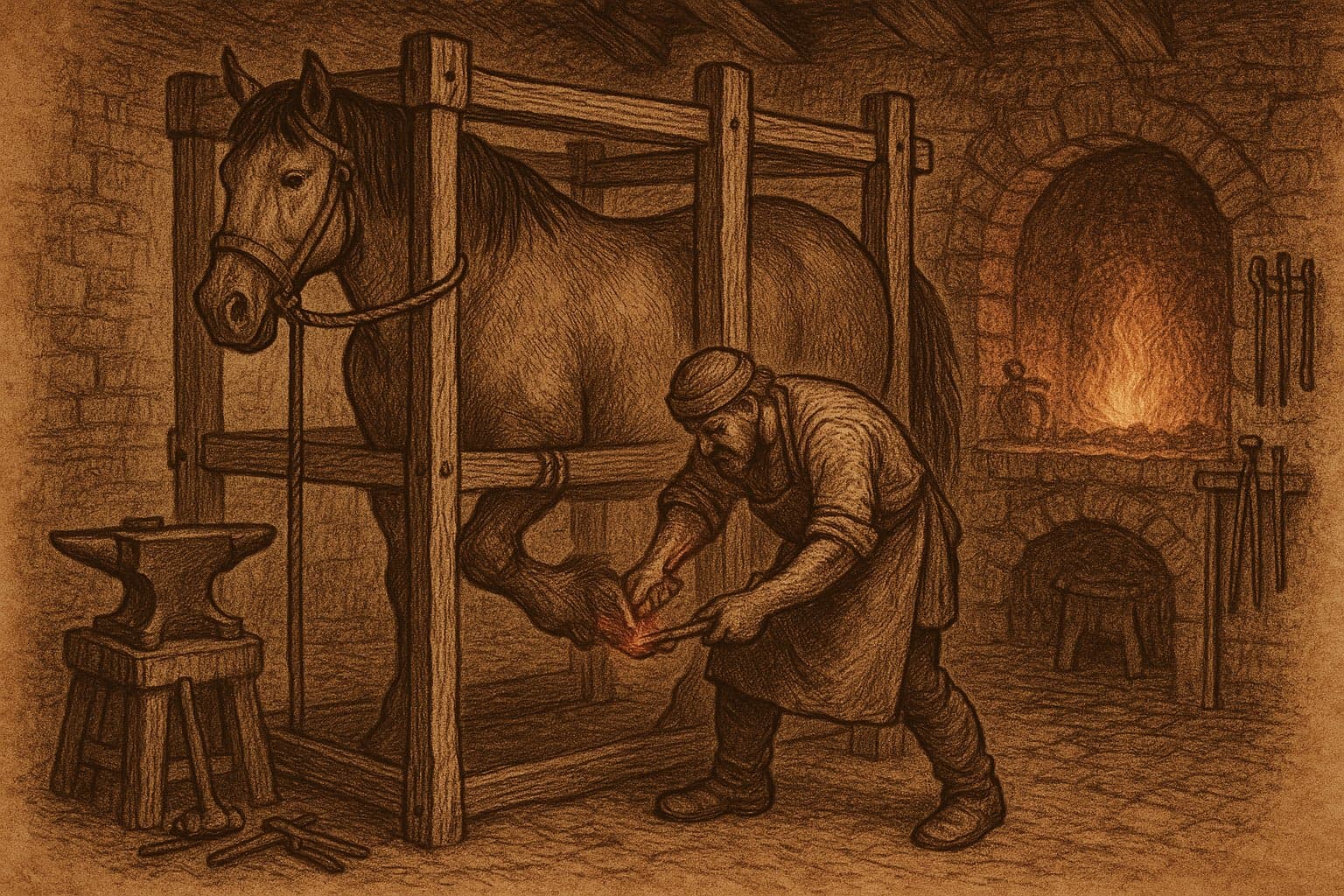
Does the Word “Travel” Really Come From a Torture Device?
Viral etymology says “travel” (and Spanish “trabajo”) comes from the tripalium, a Roman torture device. Short answer: sort of. The long one is better.

Why Is the Panama Hat Called Panama If It Was Born in Ecuador?
The world's most famous hat is woven in Montecristi and Cuenca, yet it bears another country's name. The story of a stylish injustice.

Maecenas Was Not a Word: He Was a Man
Behind every patron of the arts stands a real man: Gaius Maecenas, Augustus' millionaire friend who paid poets — and changed history doing it.

Why Does September Mean Seven If It's the Ninth Month?
September comes from septem, seven — yet it's the ninth month. Neither Julius Caesar nor Augustus is to blame: the story is older and stranger.
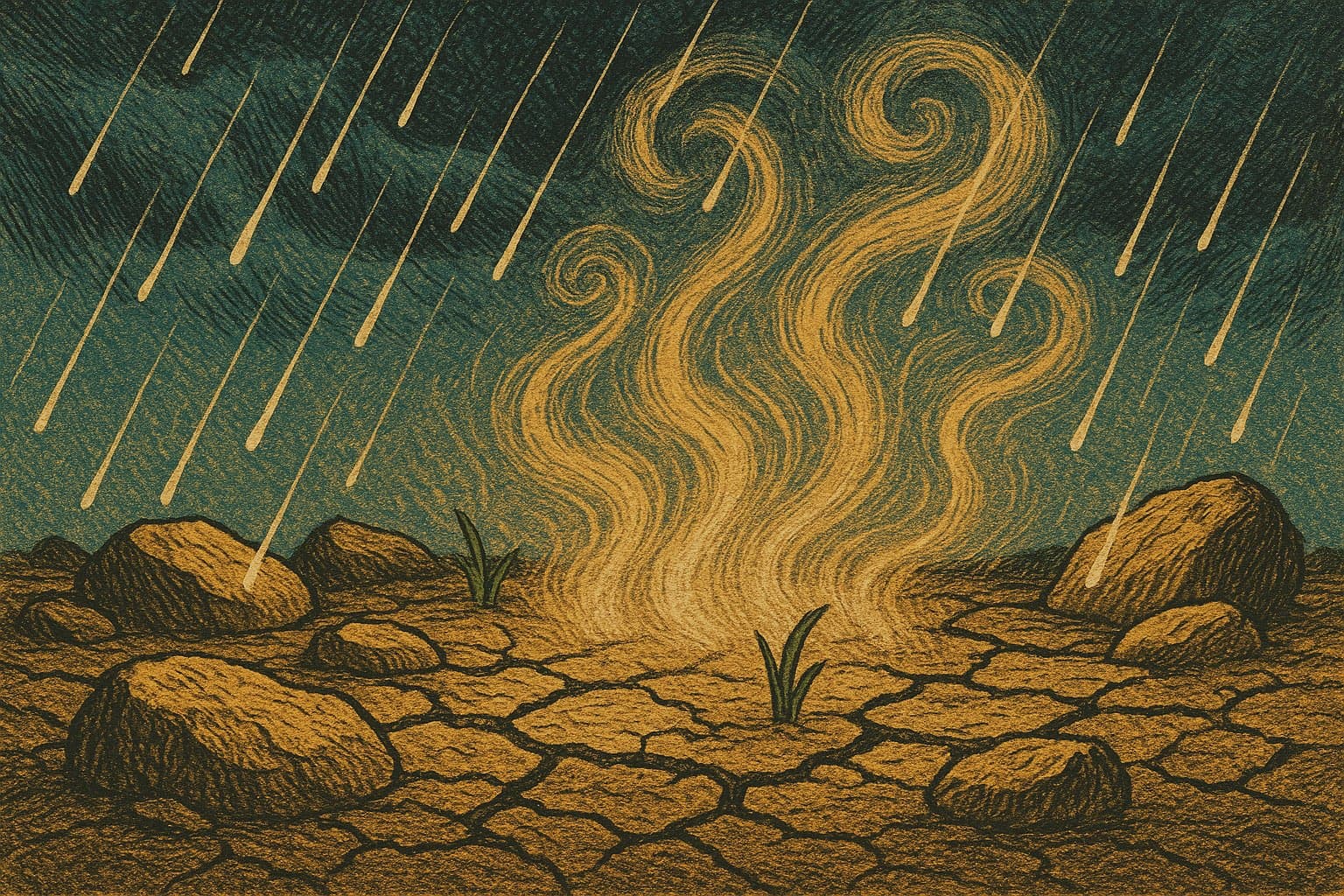
The Origin of the Word “Petrichor”
The smell of rain has had a name since 1964: petrichor, “the blood of the gods flowing from stone”. This is its story — and its science.

The Origin of the Word “Sybarite”
Sybaris was the richest, most luxurious city of ancient Greece — until its dancing horses doomed it. This is how the word sybarite was born.

The Origin of the Word “Ostracism”
In classical Athens, scratching a name on a piece of broken pottery could banish a man for ten years. This is how ostracism was born.

The Real Origin of the Word “Gringo”
Everyone repeats that “gringo” comes from “green go home”, but the word already existed in Spain in 1787. This is the real story behind the term.
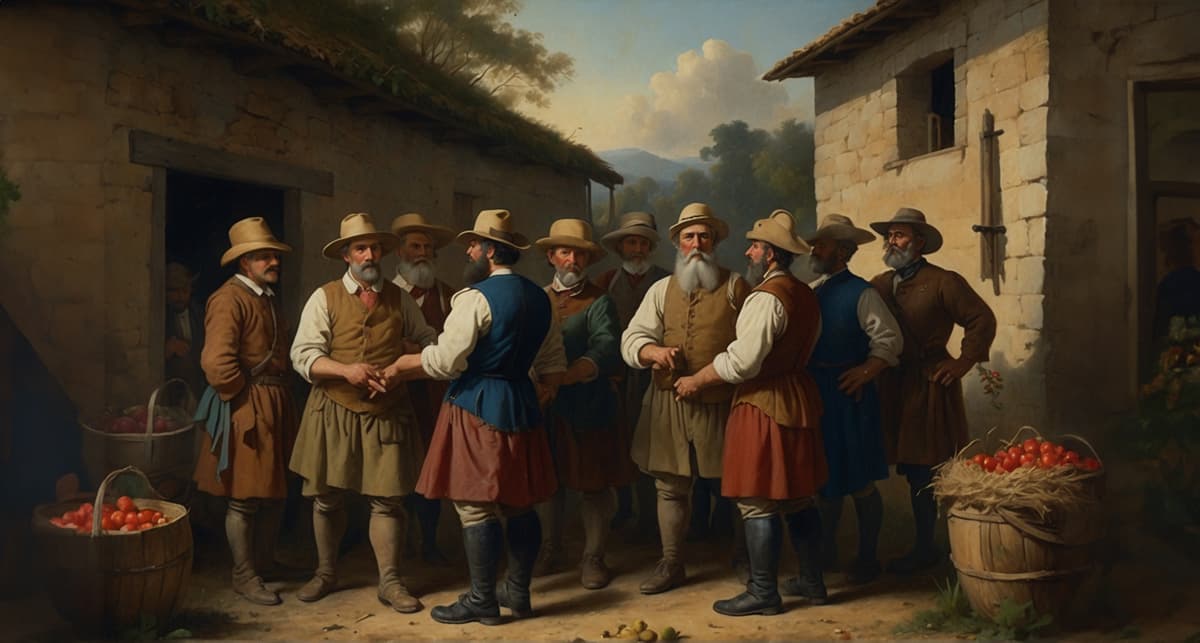
The Origin of the Word "Boycott"
The word boycott comes from a real man, Charles Boycott, an English land agent in Ireland whom an entire community refused to serve in 1880.

The Story Behind the Name of Isla de la Plata and the Treasure It Still Hides
Why is it called Isla de la Plata? A real pirate's chronicle reveals the truth behind the name, once Drake's Island, and the treasure it may still hide.
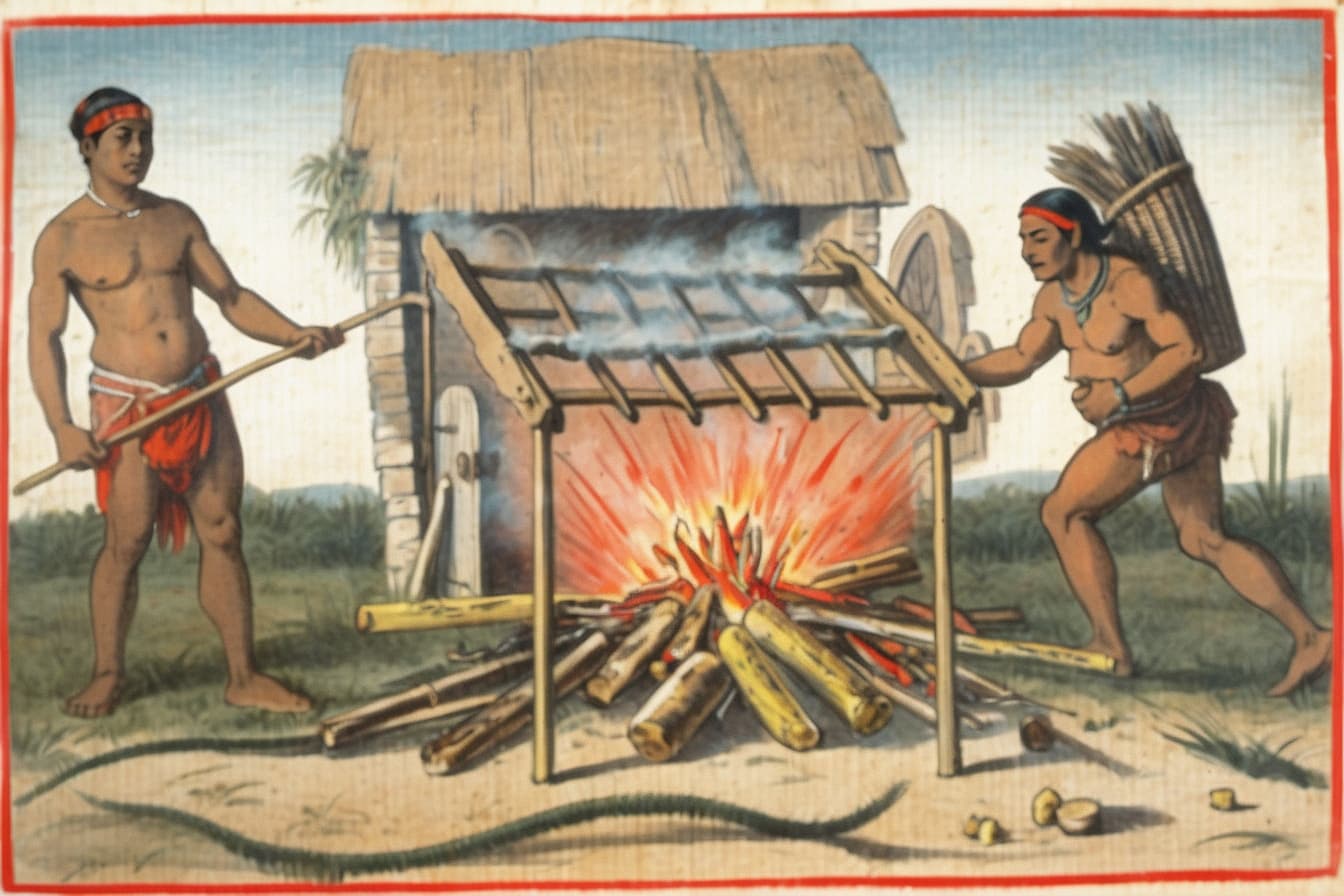
Barbecued Meat and the Origin of the Buccaneers
How did barbecued meat give the buccaneers their name? The surprising tale of ruthless pirates who learned to smoke meat the Taíno way on Hispaniola.
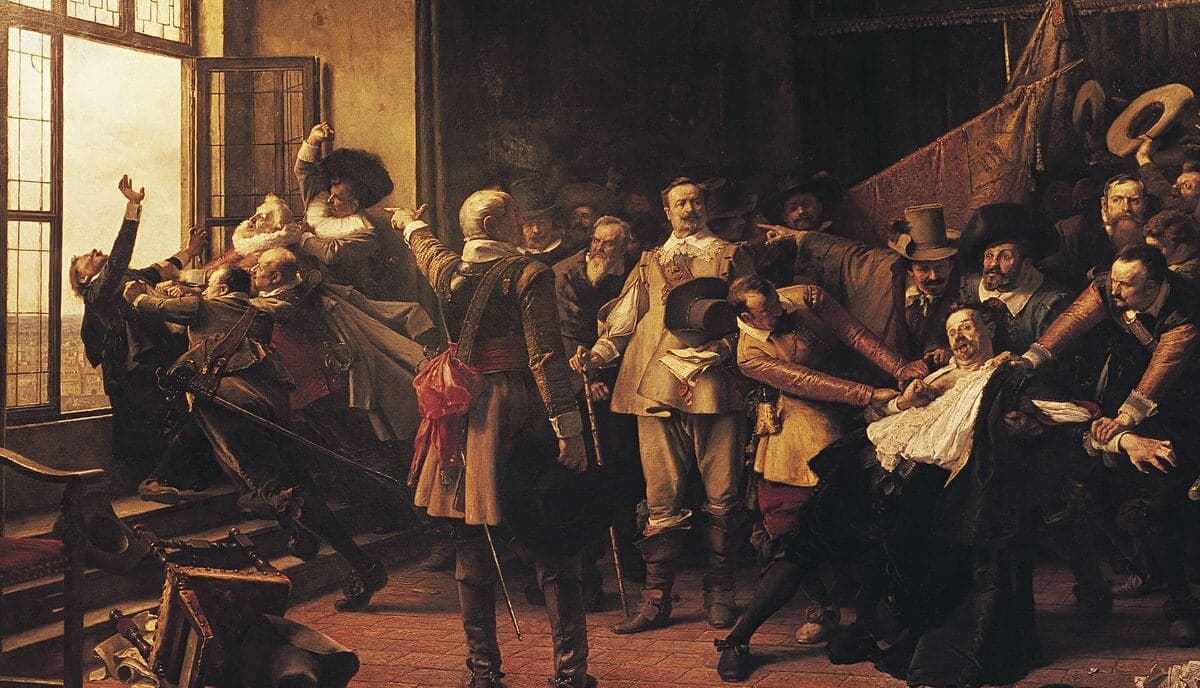
The Chilling Origins of the Word Defenestrate
To defenestrate now means to oust an official, but the word was born from a brutal Prague custom: literally hurling councilmen out of windows.
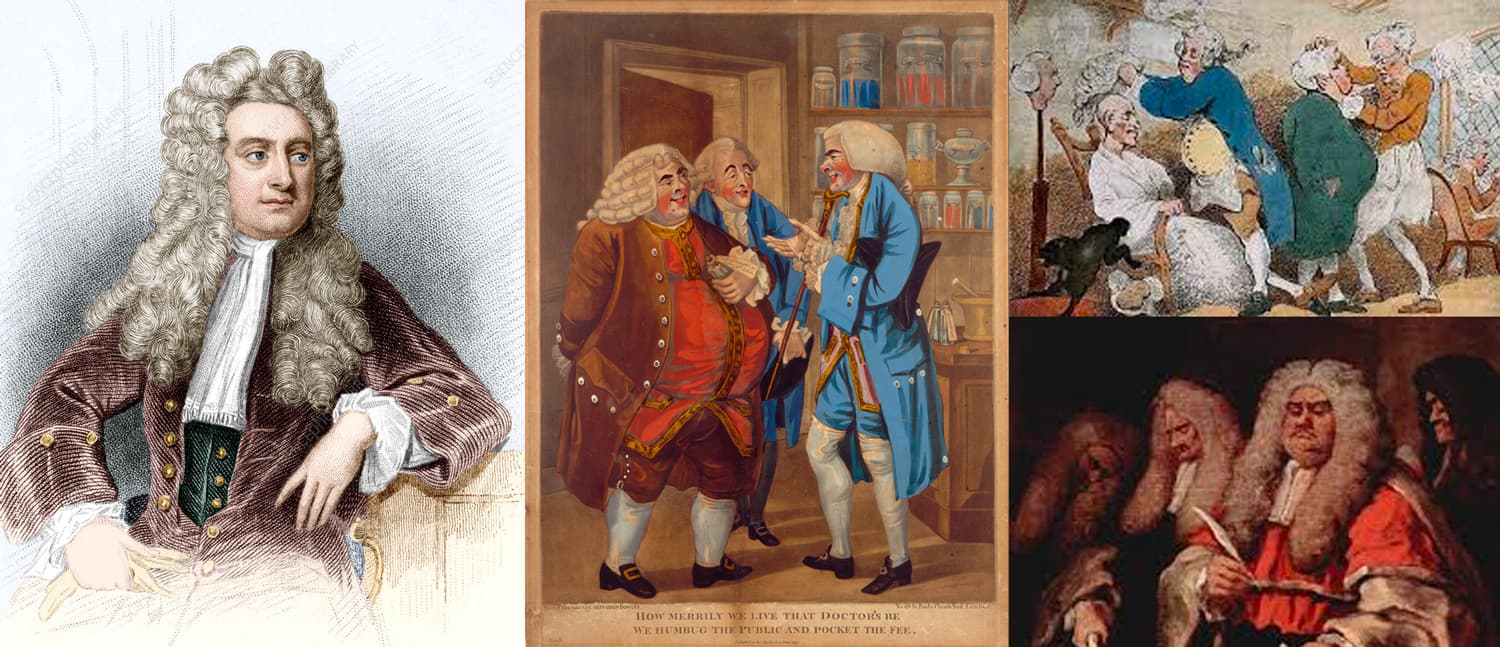
A Brief Study on the Origin of the Term "Pelucón"
The origin of «pelucón» runs from Renaissance wigs and English bigwigs to Chilean royalists, long before Correa revived it in Ecuador.
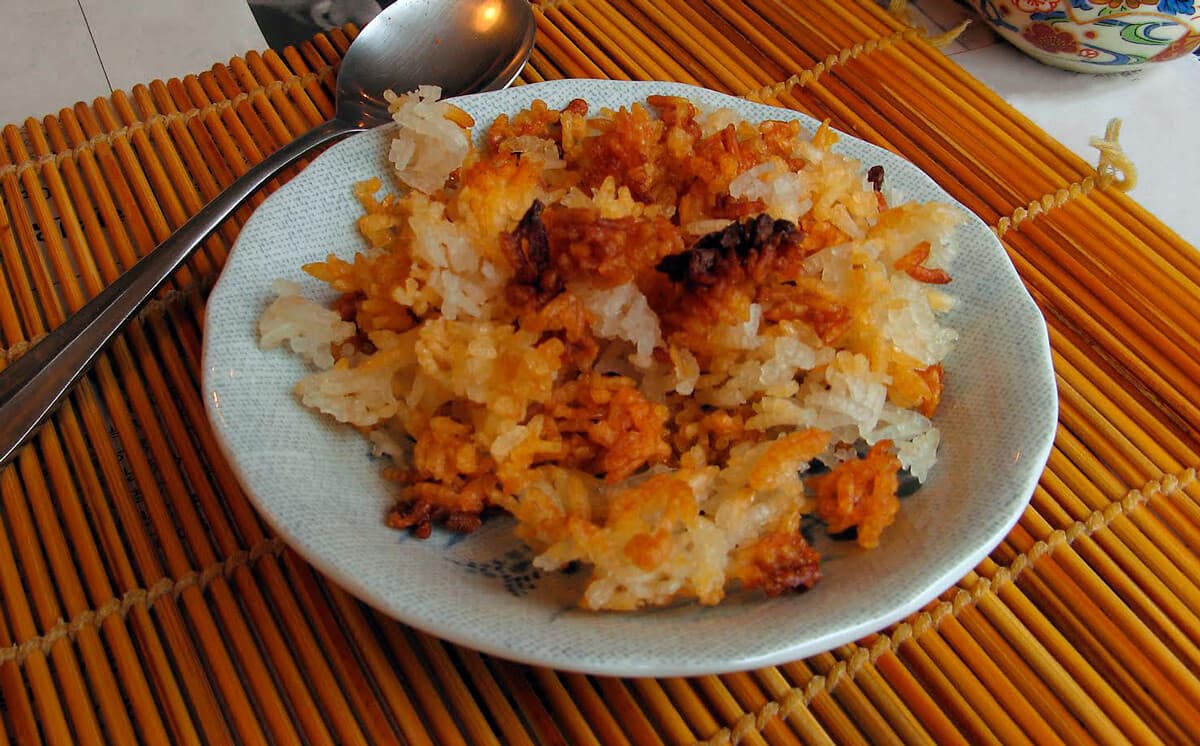
Origins of the word cocolón and no, it does not come from "cook too long"
Does the word «cocolón» really come from the English «cook too long»? A 1922 Ecuadorian etymology book debunks this popular urban legend.
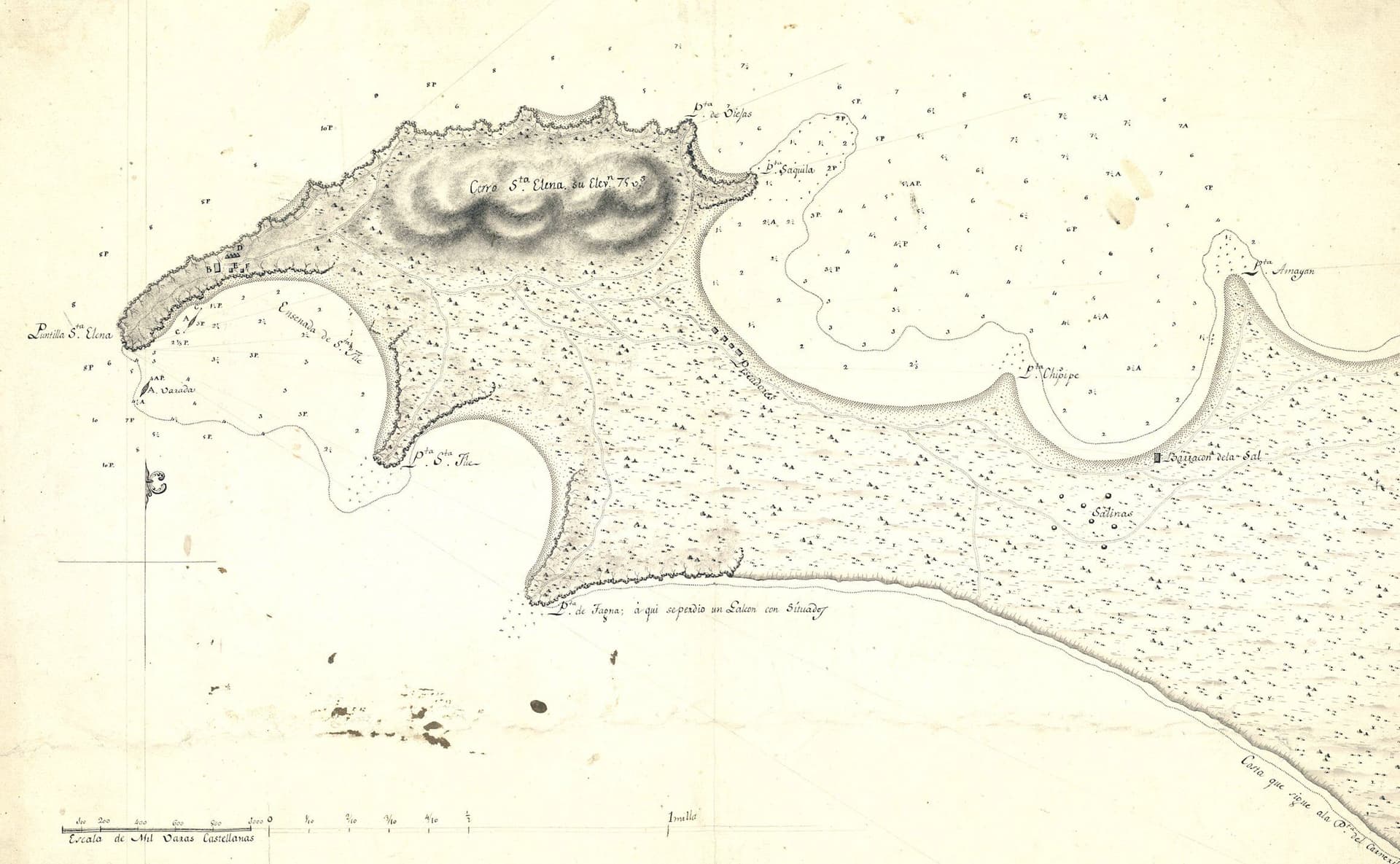
Chipipe is not Shit Pipe
Did Chipipe beach really get its name from an English «shit pipe»? A 1924 dictionary debunks the viral rumor that even fooled Wikipedia.

Etymology of the Word YONI. Where Does This Term Come From?
In Ecuador, «yoni» means the United States, but where did the word come from? A linguistic trail leads to two rival, surprising explanations.